In brief
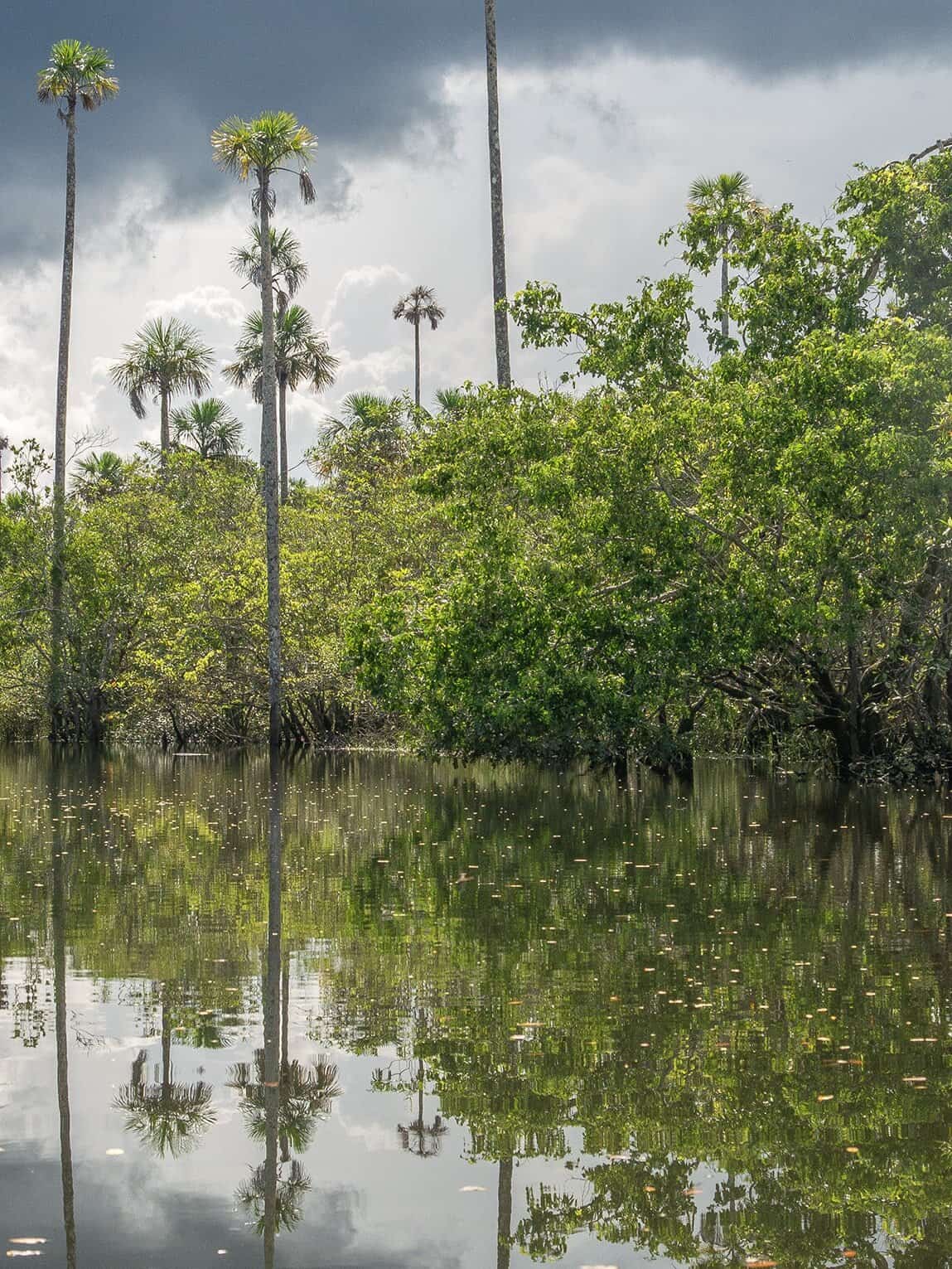
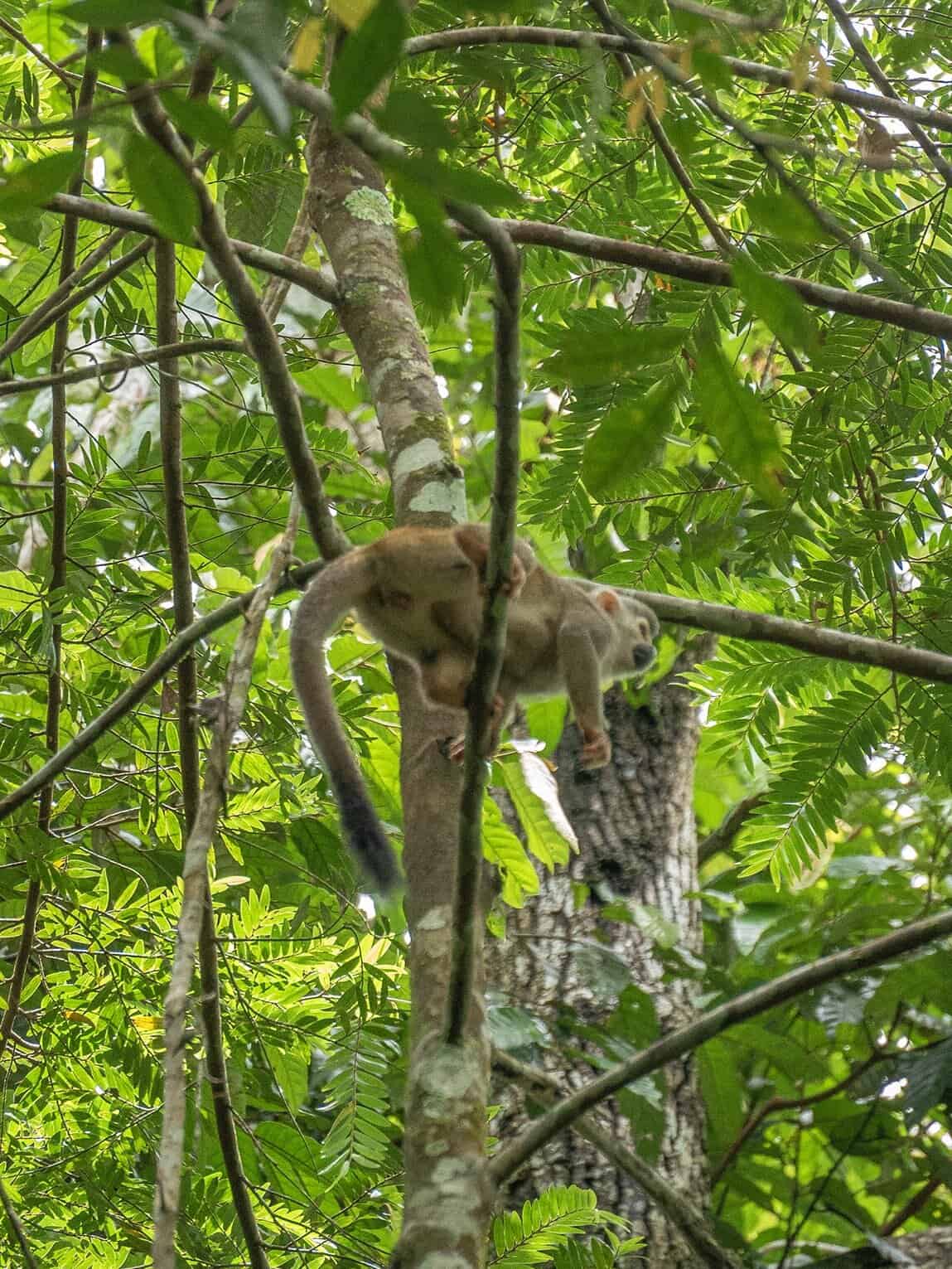
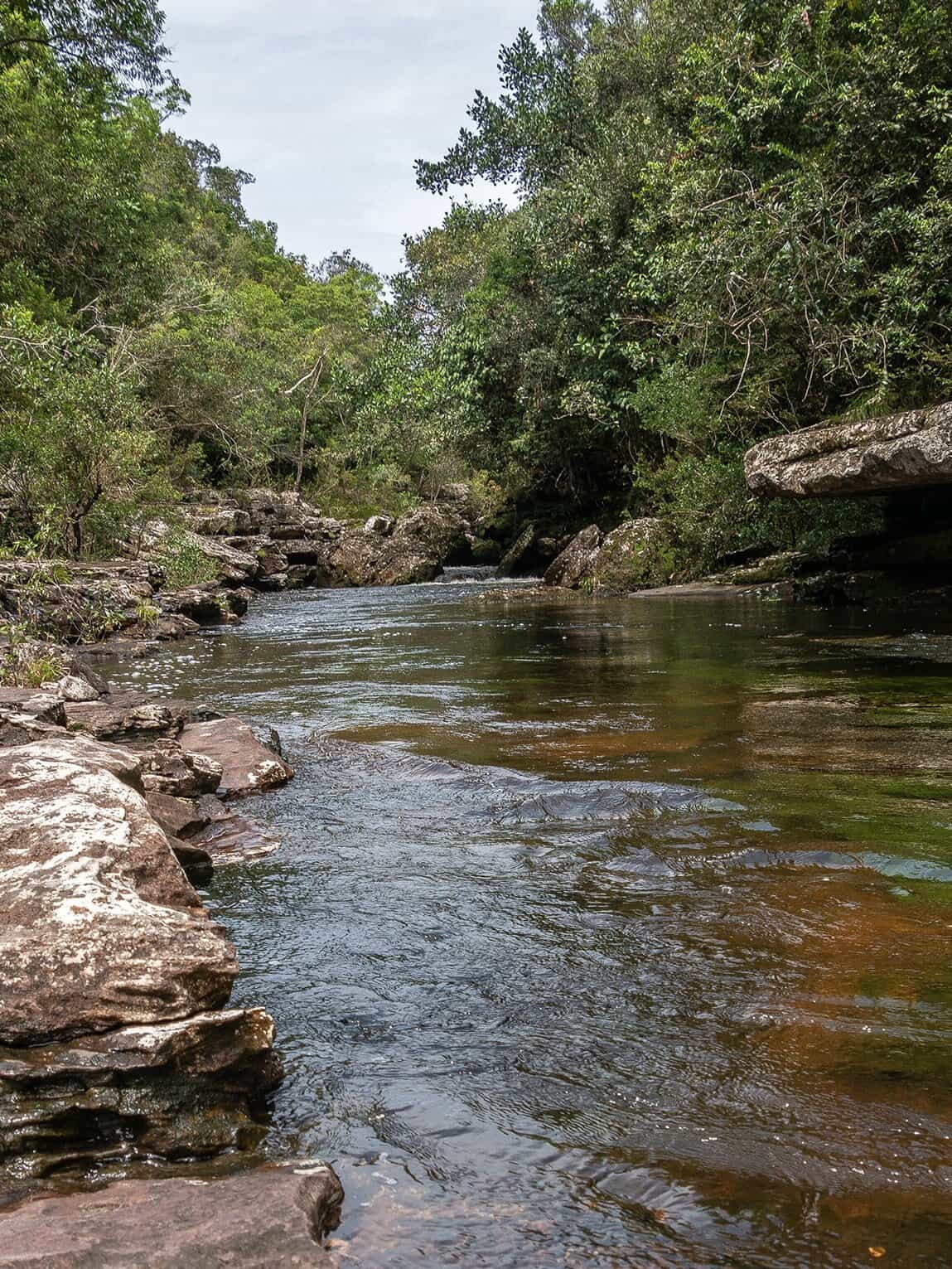
Lost in the heart of Colombia, between the plains of the eastern Llanos and the lush ecosystems that link the Andes, the Amazon and the Orinoco, Sierra de la Macarena National Nature Park is one of South America’s most fascinating natural wonders. This park is more than just a backdrop: it’s a veritable biological bridge, where tropical jungles, savannahs, rocky hills and crystal-clear rivers meet to create exceptional biodiversity. Here, you can come across hundreds of species of colorful birds, mischievous monkeys, fascinating reptiles and an abundance of vegetation, testifying to the region’s incredible ecological richness.
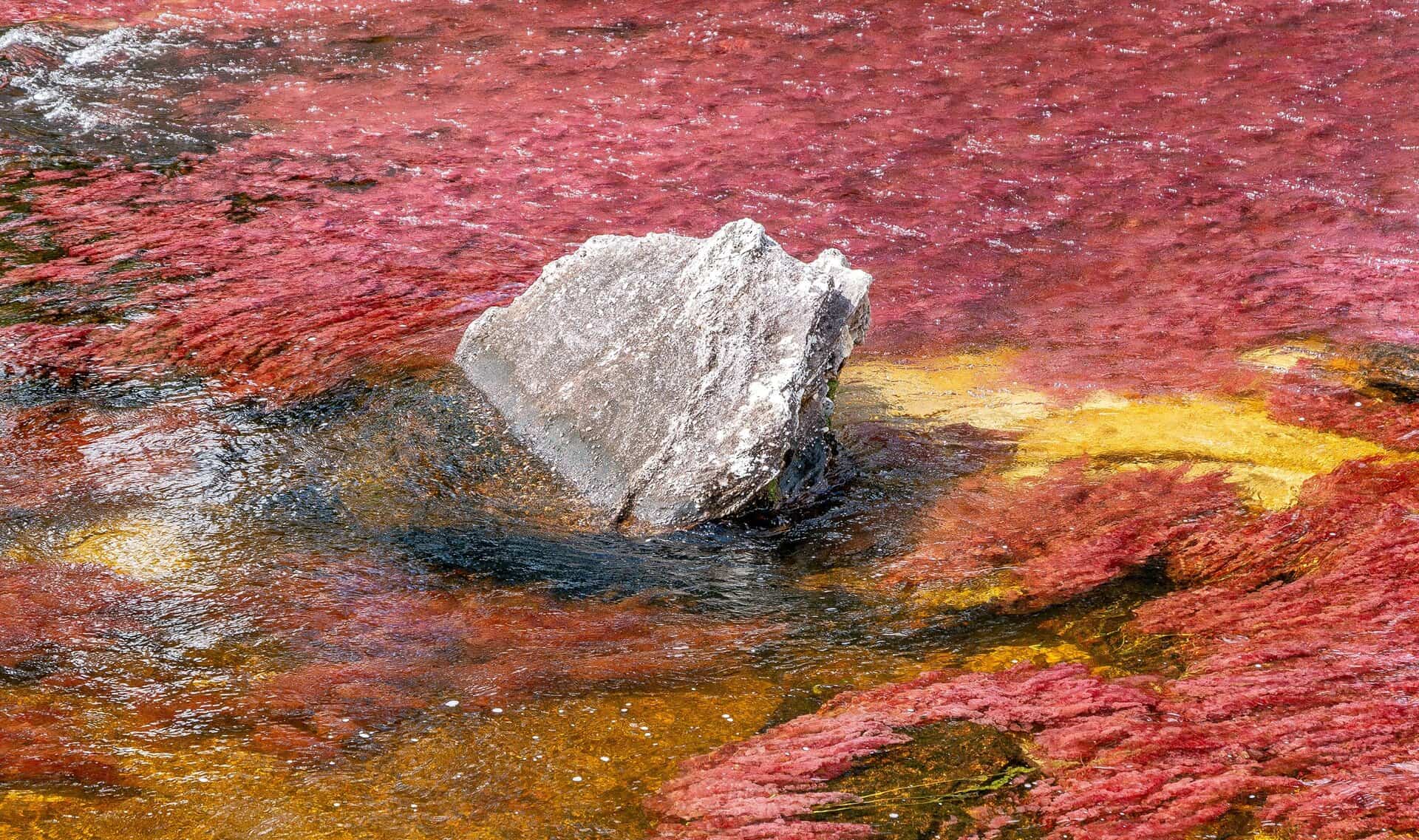
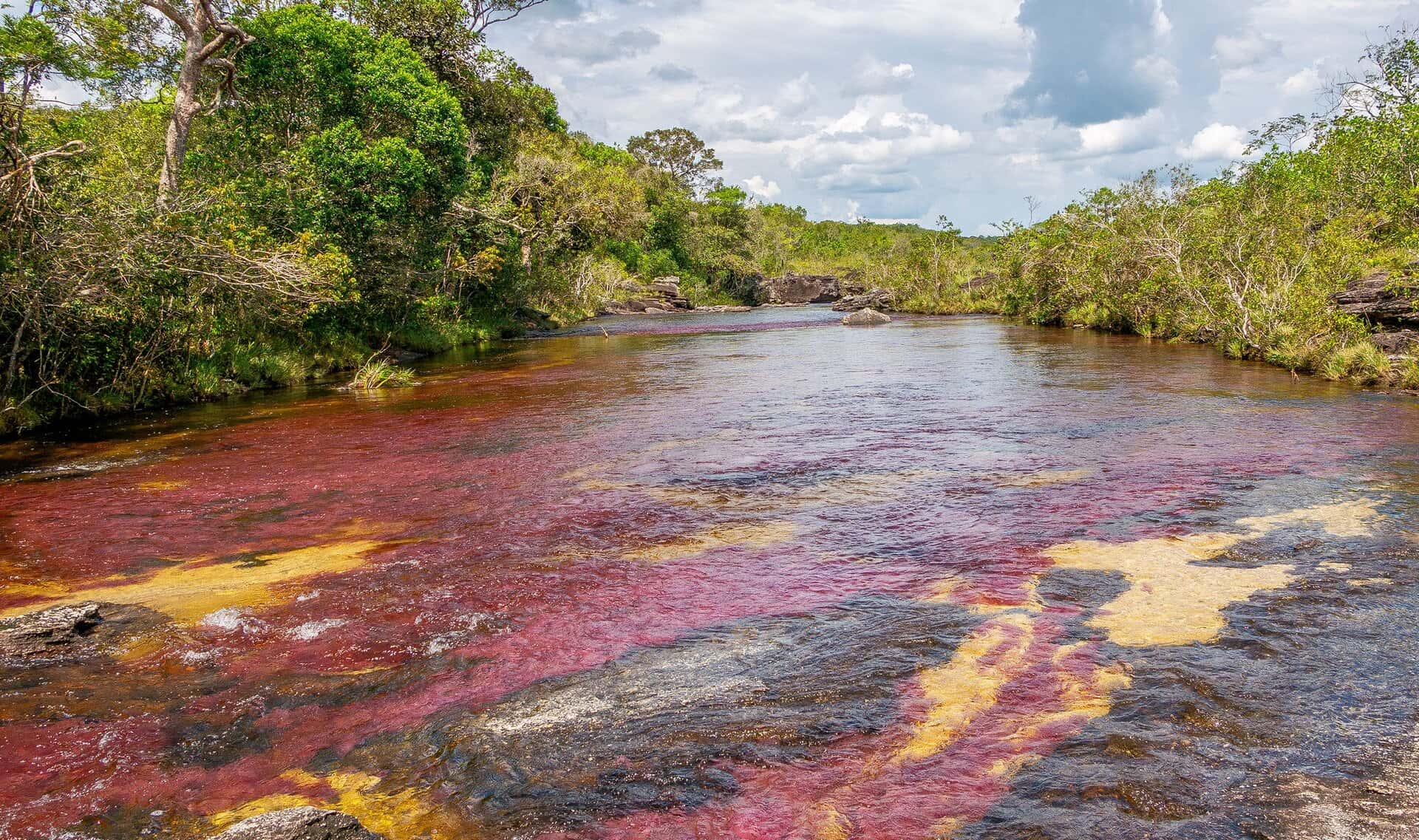
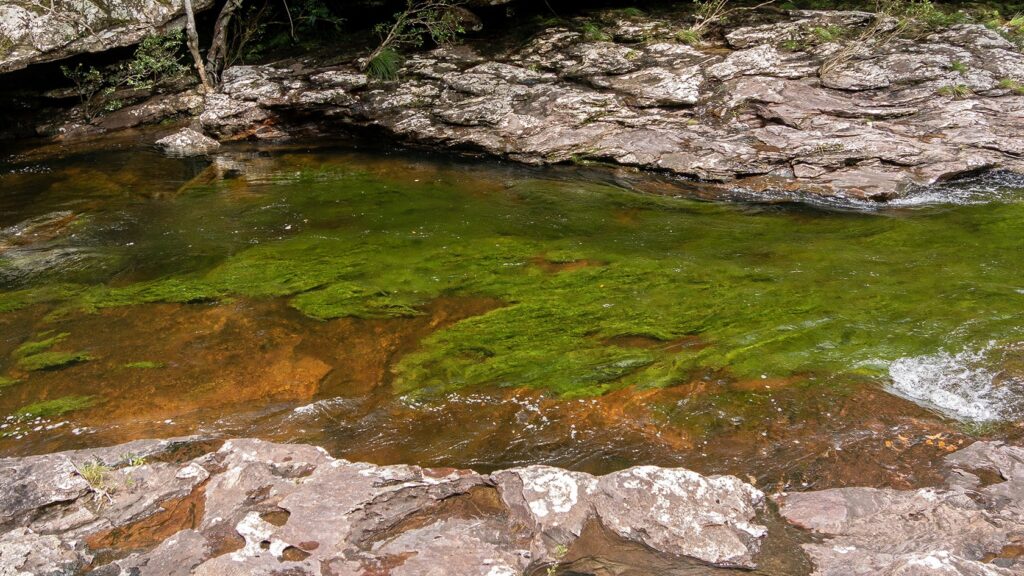
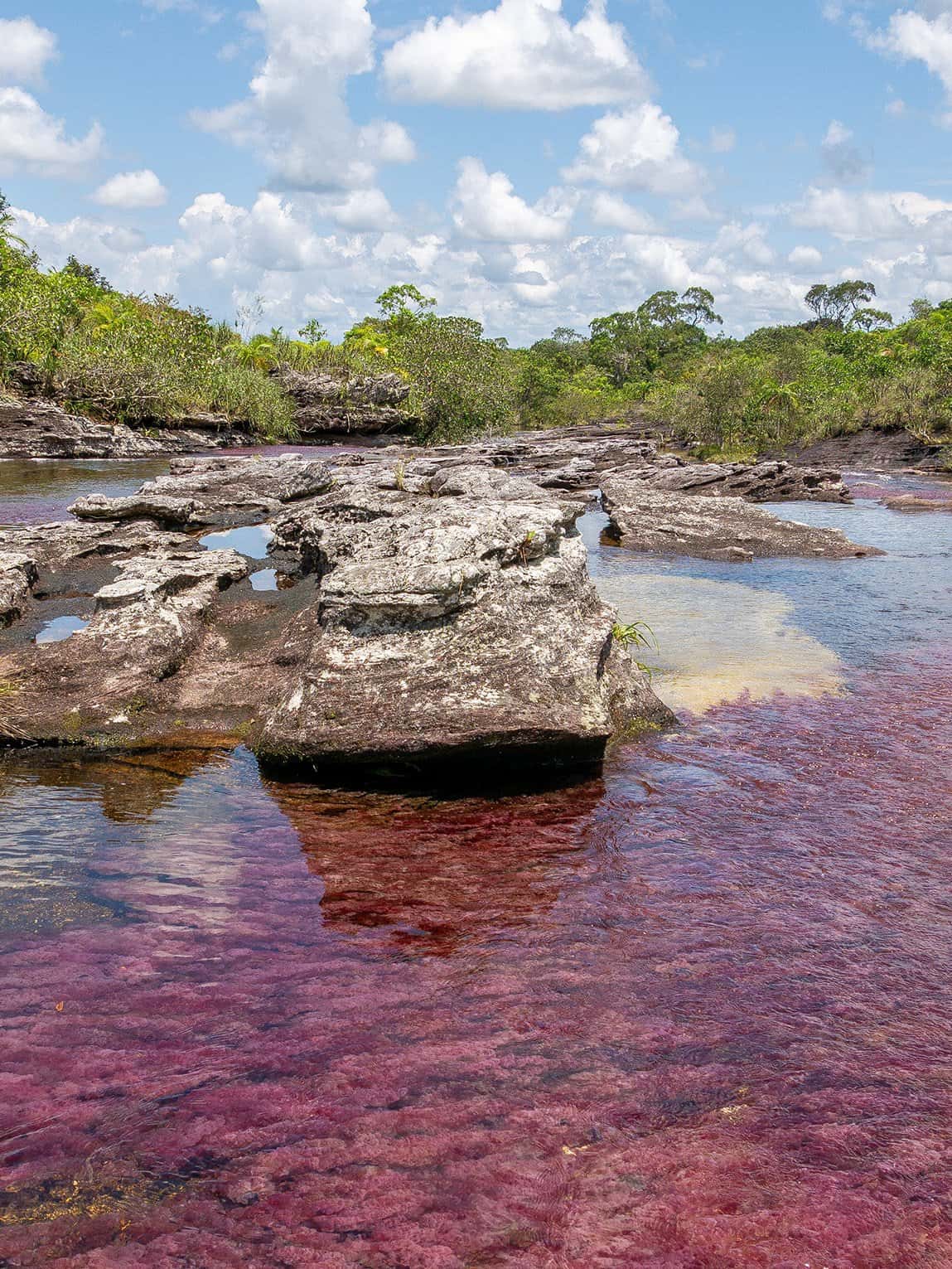
At the heart of this enchanting territory flows Caño Cristales, nicknamed the River of Five Colors. Its crystal-clear waters take on shades of red, yellow, green, blue and black thanks to the endemic aquatic plant Macarenia clavigera, which transforms into a veritable tableau vivant when the water level and light are perfect. Seeing this unique phenomenon is a magical, almost unreal experience, attracting travellers from all over the world.
But La Macarena isn’t just about Caño Cristales. It’s also an adventure through dense jungle trails, the discovery of secret waterfalls, secluded river beaches and breathtaking panoramas. Each hike brings you a little closer to the unspoilt wilderness of this region.
In this article, you’ll find a complete guide to organizing your trip: the best times to visit, must-see itineraries, practical advice, unmissable activities and everything you need to know to get the most out of Sierra de la Macarena and Caño Cristales. Whether you’re passionate about photography, ecotourism or simply in search of unique landscapes, you’ll have all the keys to an immersive and unforgettable experience.
Sierra de la Macarena National Park
- County: Meta (Llanos)
- Park creation: 1989
- Surface area: 629,280 hectares
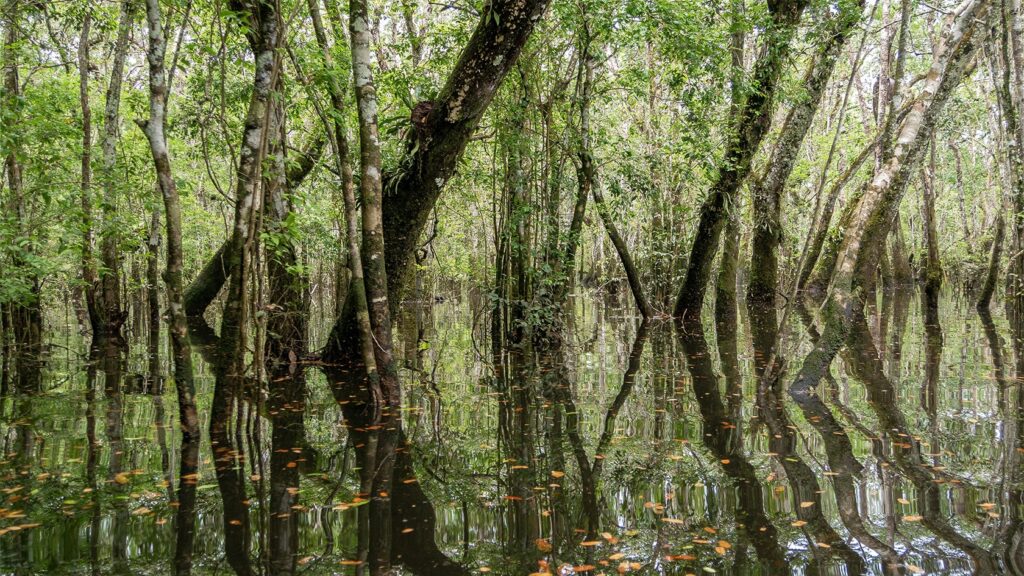
- Ecosystems: tropical rainforests, floodplain forests, shrub savannah and herbaceous vegetation, rock and scrub vegetation
- Climate: hot and humid
- Access: from La Macarena
Our verdict: one of Colombia’s most spectacular national parks ★★★
Like many travelers, we set down our suitcases in the small town of La Macarena to explore the Sierra de la Macarena National Park for several days, culminating in the famous Caño Cristales, whose incredible photos seen on the Internet and social networks had piqued our curiosity. And we weren’t disappointed. When the sun is high in the sky, the brilliant colors of the rivers are revealed in all their splendor. The immense park offers a multitude of hiking trails, each with its own identity and atmosphere, guaranteeing a different and unique experience at every step. Although this destination is now fairly well known, the strict management of the natural area and the rigorous controls mean that you can enjoy the area in relative calm, away from the crowds. Nature lovers and hikers will be delighted, with the added bonus of encountering wildlife typical of tropical regions, adding to the magic of the experience. Every bend, every river and every forest seems to invite contemplation, making the Sierra de la Macarena an unforgettable adventure for those seeking to connect with nature in all its splendour.
When should you visit Sierra de la Macarena National Park? The Sierra de la Macarena National Park can be visited all year round, but to admire Caño Cristales, the famous river of five colors, you have to respect its official opening season, generally from early June to late November. It’s during this period that the aquatic plant Macarenia clavigera blooms, coloring the river red, yellow, green, blue and black. The most spectacular months for color are often July to October. Outside this period (from December to the end of May), Caño Cristales is closed to visitors, as the water levels are too low and the plants don’t display their emblematic hues. By contrast, the rest of the park – jungles, savannahs, waterfalls and hiking trails – can be explored all year round, with greener vegetation in the rainy season and easier trails in the dry season.
Tourist numbers in Sierra de la Macarena National Park: Tourist numbers in Sierra de la Macarena National Park are strictly controlled in order to protect its fragile ecosystems, particularly Caño Cristales. Visitors are not allowed to visit the site on their own: they must be accompanied by authorized guides, who register each participant with the park authorities beforehand. This system limits the number of people per day, ensures the safety of hikers and guarantees compliance with environmental regulations. Even in high season, you can enjoy the colorful rivers, hiking trails and spectacular scenery in relative peace and quiet. To combine the maximum color of Caño Cristales with reduced visitor numbers, it’s best to visit the park in September or October, which are generally outside school vacations in Europe, Colombia and North America, offering a quieter, more immersive experience in this unique natural setting.
Climate in Sierra de la Macarena National Park: The climate in Sierra de la Macarena is typically tropical, with pleasant temperatures all year round, generally between 22 and 32°C. The region has two main seasons: the rainy season, from April to November, and the dry season, from December to March. It’s during the rainy season that Caño Cristales reveals its most intense colors, when the aquatic plant Macarenia clavigera thrives and tints the riverbed in shades of red, yellow, green and blue. Even when it rains, showers are often short and localized, leaving wide swathes of sunshine for hiking and other outdoor activities. To be well prepared, choose light, breathable clothing, an effective mosquito repellent, and don’t forget a k-way or waterproof poncho for sudden downpours during your excursions.
Legend: Blue: transport terminal – Yellow: activities & visits – Green: accommodation
About Sierra de la Macarena National Park
Colombia abounds in unspoilt natural treasures, but few places boast as much ecological wealth and spectacular scenery as Sierra de la Macarena National Natural Park. Long isolated from the rest of the country, this region intrigues as much as it fascinates, thanks in particular to Caño Cristales, its famous river of a thousand colors. But behind this iconic image lies a much larger and more complex territory: an area where several major ecosystems meet, where biodiversity reaches exceptional levels and where the country’s recent history has had a profound impact on its landscapes and people.
A protected area born of a very early ecological intuition
Sierra de la Macarena National Nature Park was one of the first areas in Colombia to benefit from environmental protection, and its history is a perfect illustration of the Colombian authorities’ early awareness of conservation issues. As early as 1948, the area was classified as the La Macarena Biological Reserve, an exceptional decision at the time, motivated by the ecological importance of the massif and its wealth of unique species. This first step marked the beginning of official recognition of the Sierra de la Macarena as a territory to be preserved, long before the challenges of biodiversity and sustainable tourism were widely understood.
In the decades that followed, a number of measures were taken to further protect the area. In 1965, the area was transformed into a national reserve, then into a national natural park in 1971, integrating Sierra de la Macarena into the official system of Colombian national parks. This decision was accompanied by the definition of geographical boundaries and a legal framework for the management of human activities. Finally, in 1989, a decree and a resolution clarified the boundaries and introduced stricter conservation measures, laying the foundations for modern park management. These different stages show that the Macarena was not simply “discovered”, but that its protection has been thought out and structured over the long term, with a balance between conservation and reasoned exploitation.
Today, the park covers some 629,280 hectares, or over 6,200 km², making it one of the largest protected areas in the country. This considerable size not only preserves the diversity of the ecosystems present, but also ensures the ecological continuity necessary for the survival of many animal and plant species. The park has thus become a strategic ecological corridor, linking three major natural regions: the Andes, Amazonia and Orinoco. This position as a biological crossroads is essential for maintaining genetic flows between animal and plant populations and strengthening the resilience of ecosystems in the face of natural and man-made threats.
The Sierra de la Macarena also plays a major scientific and educational role. Its early protection has enabled researchers to study ecosystems that are still largely intact, providing valuable data on tropical biodiversity and the interactions between different types of forest and savannah. Today, it is a model of conservation in Latin America, combining strict protection, scientific research and, more recently, the development of sustainable tourism.
An ancient geography and highly diverse landscapes
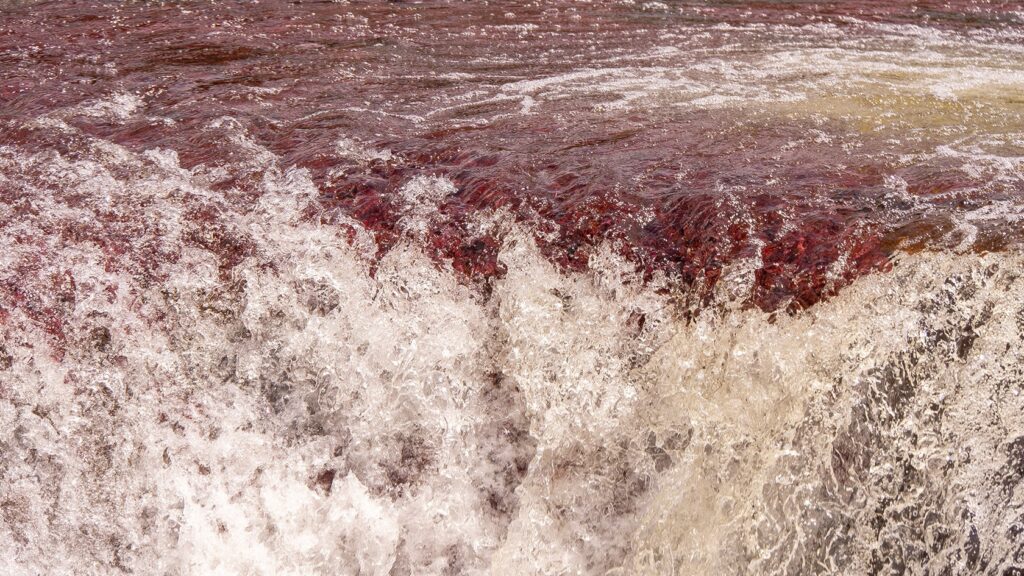
The Sierra de la Macarena has a fascinating geological origin that sets it apart from the rest of Colombia. Unlike most of the country’s landforms, it’s not part of the Andes chain, but of the Guiana Shield, an extremely ancient rock formation dating back over 1.2 billion years. This makes it one of the oldest massifs in South America, predating by far the formation of the Andes, which are geologically much more recent. This crystalline basement, composed mainly of granitic and quartzite rocks, has been slowly shaped by erosion over the millennia, giving rise to unique landscapes of tabular plateaus, steep cliffs and smooth rocky surfaces.
The massif is around 130 kilometers long and 30 kilometers wide, forming an isolated chain that emerges in the middle of the vast Llanos plains. This geographical isolation plays a key role in the park’s uniqueness: it creates specific ecological conditions, favoring the emergence of species adapted to this particular environment. Altitudes range from around 200 metres to almost 2,900 metres, contributing to the diversity of local climates and natural habitats.
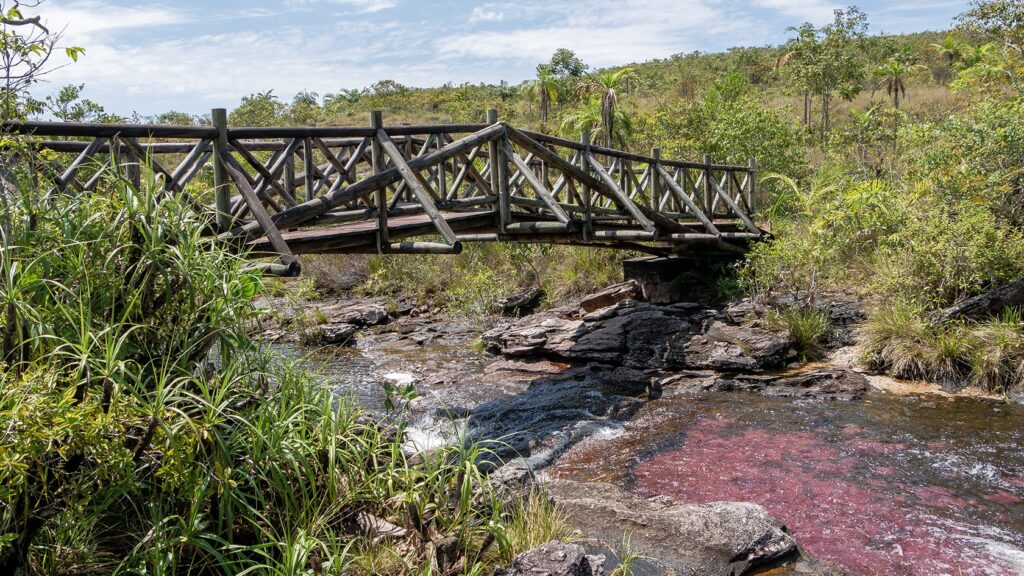
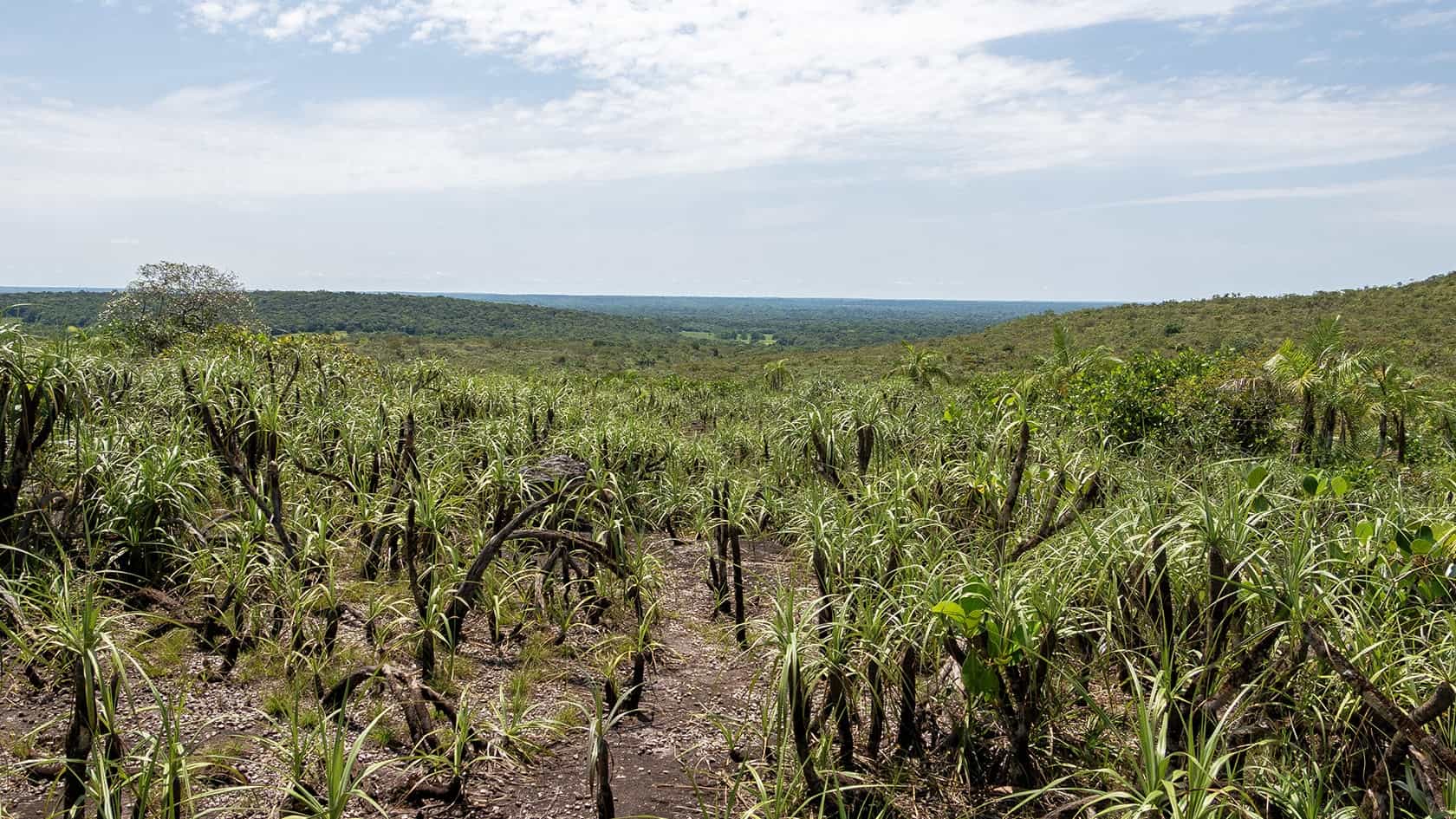
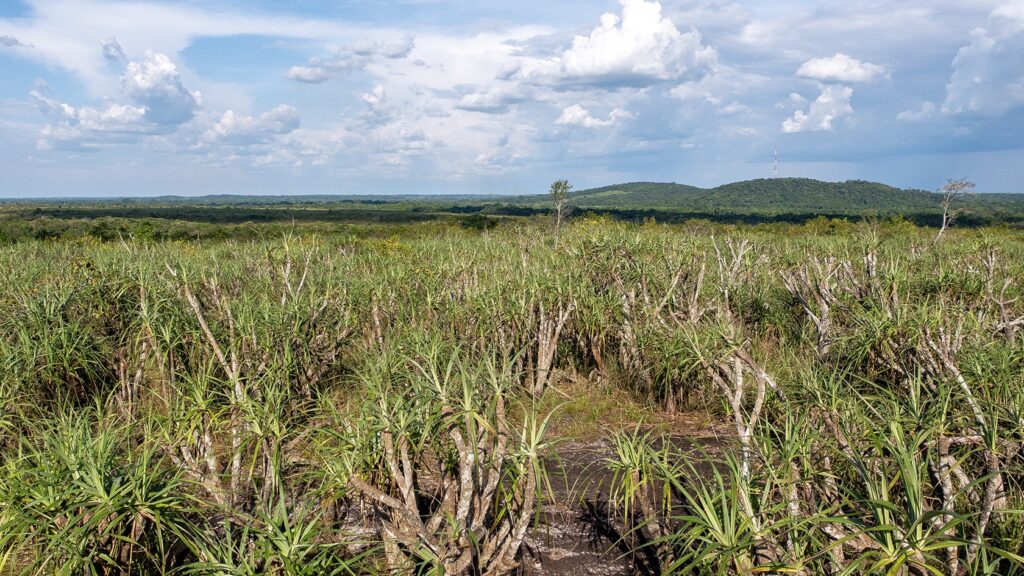
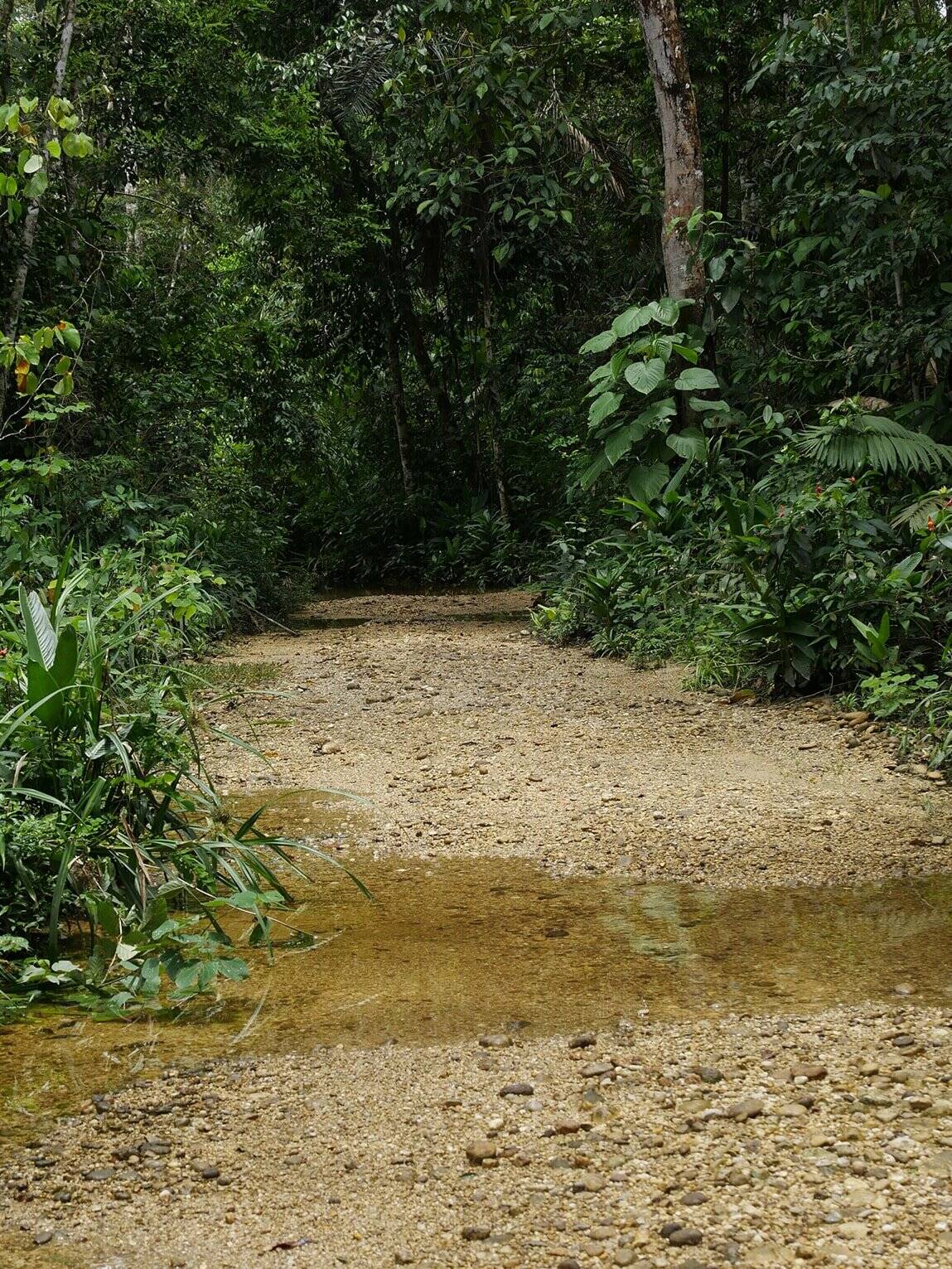
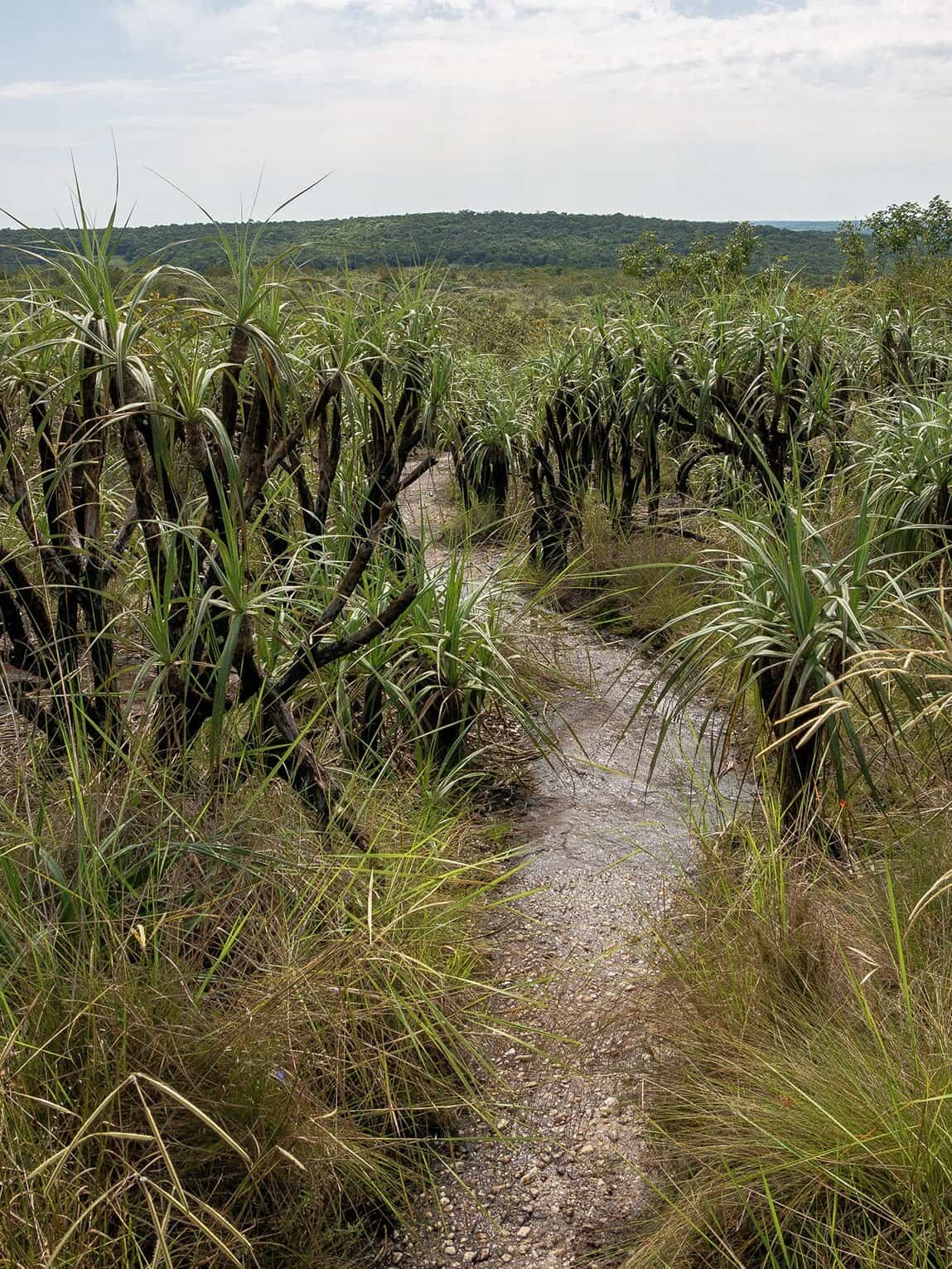
This ancient geography is reflected in a wide variety of landscapes. The Sierra de la Macarena is a natural patchwork of dense tropical rainforests, floodplain forests, open savannahs, arid rocky areas and complex river systems. These different environments intermingle over short distances, creating striking contrasts between shady, humid areas, open spaces bathed in light and almost desert-like mineral formations.
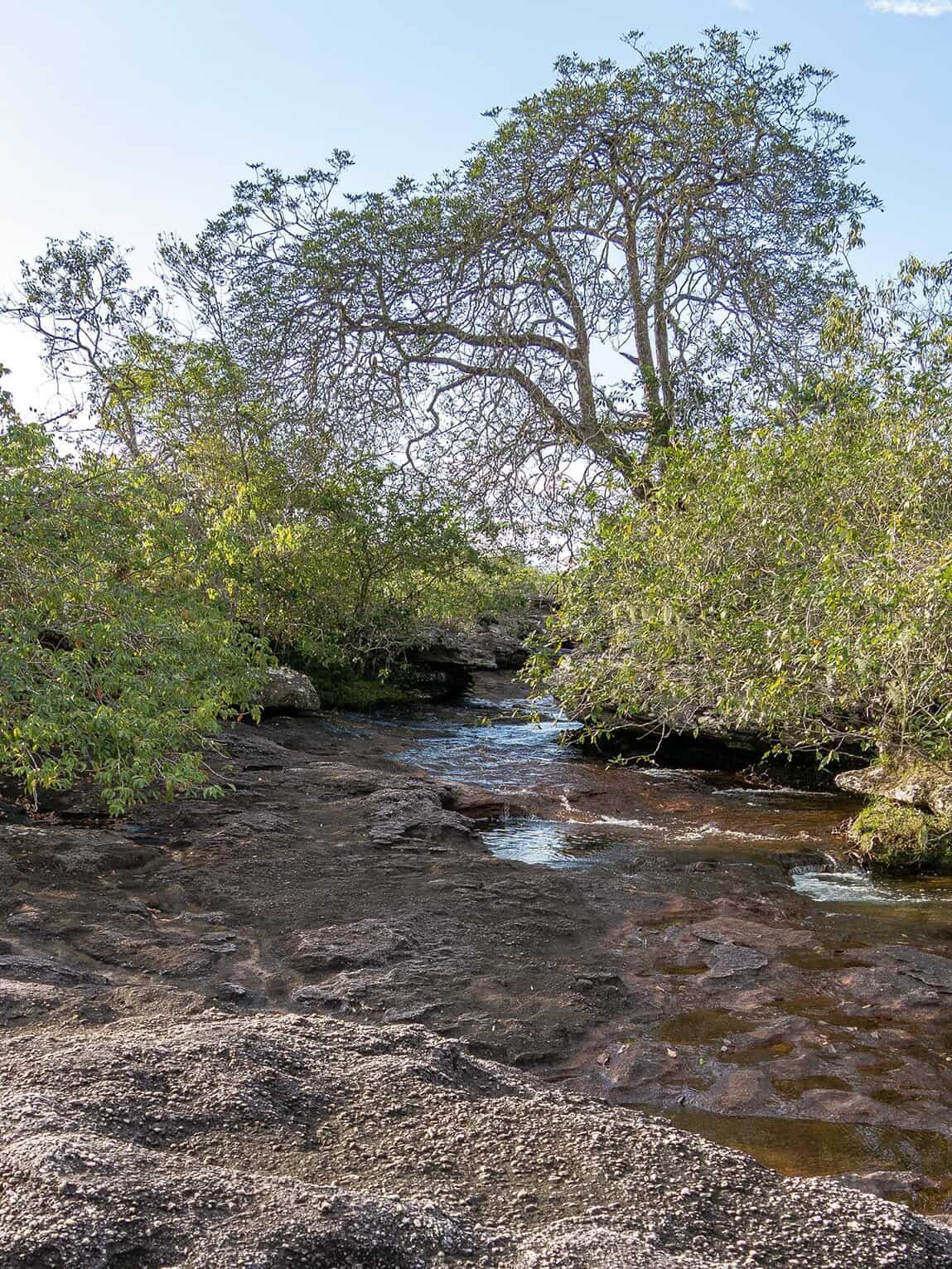
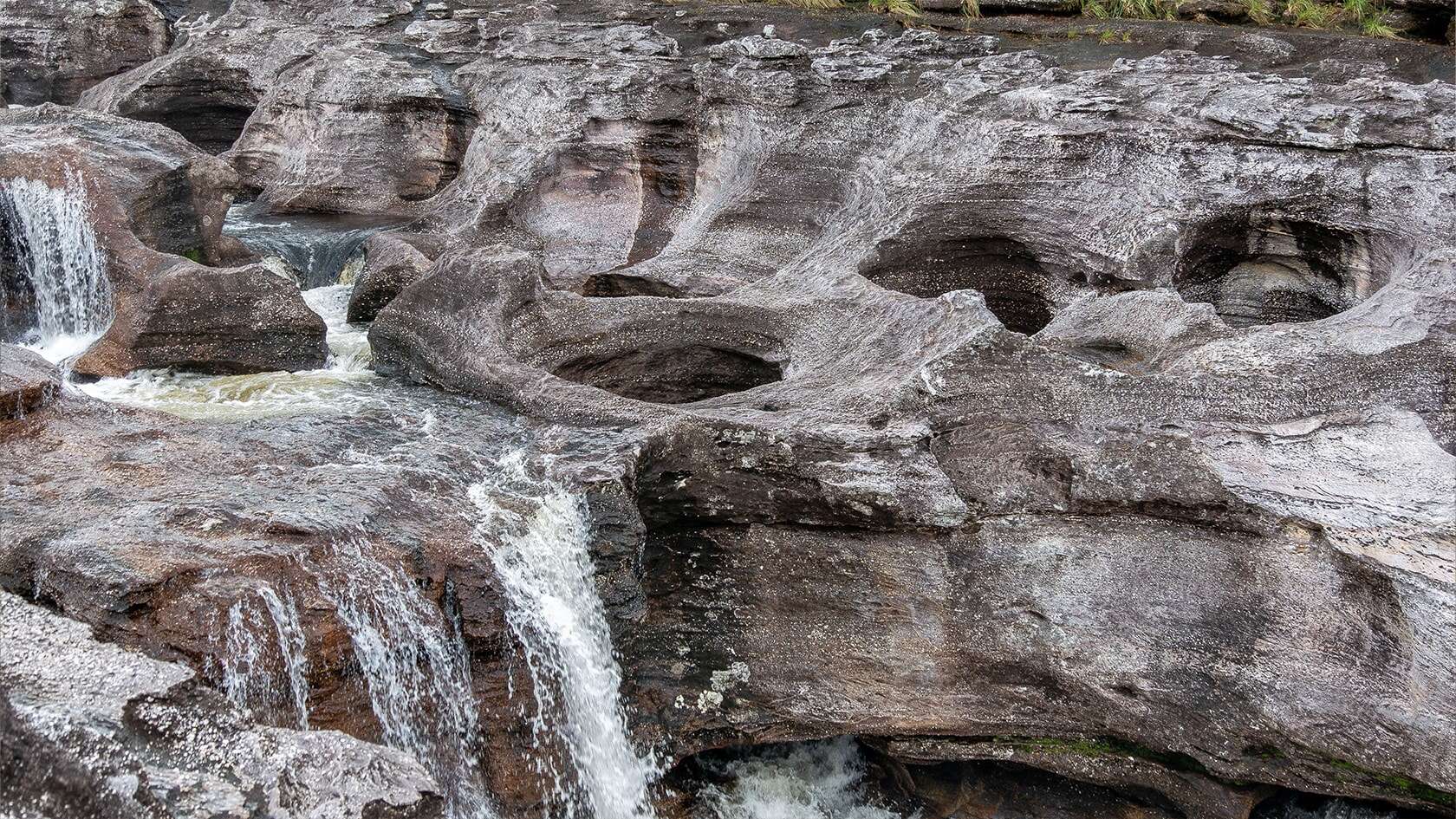
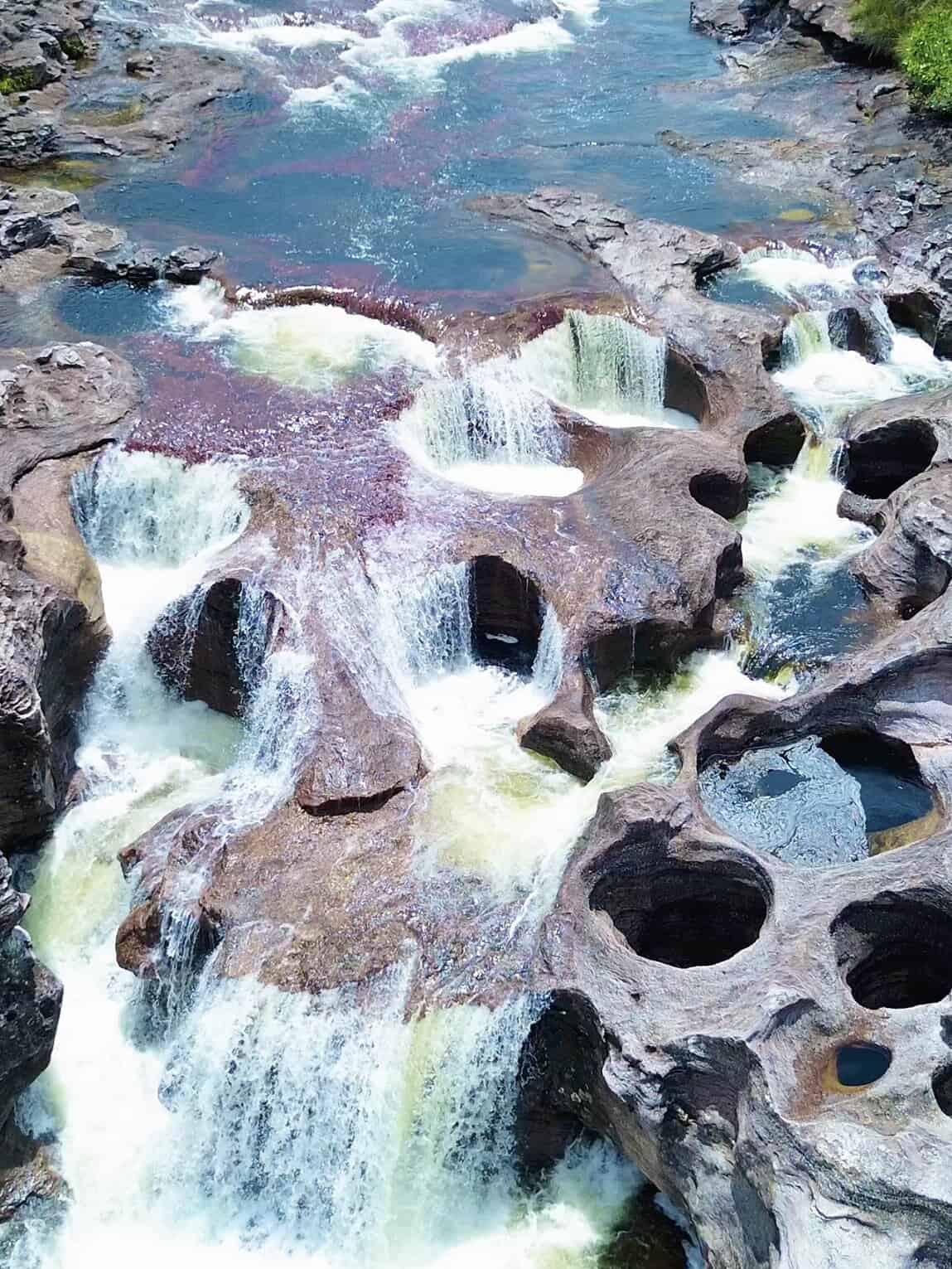
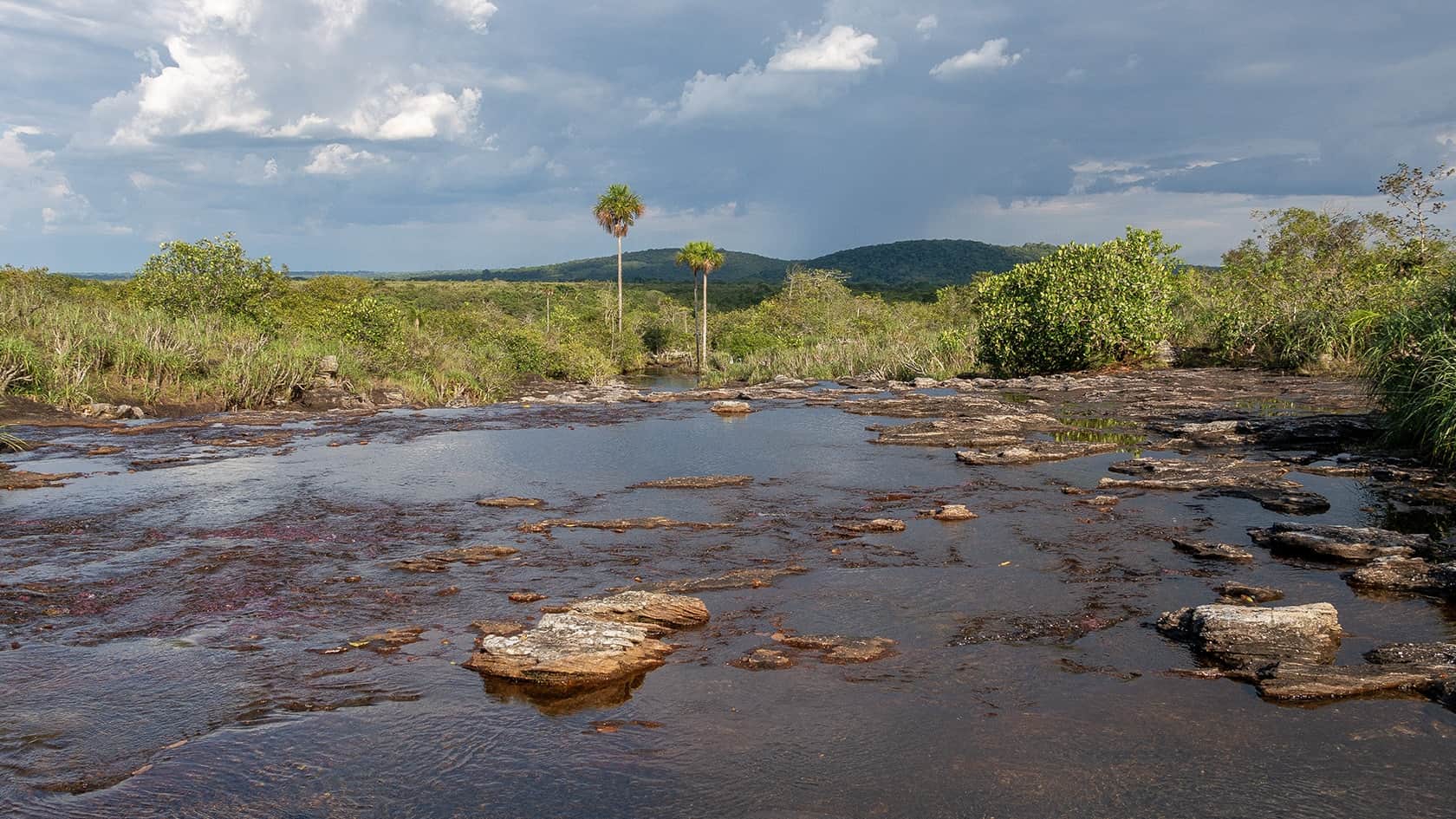
Rivers play a central role in structuring the landscape. Fed by tropical rains, they have carved into the rock over time, forming waterfalls, natural pools and shallow canyons. The Río Guayabero, one of the region’s main rivers, is a veritable gateway to the park. But it is Caño Cristales (stretching for over 100 km) that best illustrates this interaction between geology and hydrology: its rocky bed, sculpted from ancient stone, is punctuated by natural formations known as “marmites”, small natural pools and rapids, all of which contribute to the beauty of the site.
Finally, this geographical diversity is also explained by the strategic position of the Sierra de la Macarena, at the junction of three major natural regions: the Andes, Amazonia and Orinoco. This unique situation creates a transition zone where a variety of climatic and ecological influences come together, enhancing the richness of the landscapes and the complexity of the ecosystems. Each area of the park offers a different atmosphere, giving visitors the impression of crossing several worlds in a single journey.
Exceptional biodiversity, between richness and fragility
Sierra de la Macarena National Park is considered one of Colombia’s most biologically rich areas, largely thanks to its unique position at the junction of the Amazon, the Andes and Orinoco. This role as an ecological transition zone favors an exceptional diversity of species, coming from several major natural areas that meet and cohabit within the same territory. This makes it a true reservoir of biodiversity, as well as a major scientific area for the study of tropical ecosystems.
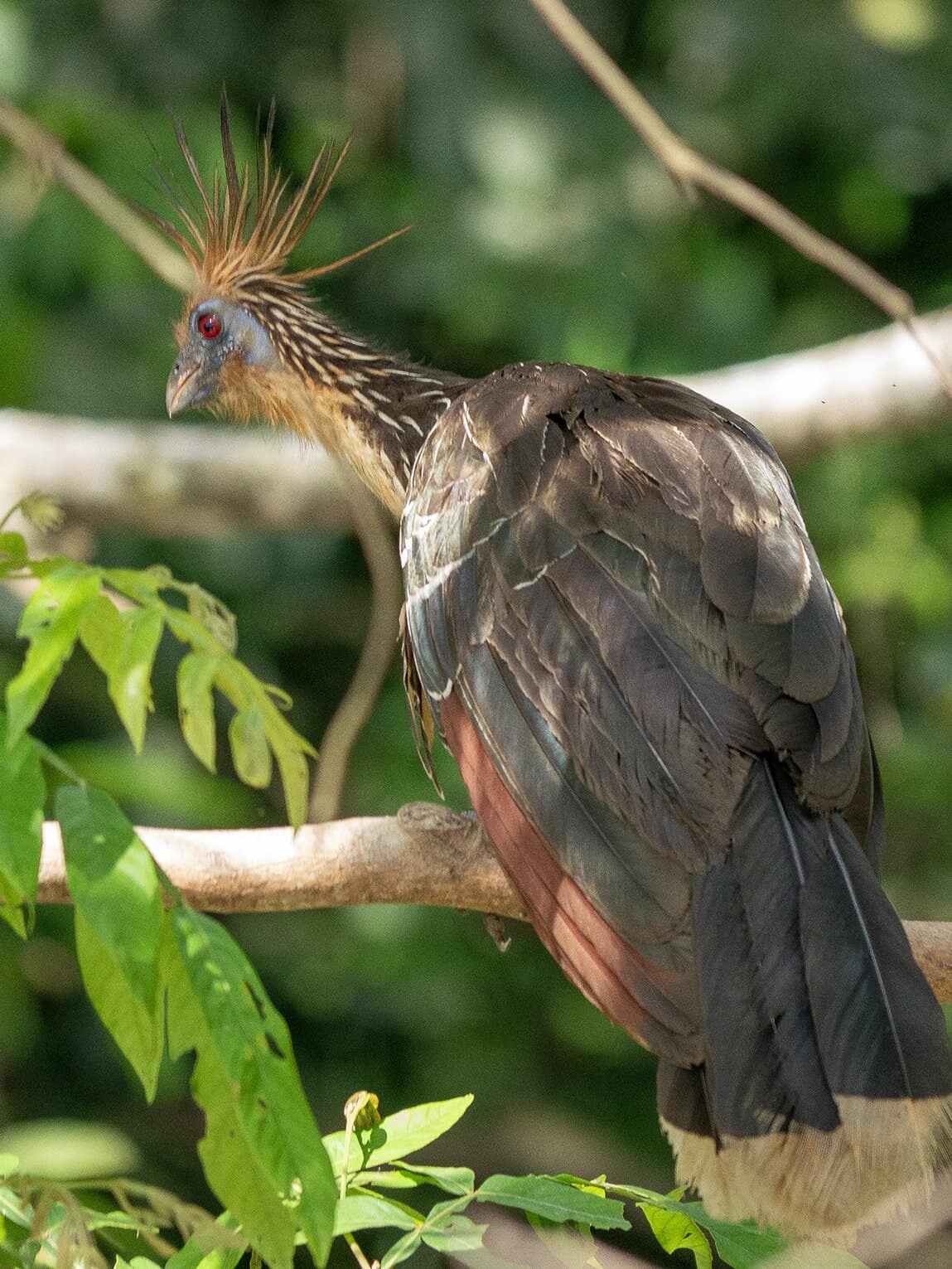
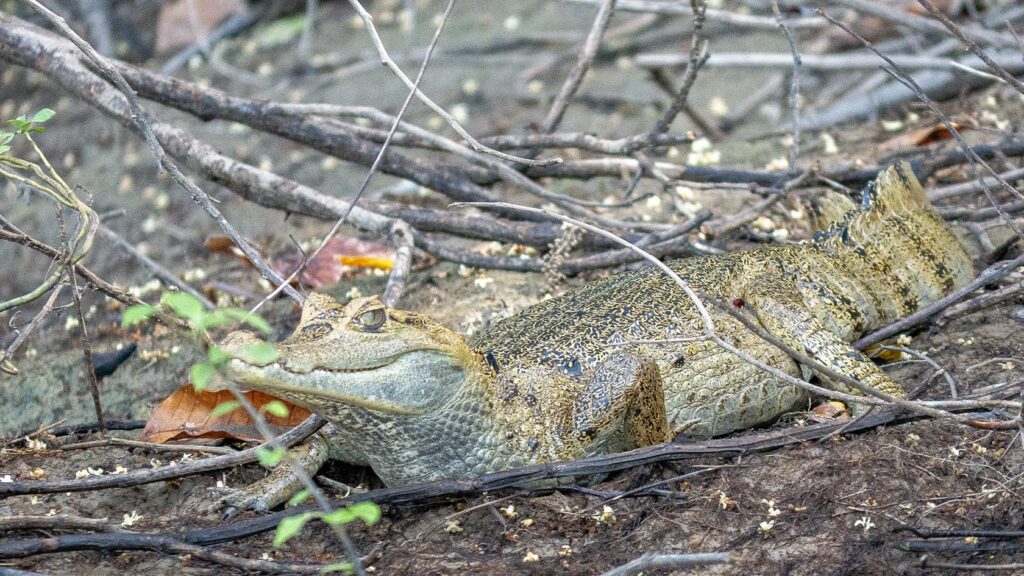
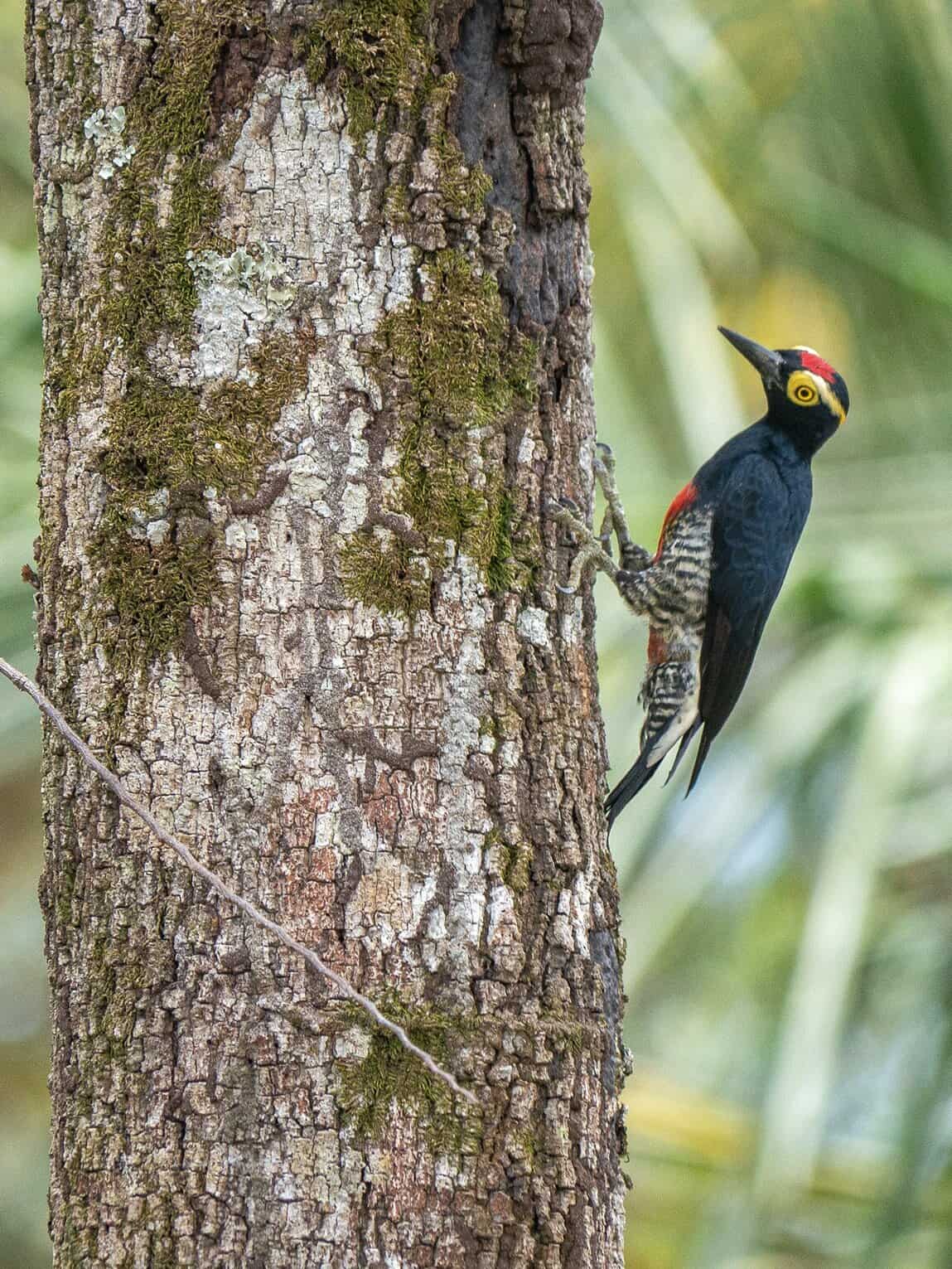
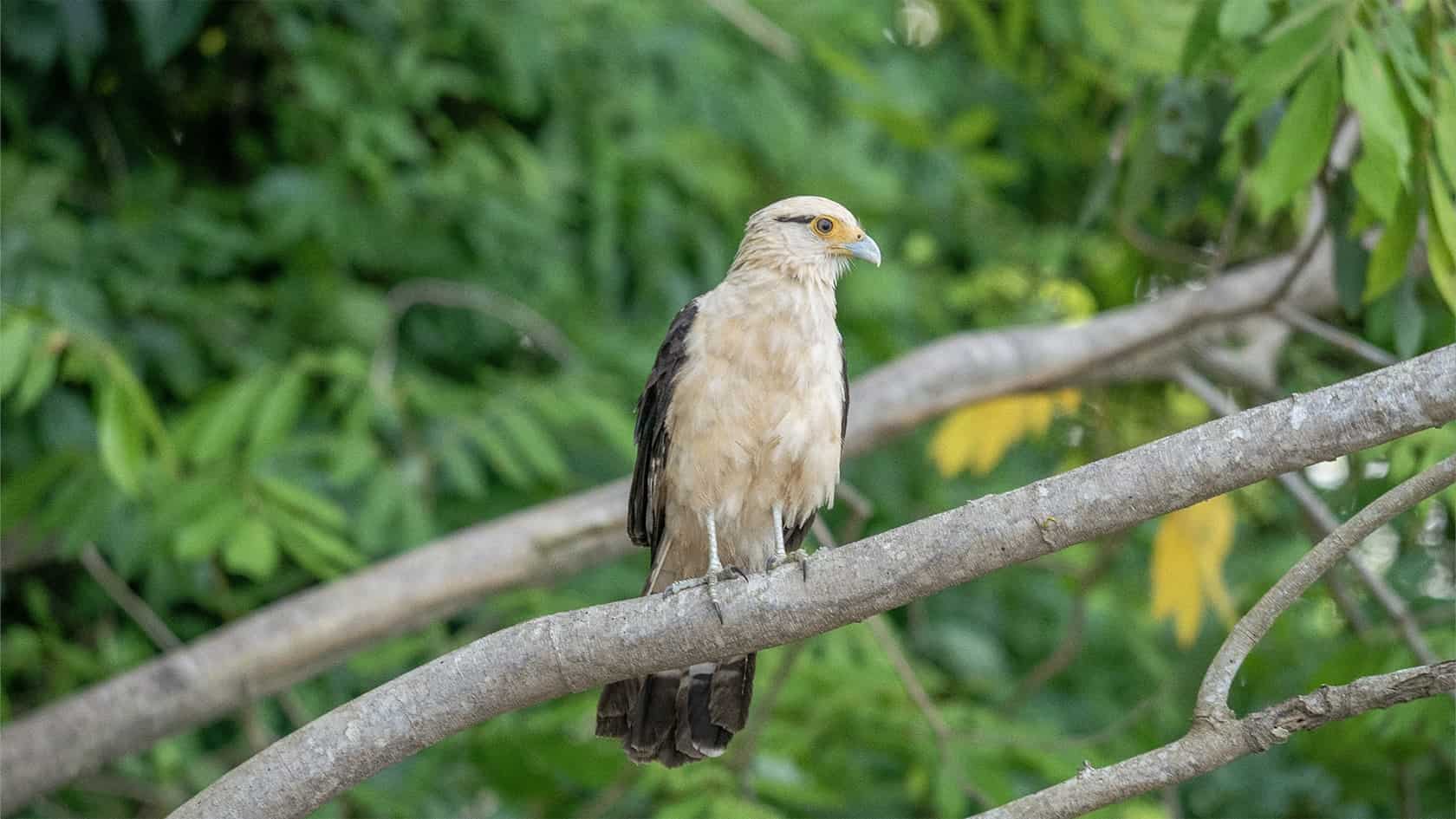
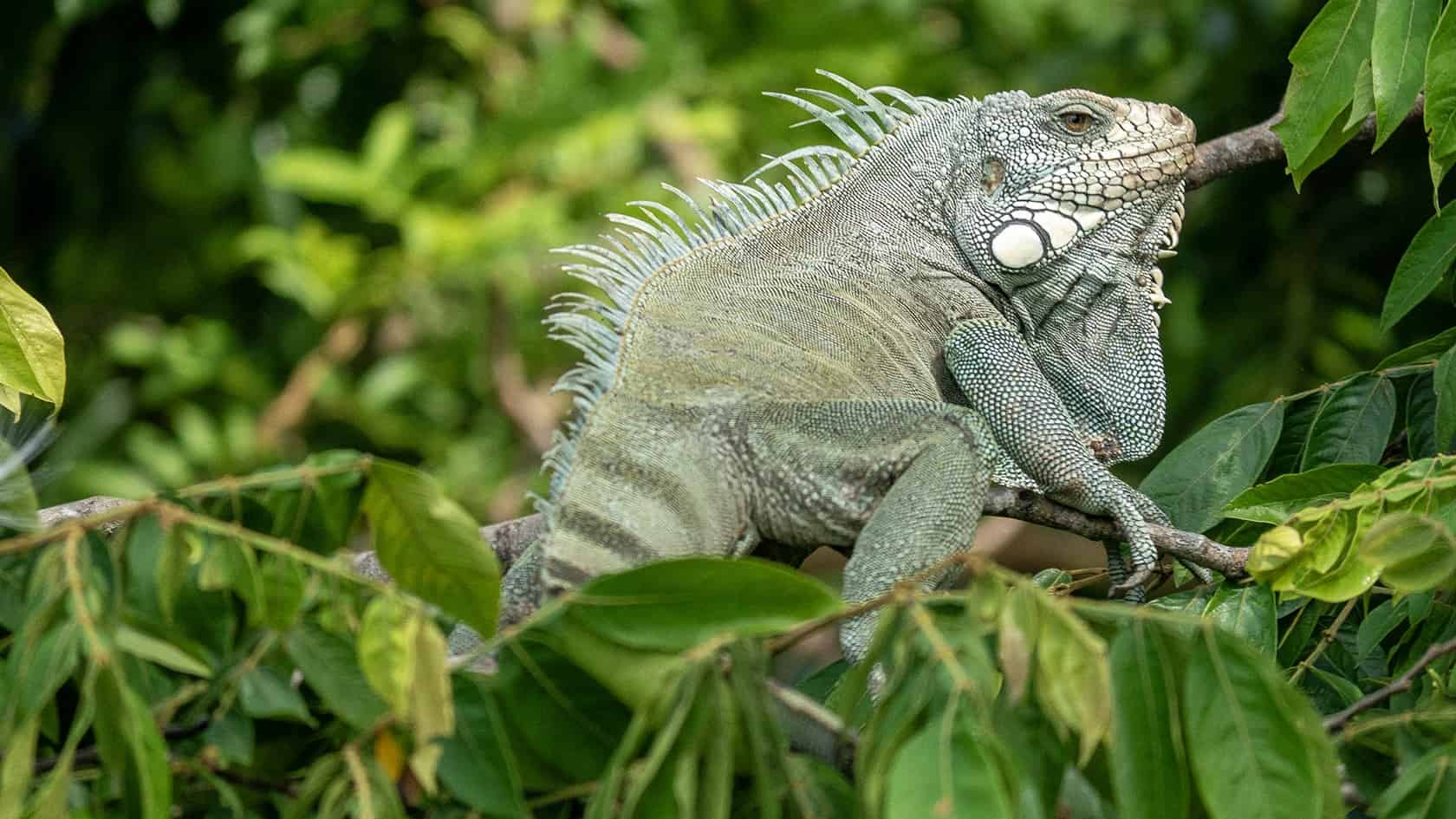
Hundreds of animal species can be found here, including more than 500 bird species, making the park a prime location for birdwatching. Among the mammals present are emblematic South American species such as the jaguar, puma, tapir, capybara and various species of monkey, including howler and capuchin monkeys. Rivers and wetlands are also home to a wide variety of fish, reptiles and amphibians, which are still little studied due to the region’s historical isolation.
The flora is just as remarkable. The Sierra de la Macarena is home to thousands of plant species, including numerous orchids, bromeliads and endemic plants adapted to sometimes extreme conditions, particularly on nutrient-poor rocky soils. Some plants have developed unique survival strategies, able to withstand marked alternations between drought and heavy rain, reinforcing the park’s ecological uniqueness.
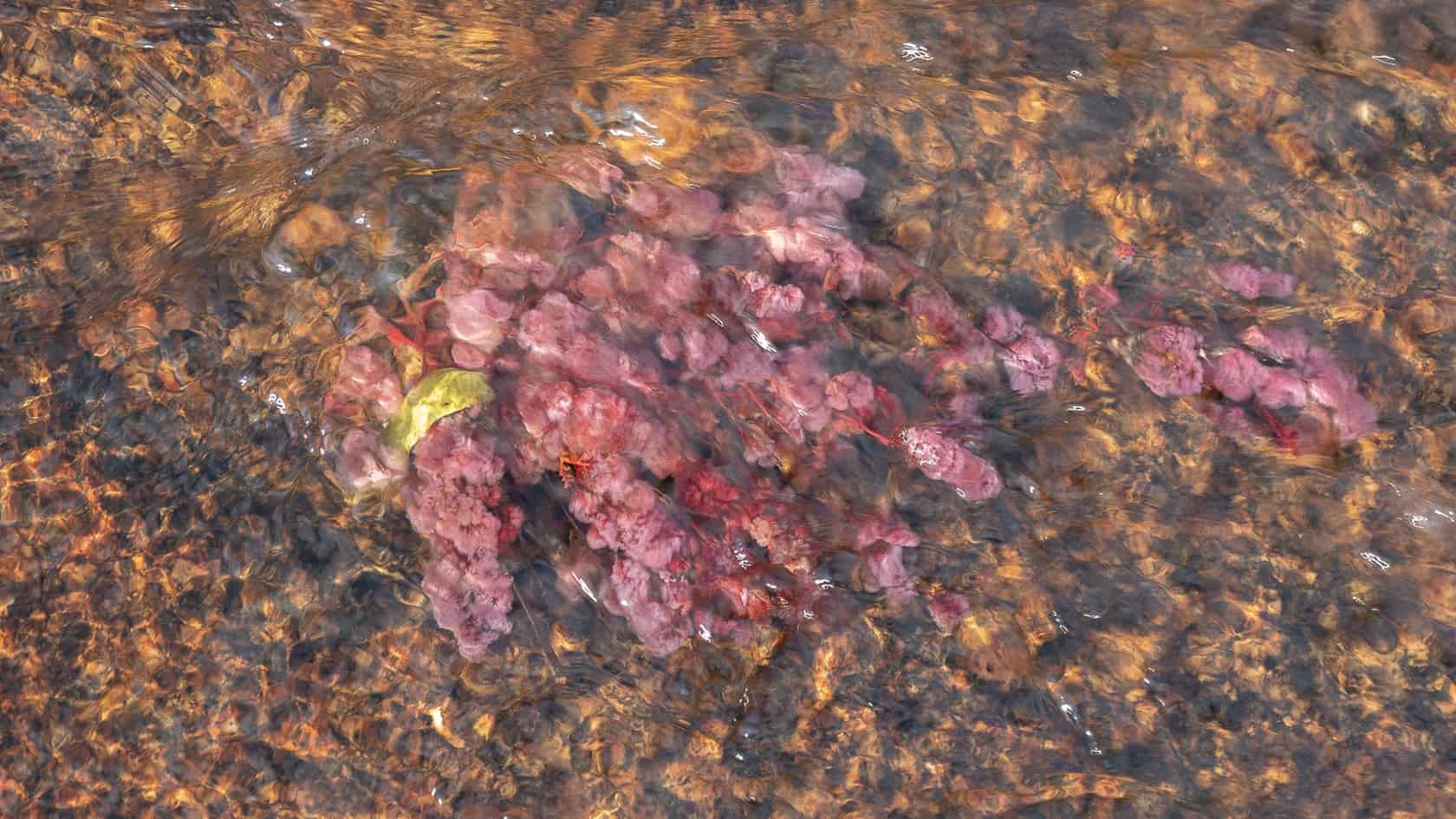
Macarenia clavigera is undoubtedly the most emblematic example of this adaptation. This endemic aquatic plant grows exclusively in the region’s clear rivers, clinging directly to the rocks in the riverbed. It requires very specific conditions: clear water, moderate current and optimum light exposure. When these elements are present, generally between June and November, it enters its growth phase and takes on intense red hues, sometimes mixed with pinkish, orange or purplish nuances. These colors, combined with the reflections of sand, seaweed and sky, give rise to the unique spectacle of Caño Cristales, often described as a veritable liquid rainbow.
However, this biological richness is based on an extremely fragile balance. The slightest disturbance – pollution, excessive trampling, changes in water flow or the introduction of chemicals – can have lasting consequences. For example, the use of sunscreen is forbidden in certain areas so as not to alter the growth of Macarenia clavigera. That’s why visits to the park are strictly regulated, with defined itineraries and compulsory supervision.
Beyond its beauty, the Sierra de la Macarena is a veritable ecological sanctuary, where preserving biodiversity is an absolute priority. It is the perfect embodiment of today’s challenges: protecting unique ecosystems while allowing them to be discovered in a responsible way.
From a territory isolated by conflict to a model of ecotourism
For much of the 20th and early 21st centuries, access to the Sierra de la Macarena remained difficult due to the Colombian armed conflict. The presence of guerrilla groups, notably the FARC, as well as other armed actors, has severely restricted travel in the region and hampered tourism development. Paradoxically, this situation has helped to preserve certain natural areas, but it has also had negative impacts: localized deforestation, illegal coca cultivation and disruption of ecosystems in certain areas. The remoteness of the region meant that some sites, such as Caño Cristales, took several days to reach by boat on the Río Guayabero, followed by walks through the jungle, making tourist numbers extremely limited.
It was not until the 2010s, and especially after the 2016 peace agreements, that the situation began to change significantly. The gradual securing of the area has enabled the local authorities and communities to develop sustainable tourism, while taking care not to repeat the mistakes made in other fragile natural areas. According to official figures, in 2024 the park welcomed around 8,498 visitors, a figure deliberately limited to protect the fragile balance of ecosystems, particularly Caño Cristales and its colorful rivers.
Access to the park remains strictly regulated. It is compulsory for visitors to use local guides, who are responsible for registering each group with the park authorities. This procedure helps to control visitor numbers, ensure safety and raise awareness of good conservation practices. Trails, bathing areas and observation points are clearly defined to limit human impact, while precise instructions prohibit the use of chemicals in the water, the picking of plants or the trampling of sensitive banks.
Tourism in the Macarena is developing around a philosophy of responsible ecotourism. Local communities play a central role: they organize excursions, accommodate visitors and play an active role in park conservation. This approach has transformed a territory long scarred by conflict into a flagship destination for nature-loving travellers, offering an immersive experience in one of Colombia’s last virtually untouched ecosystems.
Finally, for visitors wishing to avoid the crowds and enjoy optimum weather, September and October are particularly recommended. These periods coincide with the end of the dry season and the appearance of the spectacular colors of Caño Cristales, while remaining outside school vacations in Europe, Colombia and North America, allowing a quieter, more intimate exploration of the park.
Visit Sierra de la Macarena National Park
To visit La Macarena, it’s important to know that all excursions into the Sierra de la Macarena National Park (where Caño Cristales is located) must be accompanied by an official guide. This section will give you an overview of average rates and reliable local agencies to help you organize your visits safely and enjoy the region to the full.
Before entering the National Park, it is compulsory to register and attend an information session at La Macarena. Your guide takes care of everything, so there’s nothing to worry about when it comes to organization.
Major sites in Sierra de la Macarena National Park
Sierra de la Macarena National Park is home to a wide variety of natural sites, each offering a unique experience of colorful rivers, waterfalls, rock formations and spectacular panoramas. Along the way, you’ll discover emblematic places, some of them very well-known, such as Caño Cristales, but also more discreet spots that are just as impressive.
The list below is not exhaustive: it covers the main sites in the park, the ones you’re most likely to discover during your stay. Given the park’s size and access constraints, it’s generally impossible to see everything in a single visit. So you’ll have to make your own choices, based on your desires, the length of your stay and your guide’s recommendations.
Cascada Los Pianos
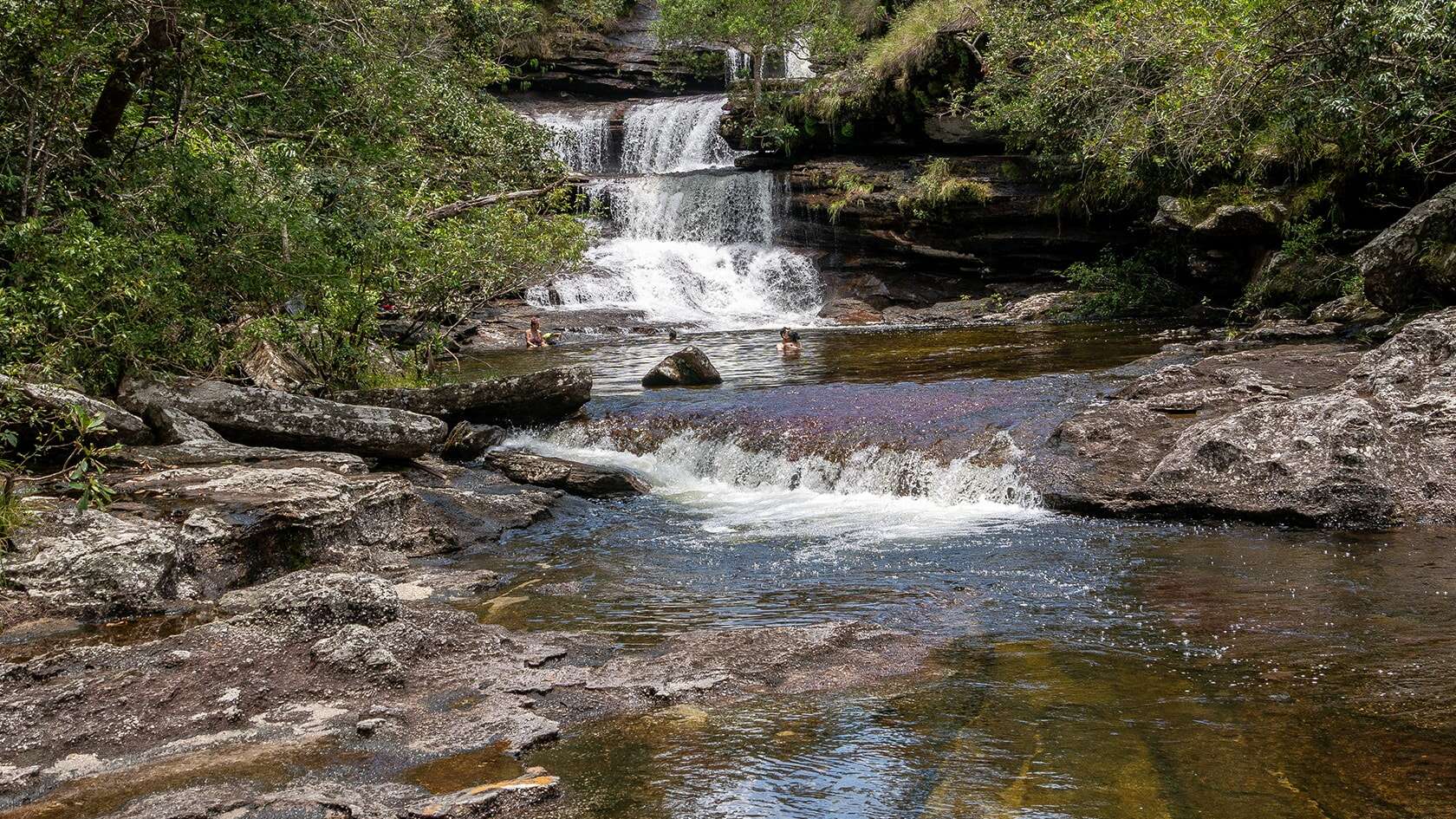
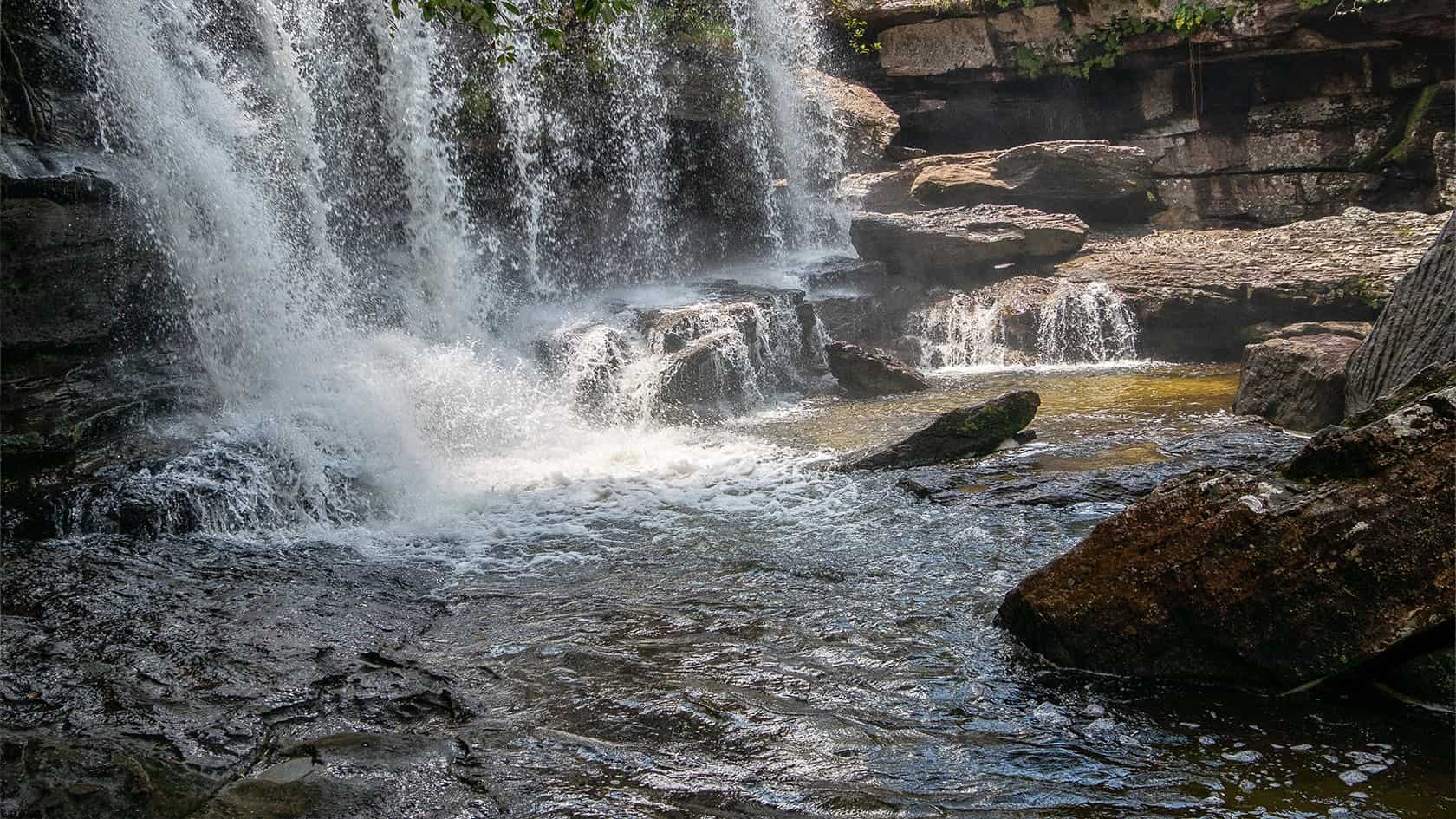
Cascada Los Pianos is one of the park’s most emblematic sites, accessible via a trail that is very popular with visitors. It is distinguished by its flat, layered rock formations, sculpted by erosion to resemble the keys of a piano. The water circulates gently, forming small natural pools ideal for bathing. The site is set in an open environment, typical of the Sierra de la Macarena, with mineral landscapes contrasting with the surrounding tropical vegetation.
Los Ochos
Los Ochos is a spectacular area of Caño Cristales known for its circular rock formations known as giant kettles. These natural basins, shaped by erosion over time, form rounded structures evoking the number eight, hence their name. The water swirls gently, creating a unique play of light and color. This site perfectly illustrates the meeting of ancient geology and river dynamics, offering a landscape as fascinating as it is photogenic.
Salto del Águila
The Salto del Águila is one of the park’s most complete hiking routes. Between 14 and 16 kilometers long, depending on the variant, it crosses a wide variety of landscapes, from rocky plateaus to rivers, waterfalls and tropical vegetation. This itinerary allows you to discover several emblematic sites in a single day. This is an excellent option for those wishing to explore the Sierra de la Macarena in depth and enjoy total immersion in its spectacular scenery.
Cascada de la Virgen
The Cascada de la Virgen is a small, discreet but much-loved waterfall located along the Los Pianos trail. It’s an ideal place to take a break in a peaceful setting surrounded by tropical vegetation. The water falls gently onto smooth rocks, forming a pleasant pool. Less impressive than some of the park’s other waterfalls, its quiet, intimate atmosphere is perfect for a relaxing hike.
Cascada Los Cuarzos
Cascada Los Cuarzos is one of the park’s best-known waterfalls and a frequent stop on excursions. It takes its name from the quartz-rich rocks over which the water flows, creating brilliant reflections and remarkable visual contrasts. Surrounded by open, mineral landscapes, it offers an ideal setting for observing the purity of the region’s waters. This site combines accessibility and natural beauty, making it a must-see.
Cascada Piedra Negra
Cascada Piedra Negra is a less-frequented waterfall, offering a wilder, more unspoilt experience. It owes its name to the dark rocks that make up its bed, contrasting sharply with the transparency of the water. The site is surrounded by denser vegetation, giving it a more intimate atmosphere. It’s an ideal place for those who want to get away from the more popular trails and discover a more discreet side of the park.
Tapete Rojo
The Tapete Rojo is one of the region’s most impressive natural phenomena. This is an area where the river is covered with a red carpet formed by the aquatic plant Macarenia clavigera. Visible during the rainy season, this unique spectacle gives the impression that the water is painted. The contrasts between the colors of the plant, the light sand and the sky create an exceptional landscape, often considered the most emblematic image of Caño Cristales.
Caño Cristales River
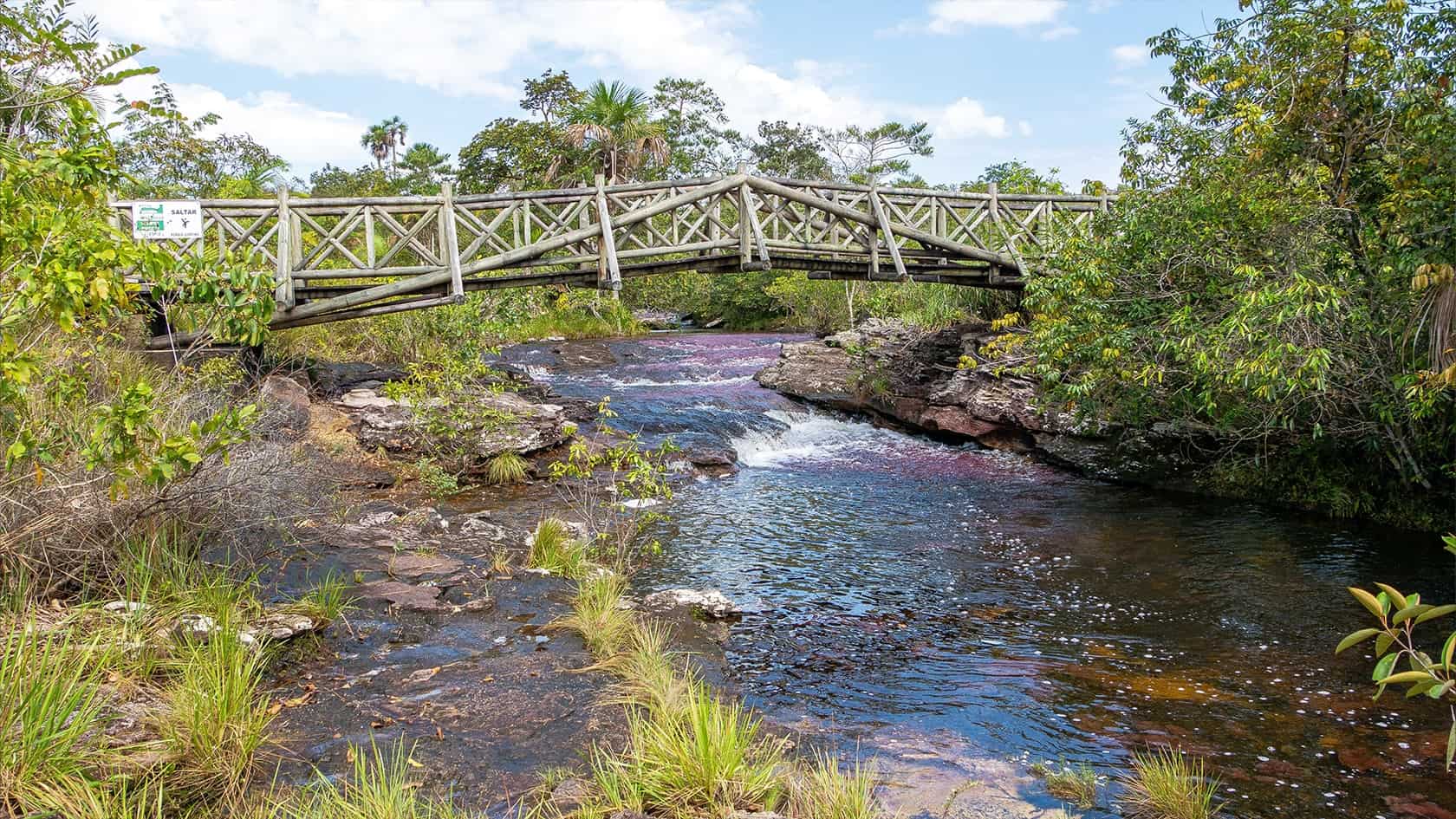
The Caño Cristales river is the jewel in the park’s crown, famous the world over for its spectacular colors. Some 100 kilometers long, it is often nicknamed “the river of five colors”. Its red, yellow, green and blue hues come from Macarenia clavigera, which thrives in specific conditions. Its rocky bed, waterfalls and natural pools make it a unique landscape, shaped by ancient geology and highly specific ecological conditions.
Caño Cristalito River
Caño Cristalito is a smaller, more accessible version of Caño Cristales. Located near La Macarena, this river is a quick way to discover the region’s typical landscapes, with its clear waters, rock formations and, depending on the season, a few splashes of color. This is often a first stop for visitors, ideal for familiarizing themselves with the park environment before exploring more remote areas.
Caño Escondido River
Caño Escondido is a more discreet river, located in a less frequented area of the park. It passes through wilder landscapes, with dense vegetation and a peaceful atmosphere. Its clear waters and rock formations make it a pleasant place to relax away from the crowds. This site is particularly popular with travelers seeking tranquility and a more authentic experience in the heart of nature.
Caño Piedra River
Caño Piedra is a secondary river in the region, often included in alternative excursions. Its rock formations and natural pools are ideal for swimming. Although less well-known than Caño Cristales, it offers similar scenery, with clear waters and an unspoilt natural environment. This is an excellent option for discovering the diversity of the rivers of the Sierra de la Macarena in a quieter setting.
Caño River Aguas Claras
Caño Aguas Claras stands out for the exceptional clarity of its waters, which make it easy to observe the rocky bottoms. Less spectacular in terms of color, it seduces with its purity and soothing atmosphere. Surrounded by tropical vegetation, this river offers the ideal setting to relax and enjoy an unspoilt natural environment. It perfectly illustrates the diversity of the park’s aquatic landscapes.
Mirador Caño Cristalito
The Mirador Caño Cristalito is a panoramic viewpoint offering unobstructed views of the surrounding countryside. From this vantage point, you can watch the Guayabero river meet the savannahs and rainforest. This vantage point provides a better understanding of the region’s unique geography, and is an excellent place to admire the immensity of the Sierra de la Macarena and take superb photos.
Laguna del Silencio
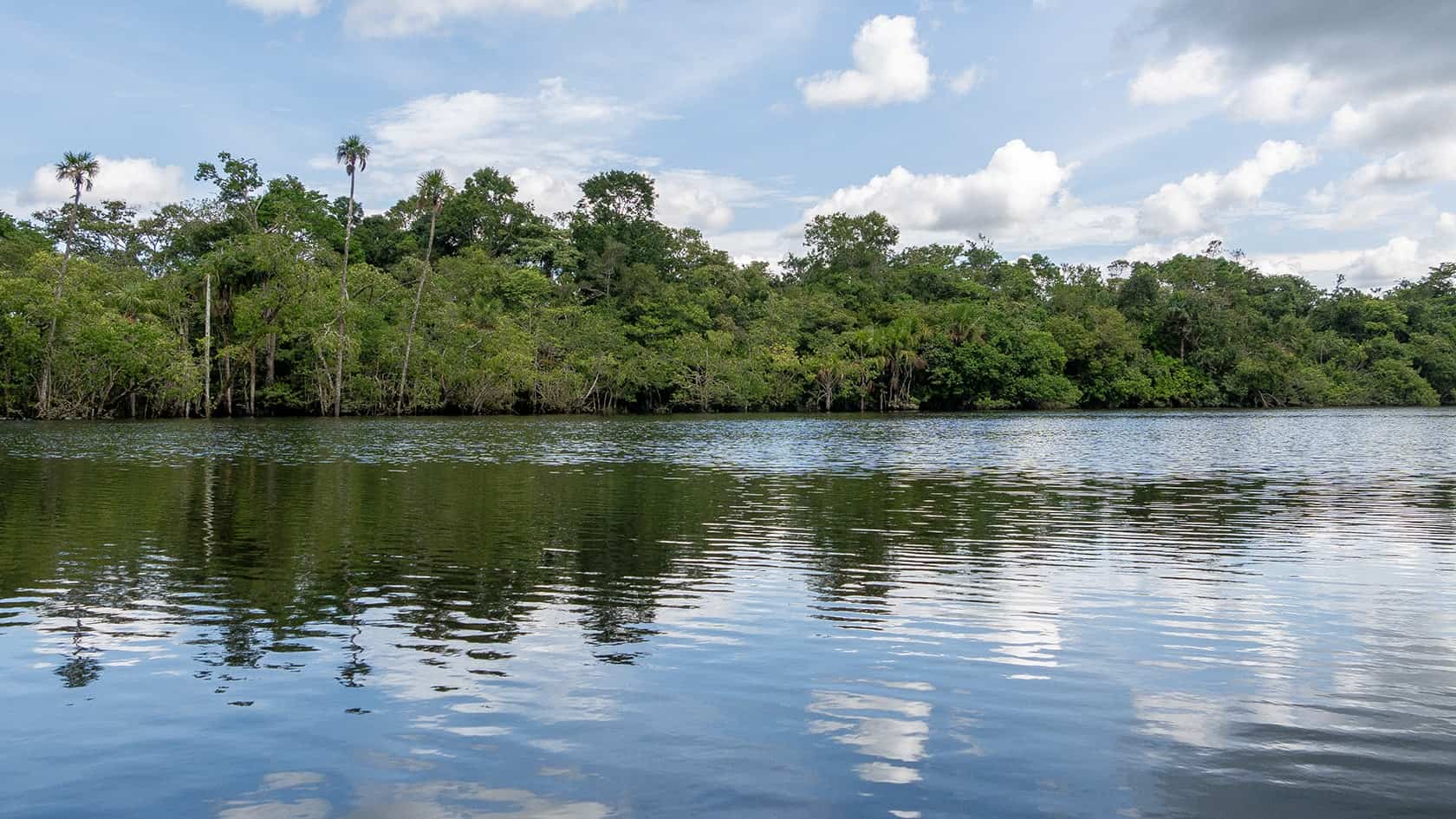
The Laguna del Silencio is a peaceful spot, ideal for observing wildlife in an unspoilt environment. Accessible by excursion, often by canoe, it is surrounded by dense vegetation and is a privileged habitat for many bird species. The peace and quiet here contrasts with the busier areas of the park. It’s the perfect place to reconnect with nature and enjoy a serene atmosphere.
Petroglifos Angosturas
The Petroglifos Angosturas are rock engravings dating back to pre-Columbian civilizations. Located along the Río Guayabero, they bear witness to the region’s ancient occupation and the cultural richness of the Sierra de la Macarena. These representations, engraved in rock, offer a fascinating insight into the beliefs and lifestyles of ancient populations. This site adds a historical and cultural dimension to the discovery of the park.
Ciudad de Piedra
The Ciudad de Piedra is an impressive rock formation composed of blocks sculpted by erosion over time. These natural structures evoke a mineral city, with geometric shapes and spectacular reliefs. This site highlights the massif’s geological age and offers a unique visual experience. It is particularly attractive to lovers of atypical landscapes and unusual natural formations.
Sierra de la Macarena National Park trails
Before setting off on a hike in the Sierra de la Macarena National Park, it’s important to understand that the territory is divided into several zones and trails, each offering a different experience. Some routes feature the famous colorful rivers, while others allow you to explore wilder landscapes, with waterfalls, forests and panoramic viewpoints. Depending on the trail you choose, you’ll cross some of the sites presented in the previous section.
The table below gives you an overview of the main areas accessible to visitors, with their special features, to help you better visualize the park’s organization and choose the routes that best suit your trip.
Read our articles dedicated to the trails we explored during our trip:
1. Caño Cristalito trail – Mirador
2. Los Pianos trail (THE trail to do)
3. Pailones trail
4. Laguna del Silencio trail
| Ecotourism sites | Trails | Distance (km) | Time (hours) | Difficulty | Capacity (people/day) |
|---|---|---|---|---|---|
| Crystals from Colores | Salto del Águila | 9,7 | 7 | High | 75 |
| Crystals from Colores | Los Pianos | 6,9 | 7 | High | 62 |
| Crystals from Colores | Intermedio | 4,2 | 5 | Average | 42 |
| Crystals from Colores | Caño Escondido | 4,2 | 5 | Average | 37 |
| Crystals from Colores | Caño Cajuche | 1,2 | 2 | Low | 19 |
| Cristales Selva | Los Pailones | 9.4 loop 4.7 linear | 7 4 | High Average | 83 |
| Laguna del Silencio | Selva silencio | 6,2 | 2,5 | Average | 75 |
| Laguna del Silencio | Sendero bocana | 6,2 | 2,5 | Average | 94 |
| Laguna del Silencio | Sendero bromelias | 1,2 | 2 | Low | 16 |
| Laguna del Silencio | Sendero charco moriche | 4,7 | 3 | Average | 42 |
| Laguna del Silencio | Sendero fauna y flora | 3,6 | 3 | Low | 70 |
| Laguna del Silencio | Sendero lajas | 2 | 2 | Low | 25 |
| Laguna del Silencio | Sendero marimbas | 2,5 | 2,5 | Low | 49 |
| Laguna del Silencio | Sendero ocarro | 0,8 | 2 | Low | 7 |
| Laguna del Silencio | Sendero tubing | 0,84 | 0,7 | Low | 21 |
| Raudal Angosturas l | Petroglifos Angosturas | 4,1 | 7 | Average | 41 |
| Raudal Angosturas l | Ciudad de Piedra | 8.4 loop 5.9 linear | 7 5 | High Average | 37 |
| Raudal Angosturas l | Playa Raudal | 1,9 | 4 | Low | 24 |
| Raudal Angosturas l | Caño Aguas Claras | 2,2 | 5 | High | 18 |
| Mirador Cristalitos | Mirador – Cristalitos | 4.0 loop 2.5 linear | 5 3 | High Average | 87 |
| Caño Piedra | Caño Piedra | 3,5 | 2 | Low | 81 |
Agencies & Guides (mandatory to enter the National Park)
Exploring the Sierra de la Macarena National Park requires specific organization. As this natural area is protected, visits are strictly supervised to preserve the richness and balance of its fragile ecosystem.
Below, you’ll find the contact details of the agency we worked with. Everything went perfectly: communication, quotation, payment and on-site services. During her stay, Caro slightly injured her foot and had to go to the clinic. The agency’s insurance took care of the situation immediately, and the manager even accompanied us, which we particularly appreciated.
Agence Aventura Tours SAS
Registro Nacional de Turismo 22085
Website: https: //www.cano-cristales.com
Whatsapp: +57 (300) 693 9988
Email : info@cano-cristales.com
Mandatory supervised excursions
Unlike many other nature destinations, it’s not possible to visit Caño Cristales on your own. Regulations require the presence of an official guide, and groups are split up along different trails to limit the impact of tourism.
The number of visitors is limited each day, which means that access must be booked in advance with the park authorities. Local agencies usually take care of the formalities: entry permits, registration with environmental authorities and organizing guides.
The role of local agencies
Most travelers therefore use a local agency to organize their stay. These agencies generally offer multi-day packages including accommodation, meals, boat trips on the Guayabero River, 4×4 transfers and guided hikes in the park.
Although some national and international agencies also market these tours, the excursions are almost always led by local guides, whose knowledge of the terrain, wildlife and environmental rules guarantees an experience that is both enriching and respectful of the site.
Can you organize your own trip?
In theory, it is possible to arrive at La Macarena without having booked a tour in advance, and then look for an agency or guide on site. However, many travellers testify to the complexity of the logistics: managing permits, taxes, transport and checking trail availability.
That’s why most visitors opt for a complete package, a formula that greatly simplifies organization and allows them to enjoy the region’s hikes, waterfalls and natural pools with peace of mind.
A supervised but immersive experience
Once on site, the days generally follow a well-established schedule: navigation on the Guayabero River, transfer by vehicle to the trailheads, then guided hikes through the park to explore the different river zones and the spectacular landscapes of the Serranía.
Although fairly structured, this approach ensures the preservation of the unique ecosystem of Caño Cristales, while offering travelers a complete immersion in the heart of nature and local biodiversity.
Rates
Access fee to Sierra de la Macarena National Park
Access to the National Park is subject to an entrance fee. Here are the current rates.
| Nationals or foreigners residing in Colombia or CAN nationals (aged 6 to 25) | 28,000 COP |
| Adult nationals, CAN nationals or foreigners resident in Colombia (over 25) | 51,500 COP |
| Foreigners not resident in Colombia or CAN nationals | 78,500 COP |
Stay in La Macarena
Here’s a price estimate for our 2025 excursion with the agency mentioned above, to give you an idea. We went for 6 days, as we wanted to discover more than just Caño Cristales, whereas most travelers opt for a 3 or 4-day stay.
Note: for those wishing to discover the famous river of five colors, bear in mind that Caño Cristales is not a budget destination. A more affordable alternative can be found in the San José del Guaviare region, less frequented by tourists, where you can also admire superb colorful rivers.
| Price (for 2 people) | 5,614,410 COP |
| Duration | 6 days – 5 nights |
| Included | Accommodation Hotel La Fuente Full board (breakfast – lunch – dinner) Guided activities Local transport (boat and 4*4) |
| Not included | Airline tickets Motorcycle transport to Laguna del Silencio Taxes Boot hire (8,000 – 10,000 COP per day) |
How to get to Sierra de la Macarena National Park?
Access to Sierra de la Macarena National Park is strictly controlled and regulated. The presence of a licensed guide is compulsory for all visitors, guaranteeing both safety and respect for park rules.
Getting to Sierra de la Macarena National Park from La Macarena
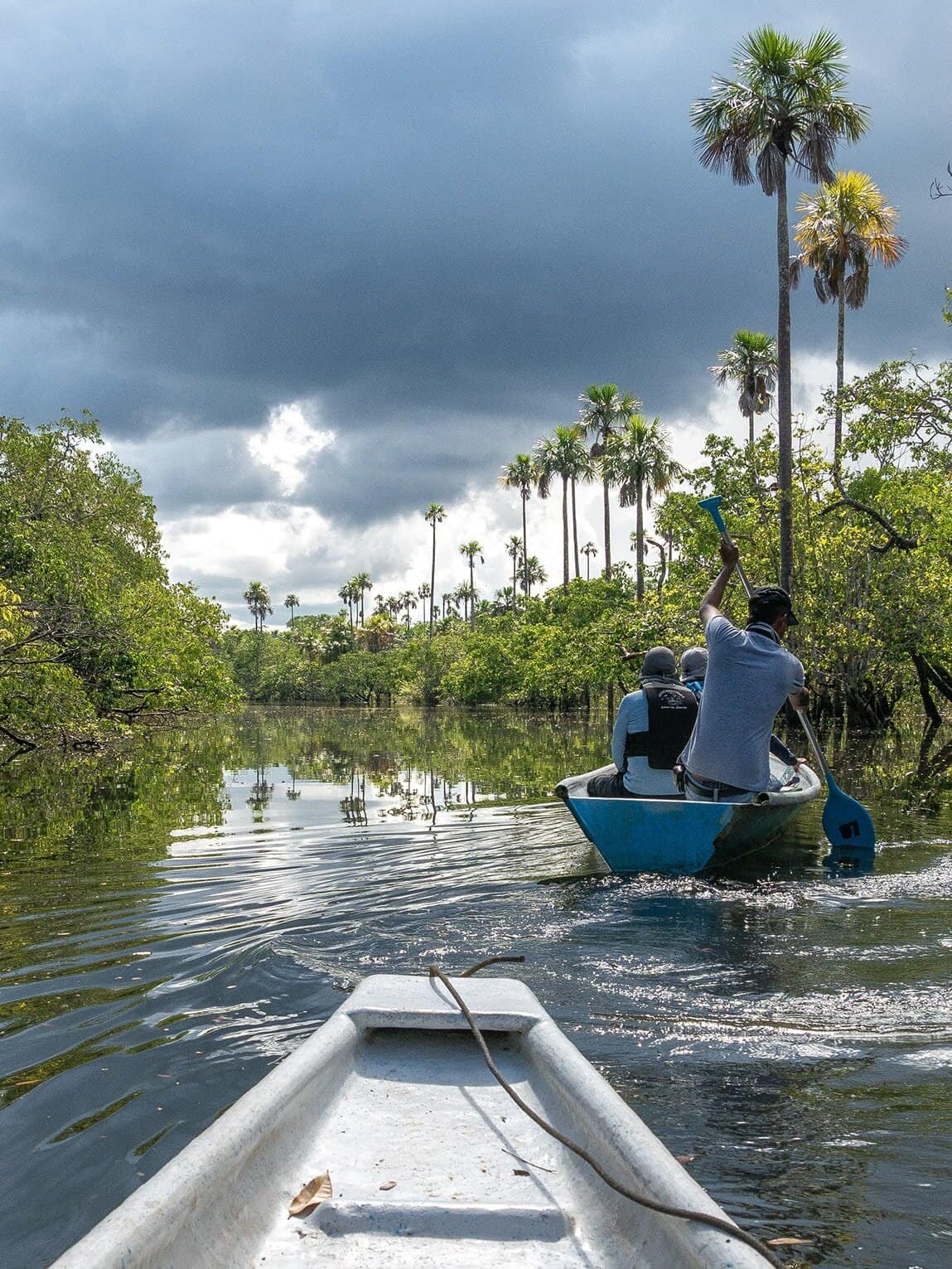
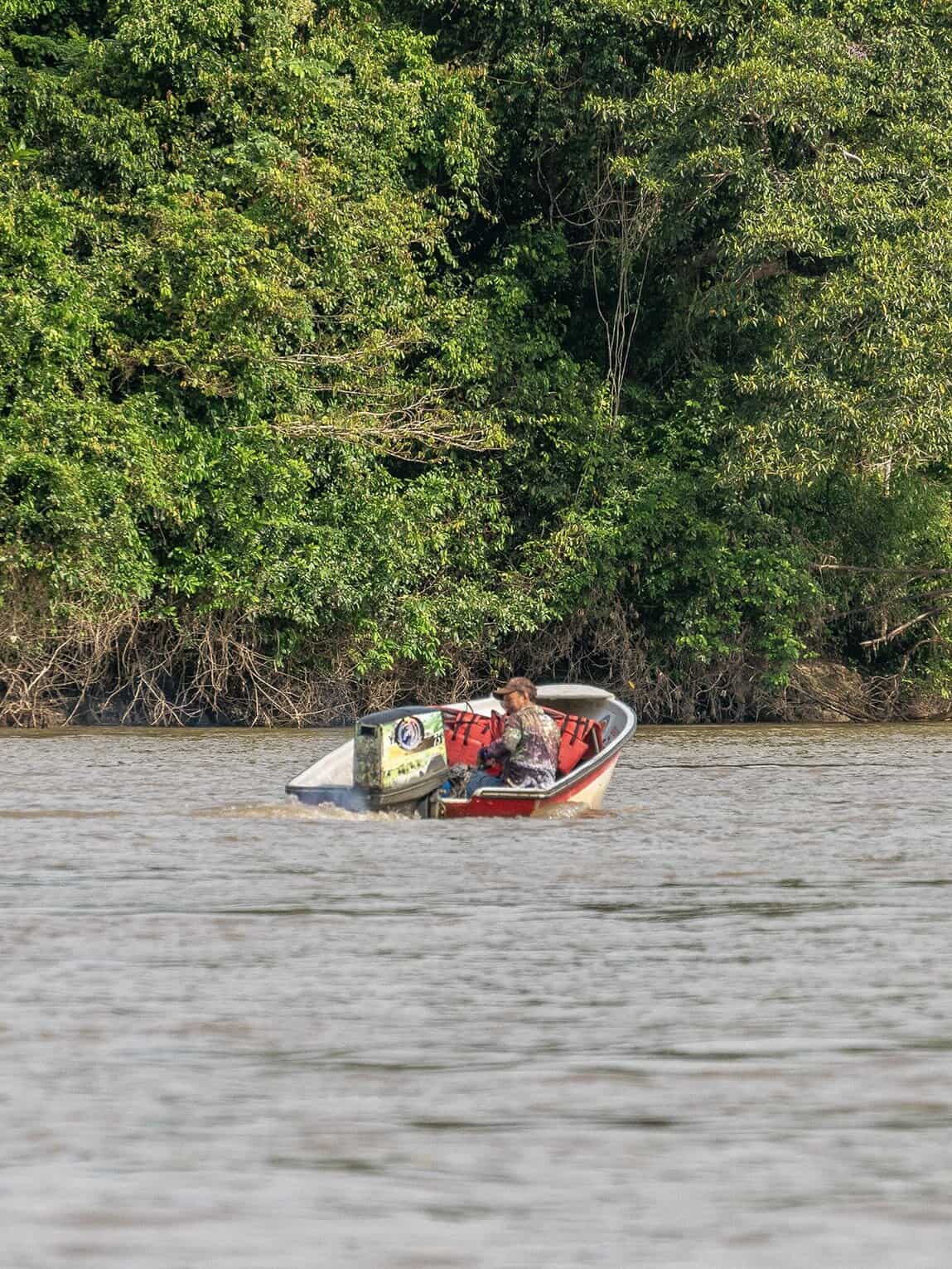
Transportation to the starting point is provided by the guide. From the village of La Macarena, board a lancha to navigate the Río Guayabero for around 20 to 25 minutes before reaching the trailhead. In some cases, a transfer by all-terrain vehicle may be necessary, particularly to reach the park’s main entrance.
That’s why most travelers opt for packages offered by local agencies. Organizing the tour on your own is virtually impossible, given the complex logistics, strict regulations and the need for a guide.
Where to stay to explore Sierra de la Macarena National Park?
It’s not complicated: to visit Caño Cristales and this area of the park, there’s only one town nearby, La Macarena.
Please note: most of the accommodations in La Macarena are not listed on Booking.com or any other conventional booking platform. So it’s often necessary to go directly through a local agency, which offers organized stays of several days, or to contact hotels via Instagram or WhatsApp, methods that are widespread in the region.
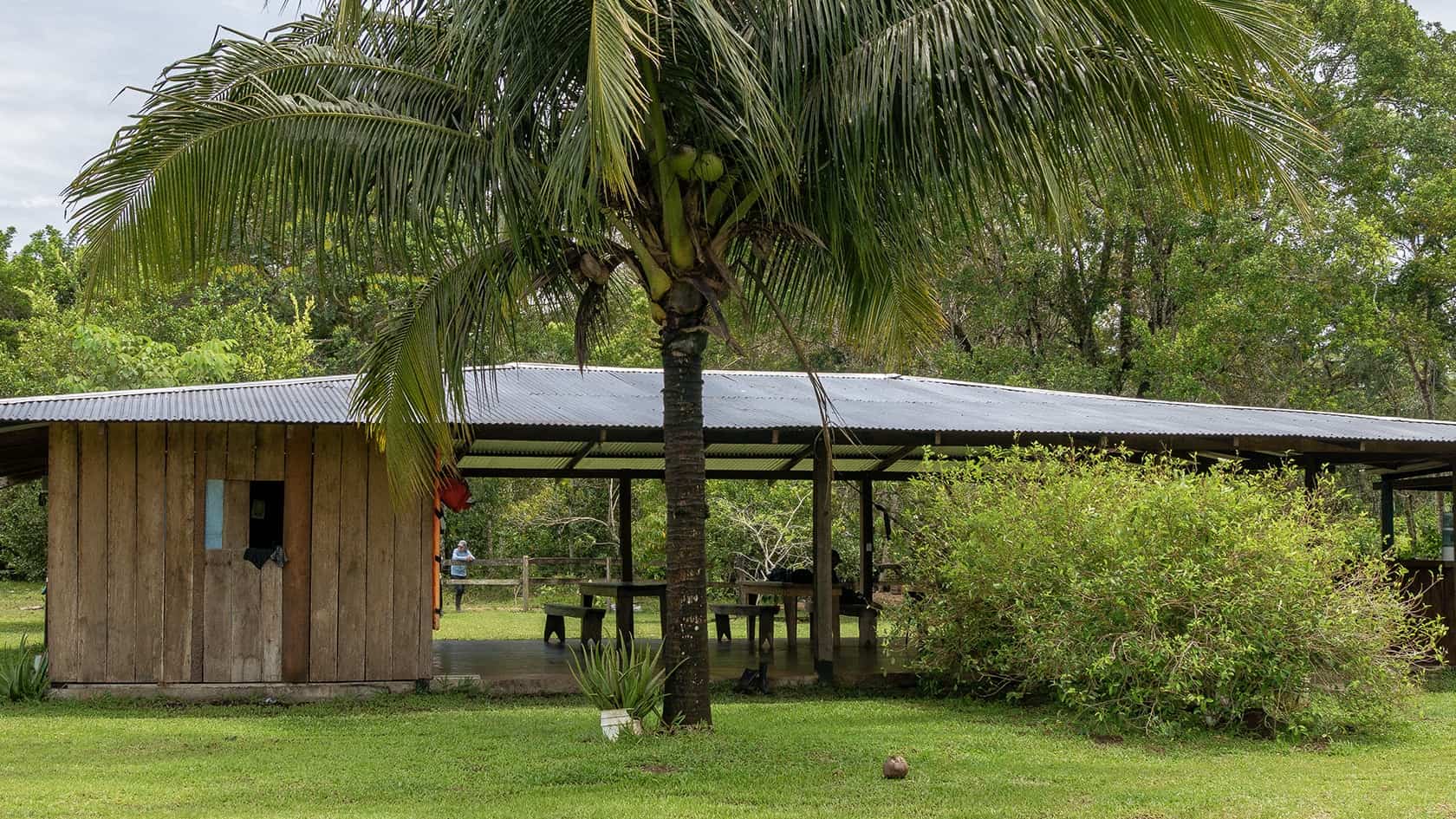
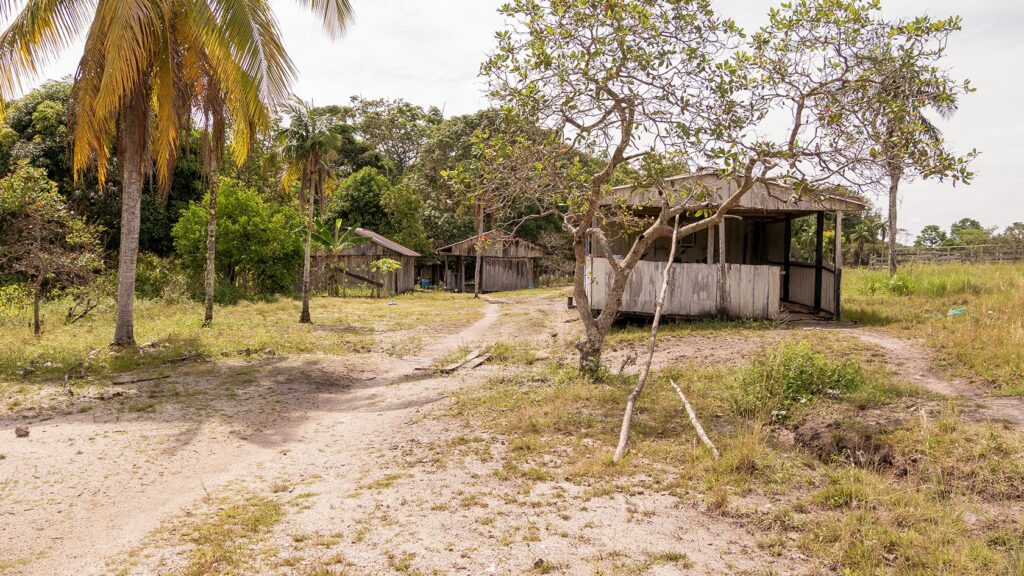
The accommodation on offer in La Macarena is simple and authentic, true to the character of this isolated town in the heart of nature. The majority of hotels are modest, without any particular luxury , but comfortable enough to rest after a day’s hiking. Many establishments offer air-conditioned rooms, a real advantage in the face of year-round tropical heat.
For those seeking a more immersive experience, there are also a number of cabins and lodges located outside the village, often in the heart of nature or close to rivers. These accommodations offer a quieter, wilder setting, perfect for reconnecting with the exceptional environment of the Serranía de la Macarena and taking full advantage of the park’s beauty.
Note: there is no hot water in the hotels due to the region’s hot climate.

$ – Economical budgeting
Cabane
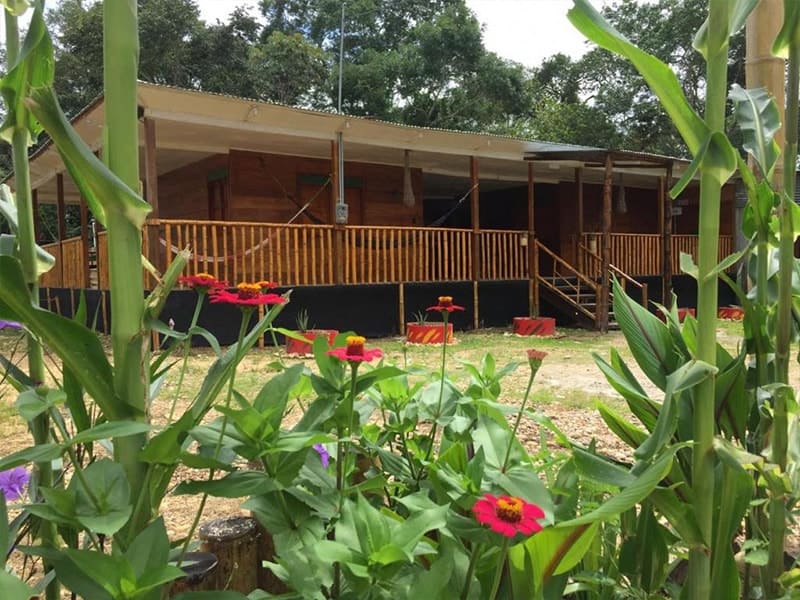
Hotel Campestre el Refugio
Hotel Campestre el Refugio gets mixed reviews: some travelers appreciate the proximity to nature and the friendly staff, emphasizing a simple, authentic atmosphere. Others note that installations can be dated. On the whole, it’s a functional and inexpensive option, but not without imperfections.
$ – Economical budgeting
Hostal
Hostal Cano Nevera
The Hostal Caño Nevera is a very pleasant place for a simple, authentic stay. Rooms are basic but clean and comfortable, often with fans and mosquito nets. The atmosphere is family-friendly and the hosts are renowned for being very attentive, helping to organize excursions. The equipment remains modest, but offers very good value for money.

$$ – Average budget
Hotel
Casa Hotel Real
Travelers’ impressions are of a simple, functional hotel. Rooms are clean but rather small, and sometimes poorly ventilated, so it’s best to choose those with air-conditioning. A warm welcome. Wi-Fi, a swimming pool and breakfast are just a few of the practical facilities on offer, although the overall package remains fairly basic.

$$ – Average budget
Hotel
Hotel La Fuente
We stayed in this hotel. The rooms are simple but comfortable, with air conditioning, which is appreciated in the heat. There’s also a pleasant swimming pool after a day’s excursion, and the restaurant serves a variety of local cuisine. Easily accessible on foot from the airport, it’s a good option without looking for luxury.

$$$ – High budget
Hotel
La Manigua Lodge
The experience at La Manigua Lodge is exceptional. The cabins are comfortable and well integrated into nature, with a real rustic charm. The service is often described as very attentive, and the organization of activities well organized. The cuisine is much appreciated, even if some people point out minor shortcomings (repetitive breakfasts or sometimes cold water).

Notes & tips
Pants + long sleeves for hiking
For your hikes, it’s best to wear light pants and a t-shirt or long-sleeved shirt. This type of garment protects against both insects and, above all, the sun, as many trails cross completely uncovered areas.
Take mosquito repellent with you
Although this area isn’t the most mosquito-infested we’ve seen, there are still a few. As a precaution, it’s best to apply a mosquito repellent, especially during excursions into the wild or near wetlands.
Pack organic sunscreen
To protect yourself from the sun, we also recommend covering your head. On some excursions, you can spend several hours walking in direct heat, and a hat or cap will save you from headaches or sunstroke.
Bring bathing suit + towel
In the national park, entry with plastic, including disposable water bottles, is prohibited in order to preserve the fragile environment. So it’s essential to take along a reusable water bottle, which you can easily refill before setting off.
Bring a hat / cap
To cope with the heat, covering your head is also a good idea. On some excursions, you may spend several hours in the sun, and a hat or cap will save you from sunstroke.
Bring a water bottle
In the National Park, entry with plastic, including water bottles, is prohibited in order to protect the environment. So it’s important to take along a reusable water bottle, which you can refill at your hotel.
Bring a poncho
It’s very likely that you’ll visit the region during the rainy season, from April to November. In this case, a poncho or waterproof jacket can be very useful for wet trails and sudden downpours, which can occur several times a day.
Bring water shoes
Finally, when it rains, the showers can be very heavy, turning the paths into small streams. To avoid getting your hiking boots wet, carrying a pair of water shoes in your bag can be a practical solution.
Prohibited drones
The use of drones of any size and weight is prohibited in the National Park. Permission must first be requested (and let’s be honest, a request for a simple tourist reason is not enough).
Do not touch Macarenia Clavigera
Although this colorful aquatic plant can fascinate, remember not to touch it, step on it or pull it out. We only look with our eyes!