
In brief
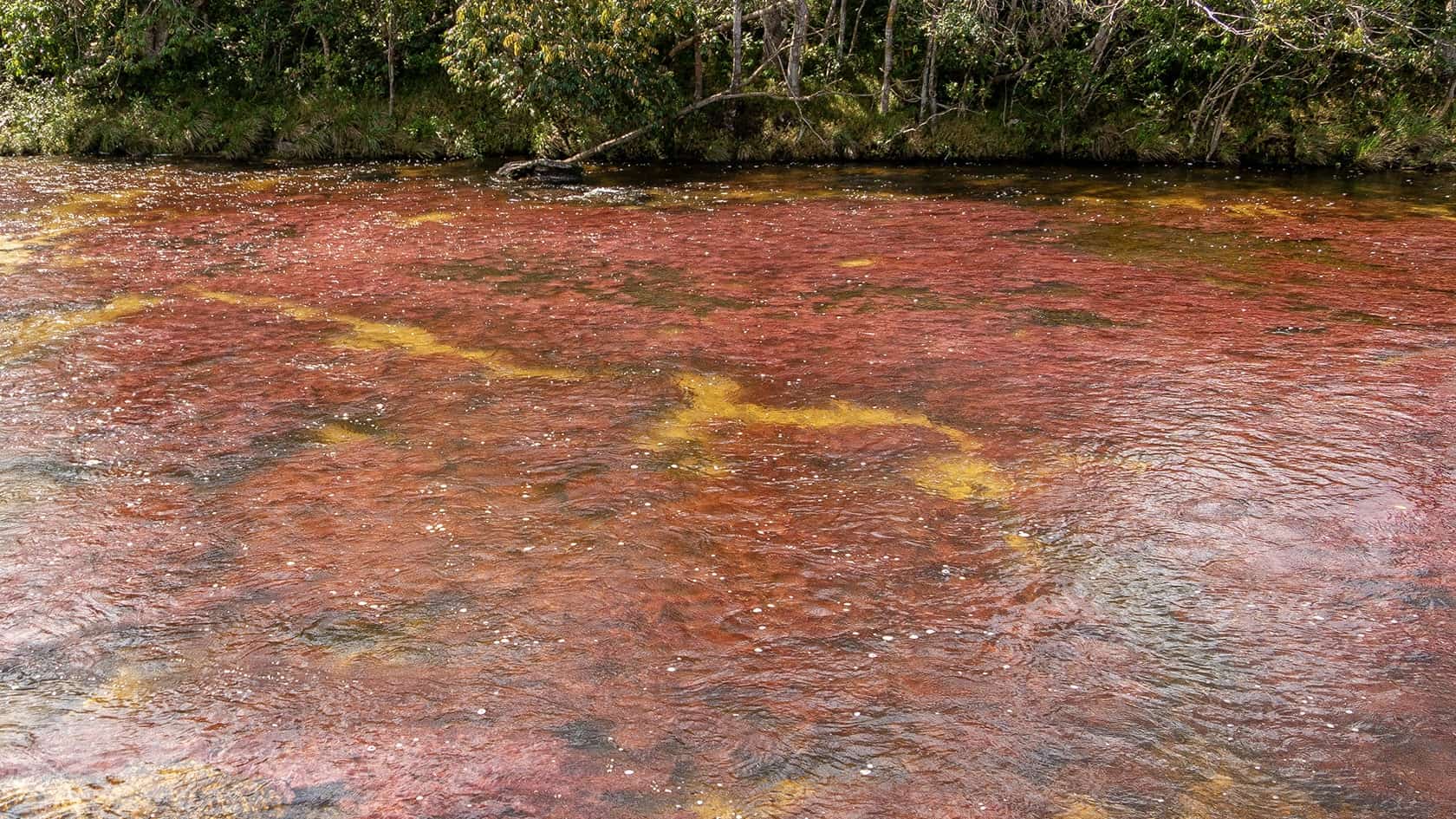
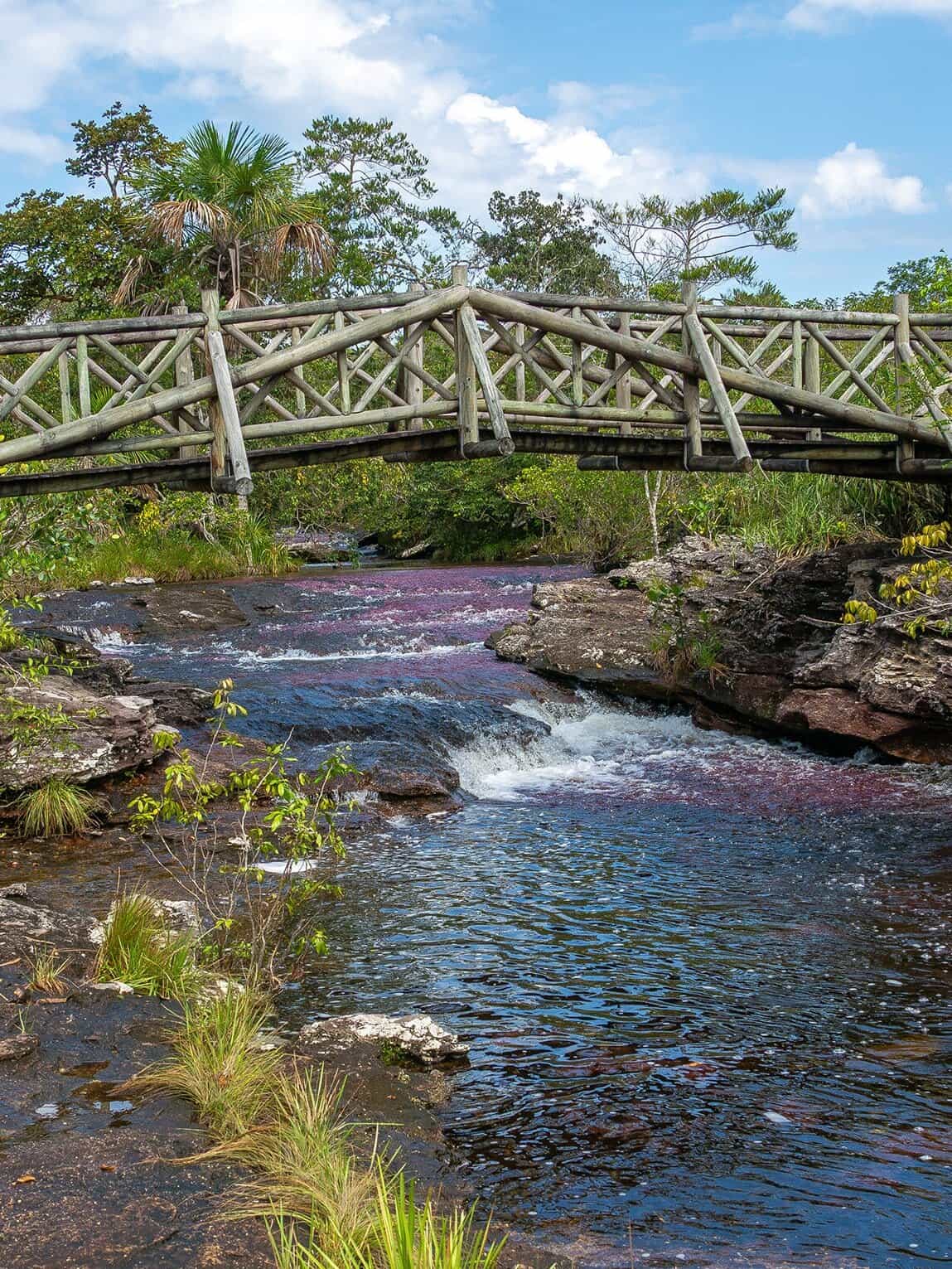
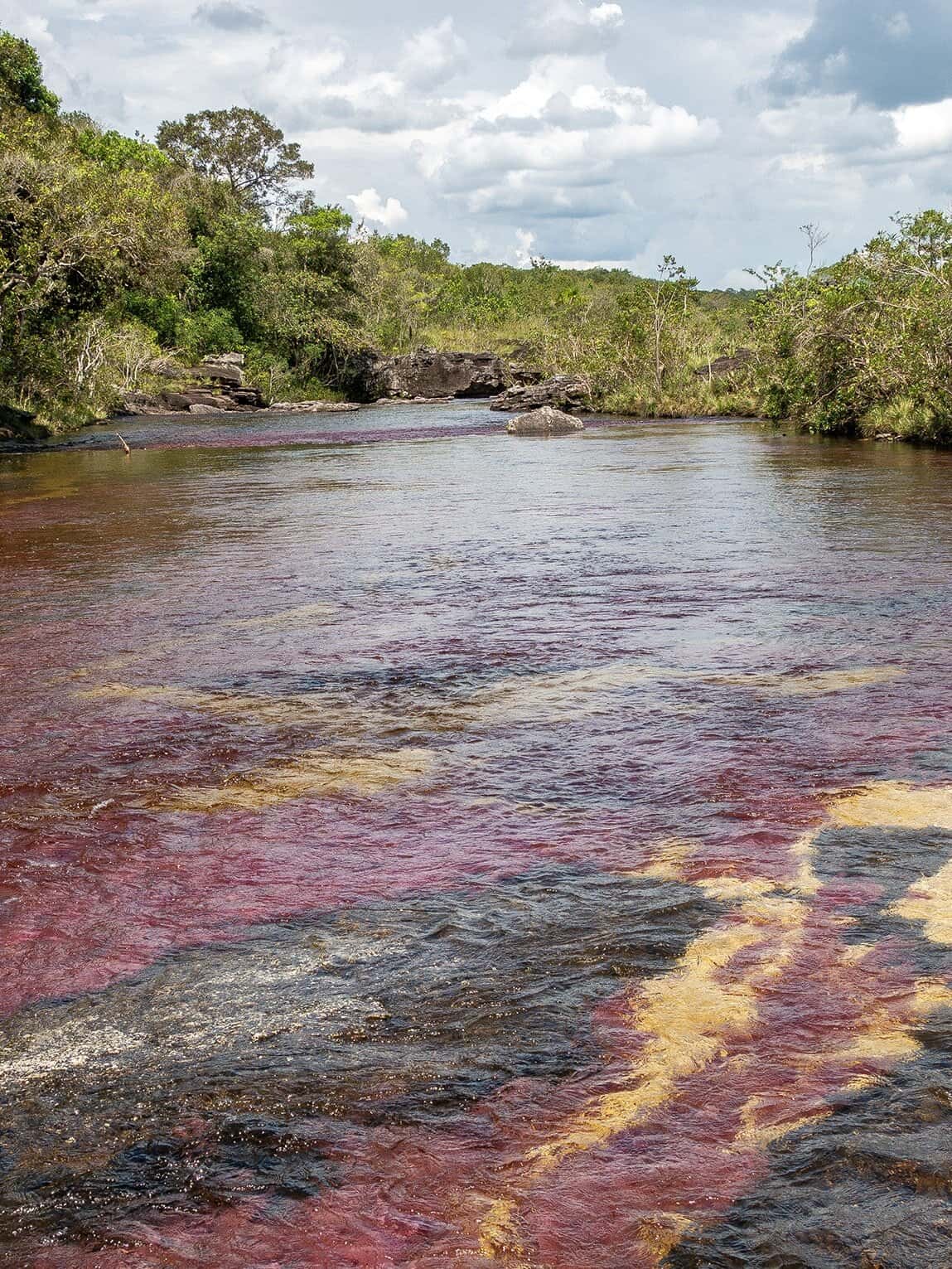
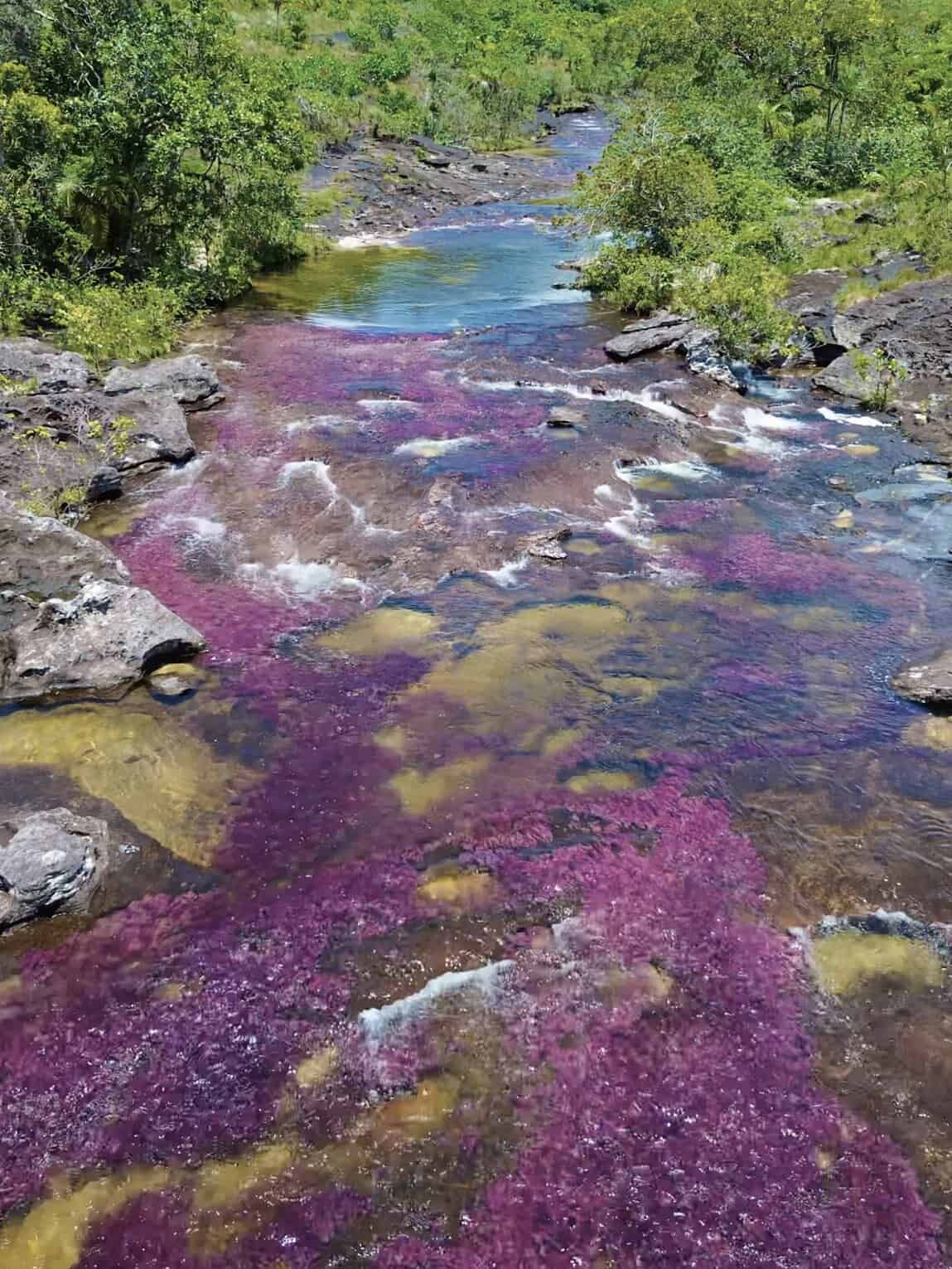
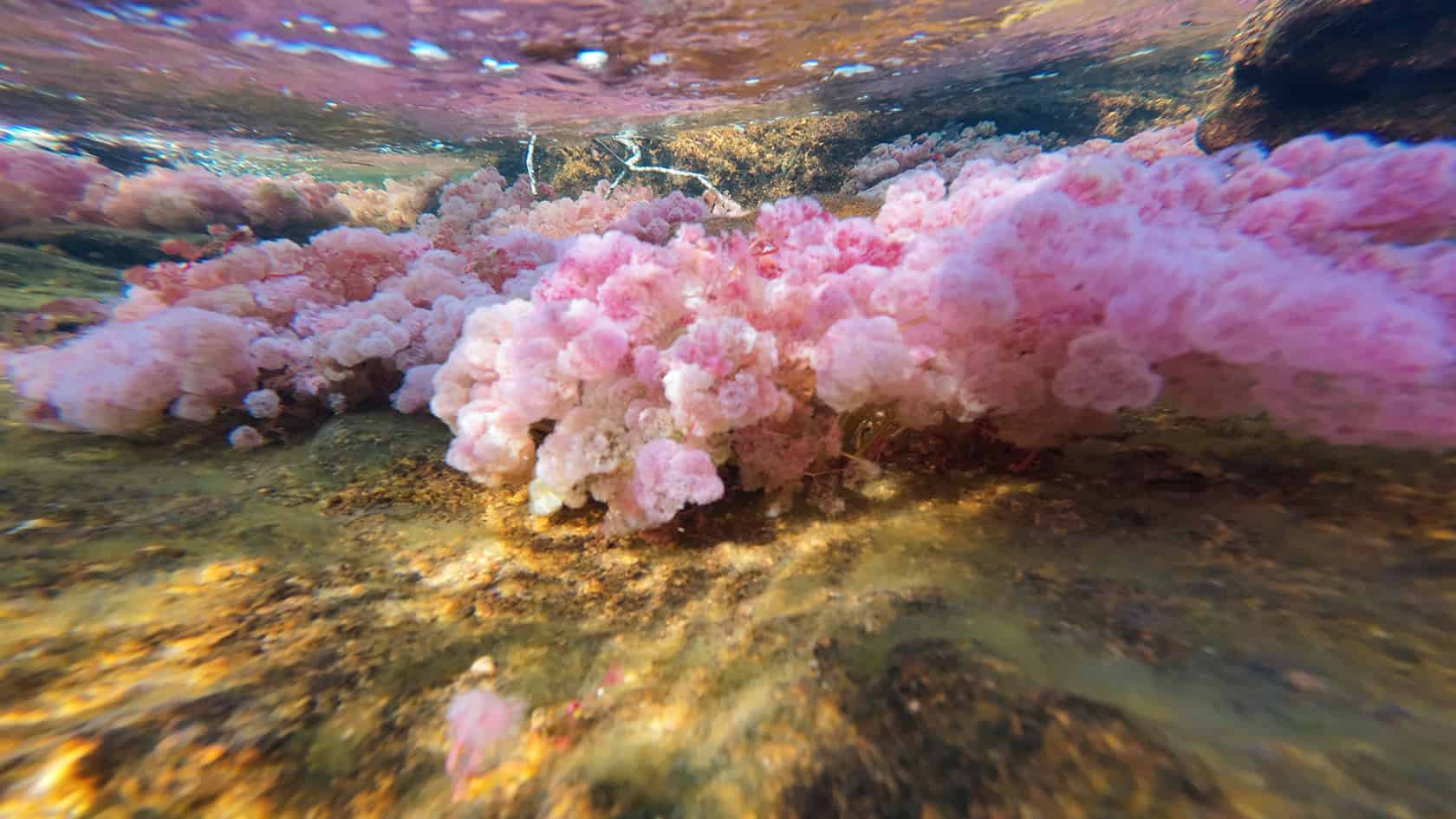
In the heart of Colombia’s Sierra de La Macarena National Park, flows one of the world’s most astonishing rivers: Caño Cristales. Nicknamed the “river of five colors”, this waterway owes its red, yellow and green hues to a unique aquatic plant, the Macarenia clavigera, which colors the riverbed and transforms the landscape into a natural tableau during the ideal season.
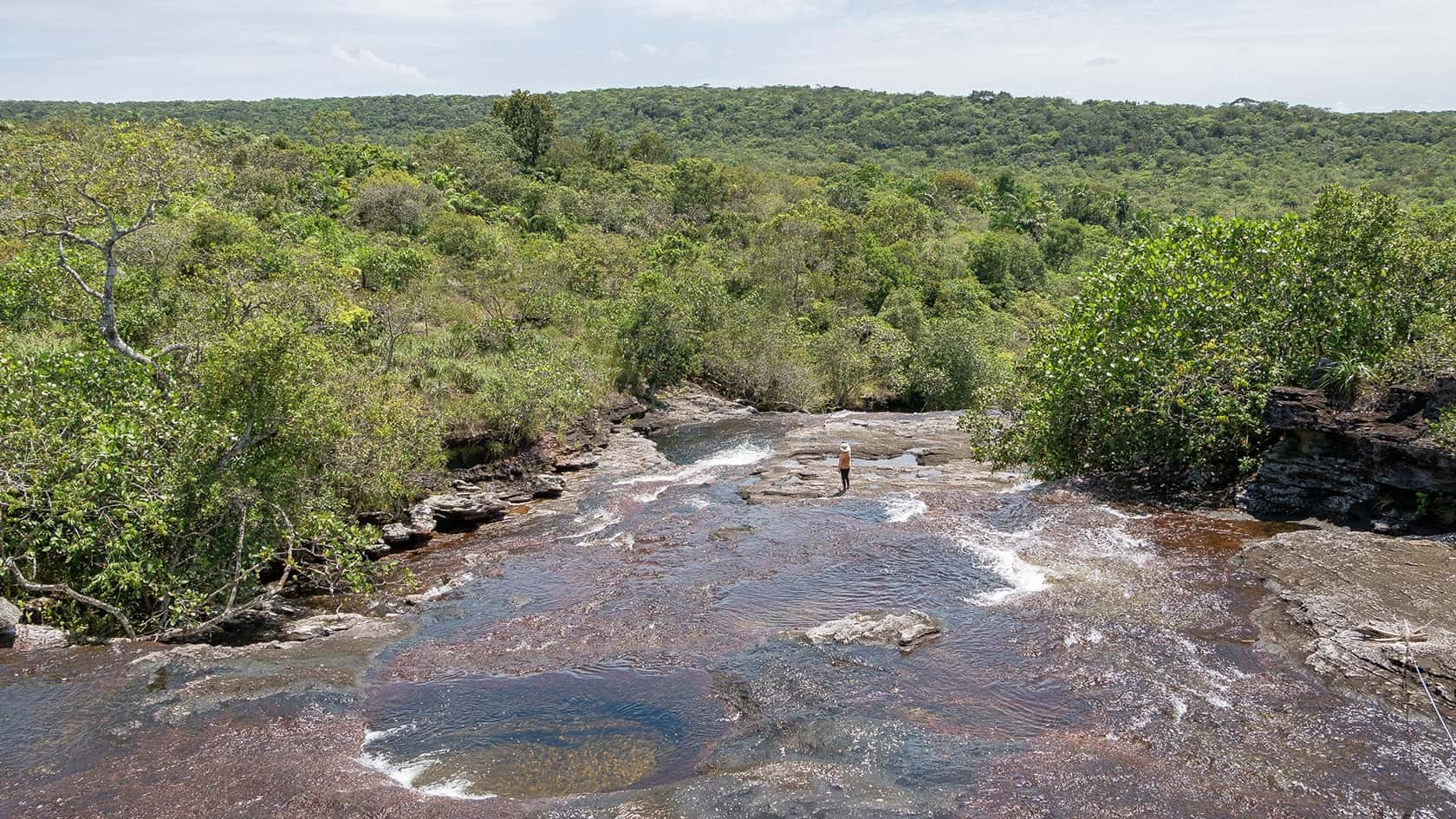
Among the various hiking routes that allow you to explore this spectacular site, the Los Pianos trail is often considered one of the most complete. Over a 6.5 km walk and almost 7 hours of exploration, you’ll pass through a succession of landscapes that are emblematic of Caño Cristales: waterfalls, natural pools of crystal-clear water and rock formations sculpted by the current.
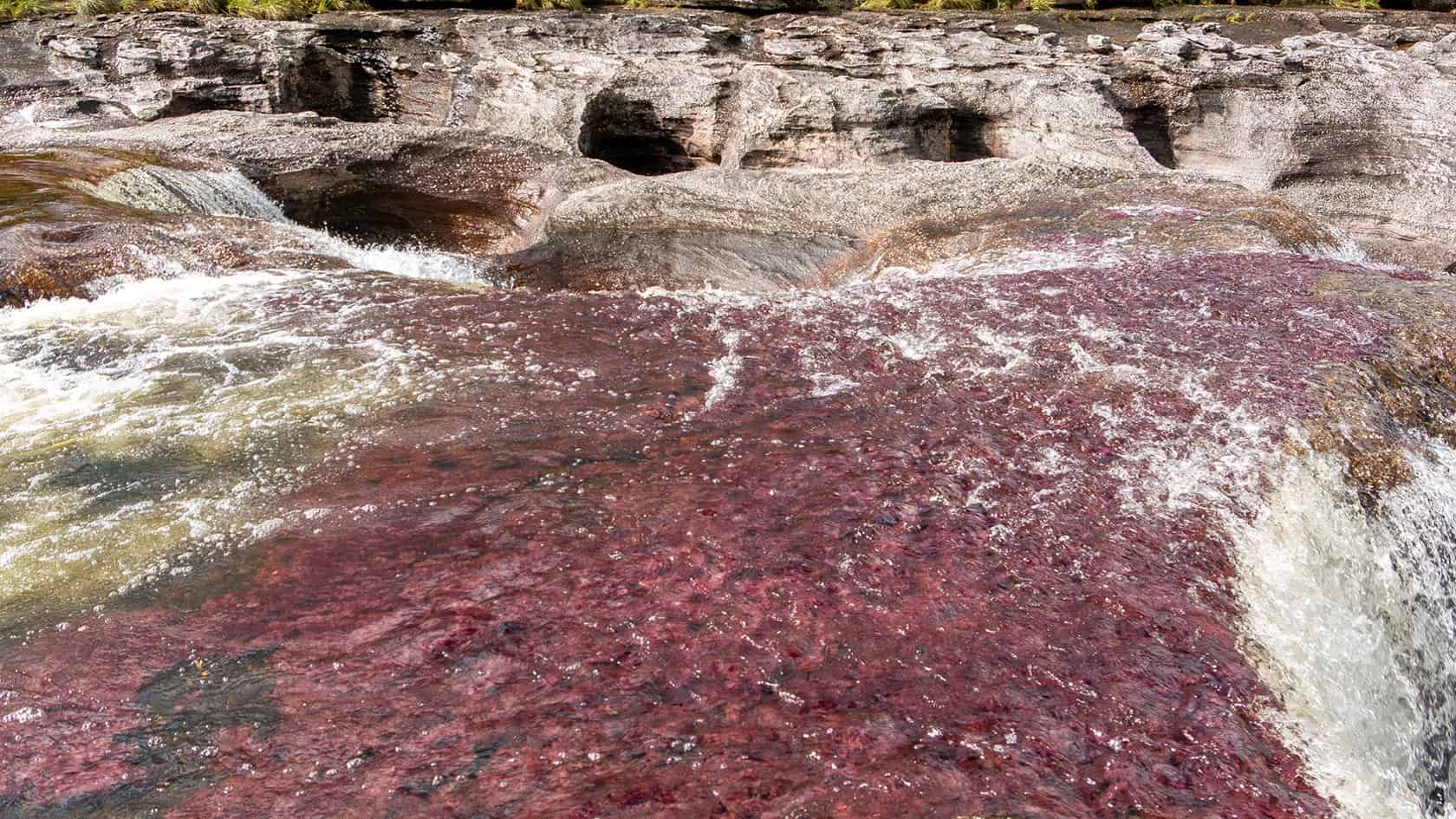
Along the way, there’s a succession of stops at emblematic sites such as Caño Escondido, Cascada de la Virgen, the spectacular Cascada Los Pianos and Los Cuarzos, where you can take a dip in the crystal-clear waters. The trail also leads to iconic sites such as Tapete Rojo, where macarenia forms a brilliant red carpet on the riverbed, before ending near Piscina del Turista and the natural formations known as Los Ochos.
If you want to discover some of the most beautiful landscapes in Caño Cristales in a single day, hiking the Los Pianos trail is clearly one of the most spectacular experiences to be had in the Serranía de la Macarena.
Los Pianos trail
- County: Meta (Llanos)
- Natural area: Sierra de la Macarena National Park
- Distance: 6.5km
- Ascent +: 30m
- Difficulty: easy
- Duration: 7h
- Access: from La Macarena
Our verdict: The iconic hike ★★★
The Los Pianos trail is arguably the most famous in Caño Cristales, as it passes through several of the national park’s most iconic sites, including the Los Pianos waterfall, Los Ochos and the river’s famous red tapetes. And let’s face it: his reputation is well-deserved. On this hike, one landscape follows another, offering a spectacular summary of everything that makes Caño Cristales so unique. It’s one of the few places where you catch yourself thinking: I’ll probably never see this anywhere else. Between water-sculpted rock formations, colorful rivers and crystal-clear natural pools, every stop offers its share of wonder. The good news is that the trail itself remains relatively accessible. The terrain is generally flat, although you may have to climb over a few rocks. The main difficulty comes from the heat, as shade is scarce over much of the route. Fortunately, the hike is punctuated by numerous breaks at magnificent spots, often near natural pools where you can swim and cool off.
Los Pianos tourist trail: the Los Pianos trail is one of the most popular routes for discovering Caño Cristales, but tourist numbers remain relatively well controlled. Access to the area is strictly regulated to preserve the fragile ecosystem of the river and the aquatic plant Macarenia clavigera. Each day, the number of visitors allowed in the park is limited, and entry is compulsory with an authorized local guide. Groups are spread out over the different trails to avoid overcrowding at any one site, thus maintaining an immersive experience despite the popularity of the route. In practice, even on Los Pianos, it’s common to have the impression of being relatively alone in the face of spectacular scenery, with guides often coordinating schedules to space out groups. Caño Cristales is only accessible to visitors from June to November, the only time of year when water levels and weather conditions allow the river to reveal its famous colors.
Regional climate (Meta): the region’s climate is tropical, with pleasant temperatures all year round, generally between 22 and 32°C. There are two main seasons: the rainy season from April to November and the dry season from December to March. It’s during the wet season that rivers like Caño Cristales reveal their most spectacular colors, thanks to the growth of the aquatic plant Macarenia clavigera. Even during the rainy season, showers are often intense but brief and localized, regularly giving way to sunny spells ideal for outdoor activities. To make the most of your excursion, remember to pack light, breathable clothing, a good mosquito repellent and a waterproof k-way or poncho to cope with sudden showers.
Our experience
Our feedback is based on a six-day stay. This day devoted to the Los Pianos trail corresponds to Day 2, after a first day devoted to the Caño Cristalito – Mirador trail.
The morning light gently rouses us from our torpor. Today promises to be a great day, full of promise and adventure! The excitement is palpable during breakfast, then we quickly get ready to join Javier and the rest of the group near the main park. Our sneakers, still wet from the previous day’s rain, carry us through the village to the rendezvous point in ten minutes.
Like yesterday, and every day thereafter, the morning routine falls into place: we walk to the muelle to board the boat, a short ten-minute sail taking us to the shore. After climbing up the bank, we reach a small hut where off-road vehicles are parked. To reach the park’s main entrance, it’s another twenty-minute drive in a pick-up truck on a dirt track, shaken by the bumps but with a smile on our faces.
On arrival, a large hut marks the end of the route. Sierra de la Macarena National Park employees welcome us for check-in: name, surname, nationality, and bag check. All plastic items are forbidden, which makes a water bottle essential. Once these formalities have been completed, the hike can finally begin, in glorious sunshine.
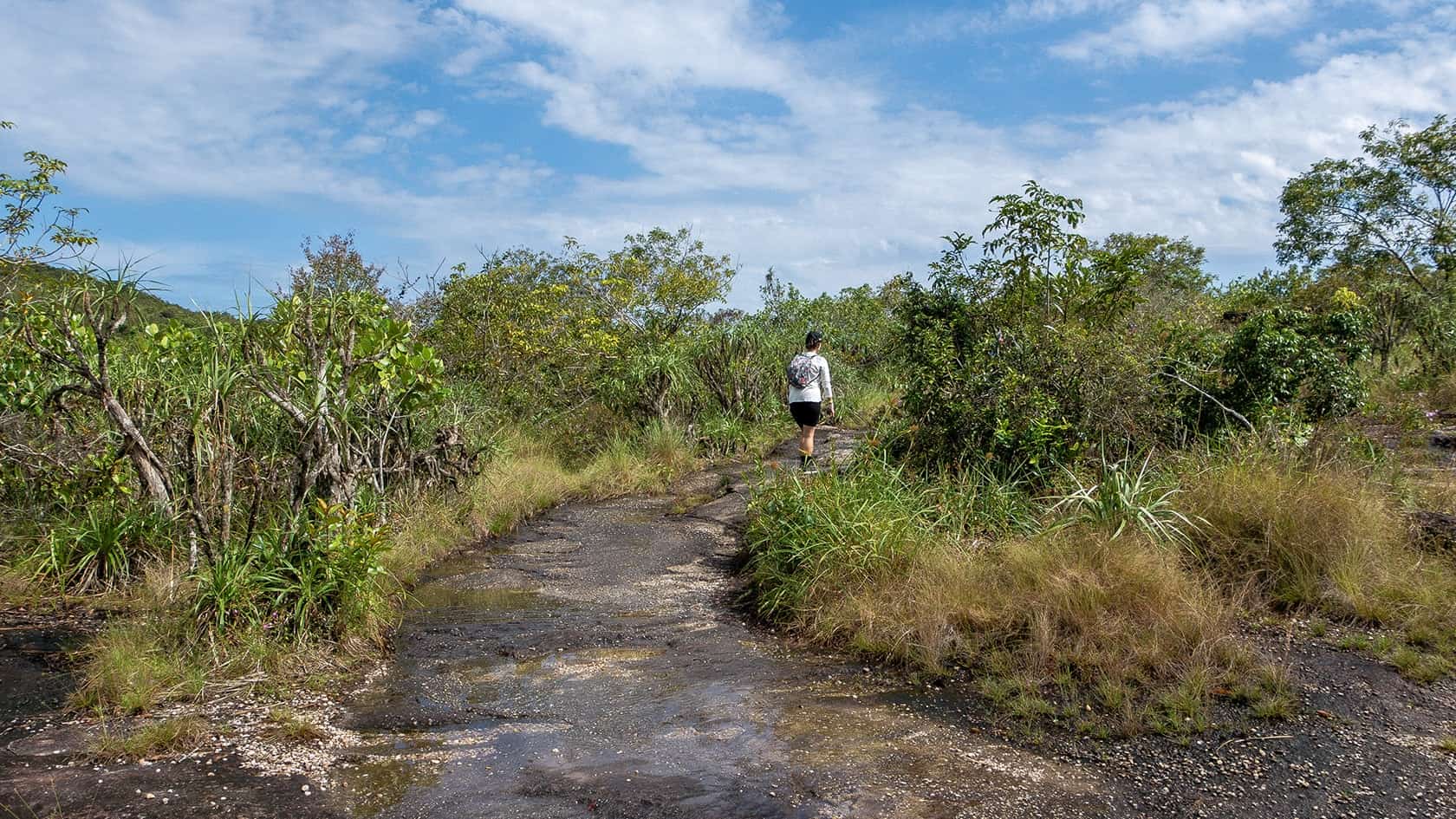
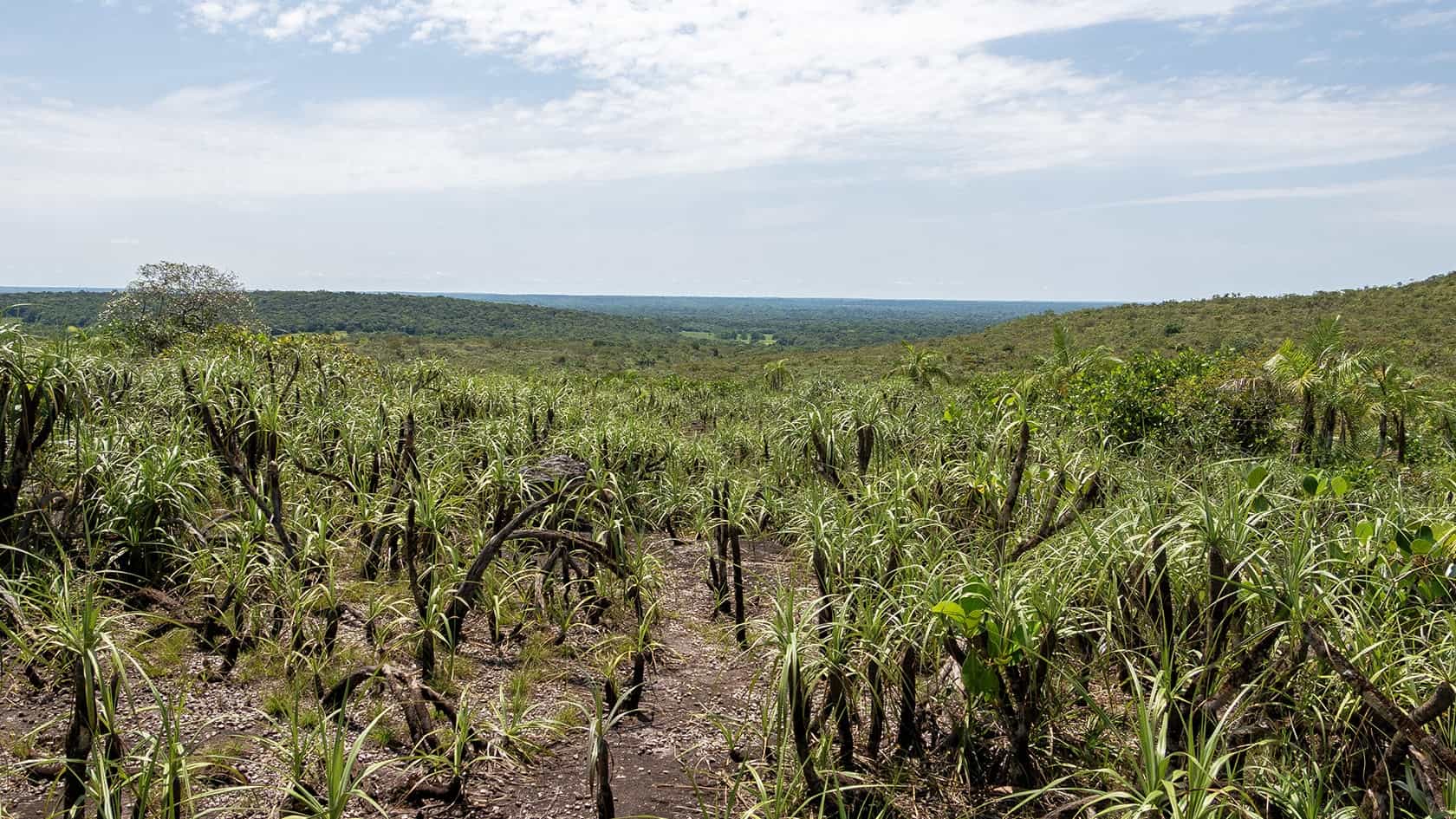
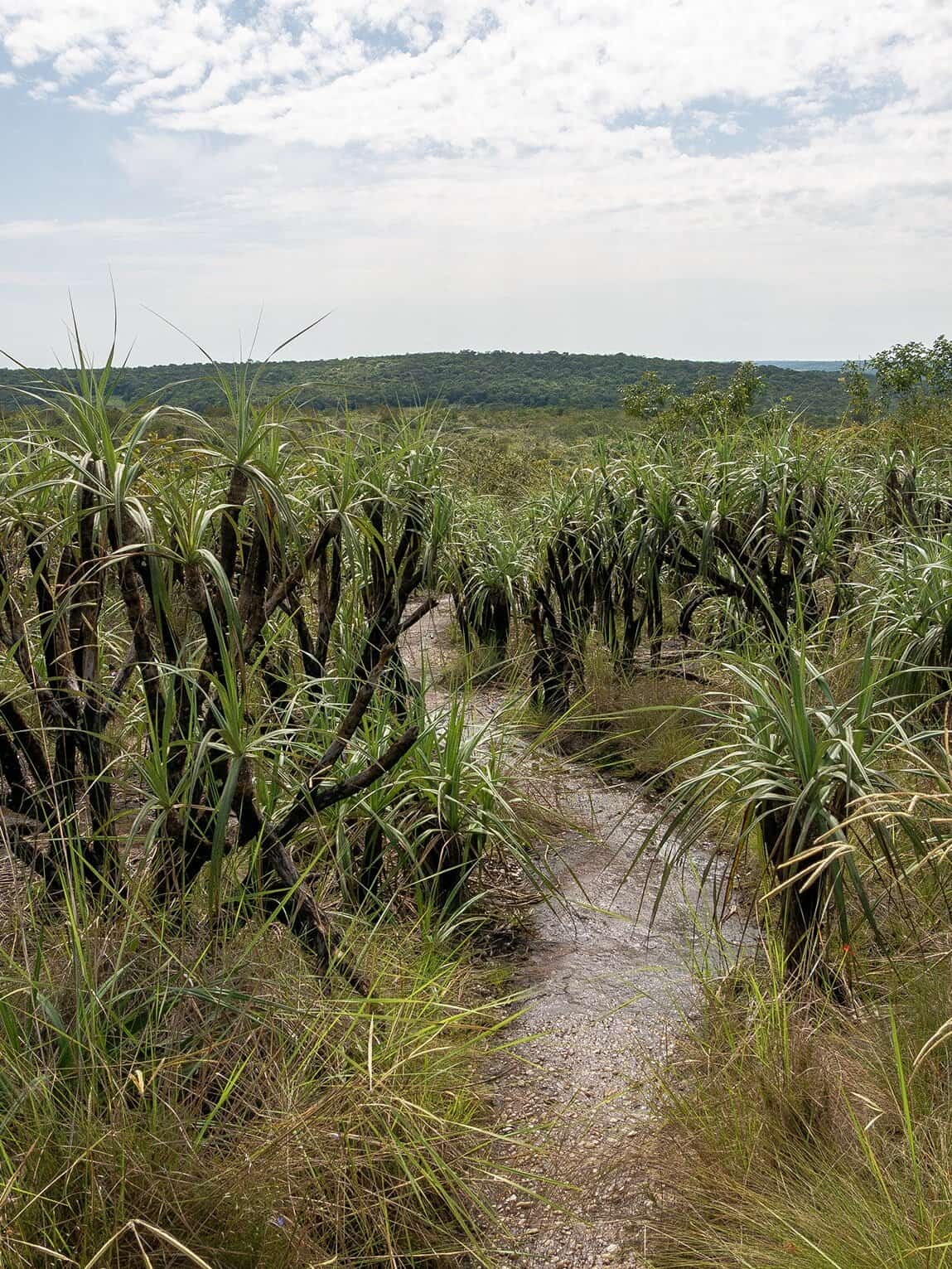
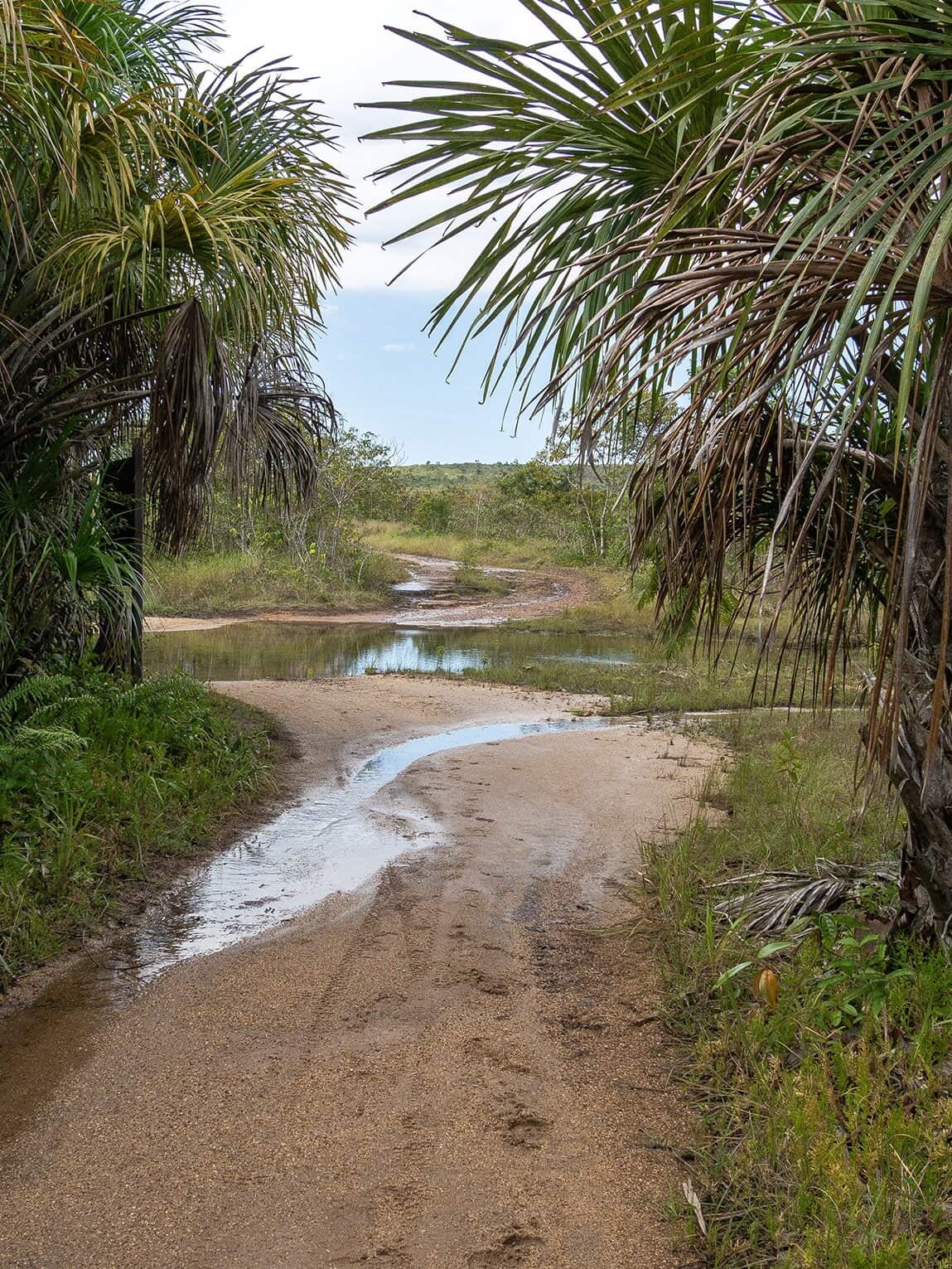
The path is flat and open, dotted with a few trees and ponds formed by the previous day’s rains. Crossing these pools requires a bit of balancing on stones or sandbags – a passage that will remain etched in our memories. Javier, our guide, punctuates the walk with explanations of the fauna, flora and history of the region.
One story in particular touches us deeply: that of Sixto Muñoz, considered the last representative of the indigenous Tinigua people. Living in isolation in the park, the son of a shaman, he is the last speaker of his language and the guardian of ancestral traditions linked to medicinal plants and the forest. Despite his isolation and the tragic history of his people, those who have met him speak of a charismatic, funny man deeply attached to his land, embodying the memory of a culture that has almost disappeared.
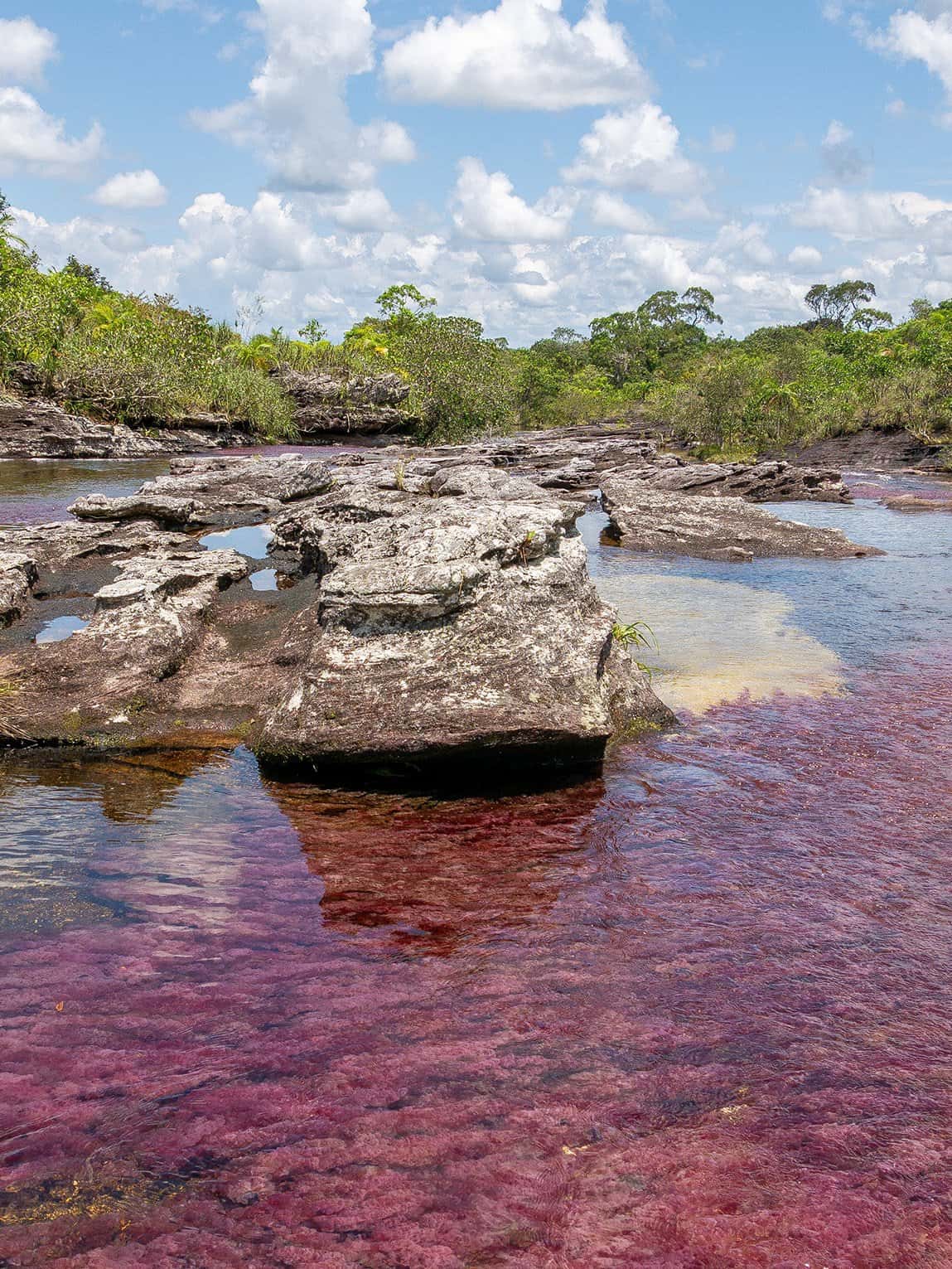
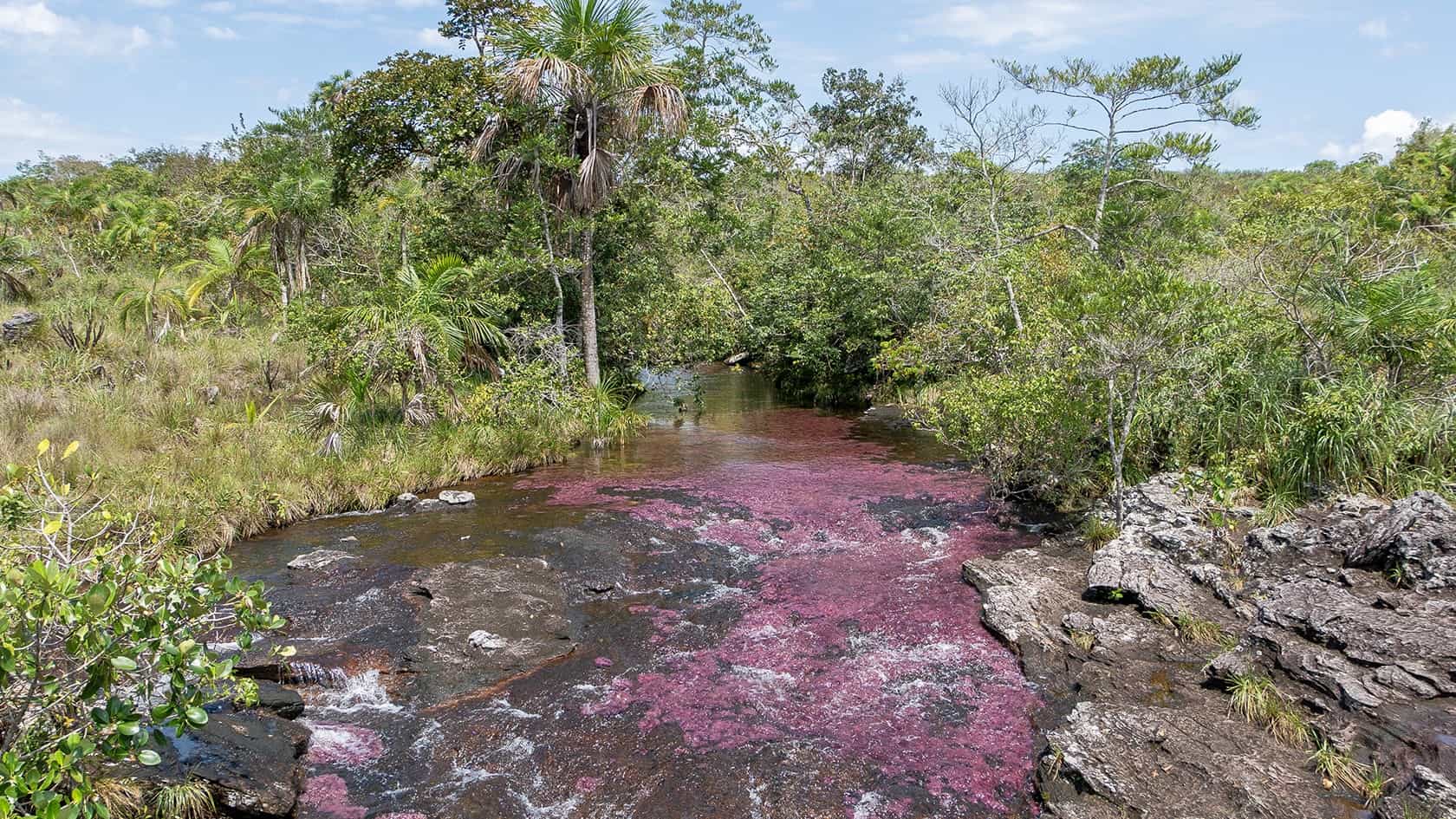
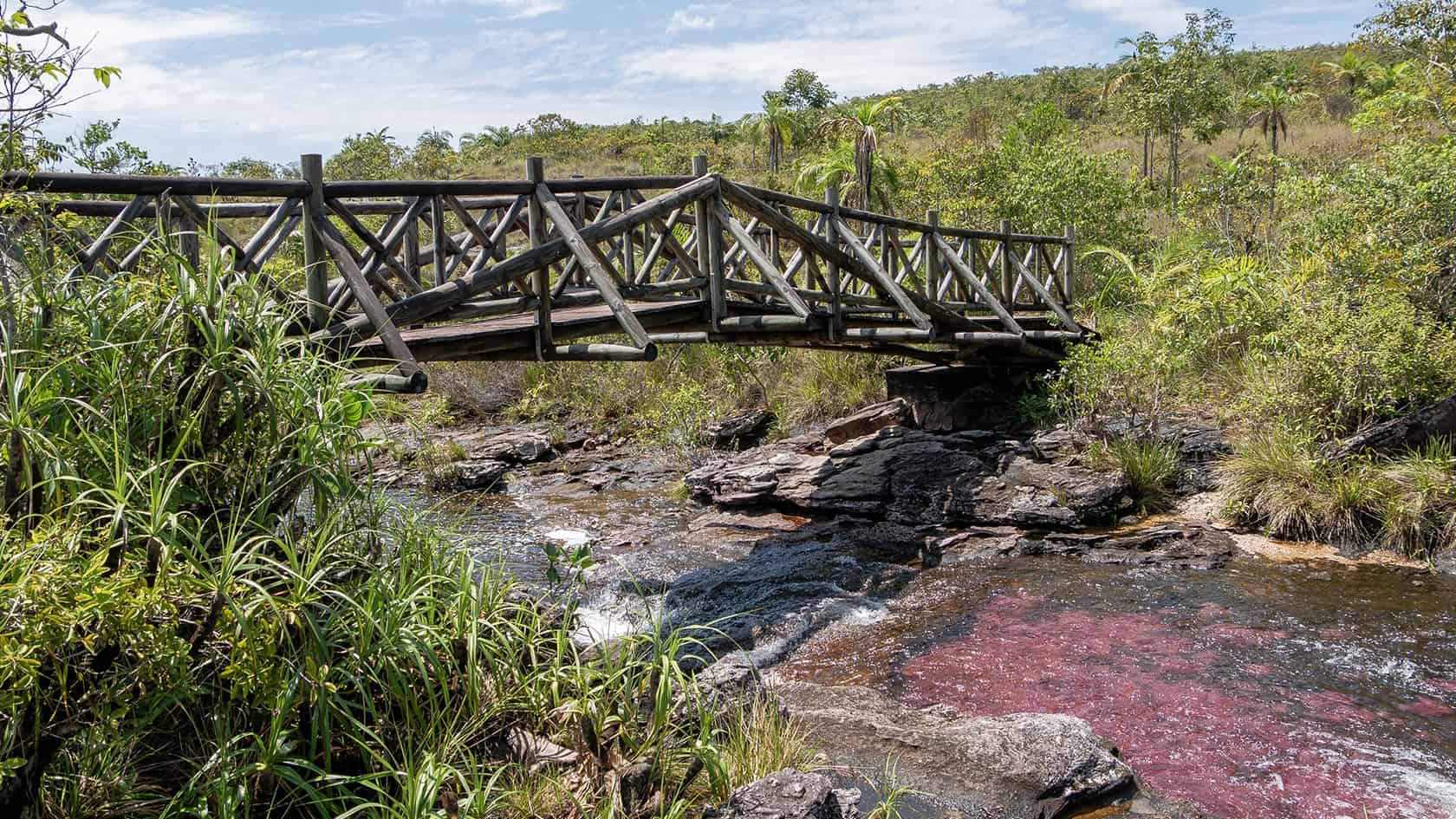
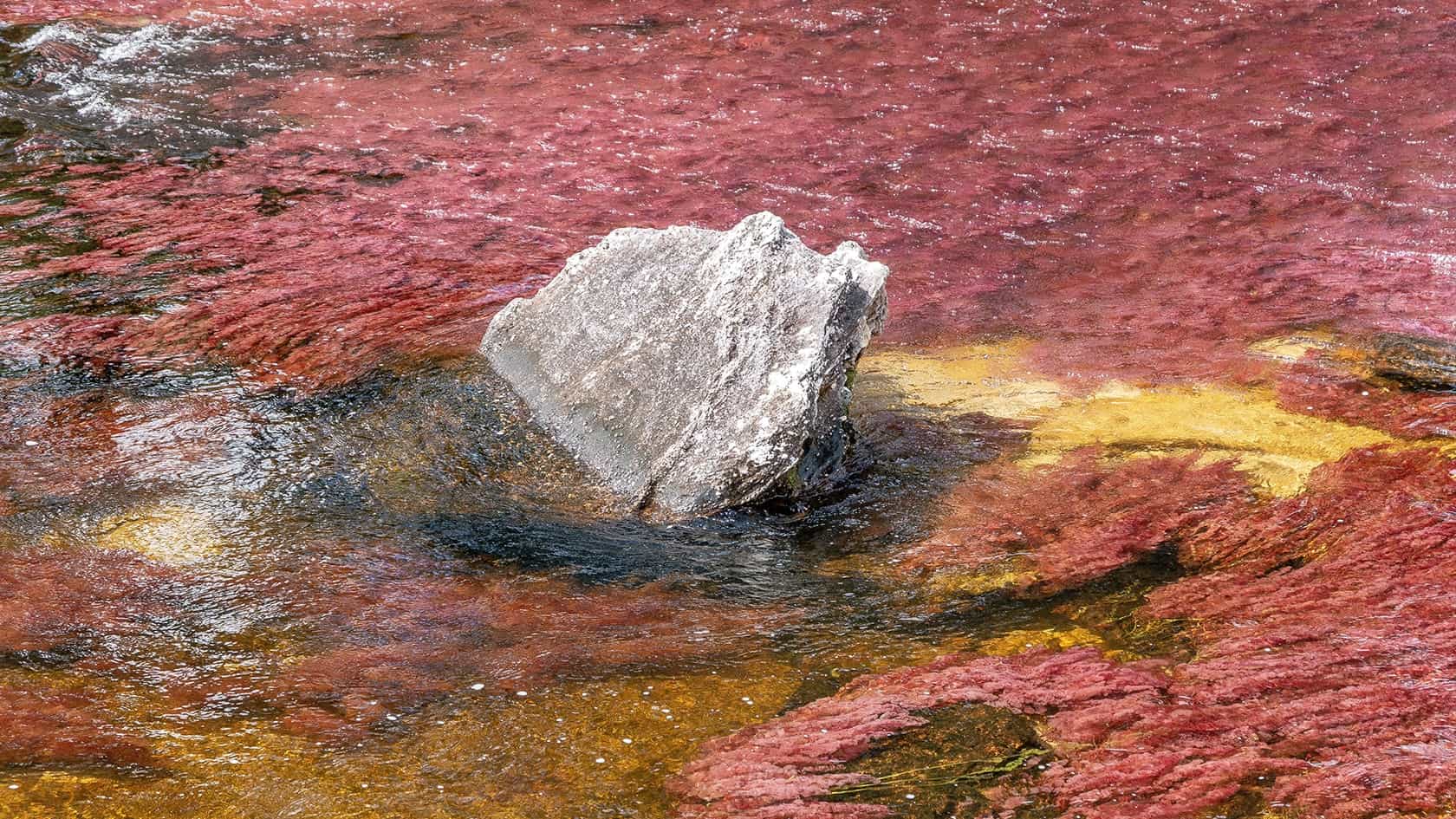
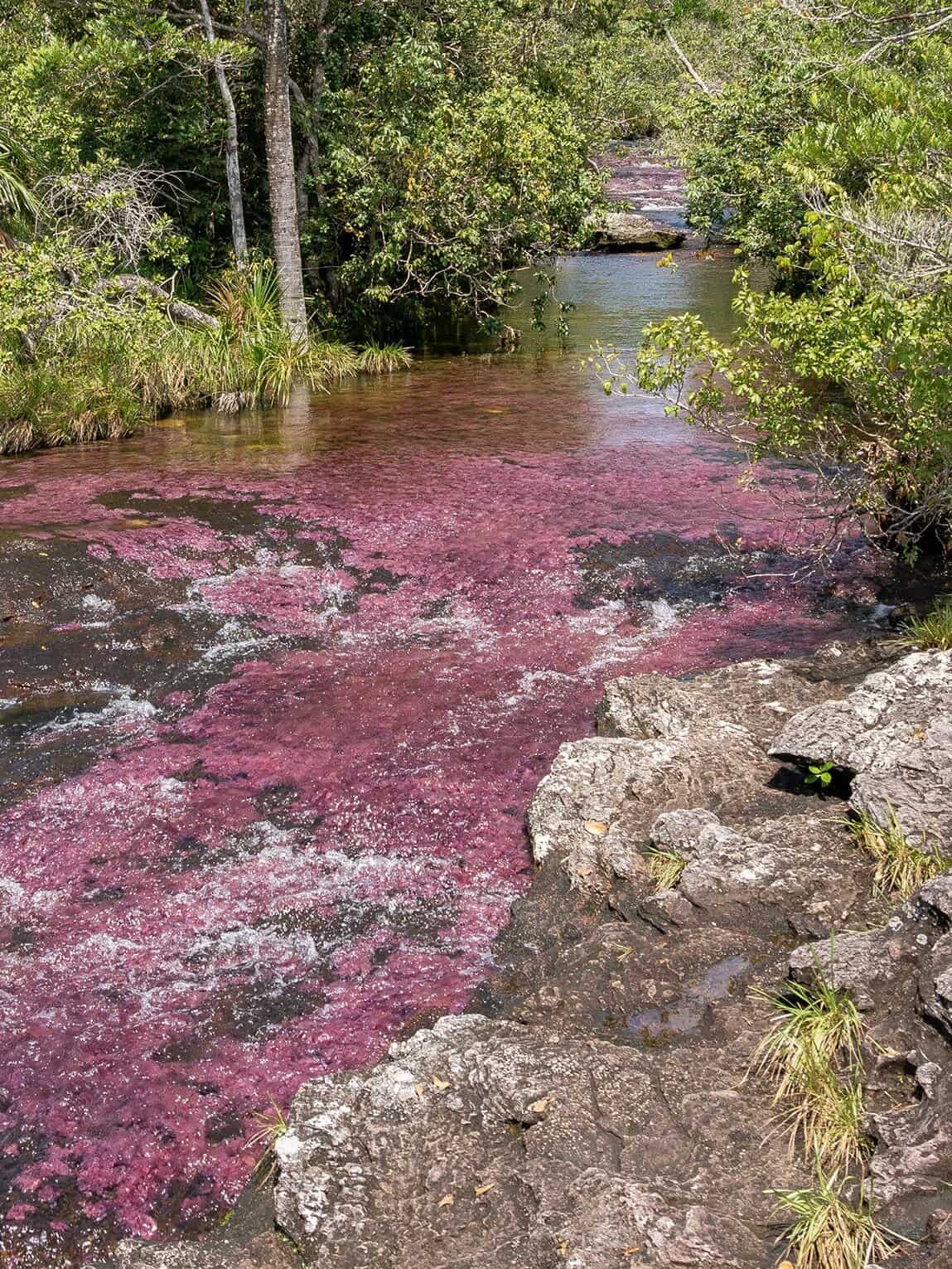
Our first stop takes us to Caño Escondido, where a “tapete” of aquatic plants colors the river an intense red. In the sunshine, the Macarenia clavigera seems to dance with the current, offering a hypnotic spectacle. Photo enthusiasts will have a field day: the river is shallow, making it possible to observe every detail.
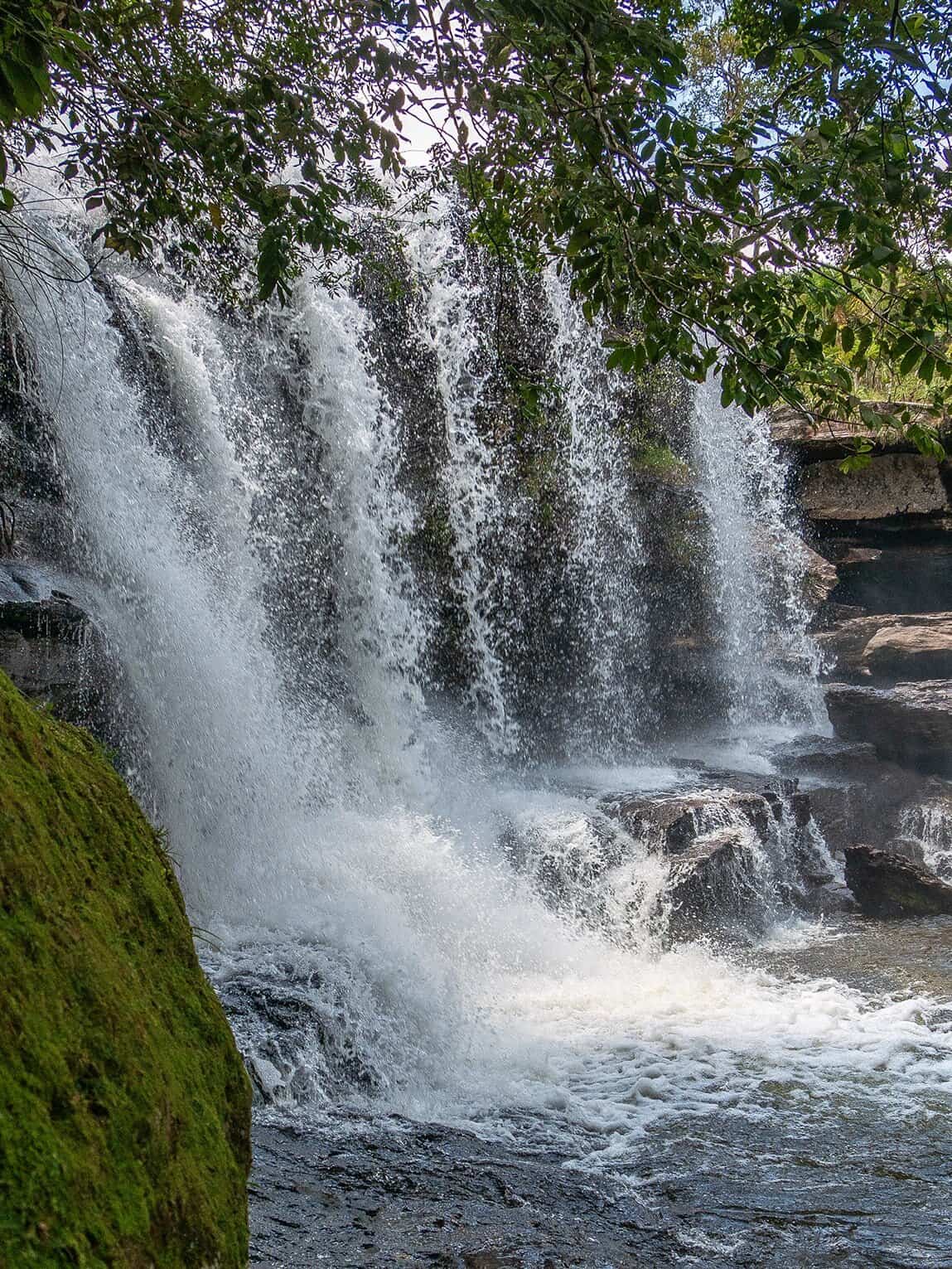
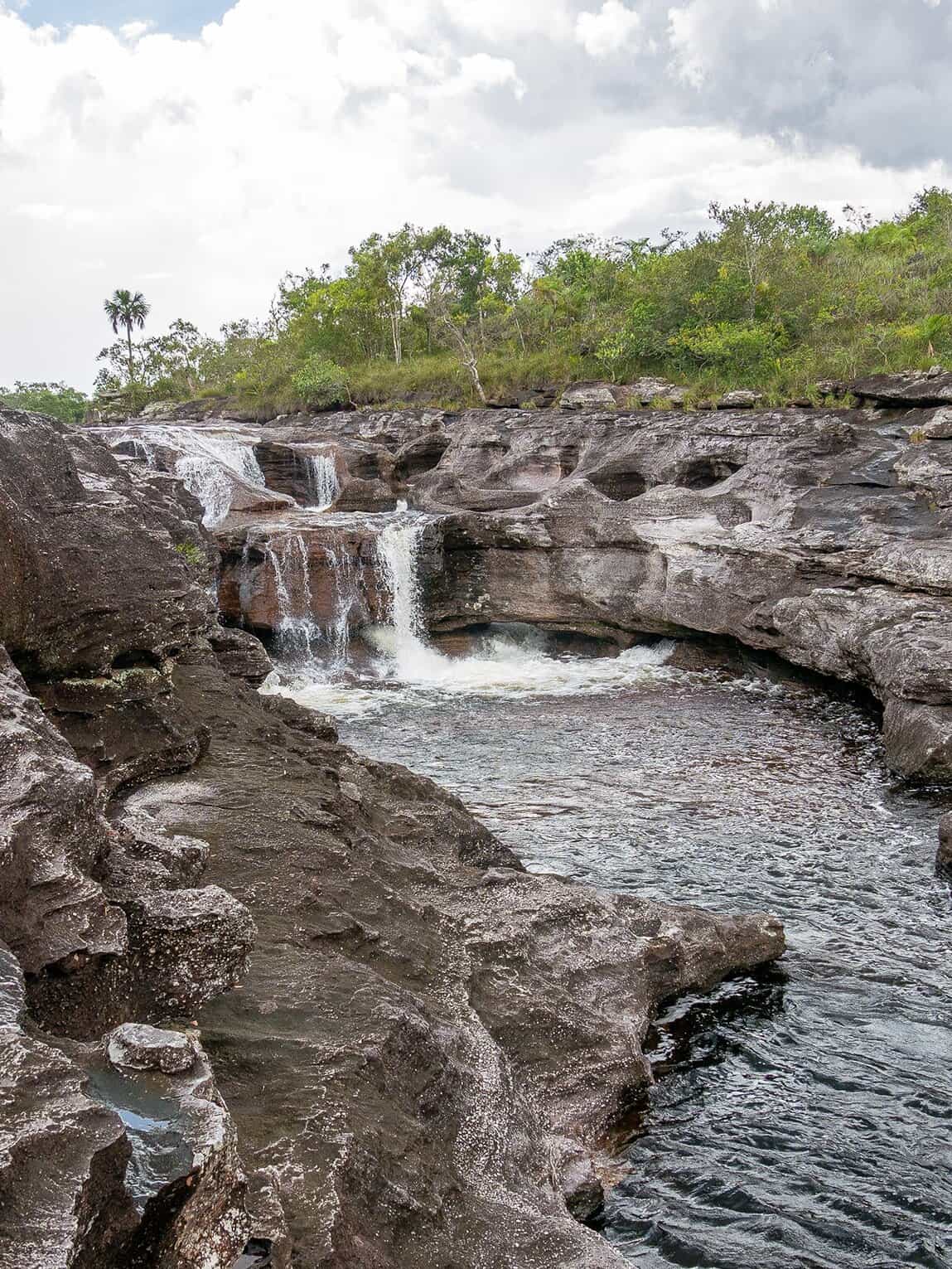
We resume our walk to reach the Cascada de la Virgen, a wide but not very powerful waterfall, gliding in several fine threads over the rocks, evoking a veil or the silhouette of the Virgin Mary. The place is calm and contemplative, and the relief allows us to follow the course of the water below, where the aquatic plant adds a few more touches of color.
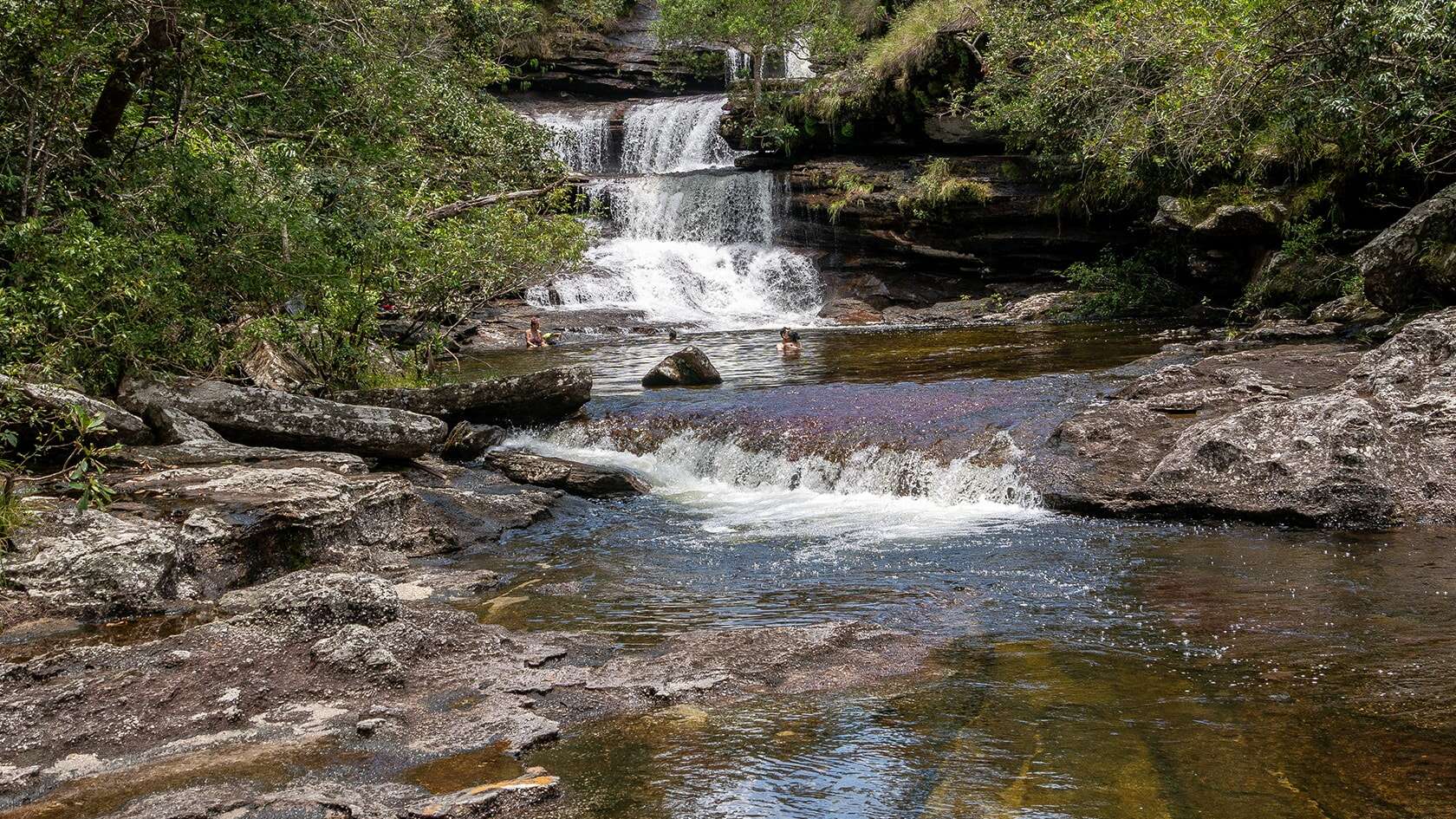
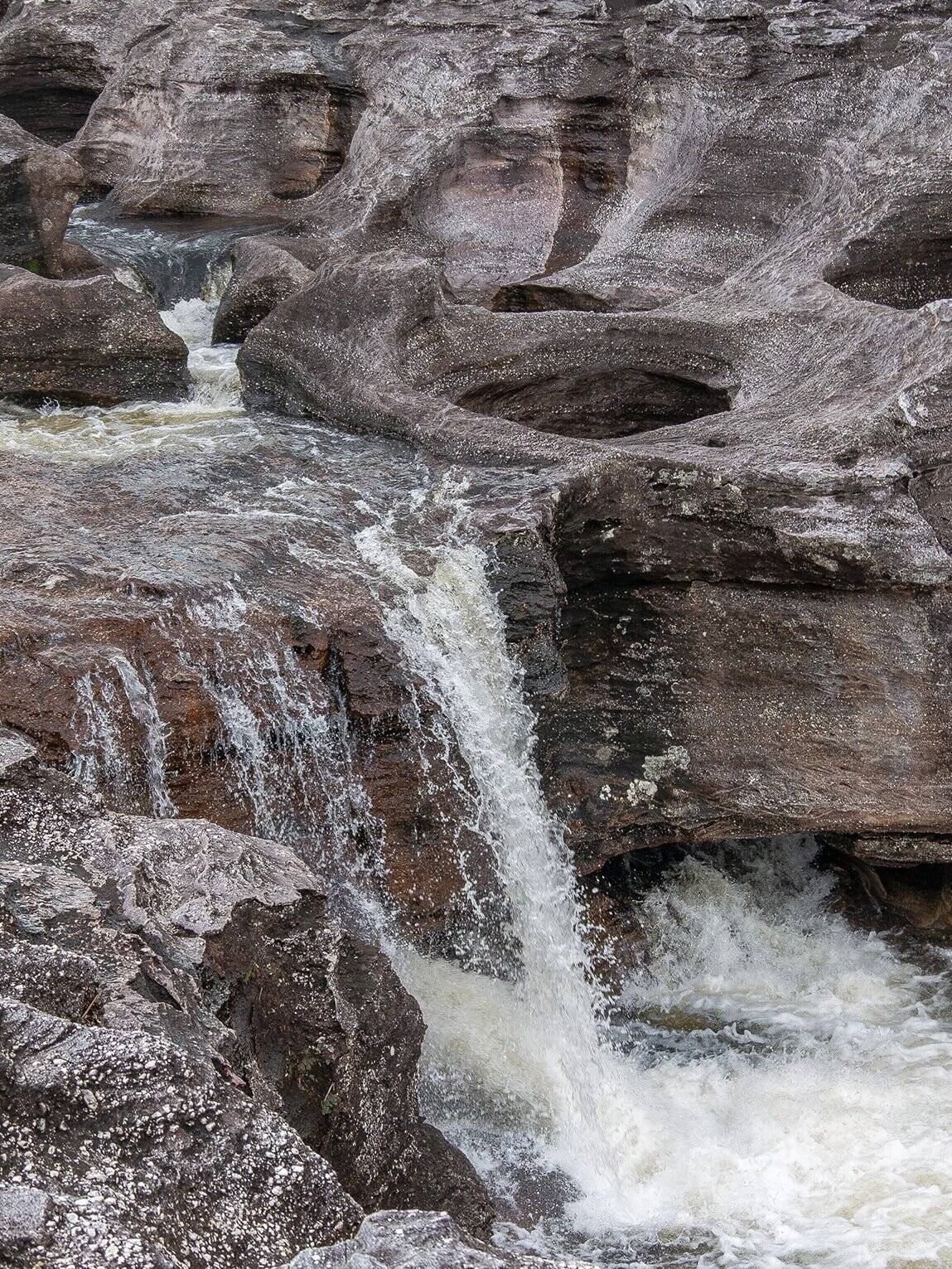
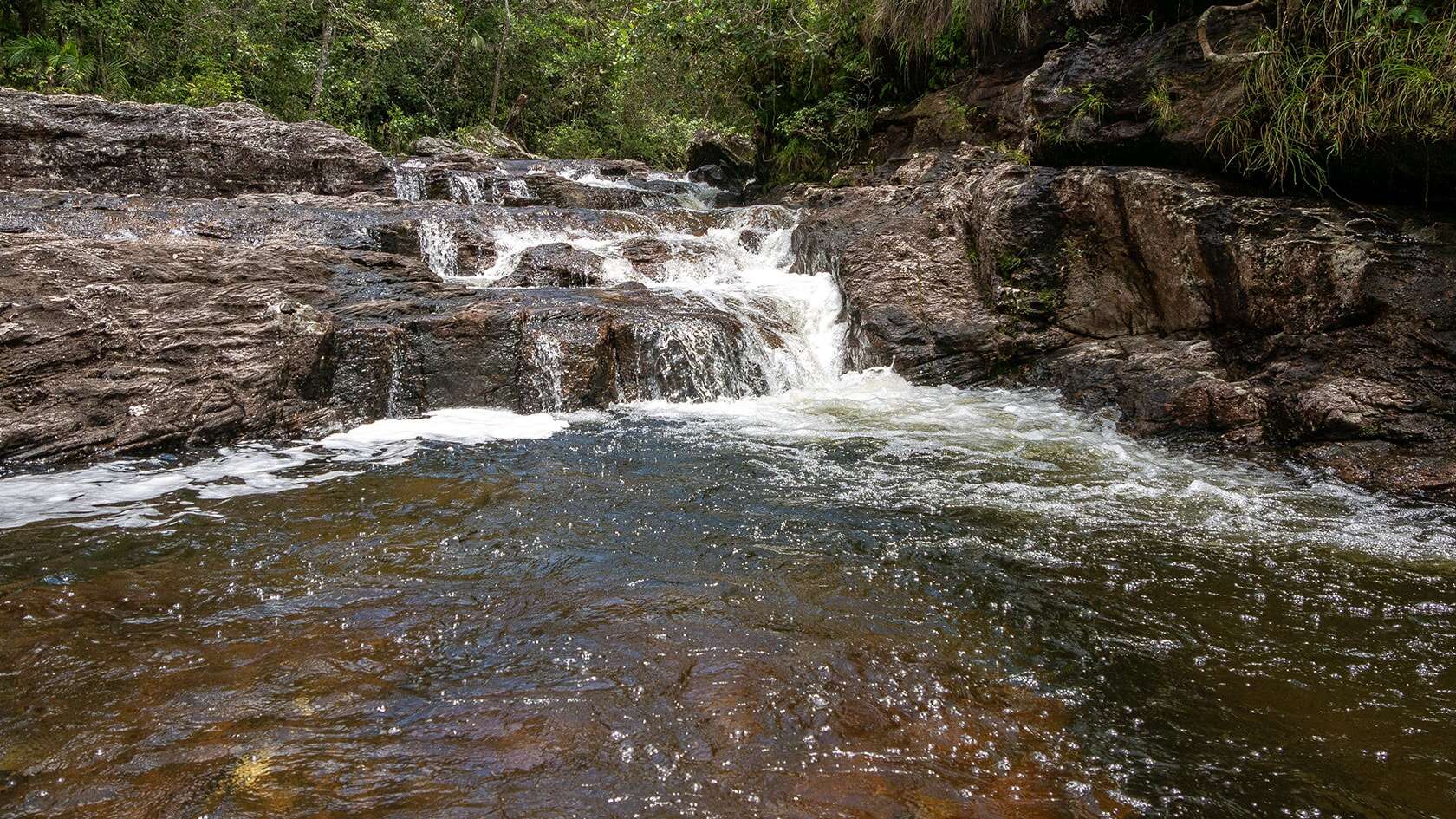
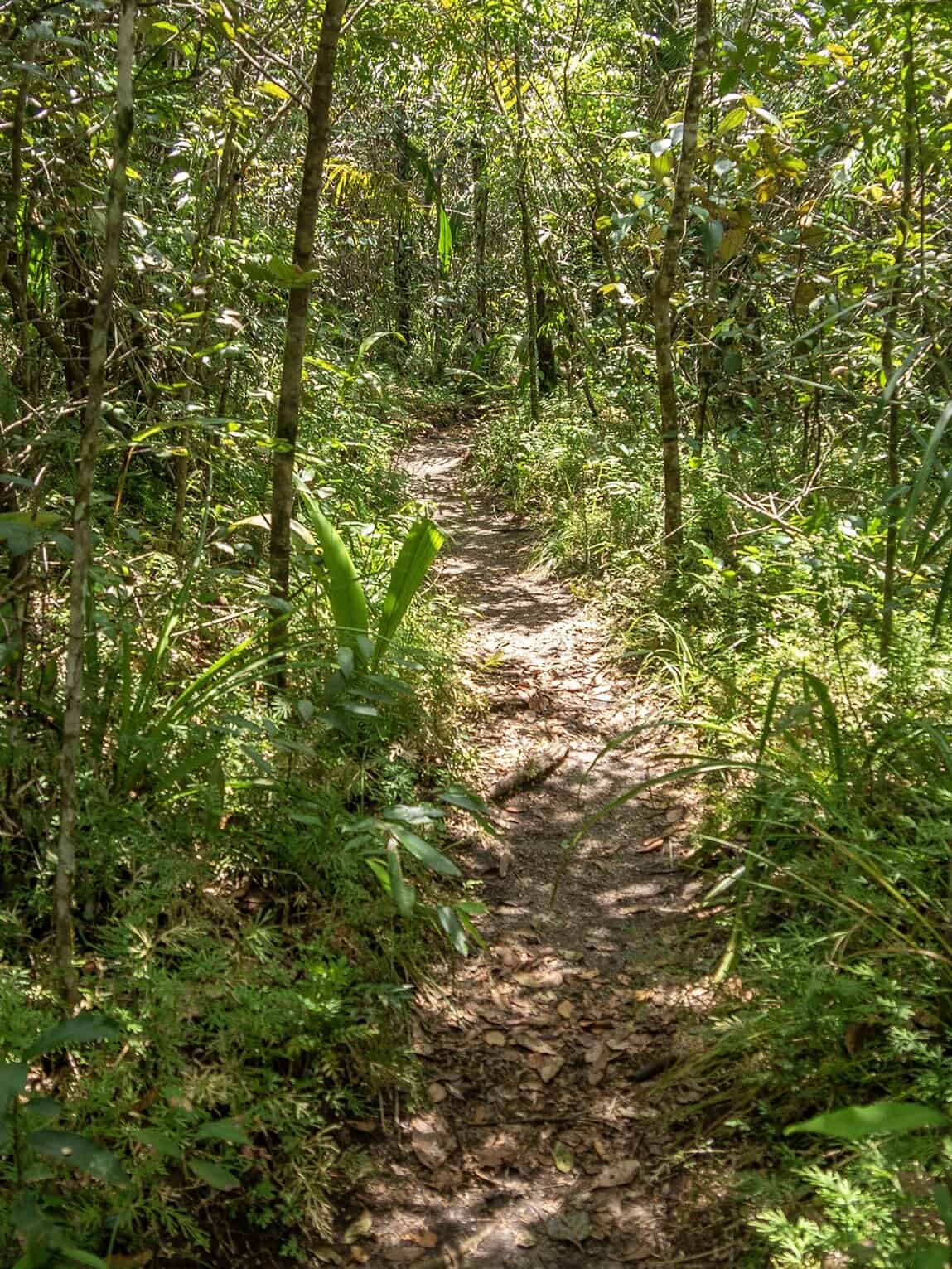
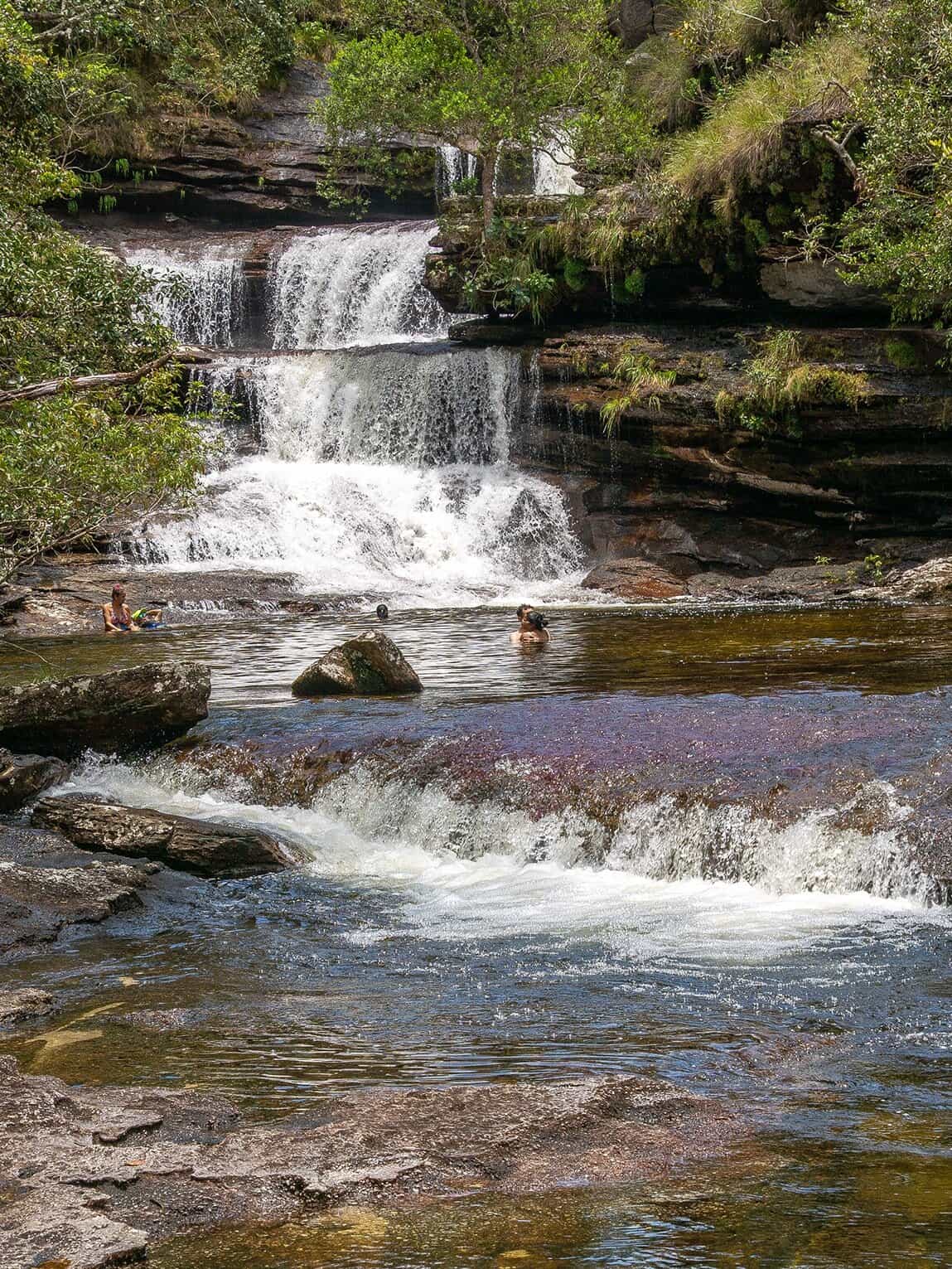
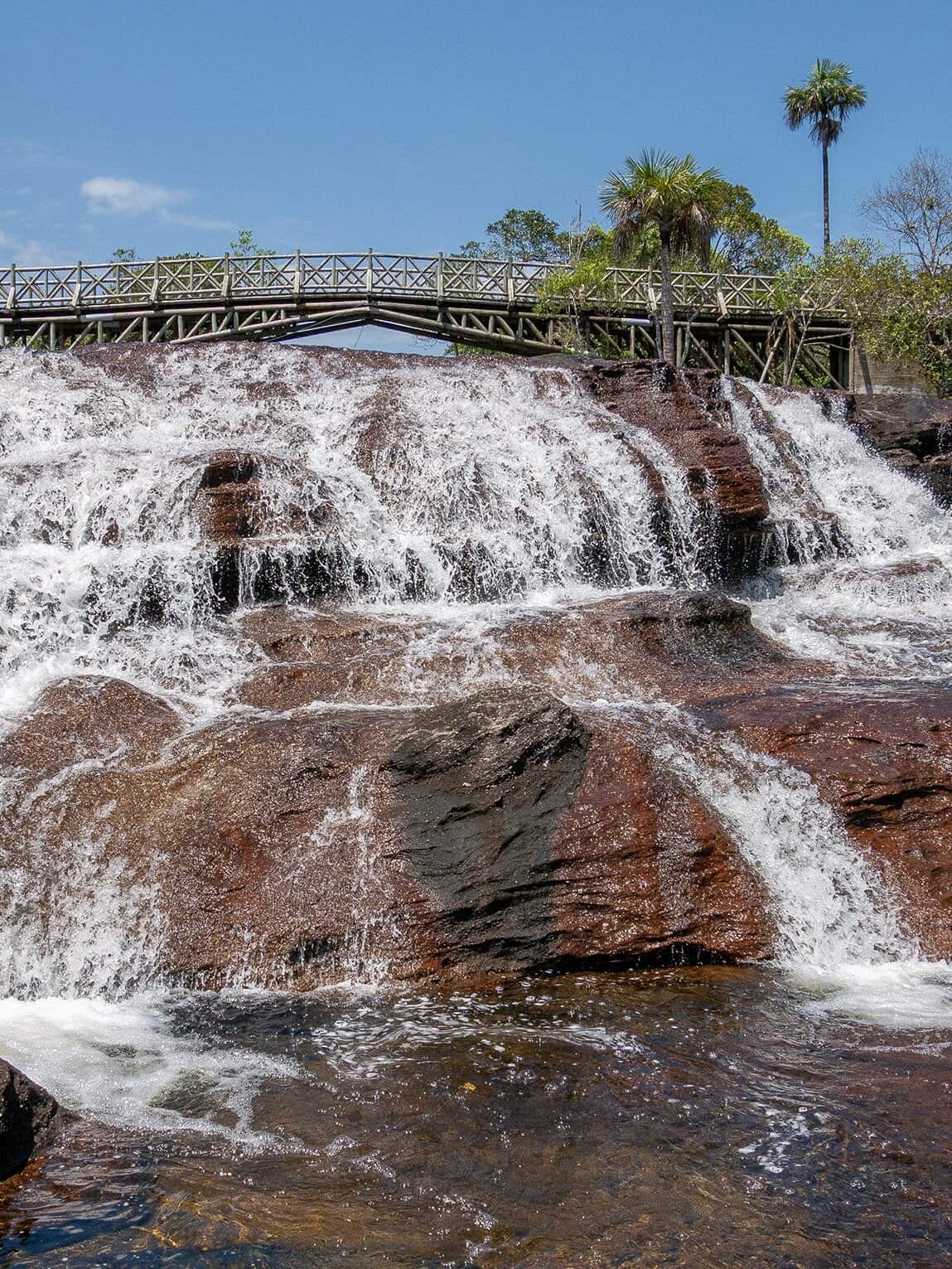
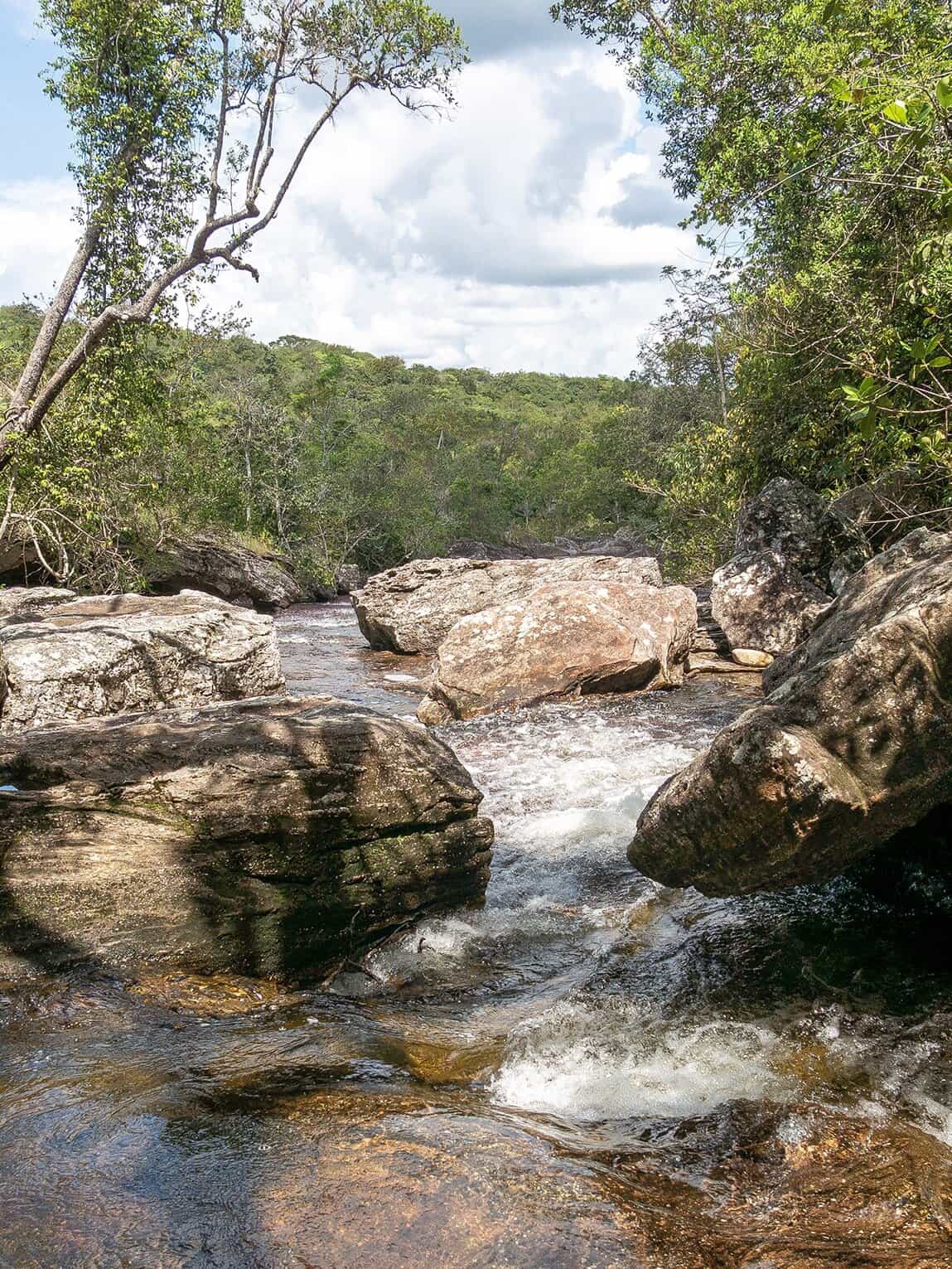
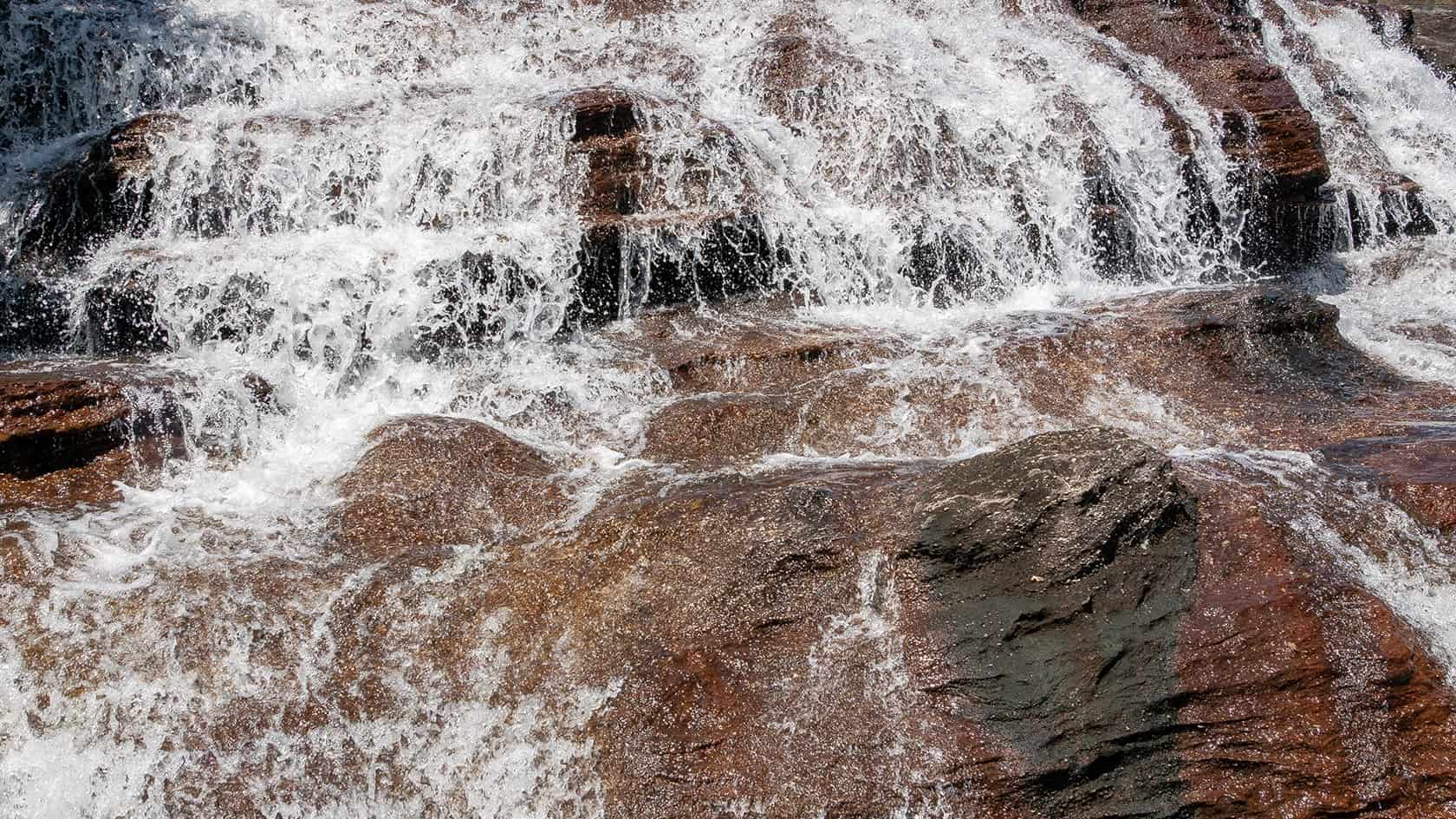
The path continues through a small grove, offering welcome shade in the blazing sun. We then arrive at our third spot, the Los Pianos site. Small waterfalls on several levels lead to a large natural pool, ideal for a swim and lunch in the heart of nature. The waterfall takes its name from the flat, elongated slabs of rock, sculpted by erosion to resemble piano keys. The forest is more present here, and the place exudes serenity.
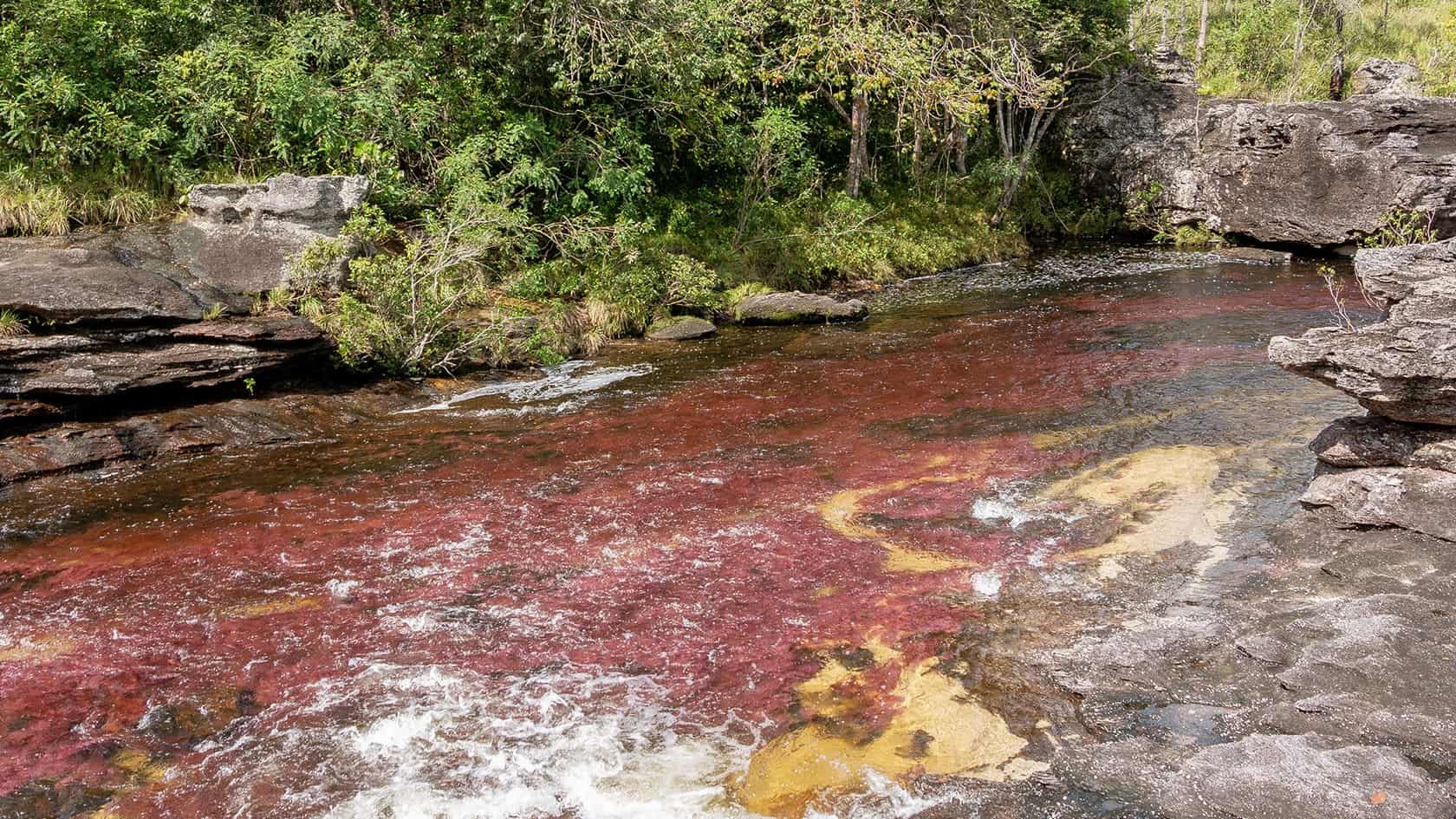
After this break, we retrace our steps to finally reach the most emblematic river: Caño Cristales. Wider and deeper than other rivers, it boasts huge red “tapetes” that are an instant sight to behold. The sunlight enhances the colors, creating an absolutely breathtaking spectacle. We continue on to Los Cuarzos, a small waterfall hidden in a rocky recess where it’s possible to take a dip, before heading off to the last two wonders of the day: Piscina del Turista and Los Ochos.
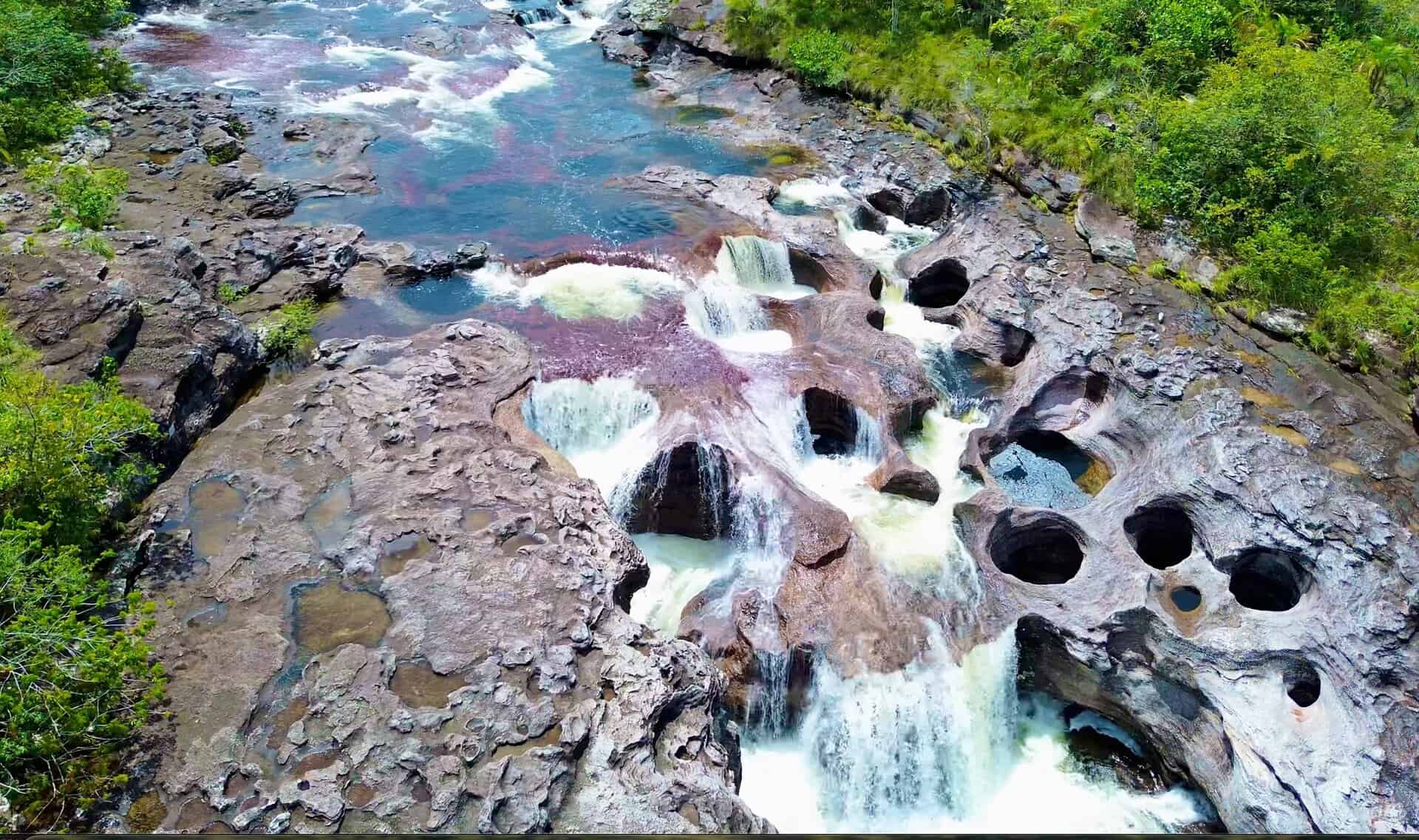
Los Ochos is distinguished by its natural basins, sculpted by erosion and sometimes forming figure-eights seen from above. The Piscina del Turista, meanwhile, is a large natural pool where bathing is permitted, offering a refreshing break after a hike. We take full advantage of these places, the last stops of the day, before heading home.
The return journey takes in La Posada de David, not far from Los Ochos, where you can quench your thirst and regain your strength. But the fickle weather decides to remind us who’s in charge: a torrential tropical downpour suddenly falls, even more intense than the day before. Ponchos on, we walk briskly, crossing paths that are now flooded, sometimes with up to 15 cm of water over several hundred meters. After this battle against the elements, the hut marking the exit from the park finally appears, and as if in mockery, the rain gradually stops.
Soaking wet but happy, we set off again by car and then by boat to La Macarena. A drying session follows at the hotel, followed by a well-deserved dinner. Despite the showers, we had the sunshine we needed to admire the wonders of the park, and this day will be remembered as an unforgettable experience. The Los Pianos trail is definitely a must-do hike, a compendium of the treasures of Caño Cristales and the Serranía de la Macarena, offering memories and wonder at every step.
Prices and Agencies in La Macarena
Please note that all excursions in the Sierra de la Macarena National Park require the presence of an official guide. This section gives you an overview of average rates and reliable local agencies, to help you organize your visits safely and take full advantage of the region’s wonders.
Note: for those wishing to contemplate the famous river of five colors, Caño Cristales, near La Macarena, remains a relatively expensive destination. A more accessible alternative is to be found in the San José del Guaviare region, less frequented by tourists, where you can also admire magnificent colorful rivers.
Agencies
Here are the contact details of the agency we used to organize our stay. Everything went perfectly, from the initial contact and quote to payment and on-site services. During her stay, Caro slightly injured her foot, requiring a visit to the clinic. The agency’s insurance company took care of the situation immediately, and the manager even accompanied us to the scene, a gesture we sincerely appreciated.
Agence Aventura Tours SAS
Registro Nacional de Turismo 22085
Website: https: //www.cano-cristales.com
Whatsapp: +57 (300) 693 9988
Email : info@cano-cristales.com
Mandatory supervised excursions
Unlike many nature destinations, it’ s impossible to visit Caño Cristales or the park’s trails on your own. Regulations require the presence of an official guide, and groups are divided into different itineraries to limit the impact of tourism.
As the number of visitors is strictly limited each day, prior registration with the park authorities is compulsory. Most local agencies will take care of all these formalities – entry permits, registering with environmental authorities and organizing guides – so that your stay goes smoothly.
The role of local agencies
Most travelers choose to organize their stay through a local agency. These agencies generally offer multi-day packages including accommodation, meals, boat transfers on the Rio Guayabero, 4×4 trips and guided hikes in the park.
Even when national or international agencies offer these tours, the excursions are almost always led by local guides who are experts in the park’s trails, wildlife and environmental rules, guaranteeing an experience that is both safe and respectful of the ecosystem.
Can you organize your own trip?
In theory, it’s possible to arrive at La Macarena without a reservation and find a guide or agency on the spot. However, many travellers report that the logistics can quickly become complex, between managing permits, taxes, transport and trail availability.
That’s why most visitors opt for a complete package, which greatly simplifies organization and allows them to take full advantage of the hikes, waterfalls and natural pools the region has to offer.
A supervised but immersive experience
Once on site, the days generally follow a fairly structured rhythm: boat trip on the Rio Guayabero, transfer by vehicle to the trailheads, then guided hike through the park to explore the different areas of the river and admire the spectacular scenery of the Serranía de la Macarena.
While this organization may seem highly structured, its primary aim is to preserve the unique ecosystem of Caño Cristales, while enabling travelers to experience a complete and in-depth discovery of local nature and biodiversity.
Rates
Here’s a price estimate for our excursion in 2025.
| Price (for 2 people) | 5,614,410 COP |
| Duration | 6 days – 5 nights |
| Included | Accommodation Hotel La Fuente Full board (breakfast – lunch – dinner) Guided activities Local transport (boat and 4*4) |
| Not included | Airline tickets Motorcycle transport to Laguna del Silencio Taxes Boot hire (8,000 – 10,000 COP per day) |
How do I get to the Los Pianos Trail?
The Los Pianos trail is located in the Sierra de la Macarena National Park, where access is strictly regulated. As mentioned above, the presence of an official guide is mandatory, to ensure both visitor safety and compliance with park rules.
Transportation to the start of the hike is provided by the guide. From the village of La Macarena, board a lancha for a 15-minute sail on the Rio Guayabero to reach the trailhead.
For these reasons, most travellers opt for package tours via local agencies: organizing the excursion independently is almost impossible, between the logistics of transport, the park’s strict regulations and the obligation to be accompanied by a guide.
Where to sleep La Macarena ?
The ideal starting point for exploring the Los Pianos trail, or any other route in the Sierra de la Macarena National Park, is the small town of La Macarena. Located at the gateway to the park, it welcomes travelers in search of immersive hikes and an authentic experience , simple and close to nature.
Please note: most accommodations in La Macarena are not available on Booking.com or traditional booking platforms. So it’s often necessary to go through a local agency offering organized stays of several days, or to contact hotels directly via Instagram or WhatsApp, booking methods that are very common in the region.
At La Macarena, the accommodation on offer is simple and authentic, reflecting the charm of this isolated village in the heart of nature. Most hotels are modest and unpretentious, but perfectly suited to a comfortable stay after a day’s hiking. In the village center, several establishments offer air-conditioned rooms, a real advantage in the tropical heat.
For those seeking a more immersive experience, a few cabins and lodges are located outside the village, often in the heart of nature or close to rivers. These accommodations offer a wilder, more peaceful setting, ideal for reconnecting fully with the exceptional environment of the Serranía de la Macarena.
Please note: hot water is not generally available in hotels, but this is hardly a problem given the region’s hot, humid climate.

$ – Economical budgeting
Cabane
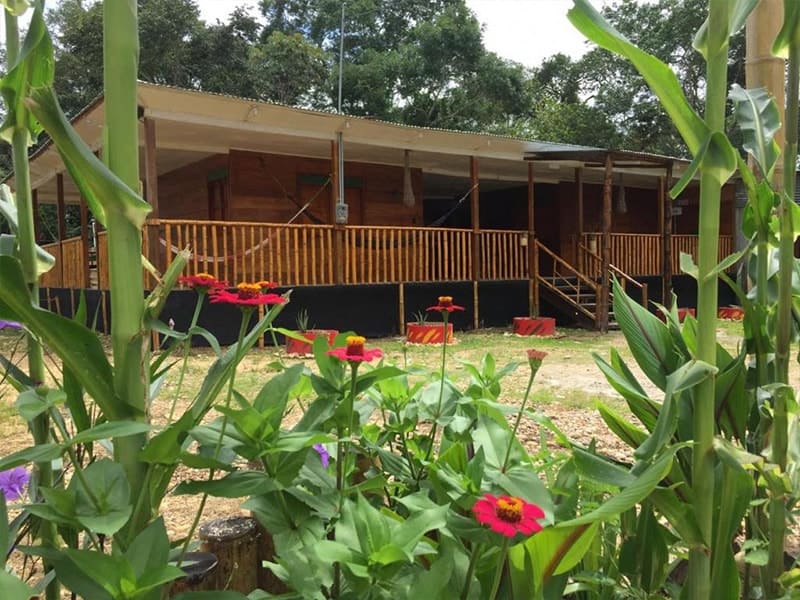
Hotel Campestre el Refugio
Hotel Campestre el Refugio gets mixed reviews: some travelers appreciate the proximity to nature and the friendly staff, emphasizing a simple, authentic atmosphere. Others note that installations can be dated. On the whole, it’s a functional and inexpensive option, but not without imperfections.
$ – Economical budgeting
Hostal
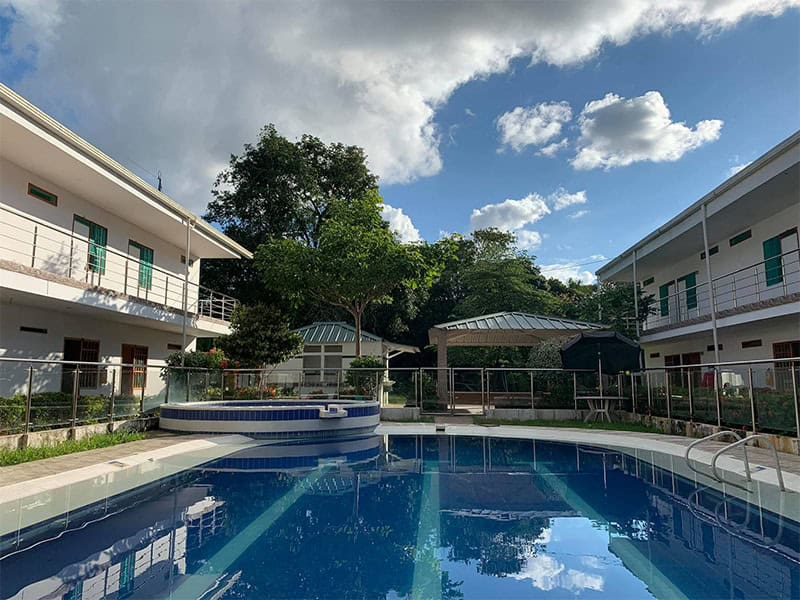
Hostal Cano Nevera
The Hostal Caño Nevera is a very pleasant place for a simple, authentic stay. Rooms are basic but clean and comfortable, often with fans and mosquito nets. The atmosphere is family-friendly and the hosts are renowned for being very attentive, helping to organize excursions. The equipment remains modest, but offers very good value for money.
$$ – Average budget
Hotel
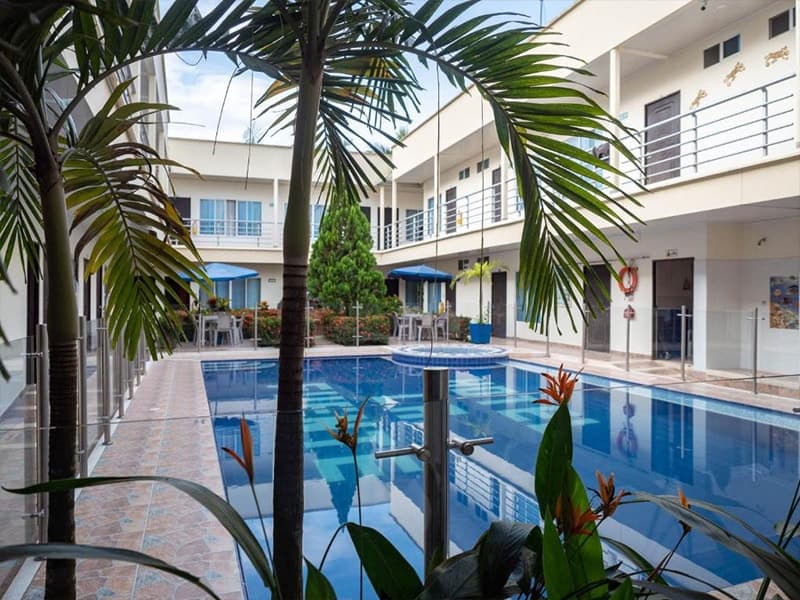
Casa Hotel Real
Travelers’ impressions are of a simple, functional hotel. Rooms are clean but rather small, and sometimes poorly ventilated, so it’s best to choose those with air-conditioning. A warm welcome. Wi-Fi, a swimming pool and breakfast are just a few of the practical facilities on offer, although the overall package remains fairly basic.
$$ – Average budget
Hotel
Hotel La Fuente
We stayed in this hotel. The rooms are simple but comfortable, with air conditioning, which is appreciated in the heat. There’s also a pleasant swimming pool after a day’s excursion, and the restaurant serves a variety of local cuisine. Easily accessible on foot from the airport, it’s a good option without looking for luxury.
$$$ – High budget
Hotel
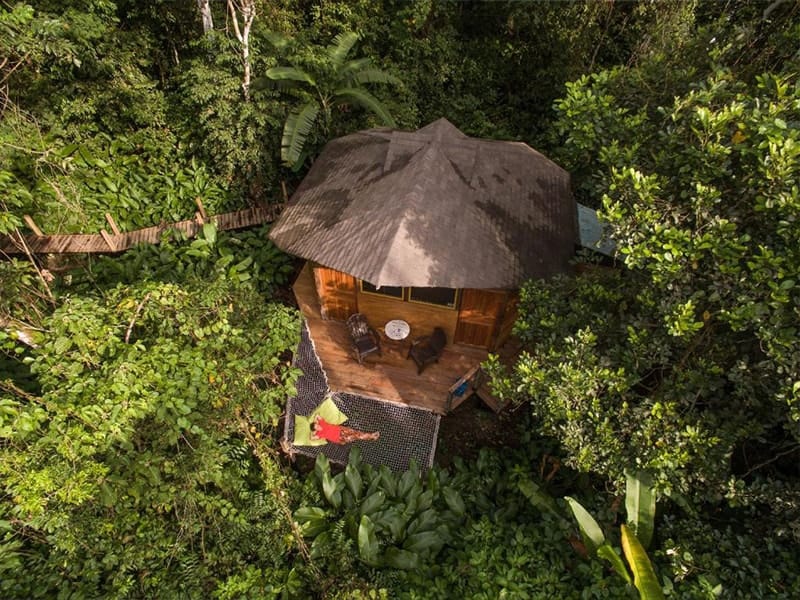
La Manigua Lodge
The experience at La Manigua Lodge is exceptional. The cabins are comfortable and well integrated into nature, with a real rustic charm. The service is often described as very attentive, and the organization of activities well organized. The cuisine is much appreciated, even if some people point out minor shortcomings (repetitive breakfasts or sometimes cold water).
Notes & tips
Pants + long sleeves for hiking
For your hikes around La Macarena, wear light pants and a long-sleeved shirt or t-shirt. This outfit protects you from insects and, above all, from the sun, as many of our trails are out in the open under bright, open skies.
Take mosquito repellent with you
Although the region is not particularly mosquito-infested, there are a few. It is therefore advisable to apply mosquito repellent, especially on long excursions into the wilderness and in damp areas near rivers and waterfalls.
Pack organic sunscreen
The sun can quickly heat up, especially as the trails are often unshaded. We recommend using at least SPF 50 sunscreen, preferably organic, as the use of chemical creams theoretically prohibits swimming in natural pools.
Bring bathing suit + towel
If you come to La Macarena, it’s mainly to admire the famous colorful rivers. At several points along the way, you can swim and cool off, so don’t forget your bathing suit and a towel to make the most of these magical moments.
Bring a hat / cap
To protect yourself from the heat and the sun’s rays, cover your head. A hat or cap will come in handy during long walks on exposed trails, to avoid sunstroke or prolonged discomfort.
Bring a water bottle
In the Sierra de la Macarena National Park, entry with plastic is strictly forbidden, including water bottles. So it’s important to take along a reusable water bottle that you can refill at your hotel or at authorized water points in the park.
Bring a poncho
You’re likely to visit the region during the rainy season, from April to November. In this case, a poncho or waterproof jacket will be very useful, as it can rain heavily, as we found on three of the five days of our stay.
Bring water shoes
Finally, when it rains, the showers can be very intense, sometimes turning the paths into veritable streams. To avoid soaking your hiking boots, packing a pair of water shoes in your bag is a very practical and effective precaution.


