

In a nutshell
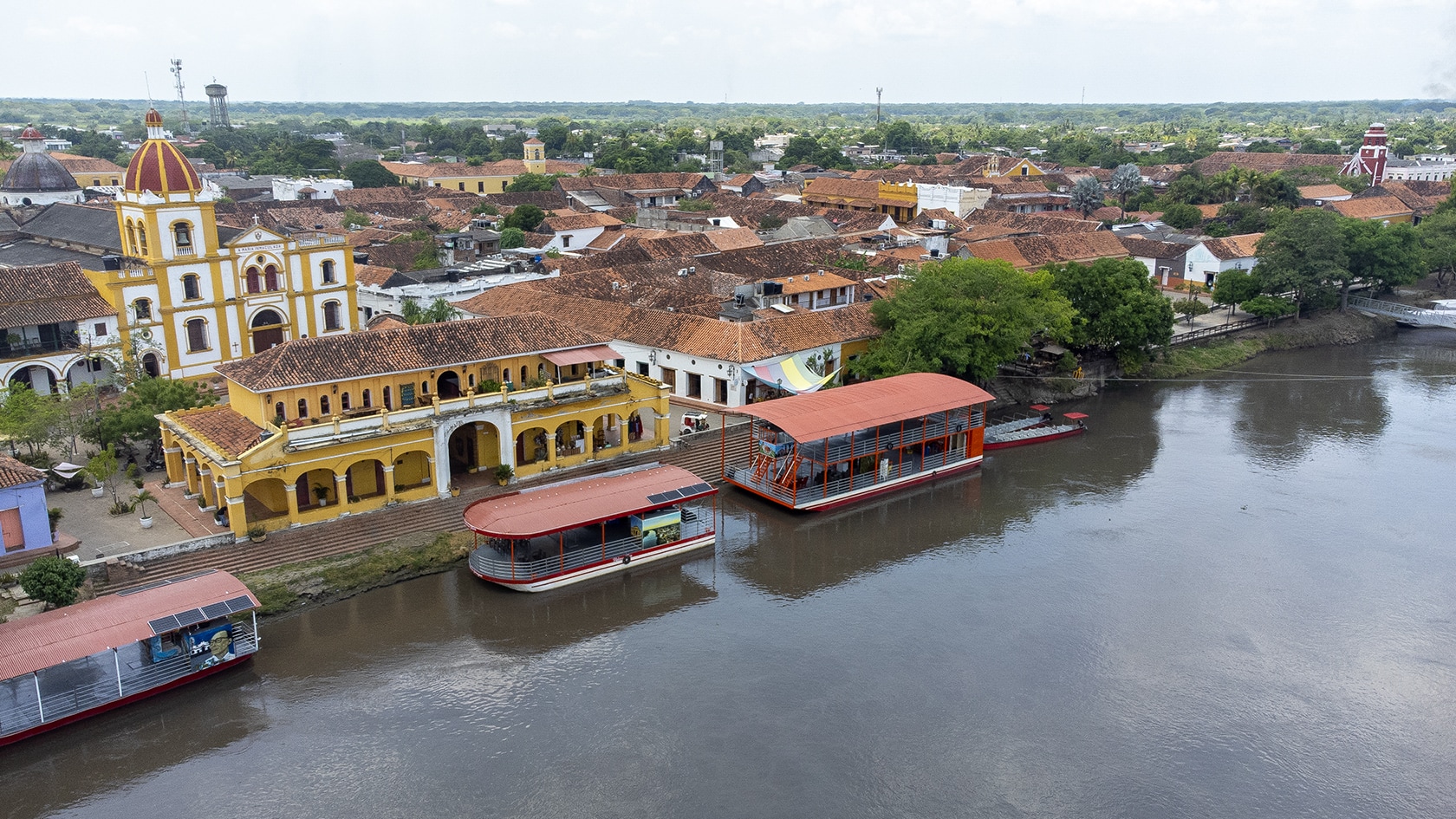
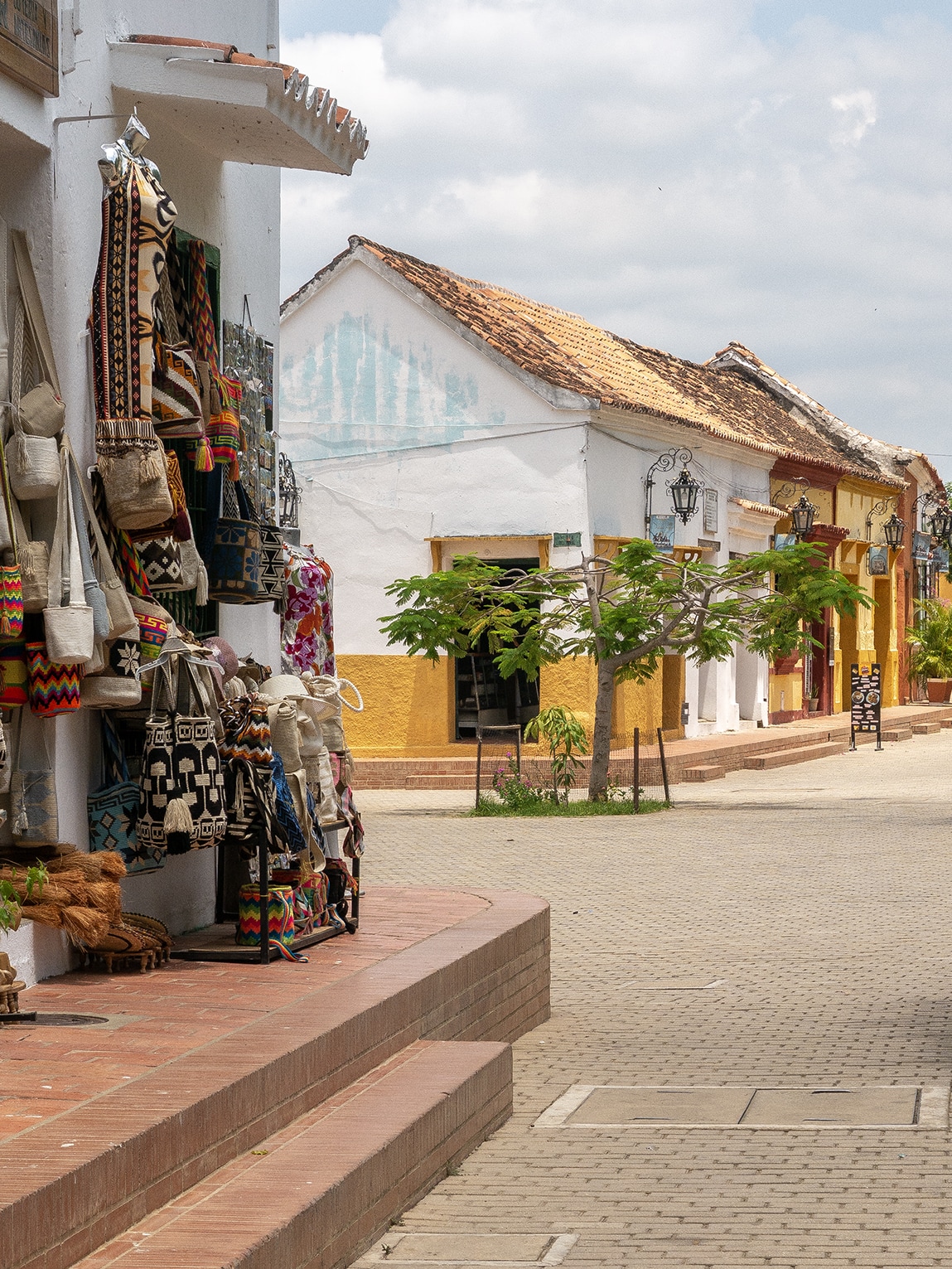
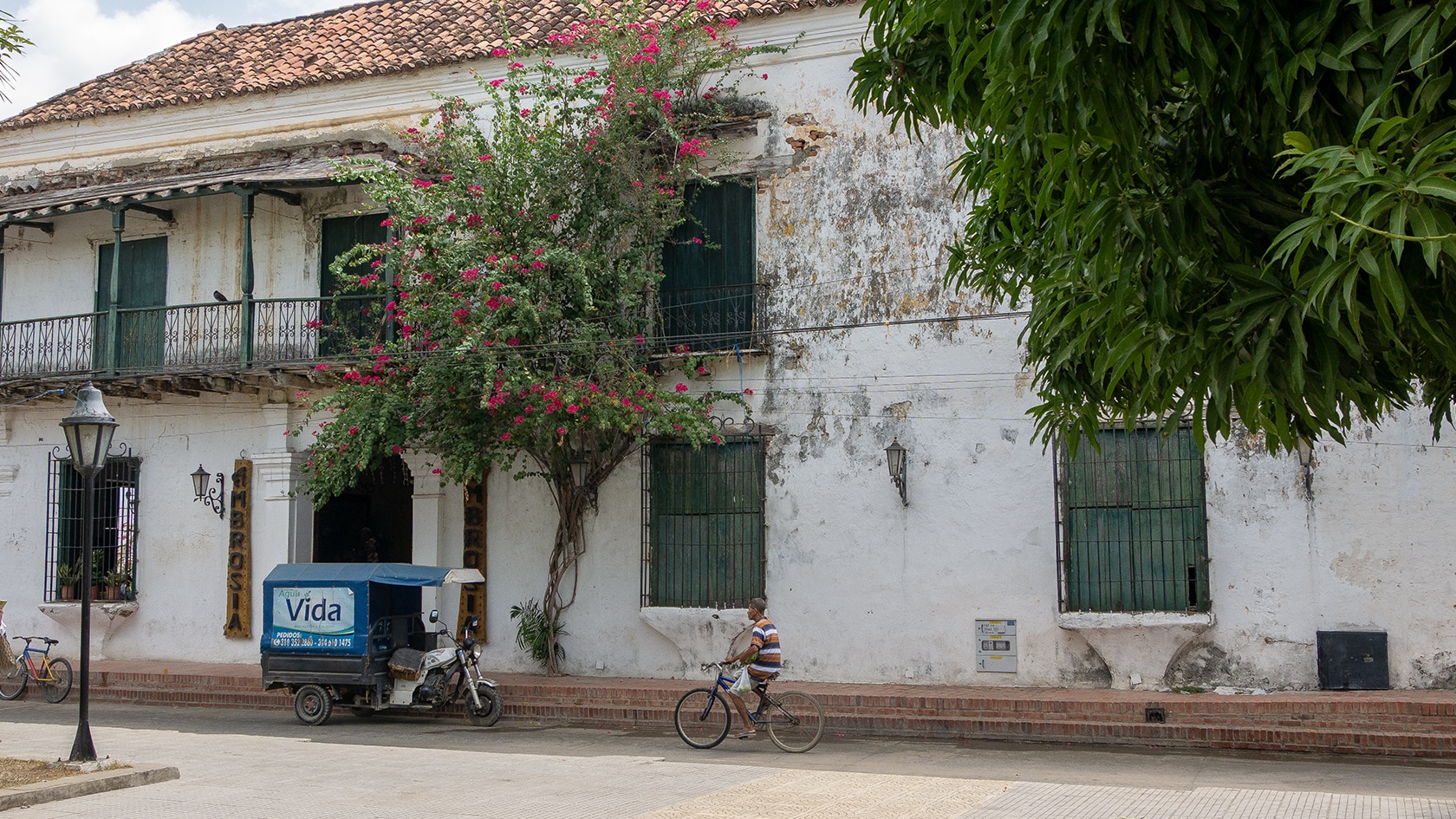
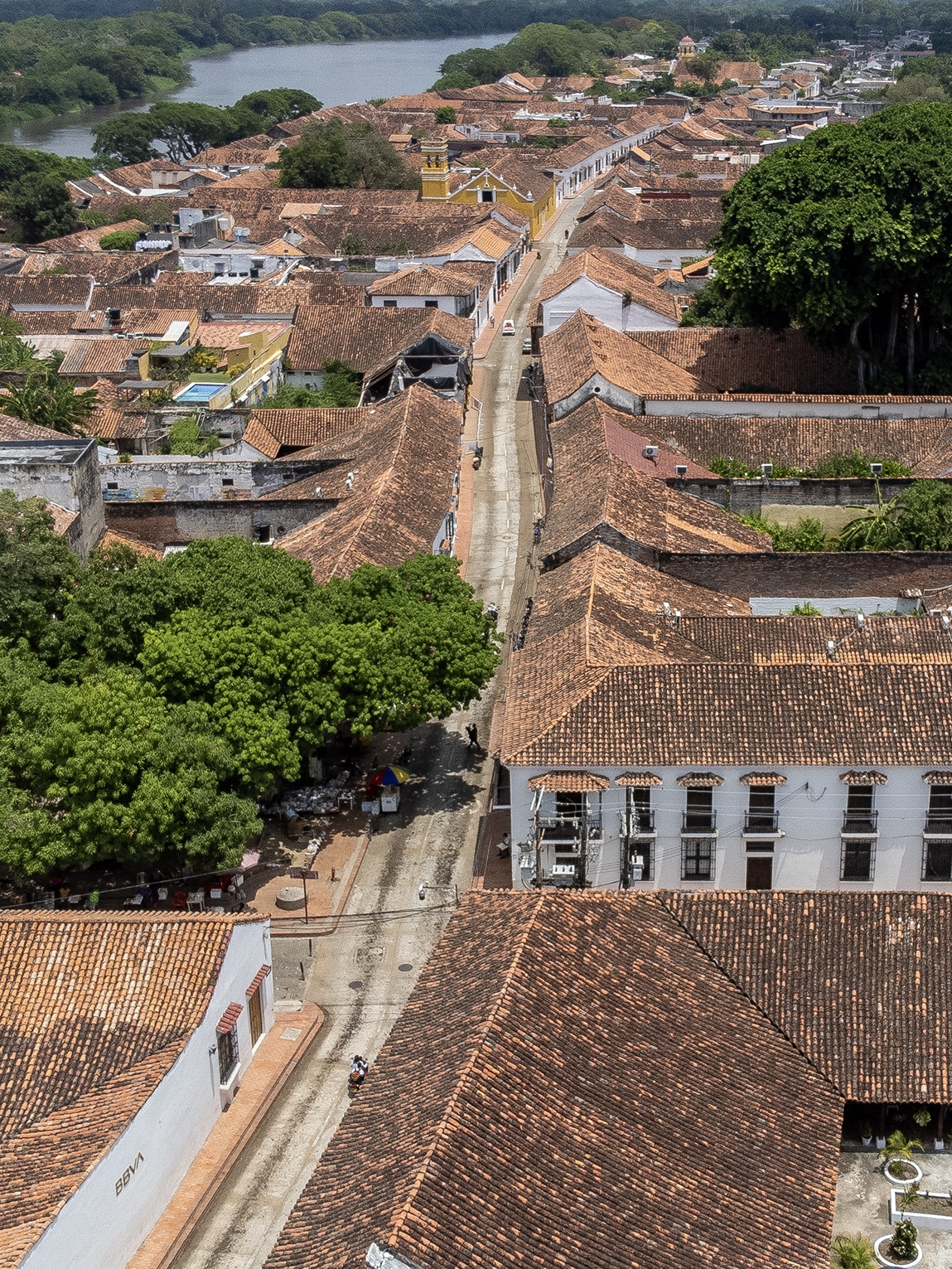
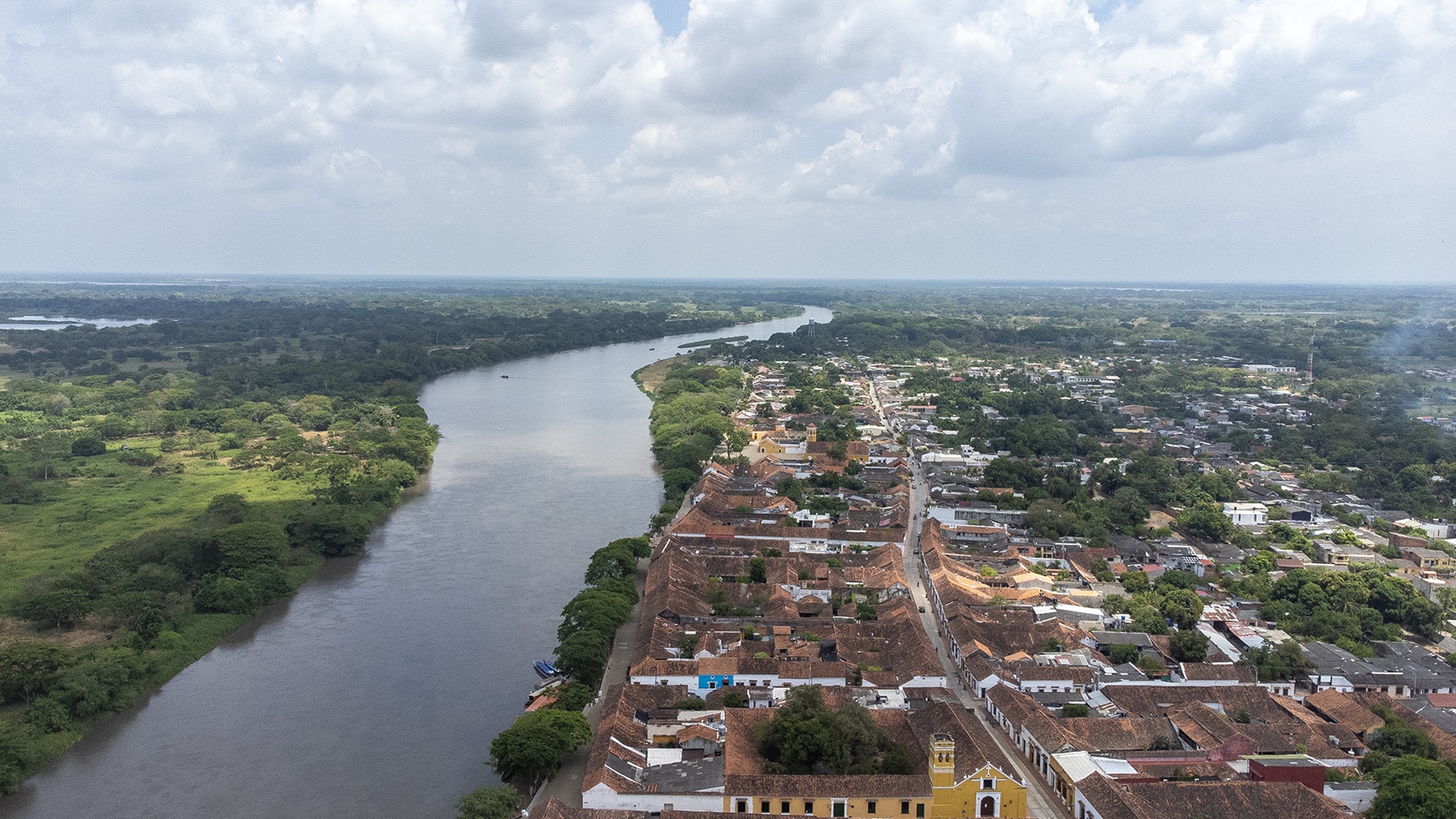
Santa Cruz de Mompox, also known as Mompós, isn’t quite like Colombia’s other colonial towns. Here, the Magdalena River still sets the pace; the streets stretch out parallel to the water, and the heat naturally invites you to slow down. Founded in the 16th century, Mompox served for several centuries as a strategic stopover between Cartagena and the interior of the country, before the shifting trade routes gradually isolated it. This isolation also helped preserve its historic center, now a UNESCO World Heritage Site.
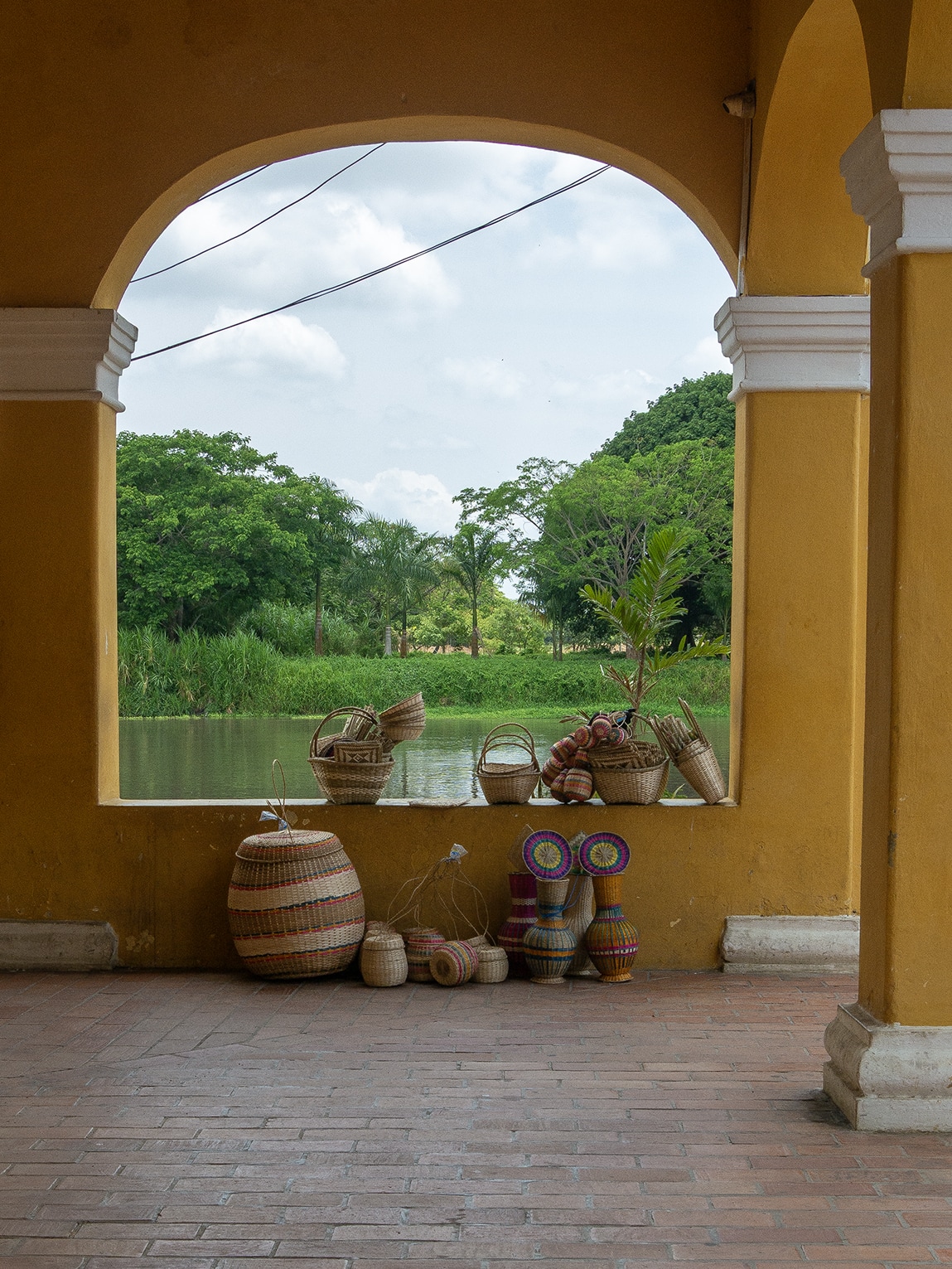
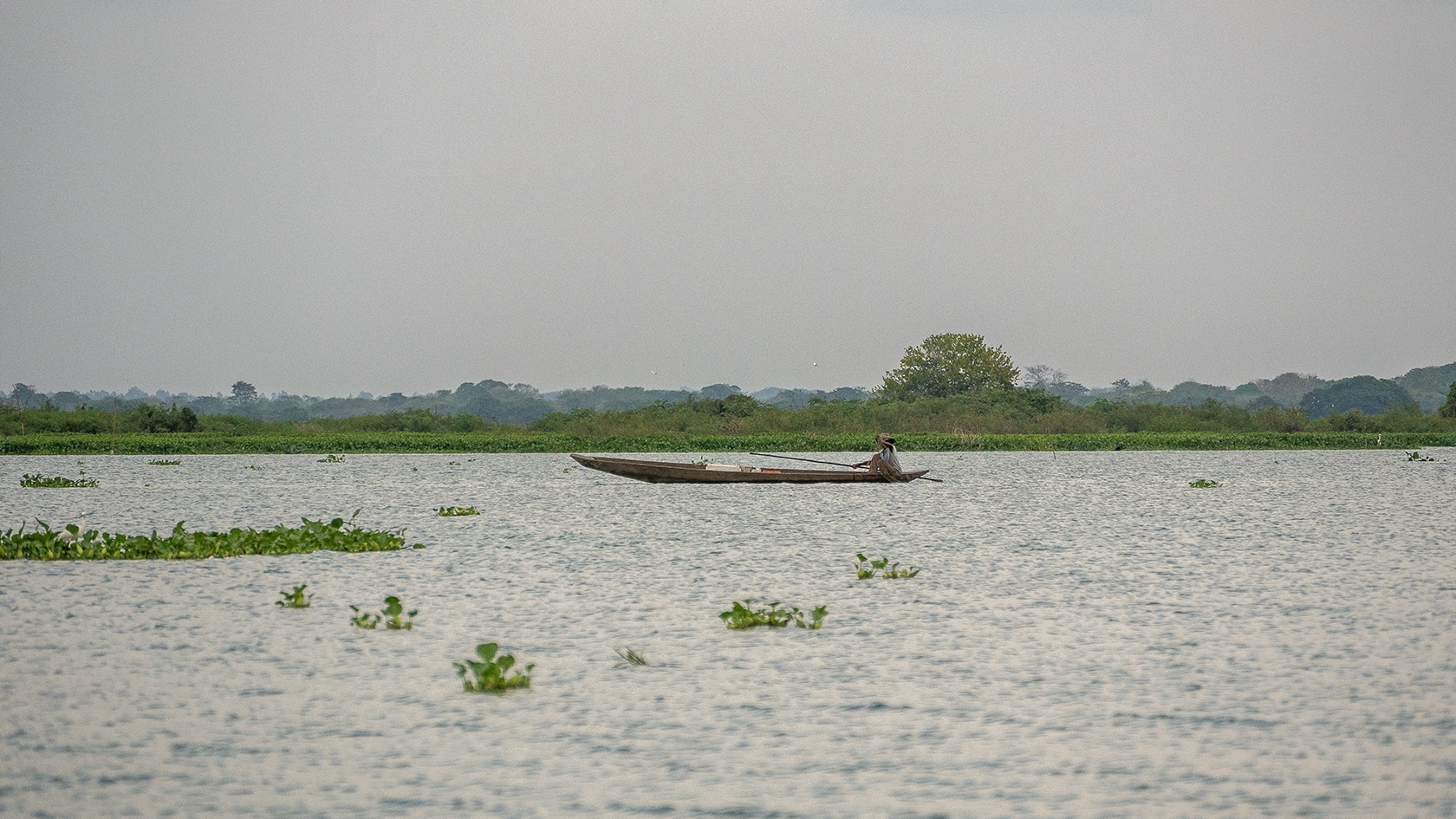
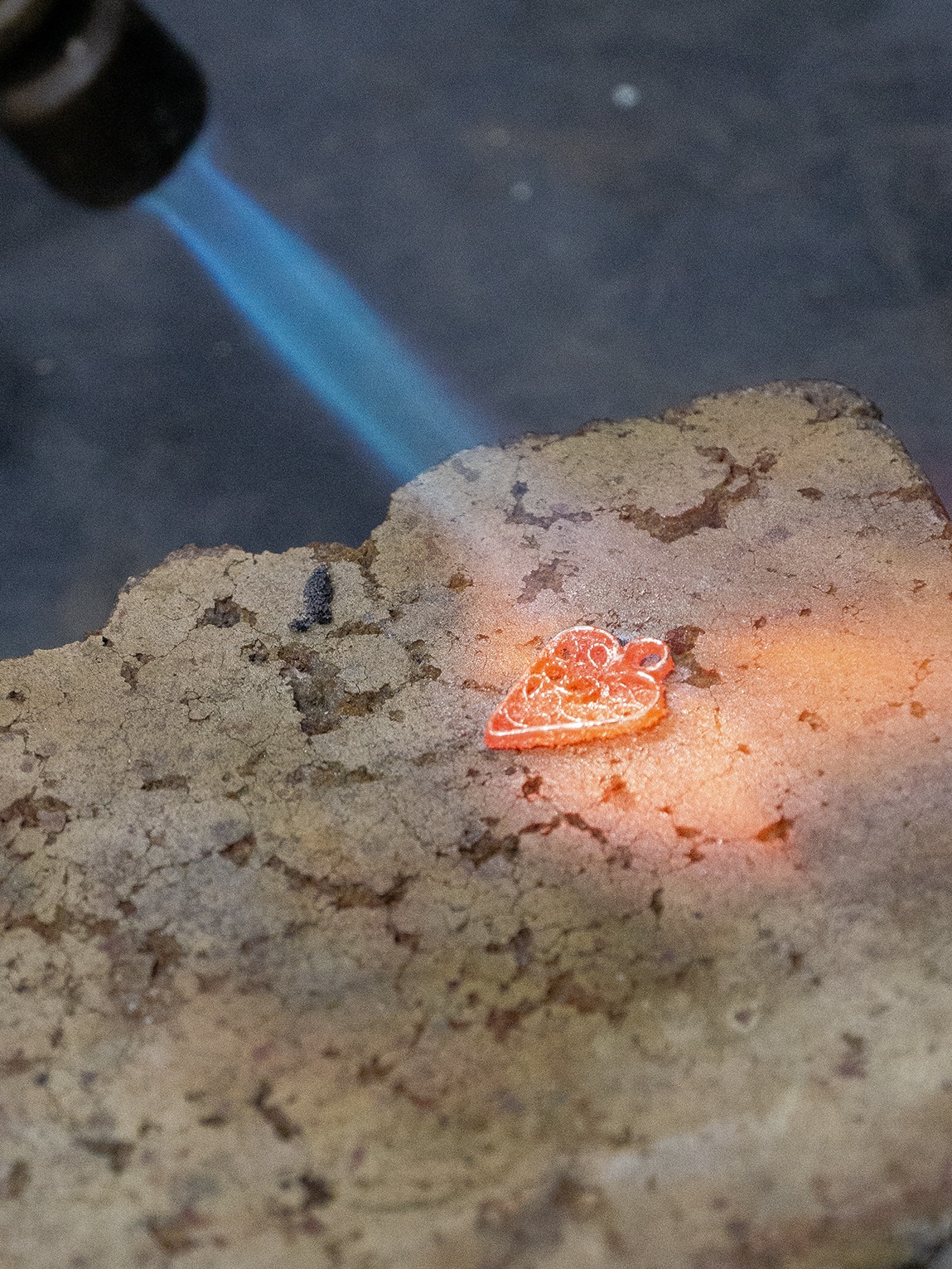
But Mompox is more than just its white facades and churches. We also discover a tradition of goldsmithing that is still very much alive, particularly Momposina filigree, crafted from extremely fine metal wires. Around the city, the landscape changes once again: the branches of the Magdalena River, marshes, and lagoons offer the perfect setting for birdwatching and observing other wildlife by boat.
In this article, we’ll take you on a walking tour of the historic center, along the river, and through the nearby wetlands, while providing you with practical information to help you plan your own trip to Mompox. We’ll also discuss how long to stay and how to incorporate it into your itinerary in Colombia.
Santa Cruz de Mompox
- Department: Bolívar (Caribbean region)
- Location: on the island of Mompox, on the banks of the Río Magdalena
- Founded: around 1539–1540
- Population: approximately 48,800 (district, 2024)
- Elevation: approximately 17 m
- Climate: hot tropical, with high temperatures year-round
- Heritage: Historic center designated a UNESCO World Heritage Site since 1995
- Local specialty: Momposina filigree, handcrafted gold and silver filigree work
- Recommended length of stay: 3 nights
- Best time to visit: mornings and late afternoons, to avoid the hottest part of the day
Our review: Mompox, a timeless getaway ★★★
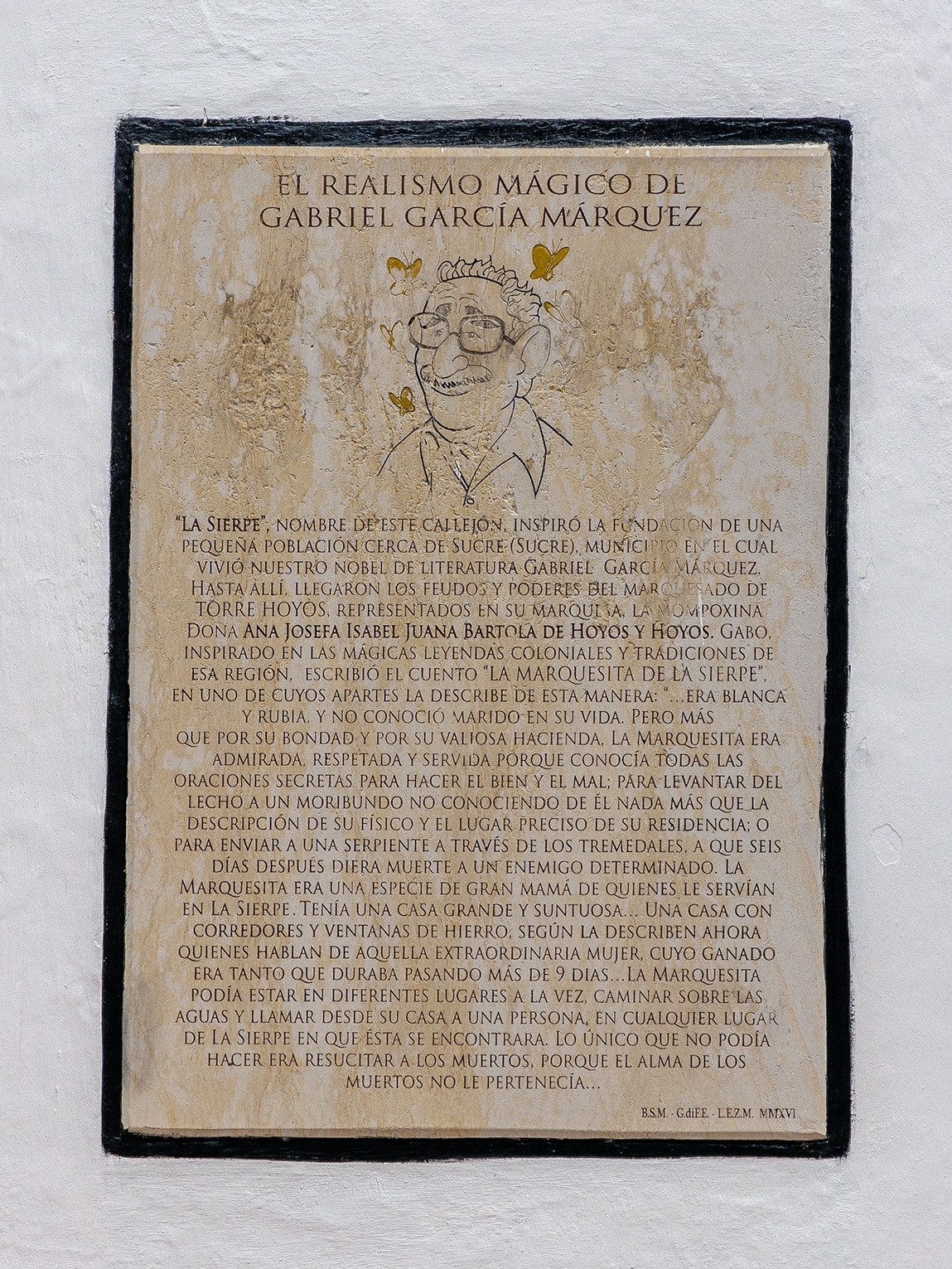
Mompox is definitely worth a visit. This colonial, almost timeless island town, nestled on the banks of the Río Magdalena, has deeply influenced the world of Gabriel García Márquez and the magical realism so often associated with him. Still relatively off the beaten path—largely due to its isolation—Mompox is a destination that must be earned! It is also part of the Red Turística de Pueblos Patrimonio de Colombia, a network that brings together 18 villages and small towns with remarkable heritage.
What we loved most about this place was its atmosphere. Mompox naturally invites you to slow down. First, because it gets so hot in the afternoon that it’s hard to be very active. But also because we’re far from the hustle and bustle of Cartagena or Santa Marta: here, life seems to follow the leisurely pace of the Río Magdalena.
The historic center is truly magnificent, but for us, a guided tour is almost essential to fully appreciate the richness of the place, especially its history tied to Simón Bolívar. Mompox can also be discovered through its crafts—including its famous filigree work—and its local cuisine: posta negra momposina, queso de capa, and pato guisado, also known as pato en pebre.
Mompox took a lot out of us, but it also stole a big piece of our hearts. And we already know we’ll be back someday.
When is the best time to visit Mompox?
To explore Mompox under the easiest conditions, we’d recommend visiting from December through March, which is the driest time of the year. December and January offer a good balance for walking through the historic center and planning an outing to the ciénagas, even though it’s still quite hot. July and August are another good time to visit: the rains temporarily let up during the “veranillo,” a brief lull between the two wet seasons. If your itinerary is flexible, we’d especially recommend avoiding September, October, or November solely because of the weather: these are generally the wettest months, with more showers and a heavier atmosphere. This doesn’t make Mompox unvisitable, but it can complicate excursions and make for less comfortable days.
Tourist Visits to Mompox
Mompox remains a relatively off-the-beaten-path destination in Colombia. FONTUR reports more than 30,000 tourists per year, which explains why—outside of major events—visitor numbers are nowhere near those of destinations like Cartagena. Visitor traffic, however, is extremely concentrated around a few specific dates. During Holy Week 2024, 41% of accommodation providers surveyed reported reaching 100% occupancy, while major music events also draw thousands of visitors. The contrast is striking: outside of events, Mompox retains a peaceful atmosphere, and it’s generally easy to explore the center on foot without crowds; during major events, hotels fill up quickly, restaurants are busier, and the streets take on a completely different vibe. If you’re looking for peace and quiet above all else, be sure to check the local calendar before booking.
Climate in Mompox
Mompox has a hot tropical climate, largely influenced by its location in the Momposina Depression and by the numerous wetlands that surround it. The heat is constant: various local climate records place the average temperature between 29 and 32 °C, with daily highs often well above 35 °C. The year is primarily marked by rainfall. A first rainy season extends roughly from mid-April to early July, then the rains resume from late August through November; December through March is significantly drier, while July and August generally see a lull in the rains. In practice, what most characterizes a trip to Mompox isn’t the temperature difference between the seasons, but the afternoon heat. We therefore recommend walking early in the morning, taking it easy between noon and 3–4 p.m., and then heading out again at the end of the day.
Major Festivals and Events in Mompox
Holy Week is the major traditional event in Mompox. Celebrated here since 1564, it features several days of religious processions winding through the streets and churches of the historic center; the dates vary each year between March and April. About fifteen days before that, Semana Santica also takes place, during which children reenact certain Holy Week traditions on a smaller scale. The other major event is the Mompox Jazz Festival, which has been held since 2012 and is usually scheduled for September or October. Open-air concerts, Colombian and international artists, local cuisine, and entertainment take over the historic center during this time; the exact dates vary from year to year. The local calendar also includes Carnival and the festivals of the Virgen de la Candelaria in February, the Virgen del Carmen in July, and the Immaculate Conception in December.
History of Santa Cruz de Mompox
Mompox is easy to explore on foot, but it takes much longer to truly understand. At first glance, its colorful churches and colonial houses give the impression of a small, exceptionally well-preserved historic town. Yet what truly makes it unique lies elsewhere: in its former commercial power, in the river that made and then unmade its fortune, in the heat that still dictates the pace of life for its residents, and in a culture deeply rooted in the marshy lands of the Mompox Basin.
To truly experience Mompox, you have to look beyond the facades. Its history explains its architecture; its environment explains its way of life; and its isolation has allowed its artisanal, musical, and literary traditions to retain an astonishing vitality here.
A city born of the river, which rose to power… and then became isolated
The history of Mompox is inextricably linked to the Magdalena River. The river gave birth to the city, enriched it for nearly three centuries, and then nearly wiped it off the major trade routes. And, in an ironic twist of history, it was precisely this isolation that helped preserve much of the city we see today.
When the Spaniards founded Santa Cruz de Mompox around 1539–1540, the choice of location was primarily strategic. At that time, the Magdalena River was the main route for traveling from the Caribbean coast into the interior of New Granada. Cartagena had only just been founded, and overland routes remained difficult: the river was essential for transporting people, goods, and precious metals. Mompox was therefore established directly on this major natural waterway, in a marshy region where dry land was scarce.
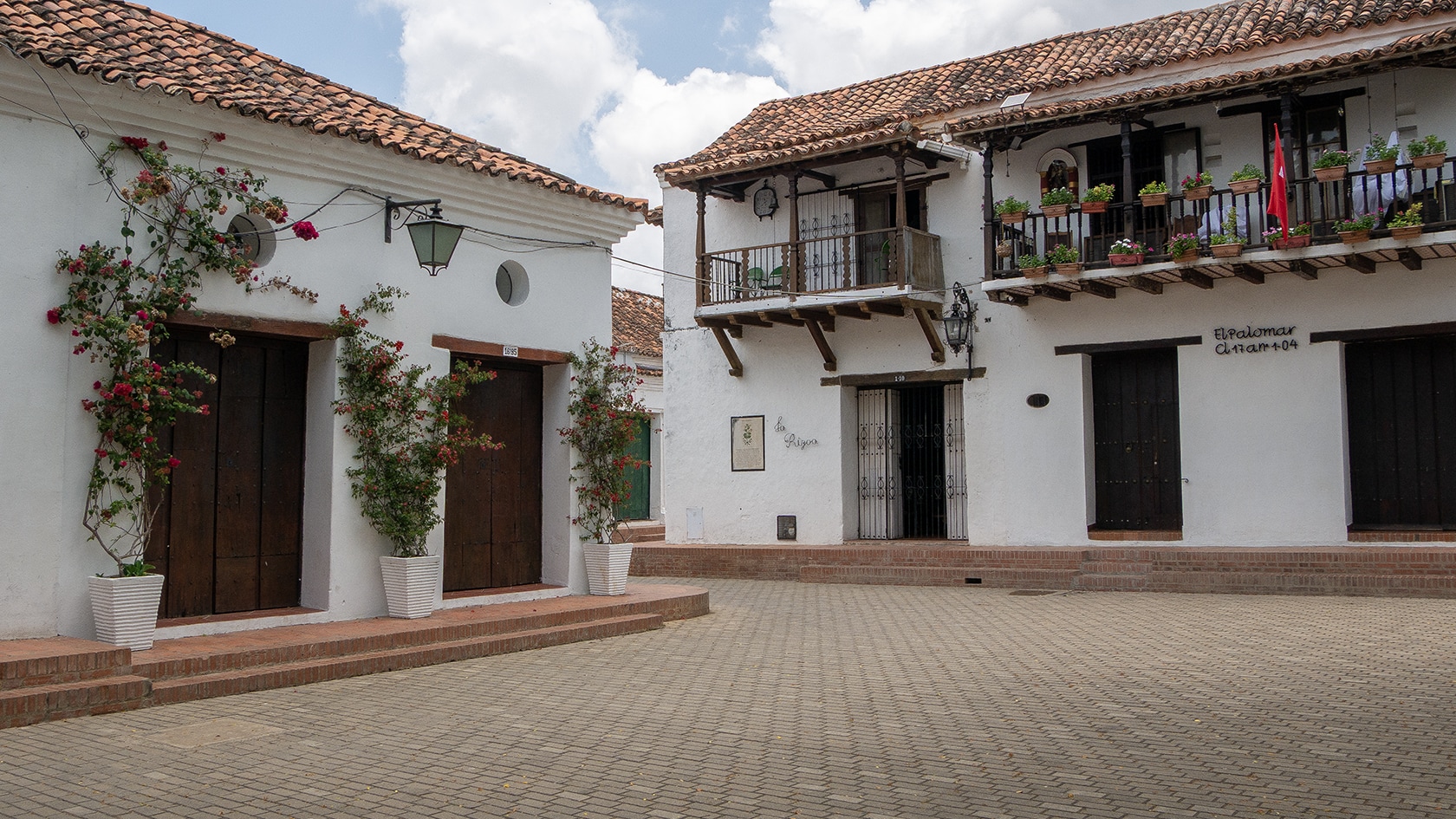
In the 17th and 18th centuries, the small settlement grew into a full-fledged inland port. Ships traveling between Cartagena and the Andean regions stopped there; merchants settled there, and various trades flourished. Goldsmiths, cabinetmakers, and artisans worked in a city through which gold and silver from the interior of the country passed. Wealthy families built large houses organized around courtyards, while churches and squares sprang up along the Magdalena River. Mompox, moreover, did not develop around a single large Plaza Mayor: it stretched parallel to the river, with several successive squares and a main street that also served as a flood barrier.
By the early 19th century, Mompox was no longer a small, isolated town, but a commercial center influential enough to play its own role in the political upheavals shaking New Granada.
August 6, 1810, marks one of the most significant dates in its history. A few weeks after the events in Bogotá, the authorities and residents of Mompox broke away from Spanish rule and also severed ties with Cartagena, to which the city had been subordinate until then. This decision quickly led to serious tensions with Cartagena, which eventually regained control of Mompox by force. The episode nevertheless left a deep mark on the local identity: the city earned its nickname, “Ciudad Valerosa,” or “the courageous city.”
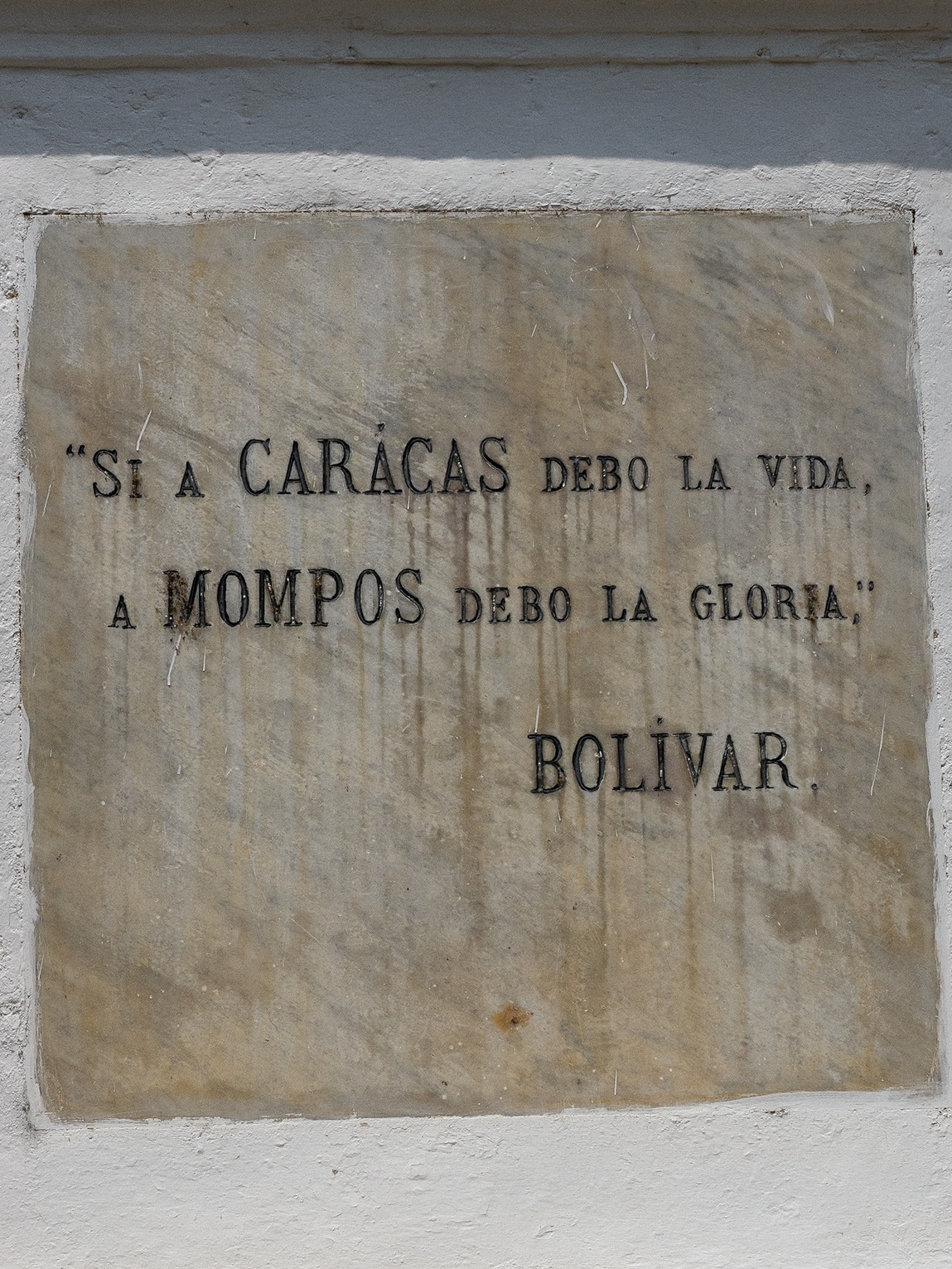
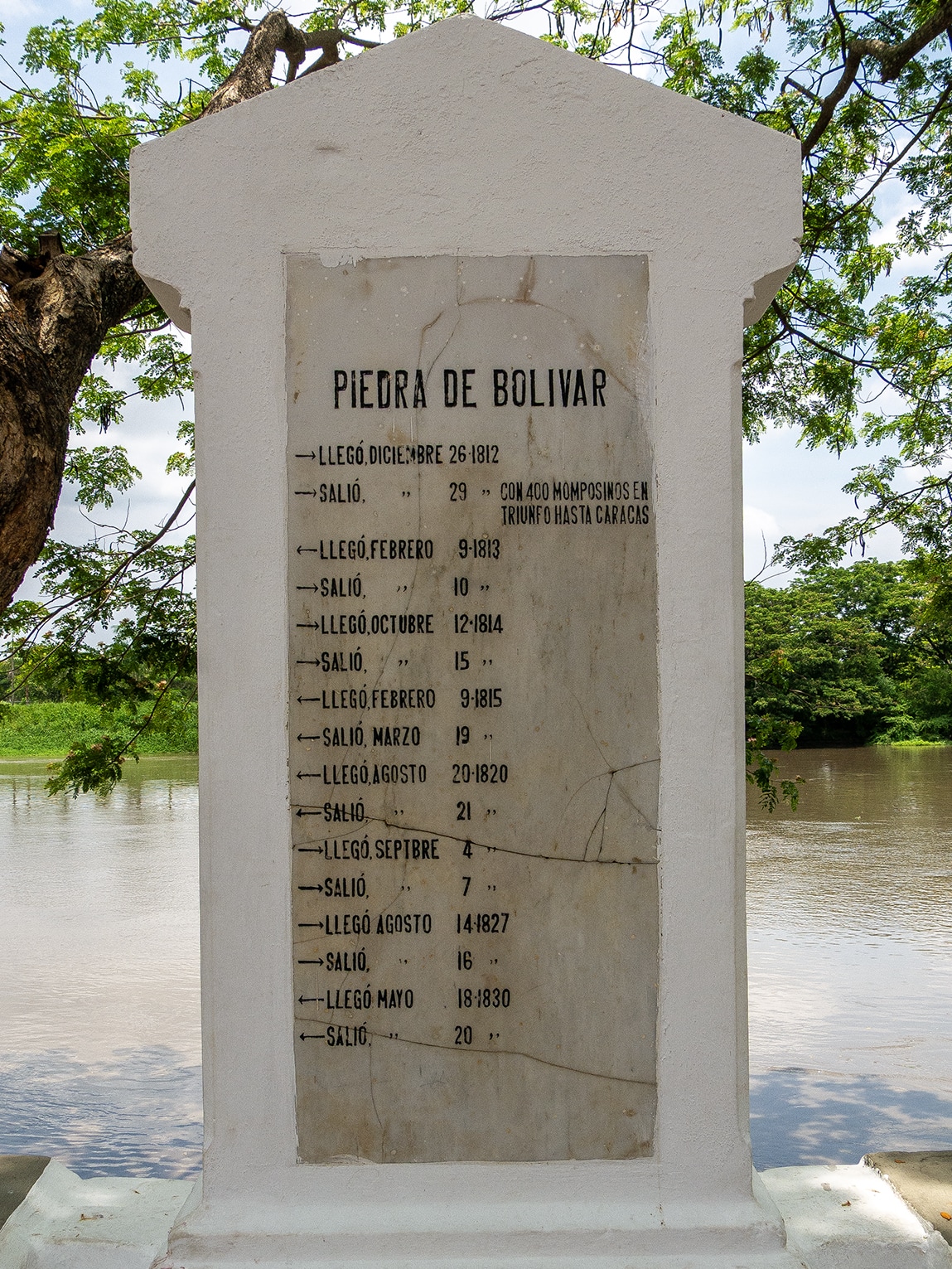
Mompox reappears shortly thereafter in Simón Bolívar’s journey. In late December 1812, the young officer traveled up the Magdalena River during the campaign against the royalist positions. He arrived in Mompox in the final days of the year and received reinforcements and supplies there to strengthen his army before continuing his campaign into the interior of the country and then on to Venezuela in 1813. The role Mompox played during this period explains why Bolívar’s legacy remains particularly strong in the city to this day.
But a few decades later, Mompox’s fate took a dramatic turn for a much less spectacular reason: the Magdalena River gradually began to change its course.
Around the middle of the 19th century, the branch of the river flowing past Mompox began to lose its flow and silt up, while the Brazo de Loba took in an increasing share of the water. Boats naturally followed the most navigable route. Trade then shifted to Magangué, which gradually became the region’s new hub for river trade. The major trading houses left Mompox, and the city entered a long period of economic stagnation and isolation.
For Mompox, this was a sudden decline. For its heritage, however, it turned out to be almost a blessing.
While elsewhere cities are expanding, historic centers are being rebuilt, and new neighborhoods are gradually erasing colonial layouts, Mompox is changing much more slowly. Its houses, courtyards, churches, and urban layout remain largely intact. UNESCO itself emphasizes that the economic decline of the 19th century played a key role in this exceptional preservation.
The value of this heritage was eventually officially recognized. In 1959, Colombia designated the old quarter of Mompox as a national monument. Then, in 1995, its historic center was added to the UNESCO World Heritage List.
It is, therefore, a strange twist of history: the river that had brought Mompox its wealth also caused its isolation, and that isolation ultimately helped save the city.
When we walk along the Albarrada or down Calle Real del Medio today, we’re not just looking at beautiful, restored colonial facades. We’re following in the footsteps of an ancient port that was once at the heart of trade in New Granada, then fell into near-oblivion for over a century. It is this history that gives Mompox that very special feel of a city that seems to have remained suspended somewhere between several eras.
Living Between the Magdalena River, the Ciénagas, and the Heat
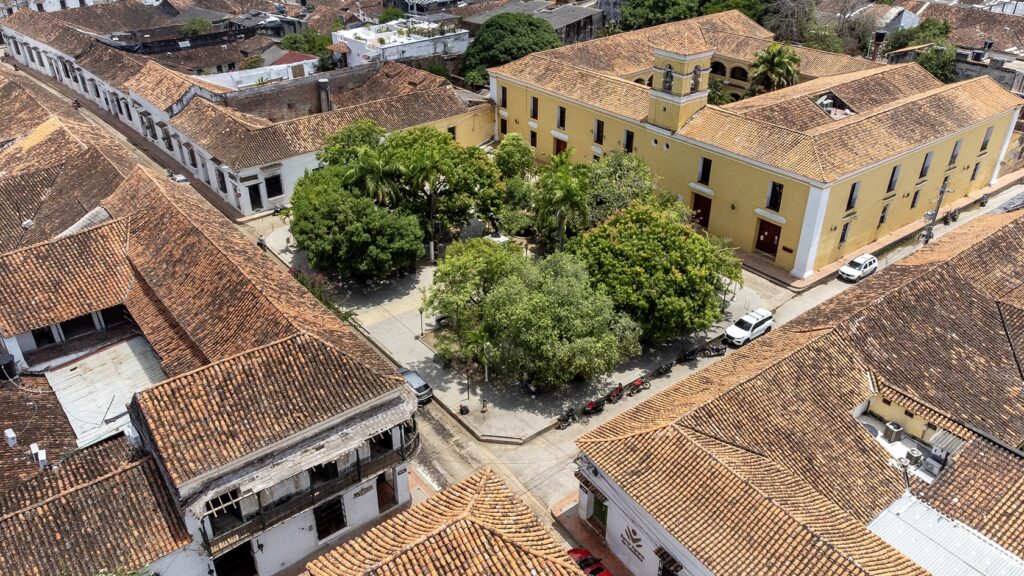
In Mompox, the landscape is never truly separate from the city. The Magdalena River flows right past the houses, the low-lying, wetlands begin almost at the gates of the historic center, and the heat dictates the rhythm of the day. Here, then, the environment is not merely a backdrop: it largely explains why Mompox is the way it is.
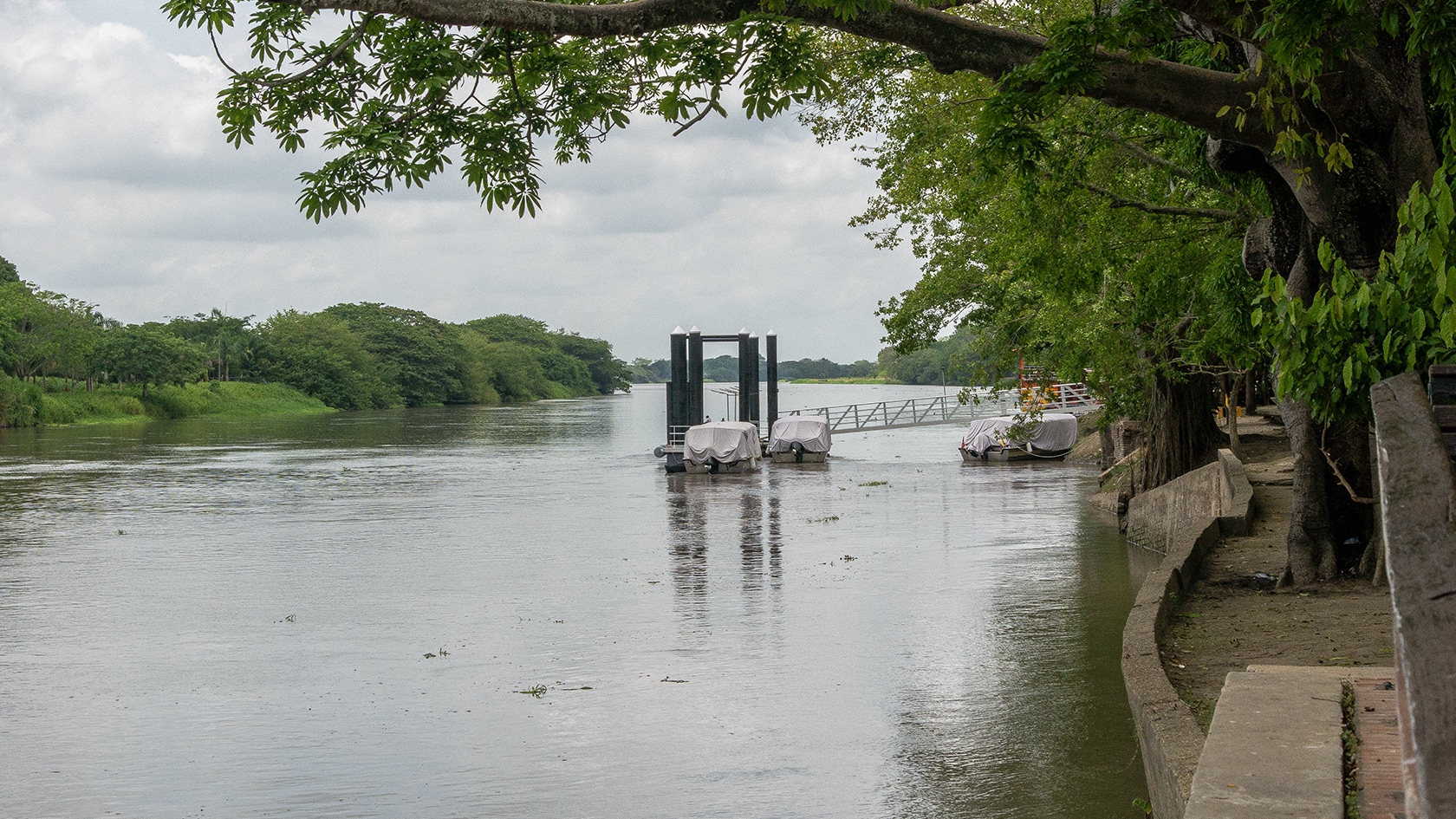
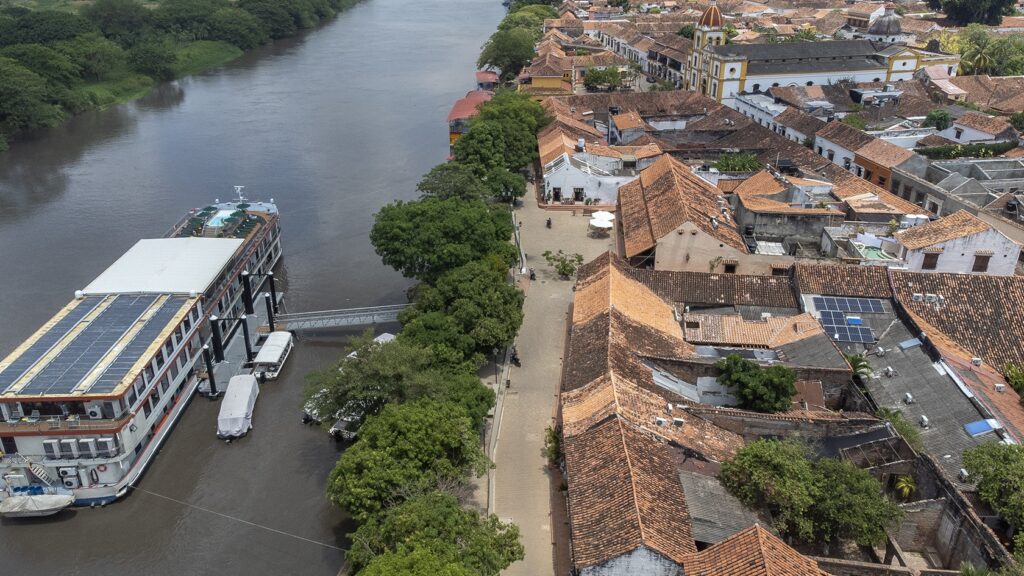
For centuries, the Río Magdalena was even the city’s most important thoroughfare. Goods, travelers, and news arrived by water, and Mompox developed along its banks rather than according to a perfectly regular urban plan. Calle de la Albarrada, which we now stroll along peacefully facing the river, serves as a very tangible reminder of this relationship. Its name comes from the albarradas, the retaining walls built to protect the city during floods. Staircases built into these structures led directly down to the river and served as public or private landing stages for certain large mansions. The Magdalena River was therefore not merely in front of the city—it truly constituted one of its main entrances.
And beyond Mompox lies an even more water-rich world. The city is part of the Momposina Depression, a vast floodplain where the Magdalena River meets a complex network of tributaries, canals, and ciénagas. In this region, water flows seasonally between the river and the wetlands: the landscape itself changes with the water levels.
The Ciénaga de Pijiño offers a glimpse of this. It is connected to the Brazo de Mompox by the Peñoncito channel, which clearly shows that these lagoons are not isolated bodies of water, but rather parts of the same river system. Here, you quickly leave the colonial facades behind to navigate among aquatic vegetation, birds, and reptiles. Some of the small canals in this area are also linked to the ancient hydraulic systems developed by the Zenú people to live in harmony with the floods rather than trying to suppress them.
This relationship with the environment extends right up to the doorsteps of people’s homes.
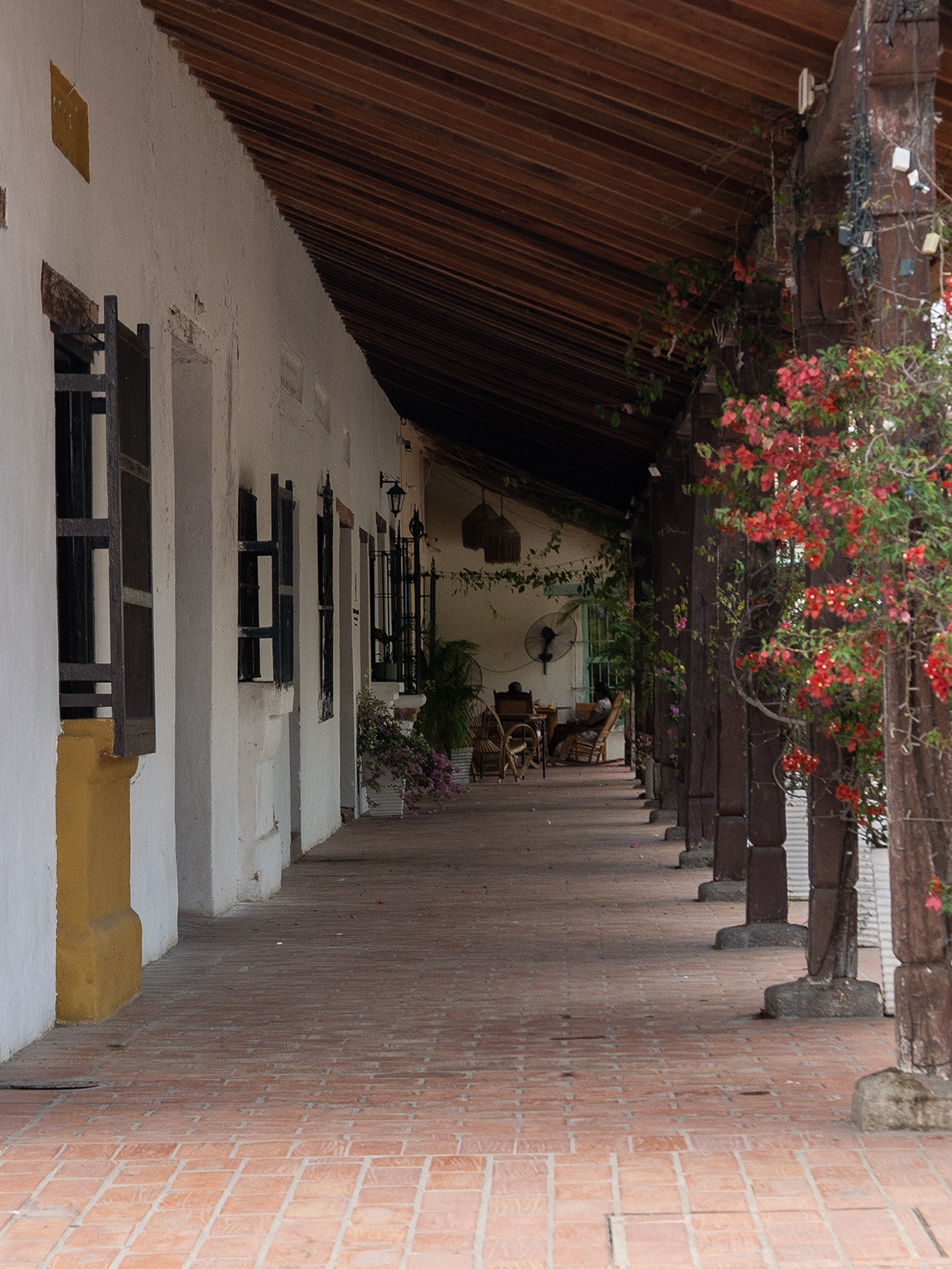
From the street, the colonial mansions of Mompox may appear relatively closed off: long walls, large wooden doors, and windows protected by bars. Once inside, however, the space opens up around a central or side patio. In the largest houses, a second courtyard was sometimes built further back to accommodate service areas. The rooms connected to these patios via galleries and open passageways, creating an architectural design intended to allow air to circulate and make the tropical climate more bearable.
So the patio isn’t just that lovely green space we admire today in some hotels. It’s a very practical solution to the heat.
Even the vegetation along the riverfront plays a role. The tall trees lining the Magdalena River provide shade and create a more pleasant local microclimate in a city where temperatures can become particularly grueling.
And it’s probably when you spend a few days there that all of this becomes most apparent.
In the morning, Mompox is easy to explore on foot. Doors open, locals go about their business, shops come to life, and the light brings out the colors of the facades. Then midday arrives. The sun climbs higher, the streets gradually empty out, and seeking shade quickly goes from being a preference to a necessity. We felt it ourselves: Mompox really makes its visitors sweat.
The city seems to slow down then, before coming to life a second time in the late afternoon. The temperature drops, residents reappear in front of their homes, the terraces fill up, and the Albarrada regains its liveliness along the river. It’s often at this time that Mompox is at its most pleasant: when the sun dips behind the trees and the Magdalena River, too, seems to slow down.
There’s nothing artificial about this rhythm. It’s simply the result of centuries spent living with the water, the heat, and the river’s seasons.
And this may be one of the most important things to understand before you come: in Mompox, there’s no point in trying to stick to the pace of a typical day of sightseeing. It’s better to go with the flow of the town.
Filigree, Music, and Literature: A Cultural Identity Far Richer Than a Colonial Setting
One of the best ways to understand Mompox’s former commercial importance is to step into a jewelry workshop.
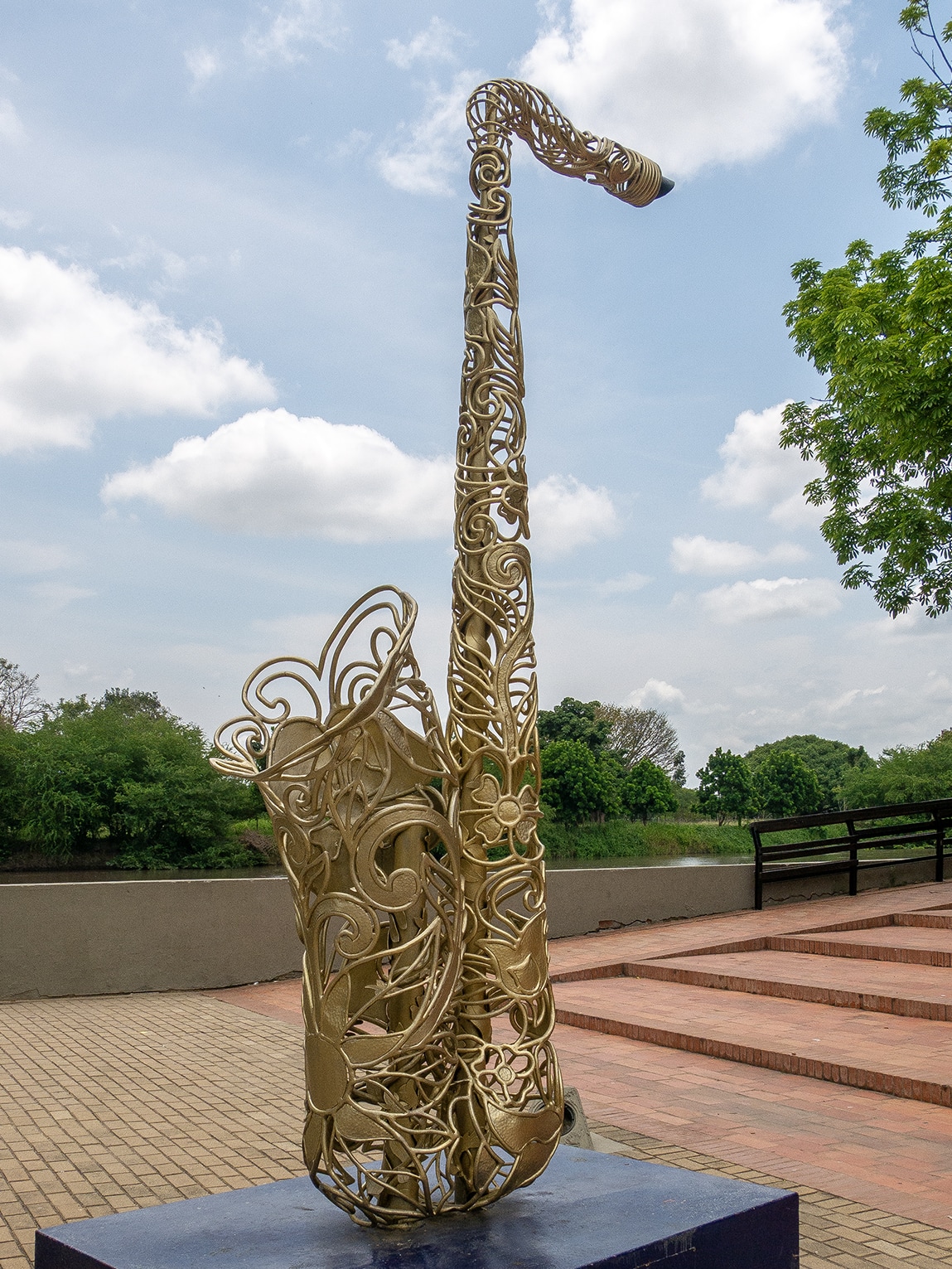
The city has no major gold or silver deposits. Nevertheless, ships carrying precious metals to Cartagena used to stop there to trade, restock, and work the metal. As a result, a significant tradition of goldsmithing developed. Over time, Mompos-style filigree emerged: tiny strands of gold or silver are twisted, rolled, and assembled to create extremely delicate patterns. The articulated fish, in particular, has become one of the iconic pieces of local goldsmithing.
But the Momposina identity extends far beyond Mompox itself. It encompasses an entire cultural region centered around the river and its wetlands.
Totó la Momposina is probably the most famous example. Despite her name, she was not born in the city of Mompox but in Talaigua—now Talaigua Nuevo—a town near the Momposina Depression that once belonged administratively to Mompox. It is precisely this regional origin that gave her her stage name. Coming from a family of musicians, she brought the cumbias, bullerengues, porros, and mapalés of Colombia’s Caribbean Magdalena region to audiences around the world.
The connection becomes even more interesting when viewed in relation to Gabriel García Márquez. In 1982, Totó took part in the celebrations surrounding the awarding of García Márquez’s Nobel Prize in Stockholm. García Márquez, for his part, was not originally from Mompox, but the riverine world of the Magdalena and the Caribbean features prominently in his imagination. Mompox appears directly in *El General en su laberinto*, his novel about the final months of Simón Bolívar, where the city takes on that almost unreal quality that so perfectly captures its atmosphere.
And Mompox has its own great writer: Candelario Obeso, who was born here in 1849. Considered one of the pioneers of Black poetry in the Americas, he brought the voice and world of the bogas—the men who traveled up and down the Magdalena River working on boats—into literature. His most famous work, *Cantos populares de mi tierra*, published in 1877, draws directly from this popular, river-based culture.
What to See and Do in Santa Cruz de Mompox?
In Santa Cruz de Mompox
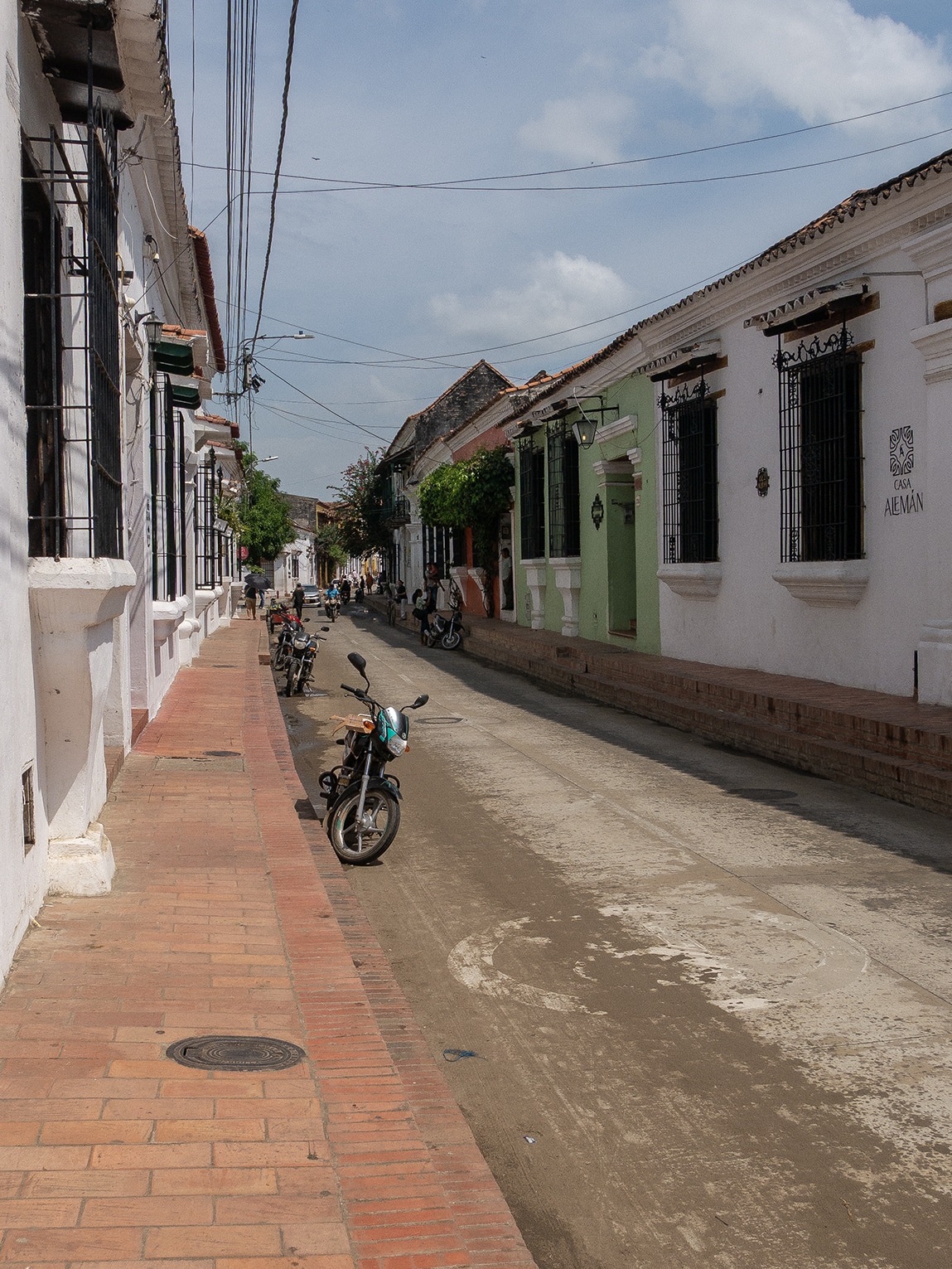
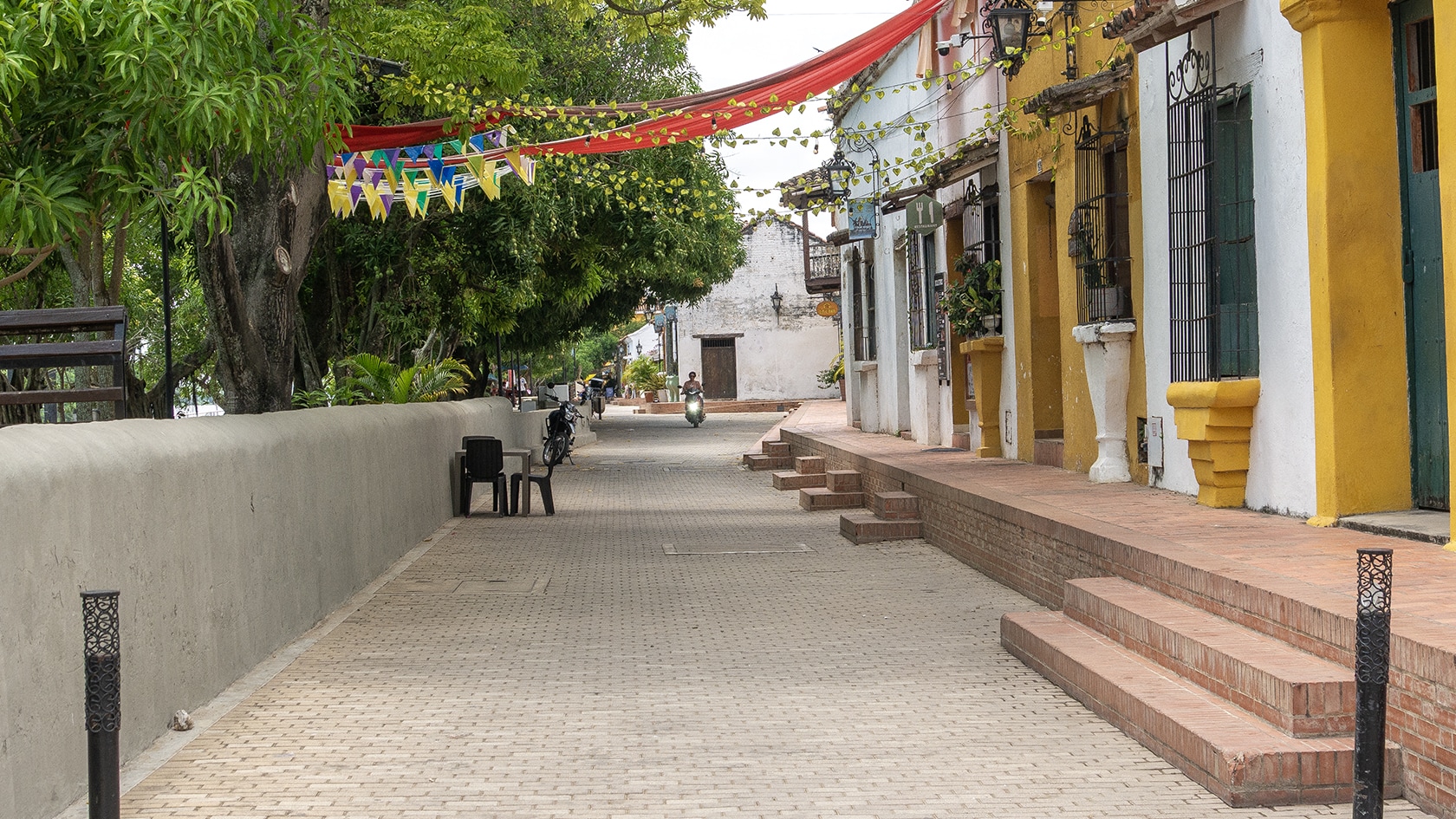
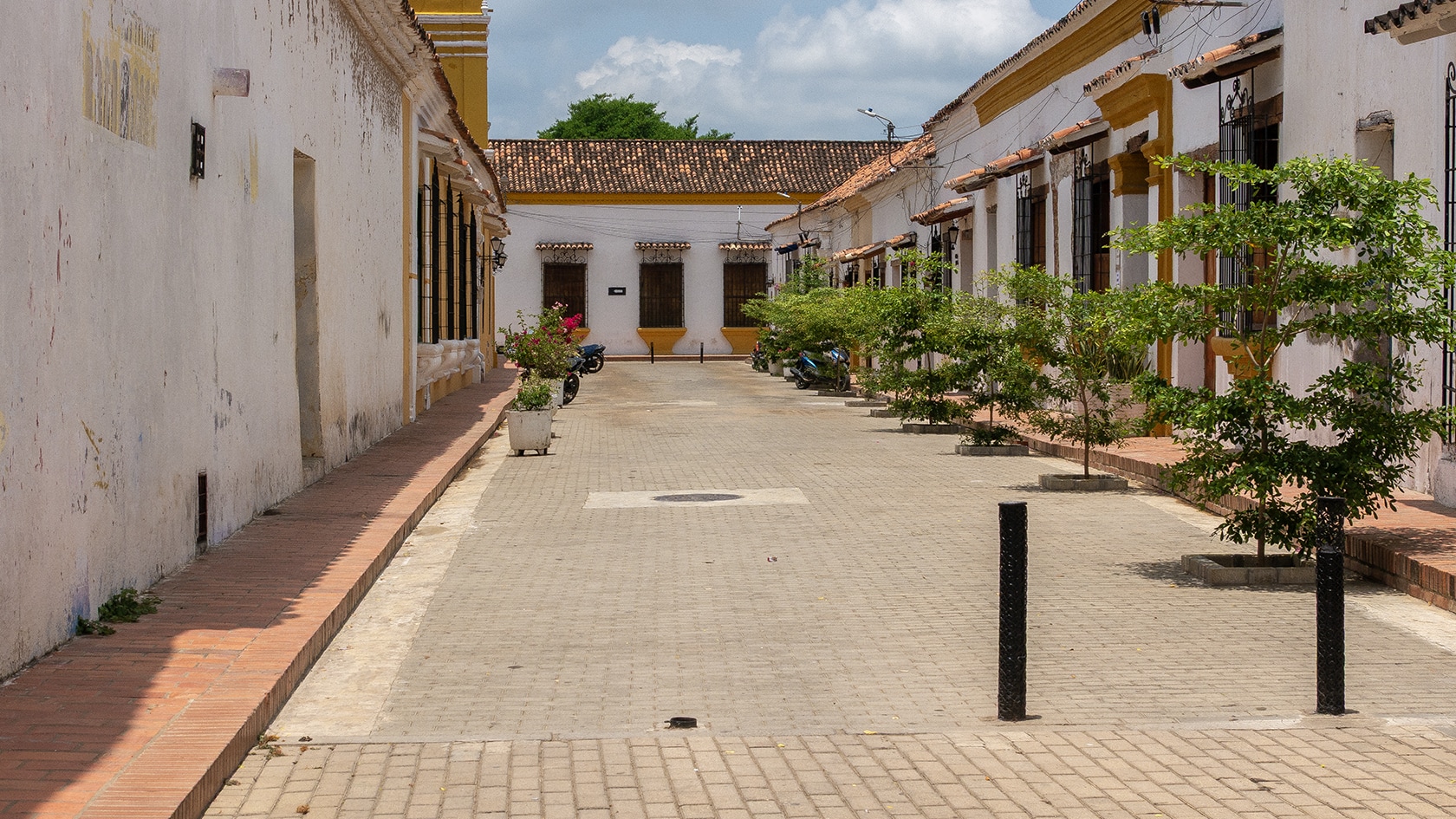
In Mompox, the appeal doesn’t lie in a concentration of spectacular monuments. Rather, the city reveals itself as a cohesive whole: a church leads to a plaza, a street opens onto the Magdalena River, and then a silversmith’s workshop suddenly evokes its former commercial past. We therefore recommend alternating between exploring the city’s heritage, taking walks, and enjoying activities along the river, without trying to cram everything into one go. Two full days are enough to see the main sights, while a third day leaves more time to explore the ciénagas and simply soak up the atmosphere.
Take a stroll down Calle de la Albarrada
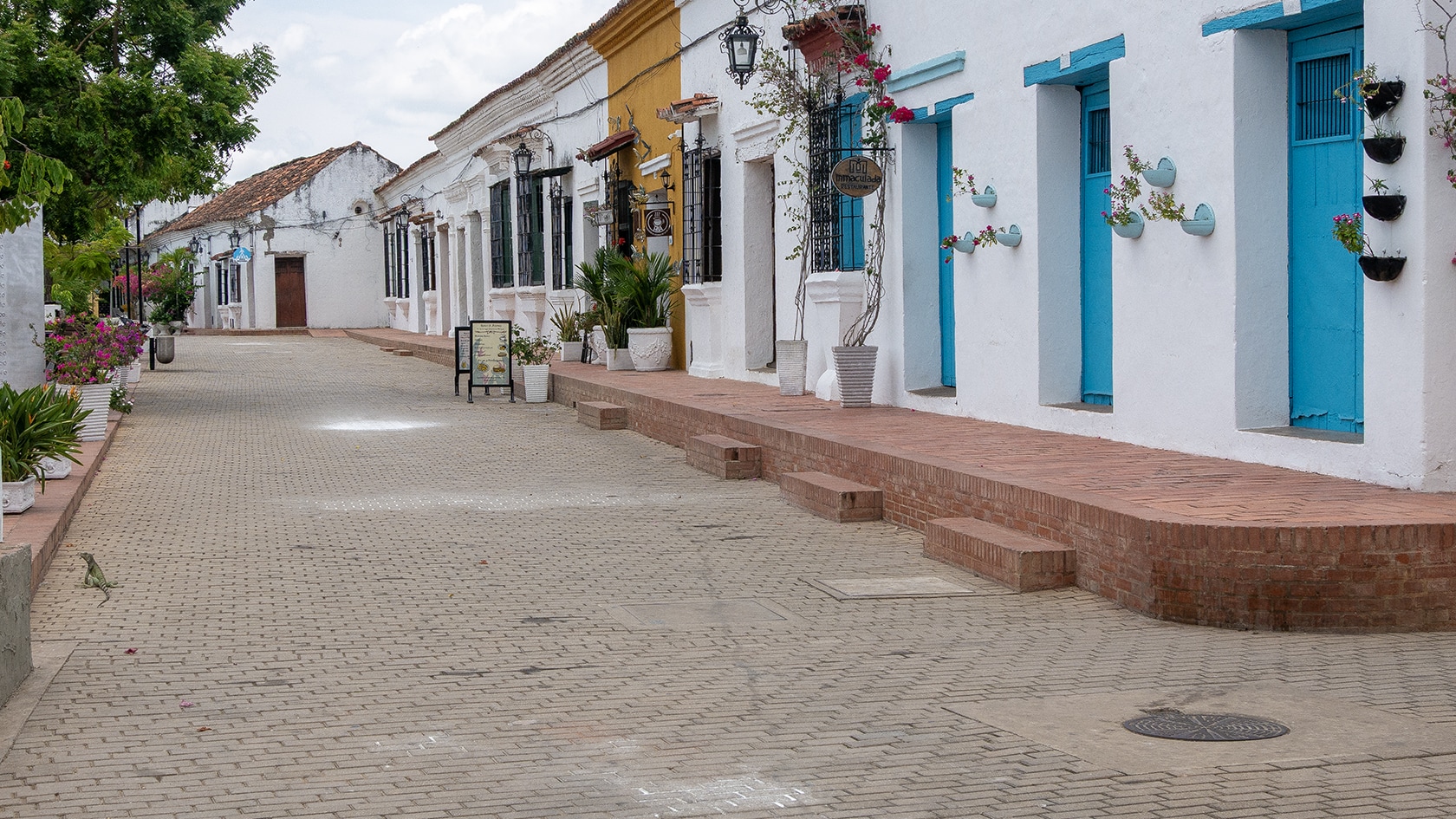
Calle de la Albarrada runs along the Magdalena River and is Mompox’s most iconic promenade. Once protected by walls against flooding, it also served as the city’s commercial hub when travelers and goods arrived by boat. Today, it’s best to visit in the late afternoon, when the heat subsides and locals return to the waterfront.
Stroll along Calle Real del Medio
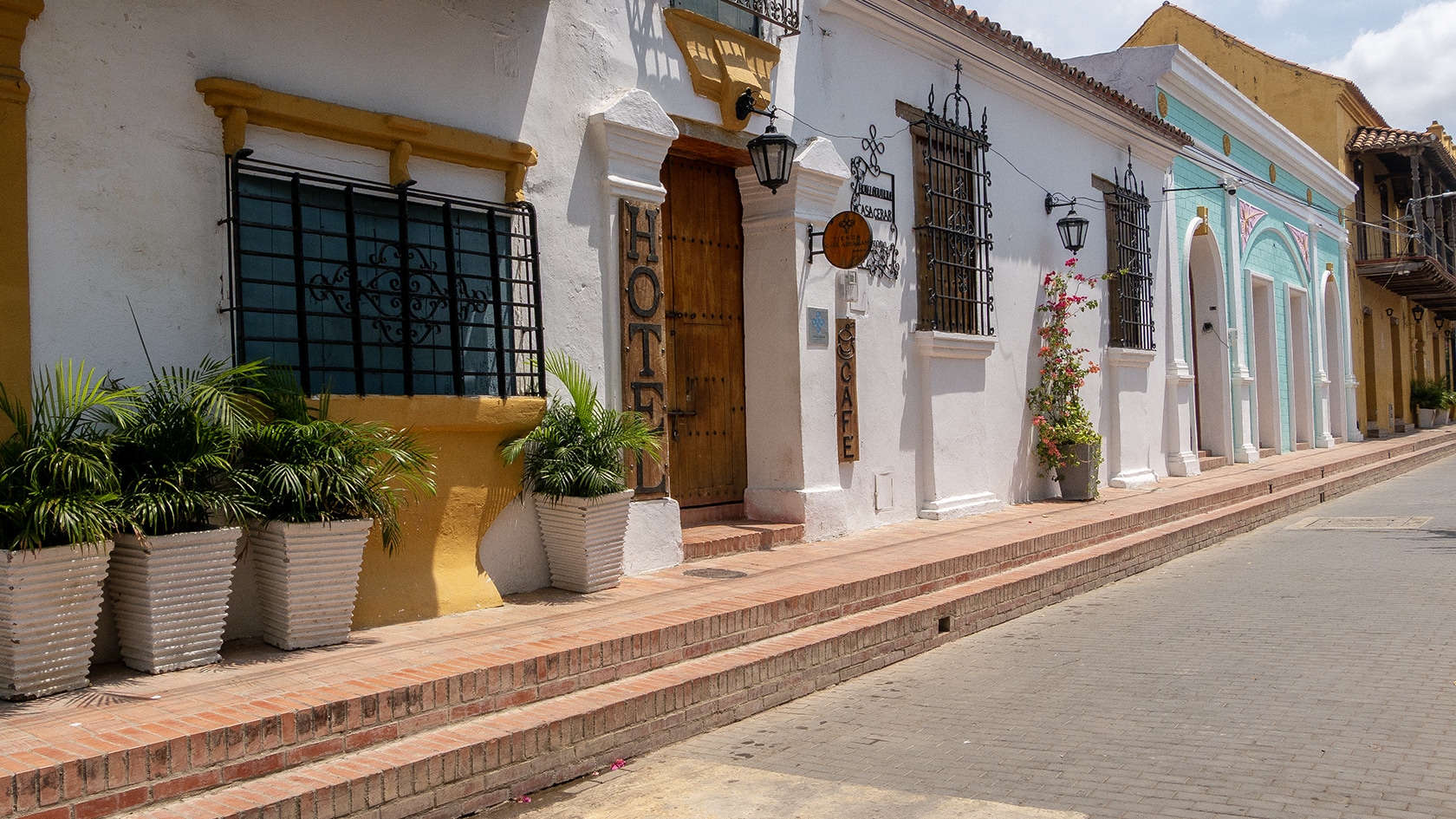
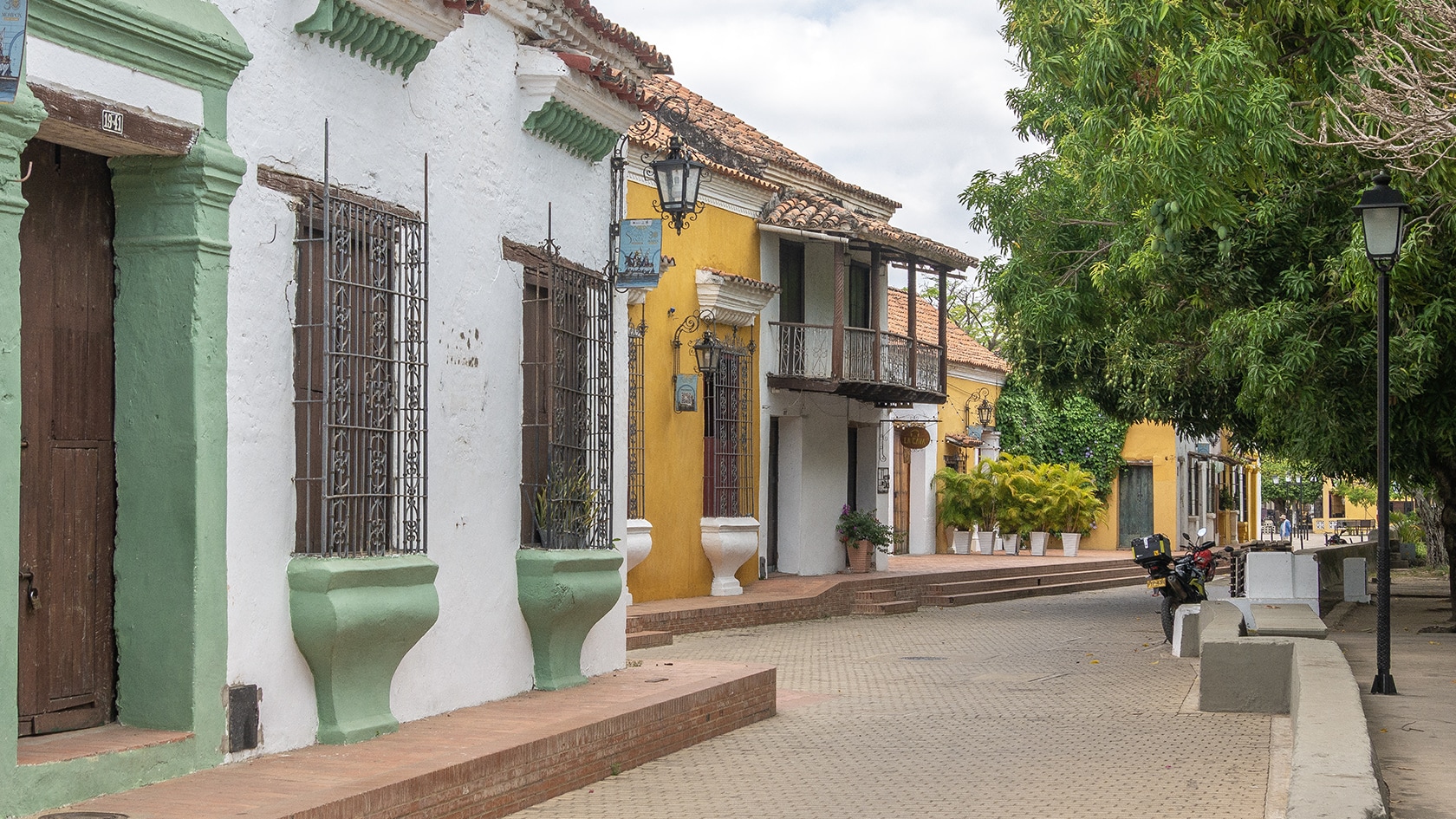
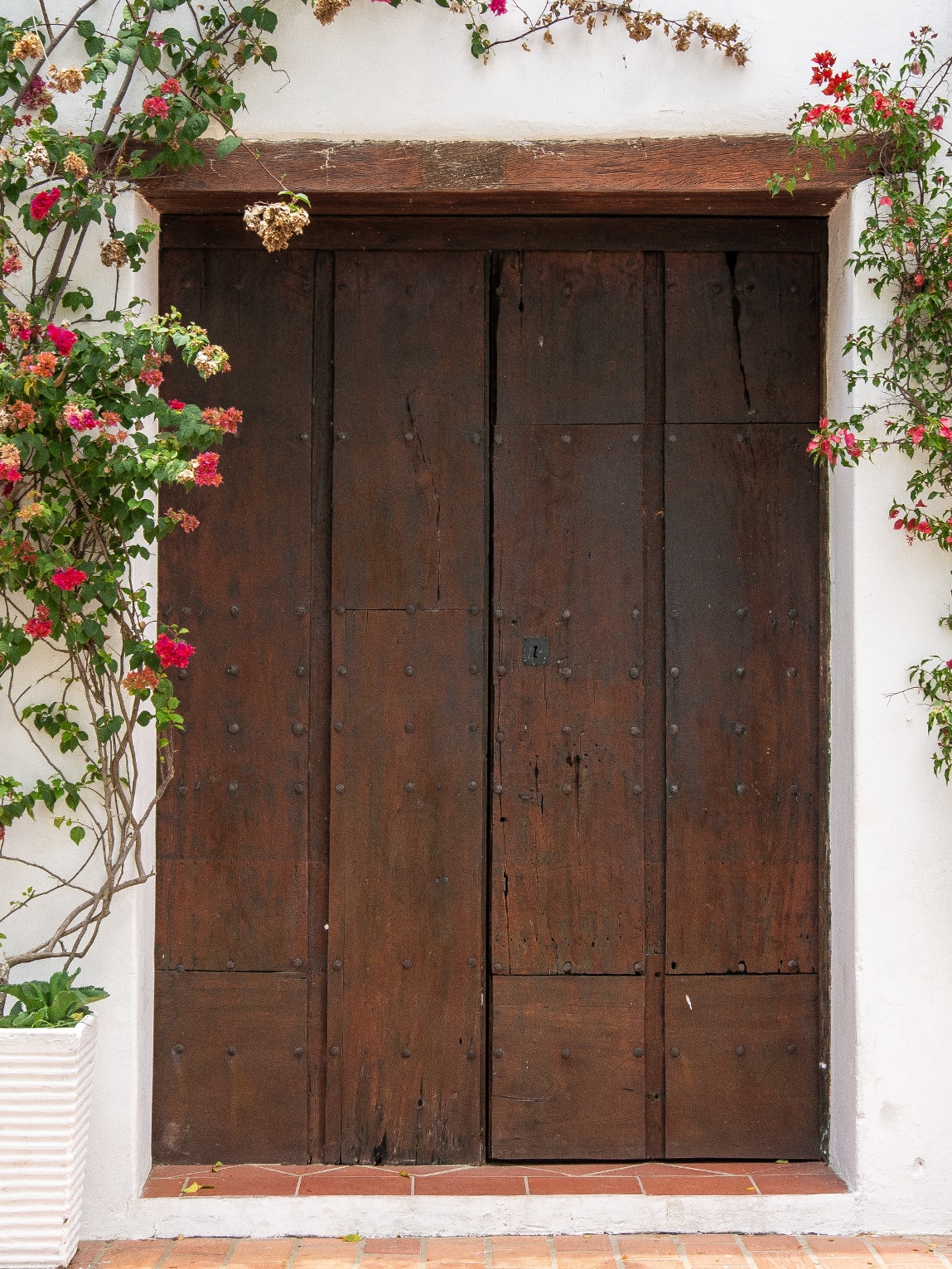
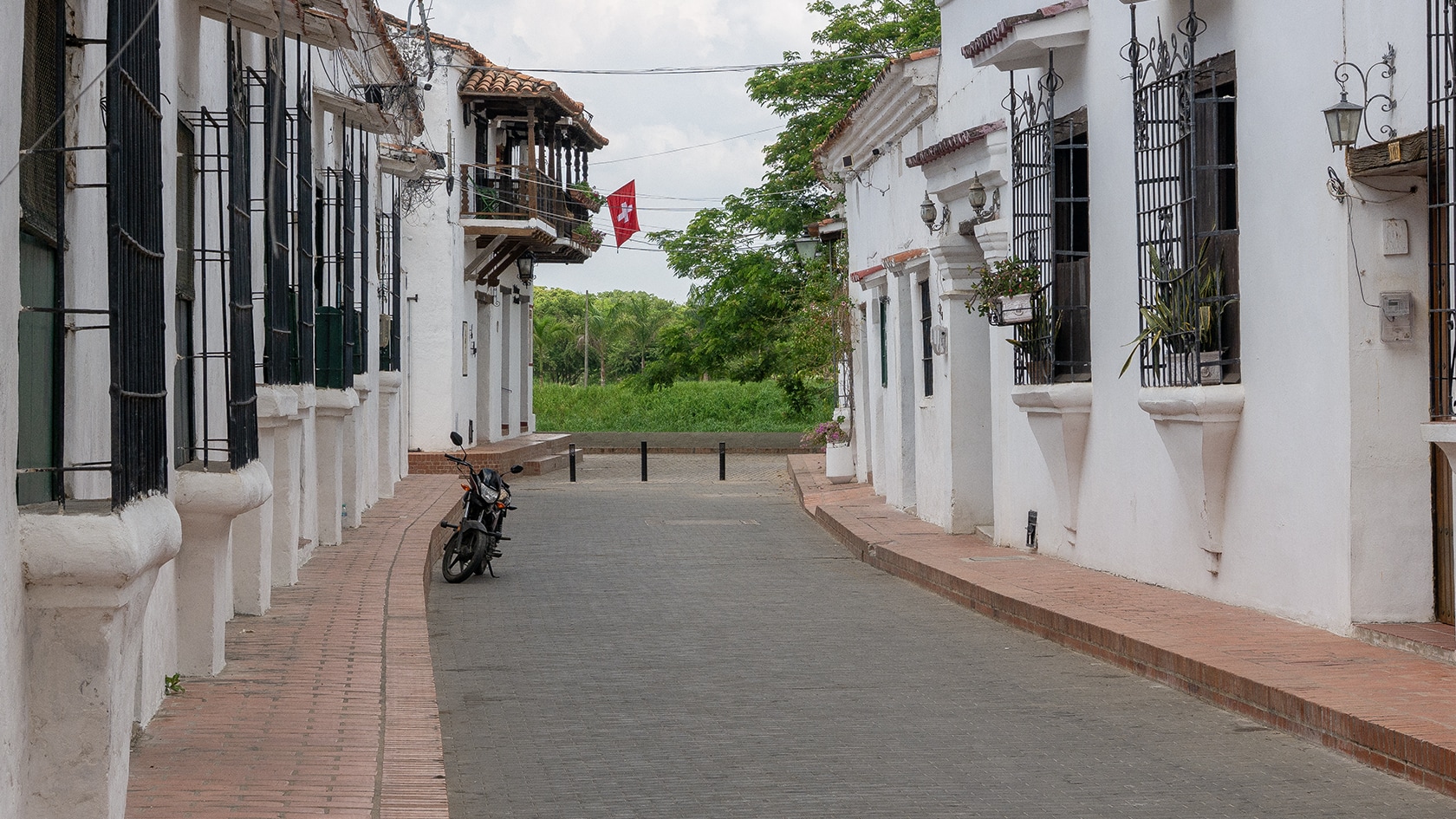
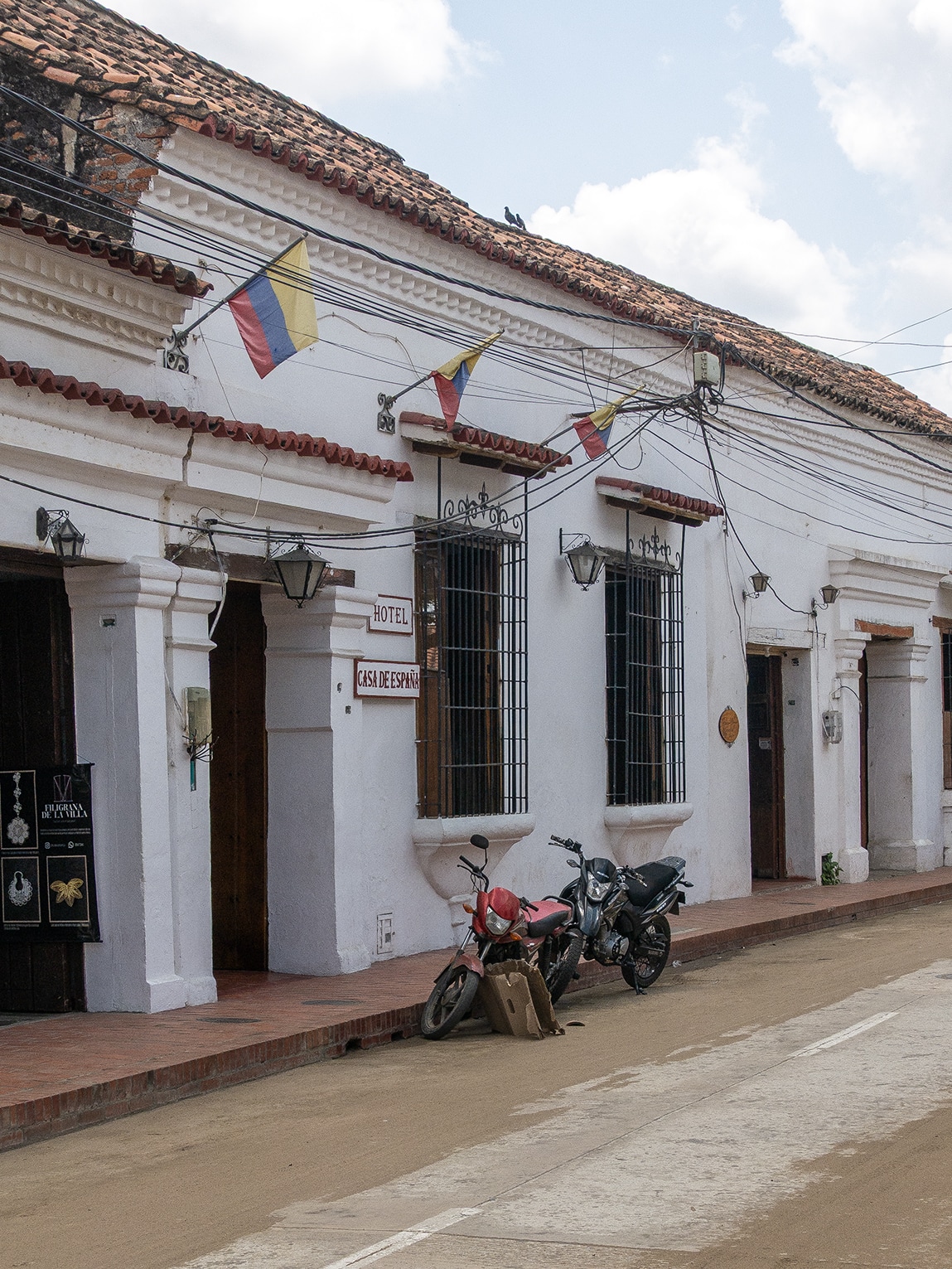
Running parallel to the river, Calle Real del Medio was the main thoroughfare of the colonial city. The most influential families owned their homes there, and several filigree workshops are still located there. As you walk along it, be sure to take in the large doors, the ornate iron gates, and the patios that can be glimpsed from the street: Mompox reveals itself in these details as well.
Iglesia and Plaza de Santa Bárbara
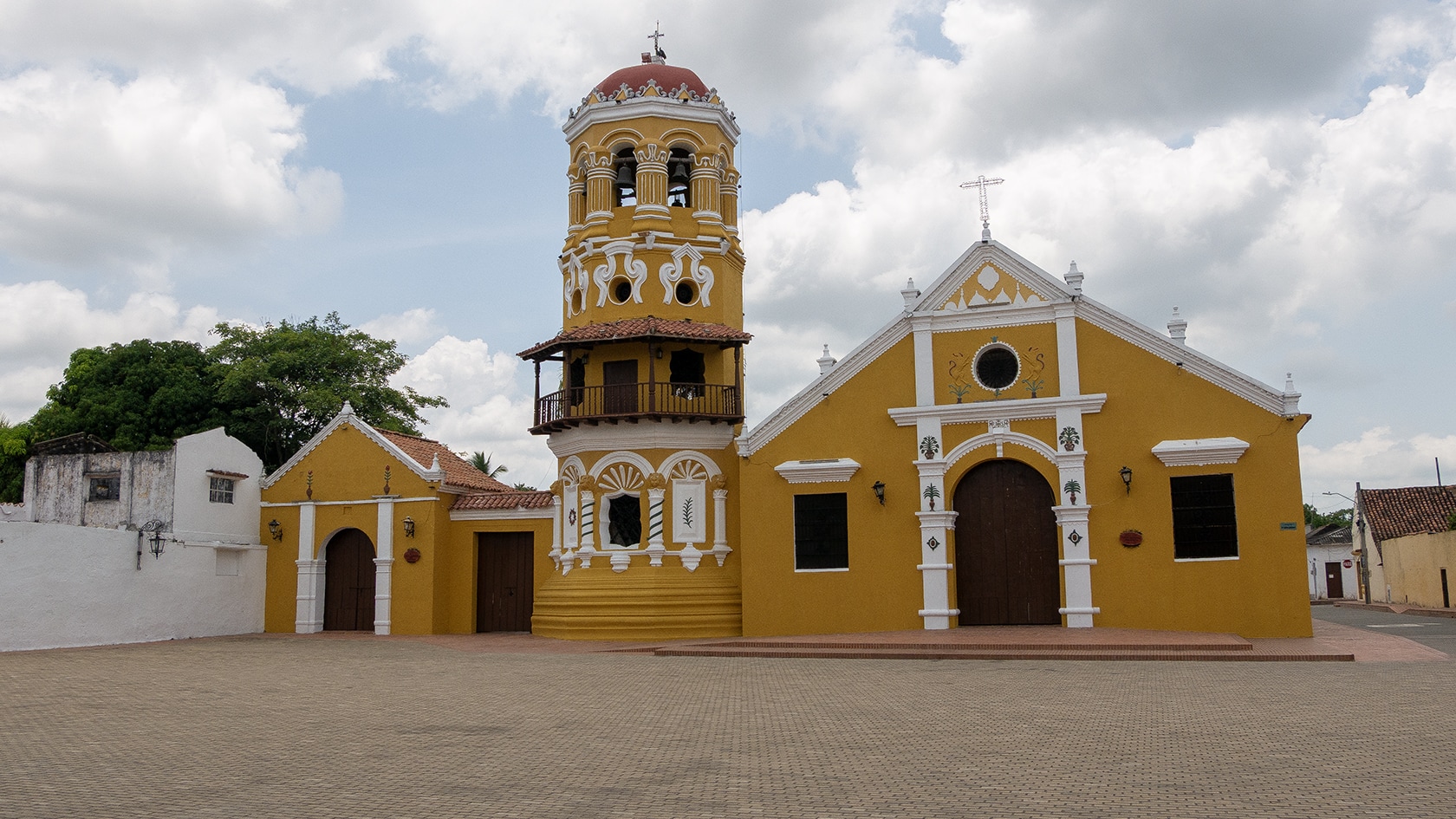
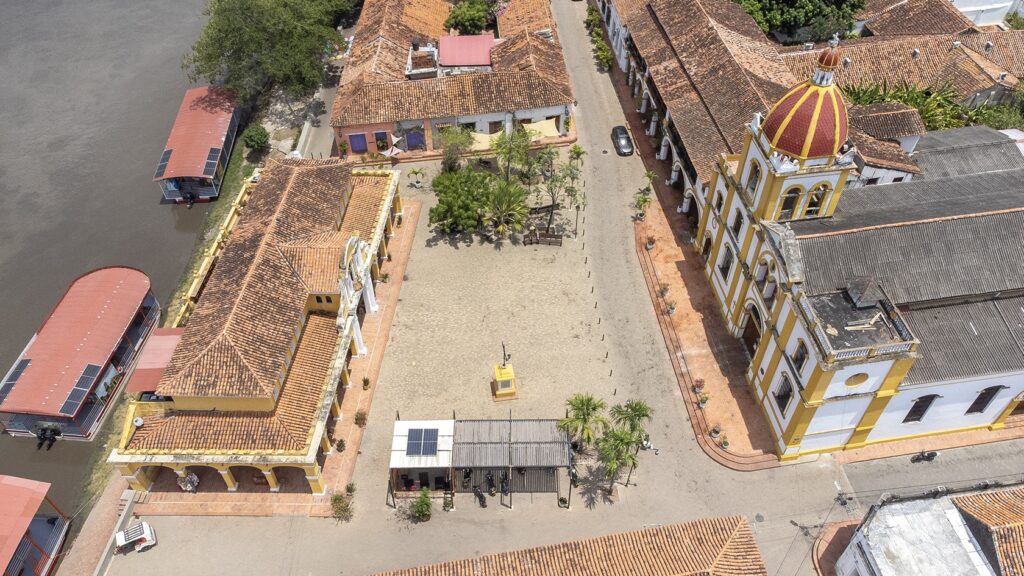
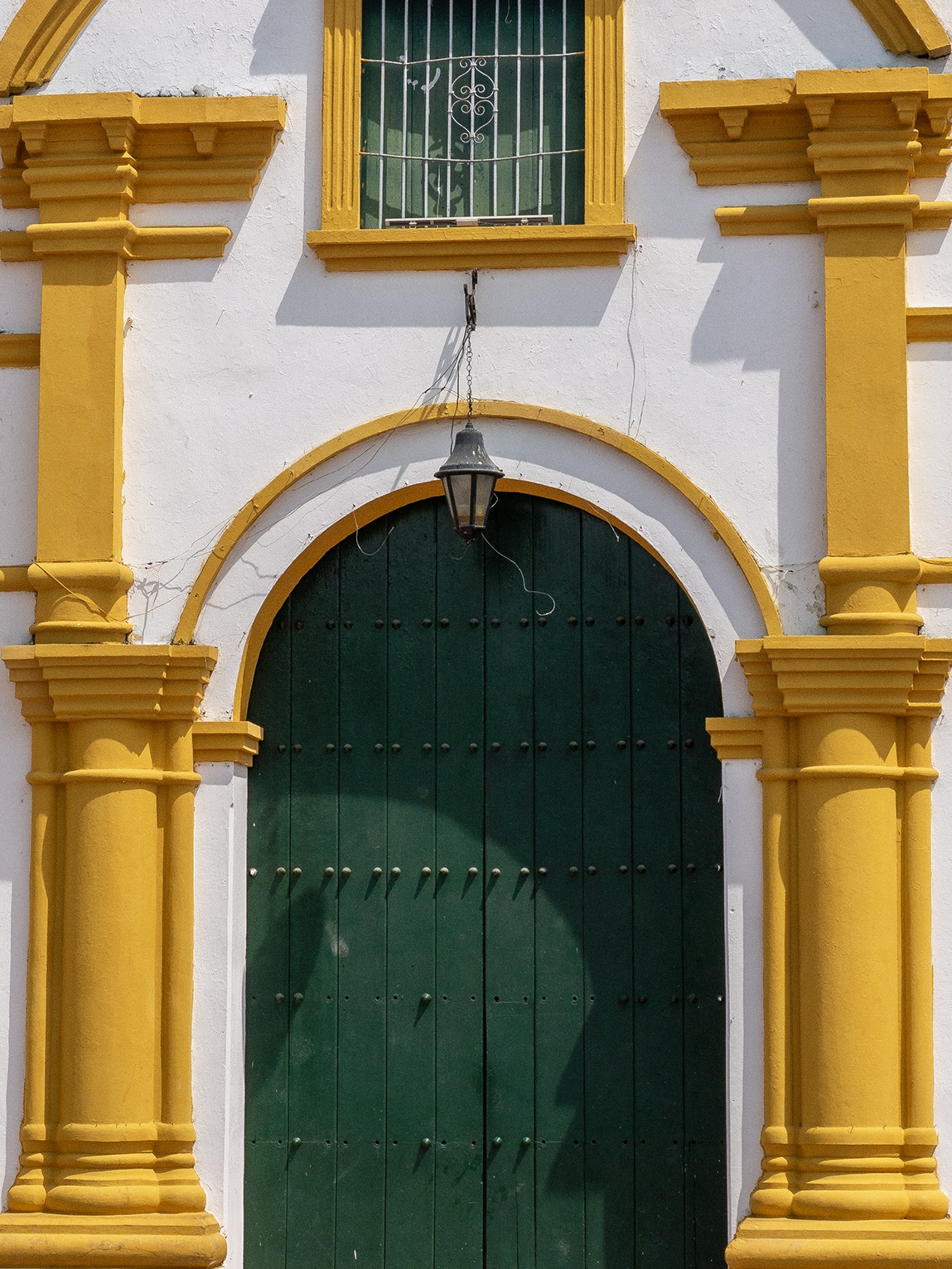
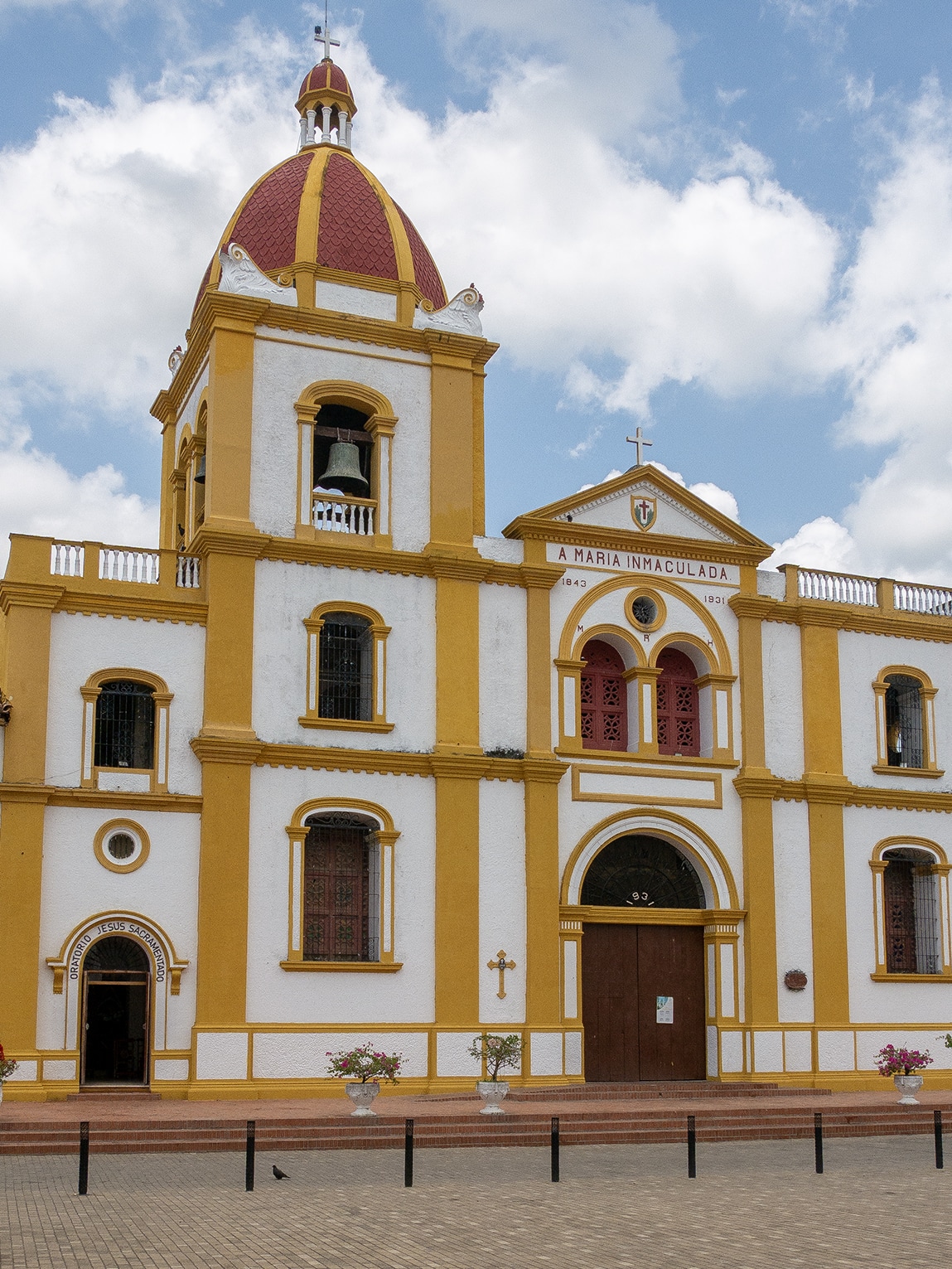
Santa Bárbara is the most recognizable church in Mompox, thanks in large part to its yellow tower adorned with Hispano-Moorish motifs and its unusual balcony. Built on the banks of the Magdalena River, the church and its small plaza form one of the city’s most photogenic spots. Be sure to stop by in the evening, when the plaza takes on a much more local atmosphere.
Plaza and Church of the Immaculate Conception
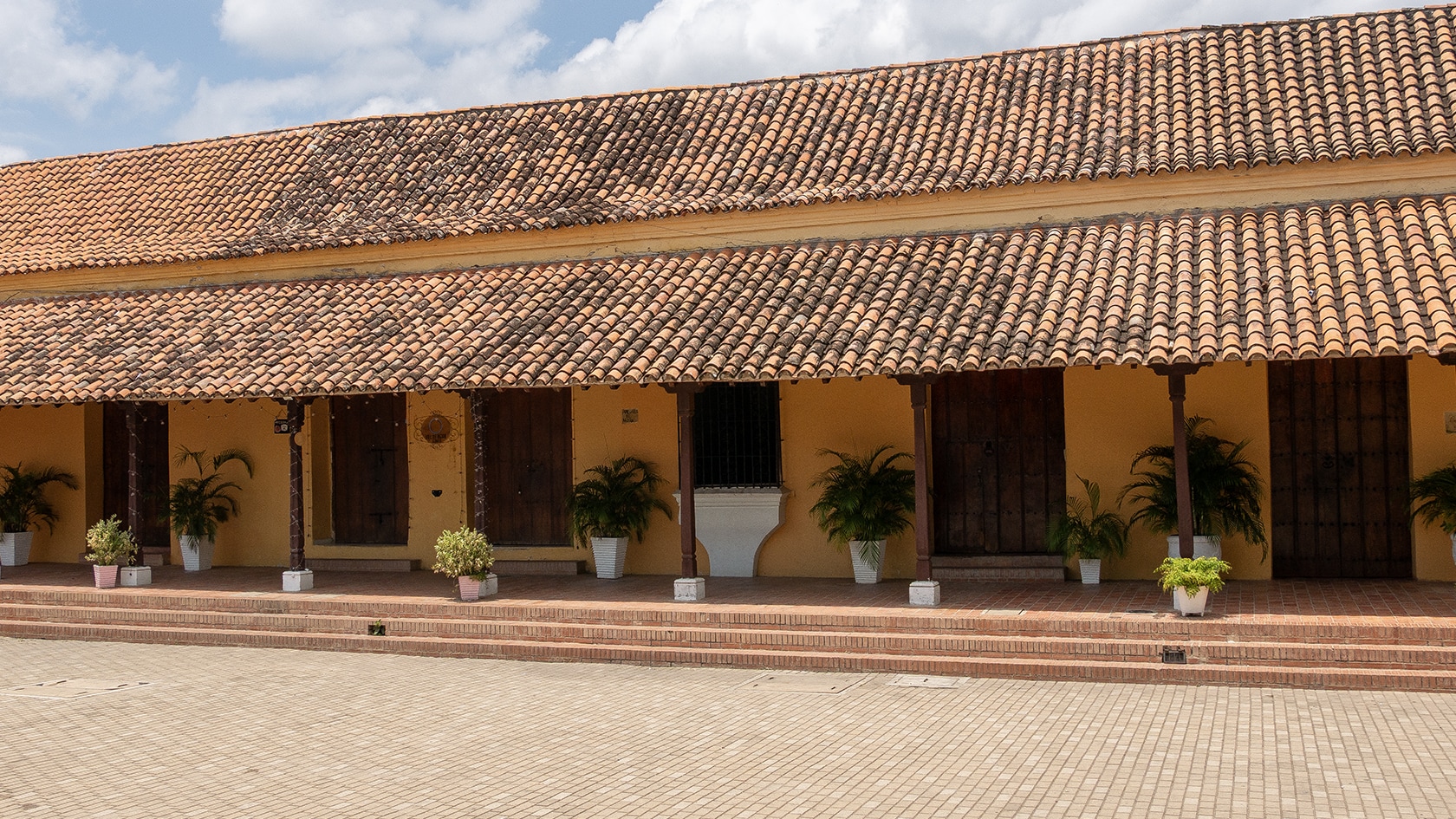
The Plaza de la Inmaculada Concepción marks the original center of Mompox. The current church overlooks a vast square that opens onto the river, facing the old public market built in 1910. The site is of both historical and urban interest: by spending a few minutes here, we gain a better understanding of how the colonial city was organized around the Magdalena River rather than around a single central square.
Iglesia and Plaza de San Francisco
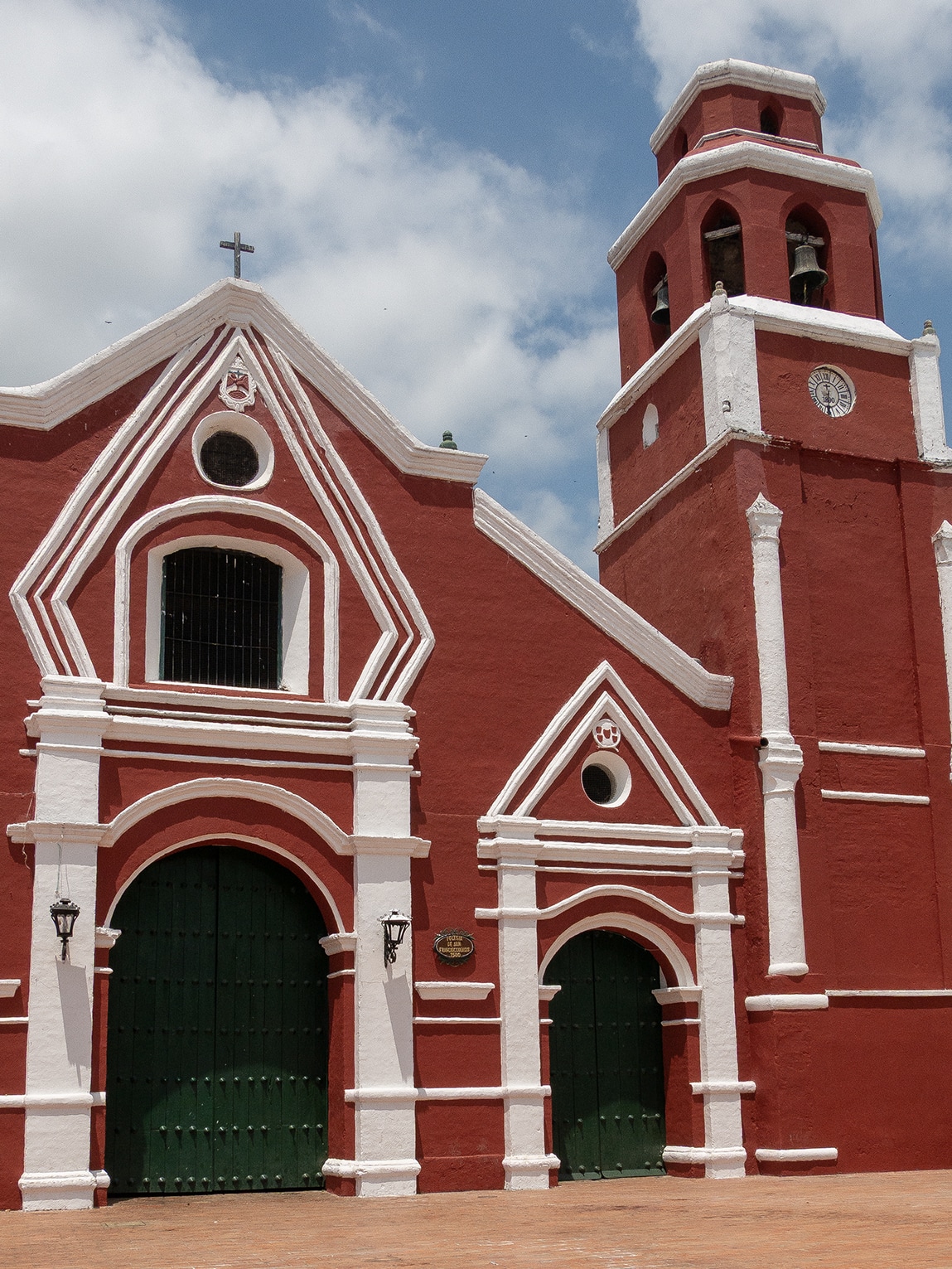
At the northern end of the historic center, the Church of San Francisco and its plaza offer a quieter stop than Santa Bárbara or La Concepción. A Franciscan convent once stood on this site, which was an important part of colonial religious life. Its colorful façade and its location right on the Albarrada also make it a pleasant stop during a walk along the river.
Church of San Agustín
The Church of San Agustín, now the Shrine of the Santísimo Cristo Milagroso, is one of Mompox’s main places of worship. Its significance extends beyond its architecture: it offers a glimpse into the importance religion still holds in the city, particularly during Holy Week. Try to visit when it’s open, while of course respecting the services and times of prayer.
Plaza Santo Domingo and the Church of Santo Domingo
Plaza Santo Domingo, also known as Plaza Juan B. del Corral, is named after the native of Mompos who played a major role in Antioquia’s independence. The neighboring church has an even longer history: a chapel stood here as early as 1544, while the current building dates back to 1856. The Inquisition Tribunal was once located nearby.
San Juan de Dios Church and Hospital
San Juan de Dios stands out from the other churches in Mompox. Next to the church is the old hospital, whose origins date back more than four centuries and which continued to serve a medical function for a long time. Inside the church, the altar combines various classical elements and is one of the most remarkable religious ensembles in the local heritage.
Plaza de la Libertad
This square has almost as many names as Mompox has churches: Plaza de la Compañía, San Carlos, Independencia, and Libertad. It was once home to the Jesuit college and convent. After 1810, it became associated with independence; in 1874, a statue depicting Liberty breaking her chains gave it its current name.
Plaza de Bolívar or Plaza del Tamarindo
This small square is located at the intersection of Calle Real del Medio and Callejón de la Concepción. It was formerly known as Plaza del Tamarindo, in reference to a tamarind tree that tradition associates with the naturalist José Celestino Mutis. A statue of Bolívar was erected there in 1913, and the square gradually came to be known by its current name.
Portales de la Marquesa
Overlooking the Magdalena River, the Portales de la Marquesa are among the most beautiful examples of domestic architecture in Mompox. These grand arcaded mansions serve as a reminder of the wealth of the merchant and noble families who settled here in the 17th and 18th centuries. Some now house lodging or cafés, allowing visitors to explore their galleries, high ceilings, and patios beyond the simple facade.
Portales del Moral
Although less well-known than those of La Marquesa, the Portales del Moral are a great way to round out your exploration of Mompos’s civil architecture. Also located near the river, they historically combined commercial and residential functions. The site is particularly noteworthy for observing how the houses, covered galleries, and public spaces once connected directly with the activity along the Magdalena River.
The municipal cemetery
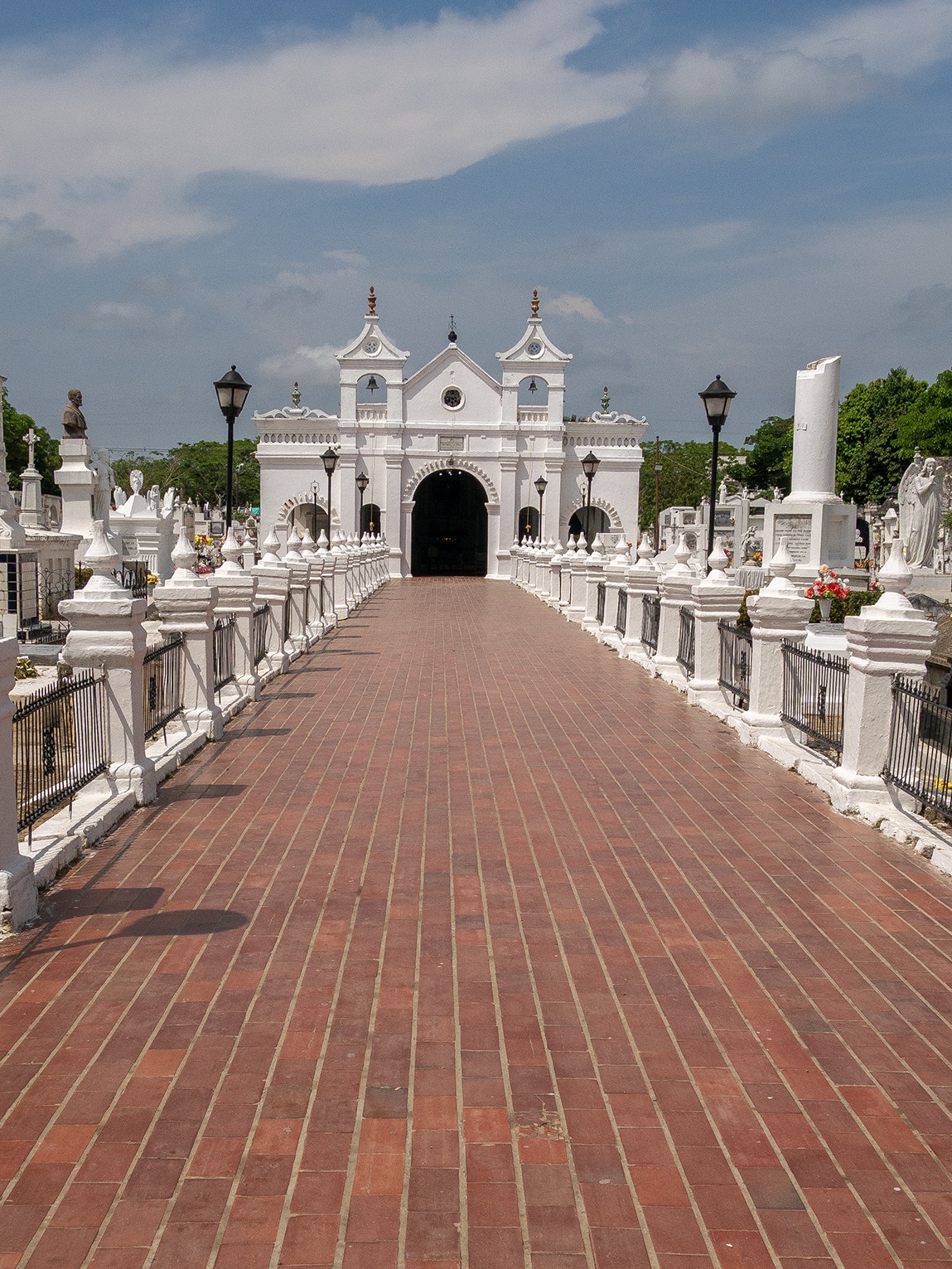
The municipal cemetery is striking for its almost entirely white aesthetic: arcaded galleries, stacked tombs, a small chapel, and funerary monuments come together to form a surprisingly harmonious setting. Established in the 19th century, it is one of Mompox’s most significant heritage sites. Cats also live among the graves, adding to the site’s unique atmosphere. Visit it discreetly: it is still an active cemetery.
The Museo de Arte Religioso
Mompox has a religious heritage that goes far beyond its churches alone. The museum houses artifacts related to several centuries of local Catholic traditions and, in particular, offers insight into the exceptional significance of Holy Week. It therefore perfectly complements a tour of the churches, especially if you’re visiting outside of the festivities and won’t be able to see certain processional items used only during Easter.
The Casa de la Cultura
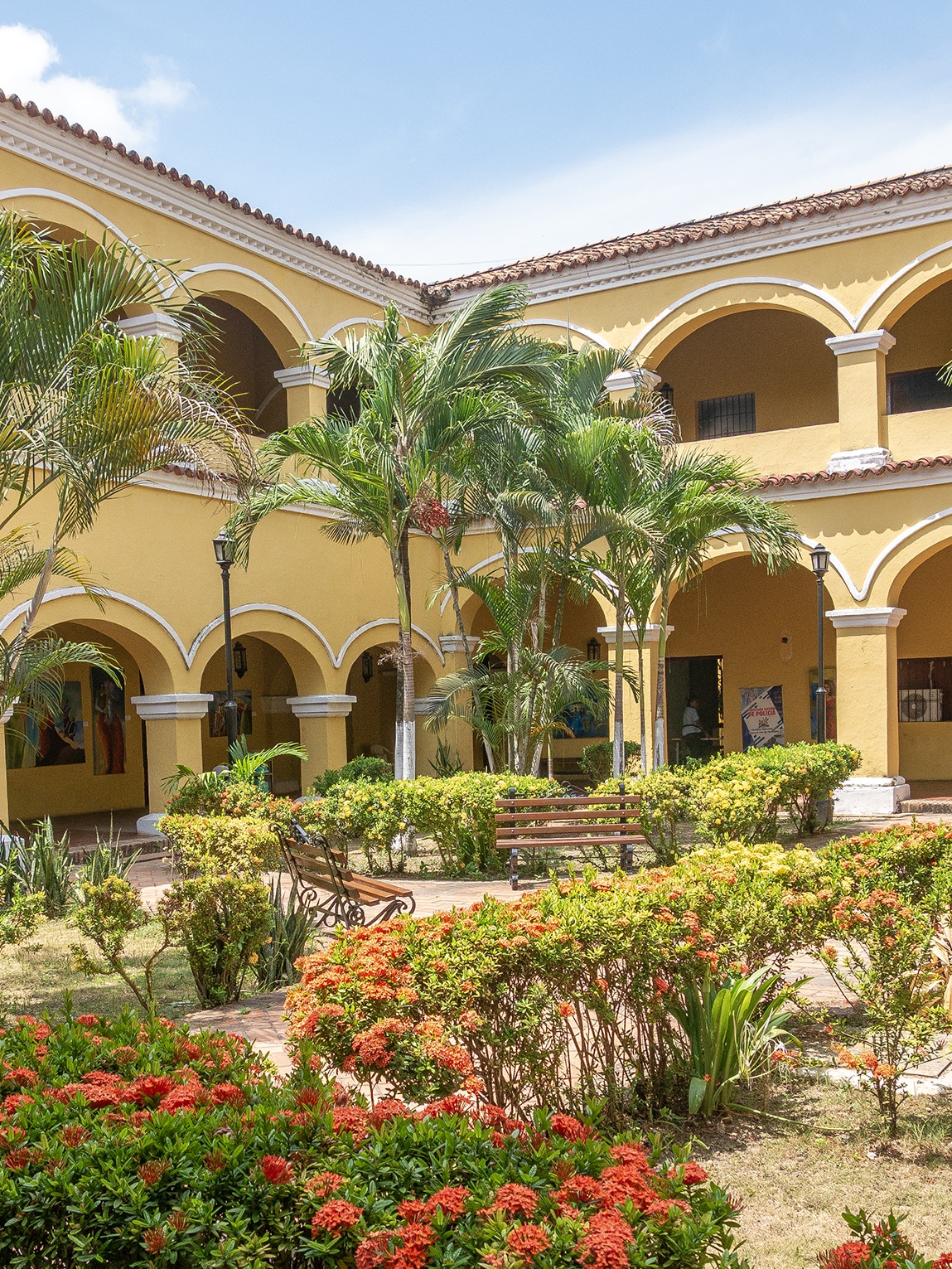
Housed in a 17th-century colonial mansion, the Casa de la Cultura is also home to the Academia de Historia de Santa Cruz de Mompox. It’s a great stop to look beyond the facades and gain a deeper understanding of local history and cultural life. Exhibitions and craft workshops are also held there from time to time, particularly during the city’s major events.
Colegio Pinillos
Housed in a 17th-century colonial mansion, the Casa de la Cultura is also home to the Academia de Historia de Santa Cruz de Mompox. It’s a great stop to look beyond the facades and gain a deeper understanding of local history and cultural life. Exhibitions and craft workshops are also held there from time to time, particularly during the city’s major events.
Visit a filigree workshop
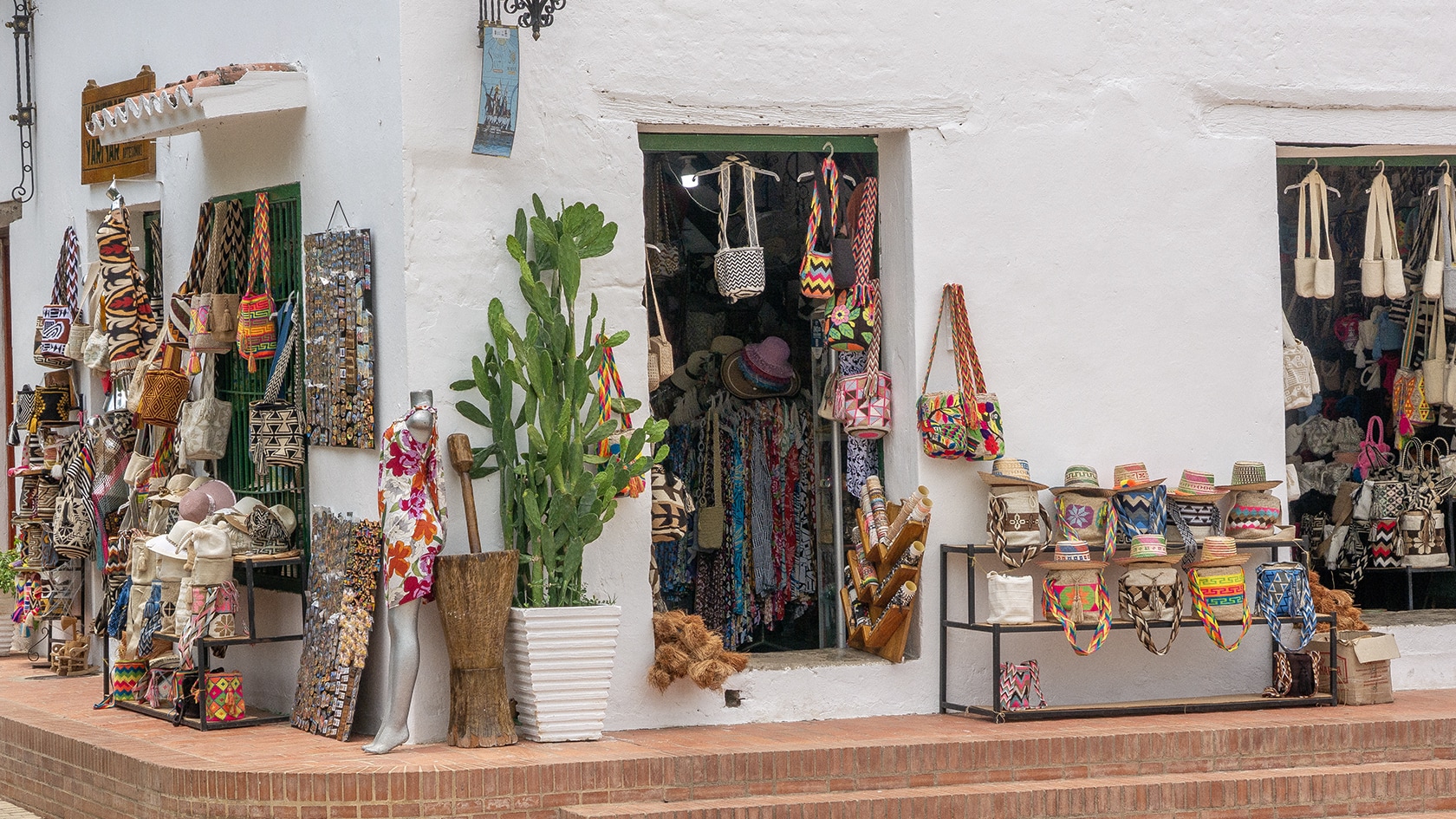
Watching a goldsmith at work is more interesting than simply buying a piece of jewelry. In the workshops of Mompox, tiny strands of gold or silver are twisted and then assembled by hand to form earrings, pendants, or articulated fish. Several workshops are clustered around Calle Real del Medio: ask if a demonstration is available before choosing your piece.
Around Santa Cruz de Mompox
The area surrounding Mompox offers insight into what the historic center reveals only in part: the amphibious culture of the Mompox Depression. Just a few kilometers away, the city gives way to ciénagas, fishing villages, farmland, and communities where traditional music, dances, and crafts still thrive. Several day trips can easily be taken over half a day or a full day without changing accommodations. We’d especially recommend Pijiño for its natural beauty, followed by Tierra Firme, San Sebastián, or Cicuco to discover a more rural and cultural side of the region.
The Pijiño Marsh
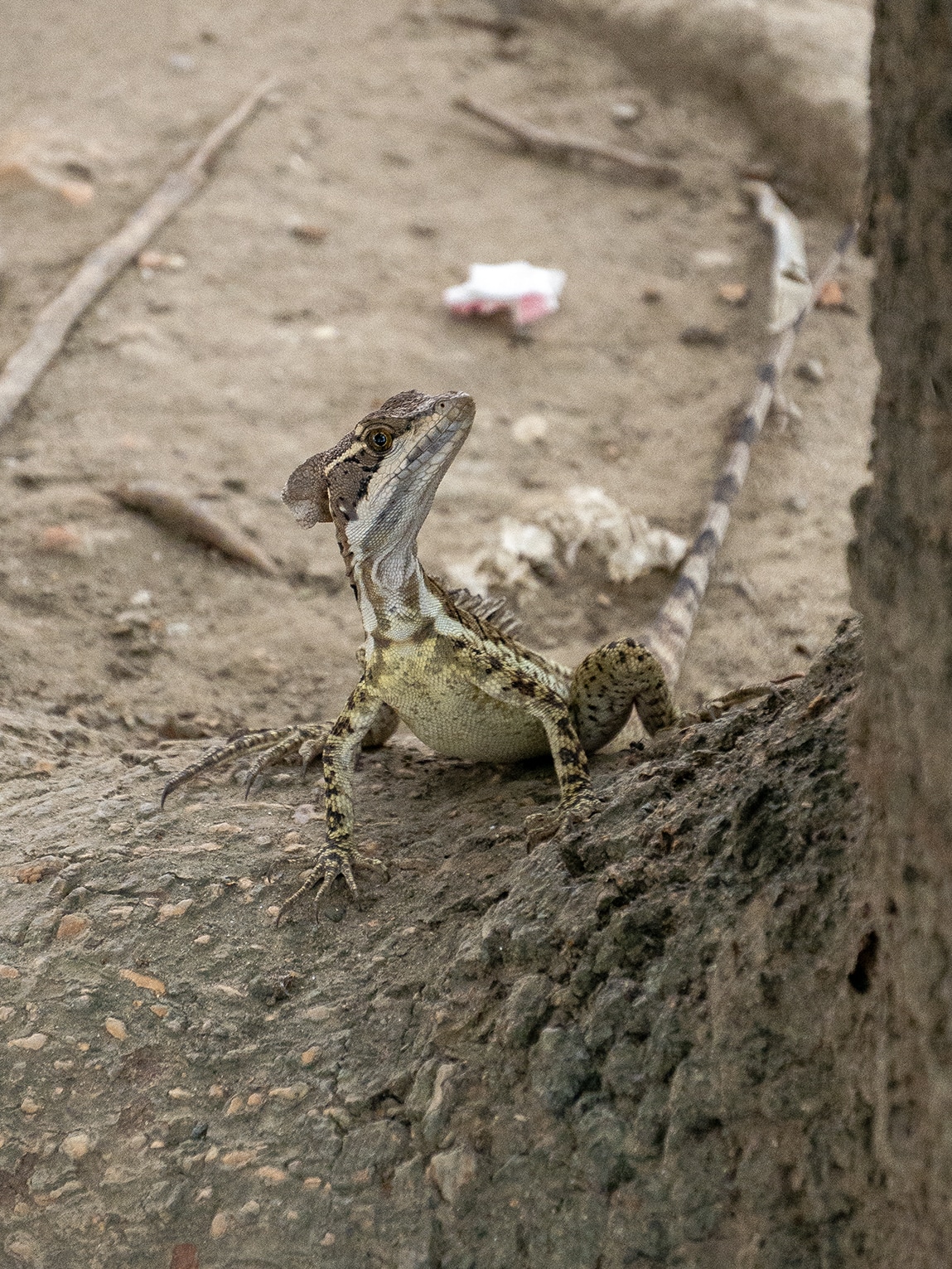
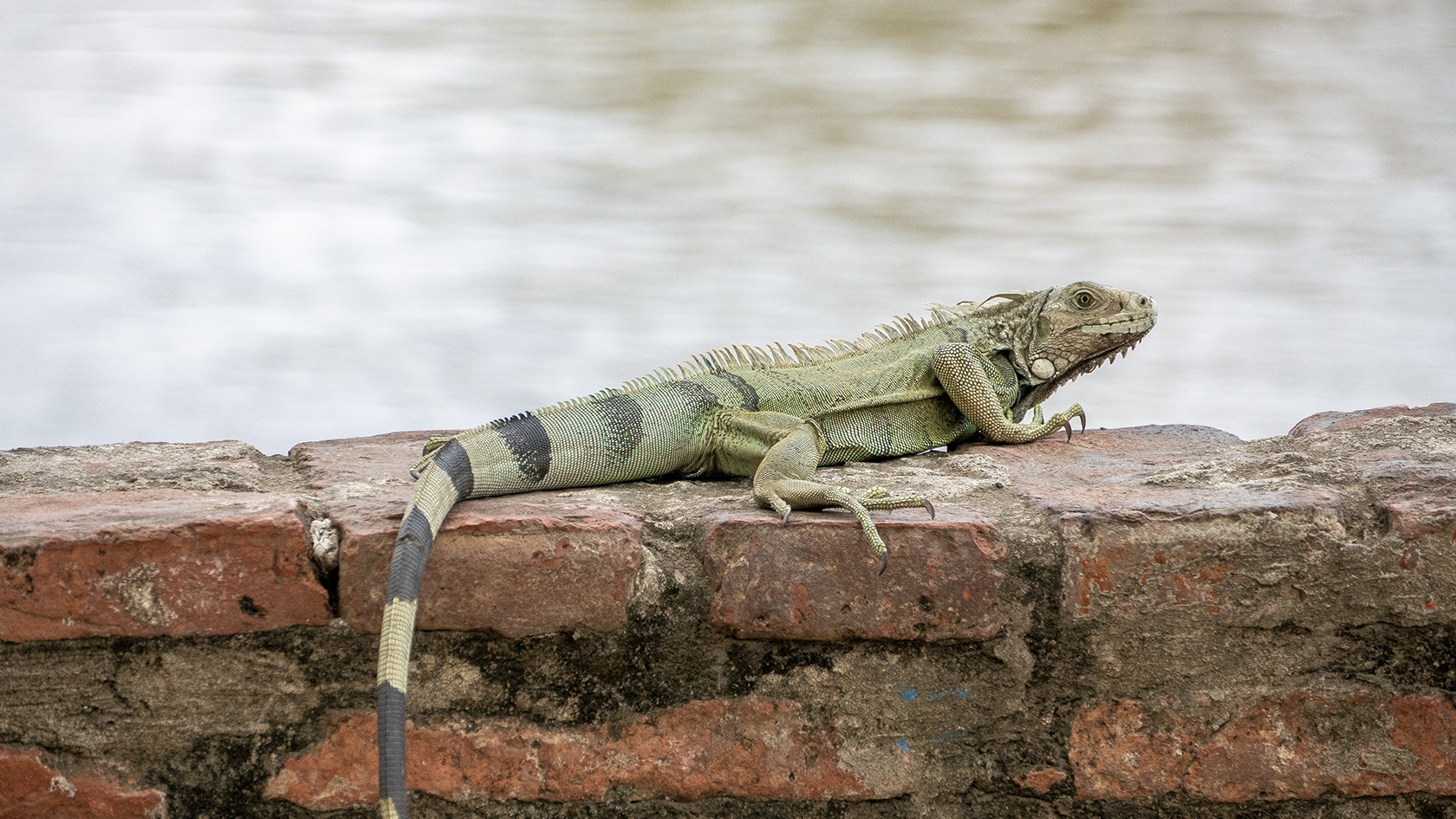
The Ciénaga de Pijiño is the most obvious nature excursion from Mompox. We leave from the San Francisco pier and follow the Mompox channel, then narrower canals, passing herons, kingfishers, cormorants, iguanas, and babillas. The trip lasts about three hours, with beautiful light on the way back if you choose the afternoon departure.
El Yayal, Tierra Firme, and Loma de Simón
About 7 km from Mompox, the rural corridor of Tierra Firme and Loma de Simón reveals a much lesser-known side of the region. The Camino El Yayal combines agricultural landscapes, cuisine, crafts, and local traditions. Some community visits include pottery demonstrations and the Danza de los Indios Malibúes, a local cultural heritage.
San Sebastián de Buenavista, the land of chandé
On the other side of the Magdalena River, San Sebastián de Buenavista offers an experience that is more cultural than historical. This village in the Magdalena Department strongly celebrates the chandé, a traditional rhythm still performed by local musicians. Excursions from Mompox typically combine a river crossing or road trip, a cultural experience, and a regional lunch, offering a roughly five-hour immersion off the beaten path of the classic colonial tour.
Cicuco, casabe, music, and water landscapes
About half an hour from Mompox, Cicuco offers a truly local excursion centered on the traditional crafts of the Mompox Basin. There, you can discover the traditional production of casabe made from cassava, the Soneros de Cicuco, and the dance of the Enanos. The Caño Violo and the Ciénaga Pajaral add an interesting natural dimension, particularly for birdwatching.
Agencies and Guides
In Mompox, hiring a good guide really makes a difference to your visit. Much of what makes the place interesting isn’t immediately obvious: the history of river trade, Simón Bolívar’s role, religious traditions, colonial architecture, and even how the surrounding ciénagas function. For certain excursions, especially boat tours, booking through a local operator also simplifies all the logistics.
So here we’ve selected a few local guides and agencies that we recommend, giving priority to those who truly know the area and can offer more than just a typical tourist itinerary. Depending on what you’re looking for, you can choose between a historical tour, a cultural exploration, a nature outing, or a more comprehensive excursion around Mompox.
Recommended Service Providers
Retro Mompós
A local agency offering tours focused on history, architecture, watermarks, gastronomy, and nature excursions. We especially appreciate the variety of itineraries and the immersive approach, led by professional guides who know the region well.
https://www.mompoxretro.co/ – gerencia@mompoxretro.co – (+57) 312 6699882
Mompox Mágico Travel
An excellent option for delving deeper into the history of Mompox: Luís Alfredo Domínguez is a professional tour guide, historian, former director of the local archives, and member of the Academia de Historia.
https://mompoxmagico.com – alfredodh@gmail.com – (+57) 310 3513606
Our Experience with Mompós Retro
We recommend Mompox Retro after trying out three of their activities: the historical walking tour, the trip to the Ciénaga de Pijiño, and the Ruta de la Filigrana. All three experiences went very well, with professional organization, engaging guides, and services that lived up to what was advertised.
Guided Tour of Mompox
We chose Mompox Retro to explore the historic center and really enjoyed this small-group guided tour. For about 3 hours, the guide traced the evolution of Mompox, its colonial architecture, its commercial role, and the key events in its history while walking through the main streets, squares, and churches. The tour was very well organized, lively, and truly informative: for us, it’s one of the best ways to understand the city beyond its pretty facades.
Duration: about 3 hours
Price: 70,000 COP per person.
Tour of the Pijiño Marsh
We also booked a boat trip to the Ciénaga de Pijiño through Mompox Retro, once again as part of a shared tour. For about three hours, we sailed down the Magdalena River and then through narrower canals to the ciénaga, with plenty of opportunities to observe birds, iguanas, caimans, and local vegetation. Once again, we found the excursion to be very well-organized and interesting, with the added bonus of a great atmosphere on the way back at the end of the day.
Duration: about 3 hours
Price: 50,000 COP per person.
Filigree Workshop (Earring Making)
We also took part in the Ruta de la Filigrana, a tour dedicated to Mompox’s iconic craftsmanship. Over the course of about three hours, we visited several workshops and watched artisans work with tiny strands of gold or silver, while learning about the different stages of the manufacturing process. You can even handle some of the materials yourself. We really enjoyed this experience—it was hands-on, well-organized, and fascinating—and it gave us a real sense of all the work that goes into the jewelry we see all over the city.
Duration: about 3 hours
Price: 180,000 COP per person (including the design of a piece of jewelry to take home) or 140,000 COP per person just to learn about the artisanal process.
How do you get to Santa Cruz de Mompox?
Mompox appears isolated on the map, but it is now directly connected by bus to several major Colombian cities. Since the construction of the new bridges across the Mompox Depression, it is no longer necessary to combine bus rides with ferry crossings as was once the case. The city also has a small airport, San Bernardo (MMP), but scheduled flights remain very limited: flying is mainly a good option from Medellín.
In Mompox, don’t expect a large, traditional bus terminal. Instead, several companies have their own offices and drop-off points, particularly around Carrera 5 #18A-05, just a few minutes from the historic center.
From Cartagena
Cartagena is probably the easiest starting point if you’re planning an itinerary along the Caribbean coast. Unitransco and Expreso Brasilia offer direct buses from the Cartagena Transport Terminal to Mompox. The trip usually takes between 5 hours and 30 minutes and 6 hours and 15 minutes, depending on the service, traffic, and stops. There are several departures throughout the day, from morning until evening.
Tickets generally cost between 80,000 and 100,000 COP. We’d recommend taking a morning or early afternoon bus so you can arrive in Mompox before nightfall.
By plane: There are currently no direct scheduled flights between Cartagena and Mompox. For this distance, the bus is still the most practical option anyway.
From Santa Marta
From Santa Marta, Copetran operates a direct route to Mompox. The currently available services depart from the Santa Marta Transportation Terminal in the mid- to late afternoon. The trip takes approximately 7 hours and 15 minutes to 8 hours.
The fare is around 90,000 to 100,000 COP. Since there are far fewer departures than from Cartagena—usually two per day according to the currently published schedules—we recommend booking at least one day in advance rather than arriving at the terminal without checking first.
By plane: There are currently no direct scheduled flights between Santa Marta and Mompox. The direct bus is much simpler than a flight with a layover.
From Medellín
From Medellín, you have two really good options.
By bus, Rápido Ochoa and Expreso Brasilia offer direct overnight services from Medellín to Mompox. Departures are currently scheduled between 7:15 p.m. and 8:45 p.m., with arrival the following morning. The trip takes about 11 hours and 40 minutes to 12 hours and 30 minutes, with fares generally ranging from 150,000 to 190,000 COP.
But Medellín is, above all, the city where flying really becomes interesting. SATENA operates a direct flight from Olaya Herrera Airport (EOH) to San Bernardo de Mompox Airport (MMP). The flight takes about 1 hour and currently operates on Mondays, Wednesdays, and Fridays.
Current SATENA fares start at around 320,000 COP one way, but may vary significantly depending on the date. San Bernardo Airport is located just a few kilometers from downtown Mompox.
From Bogotá
Bogotá is much farther away, but direct buses allow you to reach Mompox without a transfer. Copetran and Expreso Brasilia currently operate service on this route from the Salitre Terminal. Departures are mainly scheduled in the afternoon and evening, with the trip taking 15 hours and 30 minutes to about 17 hours and 40 minutes.
It generally costs between 155,000 and 180,000 COP, depending on the company and the service you choose. Since this is a very long trip, opt for a night bus that’s comfortable enough and leave some wiggle room in your schedule for the next day.
It is also possible to fly to Mompox with SATENA, but there are no direct flights from Bogotá. The route goes through Medellín–Olaya Herrera and then continues on to Mompox. SATENA currently lists some Bogotá–Mompox routes starting at approximately 405,000 COP one way.
From Bucaramanga
Bucaramanga also has a fairly convenient direct connection. Copetran currently offers a daily bus from the Bucaramanga Transport Terminal, departing around 10 a.m. The trip takes about 7 hours and 20 minutes to 8 hours, allowing you to arrive in Mompox in the late afternoon.
A ticket currently costs around 98,000 COP. The main drawback is the infrequent service: with only one direct departure listed in the schedule we checked, it’s best to book in advance and check the schedule a few days before your trip.
By plane: There are no regular direct flights between Bucaramanga and Mompox. A connection via Medellín is theoretically possible, but for a trip of this length, the direct bus is generally much simpler.
Where should you stay when visiting Santa Cruz de Mompox?
Mompox offers a wide variety of accommodations, ranging from simple little houses to stunning colonial mansions converted into boutique hotels. For a first visit, we would definitely recommend staying in the historic center, ideally between Calle Real del Medio and the Magdalena River—that way, you’ll be able to do almost everything on foot. We’ve selected six particularly interesting options on Booking.com, taking into account price, rating, and the number of reviews left by travelers.
$ – Budget-friendly
Hostel
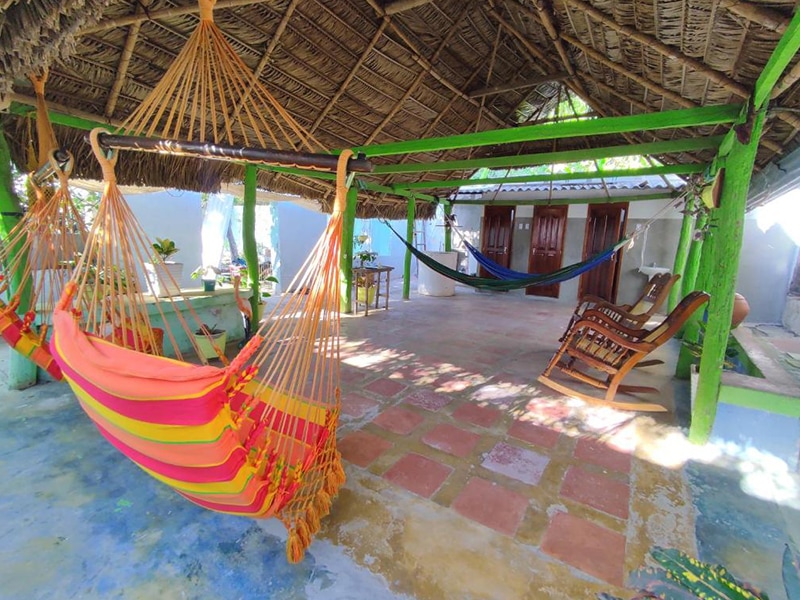
Hostal Casa La Candelaria
An excellent budget option, known for its warm welcome, peaceful atmosphere, and great value for the money. The rooms are simple, with a shared kitchen, a garden, and hammocks for relaxing.
$ – Budget-friendly
Hotel
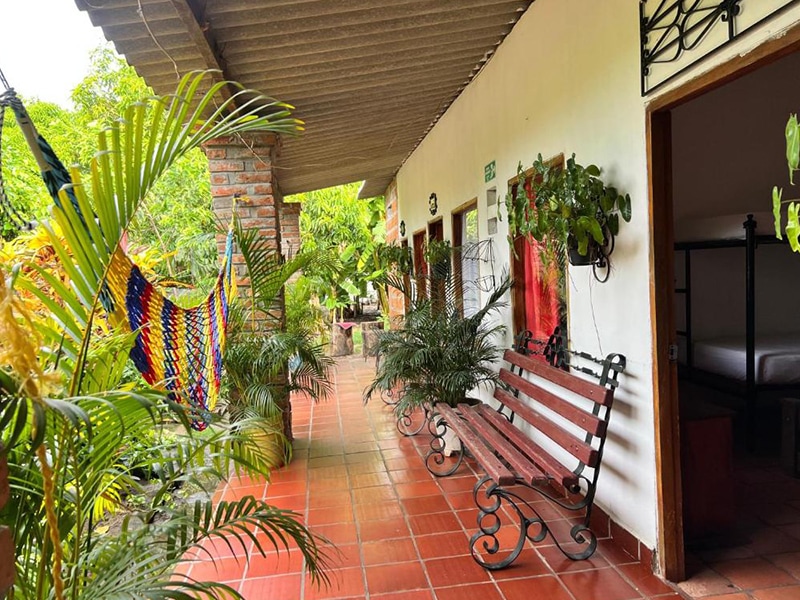
La Casa del Viajero
A simple, comfortable place to stay, perfect for those on a budget, with air conditioning, functional rooms, and good value for the money—just a few minutes’ walk from the historic center.
$$ – Average budget
Hotel
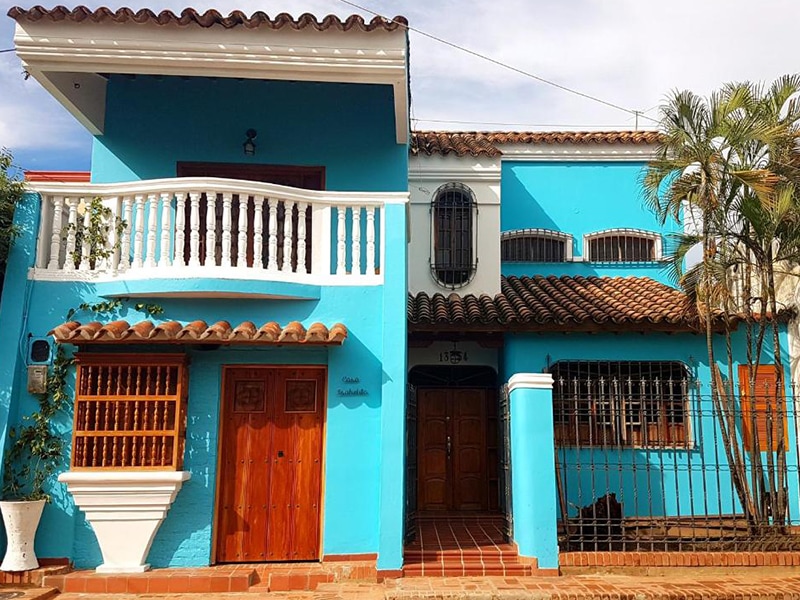
Casa Isabelita
A cozy and conveniently located spot in the historic center, appreciated for its tranquility, terrace, air-conditioned rooms, and good value—ideal for exploring Mompox on foot.
$$ – Average budget
Hotel
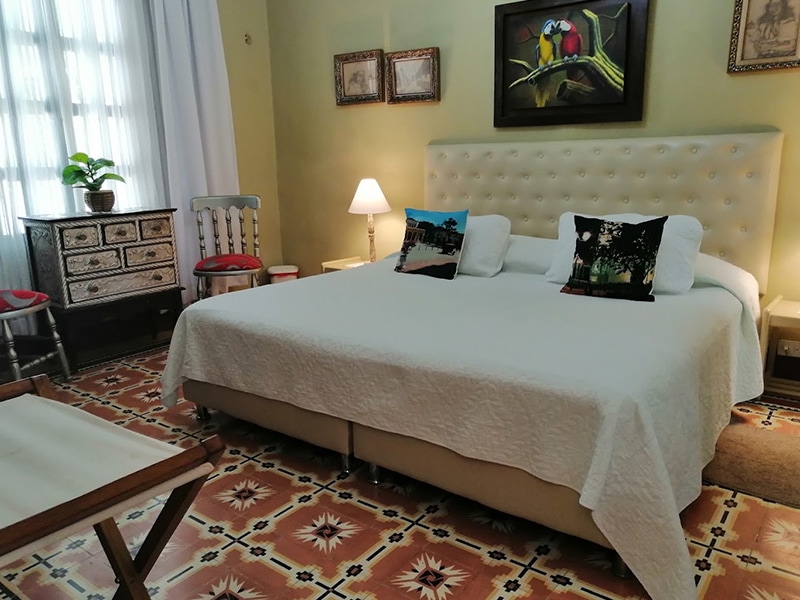
Ana Lorenza Boutique Hotel
An elegant hotel in a historic mansion, featuring a patio, swimming pools, and comfortable rooms. Travelers particularly appreciate its riverside location and warm hospitality.
$$$ – High budget
Hotel
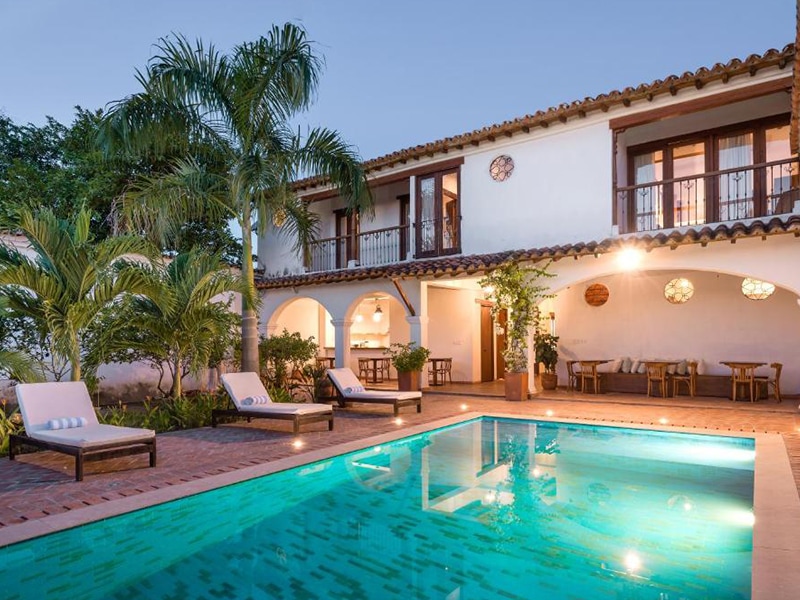
San Rafael
An elegant colonial-style house on the banks of the Magdalena River, prized for its exceptional location, swimming pool, lush patio, comfortable rooms, and the attentive service of the on-site staff.
$$$ – High budget
Hotel
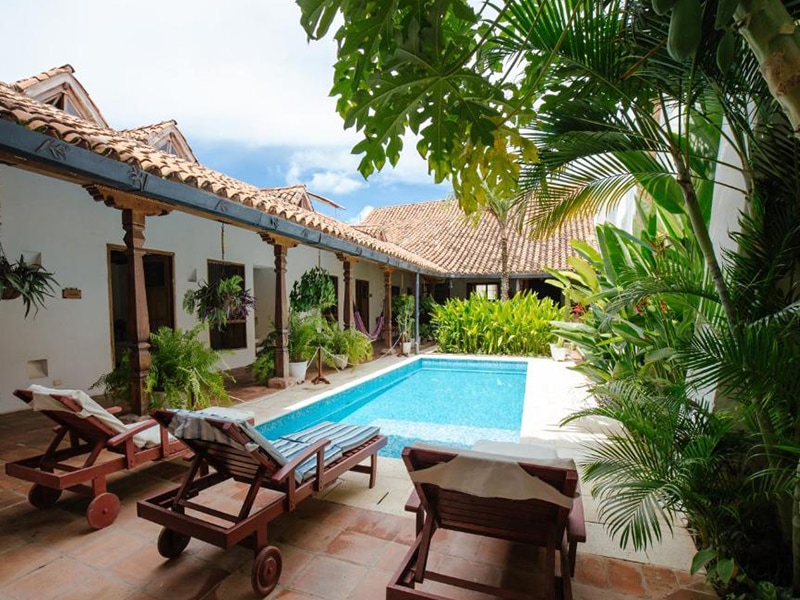
Bioma Boutique Hotel
A lovely, charming place to stay in the heart of the historic district, featuring a pool, a patio, and spacious rooms. We love its peaceful atmosphere and convenient location.
Where to Eat in Santa Cruz de Mompox?
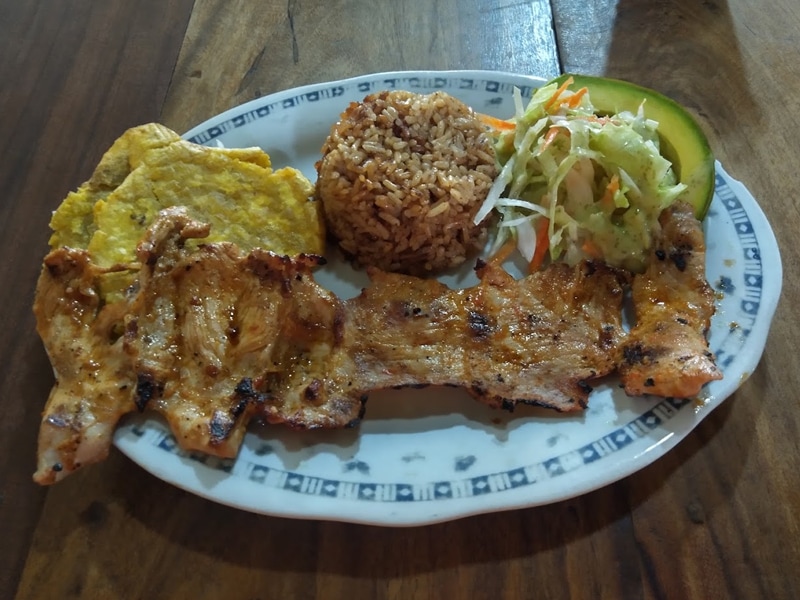
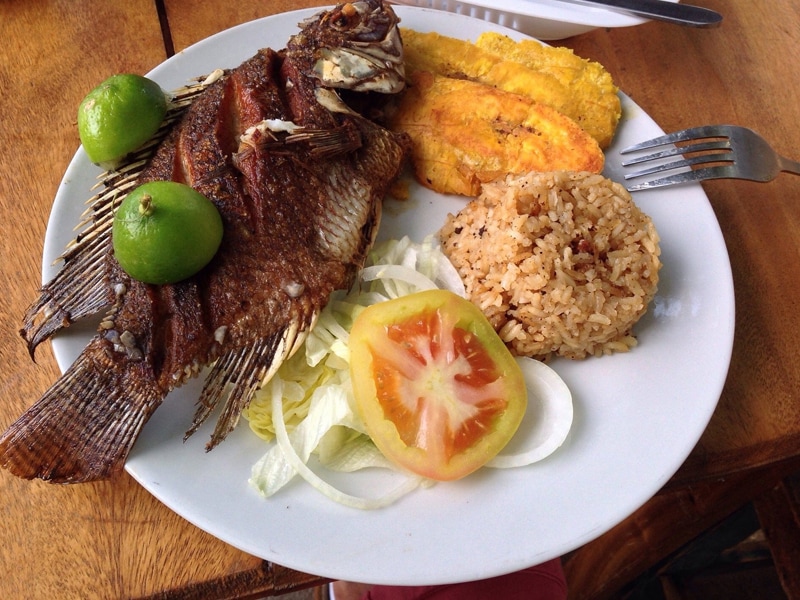
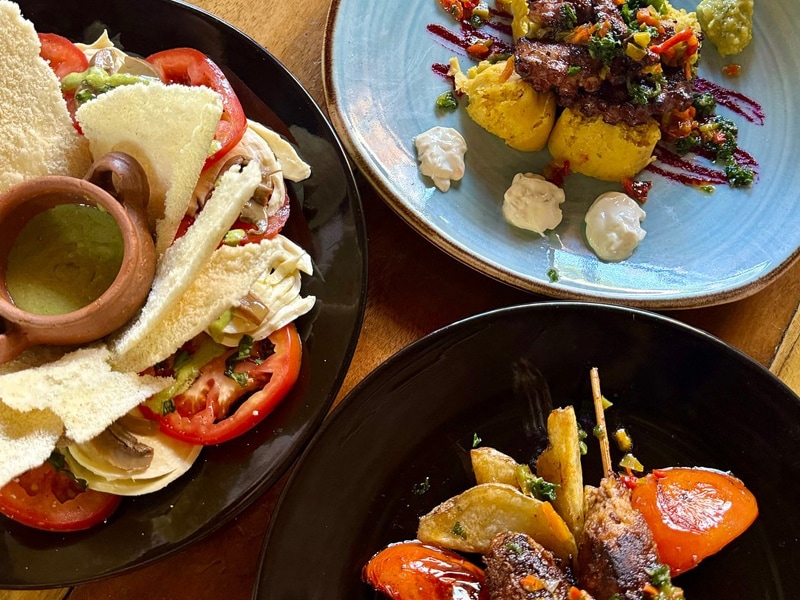
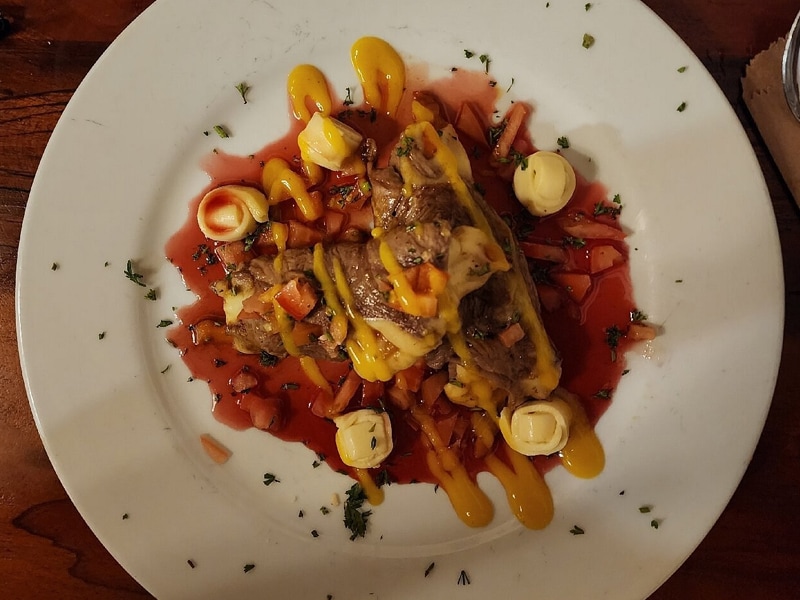
Mompox has a more interesting culinary scene than you might expect for a small town. From traditional cuisine to dining in beautiful colonial homes and more upscale restaurants along the Magdalena River, there’s something for every budget. So we’ve selected several spots where you can enjoy a great meal without limiting yourself to tourist restaurants alone—ranging from simple, affordable meals to more refined dining experiences.
Culinary Specialties of Mompox
Queso de capa: A signature fresh cheese from Mompox; its curd is stretched into thin strips and then rolled into small balls, sometimes around guava paste.
Dulce de limón: This traditional dessert transforms whole lemons through a process that takes several days, designed to remove their bitterness before they are candied.
Momposina butifarra: This small, seasoned, and smoked pork sausage is a popular specialty of Mompox, widely available in town as a snack or side dish.
Viuda de bocachico: A dish deeply rooted in the Magdalena region: salted bocachico cooked with yuca, ñame, plantains, and other tubers, traditionally wrapped in banana leaves.
Catfish à la Momposina: Magdalena River catfish is served in pieces with a criolla sauce made with tomatoes and onions, accompanied by yuca or patacón.
Posta negra momposina: The Mompos-style version of the famous posta negra, this beef dish is slowly simmered in a dark, slightly sweet, and spicy sauce.
Pato en pebre: A traditional dish of duck simmered in a stew flavored with tomatoes, onions, garlic, and spices, usually served with white rice.
Almojábana momposina: This small baked treat, made with cheese and dough, is one of the traditional delicacies still made by hand in Mompox.
Here’s a selection of the good addresses we picked up during our stay.


Tips / Notes
Always carry a water bottle with you. We recommend that you set out each morning with enough water and refill it whenever you have the chance. In this heat, we sweat a lot, sometimes without even realizing it.
Bring a good mosquito repellent. Mosquitoes are particularly common near the river and in wetlands, especially in the evening. We would always keep some in our bag rather than just at the hotel.
Sunscreen is a must. Even if you’re just strolling through the historic district, the sun is intense. A high SPF—ideally SPF 50—is best, and you should reapply it throughout the day.
Wear a hat or cap and sunglasses. Many streets are directly exposed to the sun, and even a few dozen minutes can quickly become grueling in the middle of the day.
Wear light, breathable clothing. Choose fabrics that dry quickly: with the heat and humidity, a T-shirt can end up soaked after a few hours of walking.
Choose a place to stay with air conditioning or a fan. In Mompox, we consider this more of a practical amenity than a luxury.
During the rainy season, keep a small rain accessory in your bag. A lightweight poncho or a compact umbrella is usually enough and takes up almost no space.
Keep some cash on you. Hotels and major restaurants usually accept cards, but cash is still handy for small shops, artisans, transportation, and certain local services.


