
In a nutshell

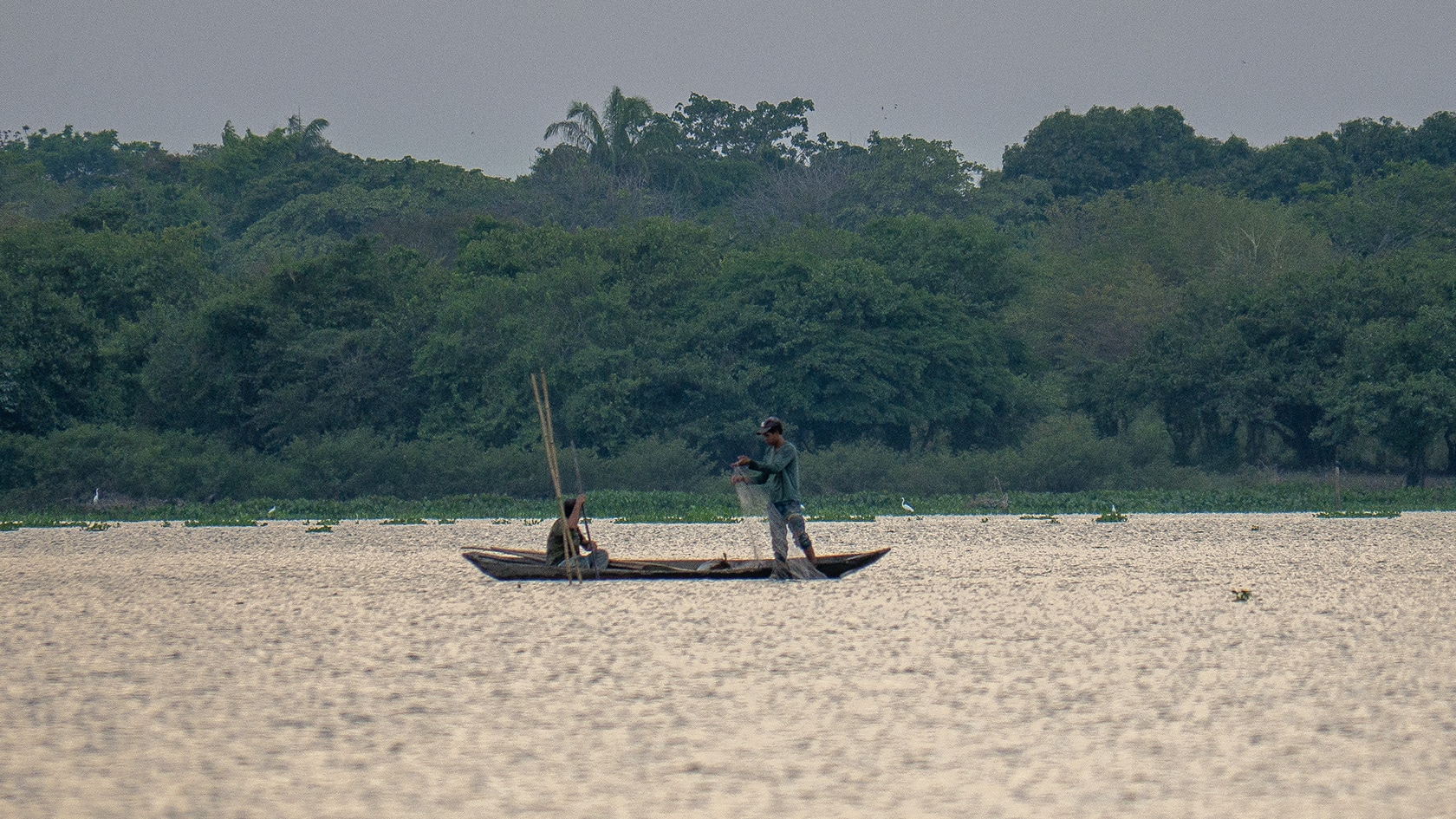
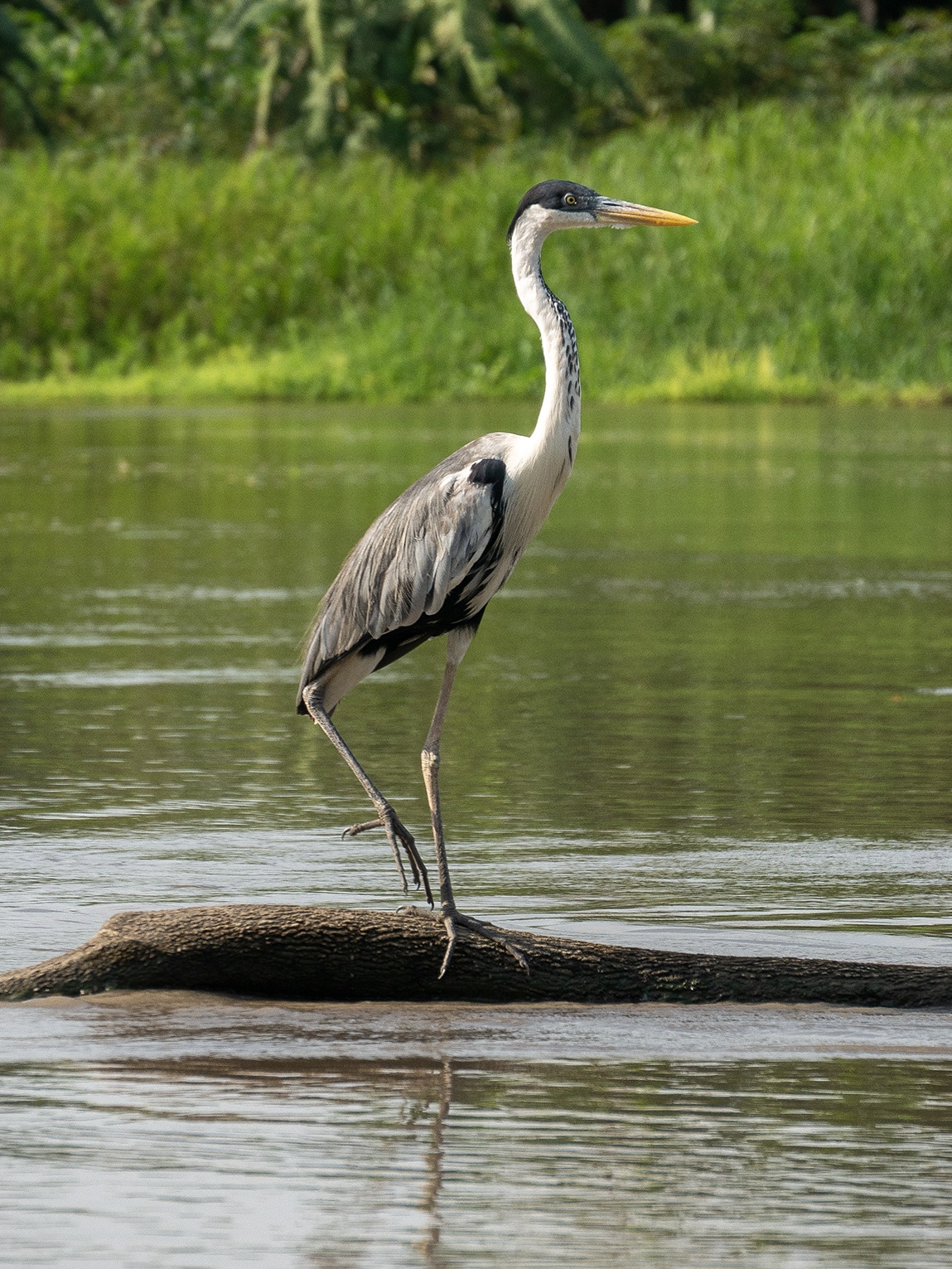
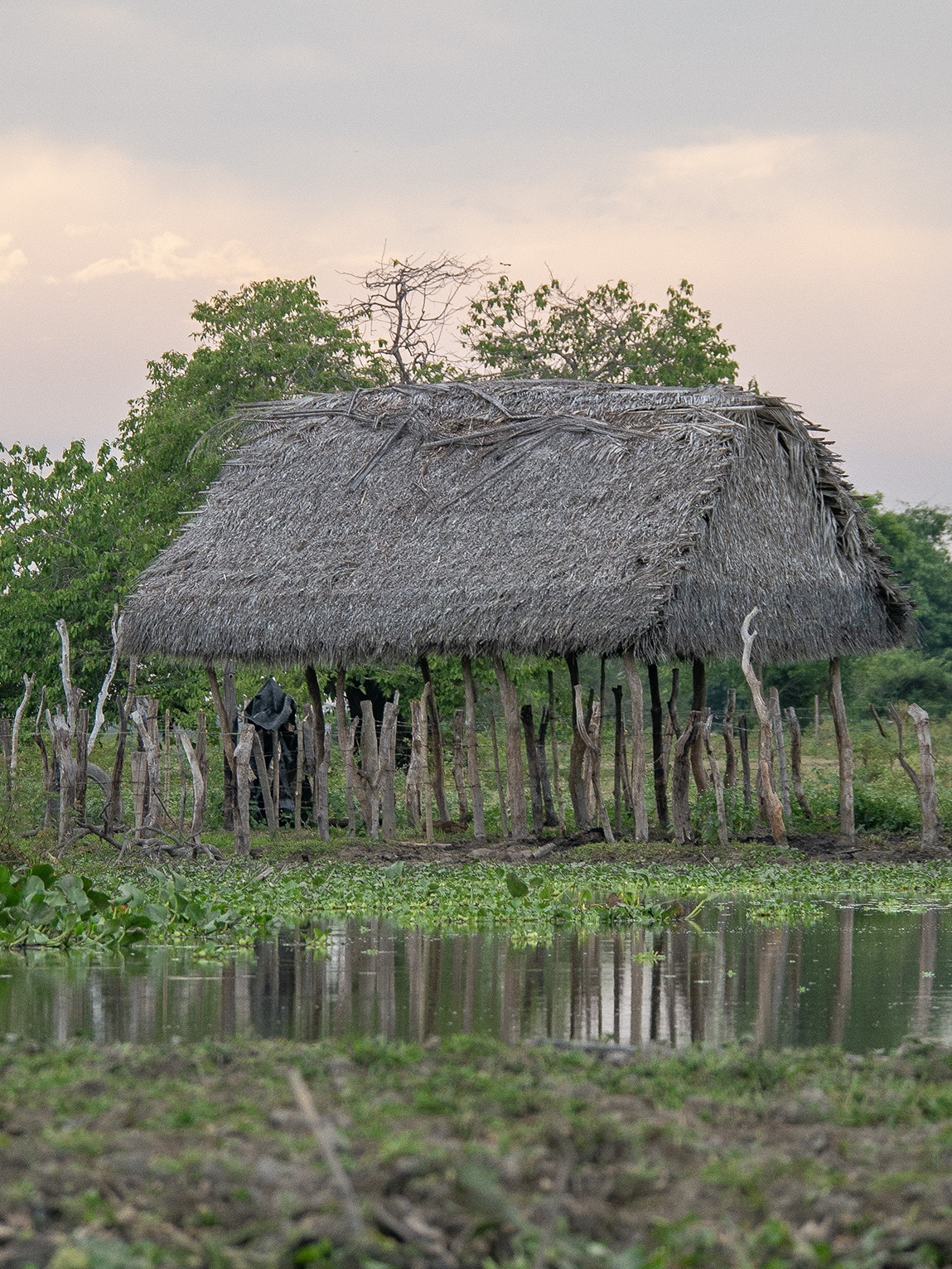
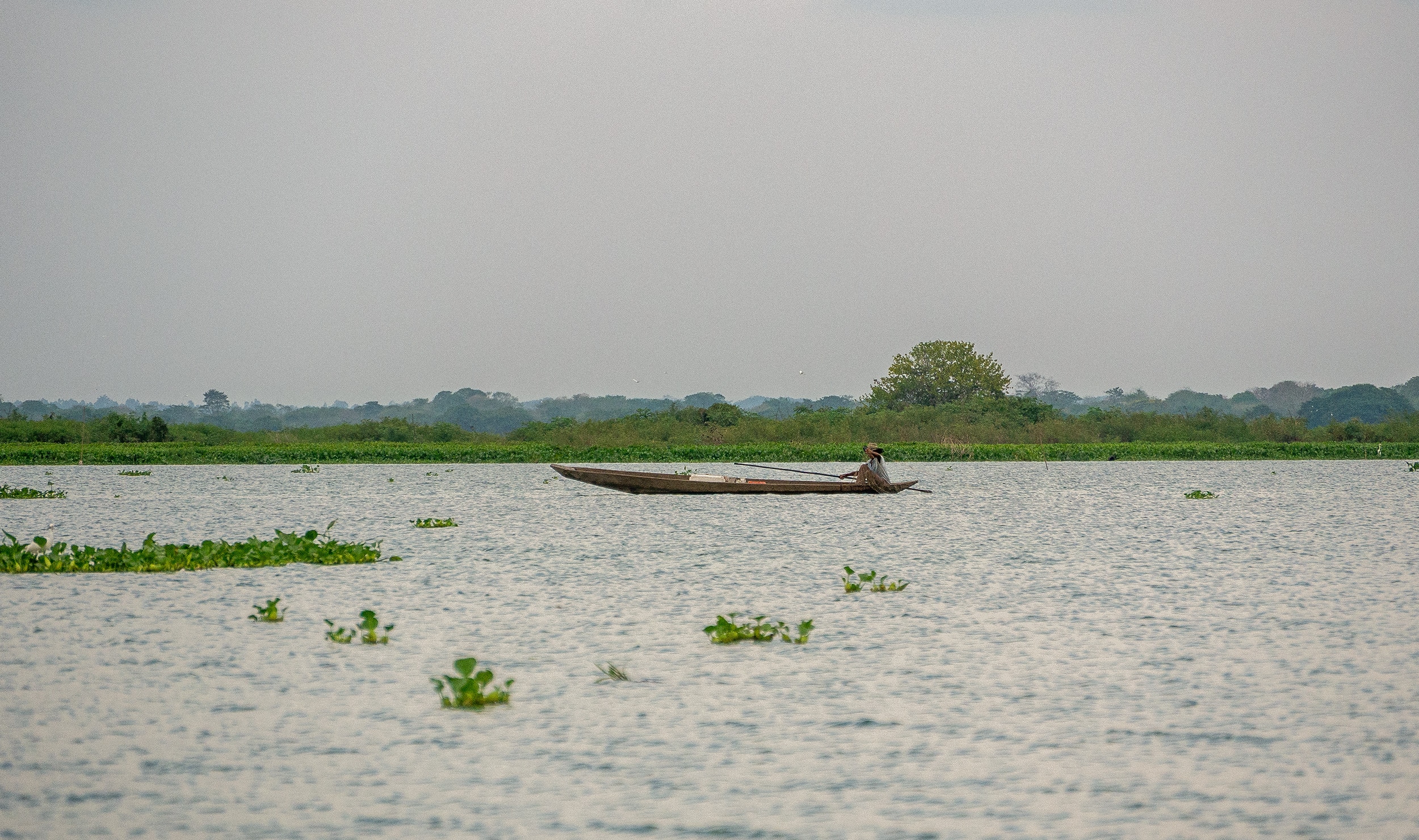
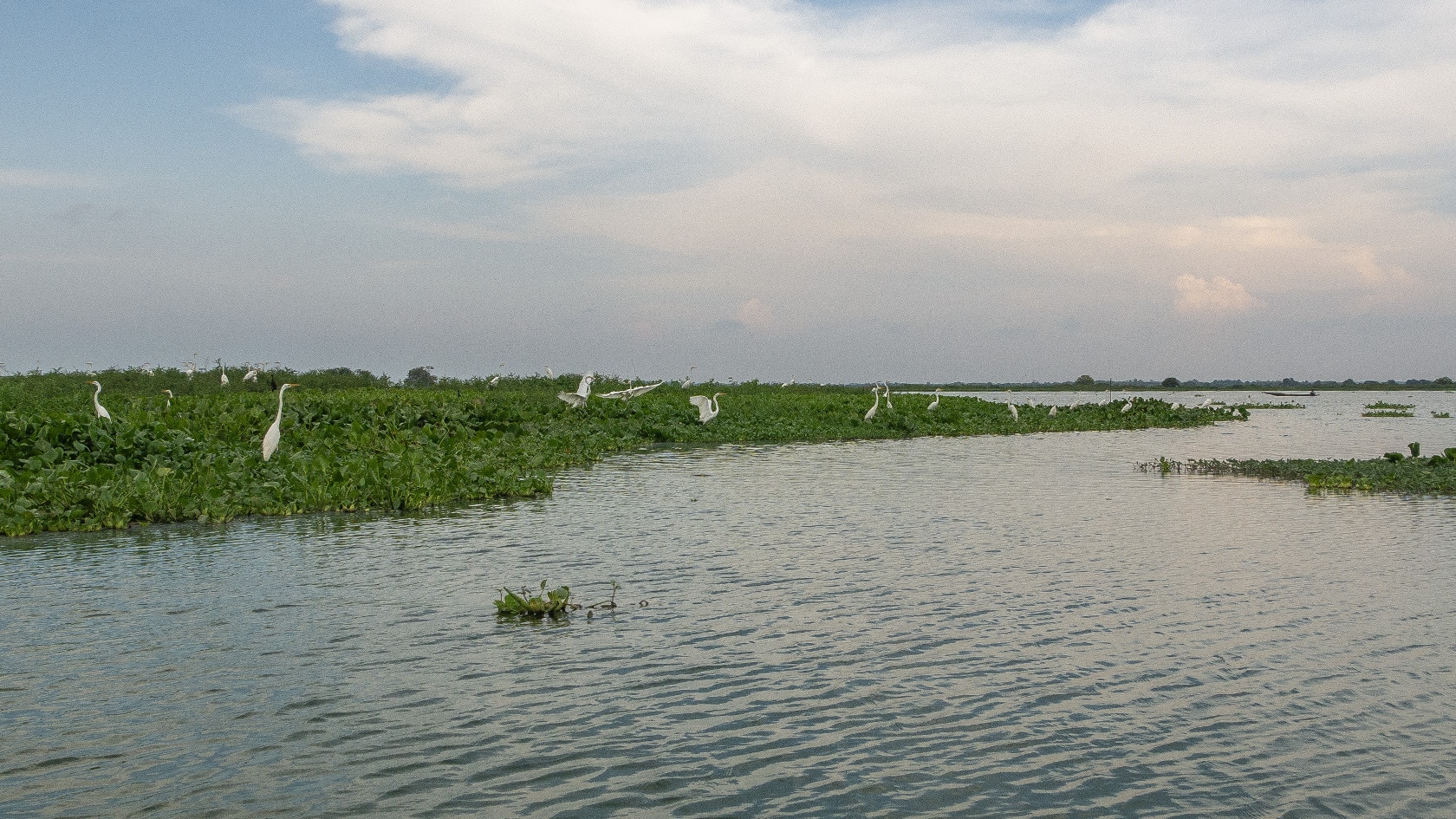
Just a few kilometers from Mompox, the Ciénaga de Pijiño offers a completely different experience from the city’s colonial atmosphere. Here, there are no colorful facades or bustling squares: we travel by boat through the branches of the Río Magdalena, narrow canals, and stretches of water lined with vegetation, with birds, the reflections of the sky, and the silence of the wetlands as our main backdrop.
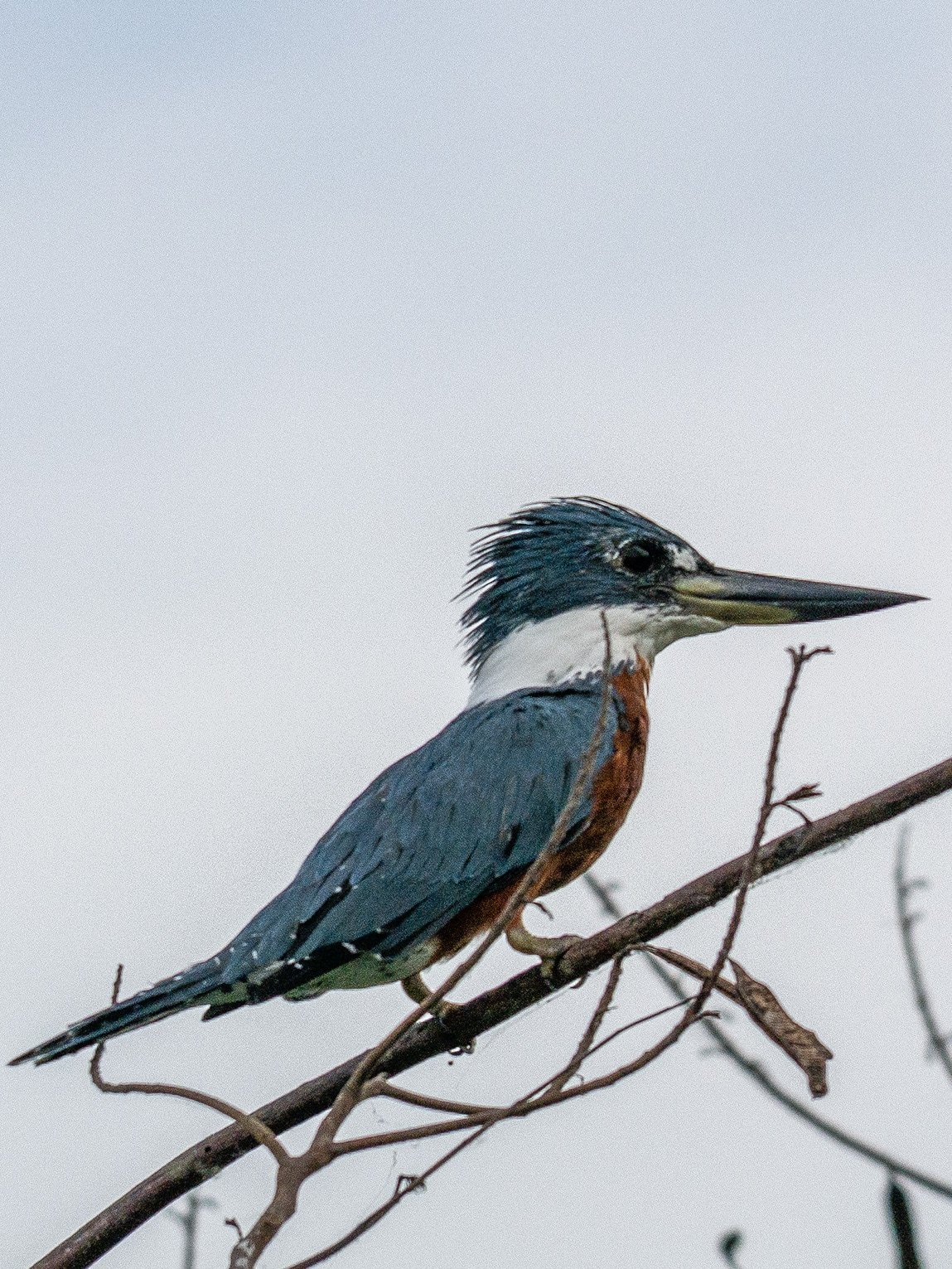
The excursion usually lasts about three hours, and the journey is just as worthwhile as the lagoon itself. Along the way, it’s common to spot herons, cormorants, kingfishers, iguanas, and sometimes babillas. At the end of the day, the return trip may coincide with sunset over the Magdalena River, which completely transforms the atmosphere and lends the excursion a particularly peaceful pace.
It’s also a great way to discover another side of the Mompox region, shaped by the water and life along the river.
In this article, we’ll explain how to easily plan this trip from Mompox, how much time to set aside, what budget to expect, the best time of year to go, and what to pack. We’ll also cover what the boat ride is like, whether swimming is possible, and the practical details that can make a difference once you’re there.
Pijiño Marsh
- Department: Magdalena, near Mompox
- Type of site: wetland / ciénaga
- Natural region: Momposine Depression
- Access: by boat from Mompox, via the Magdalena River and its canals
- Duration of the excursion: approximately 3 hours
- Main activity: boating and wildlife viewing
- Wildlife: numerous waterbirds, iguanas, caimans
- Best time to visit: late afternoon, returning at sunset
Our take: a simple, peaceful, and truly enjoyable outing ★★
We really enjoyed this excursion, especially because it offers a real break from the heat and bustle of Mompox. Getting on the boat and setting out onto the water immediately feels refreshing, especially during the hottest part of the day. The boat ride brings a breath of fresh air, the pace slows down, and the atmosphere becomes much more peaceful.
What we also enjoyed was how natural the outing felt. It’s not a spectacular attraction in the traditional sense, but rather a pleasant experience that combines birdwatching, cruising through the canals, and exploring the wetlands around the Magdalena River. That’s exactly what makes it so charming.
In our opinion, the Ciénaga de Pijiño is a great way to round out a visit to Mompox. After exploring the colonial streets, churches, and plazas of the historic center, this excursion lets you discover another side of the region—one that’s much more focused on water and nature.
We especially recommend this outing if you enjoy peaceful experiences, open landscapes, and excursions that let you slow down a bit during your trip.
When to Visit the Pijiño Marsh ?
The Ciénaga de Pijiño can be visited year-round, but the experience varies depending on the water level. Between January and March, which is generally a drier period, the Pijiño Canal can become very shallow in certain sections: this may limit boat navigation, and local operators sometimes arrange for a transfer to reach the ciénaga. If your main goal is to enjoy a smooth boat ride through the canals, we’d recommend visiting during a time when the water level is higher—outside the peak of the dry season. On the other hand, the wetter months bring more showers. So there isn’t really a “bad” month: January through March generally offers drier weather but potentially more difficult access by water; the rest of the year better supports the natural functioning of the wetlands, with more unstable weather. In any case, check with the tour operator about navigation conditions a few days before your trip.
Tourist Visits to the Ciénaga de Pijiño
Pijiño is one of the classic nature excursions offered from Mompox, but it is not a developed site with an entrance, parking lots, and a constant stream of visitors. The tour is primarily taken by small boats departing from Mompox, which helps maintain a relatively peaceful atmosphere once you’re in the canals and out on the ciénaga. Several operators, however, offer group departures, often in the middle or late afternoon; so it’s possible to encounter other boats on the same route. Visitor numbers depend mainly on those in Mompox. The busiest periods include Holy Week, the Jazz Festival, and the end-of-year holidays, which are considered locally to be times of high tourist demand. Outside of these dates, we don’t think there’s any need to avoid Pijiño for fear of crowds: this isn’t the kind of excursion that generally gives the impression of mass tourism.
Climate at the Ciénaga de Pijiño
First and foremost, prepare yourself for the heat. The Mompox region has a hot tropical climate, with high temperatures year-round; generally between 32 and 35°C during the day. The humidity and constant proximity to water can make it feel even hotter. On the ciénaga, however, the experience is often more pleasant than walking around Mompox: traveling by boat (which is covered) and being in open spaces allows for better airflow, which we ourselves really appreciated. Rainfall generally becomes more frequent during the wet seasons, often in the form of showers—sometimes intense—rather than continuous rain throughout the day. Regardless of the season, we therefore recommend very light clothing, a hat or cap, plenty of water, and effective sun protection.
About the Pijiño Marsh
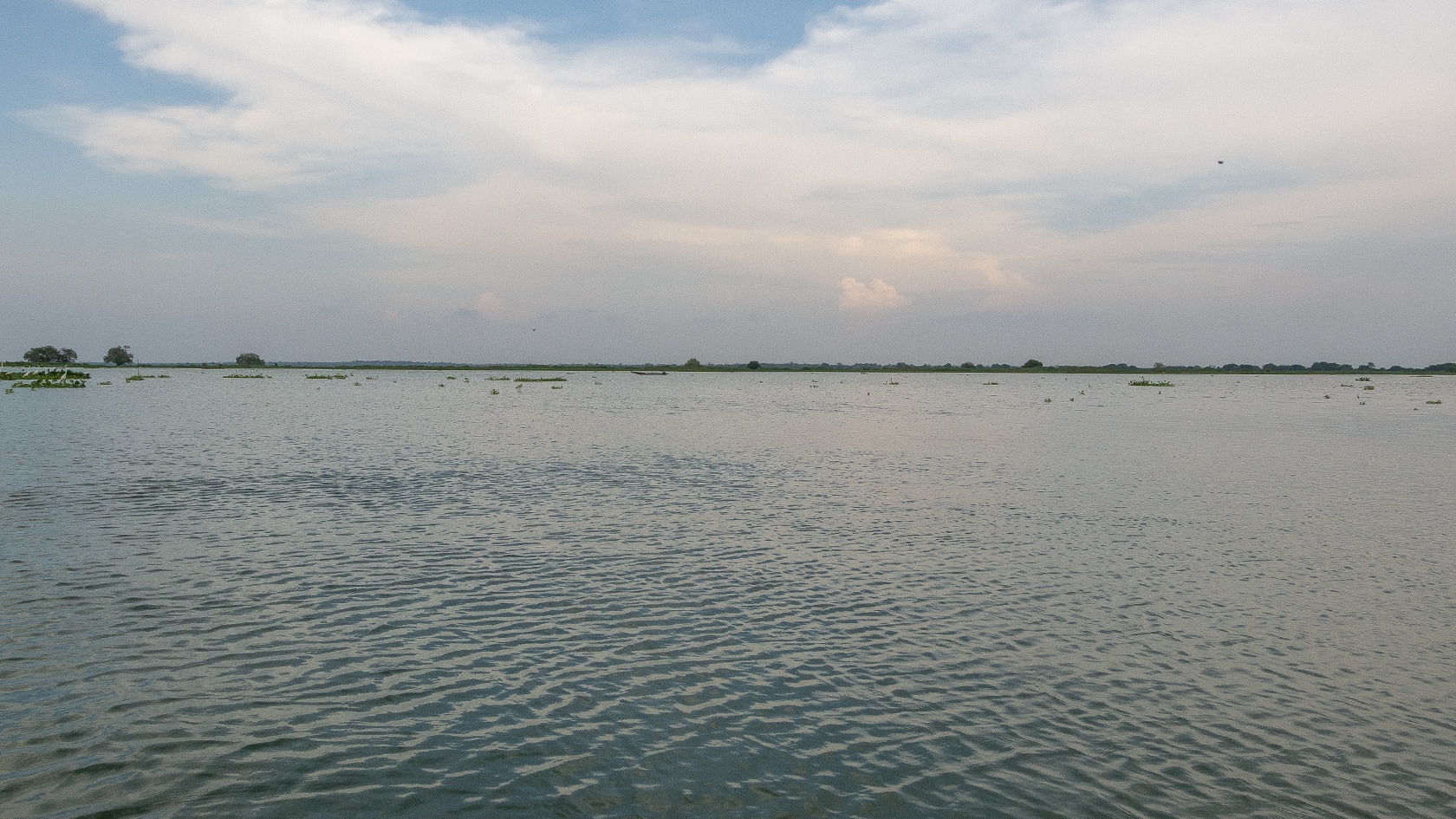
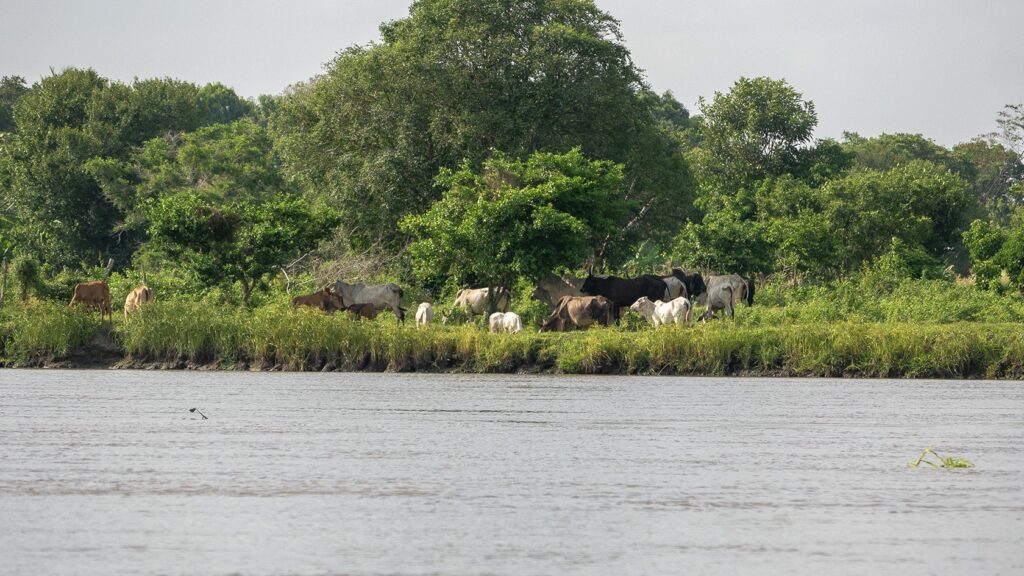
From Mompox, all you have to do is leave the colonial facades behind and board a lancha to find yourself in a completely different setting. Little by little, the houses grow farther apart, the Mompox inlet opens up before us, and then the boat enters narrower channels where the water, the banks, and the vegetation seem to form a single landscape. This is where Pijiño really becomes interesting: this excursion doesn’t lead to a monument or a spectacular viewpoint, but to a landscape that unfolds as you move along, in time with the boat’s rhythm.
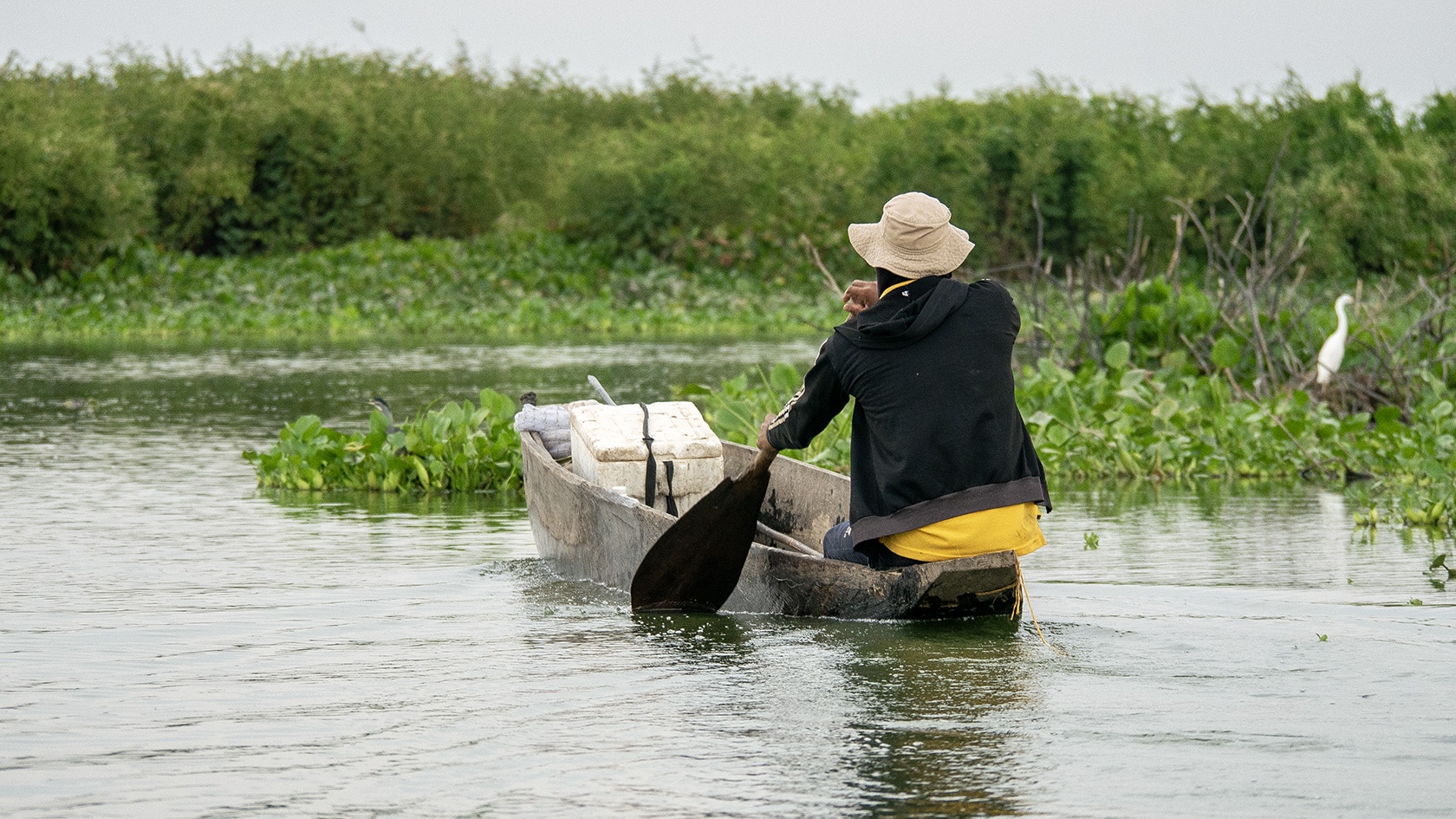
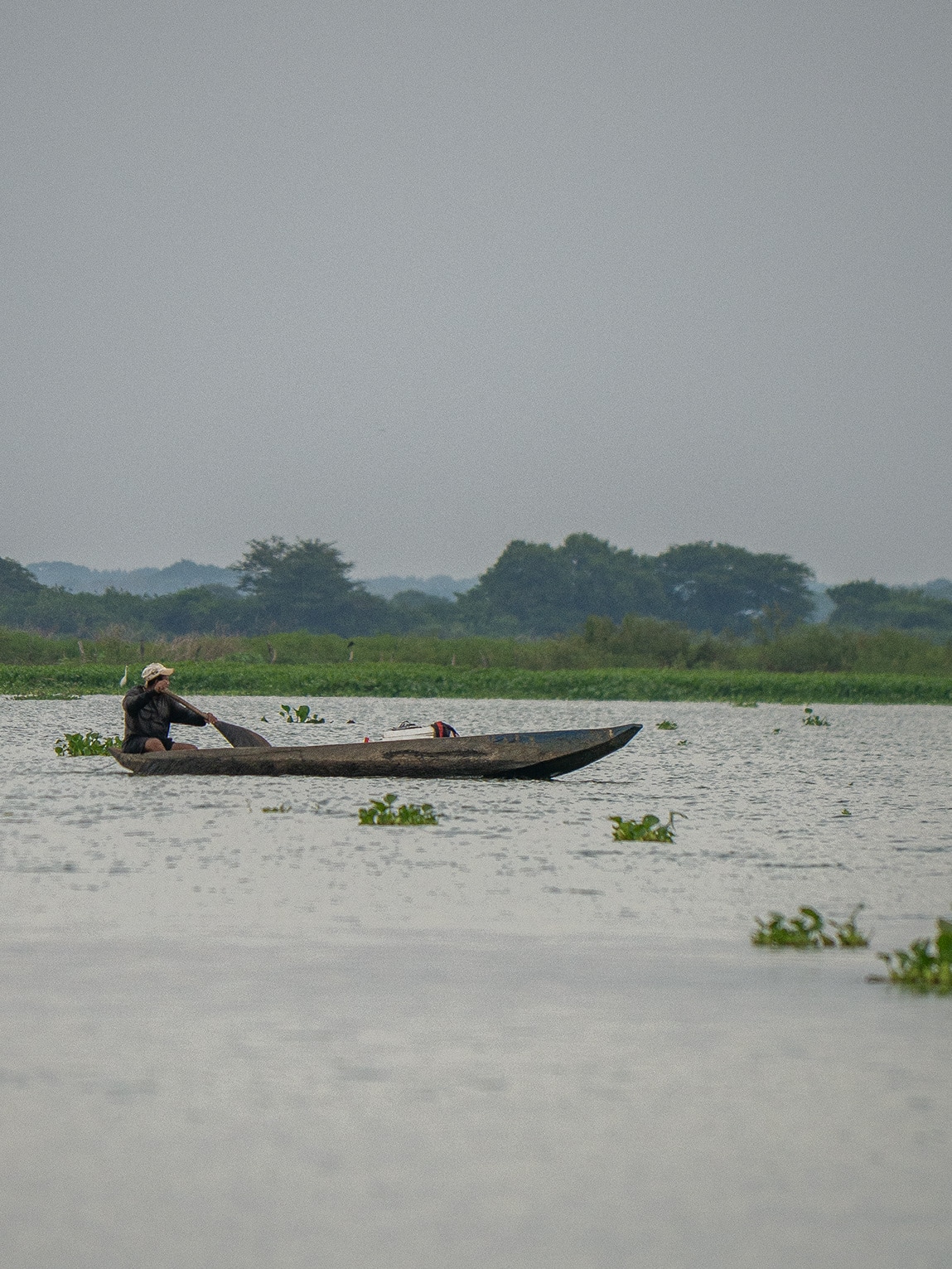
We observe the birds perched along the water’s edge, the fishermen, the trees reflected in the canals, and the subtle transitions between the great river, the caños, and the more open expanses of the ciénaga. To understand what we’re seeing, there’s one thing above all we must keep in mind: in this part of Colombia, water isn’t simply an element of the landscape. It entirely shapes the territory, transportation, human activities, and even the way villages have developed.
What is the Ciénaga de Pijiño?
The word “ciénaga” can be misleading. Pijiño is not simply an isolated lake in the middle of the countryside: it is part of a vast network of interconnected wetlands in the Momposine Depression, that immense plain traversed by the Magdalena, Cauca, and San Jorge river basins. In this almost perfectly flat region, the boundary between land and water is never entirely fixed. Some areas remain under water year-round, others are temporarily flooded, while natural or man-made channels allow the various ciénagas to connect with one another and with the major rivers.
The Ciénaga de Pijiño is located in the department of Magdalena, on the opposite side of the Mompox branch from Santa Cruz de Mompox, which is in Bolívar. The wetland complex is connected to the Mompox branch by several canals, including the Caño Peñoncito. It is precisely this connection that makes the excursion interesting: we do not reach a large body of water directly, but gradually traverse the river system, moving from the wider waters of the Magdalena to much narrower passages before reaching the ciénaga.
Boating is therefore an integral part of the experience. Depending on the time of year, the width of the waterways, the water level, and the appearance of the banks change, giving the trip a character that’s very different from a simple boat ride. We really feel as though we’re gradually entering a different world—one that’s calmer and much more in tune with nature.
A landscape that lives to the rhythm of the water
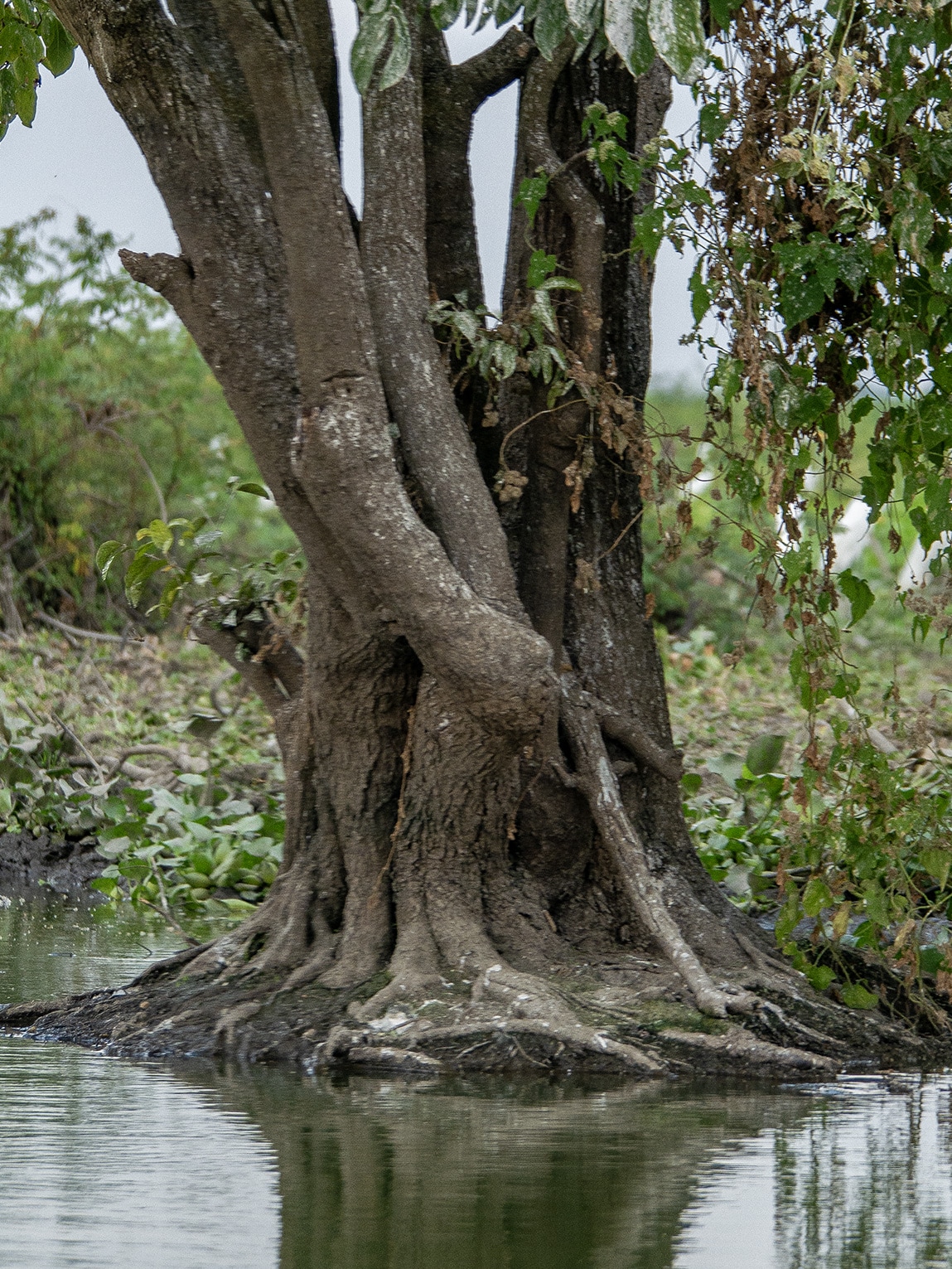
In Pijiño, the landscape is never exactly the same depending on the time of year. During the driest months, the water level drops, some sections become shallower, and parts of the banks reappear. When the rains return, the water reclaims more space, the connections between the wetlands become more extensive, and certain areas are once again transformed into vast flooded expanses. This alternation explains the succession of scenes we see from the boat: open water, floating vegetation, trees along the banks, small islands, low banks, and canals that are sometimes very narrow.
This constant connection to water has long shaped local life. It influences travel, fishing, agriculture, and the location of many villages. In the Mompos Depression, the river is not merely a landscape to be admired: it is a transportation network, a source of food, and a force that dictates the rhythm of daily life. By sailing toward Pijiño, we gain a much better understanding of this reality than we would by staying solely in the streets of Mompox.
This way of living with flooding actually dates back to well before the arrival of the Spanish. The people The Zenú developed one of the most sophisticated pre-Hispanic irrigation systems in South America in the northern plains of Colombia, with an extensive network of canals that allowed for better flood management and the cultivation of fertile land. Although not all the canals used today around Pijiño can be directly attributed to the Zenú, this legacy helps us understand something essential: in this region, the inhabitants have learned over the centuries to live with water rather than trying to erase it from the landscape.
Why visit Pijiño?
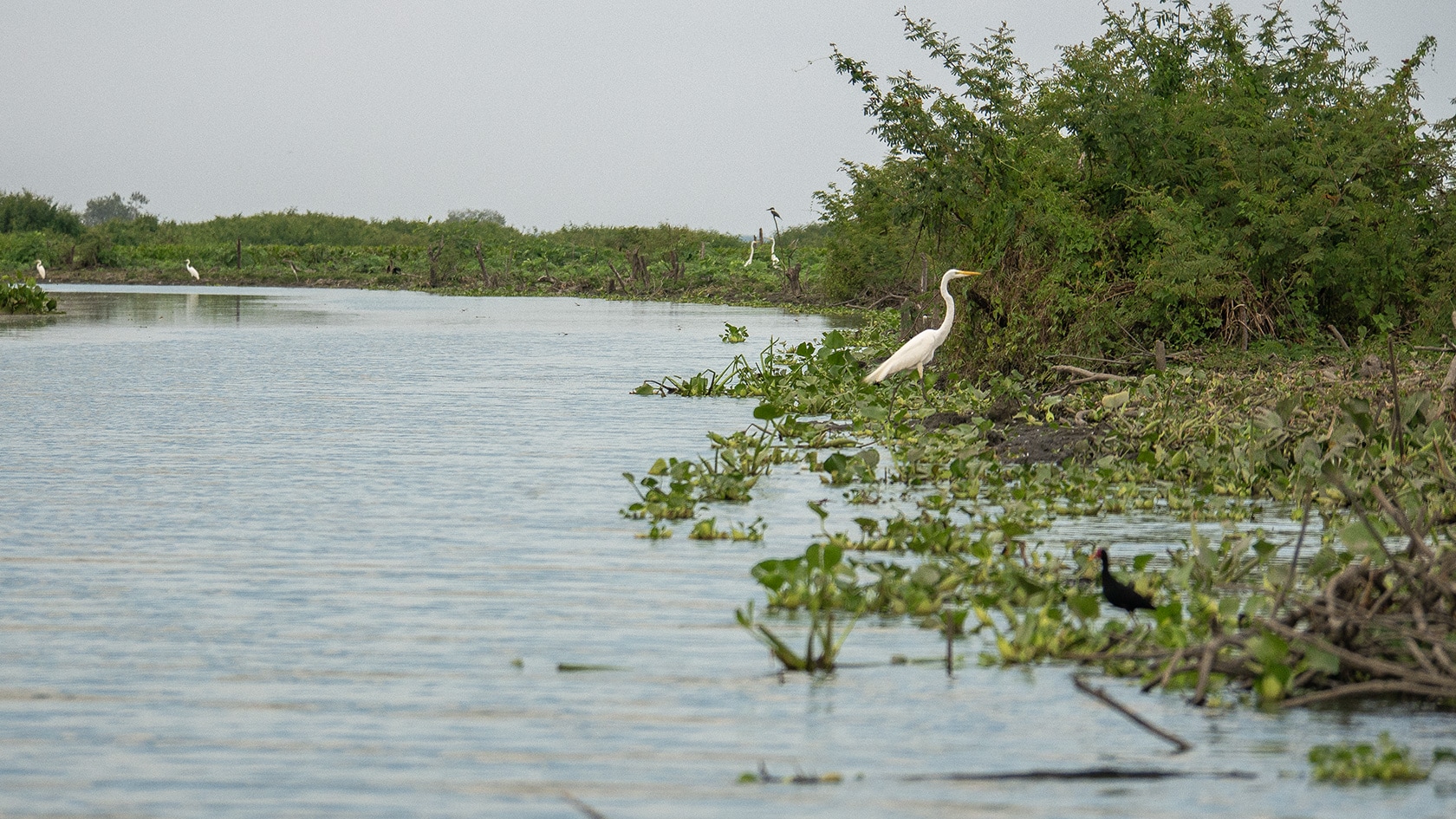
We believe that Pijiño’s appeal lies primarily in the succession of different settings along the way. Departing from Mompox, we first travel along the much wider waters of the Magdalena River’s branch. Then the boat gradually leaves this open space to enter narrower channels. The banks draw closer, the vegetation becomes denser, and we naturally begin to look for birds or a reptile lying still in the trees. So you don’t have to wait until you reach the ciénaga to enjoy the trip: the journey itself is already a major part of the experience.
We also really enjoyed this excursion for one very simple reason: it feels great after spending several hours in the heat of Mompox. When temperatures easily exceed 30 °C, walking through the streets of the historic center can become grueling. On the water, the motion of the lancha brings a breeze, and the atmosphere immediately feels more pleasant. This contrast between the city’s sometimes stifling heat and the more breathable air on the river adds greatly to the enjoyment of the outing.
Pijiño also offers a glimpse into a side of the region that’s hard to grasp if you stay only in Mompox. The city is intimately linked to the Magdalena River, but from its colonial streets, that connection can sometimes seem abstract. Here, it becomes clear: we see the fishermen, the small local boats, the birds that depend on the flooded areas, and the canals that still serve as waterways. For a few hours, we explore the area from the water rather than from the road.
If you set out in the late afternoon, the return trip can be especially pleasant. The heat begins to subside, the light softens, and the sun gradually sinks over the Mompox inlet. Pijiño isn’t a spectacular excursion every minute of the way, and that’s exactly what we appreciated: it’s more about observation, tranquility, and the gradual discovery of an ecosystem than about seeking out an impressive attraction.
What animals can you see?
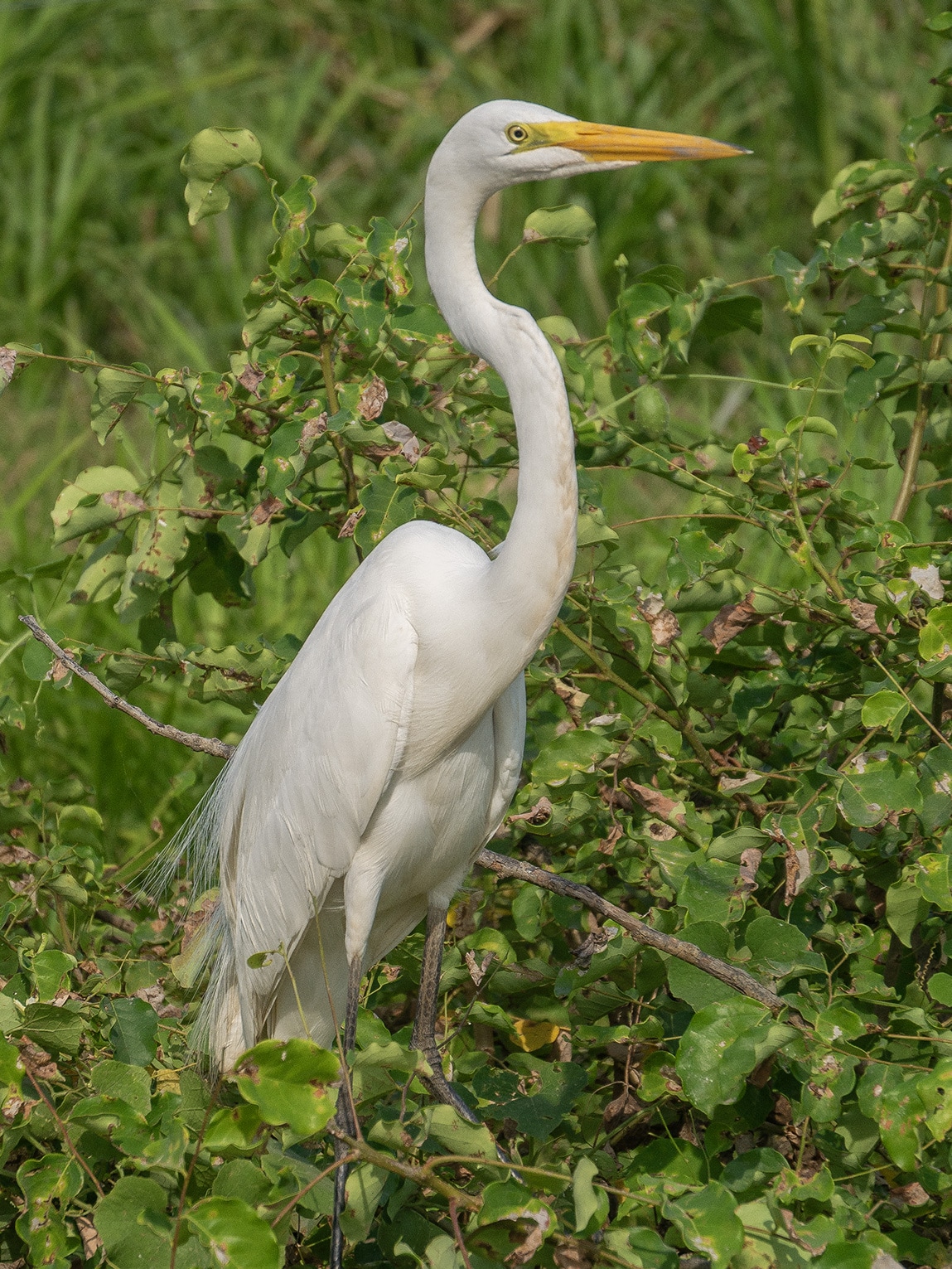
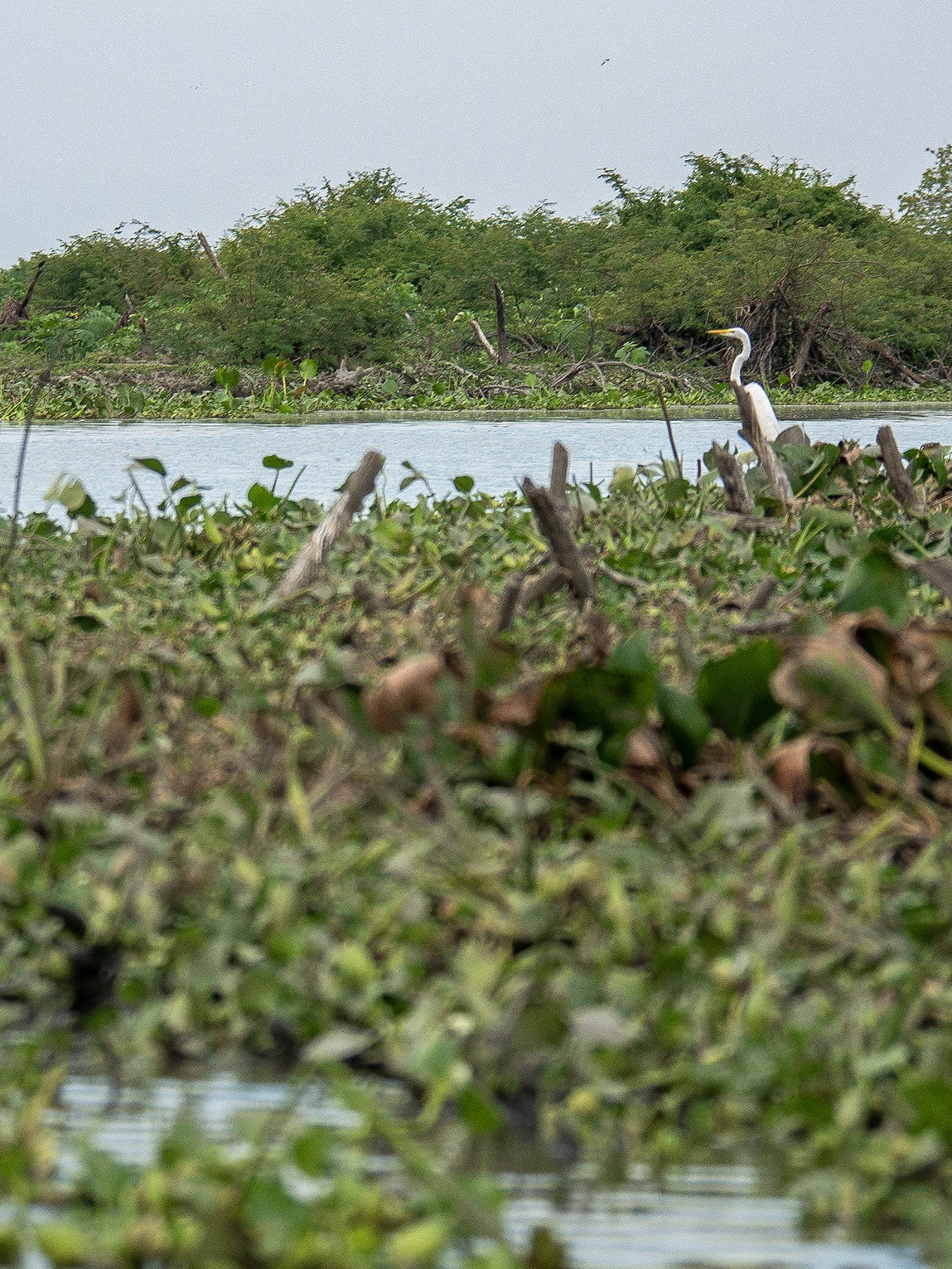
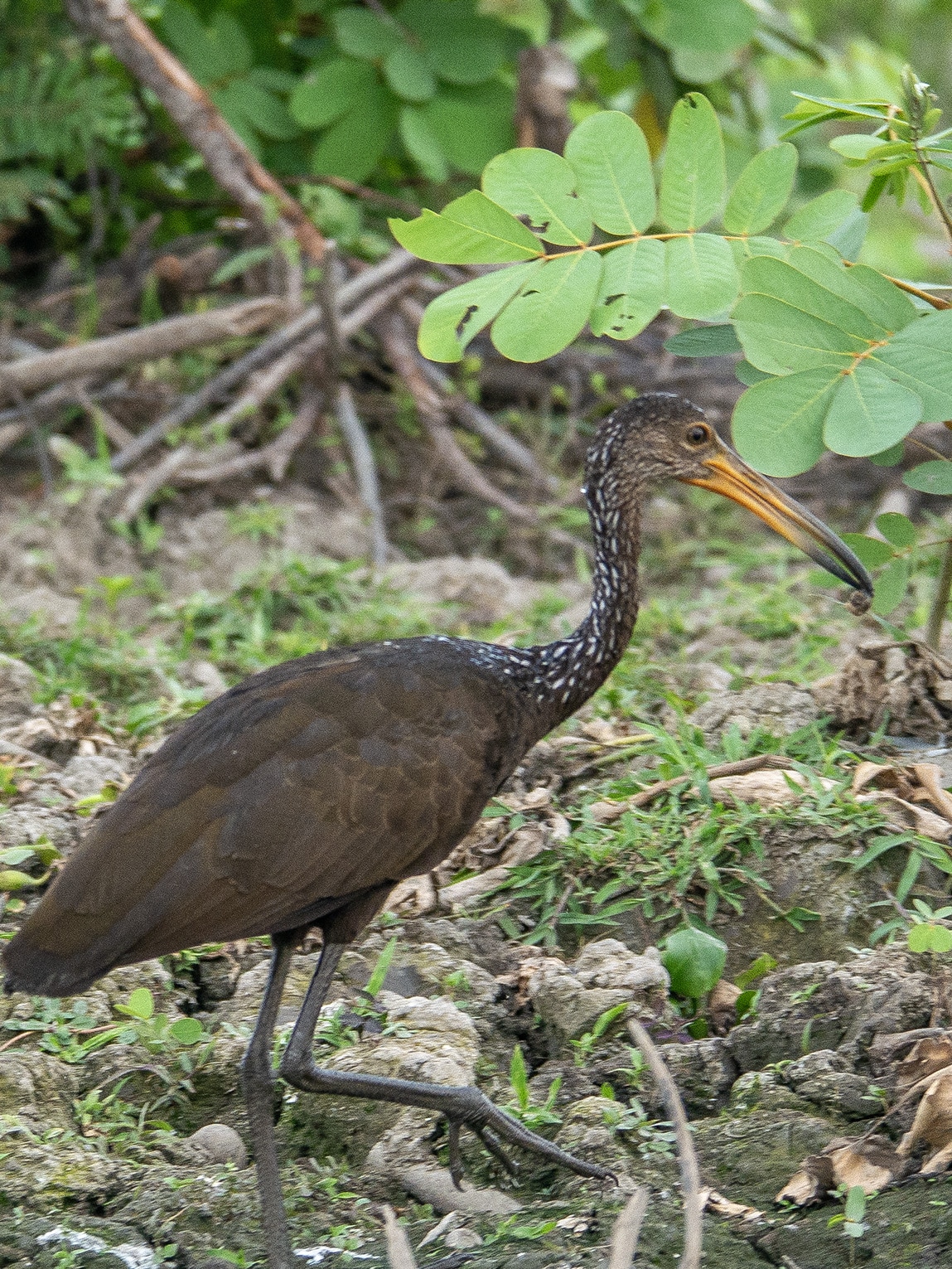
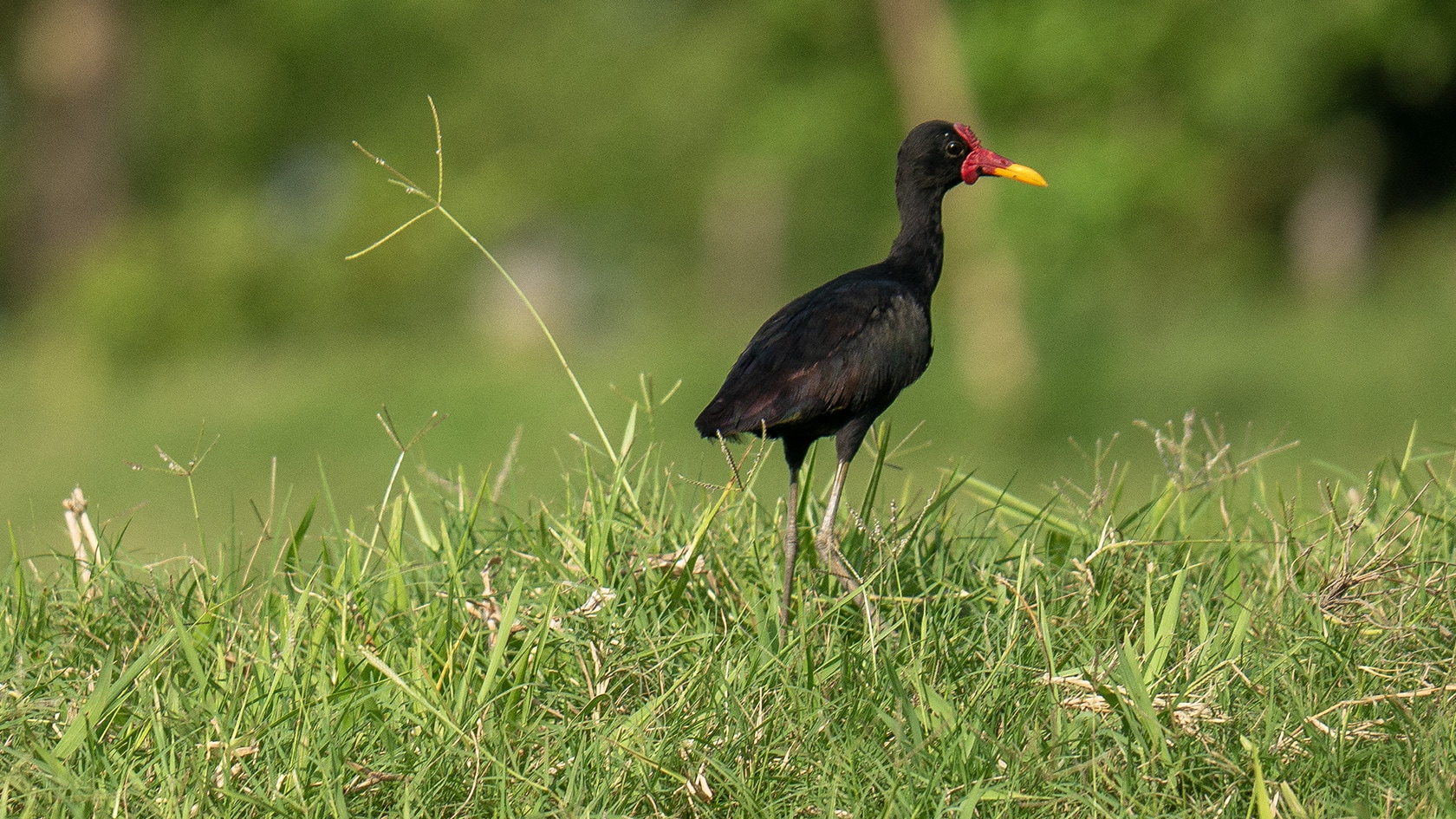
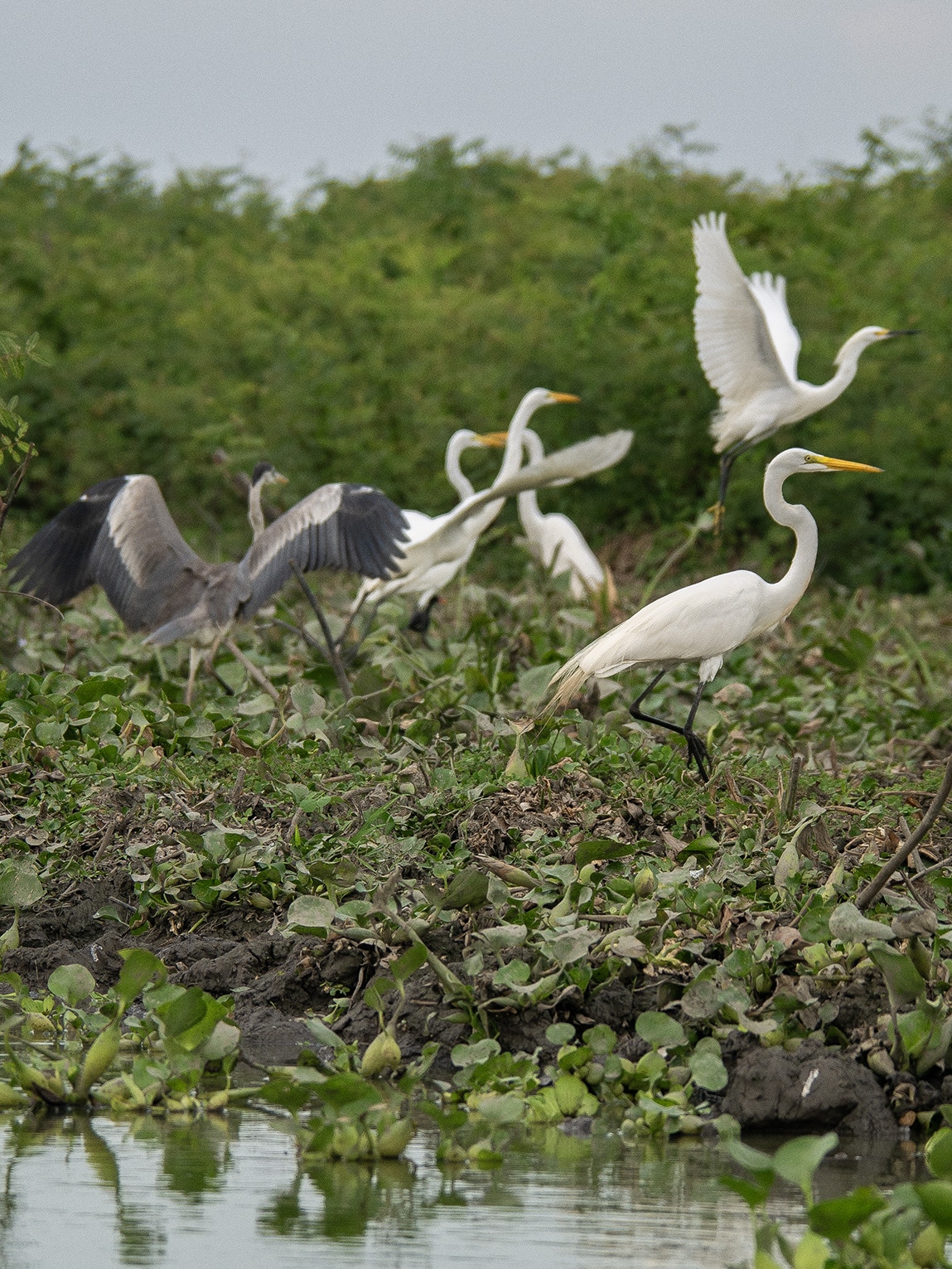
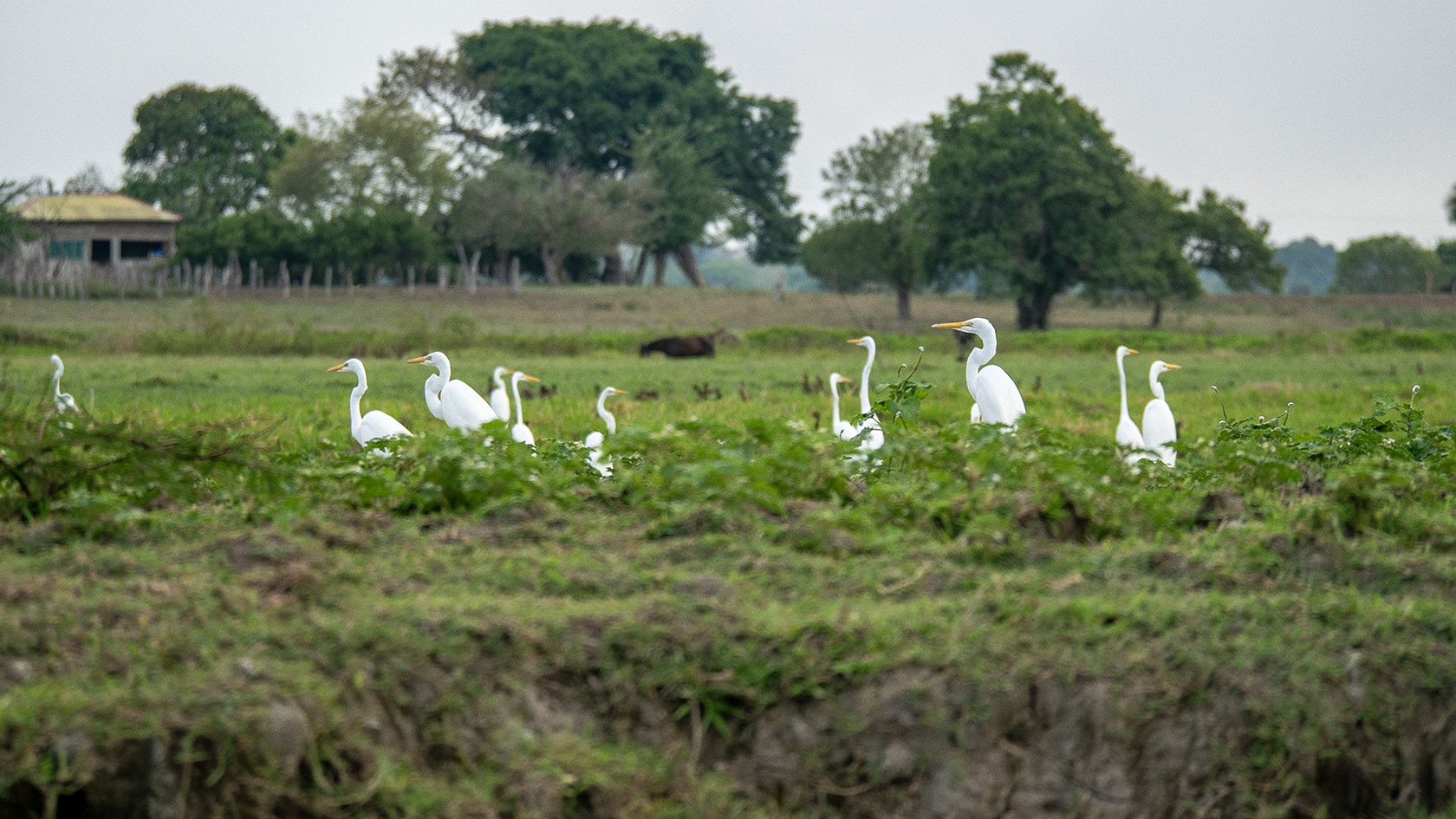
The Pijiño Wetland is particularly notable for its wetland birds. As we navigate through the area, we can observe various species of herons and egrets, cormorants, kingfishers, jacanas—often called “gallitos de ciénaga” —as well as many other birds that feed or nest along the banks and among the aquatic vegetation. Birdwatching often begins as soon as we enter the first canals, and it’s important to look not only at the water’s surface but also at the low-hanging branches and areas of floating vegetation.
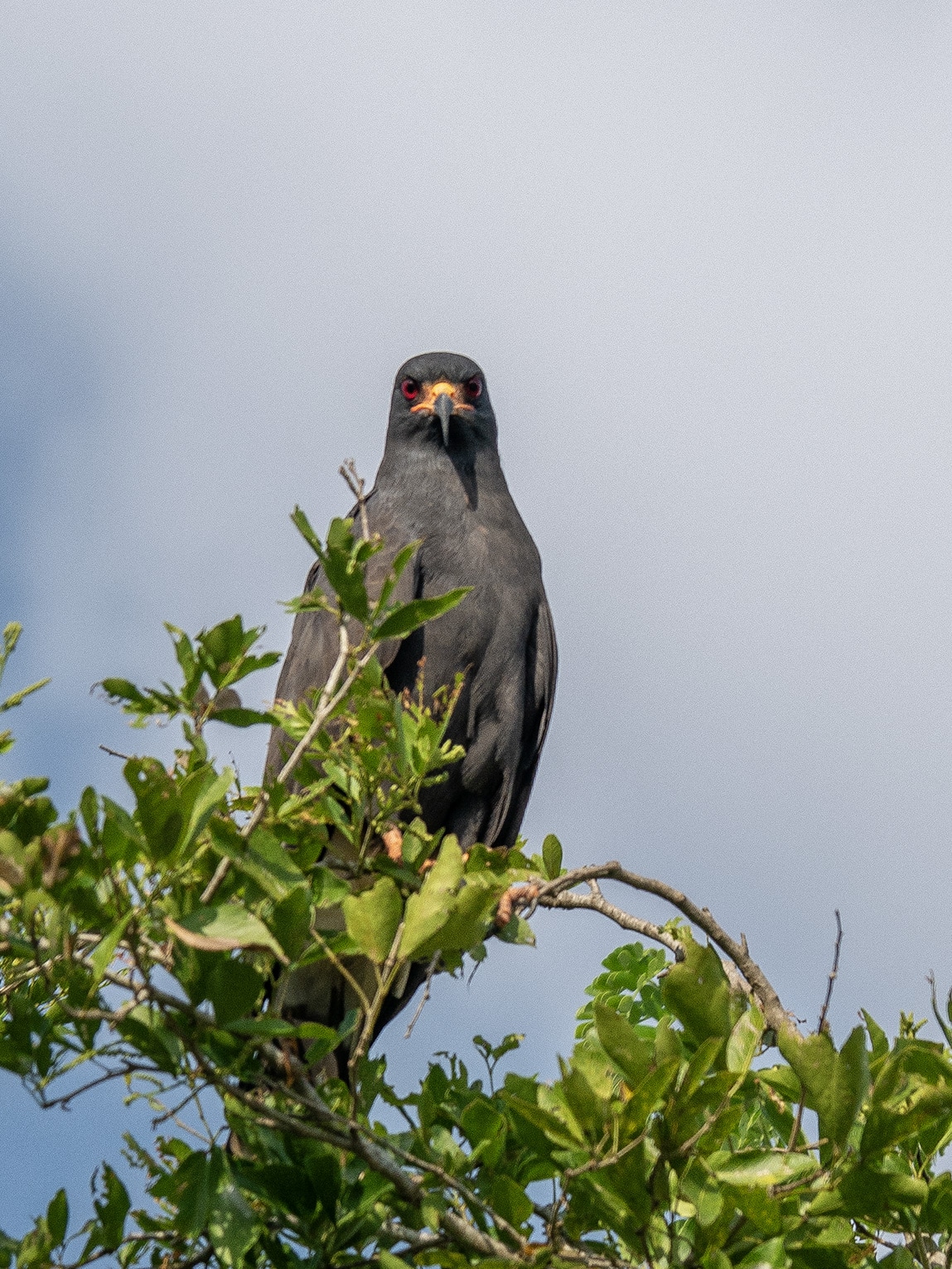
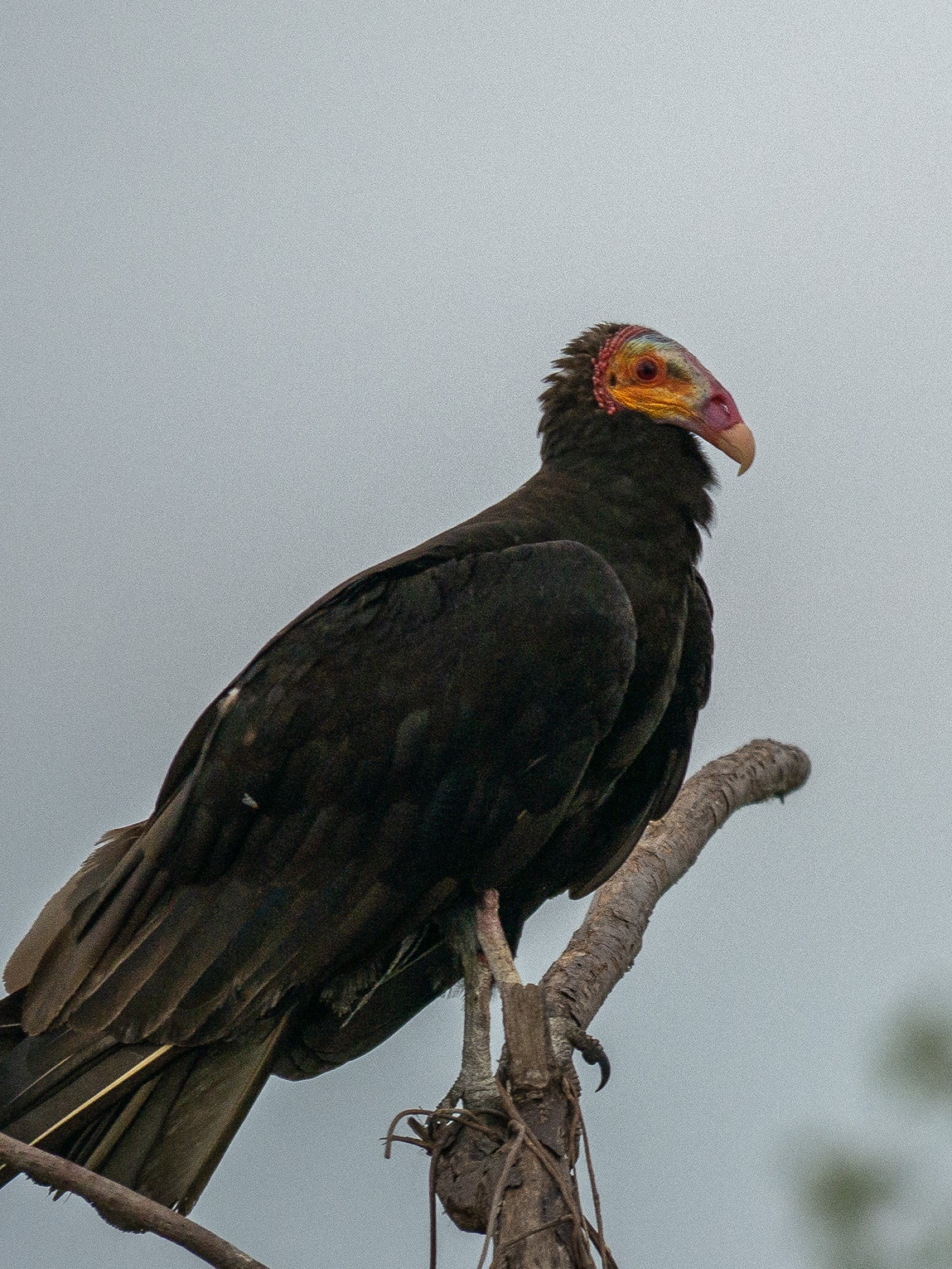
Be sure to look up, as several birds of prey frequent the wetlands of Pijiño. The snail hawk (Rostrhamus sociabilis) is particularly associated with marshes, where it primarily hunts for aquatic snails. The red-necked hawk (Busarellus nigricollis) may also be present, as may the pigua, or yellow-headed caracara (Milvago chimachima). The osprey (Pandion haliaetus) is another species that may be spotted as it hovers over bodies of water in search of fish.
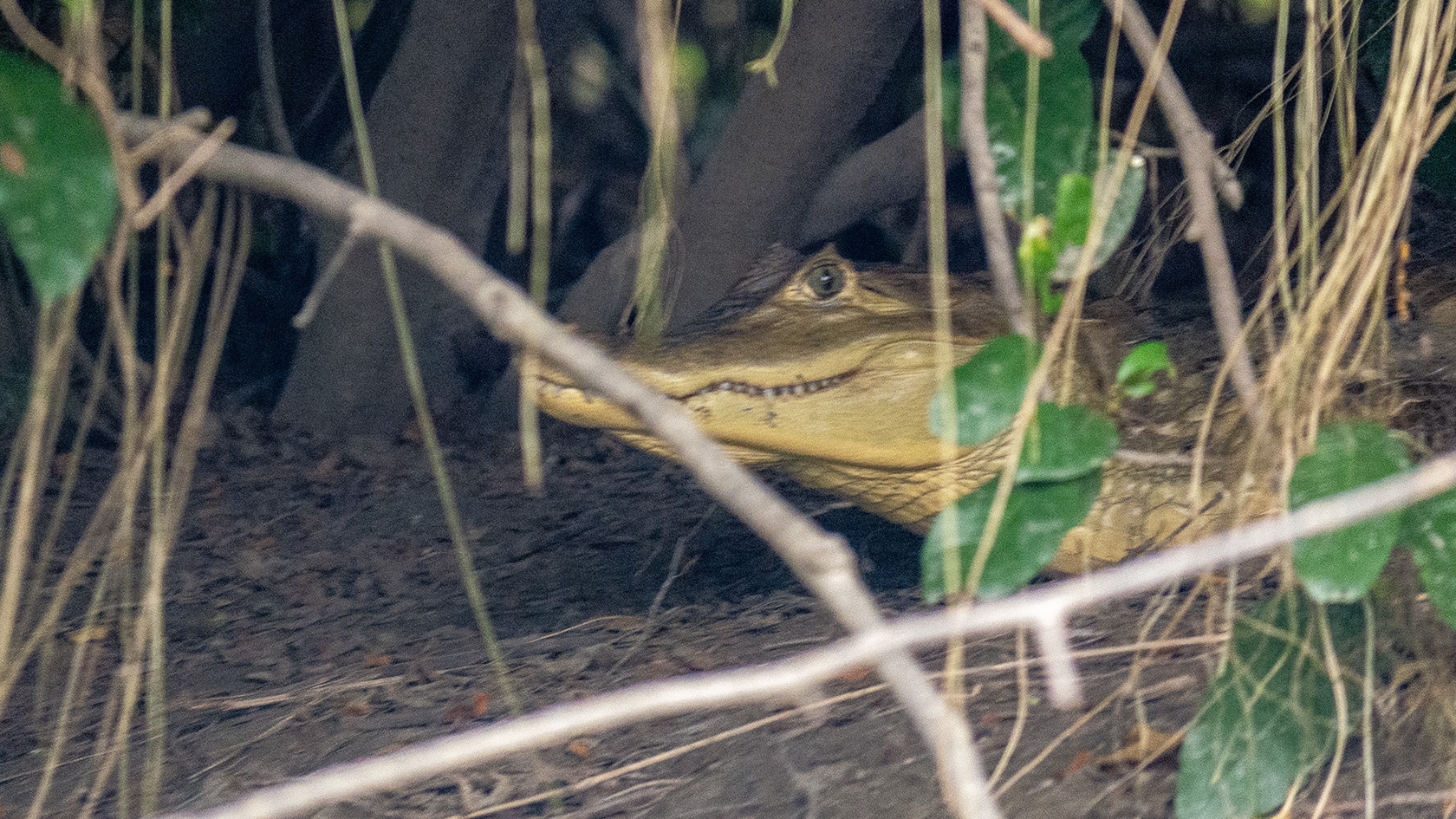
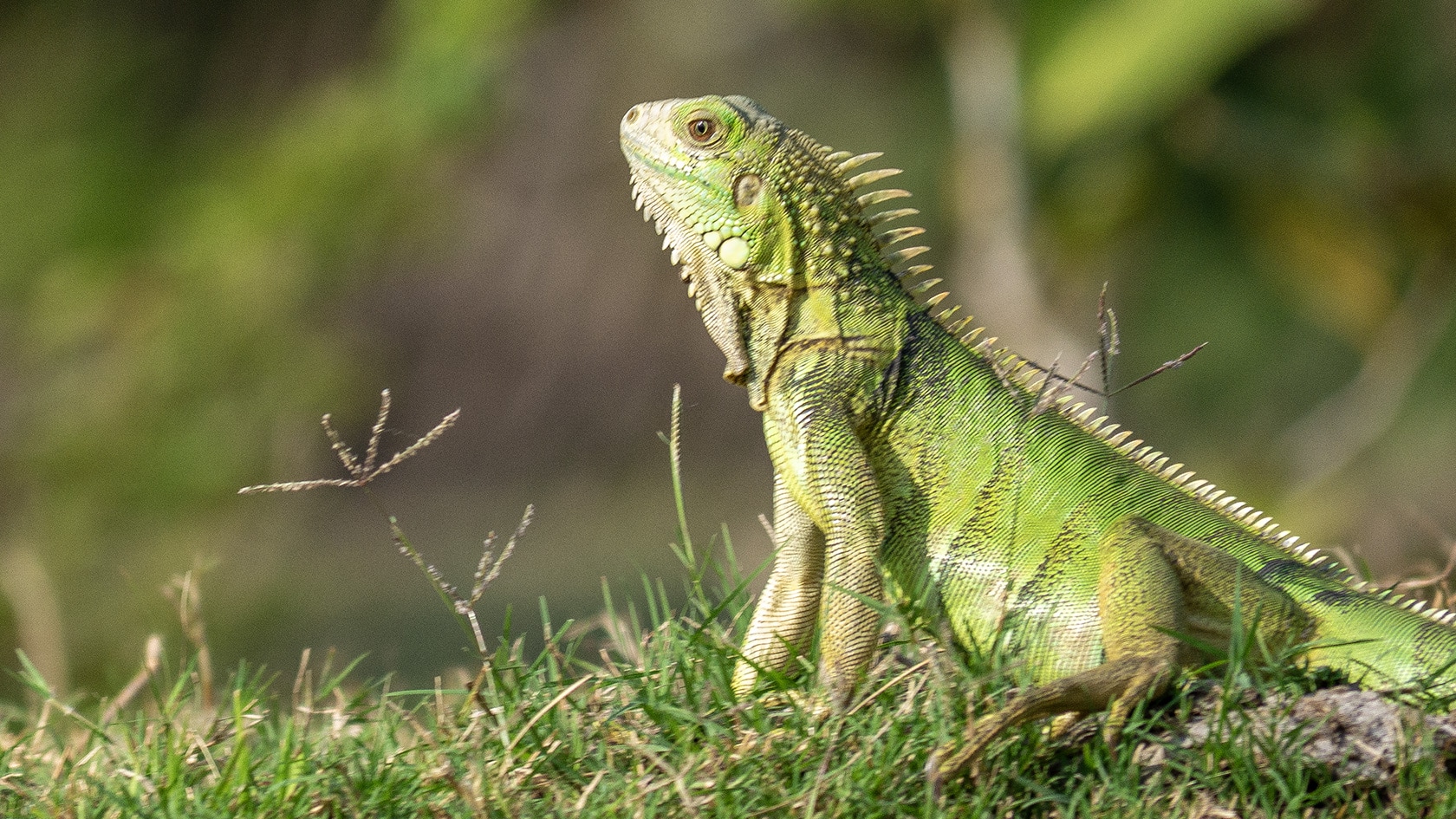
Reptiles are also abundant here. If you look closely, you can spot iguanas perched in the trees or along the riverbanks, as well as small caimans that frequent the quiet, vegetation-rich areas. Several species of freshwater turtles also live in the area, including the icotea, although they’re often harder to spot from the boat. Again, nothing is guaranteed: much of the fun comes precisely from scanning the riverbanks and vegetation to spot a silhouette or a movement.
Mammals also live in the wetlands and forests surrounding the complex. Inventories conducted in the region have identified, among others, the red howler monkey, the capybara—known as chigüiro in Colombia—the ñeque, the tamandua, the armadillo, the neotropical otter, and various species of bats. However, their presence does not mean you’re likely to see them during a few-hour excursion. Many are elusive, active only at certain times of day, or remain in areas far from the routes taken by boats.
So we prefer not to present Pijiño as a place where you would come specifically to see monkeys, otters, or capybaras. Birds are by far the easiest animals to observe, followed by iguanas and, with a little luck, babillas. Mammals are more of a pleasant surprise we can hope to spot if we look closely at the riverbanks. That’s also what we love about this excursion: we’re not walking through a park where the animals are herded in front of us, but through a real ecosystem where every movement in a tree or every silhouette above the water prompts us to look a little more closely.

Our Experience
We chose to explore the Ciénaga de Pijiño with Mompox Retro on a shared tour lasting about three hours. The agency officially offers this nature-watching excursion departing from Mompox, including a boat ride along the Mompox channel, the Caño de Peñoncito, and then the Ciénaga. In our case, the tour was scheduled to depart at 3:00 p.m., with a meeting about ten minutes earlier at the café located near the pier and the saxophone statue. There were about ten of us in total—a size that’s quite pleasant without feeling like we were part of a large tour group.
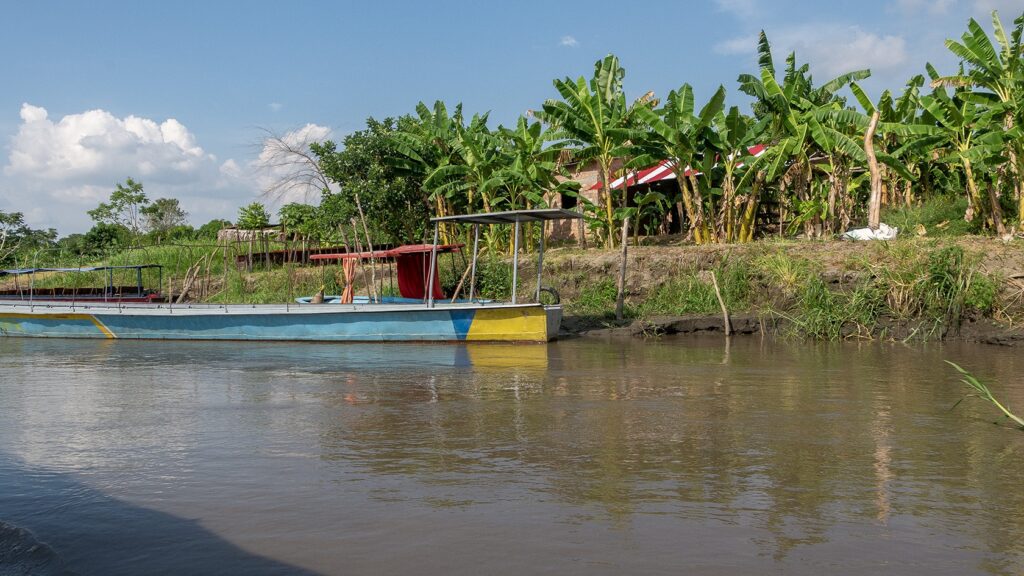
The tour takes place aboard a motorboat covered by a tarp but completely open on the sides. This means we’re mostly in the shade, while still enjoying excellent visibility of the riverbanks and the birds. The journey alternates between the wider sections of the Mompox branch and much narrower canals, where the vegetation comes right up to the boat. We strongly recommend that you bring a bottle of water and apply insect repellent before departure: some sections of the canals have significantly more mosquitoes, especially as the afternoon wears on.
Throughout the tour, the guide provides commentary in Spanish on what we see, using a microphone. His explanations go beyond simply identifying a few birds: he also talks about how the ciénaga works, its history, the animals, and the lives of the people living around these wetlands. In particular, we pass fishermen making their way along in their small boats, a reminder that these canals are, above all, places where people live and work. We also appreciated how few other people were there: during our entire outing, we encountered only two other boats carrying tourists.
As for wildlife, it’s important to have realistic expectations. Birds and iguanas are the easiest animals to spot, while caimans may appear but are by no means guaranteed. As for mammals, spotting them is frankly difficult during a typical tour lasting just a few hours. The appeal, therefore, lies more in the succession of sightings and the overall atmosphere than in the search for a spectacular species. The Mompox Retro website, in fact, presents the excursion primarily as an experience for observing birds and the biodiversity of the Pijiño complex.
If you’re coming mainly to take photos, we recommend sitting at the front of the boat. This usually provides better visibility and helps avoid having other passengers in your frame when an animal appears. That said, on a shared tour, stops can sometimes be quite brief: the boat slows down or comes to a stop so you can observe, but then you have to continue on the itinerary with the rest of the group. If you want to take your time, wait for a bird to reposition itself, or ask the captain to adjust the angle slightly, a private tour is clearly the better option.
Finally, the 3:00 p.m. departure time seemed particularly well-chosen to us. The tour begins while it’s still warm, but we’re largely sheltered from the sun under the tarp, and the breeze created by the boat’s movement makes the temperature very comfortable. Then the light gradually changes as the afternoon wears on. The return trip to Mompox at sunset is a wonderful way to end the excursion, with softer light on the river and the city gradually reappearing before us.
Tour Agencies and Guides
In Mompox, hiring a good guide really makes a difference to your visit. Much of what makes the place interesting isn’t immediately obvious: the history of river trade, the role of Simón Bolívar, religious traditions, colonial architecture, and even how the surrounding ciénagas function. For certain excursions, particularly boat tours, going through a local tour operator also simplifies all the logistics.
So here we’ve selected a few local guides and agencies that we recommend, giving priority to those who truly know the area and can offer more than just a standard tourist itinerary. Depending on what you’re looking for, you can choose between a historical tour, a cultural exploration, a nature outing, or a more comprehensive excursion around Mompox.
Recommended Providers
Mompós Retro
A local agency offering tours focused on history, architecture, filigree, gastronomy, and nature excursions. We especially appreciate the variety of itineraries and the immersive approach, led by professional guides who know the region well.
https://www.mompoxretro.co/ – gerencia@mompoxretro.co – (+57) 312 6699882
Mompox Mágico Travel
An excellent way to learn more about the history of Mompox: Luís Alfredo Domínguez is a professional tour guide, historian, former director of the local archives, and member of the Academia de Historia.
https://mompoxmagico.com – alfredodh@gmail.com – (+57) 310 3513606
Prices (Our experience with Mompós Retro)
We recommend Mompox Retro after trying out three of their activities: the historical walking tour, the trip to the Ciénaga de Pijiño, and the Ruta de la Filigrana. All three experiences went very well, with professional organization, engaging guides, and services that lived up to what was advertised.
Tour of the Pijiño Marsh
We also booked a boat trip to the Ciénaga de Pijiño through Mompox Retro, once again as part of a shared tour. For about three hours, we sailed down the Magdalena River and then through narrower canals to the ciénaga, with plenty of opportunities to observe birds, iguanas, caimans, and local vegetation. Once again, we found the excursion to be very well-organized and interesting, with the added bonus of a great atmosphere on the way back at the end of the day.
Duration: about 3 hours
Price: 50,000 COP per person.
How do you get to the Ciénaga de Pijiño?
To reach the Pijiño Marsh, you must take an organized tour from Mompox, as access is by boat. There is no direct tourist route that allows you to simply drive or walk to the ciénaga: a key part of the journey involves sailing along the Mompox branch and then taking the canals that connect the river to the wetlands.
The easiest option is to book through a local agency or tour operator in Mompox. Trips generally depart from the city’s docks aboard small motorboats. Depending on the package you choose, you may share the boat with other travelers or rent it out exclusively for a small group. The tour usually lasts about three hours, although this may vary depending on the water level, the route, and any scheduled stops.
We recommend that you book directly in Mompox, ideally the day before or that same morning, especially if you plan to leave in the late afternoon. This is also a good opportunity to ask the operator whether sailing conditions are good, particularly during the dry season, when some stretches of water may become shallower.
Where to Stay When Visiting the Ciénaga de Pijiño?
The small town of Mompox is an excellent base for exploring the Ciénaga de Pijiño. Located nearby, it makes it easy to combine your trip to the ciénaga with a visit to Mompox’s stunning historic center, one of the region’s major attractions. It is therefore a particularly convenient place to stay if you want to enjoy both Mompox’s colonial heritage and the natural landscapes of the ciénaga.

$ – Budget-friendly
Hostel
Hostal Casa La Candelaria
An excellent budget option, known for its warm welcome, peaceful atmosphere, and great value for the money. The rooms are simple, with a shared kitchen, a garden, and hammocks for relaxing.

$ – Budget-friendly
Hotel
La Casa del Viajero
A simple, comfortable place to stay, perfect for those on a budget, with air conditioning, functional rooms, and good value for the money—just a few minutes’ walk from the historic center.

$$ – Average budget
Hotel
Casa Isabelita
A cozy and conveniently located spot in the historic center, appreciated for its tranquility, terrace, air-conditioned rooms, and good value—ideal for exploring Mompox on foot.

$$ – Average budget
Hotel
Ana Lorenza Boutique Hotel
An elegant hotel in a historic mansion, featuring a patio, swimming pools, and comfortable rooms. Its riverside location and warm hospitality are particularly appreciated by travelers.
$$$ – High budget
Hotel
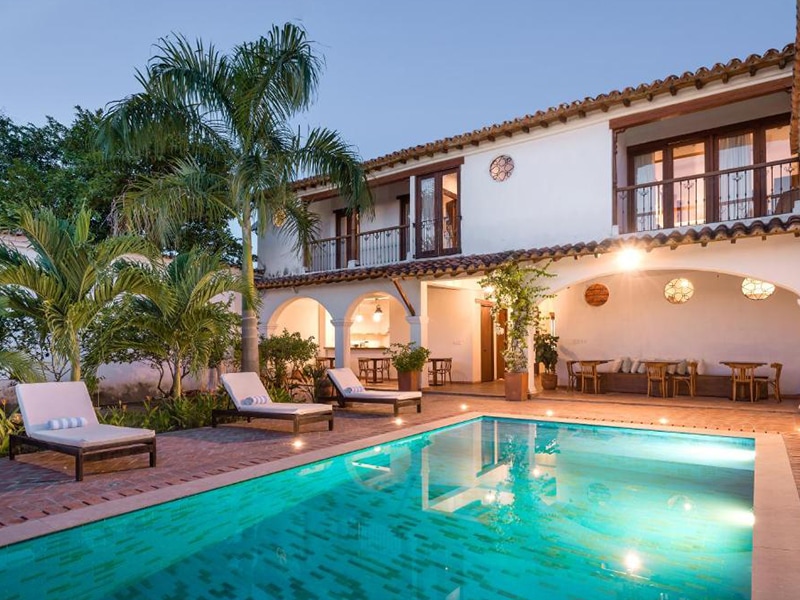
San Rafael
An elegant colonial-style house on the banks of the Magdalena River, prized for its exceptional location, swimming pool, lush patio, comfortable rooms, and the attentive service of the on-site staff.
$$$ – High budget
Hotel
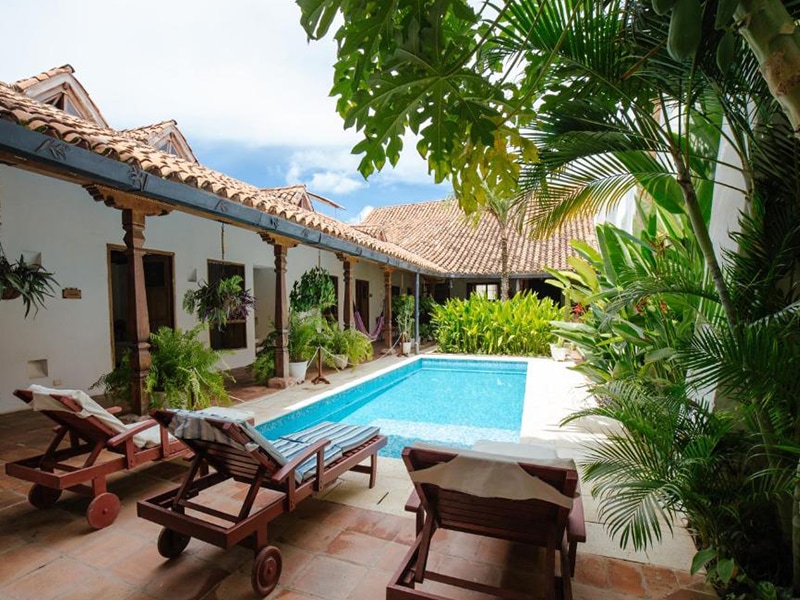
Bioma Boutique Hotel
A lovely, charming hotel in the heart of the historic district, featuring a pool, a patio, and spacious rooms. We love its peaceful atmosphere and convenient location.
Tips / Notes
Our Tips for Visiting the Ciénaga de Pijiño
Plan your visit for late afternoon. The heat begins to subside, the light becomes more pleasant for observing and photographing the animals, and your return trip can coincide with sunset over the Magdalena River.
Be sure to bring enough water with you. Even though boating is more pleasant than walking around Mompox in the heat, temperatures remain high and you’ll be spending several hours outdoors. A well-filled water bottle is really useful.
Be sure to protect yourself from the sun. Much of the route takes place over open water with little or no shade. So be sure to bring a cap or hat, sunglasses, and sunscreen.
Bring mosquito repellent. We’re in a tropical wetland area, with sections close to vegetation and riverbanks. It’s especially useful at the end of the day.
If photography is important to you, opt for a private boat. On a shared tour, stops are usually quite short, and the boat can’t necessarily stay in one spot for long to wait for the right angle or lighting. On a private tour, it’s easier to ask the captain to slow down, wait a few minutes, or reposition the boat when a bird or reptile appears.
Check the condition of the canals before booking during the dry season. Water levels vary throughout the year and may affect the route to the ciénaga. A local operator can tell you whether the usual route is passable and under what conditions.


