

Dear reader, let’s plunge together into the heart of this South American jewel, where nature flourishes in dazzling diversity. Today, we invite you to delve into the heart of a captivating subject: the closed club of megadiverse countries. From majestic jaguars to colorful birds, every corner of the country reveals an infinite palette of unique species. Through eloquent statistics and captivating examples, discover why Colombia stands out as a sanctuary where nature flourishes, offering a living symphony of remarkable ecosystems. Colombia, megadiverse country, vamos!

What is a megadiverse country?
A megadiverse country is a nation distinguished by the exceptional presence of varied and abundant biodiversity, characterized by the richness of its ecosystems, the diversity of animal and plant species, and genetic variability. This term is attributed to just 17 countries worldwide, in recognition of their crucial role in conserving the world’s biological diversity, and Colombia has proudly been one of them since 1994.
Complete list of megadiverse countries: Australia, Brazil, China, Colombia, Democratic Republic of Congo, India, Indonesia, Madagascar, Malaysia, Mexico, Papua New Guinea, Peru, Philippines, Russia, South Africa, USA, Venezuela.
Criteria for a country to qualify as megadiverse include the high number of species present on its territory, the genetic variability of populations, the diversity of natural habitats, and other ecological factors.
The responsibility of megadiverse countries to preserve their ecosystems is immense. These geographical areas play a vital role in maintaining the global ecological balance, contributing to crop pollination, climate regulation, and providing essential resources for medicine andhuman nutrition.
These nations often face considerable conservation challenges, such as deforestation, loss of natural habitats, and poaching. In response, they implement, with varying degrees of success and motivation, conservation strategies and programs aimed at protecting endangered species, restoring degraded ecosystems, and raising awareness of the importance of biodiversity.
The recognition of a country as a megadiverse underlines the crucial importance of preserving these reservoirs of biodiversity for the future of the planet and the health of our global ecosystem. It is a call to action to strengthen conservation efforts and encourage sustainable management of natural resources.
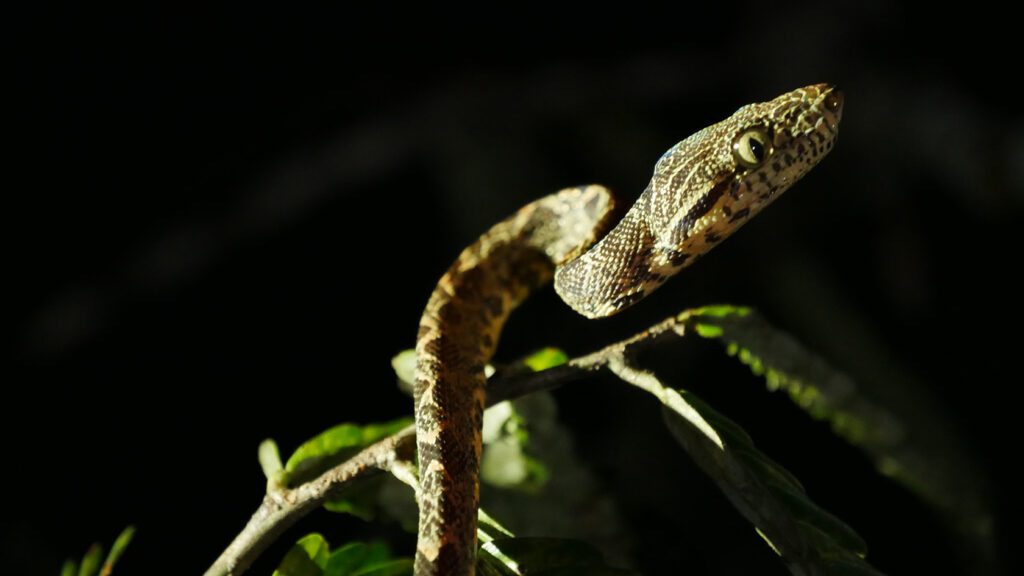
Colombia, megadiverse country: a treasure trove of exceptional biodiversity
Despite representing just 0.8% of the world’s land surface, Colombia is home to around 10% of the planet’s total biodiversity. These colossal figures testify to the exceptional natural wealth of this South American country. At the start of 2021, a total of 63,000 to 71,000 species had been recorded in the country, of which 8,803 are endemic.
The diversity of Colombian ecosystems and climates
Colombia, a jewel of the world’s biodiversity, is distinguished by its varied ecosystems and contrasting climates, offering visitors an unforgettable adventure through unique landscapes. The Andes mountain range, which crosses the country from south to north, is the starting point for this extraordinary diversity. The country is home to some 311 types of coastal and continental ecosystems.
The High Andes, particularly the Boyacá region, are home to spectacular paramos, such as those in Chingaza National Natural Park. This region, at an average altitude of 3,800 metres, is home to unique endemic species, including the frailejón, a plant adapted to the extreme conditions of the paramos. Almost 60% of the world’s paramos are found in Colombia.
The Sierra Nevada de Santa Marta, in addition to its multiple climates, is where tropical forest and paramo ecosystems meet. This coastal massif is home to the Andes condor, an emblematic species in danger of extinction. It is also the country’s highest point, with Pico Cristóbal Colón reaching 5,775 metres.
This imposing Andean region is itself fragmented by two majestic rivers, the Cauca and Magdalena, which meander through two lush, tropical inter-Andean valleys. These mountain ranges, commonly known as “Las Cordilleras”, act as a natural boundary, separating the vast Amazon basin from the lowland rainforest of the Pacific biogeographical region, also known as“Chocó”. The latter extends from the northern jungles of Darien, on the border with Panama, along the Pacific coast to northern Ecuador. It’s worth noting that Colombia is home to not one, but two vast tropical forests, with the Choco region exceeding its Amazonian counterpart in diversity per square kilometer. Colombia’s forests, including part of the Amazon, store around 55 billion tonnes of carbon, playing a crucial role in the fight against climate change.
To the north of the Amazon plain, the Guaviare River roughly marks the basin’s border with another large, flat Colombian expanse, the tropical savannahs of the“Llanos” (plains). This expanse of flat grassland stretches as far as theOrinoco River, reaching into Venezuela, and experiences a prolonged and rigorous dry season from November to April. During the rainy season, huge swathes of the Llanos are flooded, creating the backdrop for the first Colombian cowboys, known as “Los Llaneros”.
In conclusion, Colombia stands out as an ecological paradise with an impressive diversity of ecosystems and climates. From the Andes to the Amazon regions, from the Caribbean plains to the Pacific coast, every corner of the country offers a unique experience, contributing to the preservation of the world’s biodiversity while providing captivating facts and figures for nature lovers and scientists alike.

The splendor of Colombian flora
Colombia, a true sanctuary of biodiversity, stands out not only for its varied ecosystems, but also for its astonishing flora, a veritable natural treasure. With more than 40,000 plant species listed, a significant proportion of which are endemic, Colombia is one of the world’s richest countries in floral diversity.
Orchids, emblems of Colombian flora, evoke the exotic beauty of the landscape. With over 4,000 recorded species, Colombia boasts the greatest diversity of orchids in the world, representing almost 15% of the global diversity of these delicate flowers. Orchids with their vibrant colors, strange shapes and enchanting fragrances populate tropical rainforests, paramos and even the Caribbean plains.
Los Nevados National Park, nestled in the Colombian Andes, is a treasure trove of exceptional floral species, including frailejones. These majestic plants, belonging to the Asteraceae family, are adapted to the extreme conditions of the paramos, with their hairy leaves serving as protection against the intense cold of the Andean heights. The region is also home to unique species such as Colombia’s national flower, the Cattleya trianae, an elegant, fragrant orchid.
The hills of the coffee-growing region, aUNESCO World Heritage Site, are famous not only for their high-quality Arabica coffee, but also for their floral diversity. Coffee trees coexist with fruit trees, wildflowers and a multitude of plants that contribute to sustainable agroforestry while preserving natural botanical richness. We also find the country’s national tree, the Ceroxylon quindiuense palm, also known in Spanish as Palma de cera del quindío, growing in valleys at altitudes of over 2,000m. We could also mention the guaduaSouth American bamboo, widely used in traditional construction for its strength.
The Amazonian forests of southern Colombia, among the largest in the world, are home to an incredibly diverse flora. From giant trees with aerial roots to brightly-colored climbers, every corner of the jungle is an explosion of plant life. Among them, theIpé, known locally as “lapacho” or “guayacán”, stands out for its hard, resistant wood. TheCaoutchouc tree, source of the precious latex, played a major role in the rubber industry’s history. The Capirona, or “shihuahuaco”, with its smooth grey bark, is a giant among Amazonian trees. The Marante plant, also known as “yarumo” or “reyené,” offers a multitude of traditional uses, from house building to indigenous medicine. The forest also provides crucial resources for indigenous communities, who use the plants for medicinal, food and craft purposes.
In terms of numbers, Colombia has almost 9,000 species of moss and lichen, contributing to the biodiversity of wetland ecosystems and cloud forests. The vast grasslands of the Llanos, a region of flood plains in the east of the country, boast a unique flora adapted to extreme seasonal conditions, with periods of drought followed by heavy rainfall.
The conservation of this amazing flora is crucial for Colombia and the whole world. Around 17% of the country’s plant species are threatened with extinction due to deforestation, habitat loss and climate change. Preservation efforts, such as the creation of nature reserves and national parks, are essential to protect these botanical gems and maintain the delicate balance of ecosystems.
In conclusion, Colombia’s astonishing flora is a fascinating chapter in its natural history. From exquisite orchids to majestic frailejones, every region of the country offers a unique floral palette. Preserving this botanical diversity is not only a duty to Colombia, but also to the planet, as these plants play a vital role in regulating the climate, preserving biodiversity and the daily lives of local communities.

Colombia as a wildlife sanctuary
Colombia, located in the heart of South America, is a country of immeasurable natural wealth. Its status as a megadiverse country makes it one of the planet’s most important biodiversity hotspots. In this exploration, we take a closer look at Colombia’s wildlife, highlighting its exceptional diversity, unique habitats and the conservation efforts being made to preserve this natural treasure.
Colombia is reputed to be home to a dazzling variety of birds, ranking it first in the world in terms of avian diversity. With over 1,900 recorded species, the country offers an unrivalled spectacle for birdwatchers. Emblematic species such as the Golden Quetzal, the Toco Toucan and the Andean Condor captivate birdwatchers the world over. Colombia is also home to almost 50% of the world’s hummingbird species (170 of them!), adding a touch of magic to its varied ecosystems.
Colombia boasts an exceptional diversity of mammals, with over 450 species distributed across a wide range of ecosystems. Among the protagonists, the jaguar, with an estimated population of 15,000 individuals, reigns as the emblematic predator regulating prey populations. Colombian forests also echo with the cries of monkeys, with over 41 species, including the howler monkey and the capuchin monkey, contributing to the health of ecosystems through their essential role in seed dispersal. The endangered Andean tapir roams the heights of the Andes, while thespectacled bear (South America’s only bear) skilfully makes its way through cloud forests. And how could we forget to mention the pink dolphin of the Amazon basin or the humpback whales along the Pacific coast from August to October.
Colombian waters are teeming with fish, with impressive numbers reflecting the country’s rich aquatic biodiversity. It is estimated that there are around 2,000 species of fish in Colombia, many of them endemic. In Amazonian rivers, the giant Amazonian catfish can reach lengths of over 1.5 meters, while the pirarucu, with its impressive scales, can weigh up to 200kg. The salt waters of the Caribbean coast are home to iconic species such as red snapper and grouper, prized by local fishermen. The rivers of the Llanos region are home to the dorado, a fish with golden scales, offering fishing enthusiasts a unique experience. However, conservation of these aquatic treasures is crucial, as pressures from overfishing and habitat degradation threaten the stability of these Colombian aquatic ecosystems.
Colombia proves to be a prodigious land for reptiles, boasting over 600 species in its varied ecosystems. Among them, thegreen anaconda, with an average length of 4 to 6 meters, thrives in freshwater, while the coal turtle, weighing up to 90 kilograms, moves gracefully through Colombia’s rivers. Statistics show that nearly 250 species of snake live in the country, among which the boa constrictor stands out for its imposing size. In wetlands, the spectacled caiman contributes to the ecological balance. Adding to this diversity, Colombia is also home to 23 species of crocodile, including the American crocodile, up to 4 meters long, found in coastal mangroves.
And Colombia’s amphibian wealth is equally impressive, with over 800 species recorded in tropical ecosystems. Among them, the world’s most dangerous frog, the Colombian Kokoi, endemic to the Pacific region of Cauca, stands out for its brilliant golden coloring and unique patterns. Statistically, it is estimated that over 200 species of frog reside in the country, among which the dendrobates, with their vivid colors, represent a particularly spectacular category. Experts estimate that around 80 species of salamander are present, contributing to the diversity of Colombian amphibians. These creatures play a crucial role in insect regulation, with the harlequin frog, for example, feeding on numerous insect species, thus contributing to the ecological balance.

Colombia, a megadiverse country in danger?
Persistent challenges
Colombia, a megadiverse nation, faces a series of persistent challenges that threaten its exceptional natural heritage. Climate change, a global phenomenon with local consequences, is exerting considerable pressure on Colombian ecosystems. Unpredictable climatic variations disrupt natural cycles, impacting species distribution and habitat stability.
Deforestation remains an acute challenge. The Colombian Amazon, rich in biodiversity, is under constant pressure from the expansion of agricultural activities and logging. The conversion of forest land to agricultural use represents a direct threat to biodiversity, endangering endemic species and altering delicate ecological balances. According to Global Forest Watch, Colombia lost over 1.7 million hectares of forest cover between 2001 and 2020.
Air and water pollution represent a growing challenge. Emissions from industrial activities and the transport sector contribute to the deterioration of air quality, while contamination of waterways by industrial and domestic waste threatens aquatic life and compromises the safety of drinking water. According to the Ministry of the Environment and Sustainable Development, greenhouse gas emissions in Colombia rose by 5.5% between 2007 and 2016. In 2022, the World Health Organization (WHO) ranked several Colombian cities among the most polluted in Latin America.
The legacy of past armed conflicts continues to influence Colombia’s biodiversity. Ecologically sensitive areas are affected, compromising natural regeneration and the survival of vulnerable species. These complex socio-political dynamics add a layer of complexity to conservation efforts, requiring integrated approaches that take into account both human and environmental aspects. The United Nations Development Programme (UNDP) estimates that over 6.8 million hectares of land have been affected by armed conflict in Colombia, resulting in environmental degradation. Illegal mining associated with the conflict has contributed to soil and river pollution. But we should also mention the opposite effect: armed conflict has also sometimes preserved certain natural areas, such as Chiribiquete Park and its rock paintings.
Governance and community participation are emerging as crucial challenges. Sustainable management of natural resources requires effective governance mechanisms and the active involvement of local communities. Tensions between conservation objectives and economic imperatives underline the need for balanced policies that promote both ecosystem preservation and the well-being of local populations.
The near-absence of government and public services in remote areas of the country has a direct impact on the environment, as does the partial collection (or even non-collection) of refuse and its treatment. Inhabitants are left to fend for themselves, often without means or resources, with the result that their immediate environment is polluted. Similarly, industrial projects threaten biodiversity, such as the port in the Gulf of Tribugá (Nuqui region – Bahia Solano), which has been halted (for the time being) due to the high risks to the region’s flora and fauna and ecotourism. But we could also mention the oil industry in the east of the country.
Finally, the loss ofhabitat due to urban expansion is endangering wildlife. Population growth and unplanned urban development lead to increased pressure on natural areas, fragmenting habitats and limiting the mobility of species. According to the International Union for Conservation of Nature (IUCN), urban growth in Colombia has led to the loss of over 130,000 hectares of natural habitat between 1990 and 2020.

Opportunities for ecotourism
Ecotourism is emerging as an extraordinary opportunity for Colombia, offering a platform for integration between conservation and economic development. With its remarkable biodiversity, the country can harness the potential of ecotourism to promote sustainable travel experiences, attracting nature lovers from around the world. Between 2010 and 2019, the number of foreign visitors to Colombia increased by 150%, from 2.1 million to 5.3 million. This sector needs to be kept under control, to avoid uncontrolled development, and to continue preserving the various ecosystems. A number of initiatives are in place, including periodic closures of natural parks (such as Parc Tayrona) several times a year, as well as restrictions on certain sensitive natural areas (such as Caño Cristales, accessible to a maximum of 200 tourists per day).
By highlighting its unique ecosystems, Colombia can design tourist itineraries focused on responsible wildlife observation and the preservation of natural habitats. Educational excursions, guided by local experts, can raise visitors’ awareness of the importance of biodiversity and the country’s specific conservation challenges. This creates an emotional connection between travelers and the environment, fostering a deeper understanding of environmental issues. The country boasts over 60 natural national parks, covering around 14% of its total surface area.
Promoting ecotourism is not only a conservation strategy, but also an economic driver. Local communities can benefit from this new direction by offering eco-friendly accommodation, catering and handicrafts. This generates employment opportunities and strengthens the local economy, while encouraging the protection of ecosystems.
Initiatives such as private nature reserves, focused on sustainable tourism, can become exemplary models. By investing in ecotourism infrastructure and ensuring responsible visitor management, Colombia can position these sites as popular destinations on the world stage, while preserving their ecological integrity.
The potential of ecotourism is not limited to the preservation of ecosystems. It also offers an opportunity to educate visitors and local populations alike about the need to protect biodiversity and actively support conservation efforts. In this way, ecotourism in Colombia is not simply a recreational activity, but an ethical approach that promotes harmonious coexistence between man and nature, paving the way for a sustainable future.

Active conservation, education and collaboration
Colombia, aware of the environmental challenges it faces, is implementing a holistic approach to the active conservation of its exceptional natural heritage. Active conservation programs aim to restore degraded ecosystems and protect key habitats. The creation of nature reserves, the establishment of ecological corridors and the regeneration of degraded land are all strategies deployed to restore and preserve biodiversity. National initiatives such as Colombia’s National Bird Conservation Action Plan demonstrate the country’s commitment to preserving its bird species.
Environmental education plays a central role in these initiatives. Educational programs are sometimes integrated into schools, aimed at raising awareness among younger generations of the richness of Colombian biodiversity. These programs provide in-depth knowledge of local ecosystems, endemic species and conservation issues. By raising environmental awareness from an early age, Colombia is investing in the creation of a culture of respect for nature.
Collaboration, both nationally and internationally, is crucial to maximizing the effectiveness of conservation initiatives. Colombia engages in partnerships with renowned conservation organizations, scientific institutions and foreign governments. These collaborations provide access to financial, technological and scientific resources essential to the implementation of large-scale conservation projects. International collaboration also offers an exchange of knowledge and expertise, strengthening local conservation capabilities.
At community level, active participation is encouraged. Local communities are involved in decision-making and natural resource management. This fosters local ownership of conservation initiatives, ensuring more effective and sustainable implementation. The benefits of conservation, such as ecotourism, are shared with communities, reinforcing the incentive to preserve the environment. A balance needs to be struck between revenue from tourism activities and respect for and protection of indigenous traditions and communities, whether they be the Wayuu in the Guajira desert, the Kogi in the Sierra Nevada de Santa Marta, the Tikuna/Huitoto in the Amazon, or the Embera in the Choco.
By bringing together these elements – active conservation, environmental education, and collaboration at all levels – Colombia is developing an integrated strategy to ensure the sustainability of its natural heritage. These collective efforts aim to forge a harmonious relationship between man and nature, ensuring a future where biodiversity thrives and contributes to the planet’s well-being.


