
In brief




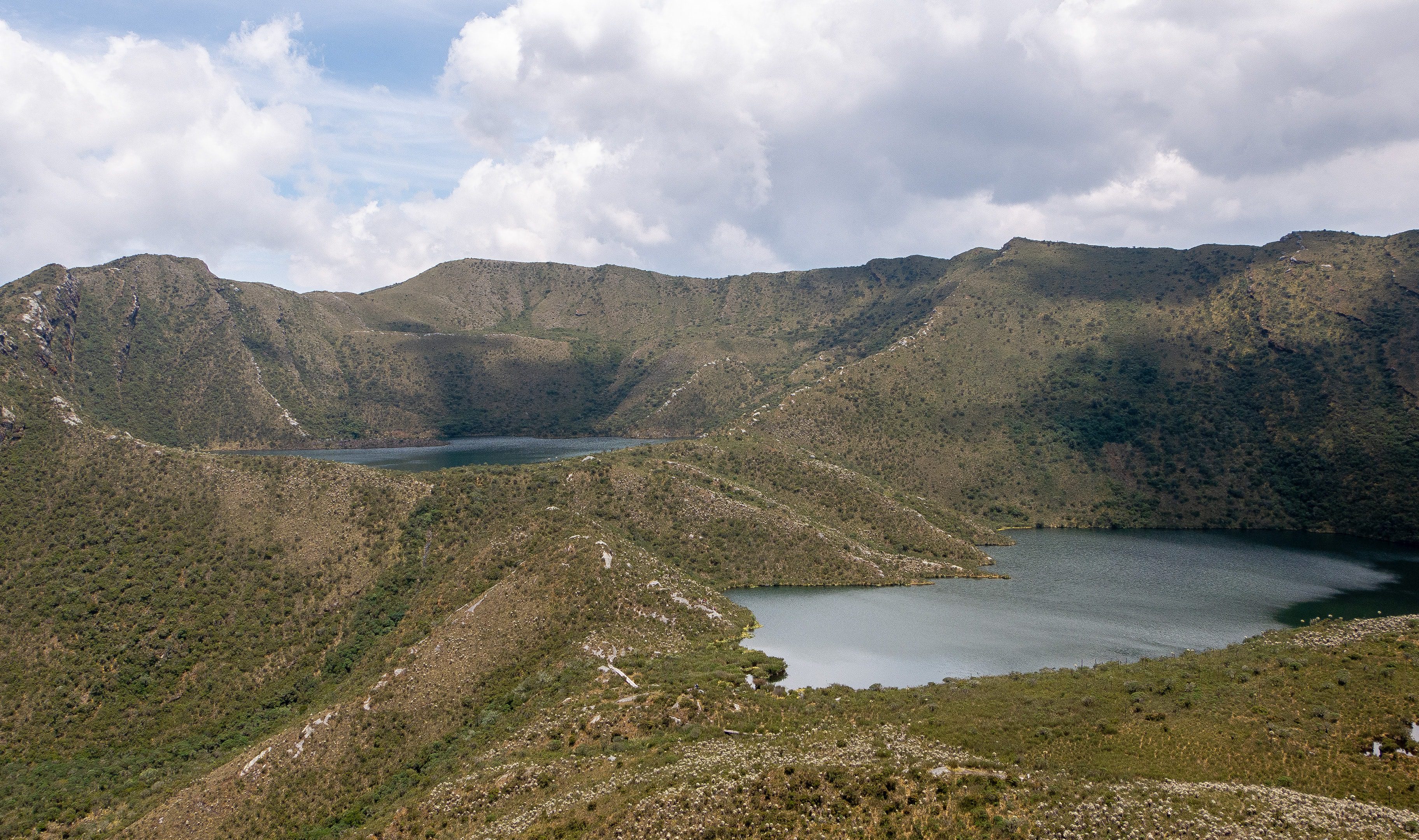
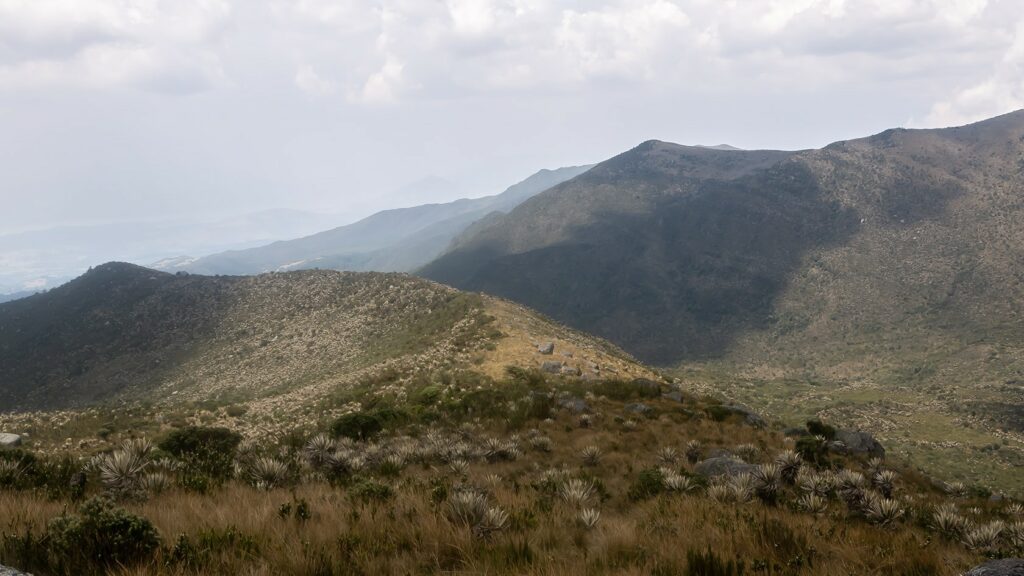
Just an hour’s drive from Bogotá, Chingaza National Park is a must-see natural gem for nature and adventure lovers. Nestled in the Colombian Andes, it covers more than 76,000 hectares and is home to one of the world’s most fascinating ecosystems: the páramo. This unique landscape, often shrouded in mist, is characterized by vast meadows dotted with frailejones, the region’s emblematic plants, and breathtakingly beautiful high-altitude lakes.
Chingaza is not only a feast for the eyes, it’s also a sanctuary for biodiversity. You can spot the Andean condor, a symbol of freedom, or the spectacledbear, a rare and unique species of bear in South America. For birdwatchers, over 400 species of bird inhabit the surrounding area, creating an unforgettable natural symphony.
But the park is more than just a haven for wildlife: it plays a crucial role for mankind. Its springs of pure water supply Bogotá and neighboring towns, providing a vital resource for millions of people. As you explore Chingaza, you will discover not only a magical place, but also a living example of the symbiosis between man and nature.
Chingaza National Park
Our verdict: the beauty of the Andes ★★★
The Andes reveal their splendor in Chingaza National Park, where hiking proved to be a truly magical experience. From the moment we arrived, we were enveloped by the calm and serenity that characterize this natural sanctuary. The breathtaking landscapes alternate between vast páramo meadows adorned with frailejones – those iconic plants – and crystalline lakes that seem to capture the sky. For us, including a hike in a páramo is an essential part of any trip to Colombia. This type of ecosystem, unique in the world and found in only four countries, finds its greatest representative here in Colombia. Chingaza offers an ideal opportunity to discover this natural wealth, particularly on the trail leading to the Lagunas de Siecha (more on this below). Every path we took revealed new panoramas, as if the park wanted to distill its wonders little by little. You feel infinitely small in the face of immensity, especially when the capricious weather plays tricks on you, adding a dramatic touch to the experience. The only downside: although close to Bogotá, access to the park can be a challenge. But don’t worry, we explain everything in detail in this article.
When should you visit Chingaza National Park?
Chingaza National Park is accessible all year round, with no punctual closures, unlike parks like Tayrona, which close at certain times. The best time to visit Chingaza National Park is from December to March, during the dry season. During these months, rainfall is less frequent. That said, the park can be visited all year round, but the wet season, from April to November, brings regular showers and denser fog.
Tourist numbers in Chingaza National Park: tourist numbers in Chingaza National Park remain relatively low, making it an ideal destination for travellers in search of tranquillity and unspoilt nature. Despite its proximity to Bogotá, the park attracts mainly local visitors and ecotourism enthusiasts in limited numbers. When we were there in the middle of the week, there were fewer than 15 people in various groups for the morning departures. Strict regulations designed to protect this fragile ecosystem also limit the number of visitors and the activities permitted, guaranteeing a peaceful, environmentally-friendly experience. Trails such as the Lagunas de Siecha are popular with hikers, but remain far from the crowds. Best avoided at weekends for those seeking the most tranquility.
Climate in Chingaza National Park: the climate in Chingaza National Park is typical of páramo regions, characterized by cool temperatures and rapid variations between sun, rain and fog. Situated at an altitude of between 2,600 and 4,000 meters, the park offers a generally cold climate, with average temperatures fluctuating between 4 and 15°C throughout the year. Precipitation is frequent, particularly during the wet seasons, which generally run from April to November. During this period, showers can be intense but are often short-lived. The months from December to March are drier, making this the best time to visit the park, especially for hiking activities. For a comfortable visit, bring warm clothing (layered for best fit), waterproof and adapted to rapid climate changes. Although unpredictable, Chingaza’s climate contributes to the park’s magic, offering landscapes that change with the clouds and the light.




Getting to know Chingaza National Park better
Chingaza National Natural Park is one of Colombia’s most important ecosystems, located in the country’s eastern region, just a few kilometers from Bogotá. This protected area is a sanctuary of biodiversity and an essential source of water resources for millions of people. Here we explore its history, geography, ecosystems, flora and fauna, as well as its tourist attractions.
History
Chingaza National Nature Park was created in 1977 with the aim of preserving its unique ecosystems and guaranteeing water supplies for the country’s capital and surrounding communities. Before the arrival of Spanish settlers, this area was inhabited by the Muiscas, who considered the páramo a sacred place. The name “Chingaza” comes from the Muisca language and means “mountain of the night god”.
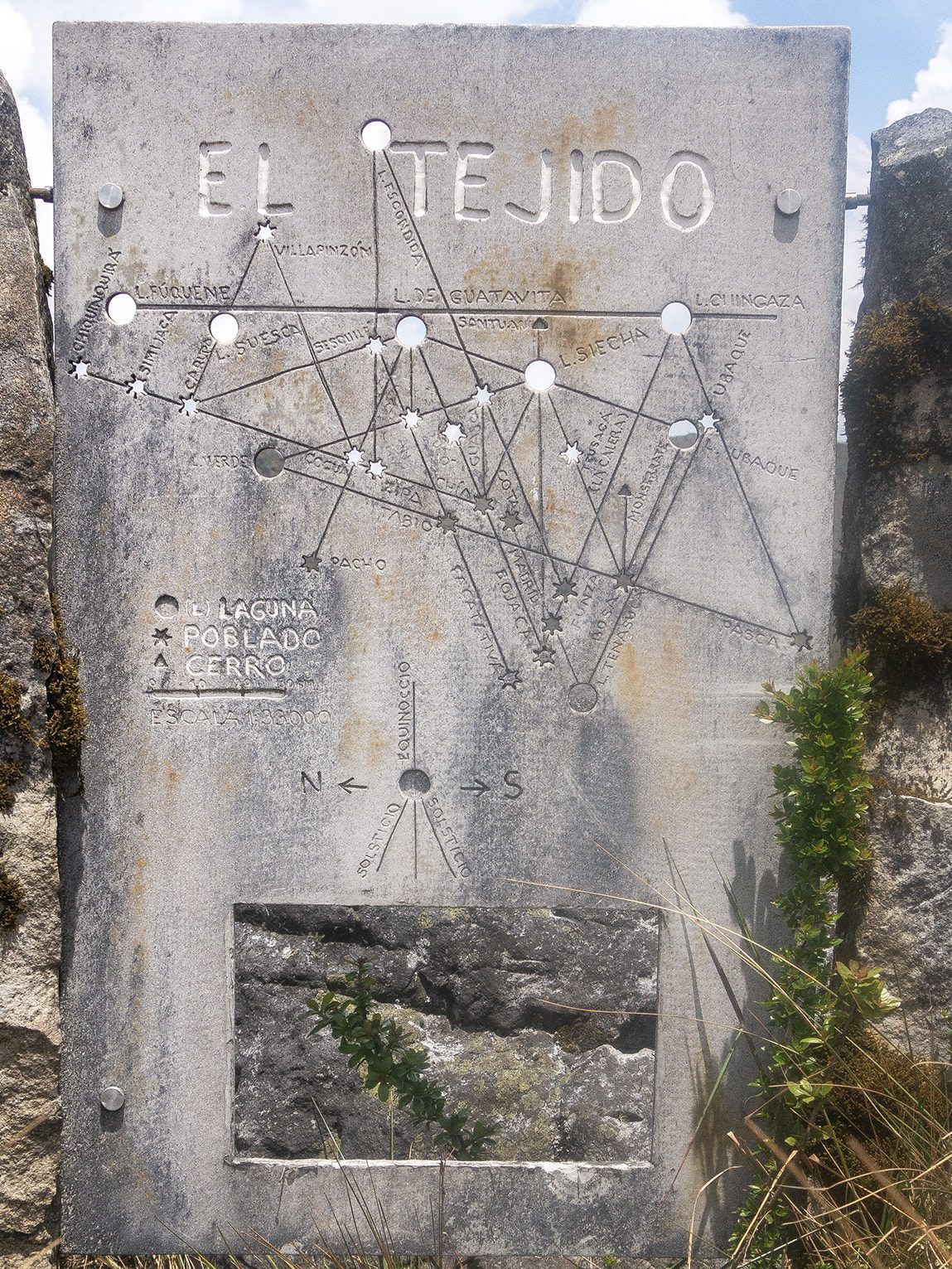
The park is home to several sacred lakes and lagoons, places of major spiritual importance to the region’s pre-Columbian civilizations. These bodies of water were the scenes of great religious ceremonies, bringing together the Caciques, the spiritual leaders of the various indigenous communities. Among the most famous lakes are Iguaque (outside Chingaza), Guatavita (outside Chingaza) and Siecha, which were part of a sacred network where rites of devotion to the gods were regularly performed. These rituals involved precious offerings, often of gold and other symbolic materials, in the hope of promoting the fertility of the land, the prosperity of the people and divine benevolence.
It was in this context that the emblematic “Muisca raft” was discovered, a gold artifact representing the “El Dorado” ceremony, an ancestral Muisca legend that recounts the ritual of the Cacique plunging into the sacred waters with golden treasures. This gesture symbolized alliance with the gods and prosperity for the people. The raft, magnificently detailed, is a fascinating testimony to this legend and to the spiritual wealth of these peoples. Today, this emblematic object is on display at Bogotá’s Gold Museum, where it continues to fascinate visitors with its beauty and its link to the myths and traditions of Muisca culture.
Geography & ecosystems
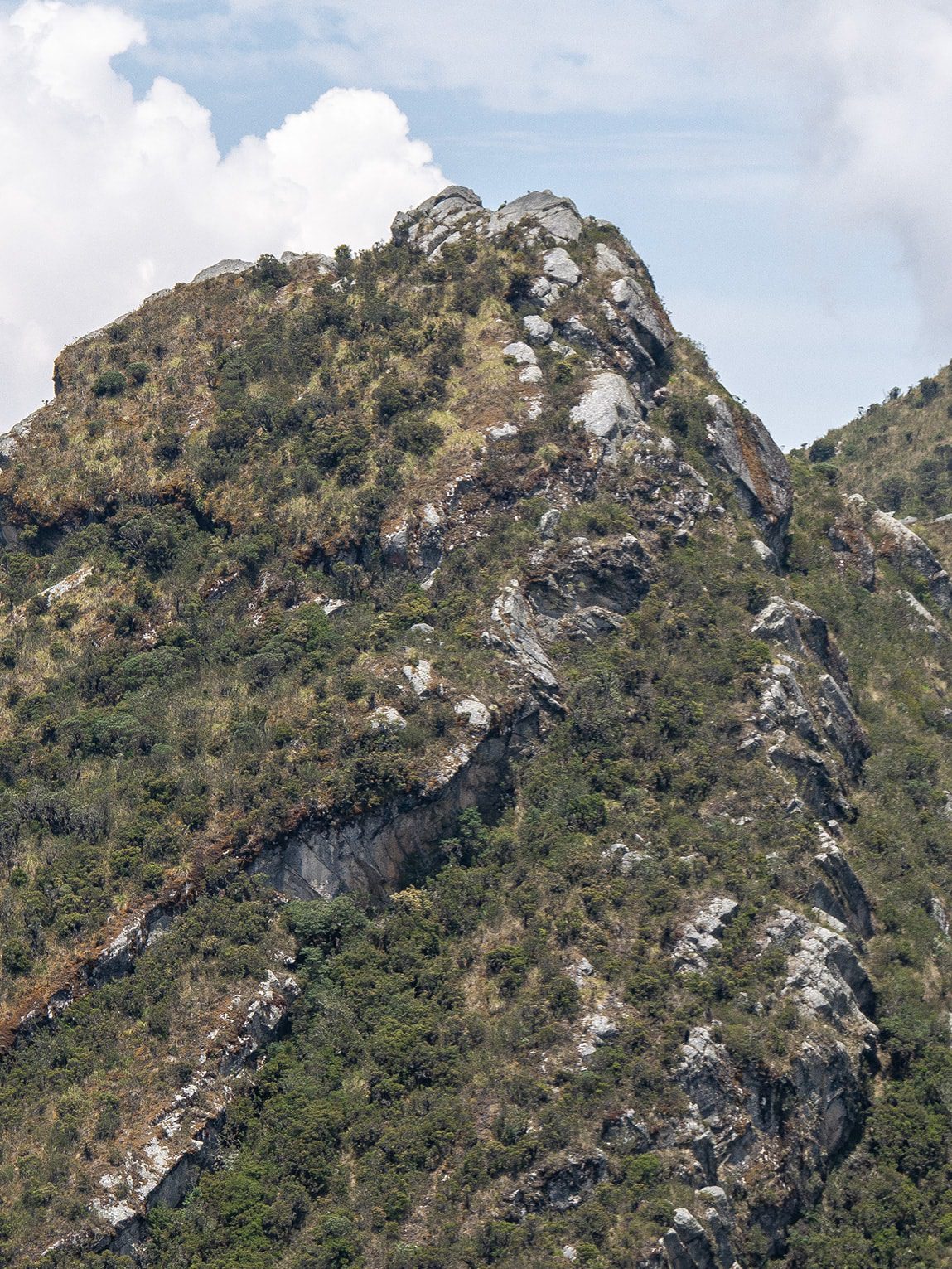
The park extends over some 76,600 hectares and covers territories in the departments of Cundinamarca and Meta. Its altitude varies between 800 and 4,020 meters above sea level, allowing for the coexistence of various types of ecosystem, from cloud forests to the famous páramos. The park’s main water sources are the Guatiquía, Blanco and Chuza rivers, as well as numerous lagoons, including the culturally and ecologically significant Buitrago de Siecha and Chingaza lagoons.
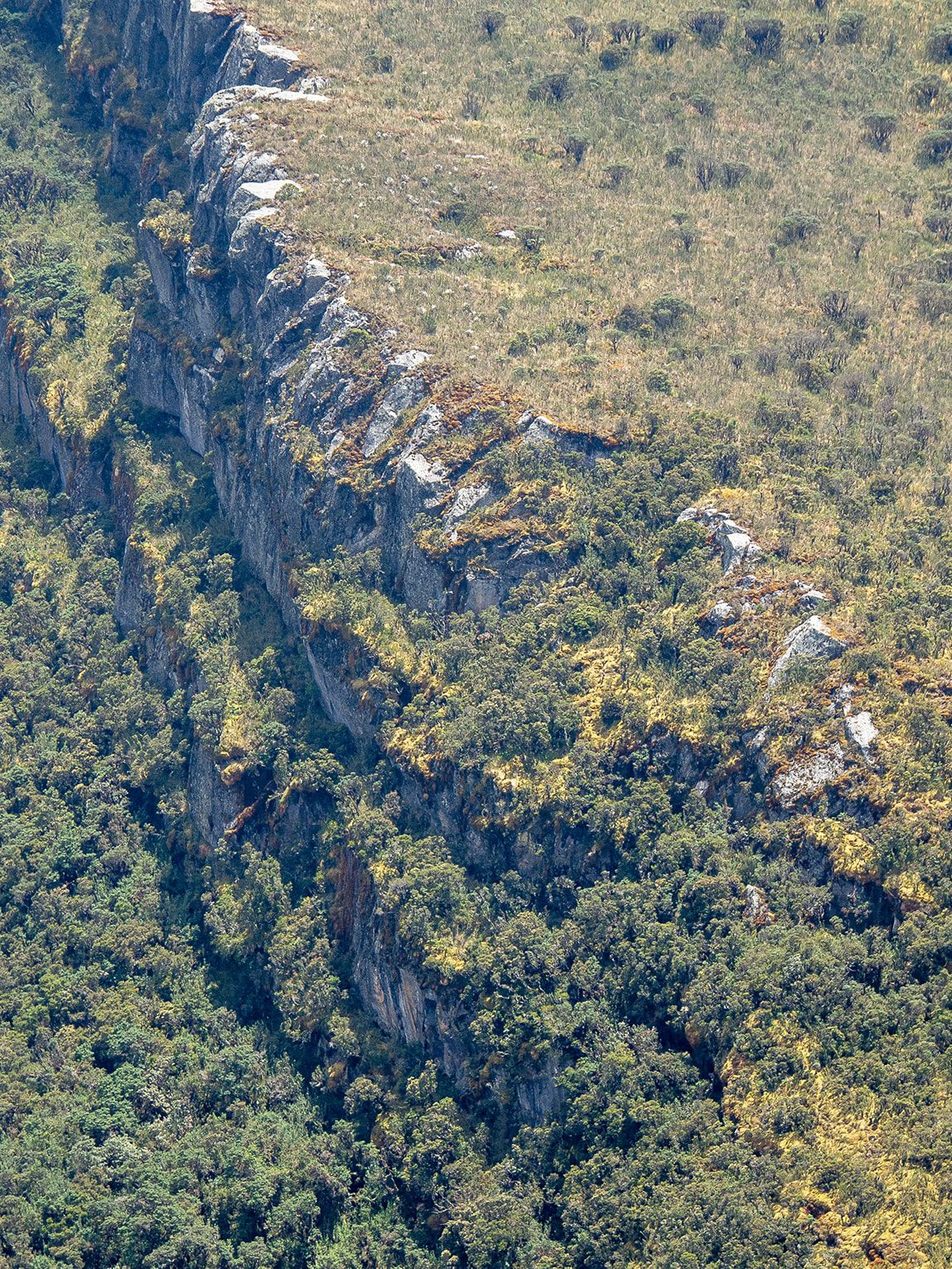
The park is distinguished by the presence of several types of ecosystem, notably the cloud forest, which covers a large part of the park at medium altitudes. These forests are rich in biodiversity and home to a wide variety of plants, including bromeliads, orchids and ferns. The cloud forest is also a favored habitat for many species of birds, mammals and insects. At higher altitudes, the landscape changes to Andean grasslands, where living conditions are harsher and species adapted to cold climates and nutrient-poor soils can be found.
Another important ecosystem in the park are the páramos, high-mountain ecosystems (between 3,000 and 5,000m altitude) characterized by vegetation that can withstand extreme conditions, such as low temperatures and high humidity. Páramos play a crucial role in regulating the water cycle, capturing and storing rainwater that feeds rivers and underground reservoirs. This phenomenon is of vital importance to the surrounding regions, especially Bogotá, which relies heavily on water from the park (80% of its water is said to come from Chingaza!).

Biodiversity
Chingaza National Nature Park is home to an impressive diversity of fauna, adapted to different geographical and altitudinal conditions, ranging from 800 to 4,000 meters above sea level. This great diversity is the result of the species’ adaptation to the multiple ecosystems and vegetation types present in the region.
Among the mammals listed are 101 species, including some particularly emblematic ones such as theAndean bear (Tremarctos ornatus), the white-tailed deer (Odocoileus virginianus goudotii), the red deer (Mazama rufina) and the puma (Puma concolor), which represent essential elements of the local fauna.
The park is also a haven for many bird species, with a total of 531 species recorded. These include the bearded páramos hummingbird (Oxypogon gerinii), the Bogotá rail (Rallus semiplumbeus), the majestic Andean condor (Vultur gryphus) and the Peruvian cock-of-the-rock (Rupicola peruvianus), all emblematic of the park’s avian wealth.
Other animal groups include 49 species of amphibians and 32 species of reptiles, including such notable species as the harlequin toad (Atelopus lozanoi), the Bogotá mountain frog (Pristimantis bogotensis), the collarejo lizard (Stenocercus trachycephalus) and the salamander (Gonatodes riveroi). These different species bear witness to the exceptional biodiversity that characterizes this natural park.
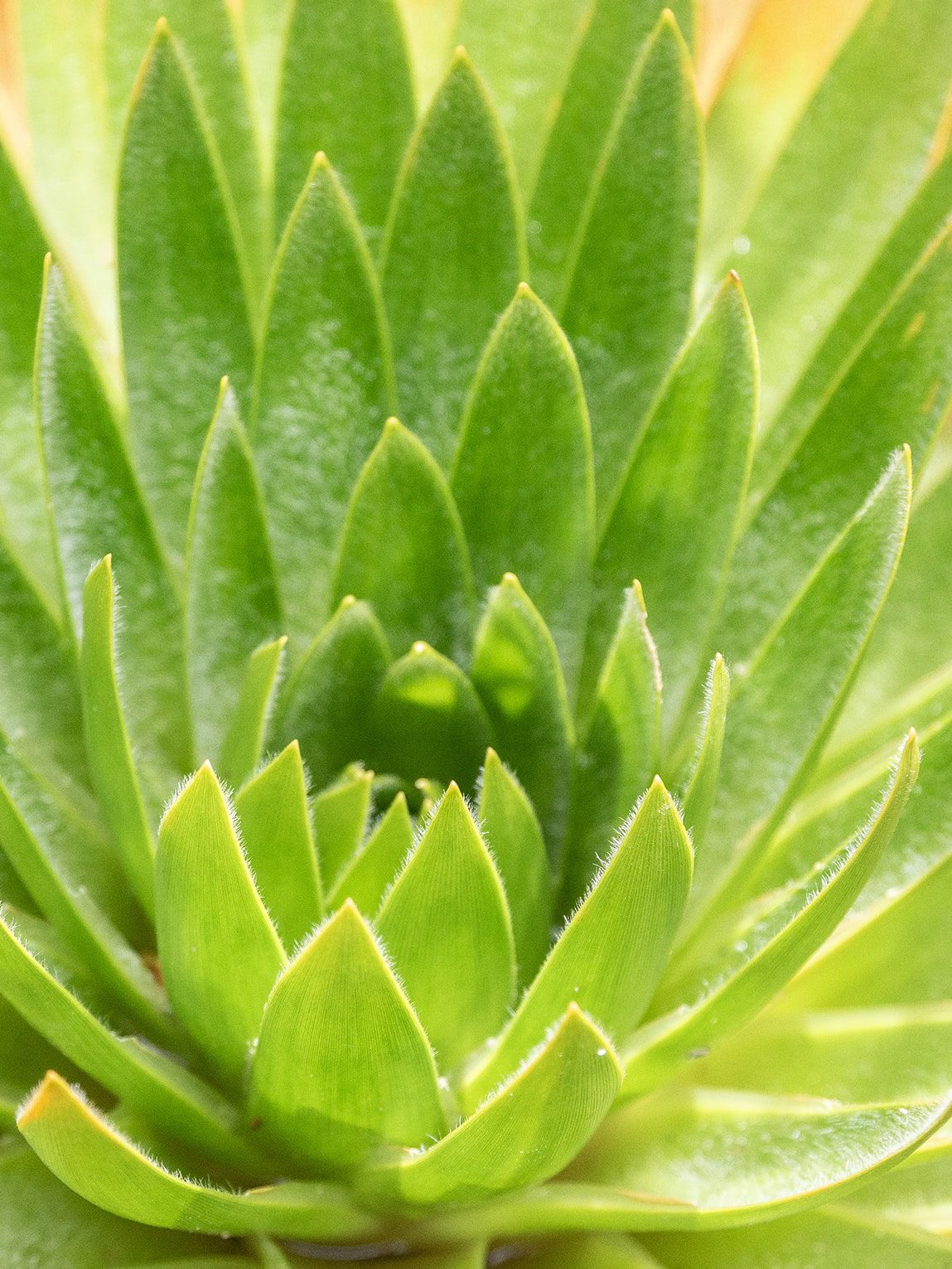
Chingaza National Nature Park is home to a rich and varied flora, including several endemic species characteristic of Colombia. Among them, the Frailejón Espeletia uribei stands out, a plant that grows in the transition zone between the páramo and the Andean forest. The park contains over 1,400 plant species, making it a veritable reservoir of biodiversity. Swamp mosses, capable of absorbing up to 40 times their own weight in water, are a common sight, playing a key role in keeping the ecosystem moist. The forests of the high Andes are dominated by species such as Encenillo (Weinmannia spp.), Gaque (Clusia multiflora) and Tibar (Escallonia myrtilloides), forming lush, diverse landscapes.
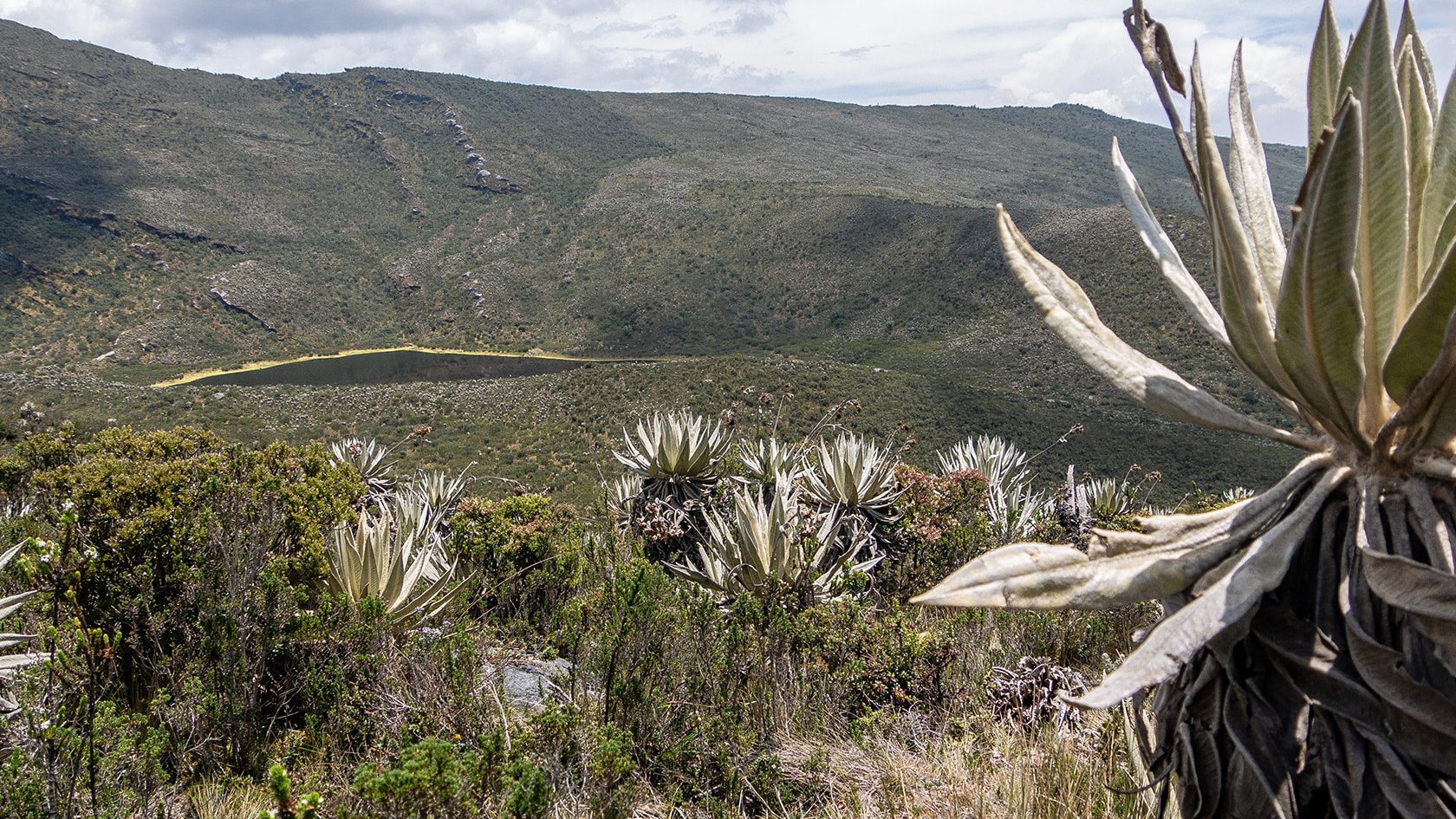
At higher altitudes, in the páramo zones, we find frailejones (Espeletia grandiflora and E. killipii), mountain grass meadows such as those of the Calamagrostis genus, arnikas (Senecio spp.) and peat bogs which, with their distinctive vegetation, contribute to the park’s ecological balance. These ecosystems are essential not only for the conservation of flora, but also for the regulation of water and the local climate.
Tourism
Chingaza National Nature Park is an ideal destination for nature lovers and eco-tourists. Popular activities include:
- Hiking: Several trails run through the park, including the Chingaza lagoon trail and the trail leading to the Monterredondo sector.
- Wildlife watching: Visitors can enjoy birdwatching and admire the unique vegetation of the páramo.
- Culture: Some tours include visits to sites of cultural and archaeological importance linked to the Muiscas.
It is important to note that access to the park is regulated to minimize environmental impact. It is recommended to visit with authorized guides and to respect conservation rules.




Visit Chingaza National Park
Our adventure to Lagunas de Siecha, a jewel in the crown of Chingaza National Park
We’re going to tell you all about our adventure on the Lagunas de Siecha trail, in the heart of Chingaza National Park. Let’s be clear from the outset: we loved this experience and recommend it without hesitation. And here’s why.
Our day began in Bogotá, where we were based. To facilitate organization, we used the services of Felipe’s agency, a Colombian who speaks French (and English). As we’ve mentioned in other articles, visiting Chingaza from Bogotá and back in one day is a real logistical challenge. Using an agency can alleviate this constraint, although it does come at a cost (950,000 COP for two people).
Waking up at 6:30am, Felipe was already at our door, ready to take us away. After about an hour’s drive, we stopped at La Calera for a hearty Colombian breakfast. A welcome break, as we needed energy to face the hike ahead. At La Calera, we also met Leo, our certified guide, who is passionate about the Chingaza ecosystem and its fascinating stories.
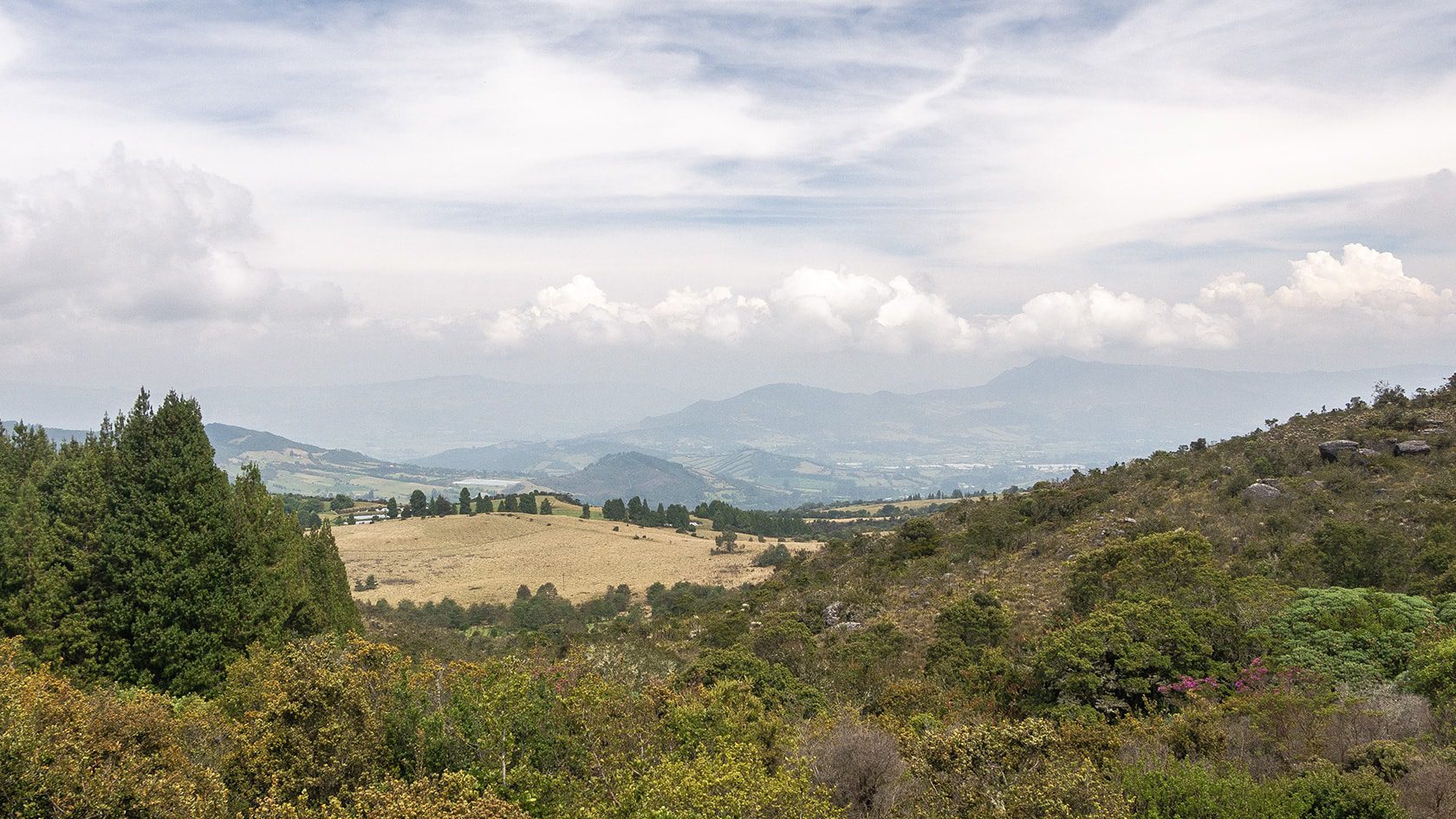
The drive to the park checkpoint, via the Guasca entrance, was an adventure in itself. We left the urban chaos for a rural landscape of scattered farms and majestic mountains. As we approached the park, the roads became increasingly degraded. The last few kilometers, on a broken road, put Felipe’s old sedan to the test. Finally, one kilometer from the checkpoint, we had to continue on foot.
This first kilometer, though unofficial, was rich in discoveries. Leo told us about the pine trees imported from Canada decades ago to supply the lumber industry. These trees, though majestic, have had a detrimental effect on the local ecosystem, and a program has been put in place to limit their spread. We were even lucky enough to observe a hummingbird in action, gathering flowers on the side of the road. A fascinating sight.
Arriving at the checkpoint, we were greeted by a team of rangers. As we signed in to the visitors’ register, one of them introduced us to the park and the rules we had to respect to preserve this fragile environment. That day, a Monday, there wasn’t much of a crowd: around 15 visitors, divided into small groups. After letting the others go, we began our ascent, eager to discover the famous lagoons.
The path to the Lagunas de Siecha is a gradual climb. Leo guided us through the unique páramo ecosystem, sharing stories of the Muiscas, a great pre-Columbian civilization. The Muiscas considered Chingaza a sacred place, and the lagoons were central to their ritual ceremonies. The significance of “Chingaza”, or “The Mountains of the God of Night”, and “Siecha”, or “Water Man”, are fully appreciated when you’re there.
After a moderate effort, intensified by the altitude, we finally reached the summit. Here, the Lagunas de Siecha were revealed, surrounded by imposing mountains. The landscape was breathtaking, almost unreal. The three lagoons, nestled at different altitudes, seemed suspended in time. We stopped to contemplate this majestic scene, while Leo told us about the Muisca rituals that took place here.
After a break to savour this unique moment and regain our strength, we began the descent. This part of the hike allowed us to get close to the banks of one of the lagoons, and admire the 5-6 m high frailejones, the emblematic plants of the páramos, essential for capturing water. The rain came, but fortunately it was light, and our waterproof ponchos protected us well.
The descent was a moment of contemplation. The overcast sky and heavy clouds added a dramatic touch to the landscape, reinforcing the mystique of the place. After a total of around four hours’ walking, we returned to the checkpoint. On the wildlife front, we weren’t lucky enough to catch a glimpse of any animals. Nospectacled bears, pumas or deer this time, but just knowing that they live in these mountains added a fascinating dimension to our hike.
A final effort to cover the kilometer separating us from the car, and we’re on our way back to Bogotá. This first immersion in the Andes has certainly left us tired, but above all it has left a deep impression on us. This day will remain engraved in our memories, not only for the splendour of the scenery, but also for everything we discovered about the local culture and the unique ecosystem of this region. If you’re looking for an experience that combines awe-inspiring nature, fascinating history and a sense of achievement, the Lagunas de Siecha trail is a must.
Hiking options
Chingaza National Park has 4 hiking trails.
Only one area can be visited per day due to the distance of the routes and weather conditions.
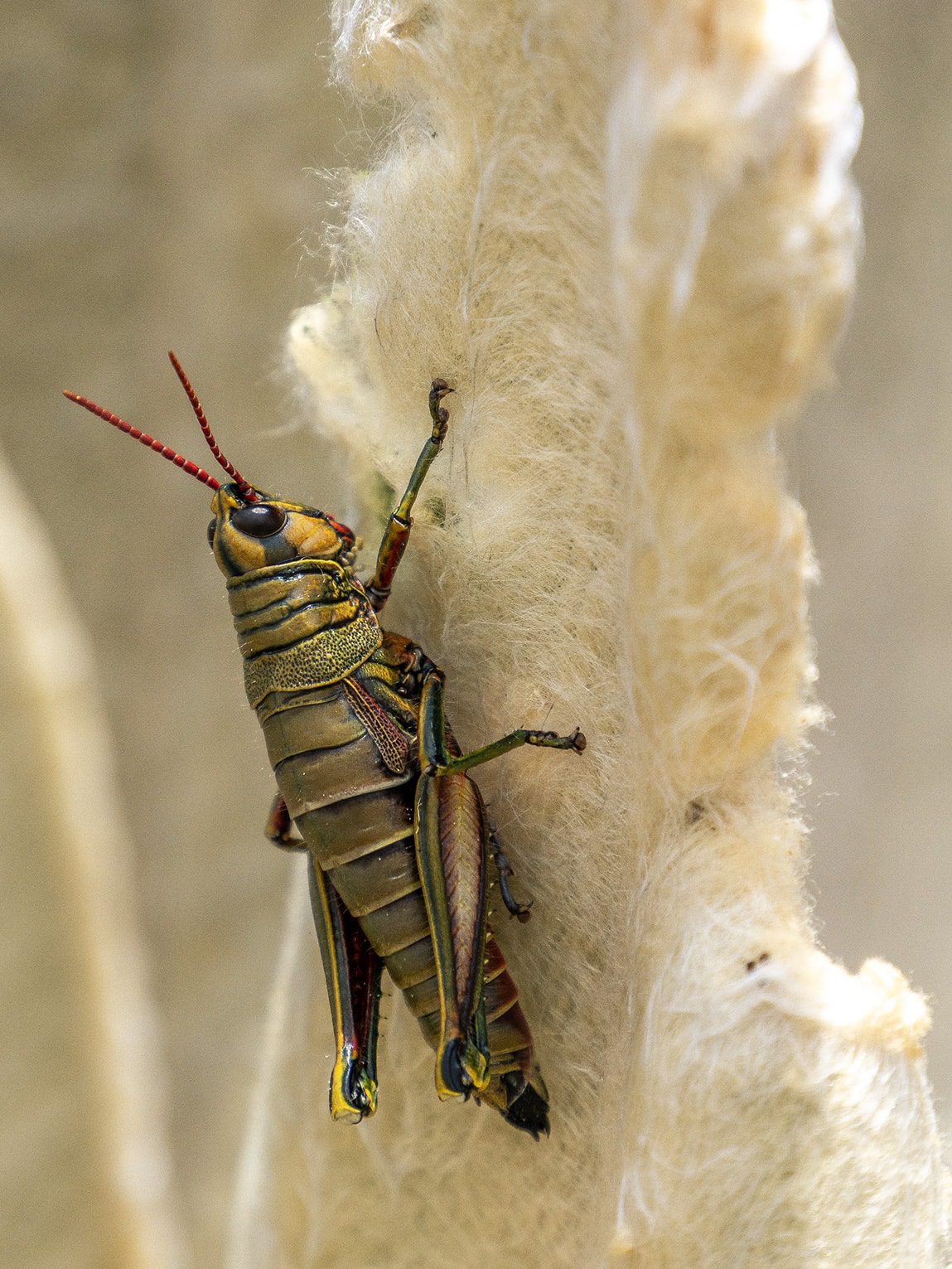
During the hike, the guide will provide you with many details about the local flora, each plant being essential to this challenging ecosystem. You’ll also have the opportunity to learn more about the Muiscas, a civilization that inhabited the region and for whom many of the park’s sites were sacred. Finally, if you’re lucky, you may catch a glimpse of animals such as hummingbirds, deer, condors, and maybe even the spectacled bear or puma (spoiler: we only saw a hummingbird and a grasshopper).
The levels of difficulty listed below are for people who are used to hiking, including on uneven terrain.
Lagunas de Siecha trail
Guasca Entrance – Difficulty: medium
The Lagunas de Siecha trail is one of Chingaza National Park’s iconic routes, offering a unique blend of natural scenery and cultural richness. Set in a páramo ecosystem, this medium-difficulty trail leads to the three sacred Siecha lagoons, considered a place of spiritual importance for Muisca culture. The trail passes through typical vegetation composed of frailejones, mosses and lichens, while offering panoramic views of the surrounding mountains.
With a round-trip distance of around 6 kilometers and an altitude of up to 3,700 meters, this trail requires a good level of fitness due to the moderate 350-meter gradient. Allow around three hours to explore it, taking time to appreciate the scenery and learn about the region’s history and unique ecosystem.
- Distance: 5.18 km
- Ascent: +350 m
- Maximum altitude: 3,700 m
- Duration: 3h30
Las Plantas del Camino trail (Laguna de Chingaza)
Piedras Gorgas or La Paila entrances – Difficulty: easy
Located on the edge of the Chingaza lagoon and along the Río Frío, this 4 km linear trail will immerse you in the history and magic of the region. Once used for cattle breeding and as a mule track, this path now crosses one of the world’s most important aquifer complexes, recognized as a Ramsar zone. Following the trail, you’ll pass the Chingaza lagoon, the largest in the national park, surrounded by the majestic peaks of the Serranía de los Organos and the Alto del Gorro, a mountain sacred to the Muisca culture. Like the lagoon, this mountain is a place of profound spiritual and cosmogonic value, crossed by the Muiscas on their pilgrimages to pay homage to their gods.
To reach this exceptional place, you’ll have to travel about 78 km from the municipality of La Calera, which corresponds to about 3 hours’ drive. The route includes 50 km to Monterredondo, then a further 28 km to the trailhead. Along the way, you’ll have the chance to discover spectacular landscapes such as the Alto de Cóndores and the Frailejones valley, giving you a glimpse of the incomparable beauty of this unique region.
- Distance: 4.5 km
- Ascent: +100 m
- Maximum altitude: 3,300 m
- Duration: 2h30
Suasie trail
Piedras Gorgas or La Paila entrances – Difficulty: easy
The Suasie trail is located in the Monterredondo area, under the jurisdiction of the municipality of Fómeque, Cundinamarca. This 2.4-kilometer loop trail reaches a maximum altitude of 3,124 meters. It passes through a variety of ecosystems, including high Andean forest (open forest and dense cloud forest), páramo, and a lookout point offering a breathtaking view of the Chuza reservoir. The flora is particularly rich, and the fauna includes emblematic species such as the white-tailed deer and many important birds, including the yellow-winged parakeet(Pyrrhura calliptera).
The tour, which includes environmental interpretation, lasts around two hours. It provides an insight into the history of the area and its inhabitants, particularly that of the Muiscas, as well as information on the flora, fauna and water resources, one of the key ecosystem services provided by this protected area.
- Distance: 2.47 km
- Ascent: +93 m
- Maximum altitude: 3,124 m
- Duration: 1h30
Laguna Seca trail
Piedras Gorgas or La Paila entrances – Difficulty: easy
The Laguna Seca trail is a low-difficulty circuit, ideal for a leisurely stroll through a páramo ecosystem. Approximately 2 kilometers long, it takes an hour and a half to complete and culminates at an altitude of 3,630 meters. The trail leads to a lagoon of glacial origin in the process of sedimentation, gradually evolving into a wetland. The surrounding vegetation is typical of the páramo, with thousands of frailejones, mosses and lichens carpeting the landscape.
The trail is uncovered and is about 1 hour and 45 minutes’ drive from the village of La Calera. To visit it, you must be accompanied by a guide, who can take up to 10 people per group. If the group exceeds this number, an additional guide will be required. Finally, be sure to leave room in your vehicle for the guide who will accompany you.
- Distance: 1.70 km
- Ascent: +26 m
- Maximum altitude: 3,629 m
- Duration: 1h00

Prices and opening hours of Chingaza National Park
Like all Colombian national parks open to the public, an entrance fee is required for access.
Opening hours: entrances between 07:00 and 10:30.
Entrance fee to Parc Chingaza
Means of payment: Cash only
| Visitor | Price (per person) |
|---|---|
| Colombian or CAN member or foreigner residing in Colombia | 26,000 COP |
| Foreigners | 71,000 COP |
| Car | 19,000 COP |
Cost of an outing organized by an agency from Bogotá
Many travelers opt for an organized outing to Chingaza, as it’s more convenient, quicker and more rewarding. However, a certain budget is required, as transportation is a major part of the cost. Here are some price indications for two people, whether for a private excursion or a shared day tour, departing from Bogotá.
| Approximate cost (for 2 people) | |
|---|---|
| Private tour including private transport, breakfast, snack, park entrance, licensed guide | 800,000 – 1,000,000 COP |
| Shared tour including private transportation, breakfast, fast-food lunch, park entrance, licensed guide | 190,000 COP |
Guide & Booking
You MUST be accompanied by a licensed guide. At the park entrance, checkpoint staff will verify your guide’s identity and keep an up-to-date register.
Reservations are mandatory, usually made by the guide, as each trail has a daily visitor quota: maximum 50 visitors per day!
AGENCIES
Felipe (elcafetour): French- and English-speaking Colombian who organizes private and personalized outings in the Bogotá region (but also throughout Colombia). Includes transportation and guide.
Explora Verde An agency offering private excursions to Chingaza from Bogotá, including transport and a guide. It’s slightly less expensive than Felipe’s, although we didn’t try it out.
GuiaNat GuiaNat offers group tours (up to 8-10 people) on specific dates, in Spanish, to Chingaza and other natural areas around Bogotá.
Corpochingaza : a community organization, ideal for vehicular travellers looking only for the environmental guide required to enter the park.




How to get to Chingaza National Park
Chingaza National Nature Park has 3 main entrances. You need to go through one of them to start hiking with an accredited guide.
Here are directions on how to reach the park by public transport, where possible (and you’ll soon realize that it’s more complicated than it looks).
Guasca entrance
(Lagunas de Siecha)
- From the village of Guasca (by public transport): you can take a bus or cab to Paso Hondo, in the rural area of La Trinidad. Once there, you’ll need to continue on foot for around 6 kilometers (1h30 walk), to reach the Siecha checkpoint. Take care on the way, as the road is busy with trucks carrying goods.
- From Bogotá (by public transport): There is NO direct public transport from Bogotá to Chingaza National Park. It is therefore impractical to leave Bogotá, visit the park, and return to Bogotá in the same day. The only solutions for a day trip from Bogotá are either to rent a vehicle, ideally a 4×4, or to use a specialized agency that includes transportation in its services.
Entrance to Piedras Gordas
(Lagunas de Buitrago, Laguna Seca, Suasie trail, Laguna de Chingaza, Cuchillas de Siecha)
- From the village of La Calera (by public transport): this area is only accessible by private or rental vehicle, as there are no public transport services serving the area.
- From Bogotá (by public transport): There is NO direct public transport from Bogotá to Chingaza National Park. It is therefore impractical to leave Bogotá, visit the park, and return to Bogotá in the same day. The only solutions for a day trip from Bogotá are either to rent a vehicle, ideally a 4×4, or to use a specialized agency that includes transportation in its services.
Entrance to La Paila
(Lagunas de Buitrago, Laguna Seca, Suasie trail, Laguna de Chingaza, Cuchillas de Siecha)
- From the village of Fómeque (by public transport): There is a bus from Fómeque to San Juanito, which passes through the La Paila checkpoint on Mondays, Wednesdays, Thursdays and Saturdays. However, this route does not return on the same day, and there are no campsites or accommodation available. There are also jeeps taking hikers to the park.
- From the village of San Juanito (by public transport): see the previous route from Fómeque to San Juanito, but in the opposite direction.
- From Bogotá (by public transport): There is NO direct public transport from Bogotá to Chingaza National Park. It is therefore impractical to leave Bogotá, visit the park, and return to Bogotá in the same day. The only solutions for a day trip from Bogotá are either to rent a vehicle, ideally a 4×4, or to use a specialized agency that includes transportation in its services.
Tip: although Chingaza is close to Bogotá, organizing a day trip is complicated by the inconvenient access (nothing by public transport). We therefore recommend renting a suitable vehicle, such as a 4×4, or using a specialized agency that can take care of all the logistics, including transportation.

Where to stay when visiting Chingaza National Park?
To discover the Chingaza National Nature Park on a day trip, there are several options for accommodation, with varying degrees of interest depending on the means of transport chosen, the budget and the standard of accommodation required.
Bogotá
Bogotá is obviously the most practical option, since as the capital it is often the arrival point for travellers, whether by plane or bus. The city offers a multitude of accommodation options to suit all tastes and budgets. Unlike places like La Calera, Guasca or Fómeque, Bogotá also offers a wide variety of activities and visits, making it an ideal base from which to explore the surrounding area.
However, Bogotá has one major drawback: it is the city furthest from the various entrances to Chingaza Park. This can make for an expensive excursion, as you’ll either have to book a day trip with an agency that includes transport, or rent a 4*4 vehicle to access the nearest checkpoints.
LEARN MORE
La Candelaria district

$ – Economical budgeting
Hostal
Granada Hostel
(La Candelaria)
The breakfasts are delicious, the staff and manager welcoming, the bedding very comfortable, the premises impeccably clean, the decor carefully thought out and the general atmosphere very pleasant.

$ – Economical budgeting
Hostal
Spotty Bogotá Centro
(La Candelaria)
This chic hostel is nestled in the heart of Bogotá and offers a memorable rooftop! The large swimming pool and heated Jacuzzis are a real treat! The breakfast is delicious, and the dormitories are very comfortable!

$$ – Average budget
Hotel
Hotel Quinta Bolivar
(La Candelaria)
Ideally located for exploring the area, this establishment offers functional rooms and very comfortable beds. The breakfast is delicious and the owner is very friendly. 100% recommended.

$$ – Average budget
Hotel
Hotel Casa de la Vega
(La Candelaria)
Situated in a beautiful location, this establishment benefits from friendly, helpful staff. Breakfast is of the highest quality. The colonial-style architecture gives the place a special charm, accentuated by its patios.

$$$ – High budget
Hotel
The Orchids
(La Candelaria)
This hotel offers a peaceful, intimate atmosphere, with just a few rooms. Decorated with care and refinement, the staff are charming and the breakfasts delicious.

$$$ – High budget
Hotel
Hotel bh Bicentenario
(La Candelaria)
The hotel is ideally located at the foot of the Monserrate mountain, right next to the Gold Museum. The beds are very comfortable and the rooms offer a pleasant, unobstructed view.
Chapinero district

$ – Economical budgeting
Hostal
Urbana Hostel
(Chapinero)
The staff are very helpful and offer an exceptional welcome. The location in the Zona T is ideal. What’s more, the value for money is excellent. We highly recommend this hotel!

$ – Economical budgeting
Hostal
Hostal Macondo
(Chapinero)
The location is excellent, in a very pleasant area with plenty of cafés, restaurants and bars. The dormitories are spotless, with comfortable beds and ample space.

$$ – Average budget
Hotel
Hotel B3 Virrey
(Chapinero)
Located in a lively, safe neighborhood, the hotel offers quiet rooms and attentive staff. The buffet breakfast service is simple and efficient. Helpful and friendly staff.

$$ – Average budget
Hotel
Hotel Espacio 94
(Chapinero)
The rooms are spacious and well-maintained, in an ideal location close to many restaurants and bars, including Park 93. The establishment is run by very friendly people.

$$$ – High budget
Hotel
EK Hotel
(Chapinero)
The central location, surrounded by a multitude of restaurants, combined with the friendliness of the staff and the exceptional quality of the breakfast, make this place a perfect choice in the neighborhood.

$$$ – High budget
Hotel
GHL Hotel Bioxury
(Chapinero)
The hotel offers breathtaking views of the city, and is nestled in a lively neighborhood brimming with restaurants and stores. The staff are friendly, the rooms comfortable and the breakfast generous.
Usaquén district

$ – Economical budgeting
Hostal
Usaquen Station Hostel
(Usaquén)
This inn and its staff are simply remarkable. Their kindness, helpfulness and generosity are extraordinary. What’s more, the hostel is located in a very safe neighborhood.

$ – Economical budgeting
Hostal
Hostal CasAlé Usaquén
(Usaquén)
The establishment is impeccably clean and offers outstanding customer service. The neighborhood offers amenities such as a pharmacy, restaurants, a vending machine and a market.

$$ – Average budget
Hotel
Zana Hotel Boutique
(Usaquén)
The location is simply ideal! The neighborhood is safe and perfect for walking, with a multitude of amenities. The bedding is comfortable and the room was clean. The welcome was incredible.

$$ – Average budget
Hotel
Hotel Primitivo
(Usaquén)
The staff are extremely attentive and supportive. The rooms are well maintained and quite quiet at night. Breakfast is sufficient and with 3 choices, it’s delicious and in good quantity!

$$$ – High budget
Hotel
NH Collection Bogota Hacienda Royal
(Usaquén)
The view from the room is magnificent, and the terrace adds charm. The location is perfect, with the adjacent shopping center. The staff are pleasant.

$$$ – High budget
Hotel
W Bogota
(Usaquén)
The warm welcome, the comfortable room, the delicious breakfasts and the restaurants offering absolutely fabulous cuisine all contribute to a dream stay in a really pleasant area!
Advantages :
- Wide choice of accommodation.
- Wide choice of restaurants.
- Very well served (by bus or plane).
- Ideal for staying a few days (lots to do in and out of town).
Disadvantages :
- More expensive, as it’s impossible to get to Chingaza by bus. It is therefore essential to rent a car (4×4), or book an excursion with an agency.
La Calera
The village of La Calera is an ideal starting point for accessing the Piedras Gordas entrance to Chingaza Park, and, to a lesser extent, the Guasca entrance. However, accommodation options here are much more limited than in Bogotá, and the village itself offers no real tourist interest beyond its proximity to the park.
Advantages :
- Economical. It’s cheaper to get to the park from La Calera than from Bogotá.
- Fairly well served by bus from Bogotá.
Disadvantages :
- Little choice of accommodation.
- Limited choice of restaurants (especially Colombian).
- There’s little point in staying there, except to access Chingaza Park.
- No public transport to Chingaza Park.
Guasca
The village of Guasca is an ideal starting point for accessing the entrance to the Lagunas de Siecha in Chingaza Park. However, accommodation options here are much more limited than in Bogotá, and the village itself offers no real tourist interest apart from its proximity to the park, and its proximity to Guatavita.
Advantages :
- You can get there by public transport (and still walk 1h30).
- Economical. It’s cheaper to get to the park from La Calera than from Bogotá.
- Fairly well served by bus from Bogotá.
Disadvantages :
- Little choice of accommodation.
- Limited choice of restaurants (especially Colombian).
- There’s little point in staying there, except to access the Chingaza or Guatavita parks.
Fómeque & San Juanito
The villages of Fómeque and San Juanito are ideal starting points for accessing the La Paila entrance to Chingaza Park. However, accommodation options are extremely limited, and these localities are of little tourist interest beyond their proximity to the park.
Advantages :
- Economical. It is economically more attractive to visit the park from these 2 villages than from Bogotá.
- It would be possible to get there by bus (but there are few timetables).
Disadvantages :
- Very little choice of accommodation.
- Very few restaurant choices.
- No point in staying there, except to access Chingaza Park.
- Bus service from Bogotá is poor.


Notes on visiting Chingaza National Park
Mandatory guide
To hike in Chingaza, you must be accompanied by a licensed guide. This rule is designed to protect the park’s fragile ecosystem while guaranteeing visitor safety (and financial equilibrium).
Reservations required
Booking in advance is essential, as guides and their availability can be limited, especially during busy periods. In general, a few days’ notice from the guide is sufficient.
Bring water
Bring enough water to quench your thirst, especially if you drink a lot, as there are no stores where you can refuel during your day in Utría. The heat and humidity can have a big impact on your need for water.
Suitable clothing
Wear clothes adapted to the climate: different layers of clothing, to be added or removed according to the weather, which can change rapidly during the day. It can be warm or cold.
Sunscreen + Sunglasses
Even if temperatures remain moderate due to the altitude, ultraviolet rays are extremely powerful on sunny days. Skin protection is therefore essential.
Raincoat (poncho, K-Way)
In the mountains, the weather can change rapidly, and it’s not uncommon to find yourself in the rain. Remember to pack a good raincoat, such as a poncho (practical) or a K-Way. Showers can be heavy.
Altitude & Physical effort
Chingaza’s trails lie between 3,000 and 4,000 meters above sea level. Keep your pace moderate and hydrate frequently to prevent altitude sickness. This park is not recommended for people unaccustomed to physical activity or with health problems.
Respecting the environment
Respect the fauna by not picking or breaking plants, especially frailejones, essential to the páramo ecosystem. And of course, take all your garbage with you – your guide will see to it! By the way, it’s forbidden to bring plastic into the park.


