

In brief


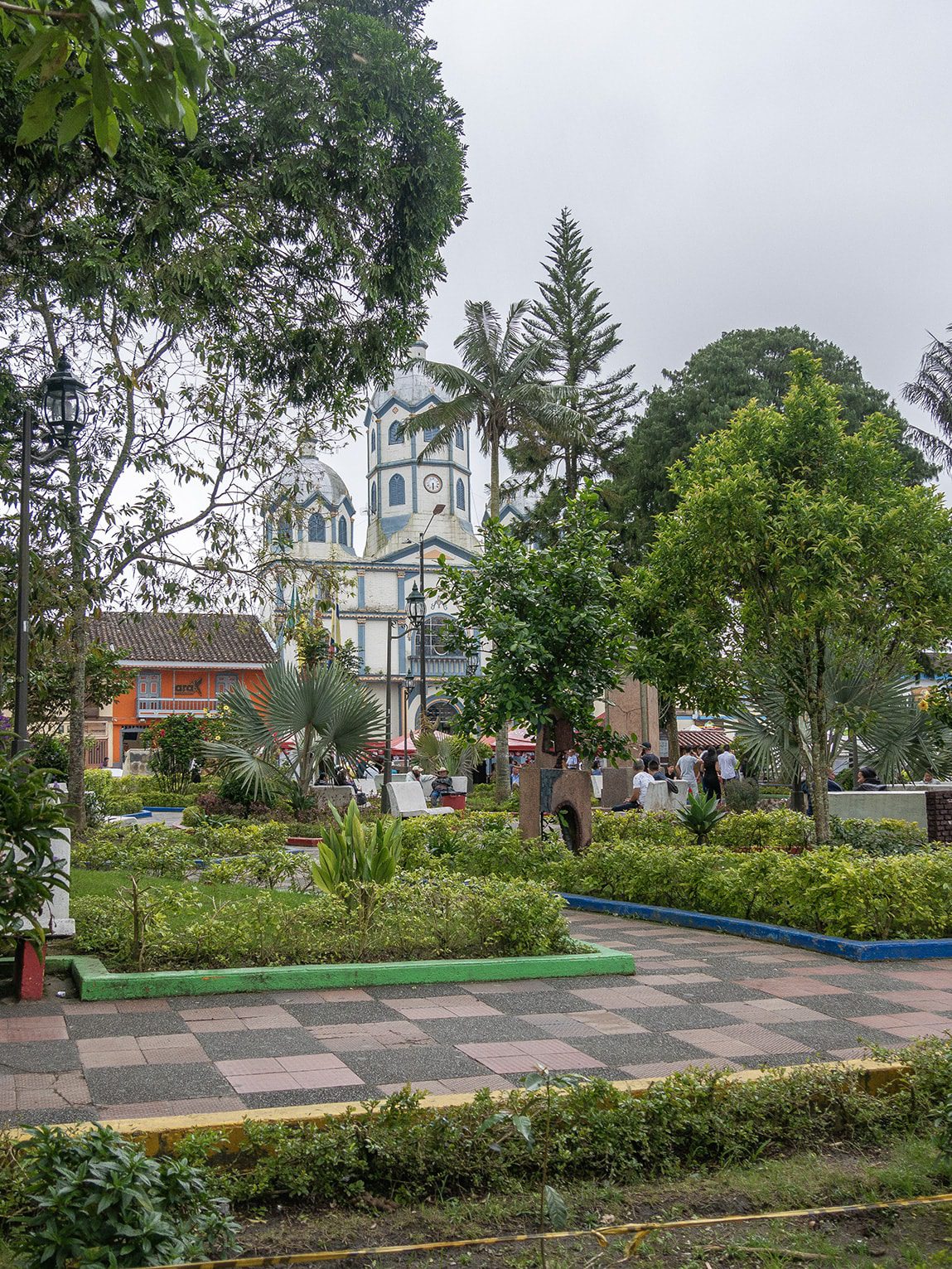
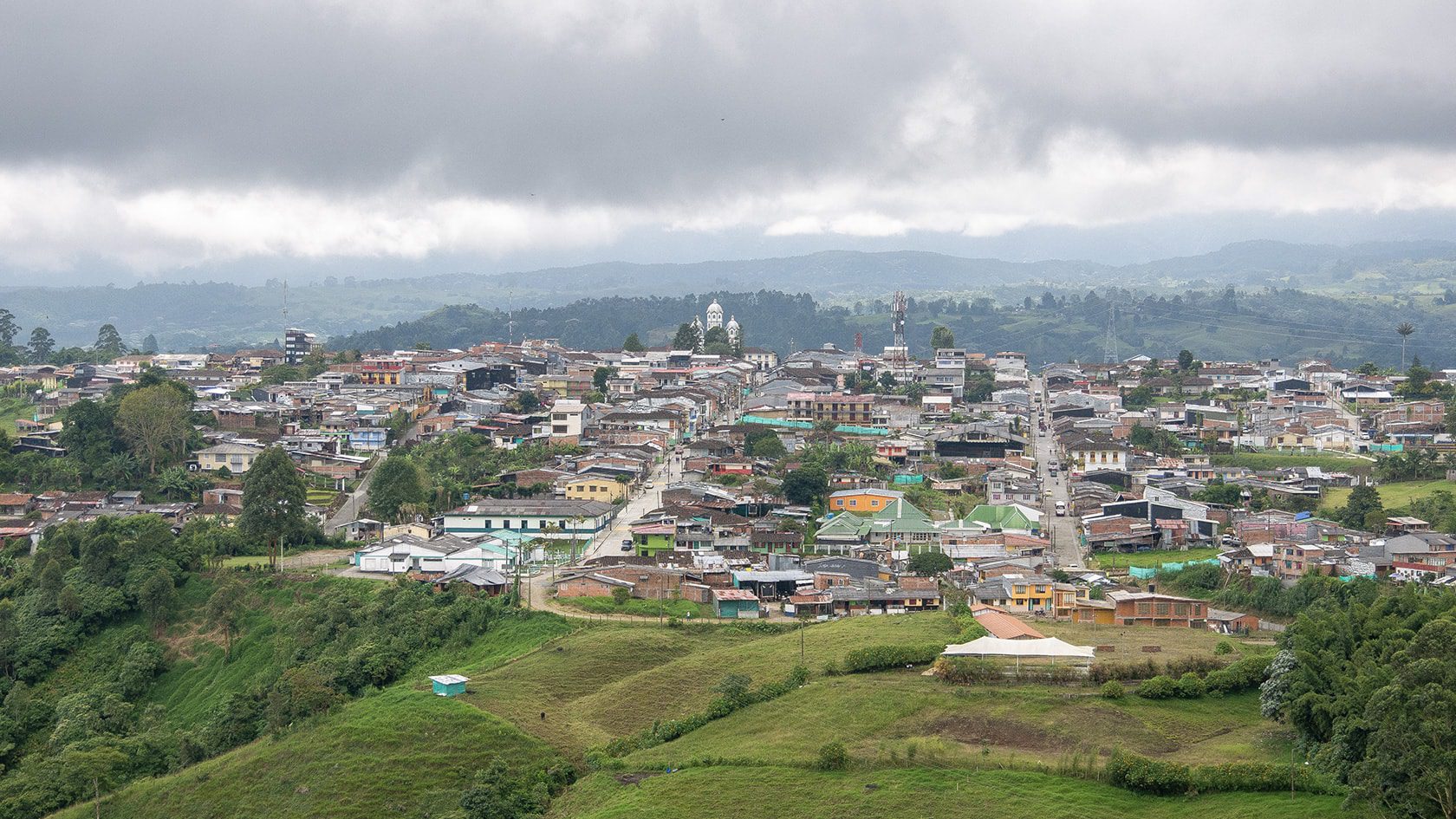
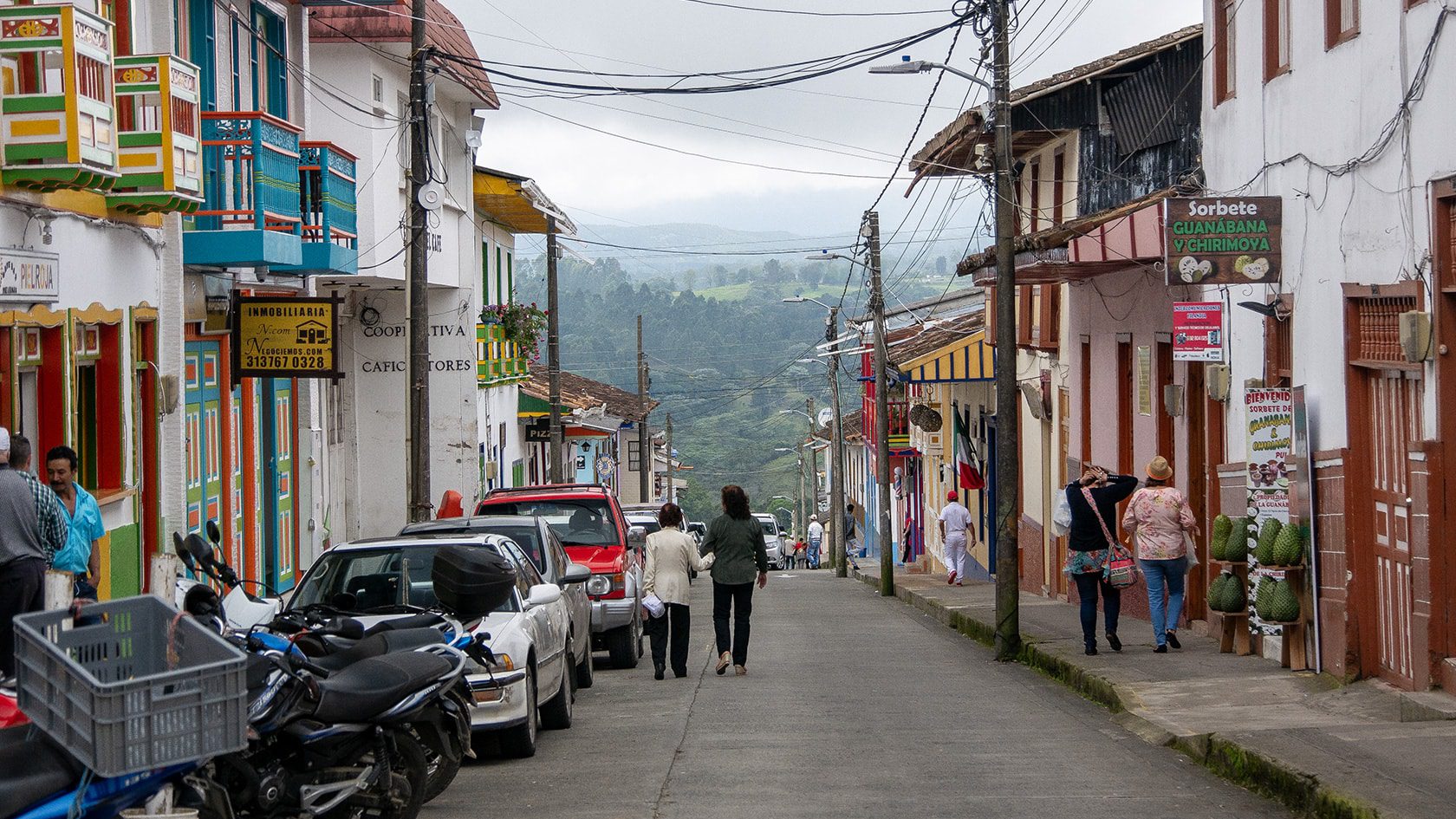
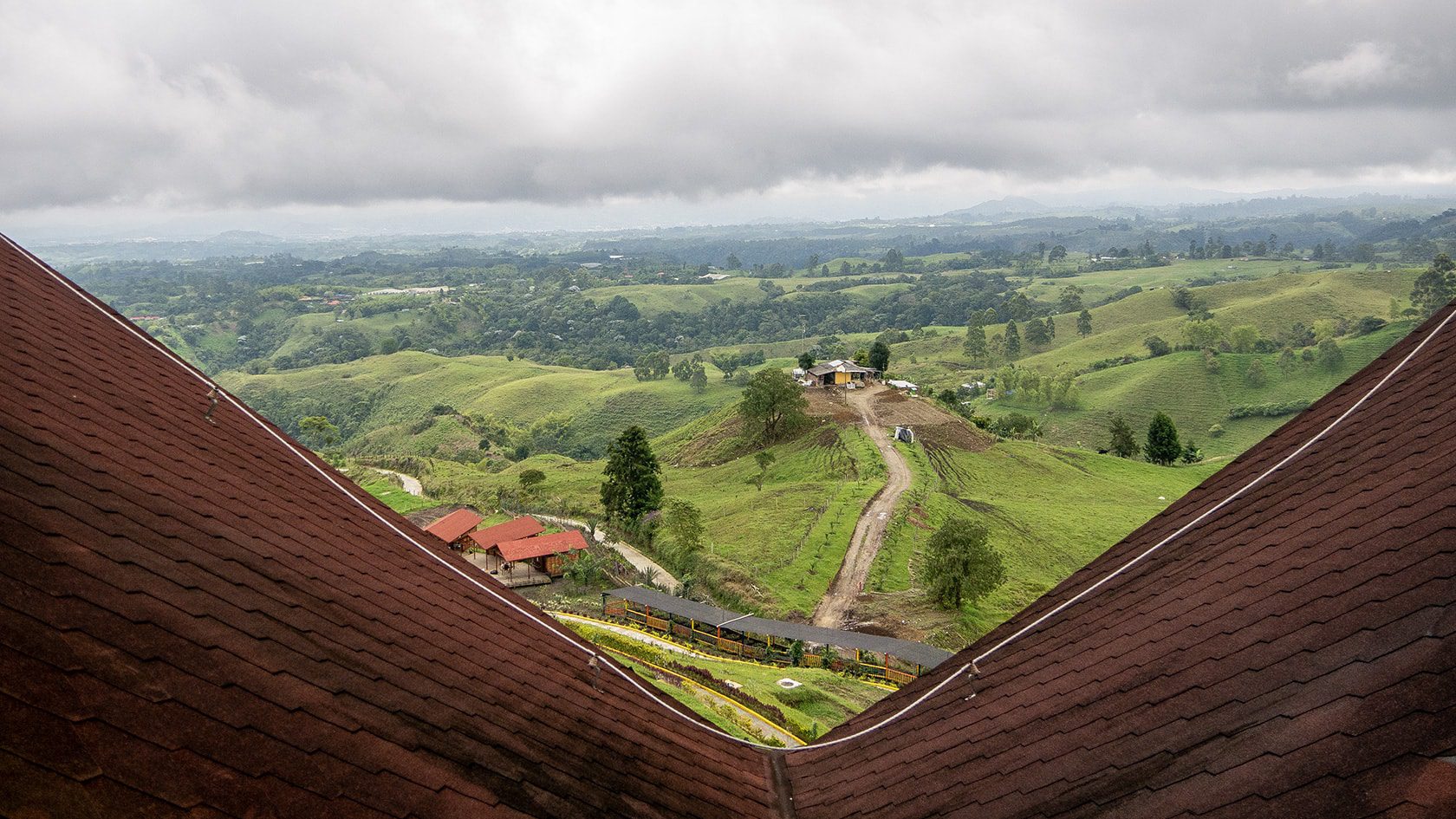
Perched in the heart of Colombia’s coffee region, Filandia is a real treasure to discover. Often overshadowed by its famous neighbor, Salento (although Filandia is no longer as secretive as it was many years ago), this charming colonial village seduces visitors with its authenticity, colorful alleyways and peaceful ambience. Nicknamed “La Colina Iluminada” (The Illuminated Hill) for its viewpoint, Filandia offers spectacular panoramas of the surrounding valleys and an immersion in local culture. From craft workshops to traditional cafés and nature trails, every corner of this village tells a story steeped in tradition and simplicity. Whether you’re a fan of breathtaking scenery or looking for a more intimate experience in the region, Filandia is the perfect stopover to discover the essence of Quindío.
Filandia
- Department: Quindío (Andes)
- Founded: 1878
- Altitude: 1,910 m
- Climate: temperate and humid
- Urban population: 6,434 (2024)
- Safety: very safe
- Length of stay: 2 nights
- Direct access: Armenia, Pereira, Salento
Our opinion: The little Salento ★★
Filandia is often presented as the tranquil alternative to Salento, now overrun by tourists. More peaceful, but with ever-increasing tourist activity, this charming village is well worth a stop. As in Salento, it features colorful houses with wooden balconies, typical of the coffee-growing region. Visitors can explore coffee and panela fincas, immersing themselves in local traditions. The mirador, which has an entrance fee, offers a panoramic view of the village and surrounding area, with artisanal stores specializing in bejuco objects along the way. The main attraction is the Barbas Bremen private nature reserve, ideal for hiking and howler monkey watching. Unlike Salento, Filandia doesn’t offer iconic sites such as the Cocora Valley or the great wax palms. These spectacular landscapes require you to pass through Salento to access valleys like Cocora or La Carbonera. With fewer entertainment options, some might find it too quiet, but Filandia is a perfect place for those in search of authenticity, unspoilt nature and serenity.
When to go to Filandia?
Whatever the season, Filandia remains a must-see destination that will charm you all year round.
Filandia tourist numbers: Filandia is less crowded than its neighbor Salento, making it an ideal destination for those seeking peace and quiet. Although less well known, Filandia is gaining in popularity, particularly among lovers of sustainable tourism and travelers curious to immerse themselves in the culture of the Quindío region. Its tranquility, colonial charm and enchanting landscapes make it a popular destination, but still far from being overrun (yet).
Climate in Filandia: Filandia’s climate is temperate and humid, with daytime temperatures varying between 18°C and 22°C all year round, thanks to its altitude of 1,900 meters. The village enjoys two main seasons: the dry season, from December to February and July to August, which offers sunny days ideal for sightseeing, and the rainy season, from March to June and September to November, when frequent showers occur mainly in the afternoon, but the mornings often remain sunny.
Legend: Blue: transport terminal – Yellow: activities & visits – Green: accommodation – Orange: restaurants
History of Filandia
Filandia is a municipality in the department of Quindío, in the heart of Colombia’s coffee-growing region. The name “Filandia” comes from the combination of two words: “filius” (Latin for son) and “Andes” (from the Quechua word “antis”, meaning mountains).
Origins and foundation
Before the arrival of the antioqueño settlers in 1878, the Filandia region was populated by the indigenous Quimbayas, renowned for their skills in goldsmithing. These artisans were the creators of the famous Quimbaya Treasure, a collection of over 400 gold objects dating from before the Spanish conquest. This treasure was discovered in 1890 near Filandia and today represents an invaluable part of Colombia’s cultural heritage.
In 1540, Spanish settlers arrived in the region in search of gold and christened the territory the “province of Quimbaya”. But Filandia’s history begins with the westward expansion of Colombia in the XIXᵉ century. The first settlers arrived in the region in search of fertile land and economic opportunities. At the time, the territory was part of Gran Caldas, a vast administrative entity. This expansion was marked by Antioquian colonization, a migratory movement of families from Antioquia and Caldas, who left their cultural and architectural imprint on the village.
The official founding of the village on August 20, 1878 is attributed to a group of pioneers, including Jaime Buitrago and Francisco Giraldo, who played a key role in organizing and structuring the fledgling community.
Historical milestones:
- 1892: Filandia was granted municipal status.
- 1910: Construction of the village’s first church, dedicated to the Immaculate Conception. Although the original structure has been replaced by a more modern version, the church remains an important spiritual and architectural symbol for the community.
- 1966: Filandia joins the department of Quindío, created that year, after having long belonged to Caldas. This political transformation reinforced the village’s regional and administrative identity.
- 1995: Filandia was included in the Coffee Cultural Landscape, a group of municipalities that reflect Colombia’s coffee heritage and culture. In 2011, the region was declared a World Heritage Site by UNESCO.
Economic and cultural development
From the outset, Filandia was distinguished by its agricultural activity, in particular coffee growing, which soon became the economic mainstay of the commune. Filandia’s strategic position at the heart of the coffee-growing region facilitated trade and the transport of agricultural produce to other localities.
In 1905, the road to Armenia, the county capital, was established, facilitating the transport of goods. Weekly markets attracted traders from all over the region, transforming Filandia into a regional economic center.
Filandia’s traditional houses are a living testimony to the antioqueño architectural style, with their bahareque structures (a mixture of wood, cane and cob) and tiled roofs. In 1988, the historic center of Filandia was declared a national cultural heritage site, guaranteeing the preservation of these emblematic buildings.
Culture and tourism
Filandia’s cultural richness is deeply rooted in rural traditions. This is evident in its festivities, crafts and gastronomy. Filandia is also famous for its festivals and cultural events. For example, the Festival de la Cestería, held every year in October, showcases local crafts, in particular basketry, an ancestral technique for making bejuco baskets. The village also organizes carnivals and patron saint festivals in honor of the Virgen del Carmen, Filandia’s patron saint.
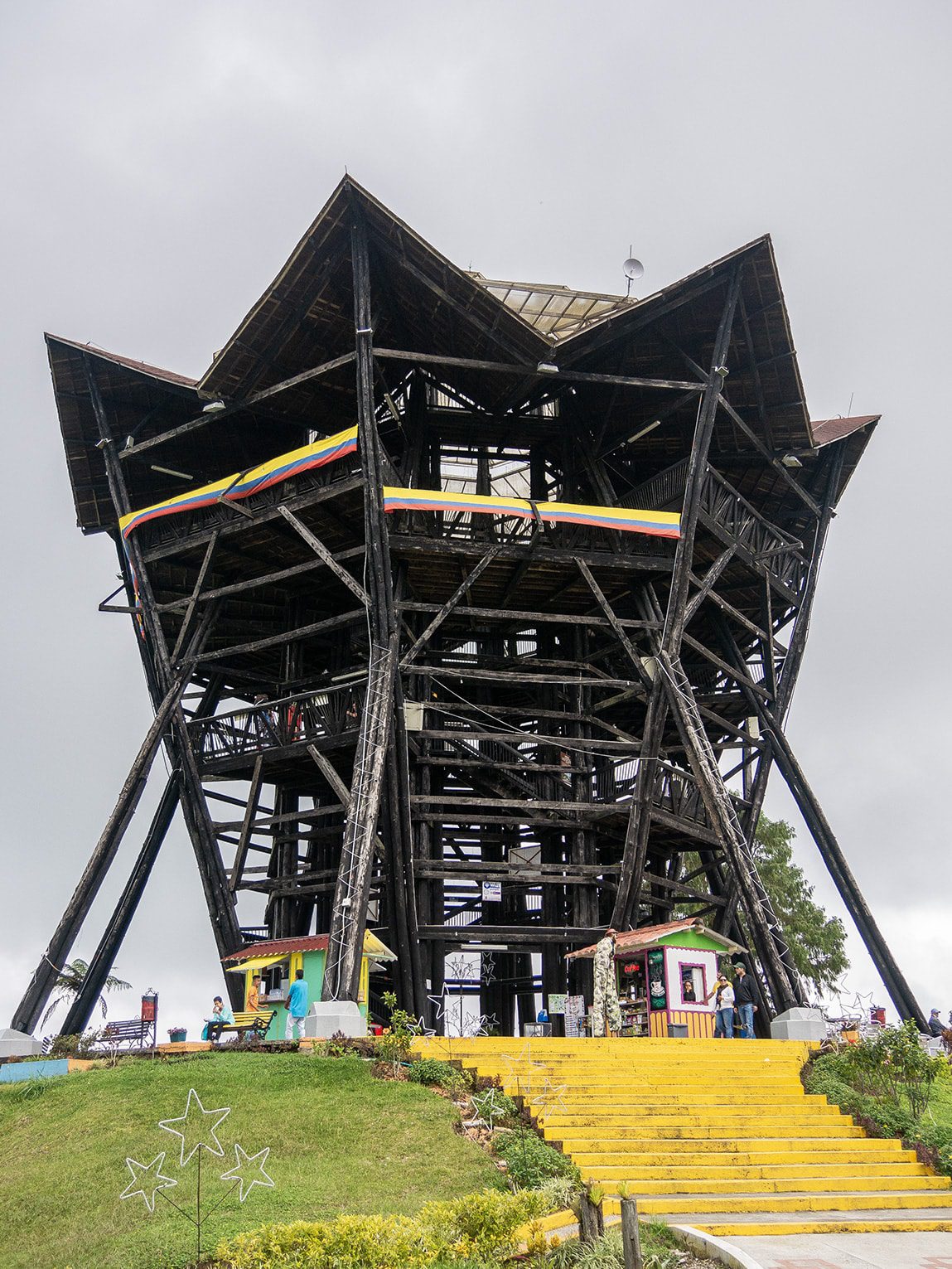
Today, Filandia is becoming a major tourist attraction in the Quindío region. The Mirador de la Colina Iluminada, inaugurated in 2014, offers spectacular panoramic views of the region, attracting thousands of visitors every year. Sustainable tourism and respect for the environment are at the heart of local concerns, with initiatives to preserve forests and natural resources.


What to see and do in Filandia
In Filandia
The village of Filandia is packed with iconic places to discover. Here’s a selection of must-see sites to explore during your visit.
AGENCIES & GUIDES
Rural Adventure Agency offering a wide range of activities and experiences in and around Filandia.
Main square (Parque Bolivar)
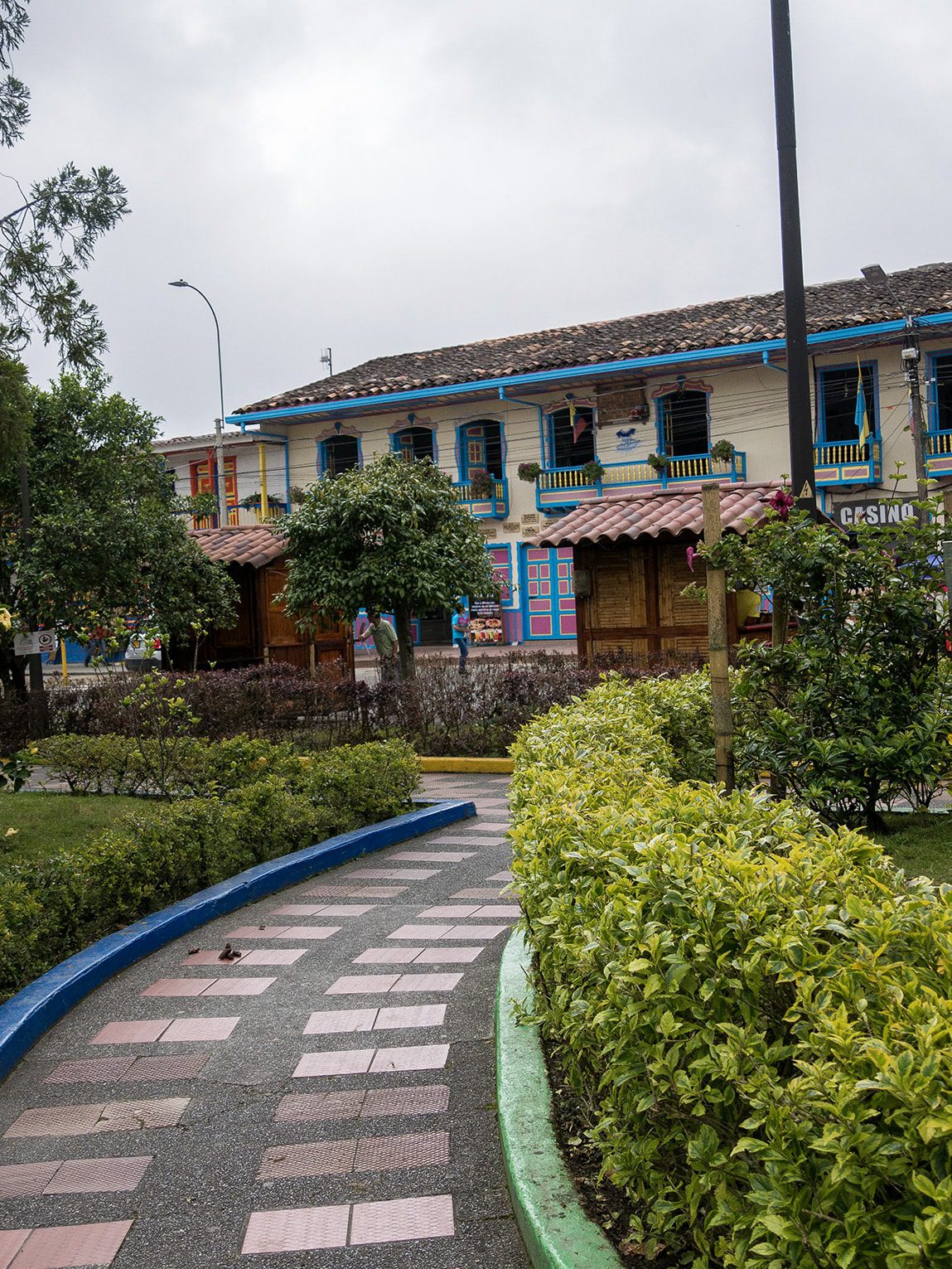
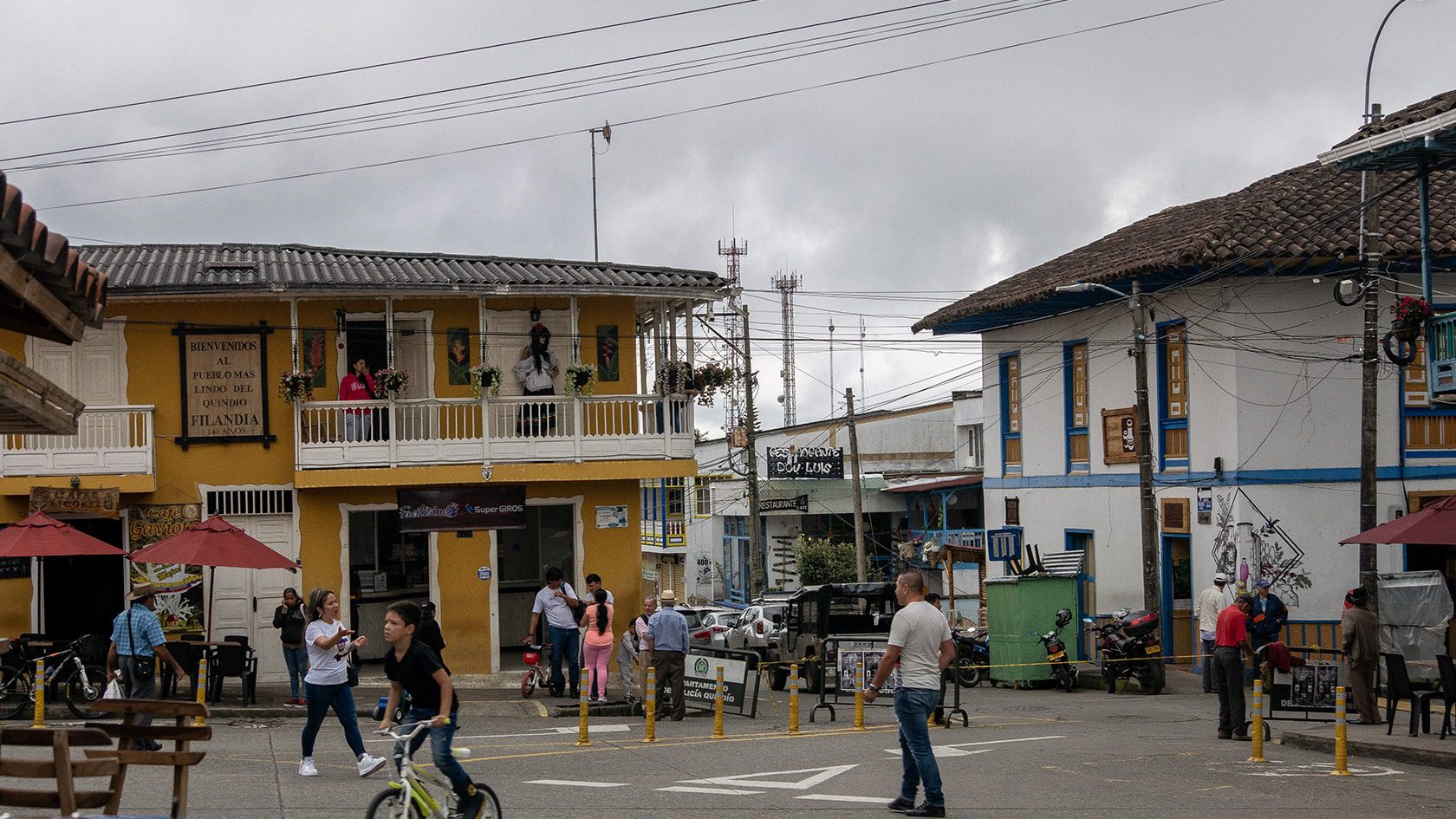
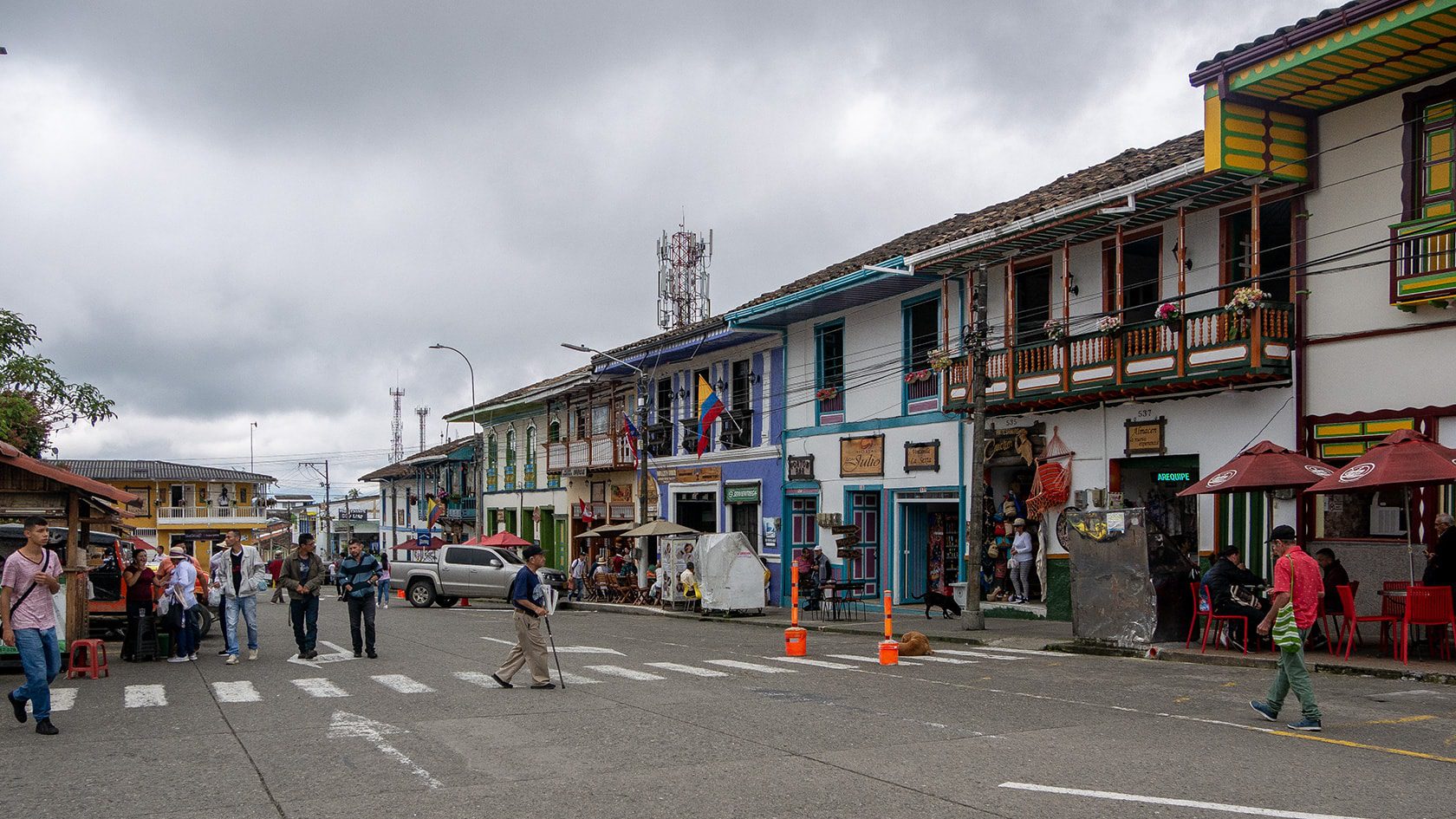
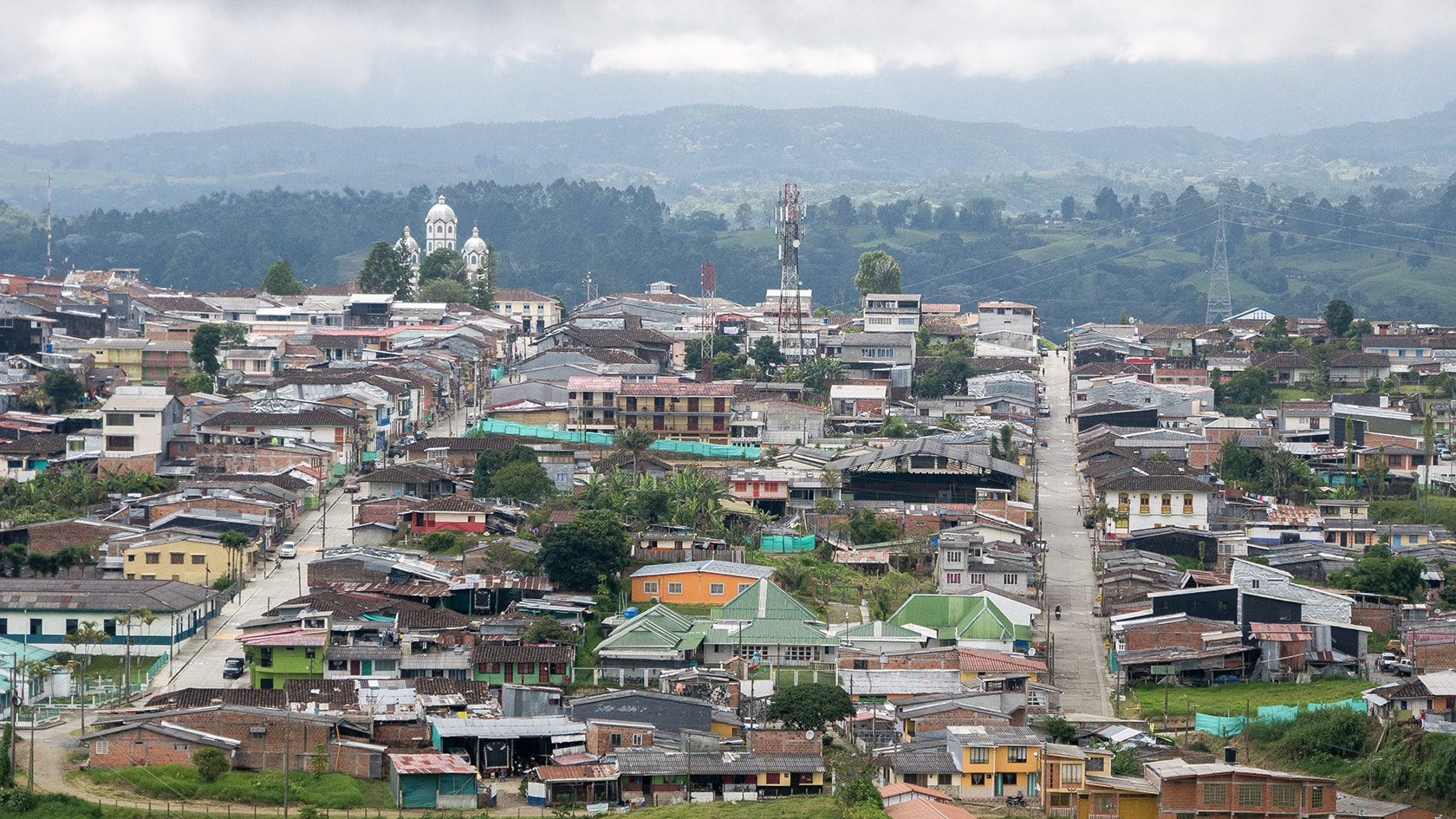
Don’t forget to pass by the main square to admire the pretty Parroquia Inmaculada Concepción church. Its blue and white hues seem almost discreet next to the bright colors of the surrounding houses. It’s the perfect place to enjoy the life of the locals, meeting in the shade of a tree, or in one of the many cafés lining the park.
Free
Open 24/24h
Calle del Tiempo Detenido (calle 7)
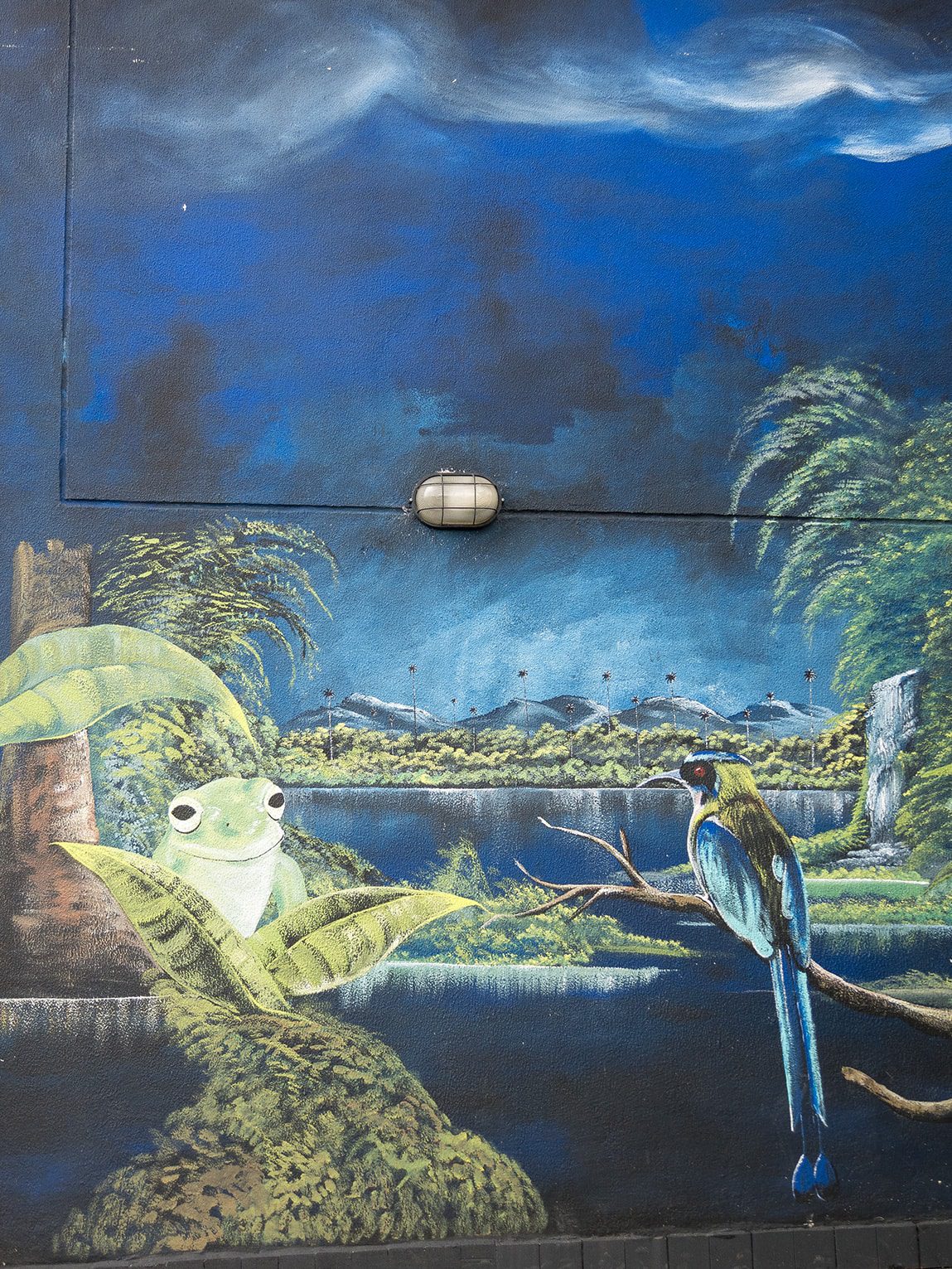
The charm of this street lies in its elegant facades and balconies, characteristic of the brightly-colored two-storey houses, harmoniously combined with the typical architecture of the Antiquarian colonization. These homes, built in Bahareque and with local materials, are distinguished by a style that is unique in the municipality.
Free
Open 24 hours a day (except stores, of course)
Mirador Colina Iluminada
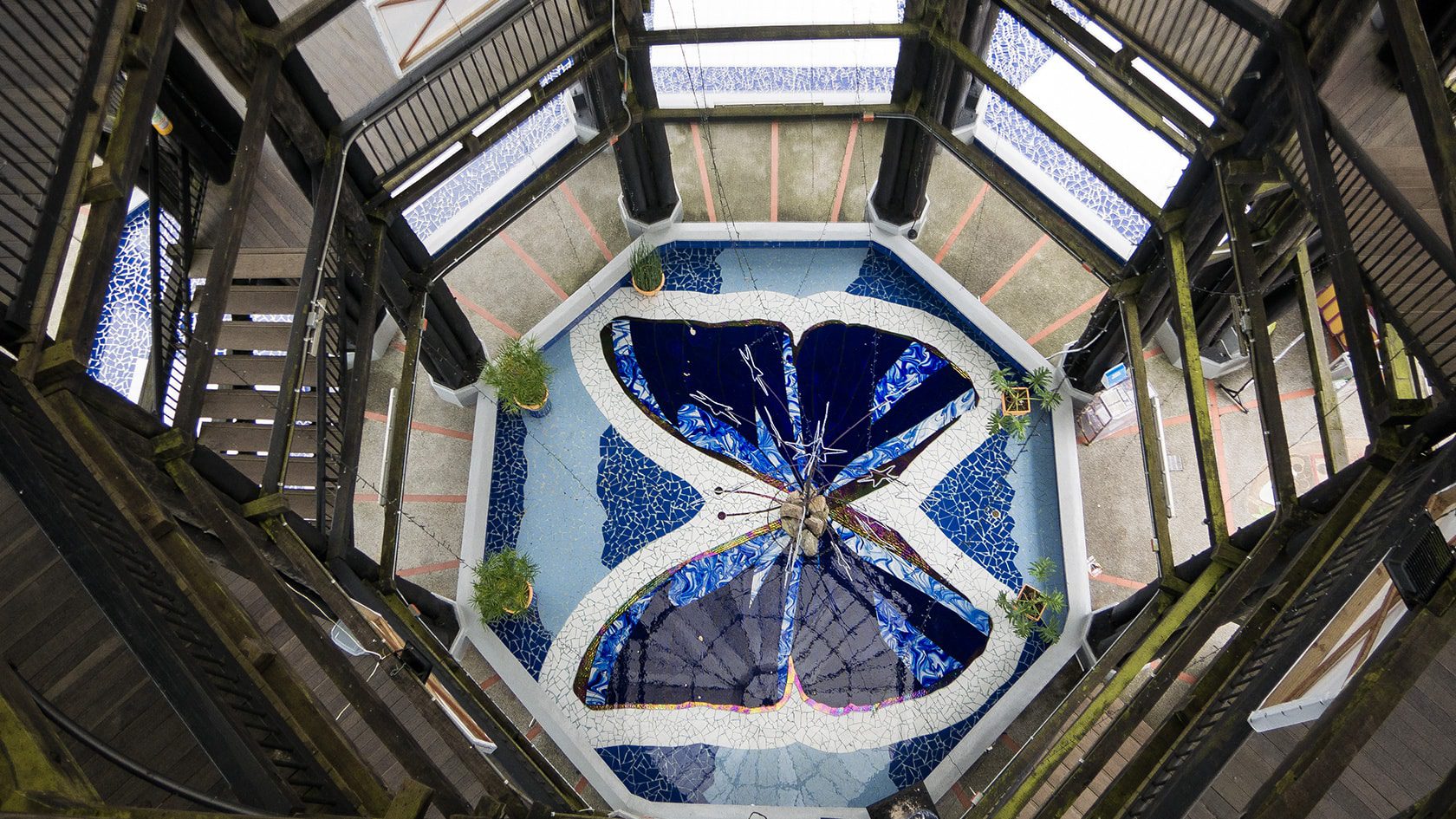
From this vantage point, you can enjoy a 360-degree view of the splendid coffee-growing landscape, with its valleys, mountains and vast plantations typical of the Quindío region. Located just 15 minutes’ walk from the center, there’s no reason to miss it. It’s a must-see in Filandia (even if it’s a bit pricey)!
8,000 COP / person
Open from 09:00 to 18:00
Basketry (bejuco) workshops / stores
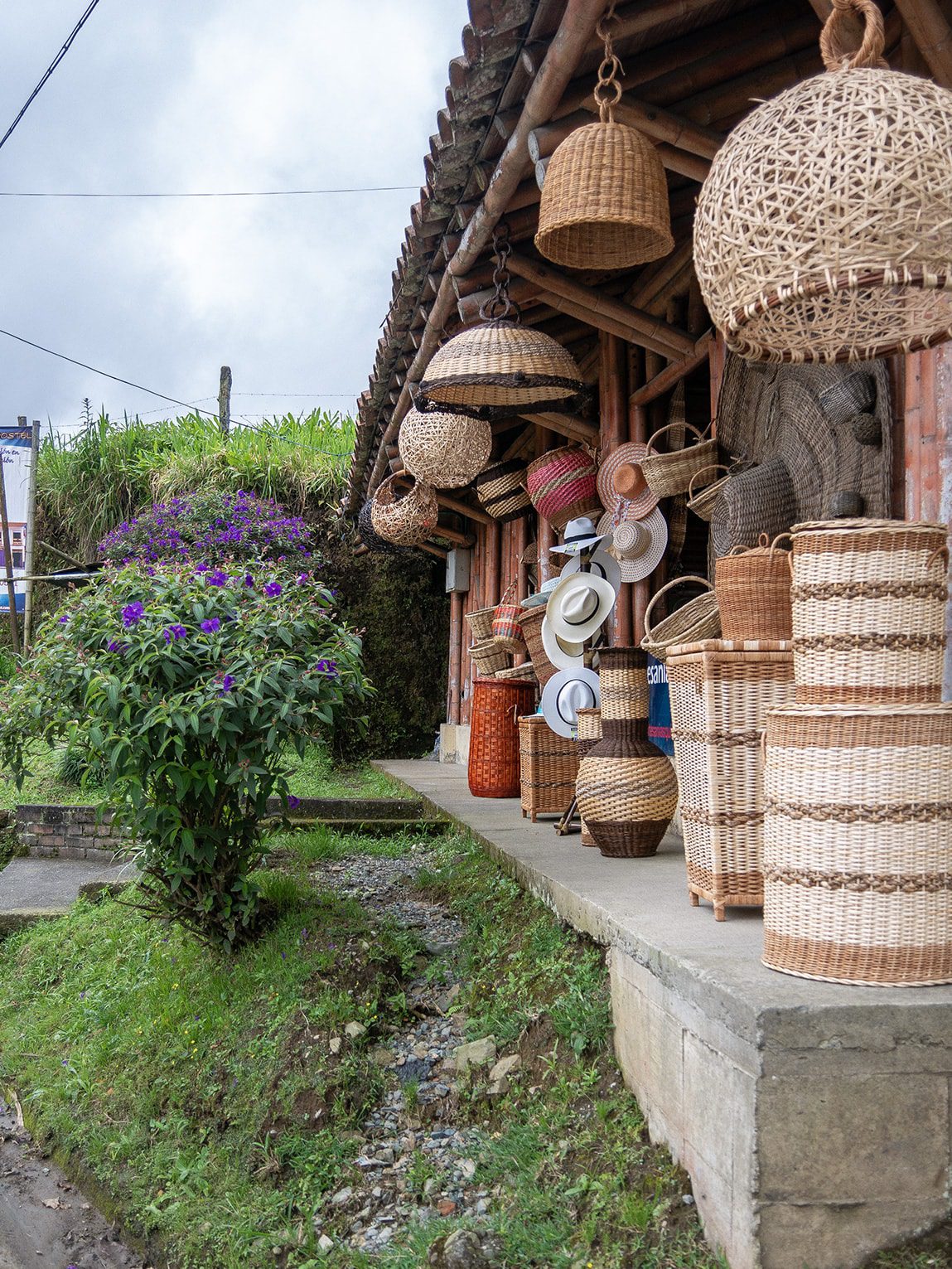
On the way to the mirador, you’ll discover small family-run basketry workshops celebrating the art of weaving bejuco, a material typical of the region. Although you can buy a variety of products, some workshops also offer weaving initiations, provided you contact the artisans in advance.
For more information, visit
Generally 08h00 to 17h00
Museo Casa De Los Abuelos
This small museum, run by a couple in their spare time, features a collection of objects belonging to their grandparents. Their aim is to recover and preserve as many utensils and objects as possible from past generations. Among the pieces, some of the wooden furniture was made by the renowned craftsman Don Arcadio Arias.
Free of charge. Operates on donations.
Open Sundays only.
Centro de Interpretacion del Bejuco
The center features a museum of traditional basketry, a garden showcasing the plants used, a store selling local crafts and a workshop-school for village youth. Practical workshops enable visitors to learn how to weave a small basket, while supporting the preservation of this ancestral skill.
For more information, visit
Generally 10:00 a.m. to 6:00 p.m.

Around Filandia
Other fascinating places to explore around Filandia include the following destinations.
AGENCIES & GUIDES
Rural Adventure Agency offering a wide range of activities and experiences in and around Filandia.
Reserva Natural Barbas Bremen
The Filandia nature reserve, just 20 minutes from the town, is perfect for immersing yourself in nature, with its varied trails. Accessible by shuttle bus from the main square, it is home to howler monkeys and many exotic birds. A 6 a.m. departure is recommended. In addition to the monkeys, there are several 3-5 hour trails offering a fascinating exploration of the rainforest ecosystem in the heart of the mountains.
90,000 – 150,000 COP / person
Guide required. Departures at 06h, 09h and 12h daily
Fincas cafeteras
Finca visits in this region are much more authentic and less touristy than those in Salento. Welcomed by friendly families, they show you around their farms and explain in detail the process of producing the coffee for which Colombia is famous, as well as local life. Among the most famous are La Palma and Recua.
Finca Recua: tours Mon. to Sat. at 09:30 and 14:30 and Sun. at 09:30. 3/4h tour at 97,000 – 110,000 COP / pers.
Finca La Palma : tours Mon. to Sun. at 9 a.m. and 3 p.m. 3h tour at 90,000 – 110,000 COP / pers.
Finca Manamaria (panela)
It’s an exceptional rural destination where you can discover the local agricultural culture in an ecologically diverse setting. On a tour, you’ll explore coffee, a flower greenhouse, an organic garden, minor species, an ecological trail, and the production of the famous panela (sugar cane). At the end of the tour, a delicious snack of farm products and a cup of coffee awaits you.
Finca Manamaria : tours Mon. to Sun. at 09:00 to 15:00 and Sun. at 09:30. 3/4-hour tour at 100,000 COP / pers.
Salento & the Cocora Valley
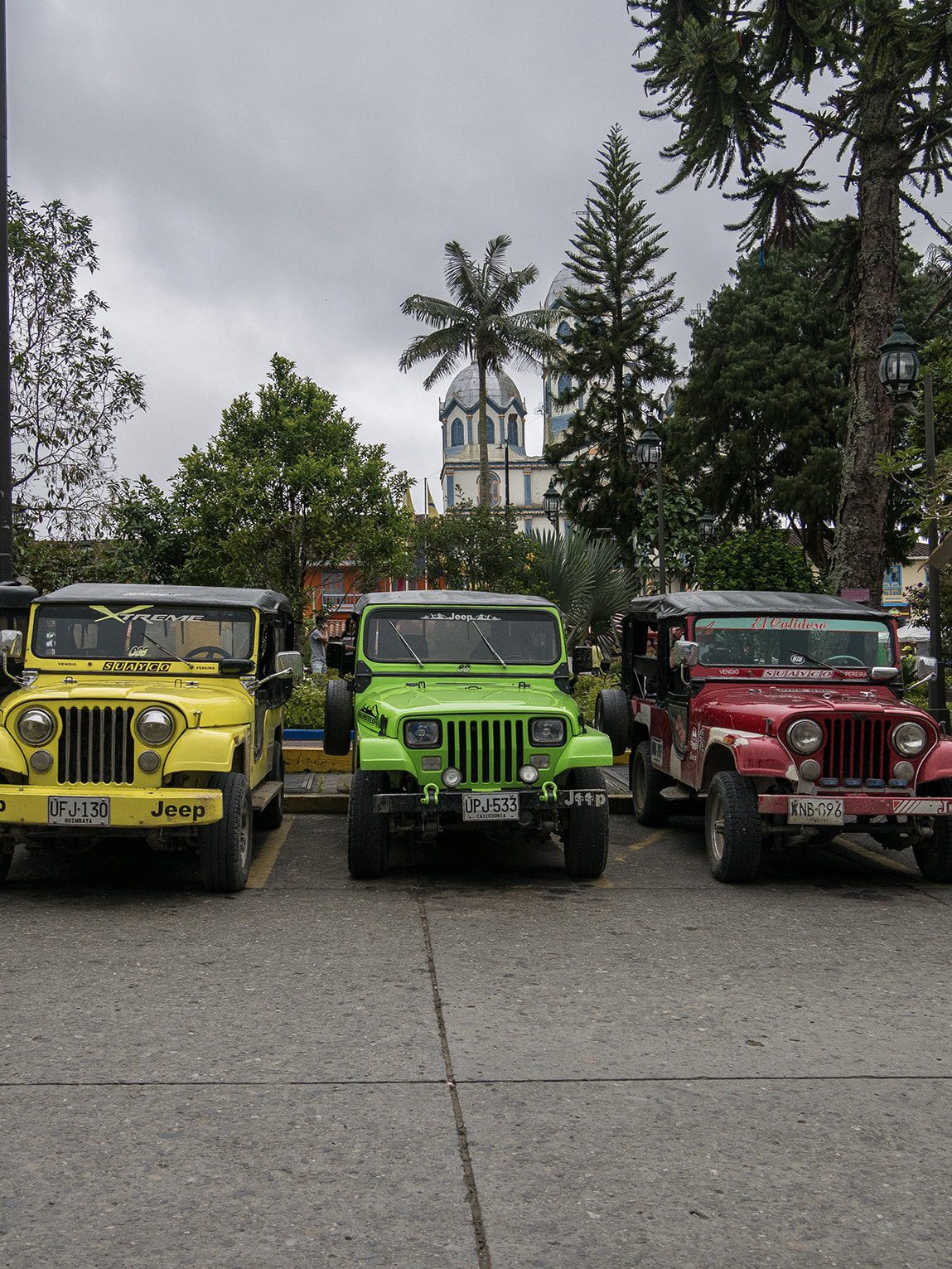
If Salento and the Cocora Valley are not yet on your itinerary, don’t hesitate to add them! Although Salento is a little too touristy for our taste, it’s the starting point for the Cocora Valley, famous for its giant palm trees, the tallest in the world. From Filandia, you can reach Salento in just 40 minutes by Jeep from the central square. It’s possible to do both by taking the first jeep.
Return trip Filandia – Salento: 16,000 COP / pers. Best to book the day before. Departures every hour between 07:00 and 19:00.


How to get to Filandia ?
Filandia can be reached by bus directly from two main towns: Armenia (31 km) and Pereira (30 km), or by Jeep from Salento. To reach Filandia from other cities such as Bogotá, Cartagena, Cali, Medellín or Santa Marta, a change in Armenia or Pereira is necessary, as there are no direct connections.
For those on a more comfortable budget, Filandia can also be reached by cab from Armenia or Pereira, at an estimated cost of between 120,000 and 150,000 COP.
The nearest airports are Matecaña International Airport in Pereira (39 km away) and El Edén International Airport in Armenia (45 km away). These two options make it easy to reach the village by a combination of flight and overland travel.
Getting to Filandia from Salento by Jeep
| Transport | Vintage Willys Jeeps |
| Departure | Salento’s central square |
| Departure times (from Salitre) | 06:00 to 19:00 – 1 Jeep per hour (reservation recommended) |
| Arrival | Filandia central square |
| Duration | About 40 hours |
| Route type | Direct |
| Price (one-way) | 8,000 COP / person |
Getting to Filandia from Pereira by bus
| Bus company | Expreso Alcala |
| Departure | Pereira, Terminal de Transporte |
| Departure times | 06:00 to 19:00 – 1 bus per hour |
| Arrival | Filandia, near the central square |
| Duration | Approx. 1h00 |
| Route type | Direct |
| Price (one-way) | 10,000 COP / person |
Getting to Filandia from Armenia by bus
| Bus company | Cootrancien, Cootracir, Nuevo Rápido Quindio |
| Departure | Armenia, Terminal de Transporte |
| Departure times | 05:30 to 22:00 – 1 bus every 30 minutes |
| Arrival | Filandia, near the central square |
| Duration | Approx. 1h10 |
| Route type | Direct |
| Price (one-way) | 7,200 COP / person |




Where to stay in Filandia?
Perched in the green hills of Quindío, Filandia seduces visitors with its peaceful charm and breathtaking panoramas. Whether you’ve come to explore its colorful alleyways, enjoy its authentic ambience or discover Colombia’s famous coffee-growing landscape, choosing the right accommodation is essential to fully appreciate your stay. Filandia offers a variety of options, from youth hostels to budget and upscale hotels, perfect for all tastes and budgets. Here’s a selection of the best places to stay in this enchanting part of the world.

$ – Economical budgeting
Hostal
Bidea Hostel
This wooden hostel, inspired by traditional village houses, offers two practical kitchens and a charming courtyard. The friendly staff and warm atmosphere complete the picture. Beware, however, that some windows are not watertight, and the wooden floor creaks.

$ – Economical budgeting
Hostal
Hostal Colina de Lluvia
Ideally located just a few blocks from the center, this charming accommodation features a lovely courtyard and self-service tea and coffee. The welcoming owner loves to chat with her guests. Although a little noisy, the area remains quiet in the evening. Bicycles available for hire.

$$ – Average budget
Hotel
Villa Jair Hotel
Don Jair, a warm and attentive host, ensures a pleasant stay in a clean hotel with splendid views. Just 12 minutes from the central square, the hotel offers a breakfast of fruit, toast and eggs with cheese. The only drawback: the mattresses are a little firm.

$$ – Average budget
Hotel
El Zócalo Hotel Boutique
Charming little renovated hotel close to Filandia’s central square. Rooms are clean and well-maintained, with friendly staff. Although the street is noisy and the neighborhood unattractive, the hotel remains a nice discovery.

$$$ – High budget
Hotel
Ecohotel Monte Tierra
This hotel offers exceptional rooms with spectacular views and soothing natural surroundings. Service is excellent, and information on excursions is available. Quietly located, it takes 30 minutes to reach the center.

$$$ – High budget
Hotel
Casa du Vélo
This peaceful, elegantly designed place is perfect for a retreat, whether you’re a cyclist or not! With a spa, an excellent breakfast and the attentive welcome of Laura and Juan, everything has been carefully thought out. Accessible via the village Jeeps, the view from the terrace is unforgettable.
Where to eat in Filandia
After a good walk at altitude, there’s nothing like treating your taste buds! Filandia offers a delicious blend of Colombian traditions and international flavors. Whether you want to sample typical dishes or explore a more cosmopolitan cuisine, its restaurants combine authenticity, creativity and warm atmospheres. Here are a few must-try addresses to discover.


