

In brief


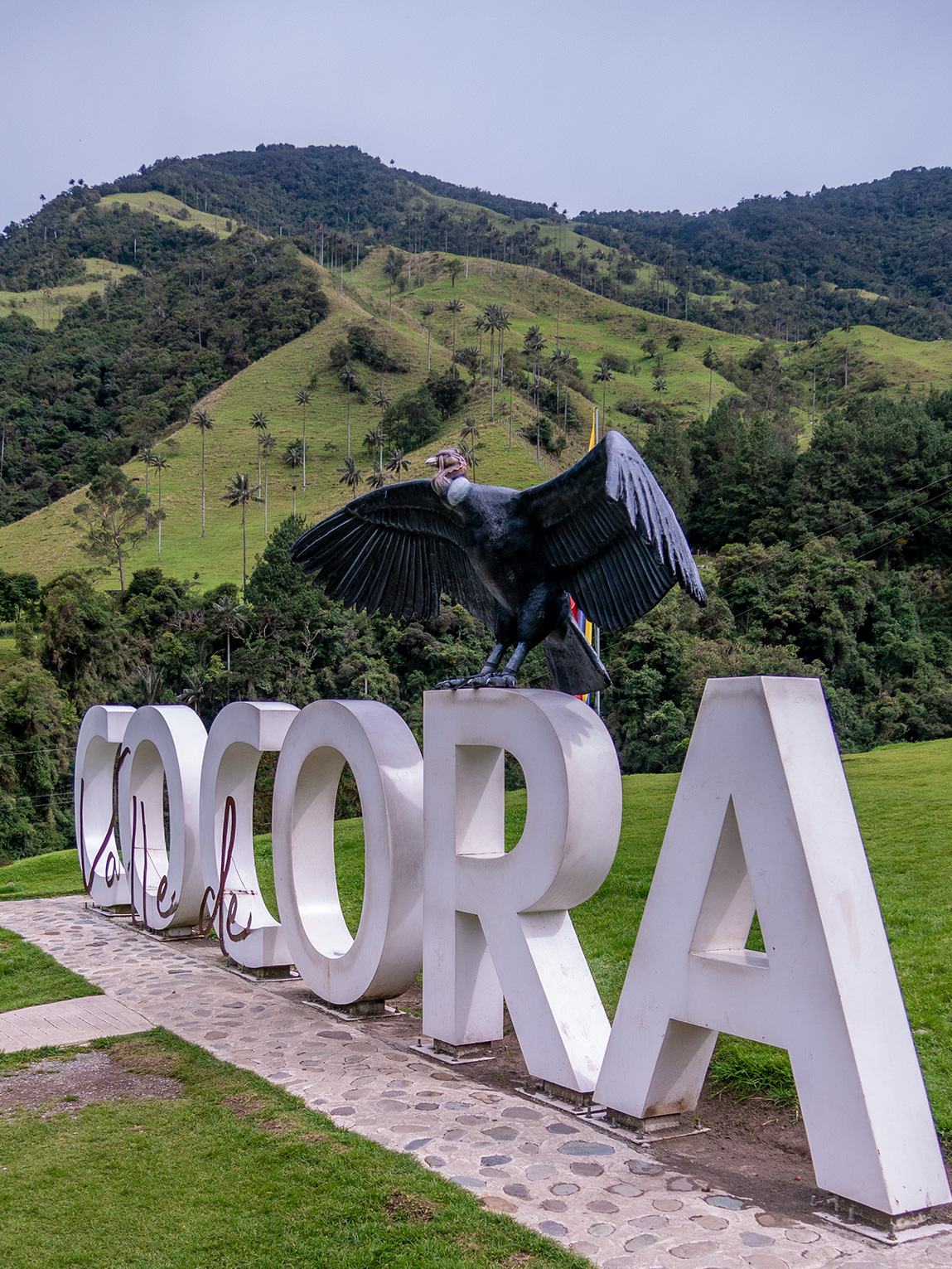

Welcome to the Cocora Valley, a natural wonder nestled in the heart of Colombia. Renowned for being home to the world’s tallest palm trees, the wax palms, this valley offers an incomparable hiking experience. The majestic palms, some reaching up to 60 metres in height, create a surreal and mystical landscape. Trails wind through verdant meadows, crystal-clear rivers and the green mountains typical of Colombia. The pure mountain air and surrounding biodiversity add a magical dimension to this adventure. The Cocora Valley has been part of a larger national park, Los Nevados National Natural Park, since 1985. Prepare to be amazed by the incomparable splendor, and let’s visit the Cocora Valley together!
Cocora
- County: Quindío
- Altitude: 1800 to 2400m
- Ecosystem: Cloud forest
- Access from: Salento
- Hikes of 1 day or more
Our verdict: easy, economical and fun! ★★
From Salento, an invitation to contemplate the majestic wax palms, Colombia’s national tree, is an obvious choice. Among the choices available, the Cocora Valley emerges as the simplest option, a break accessible in just 25 minutes by Willys Jeep from Salento’s central square. A tourist attraction, to be sure, but far from the hustle and bustle of Disney Land. The trick? Start your adventure at sunrise, giving you the chance to avoid the crowds, especially at weekends. The valley offers a moderate 5-6 hour hike, which is the perfect way to immerse yourself in nature, or why not make it part of a 3-4 day trek in Los Nevados Park. Despite the online reviews, we found Cocora to be the perfect fit. A natural setting in the heart of the mountains, where the capricious climate shapes mystical panoramas, with peaks lost in low clouds and enveloping mist.
When should you visit the Cocora Valley?
The Cocora Valley can be visited all year round.
If you’re looking for peace and quiet, prefer weekdays. Avoid December-January, Holy Week, weekends and public holidays, which are often busier. Try to get there early in the morning, with the first jeeps (from 6.30 a.m.) to keep the crowds down, given that the valley is relatively easy to access from Salento, and not so far from big cities like Armenia and Pereira or even Manizales.
Climate in Cocora: the Cocora valley enjoys a subtropical mountain climate. Due to its altitude, which varies between 1,800 and 2,400 meters above sea level, the valley experiences relatively cool temperatures of around 20°C. Due to its altitude, showers are frequent throughout the year. When hiking, it’s crucial to dress accordingly, and to be aware that weather conditions can change rapidly. The risk of rain is highest in the mid to late afternoon.
Legend: Blue: transport terminal – Yellow: activities & visits – Green: accommodation
History of the Cocora Valley
The Cocora Valley, a natural gem nestled in the heart of the Colombian Andes, evokes a fascinating history, breathtaking geography and exceptional biodiversity. This region, located in the department of Quindío, has preserved its unique identity, becoming an emblematic place in Colombia.
History: ancient land of the Quimbayas
The history of the Cocora Valley dates back topre-Columbian times, when it was inhabited by the indigenous Quimbayas. These indigenous peoples attributed spiritual significance to the majestic wax palms, considered sacred trees. These imposing trees, which already populated the valley at that time, were venerated and integrated into the rituals and beliefs of these peoples. Archaeological evidence suggests that this connection with palm trees goes back over 1,000 years. Cocora was the name of a Quimbaya princess, daughter of the cacique Acaime, and means “water star” (Estrella de Agua, an aquatic plant).
With thearrival of Spanish settlers in the 16th century, the Cocora Valley witnessed profound changes. However, the wax palms have stood the test of time, remaining silent witnesses to the region’s turbulent history. These trees have continued to occupy a prominent place in local culture, symbolizing the unbreakable connection between the inhabitants and their natural environment. The species remains greatly threatened by deforestation andagriculture.
Geography: breathtaking scenery in the Colombian Andes
The Cocora Valley lies at an altitude of 1,800 metres above sea level, in the heart of the Colombian Andes. A breathtaking panorama of rugged mountains, verdant meadows and picturesque valleys awaits you. The first settlers began exploiting this region for coffee-growing in the 19th century, making it part of theEje Cafetero, Colombia’s third-largest coffee-producing region.
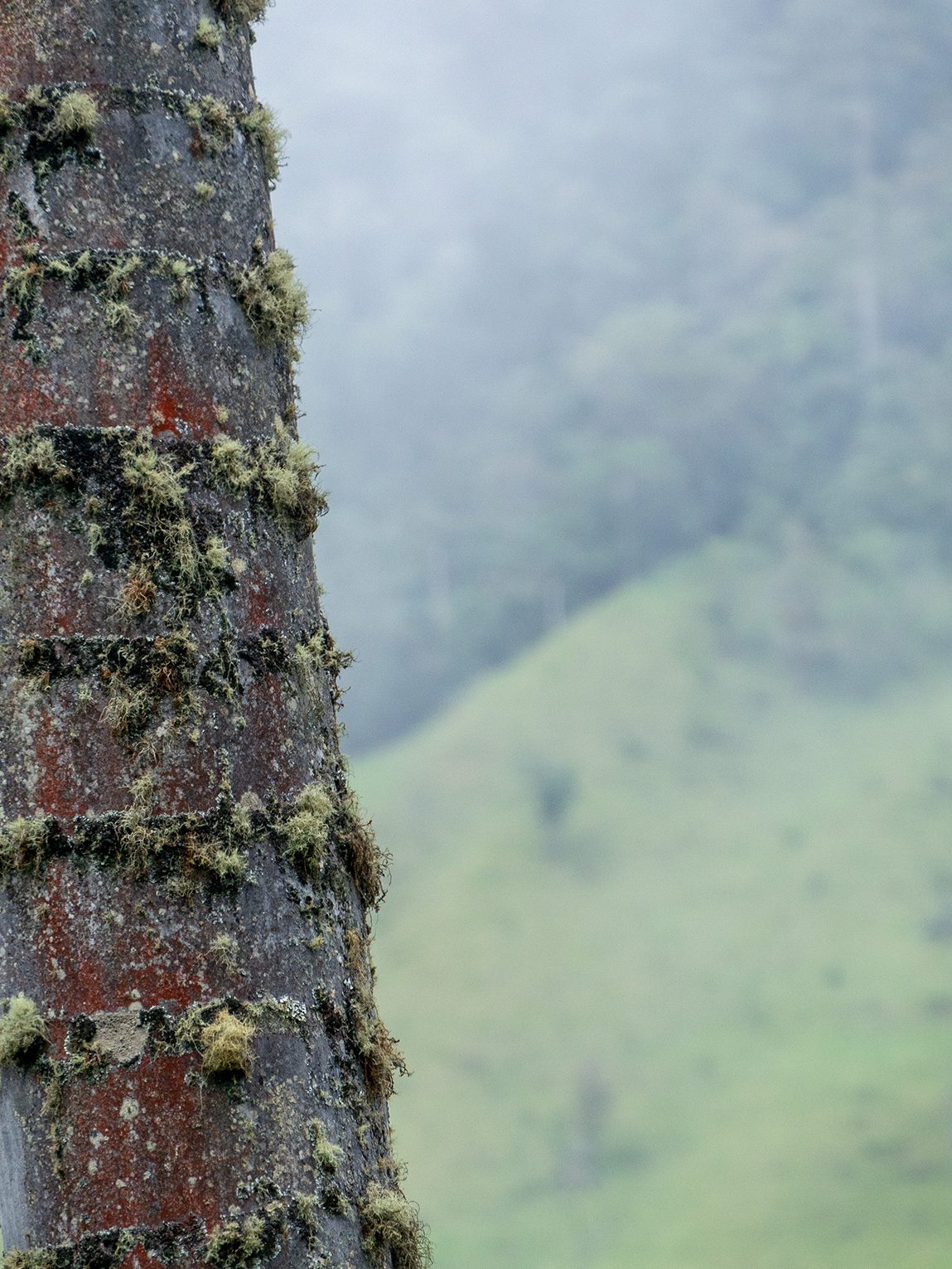
The most emblematic geographical feature of the Cocora Valley is undoubtedly its wax palmsthe tallest in the world. These majestic trees, which can reach heights of up to 60 metres, create a distinctive silhouette in the panorama. The valley is also dotted with hiking trails, offering visitors the opportunity to explore this enchanting landscape, climb steep hills and admire panoramic views.
Biodiversity: preserving a fragile ecosystem
The biodiversity of the Cocora Valley is as impressive as its history and geography. The high-altitude cloud forests are home to over 500 plant species, some of which are endemic to the region. Exotic orchids, bromeliads and giant ferns add a touch of color to this unique ecosystem.
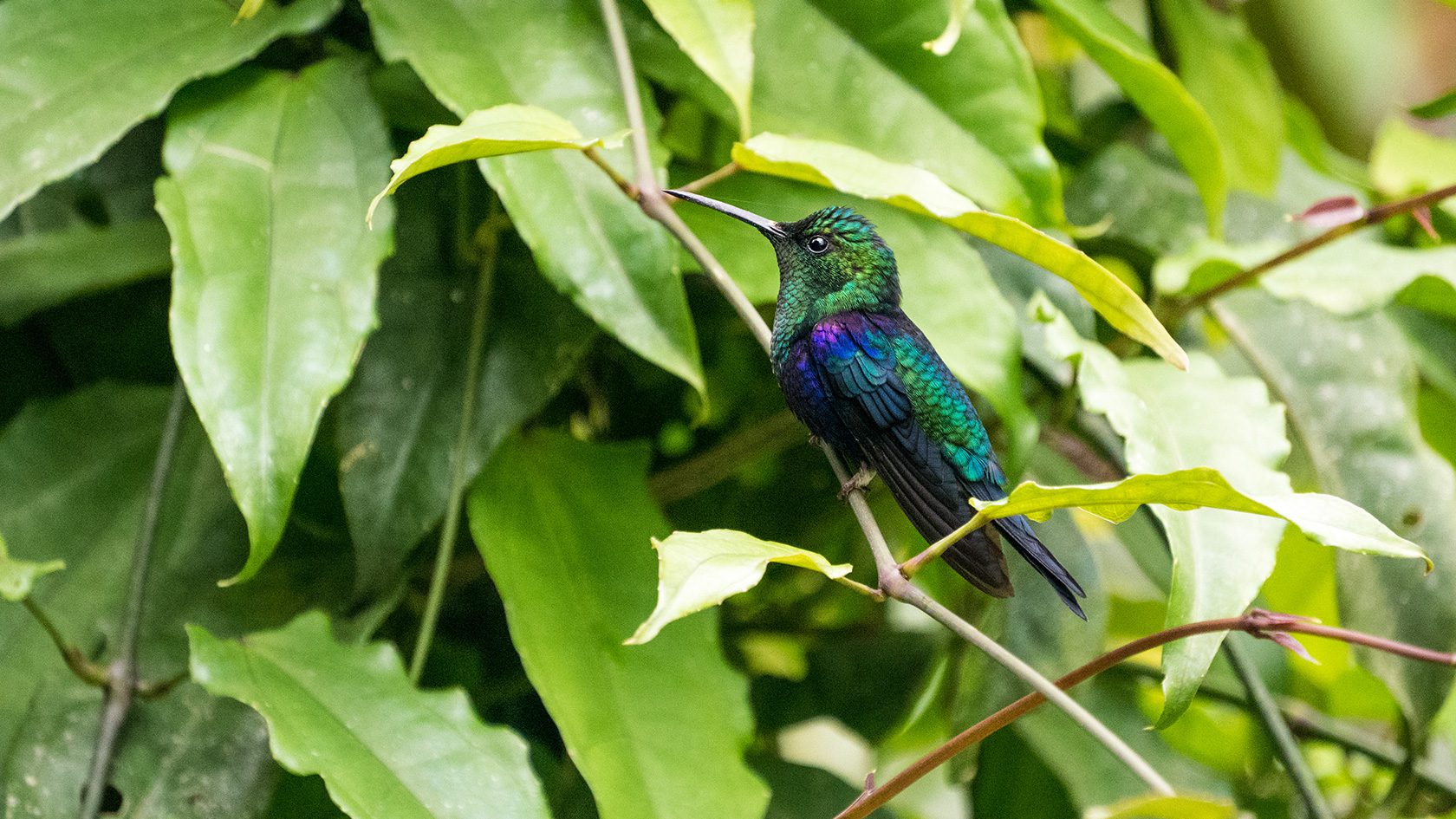
The valley’s wildlife includes emblematic species such as the puma, the Andean tapir and the Andean fox. More than 200 species of birds, including the famous hummingbirdmake the valley a favorite spot for birdwatchers. However, the valley also faces conservation challenges, particularly with regard to wax palms, whose population has declined over the years due to deforestation.
In response to these threats, Los Nevados National Park, created in 1977, aims to protect the Cocora Valley (integrated in 1985) and its biodiversity. Reforestation and awareness-raising initiatives are underway to preserve this fragile ecosystem. Sustainable tourism is encouraged, offering visitors the opportunity to contribute to the preservation of this natural wonder while exploring it responsibly.


Hiking in the Cocora Valley
1-day hike (12km / 5-7h)
This is THE hike to do in Cocora through the famous valley. It’s not difficult for those with a modicum of walking or sporting experience.
It is possible to eat and drink at Acaime and finca la Montaña during the hike.
Please note: regardless of the direction of the hike, entry and exit fees will apply.
The meaning of hiking
The trail forms a large loop, and you have the choice of going clockwise or anti-clockwise. Contrary to what many blogs suggest, we think it’s best to go clockwise for several reasons:
- You can admire the wax palms right from the start. We think it’s wiser to see the palm trees first, as the mist is likely to obstruct the view of the giant trees later in the day. And it will be less crowded than later in the day, especially at weekends.
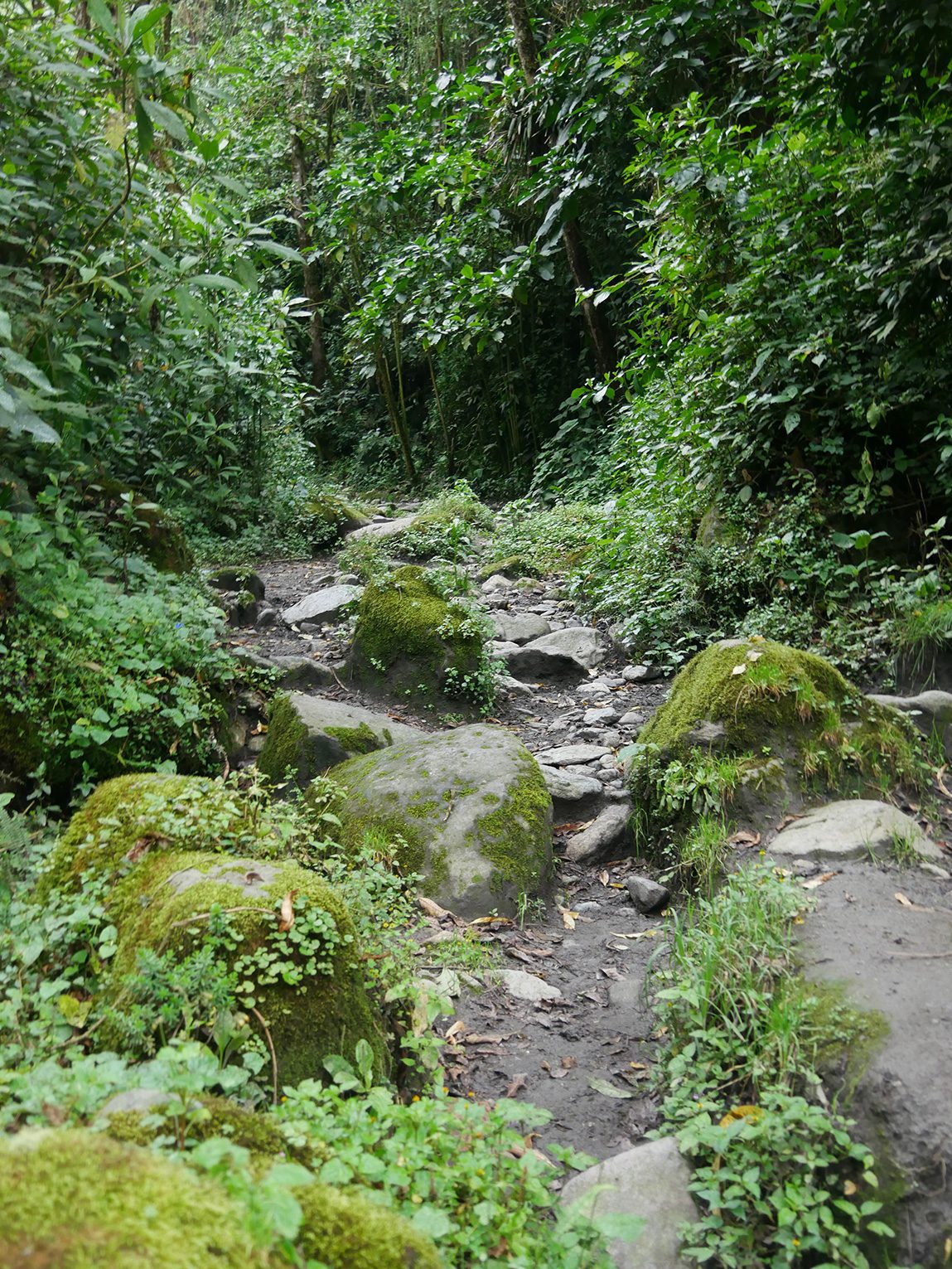
- In case of rain, you avoid climbing the muddy mountain. The downhill path winds through the forest, and although the muddy descent isn’t the most pleasant part, it’s much better than having to climb up.
- Elevation gain is more manageable. Elevation gain occurs along a wide trail or road rather than a narrow path. What’s more, the climb is spread over several kilometers instead of just one, making it more manageable.
Hiking
If you choose to follow the trail clockwise, as we do, here’s a quick overview of the route (reverse for the other direction).
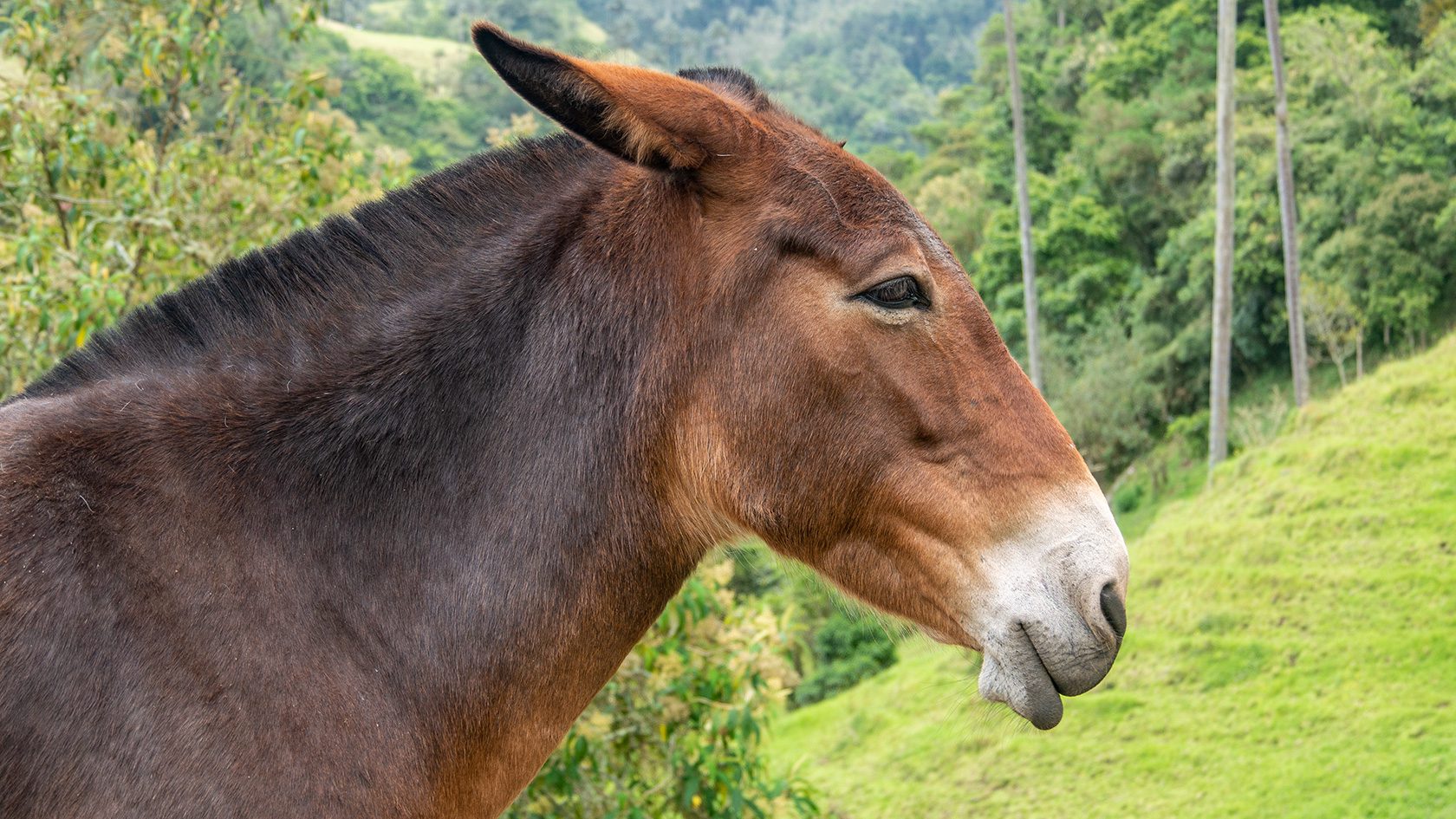
- Stop 1: wax palms (6,000 COP / person). Right from the start of the hike, the climb begins, with this spot offering exceptional views of these iconic palm trees. Their striking beauty seems almost unreal, like a painting, especially with the mist adding a mystical touch. You’ll also have the chance to stroke some horses.
- Stop 2: Mirador 1. After passing the wax palms, you’ll continue your gradual ascent into the mountains, making your second stop at Mirador n°1. Although this observation point is fairly straightforward, it offers great views of the palm trees and surrounding mountains. A good place to take a break.
- Stop 3: watchtower 2. After a little over half a kilometer, you’ll reach the third stop, Mirador n°2. This offers you a better view of the palm trees and a closer perspective of the mountains, including the valley’s highest peak: Cerro Morrogacho (3450m).
- Stop 4: finca la Montaña (5,000 COP / person). After the second viewpoint, the landscape changes from wax palm forest to a denser forest. This is a private property where you have to pay a right of way. This point marks the end of the climb. The great effort is over!
- Stop 5: Acaime (20,000 COP / person). This is actually a deviation from the main trail, but if you have the time and inclination to observe hummingbirds and other birds, including the colorful capercaillie, we highly recommend a stop at this reserve. As well as admiring the superb birds, you can enjoy a hot drink included in the price of admission.
- End: La Truchera ( 4,000 COP / person) : start the descent to the truchera, which marks the end of the loop. Beware of rain, as the path becomes muddy.
The total cost is therefore 15,000 COP / person for the short hike, and 35,000 COP / person for the long hike (to Acaime).
Horseback riding is available in the Cocora valley. Numerous services are available at the bottom of the valley, at the entrance. Remember to check the horse’s condition first, to avoid contributing to any form of animal abuse (well fed, cleaned).

Other hiking routes in Valle de Cocora
While the above loop is undoubtedly the most popular hike in the region, it’s not the only option. If you’d like to explore more of the mountains or get away from the crowds that frequent the main trail, we highly recommend exploring other hiking routes.
Cerro Morrogacho (3,340m): the ascent to the summit of Cerro Morrogacho, the high central hump of the Cocora Valley, offers an alternative perspective of the valley and a challenge with its 13-kilometer round-trip trail and a vertical drop of over 1,100 meters. This hike, starting near the loop’s starting point, reveals spectacular aerial views of the Cocora Valley, and the chance to observe remarkable wildlife, especially birds. The trail starts just before the loop’s first pay station, before the trucha ponds, and climbs to the summit despite a private property sign that the trail bypasses.
Estrella de Agua: an excellent hiking option to consider is to Estrella de Agua, a scientific research center and reserve with a vast expanse of unspoiled mountainous land. Located an additional 9 kilometers from the loop trail, the hike totals 18 kilometers round trip from the Cocora Valley. It’s the same loop as the 12km one, except that you have to continue past Acaime. For the rest of the hike, you’ll probably have few encounters with other people, but you’ll be surrounded by many birds, with a particular chance of spotting a toucan or two, as well as waterfalls and breathtaking panoramas. You’ll also discover the origin of the Quindio River.
Trek in Los Nevados National Park: last but not least, you can trek into the splendid Los Nevados National Park. From Salento, you’re spoilt for choice with several incredible treks stretching over 2 to 4 days. From climbing to the paramo, whether near Finca Argentina or Finca Primavera (where you can spend the night), or the Paramillo, an ancient volcanic crater that looks like the planet Mars.
LOCAL AGENCY
If you’re interested in guided activities in the Cocora Valley (and elsewhere), you can get more information from theCocoratours agency.



How do I get to the Cocora Valley?
Cocora can only be reached directly from the nearby village of Salento.
Transport is in old Willys Jeeps, which can take around 10 people per trip, including 2-3 standing on the rear bumper grille (fortunately, Jeeps don’t run fast!).
There’s a little hut that serves as a ticket office (also for trips to Filandia, by the way). You can also ask the drivers if you have any doubts.
To avoid the crowds in the valley, leave with the first Jeeps.
Getting to Cocora from Salento
| Cootracocora | Transport in an old Willys Jeep |
| Departures | Every 30 minutes from 06:30 to 17:30 |
| Departure point | Main square (Plaza de Bolivar), where the Jeeps are |
| Duration | Approx. 25 minutes |
| Route type | Direct |
| Price (round trip) | 10,000 COP / person |
The return trip to Salento is always by Willys Jeep, approximately every 30 minutes from 07:30 to 18:30, at the same point where the Salento Jeep dropped you off. Don’t forget to keep the return ticket given to you at the time of purchase, as the driver will ask for it.
Where to stay to visit the Cocora Valley?
Although there are a few accommodations in the Cocora Valley, we recommend staying in Salento, the nearest village, just a 25-minute drive from the Cocora Valley. That way, you’ll have more choices, and more options and facilities later on for programming other activities.
Camping is strictly prohibited in the Cocora Valley. However, on the outskirts of the site, dedicated pitches are available for a few pesos.

$ – Economical budgeting
Hostal
Hostal Ciudad de Segorbe
The Hostal Ciudad de Segorbe, in the heart of Salento, a stone’s throw from the main square, is a typical colonial house, offering immersion in regional tradition.

$ – Economical budgeting
Hostal
Elizabetha Hostal
A fairly new hostal in the center of Salento, housed in a colonial building. It feels like a home from home, with a family atmosphere. There’s also a shuttle service.

$$ – Average budget
Hotel
Balcones del Ayer
Balcones del Ayer offers simple, clean rooms, a garden, terrace, restaurant and free parking. A tour desk is also available.

$$ – Average budget
Hotel
Casa Salento
A warm welcome and detailed information on local attractions, services and excursions. Rooms are spotless and comfortable, with a good breakfast.

$$$ – High budget
Hotel
Hotel Terasu Salento
An exclusive 9-room hotel in the heart of Salento. It’s a quiet and comfortable place, where guests will have the opportunity to be very close to the city. The common areas feature whirlpool baths.

$$$ – High budget
Hotel
Hotel Kawa Mountain Retreat
This hotel has all the facilities of a rustic yet elegant architectural space offering an experience of great connection with nature, with luxury service.
Tips for visiting the Cocora Valley
Leave early in the morning
To avoid the crowds, and often benefit from better weather, leave with the first Jeeps in the morning!
Moderate physical effort
This is not a difficult hike (for a mountain hike). Climb at your own pace, as the positive difference in altitude is 500-550m.
Dressing for all weathers
The weather in the Cocora Valley can change rapidly, from pleasant to difficult. Apply the 3-layer system: 1 t-shirt, 1 sweater/fleece, 1 waterproof jacket or poncho.
Suitable footwear
Although the 12km loop is generally a trail, we advise you to set off with hiking boots, waterproof if possible, to avoid being caught out by changing weather conditions.
Sun protection
Although it’s not really hot, the ultraviolet rays are strong. Take sun cream and a hat with you.
Take cash
The trail passes through several private lots. Each plot has an entrance fee. Approximately 35,000 COP per person for the complete loop.
Snack bar (mountain food)
Thirst and a little hunger will come with this medium-difficulty hike. Take along a snack and, above all, water.


