In brief
Lost in the heart of Colombia, in the department of Meta, La Macarena is a small village that intrigues as much as it fascinates. If its name rings a bell, it’s probably because it’s the gateway to the famous rainbow river, Caño Cristales. But to reduce La Macarena to this natural spectacle would be to miss the point.
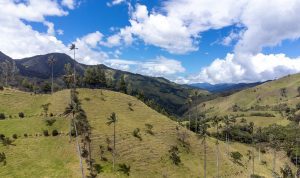
Situated at the crossroads of three great natural worlds – the vast plains of the Llanos, the forests ofAmazonia and the foothills of the Andes – the region boasts exceptional biodiversity. This unique blend of ecosystems creates incredibly varied landscapes and a largely unspoilt natural environment.
For a long time, La Macarena remained off the tourist map, largely due to the presence of guerrillas in the region. This relative isolation has nevertheless preserved the area’s authenticity and natural wealth. Today, the area is gradually opening up to curious travelers, while retaining its wild and confidential character.
The adventure often begins on arrival: you land on a small airstrip in the middle of spectacular territory, surrounded by jungle, rivers and ancient rock formations. Travelers of course come to admire the unreal colors of Caño Cristales, but quickly discover that the region hides many other treasures.
At the gateway to the Serranía de la Macarena, there’s plenty to explore: hiking, waterfalls, wildlife and stunning scenery.
So.., What to do in La Macarena How many days should I allow? And how do you plan your visit to this unspoilt region? In this article, we take you on a tour of this corner of Colombia, which deserves much more than a simple detour.
La Macarena
- County: Meta (Llanos)
- Founded: 1954
- Altitude: 233 m
- Climate: hot and humid
- Population: 29,573
- Safety: safe
- Recommended length of stay: 4-5 nights
- Access: by plane from Bogotá, Medellín and Villavicencio
Our verdict: The gateway to an exceptional and unique natural environment ★★★
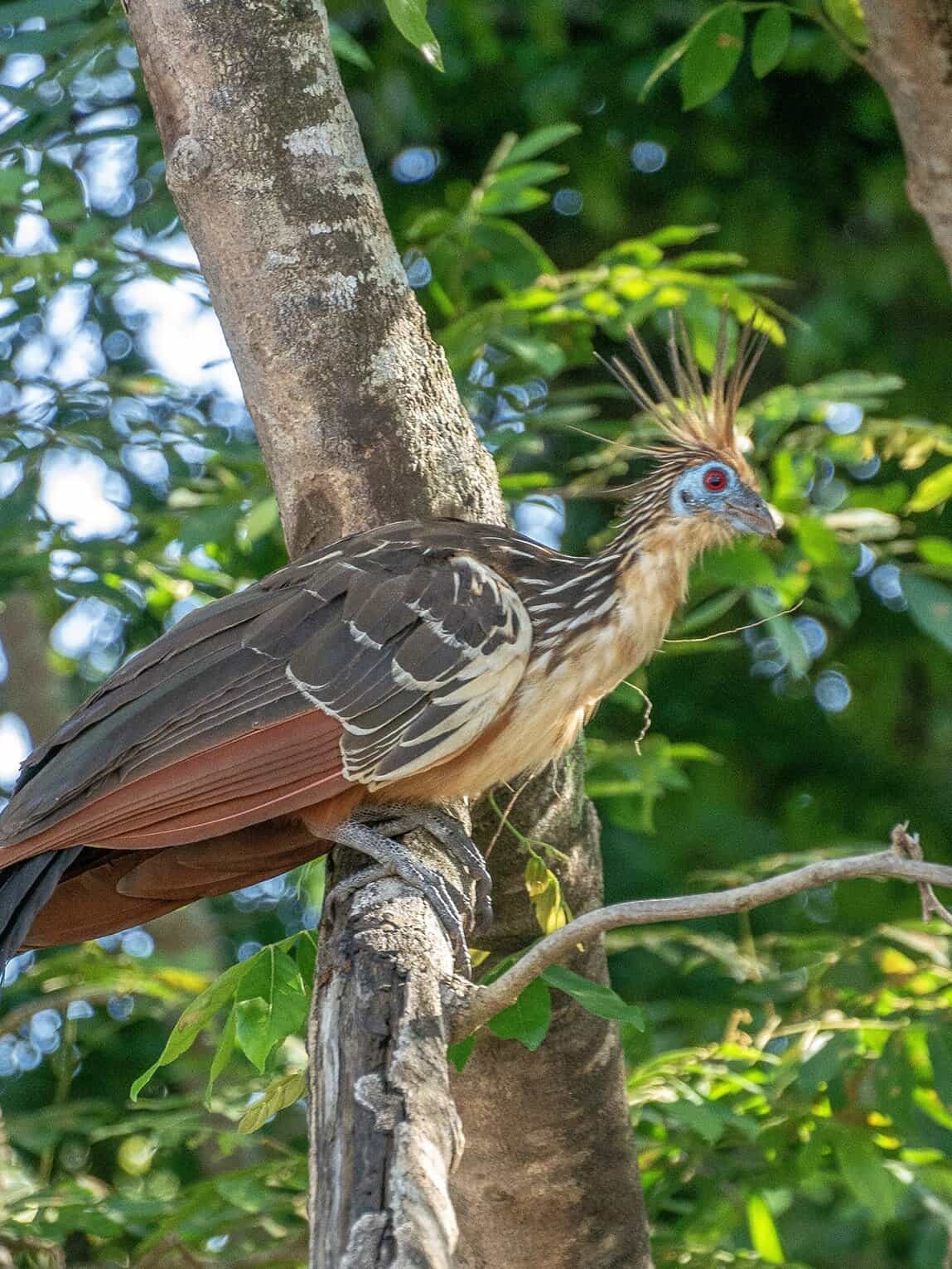
We thoroughly enjoyed our stay at La Macarena. Not so much for the village itself, but for its ideal location, with easy access to the whole region. If, like us, you love nature and hiking, get ready to discover an absolutely incredible playground. Here, you can observe the local wildlife, whether in the surrounding forests or simply by taking a boat trip down the Guayabero River. Hiking opportunities are many and varied: from Ciudad de Piedra to Laguna del Silencio, not forgetting the Sierra de la Macarena National Park and of course Caño Cristales, the famous river of five colors. Its reputation lives up to reality: this place is simply unique, and it’s impossible to find a similar landscape anywhere else in Meta. But La Macarena is also an opportunity to discover Llanera culture. Regular evening events include the Joropo, a musical genre and dance typical of the region. In short, La Macarena is rural Colombia, nestled in an exceptional natural setting. We loved it and can’t recommend it highly enough… and hope we can return one day!
When to go to La Macarena? The best time to visit La Macarena depends on what you want to discover. The ideal period is between June and November, when Caño Cristales and related areas are open and reveal their spectacular colors thanks to the Macarenia clavigera plant. Outside this period, from December to May, the river and certain areas of the Sierra de la Macarena National Park are closed to the public, to allow the algae to reproduce, and regional flights are also less frequent, making access more complicated.
Tourist numbers at La Macarena: Tourist numbers at La Macarena are still relatively low, especially when compared with better-known Colombian destinations such as Bogotá or Tayrona Park. Tourism is gradually developing, mainly around Caño Cristales and the Sierra de la Macarena National Park, but the region retains an authentic character far removed from the crowds found elsewhere. High season corresponds to the period when the river reveals its most spectacular colors, from June to November, and it is advisable to book excursions and accommodation in advance, as lodges and tours are limited to protect the ecosystem. Between the various hiking trails, you’ll find yourself walking in peace most of the time, and during our visit in September, we didn’t find the crowds to be the slightest problem. La Macarena succeeds in combining accessibility and tranquillity, offering an immersive experience in the heart of unspoilt nature.
Climate in La Macarena: the climate in La Macarena is typically tropical, with pleasant temperatures all year round, generally fluctuating between 22 and 32°C. The region has two main seasons: the rainy season, from April to November, and the dry season, from December to March. It’s during the rainy season that the Caño Cristales bed is most intensely colored, thanks to the growth of the aquatic plant Macarenia clavigera, giving rise to the river’s famous shades of red, yellow, green and blue. Even in the rainy season, showers are heavy, but often brief and localized, leaving ample sunshine for outdoor activities. Bring lightweight, breathable clothing, a good mosquito repellent, and don’t forget a k-way or waterproof poncho for excursions in sudden downpours.
Legend: Blue: transport terminal – Yellow: activities & visits – Green: accommodation
About La Macarena
Located in the Meta department, La Macarena is a small, isolated town in the heart of a spectacular natural setting, known as the gateway to the famous Caño Cristales river. Long marked by isolation and armed conflict, it has gradually become one of Colombia’s leading ecotourism destinations, attracting travelers in search of unique landscapes and adventure.
From aboriginal peoples to the founding of the municipality
The territory of La Macarena, located in the Meta department, was inhabited long before colonization by indigenous peoples, notably the Guayaberos, who lived along the Guayabero and Guaviare rivers. Their ancient presence is attested to by several archaeological sites, including the Angosturas I and II petroglyphs, rock engravings visible near the Guayabero river and considered to be among the most important cultural traces in the region.
The first European explorations in the eastern Llanos date back to the XVIᵉ century, when conquistadors crossed the region around 1535 in search of a route to Peru. However, the difficult conditions of the territory – dense jungle, powerful rivers and indigenous resistance – prevented settlers from taking up permanent residence at this time.
Actual colonization did not begin until the middle of the XXᵉ century. In November 1954, several families displaced by internal violence in Colombia settled in the area, founding a small hamlet called El Refugio. The construction of a rudimentary airstrip, with the help of Italian aviator Aldo Leonardi, facilitated the arrival of new inhabitants and goods.
The town grew steadily and officially became a municipality on November 18, 1980, when it was administratively separated from San Juan de Arama.
For several decades, however, the region remained isolated and marked by the Colombian armed conflict, with a strong presence of guerrilla groups, notably FARC, from the 1970s and 1980s. This situation severely limits economic development and keeps the area out of the tourist industry. The situation began to change in the early 2000s, and then especially after the 2016 peace agreement, which gradually opened up the region to visitors.
A long-rural economy in transition
La Macarena ‘s traditional economy is based mainly on agriculture and livestock farming, typical of the Colombian Llanos. Local crops include corn, cassava, rice and cocoa, mainly for the regional market.
Over the course of the XXᵉ century, the region has also seen phases oflogging and natural resource gathering. In the 1980s and 1990s, some areas were also affected by the presence of illicit crops, a direct consequence of the territory’s isolation and the armed conflict.
Today, the local economy is gradually being transformed by the development of tourism and related services: local guides, accommodation, restaurants, river transport and nature excursions.
The municipio covers a vast area of some 11,231 km², making it one of the largest in Meta. The total population exceeds 27,000, but the town of La Macarena itself remains small, with around 4,000 inhabitants in the urban center.
Tourism: a recent driver of development
Over the past fifteen years, tourism has become one of La Macarena’s main economic drivers. This development is directly linked to the growing popularity of Caño Cristales, nicknamed “the river of five colors” or sometimes “the most beautiful river in the world”.
Tourist numbers rose sharply in 2010. For example, the number of visitors rose from around 3,800 tourists in 2012 to almost 16,000 in 2017, illustrating the rapid growth of this previously little-known destination.
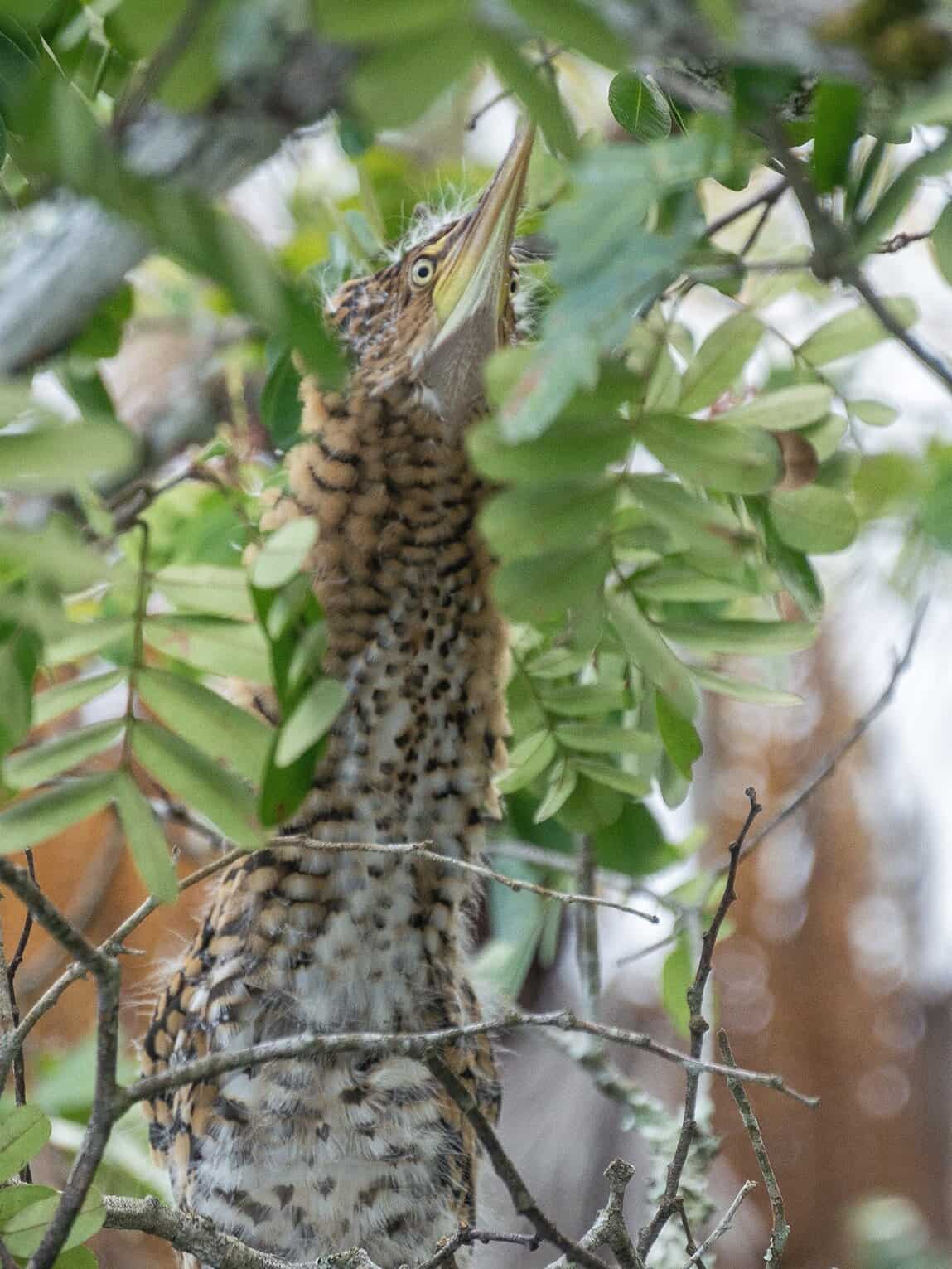
Today, the region attracts travellers from all over the world thanks to its unique landscapes in the Serranía de la Macarena, an isolated massif where three major South American ecosystems meet : the Andes, the Amazon and the Orinoco Llanos. This exceptional geographical position explains the area’s remarkable biodiversity.
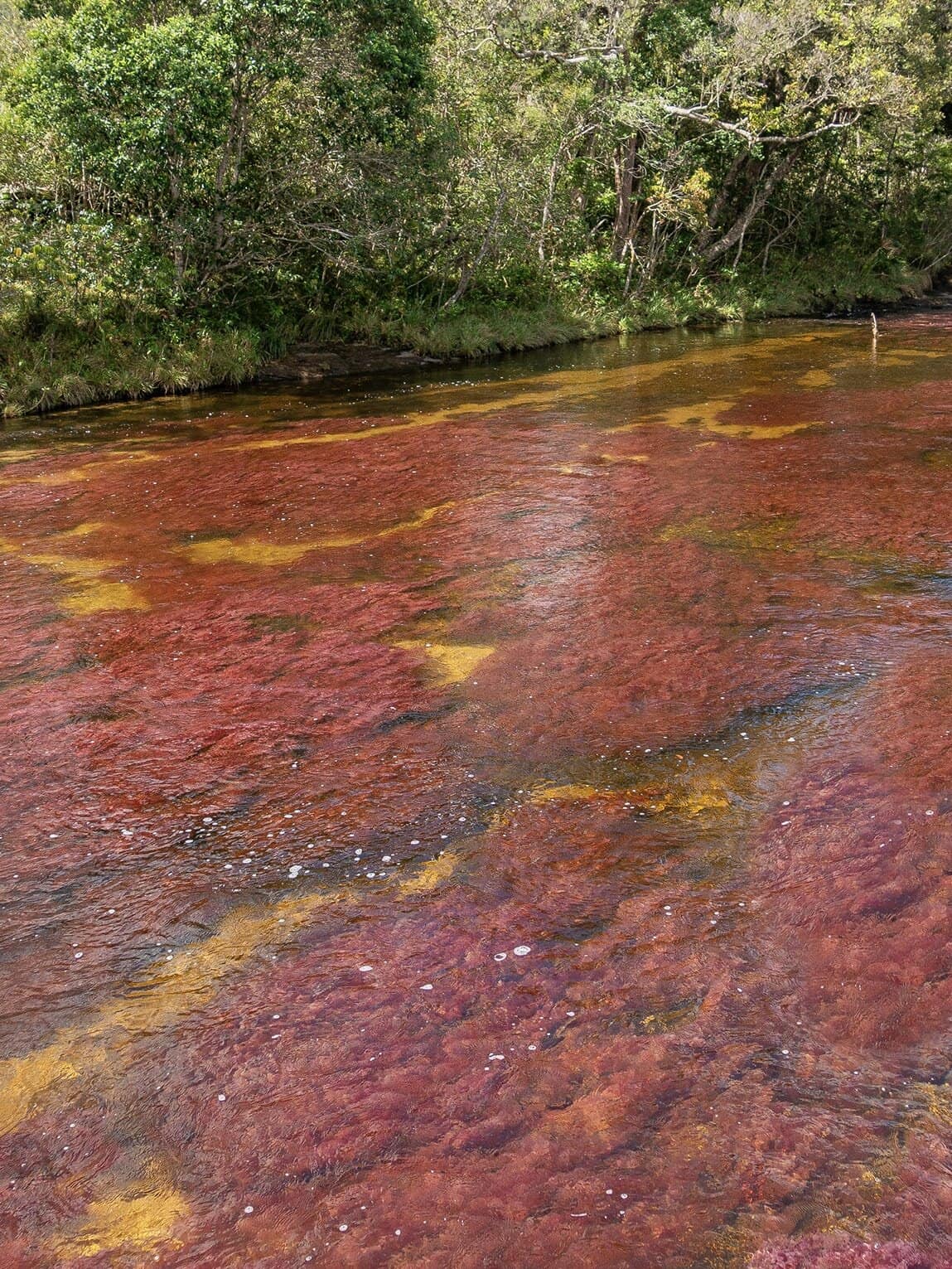
The main tourist season is between June and November, when aquatic plants called Macarenia clavigera color the bed of Caño Cristales, creating its famous red, yellow and green hues. Access to natural sites is strictly regulated to preserve this fragile ecosystem.
La Macarena also hosts a number of cultural and tourist events, including the Reinado Internacional y Turístico de Caño Cristales, a festival celebrating local culture and promoting the region.
Today, the municipality is often cited as an example of economic reconversion through sustainable tourism, transforming a territory once isolated by conflict into Colombia’s iconic nature destination.
What to see and do in La Macarena ?
In La Macarena
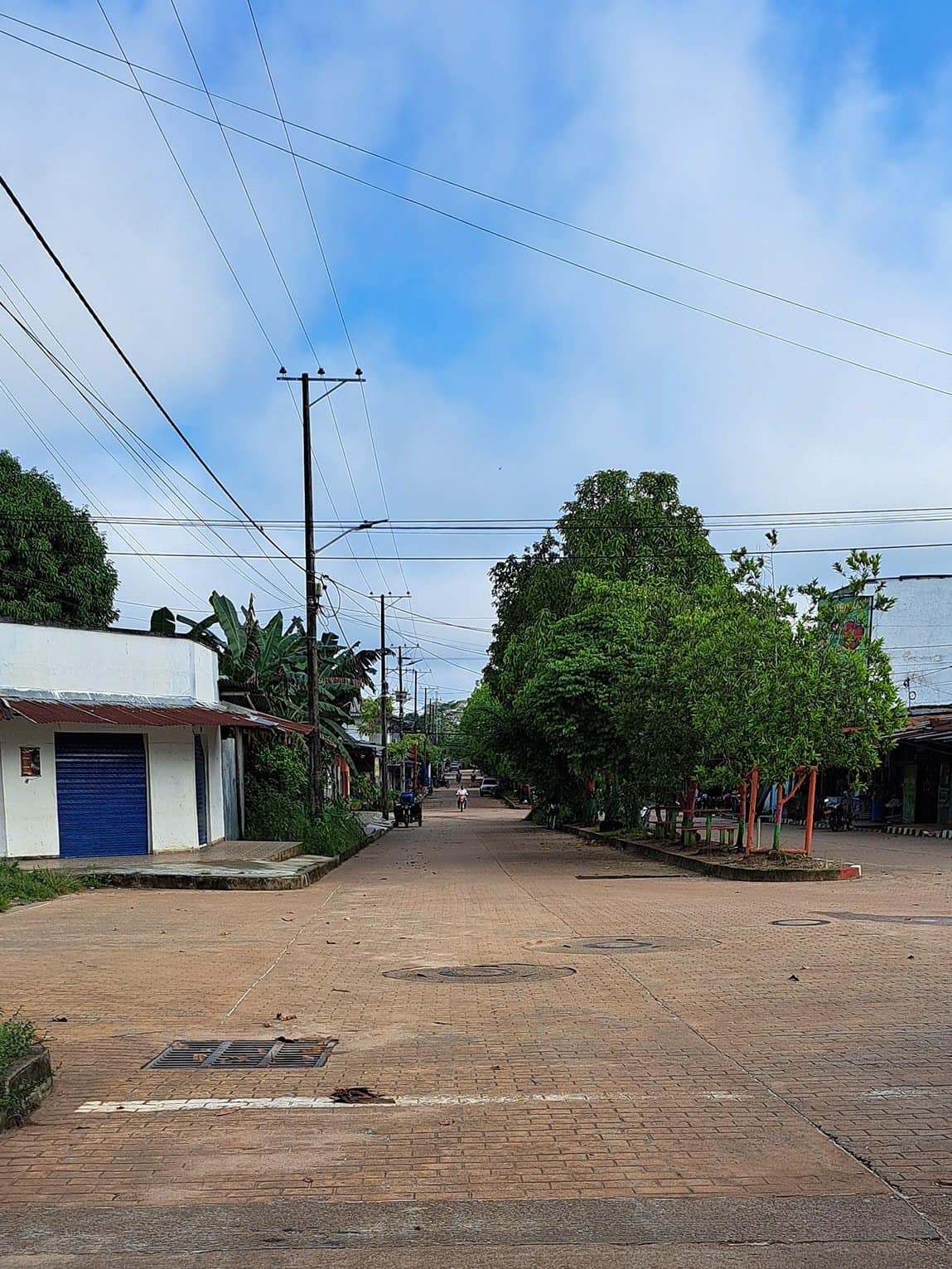
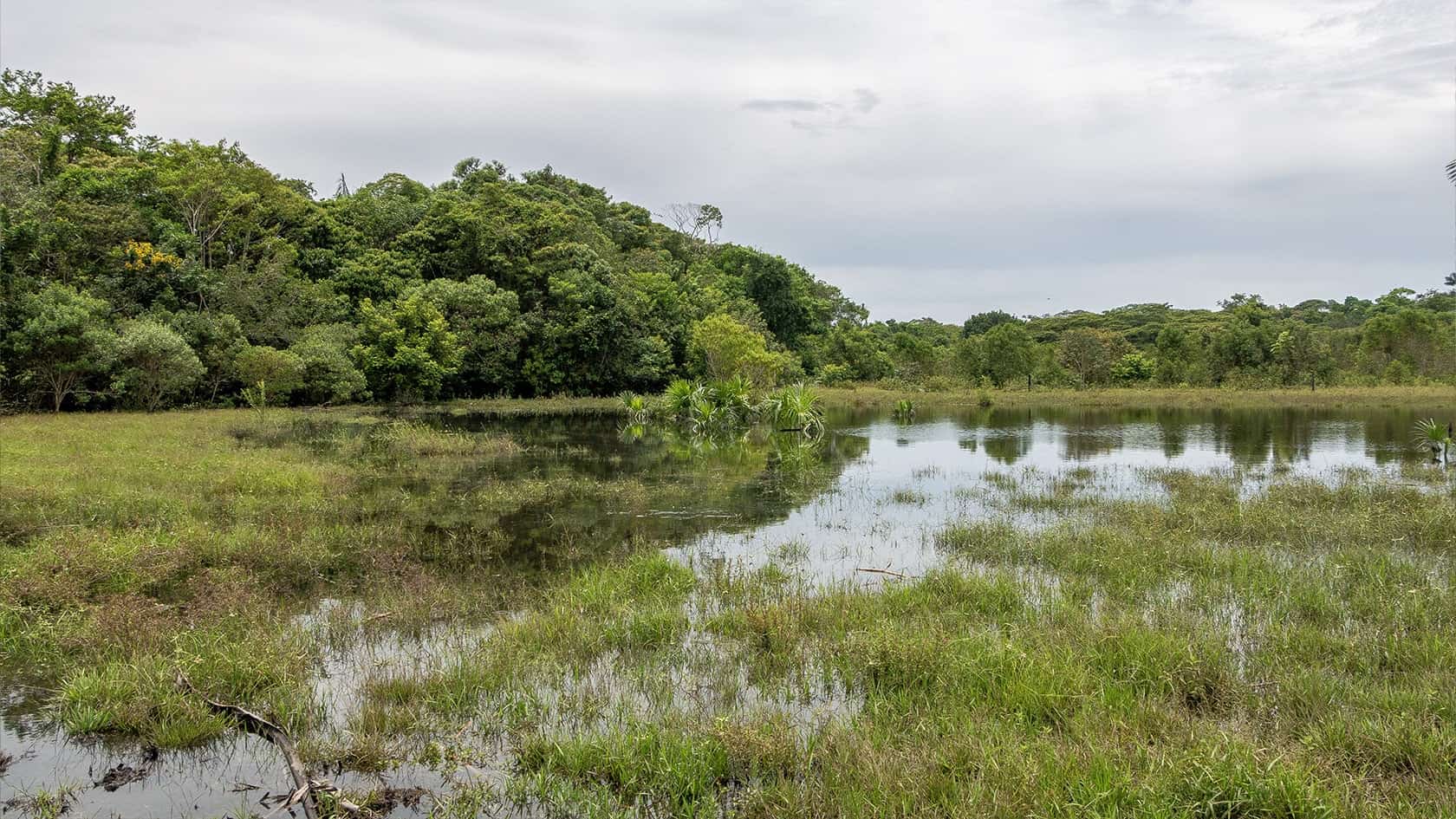
You don’t come to La Macarena to visit the city itself. Unlike some Colombian destinations, this is not a historic colonial village with many monuments or cultural sites to discover. Above all, La Macarena serves as a starting point for exploring the region’s natural wonders, such as Caño Cristales and the landscapes of the Serranía de la Macarena National Park.
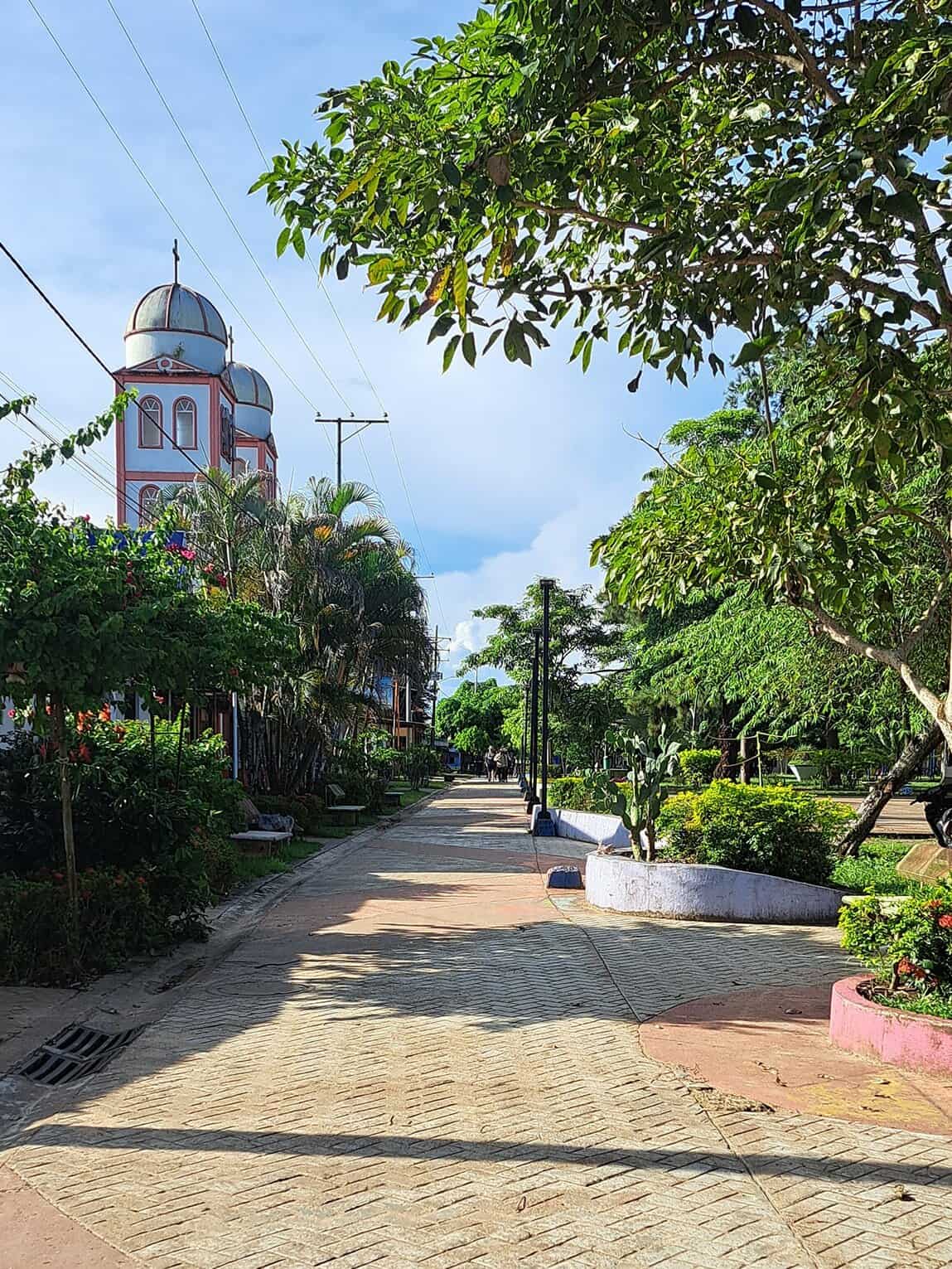
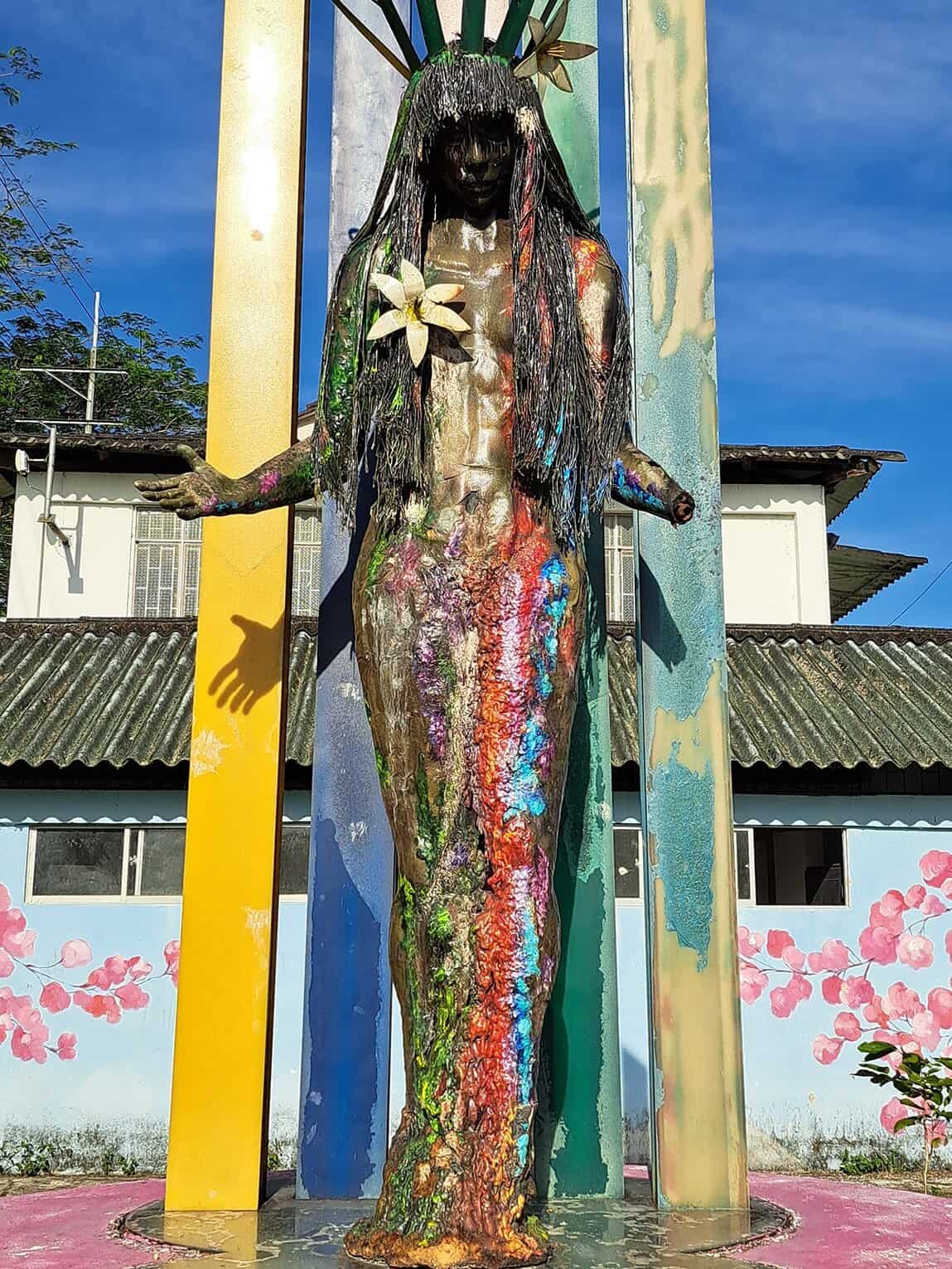
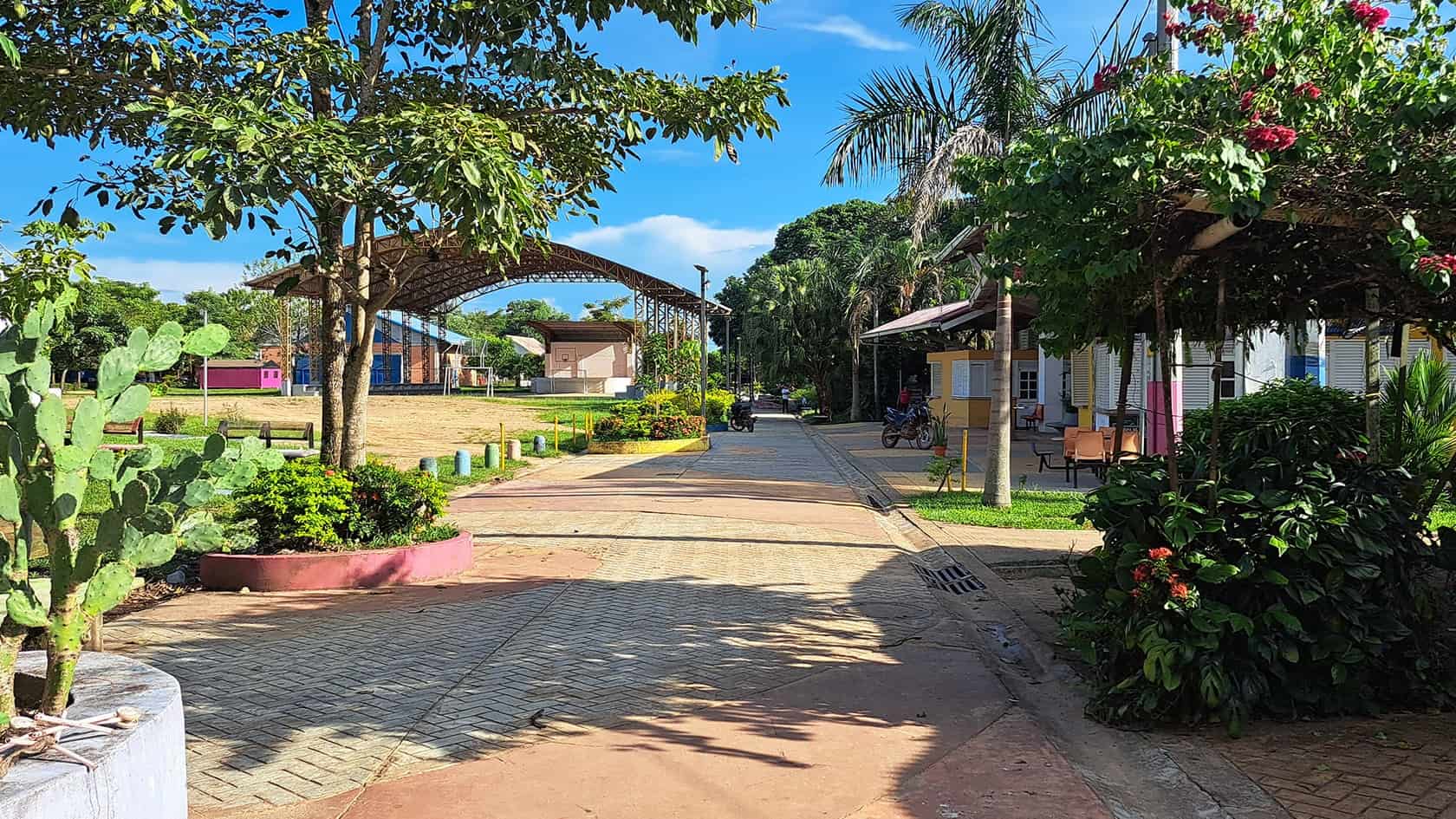
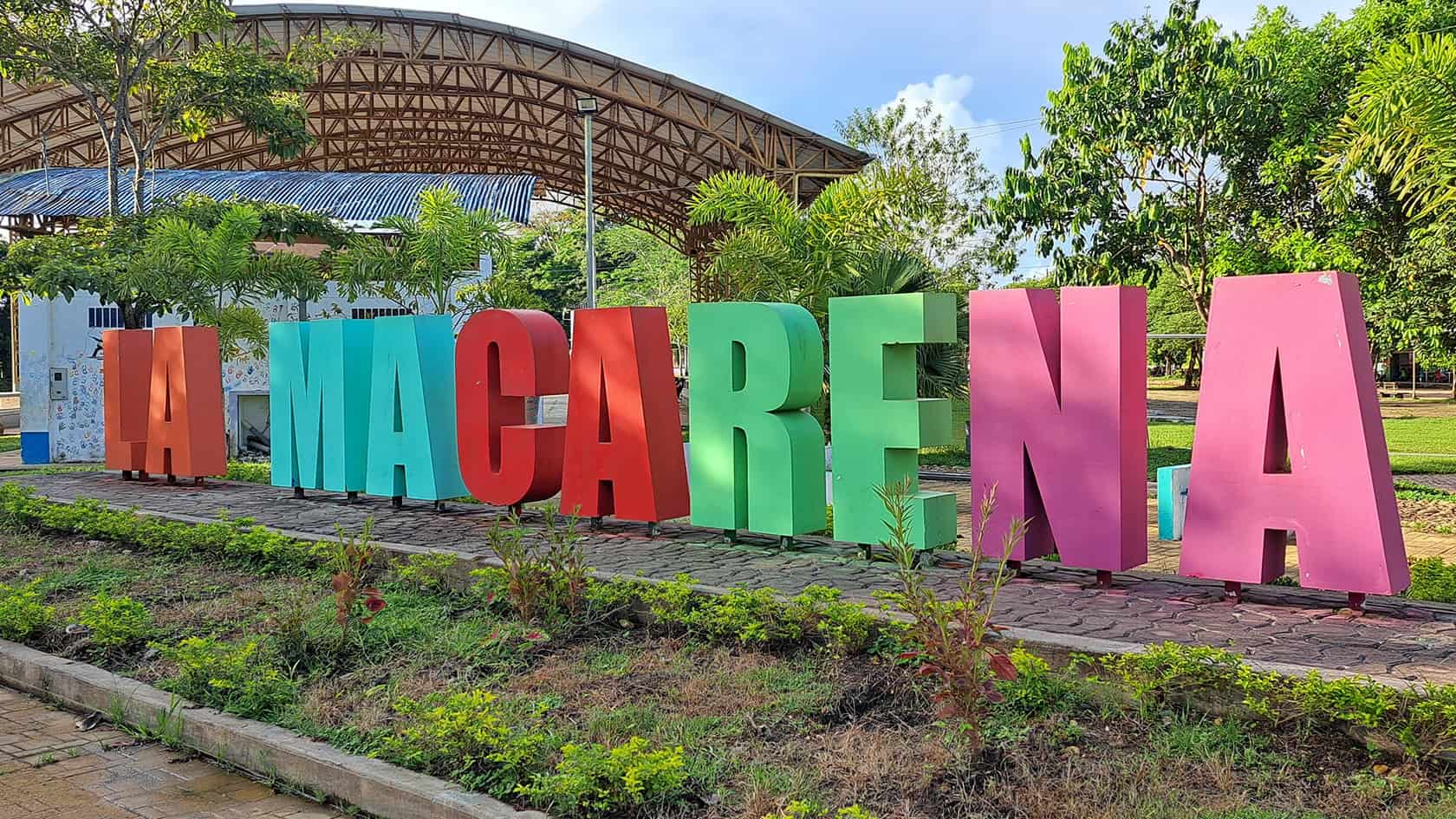
The small town therefore acts above all as an ideal base camp for excursions into the surrounding countryside. That said, it can be nice to spend some time in the main park, the heart of the city, where you’ll find a few bars and restaurants, and where you can watch the local entertainment at the end of the day.
Among well-known addresses, Restaurante Llano Y Leyenda, located not far from the airport and Hotel La Fuente, is often mentioned by travelers. Evenings featuring demonstrations of Joropo – the traditional dance and music of the Colombian and Venezuelan Llanos – are regularly held here, usually accompanied by dinner. However, if your trip is organized by a local agency, there’s a good chance that this activity is already included in the program or that it will be offered to you on site. This was particularly the case for us, and it’s a great opportunity to discover a bit of the local culture.
Around La Macarena
In La Macarena, the main places of interest and things to do are just outside town. The destination is known above all for its exceptional natural environment and the excursions it offers to discover the region’s unique landscapes.
This makes La Macarena an ideal base for exploring the surrounding area, including the nearby Serranía de la Macarena National Nature Park. This park is home to the famous Caño Cristales River, often nicknamed the River of Five Colors, as well as numerous trails, waterfalls and natural pools accessible on guided excursions.
In other words, people choose this destination for its landscapes and nature-based activities, rather than for visiting the city itself. La Macarena serves above all as a logistical base before setting off each day to explore the natural wonders of the surrounding area.
Most agencies offer excursions or multi-day trips to the sites listed below. Depending on the number of days you’ll be spending there and on what you’d like to do, all you have to do is tell them which trails (including various places) you’d like to visit, and they’ll organize the program for you.
Ciudad de Piedra
(Sierra de La Macarena National Park)
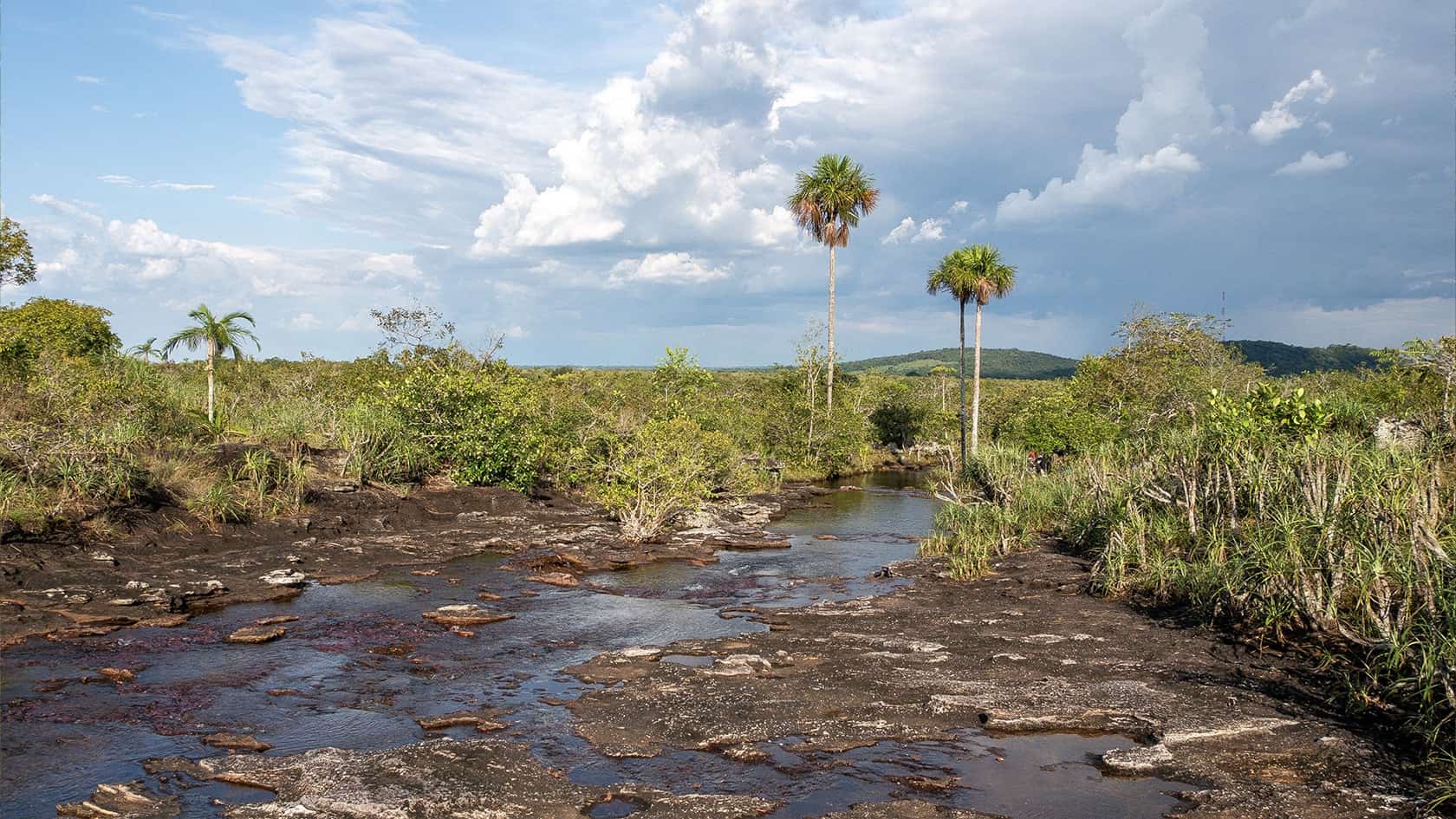
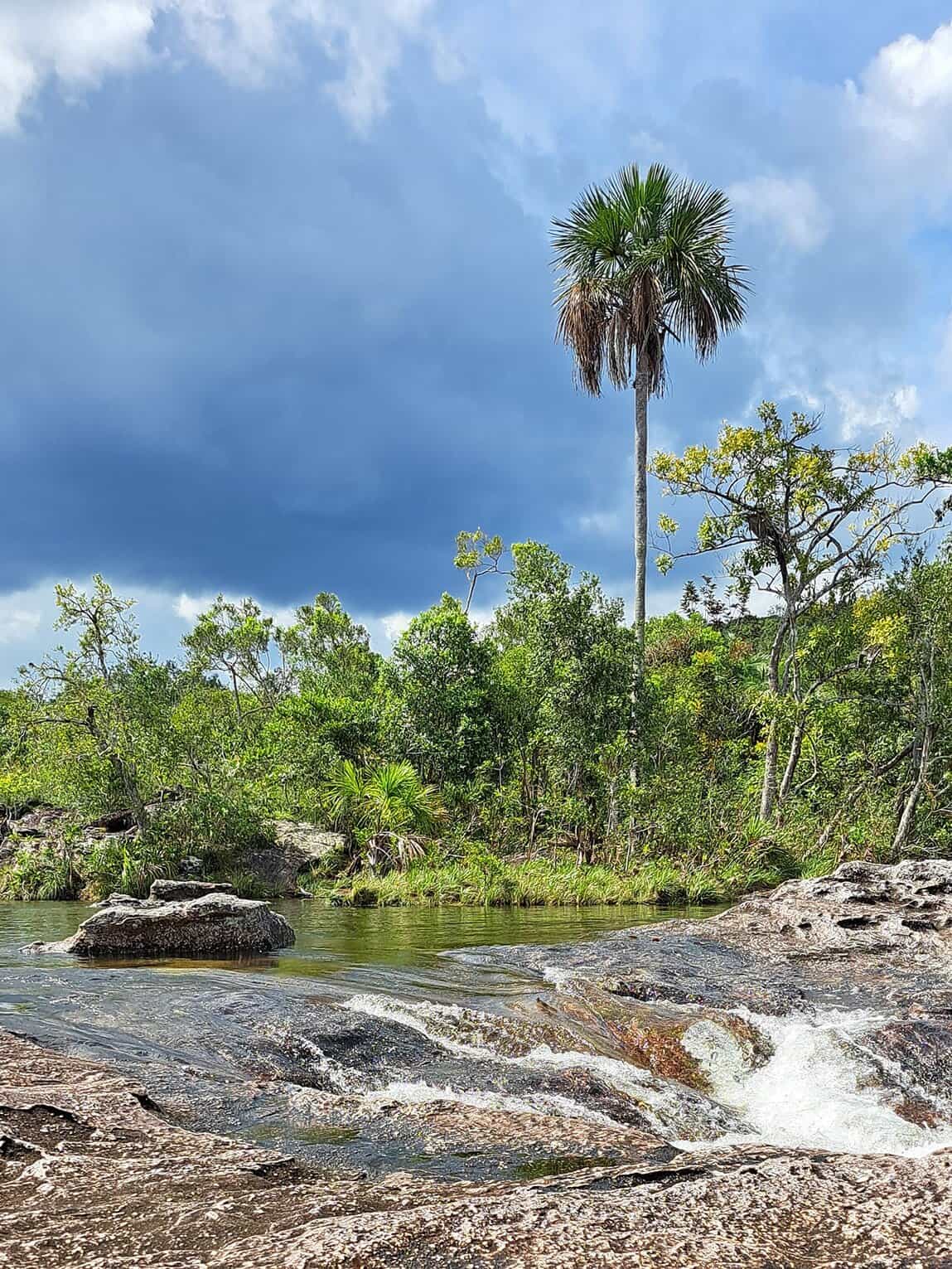
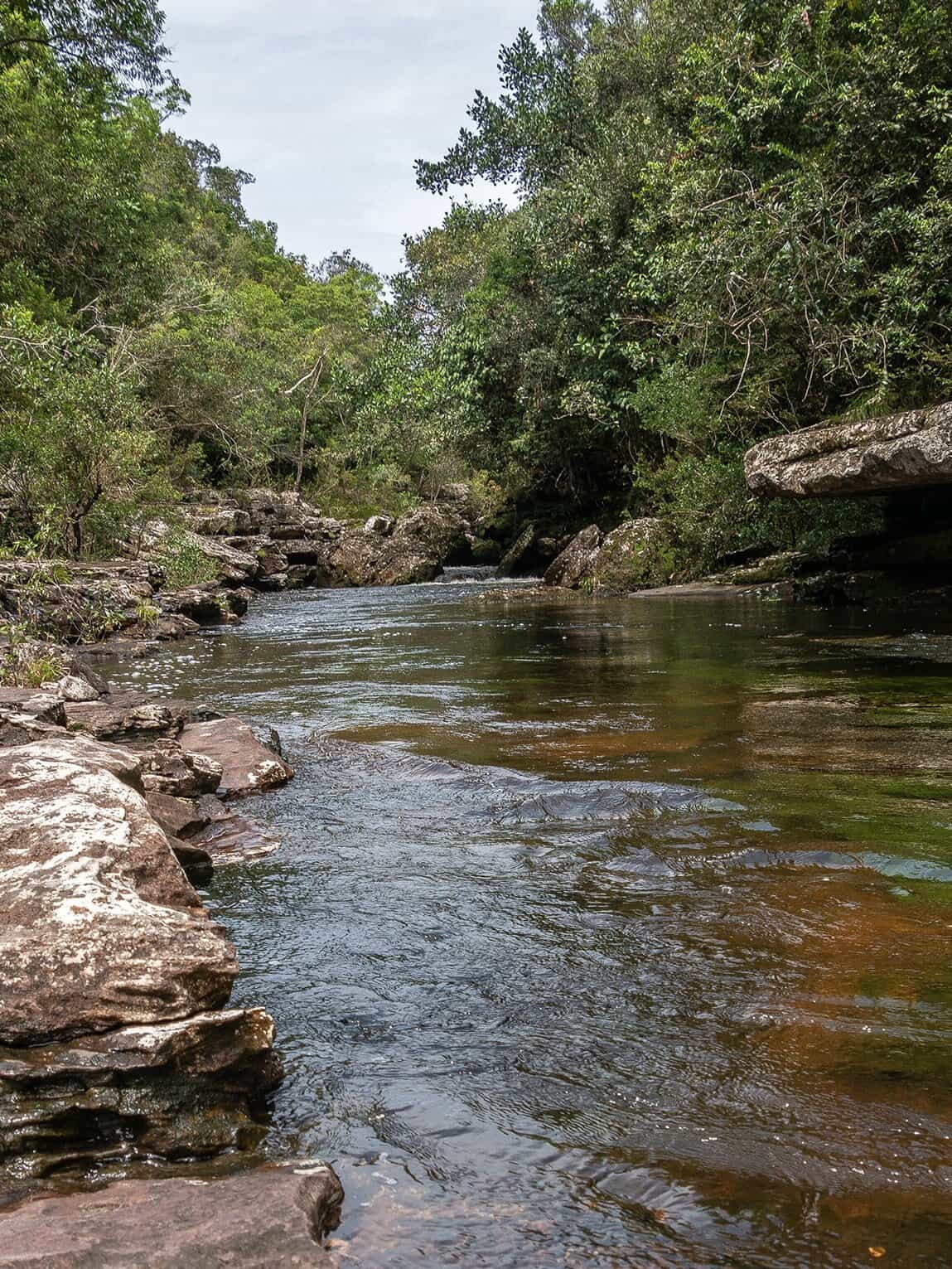
Ciudad de Piedra is a spectacular natural site that generally leaves no one indifferent. The area is made up of impressive rock formations sculpted by erosion, some of which are strikingly reminiscent of everyday elements. Walking through this maze of rocks, it’s easy to imagine the shapes of houses, huts, walls, windows and even doors – sometimes giving the impression of strolling through a real city… created entirely by nature. To reach Ciudad de Piedra, the trail passes through various landscapes typical of the region. We pass through morichales, wetlands dominated by moriche palms, and small streams where the famous macarenia clavigera grows, the aquatic plant responsible for Caño Cristales’ colors. These crystal-clear streams also offer lovely opportunities to take a break and enjoy a refreshing swim.
Guide required to enter the National Park
Distance: 12.5 km – Ascent: 300 m – Hiking time: 5h – Difficulty: difficult
Laguna del Silencio
(Sierra de La Macarena National Park)
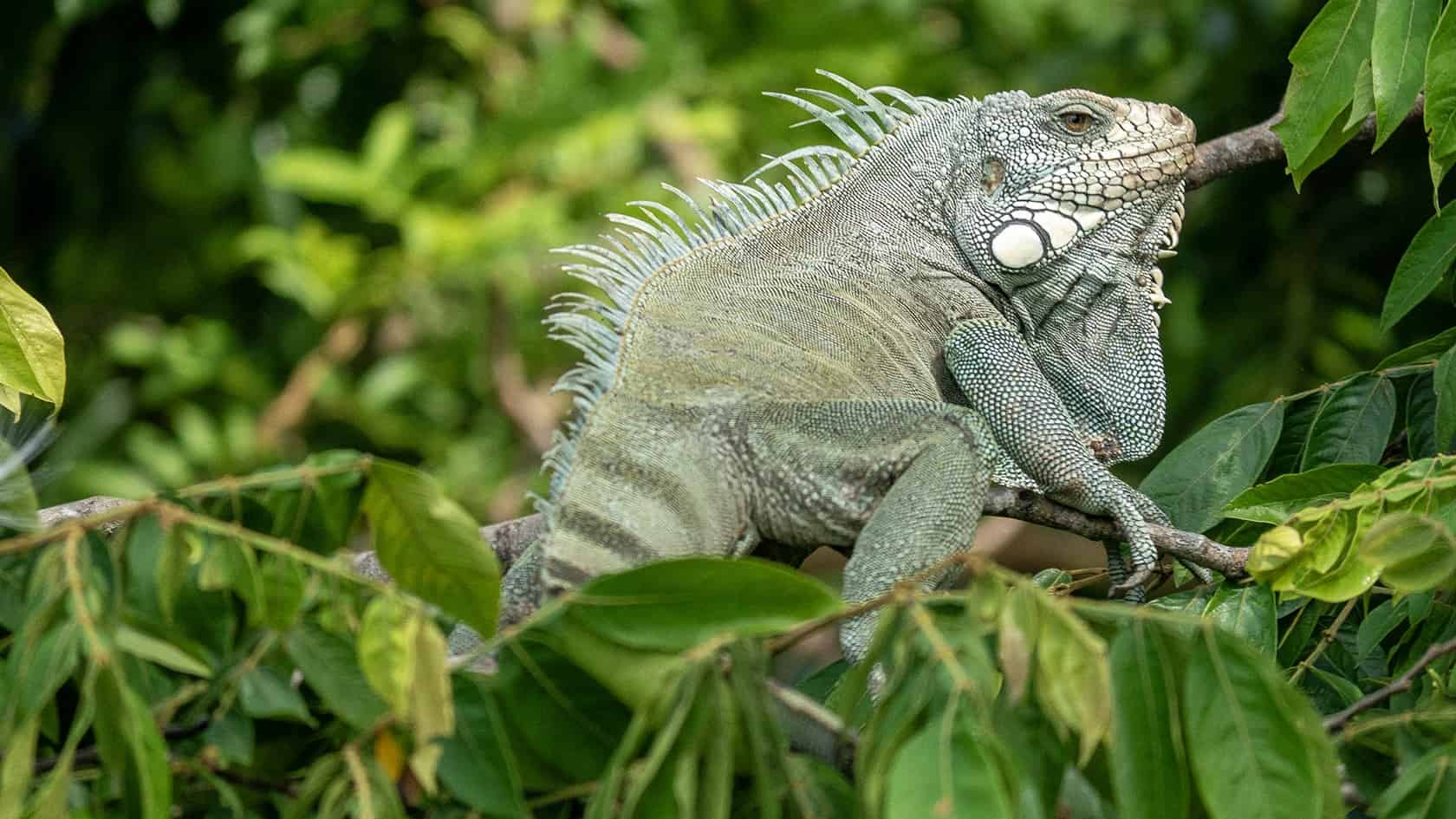
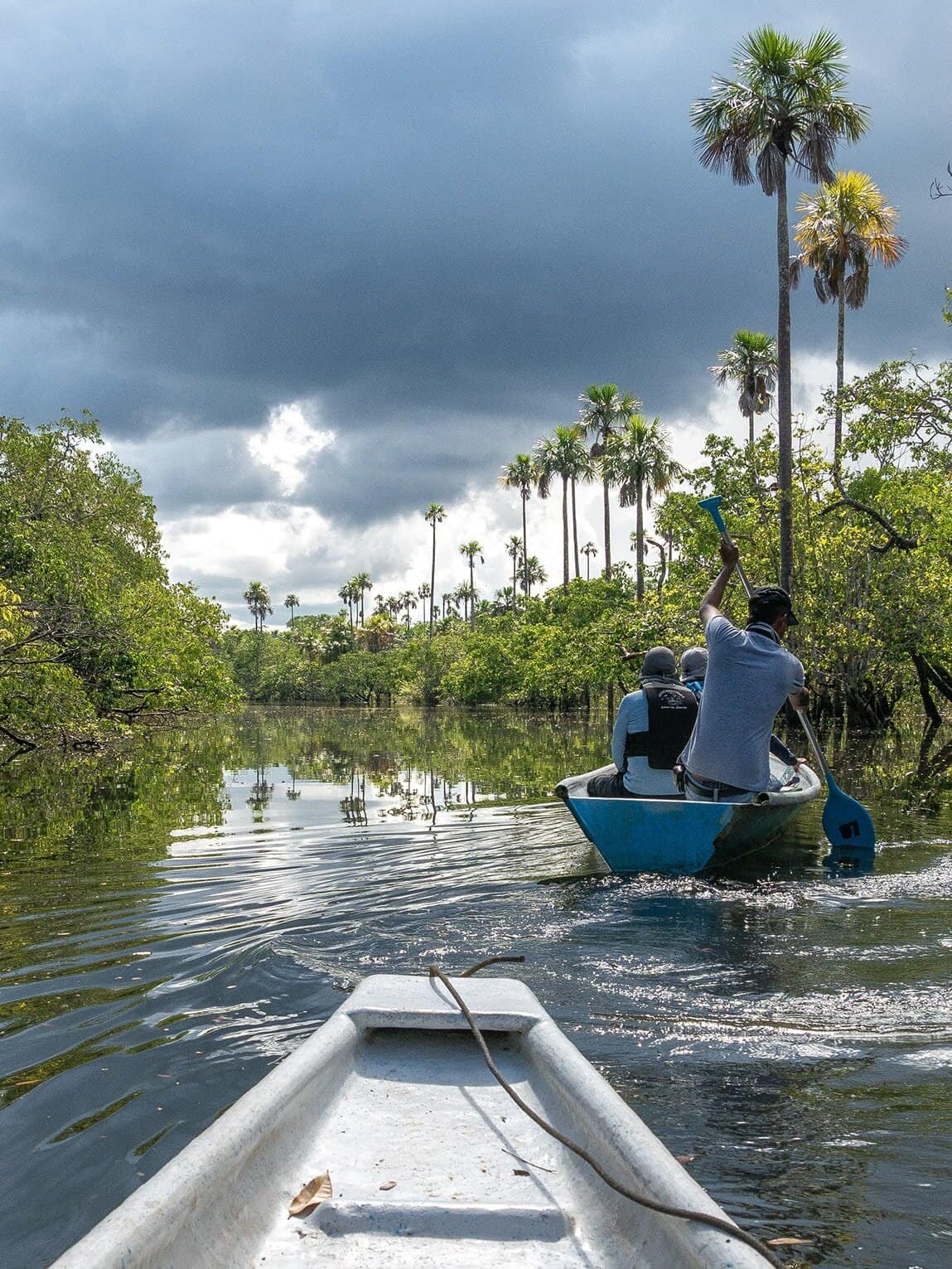
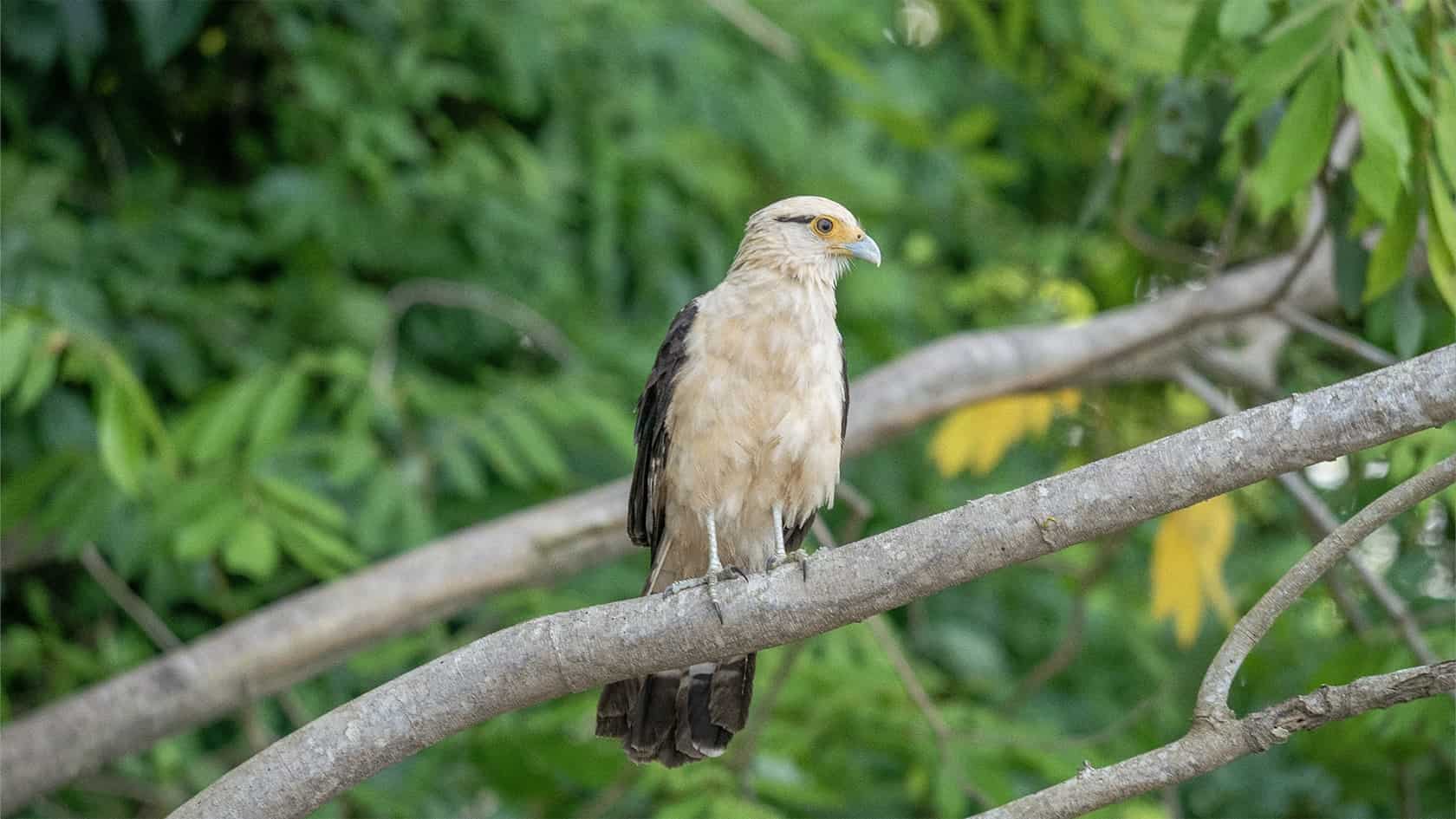
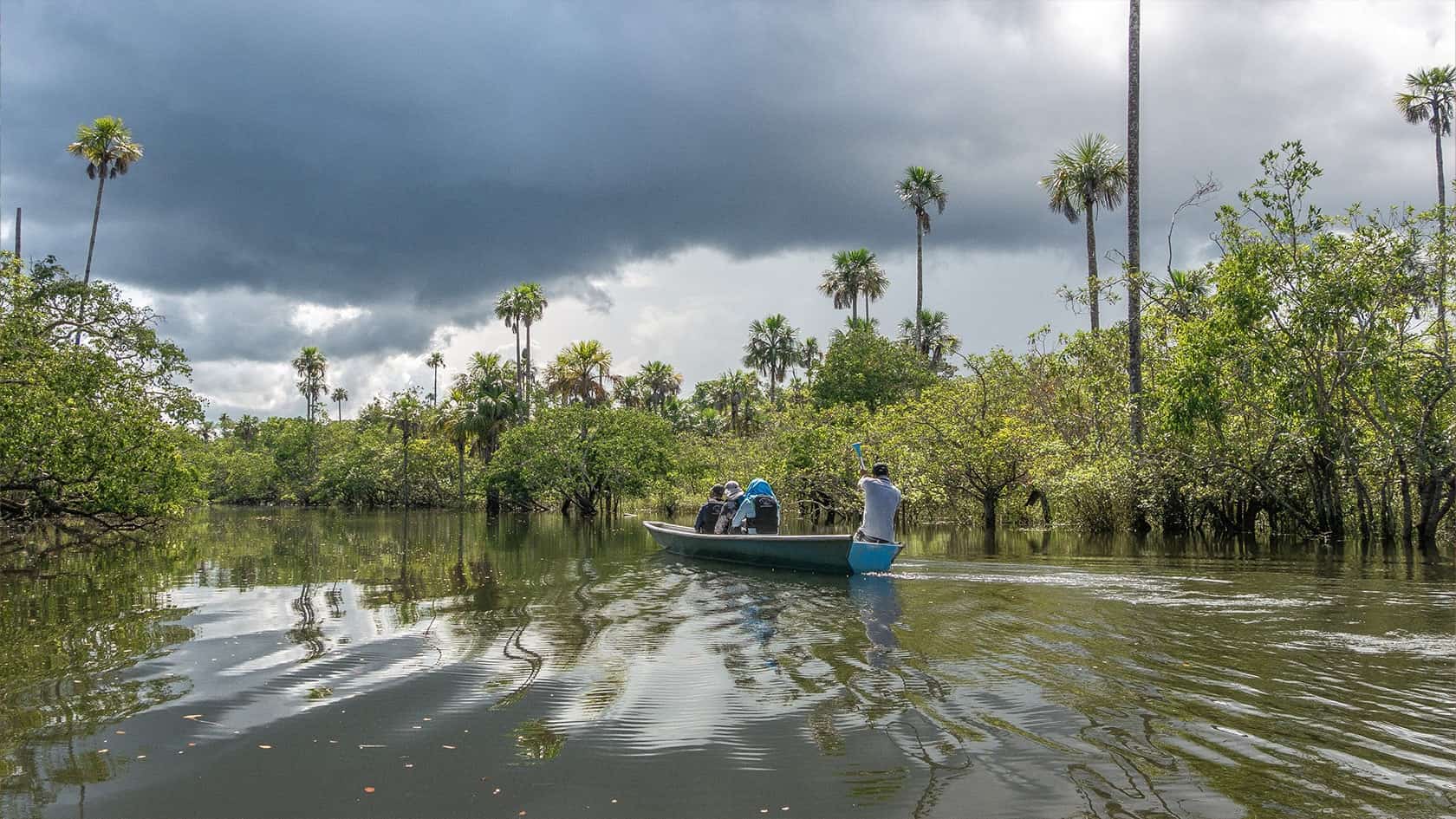
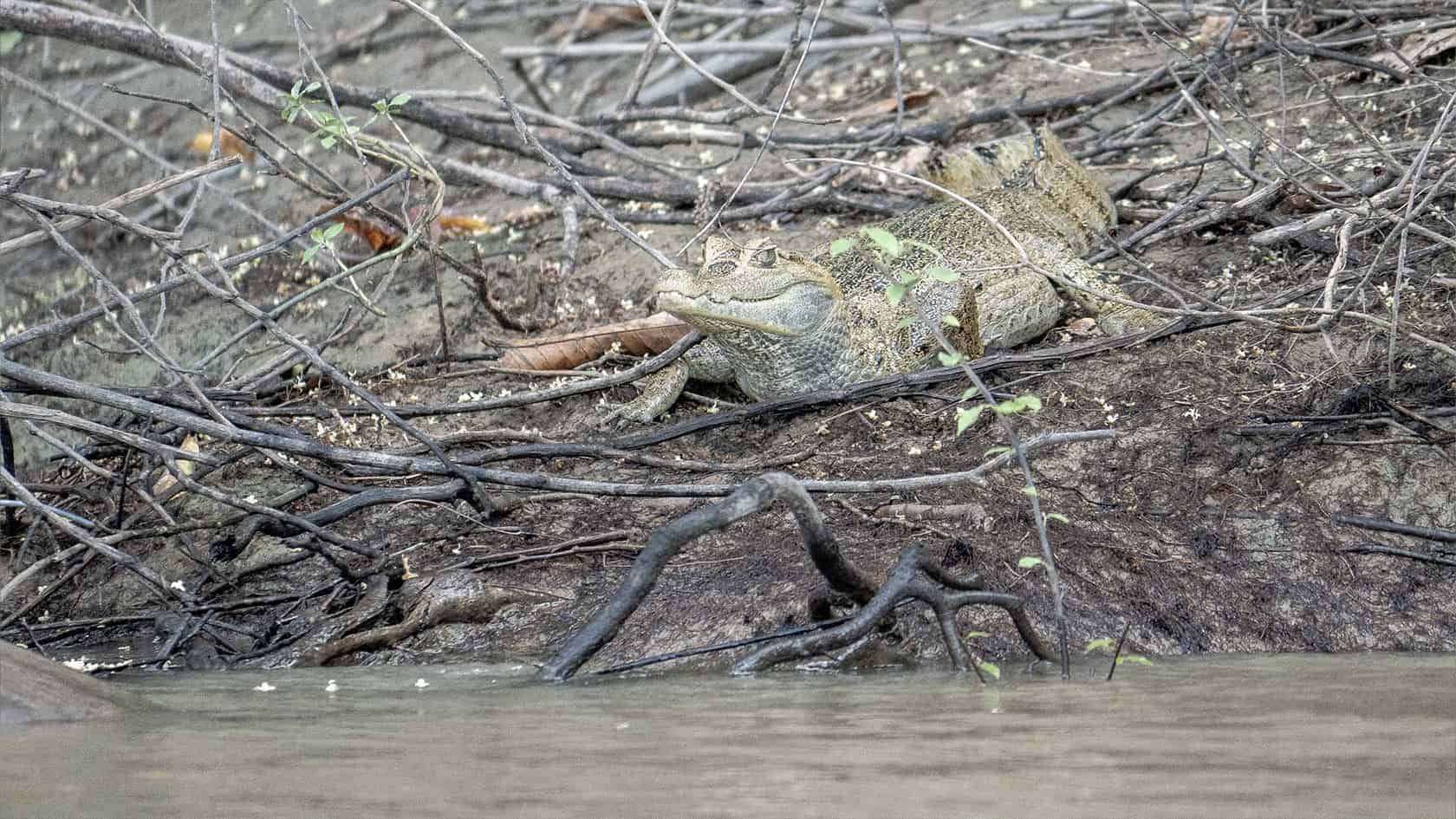
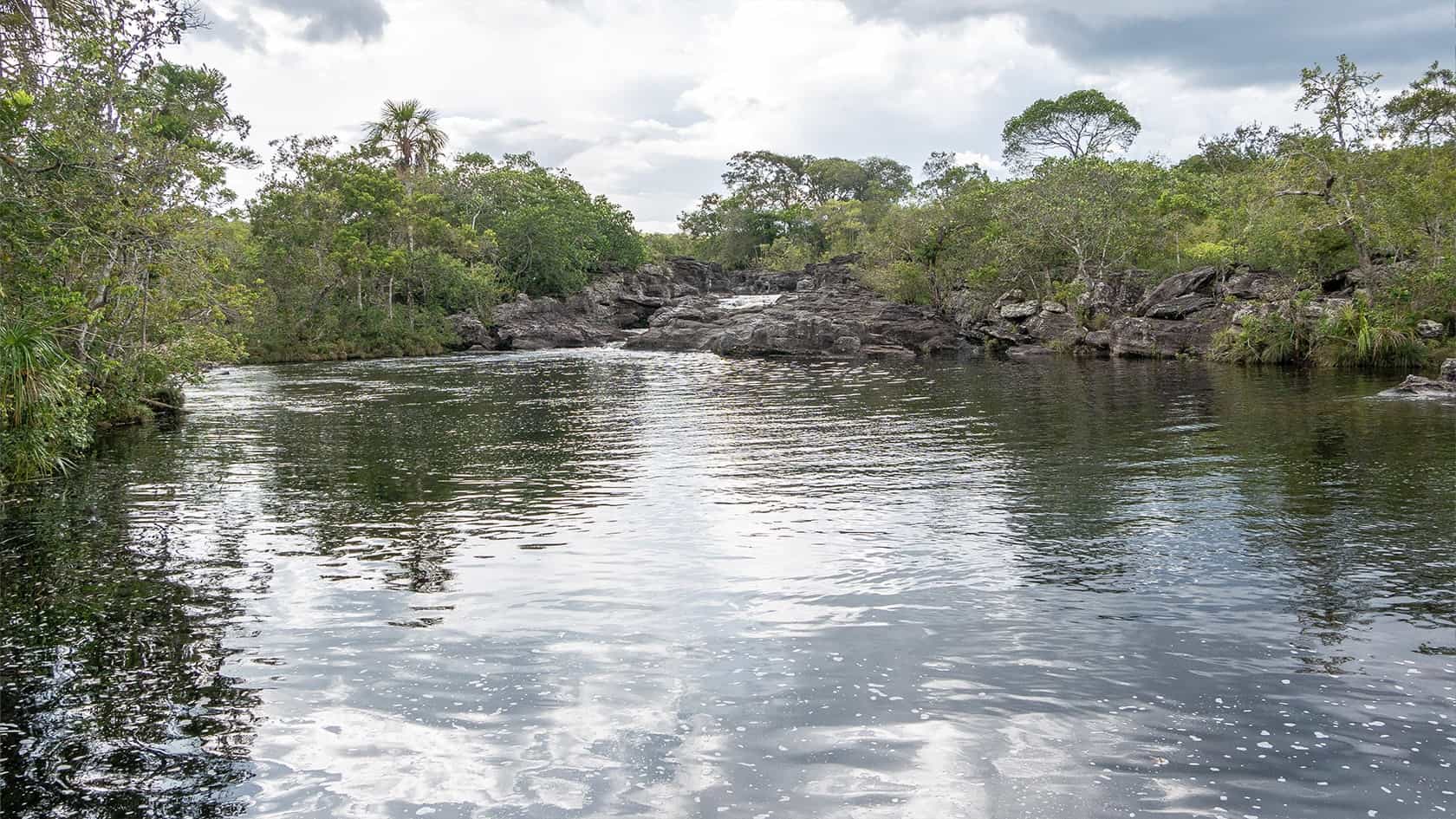
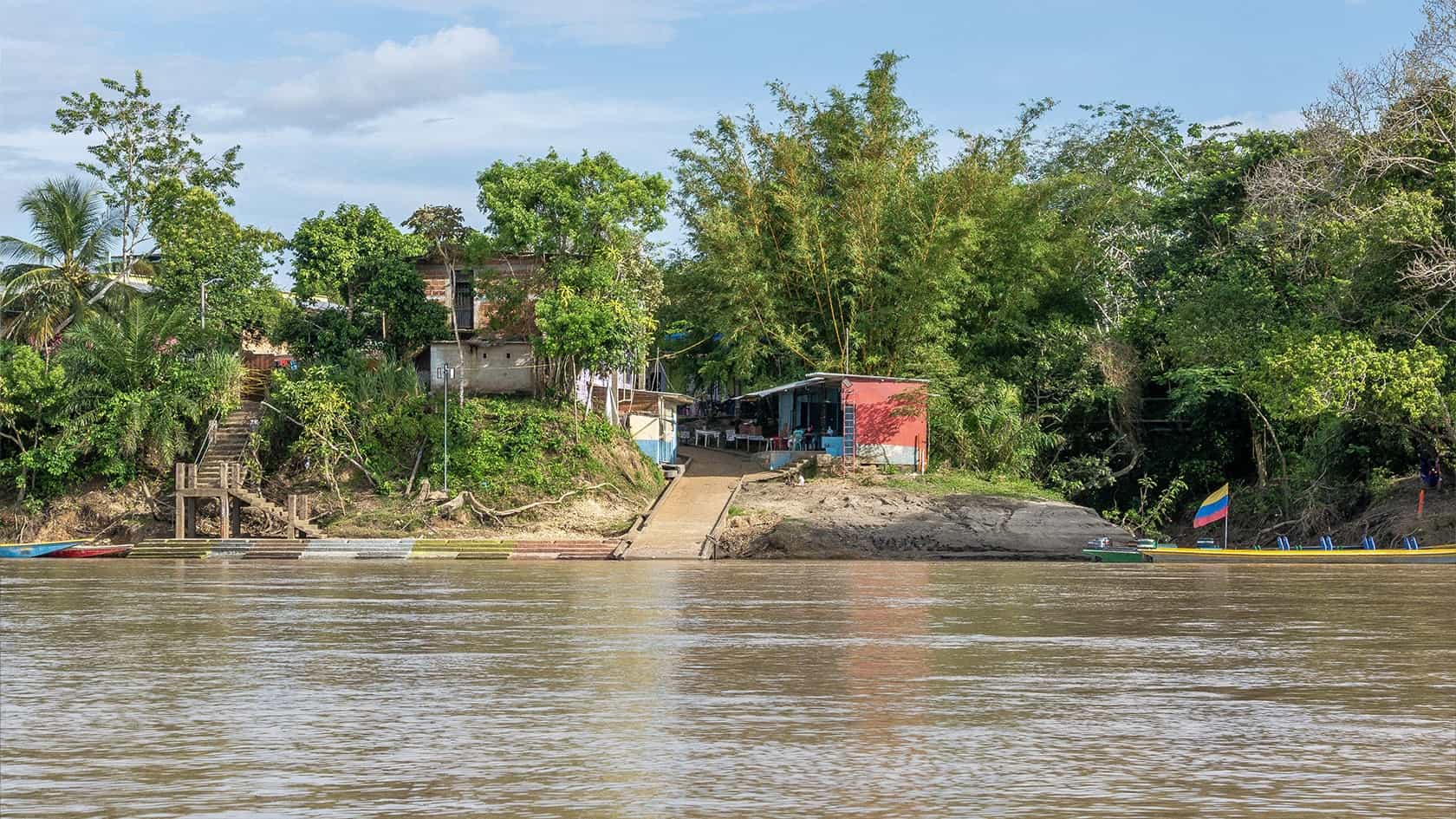
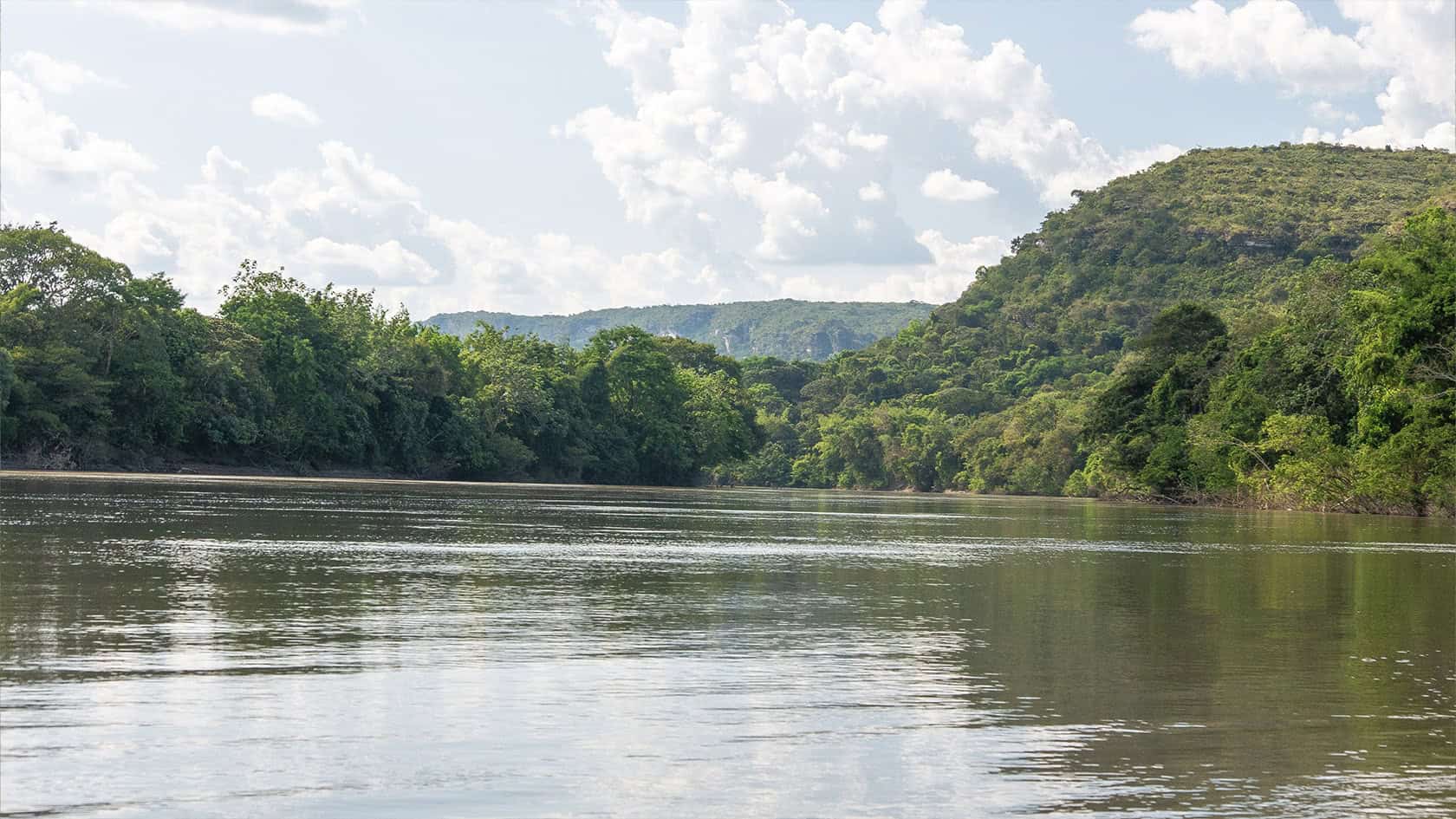
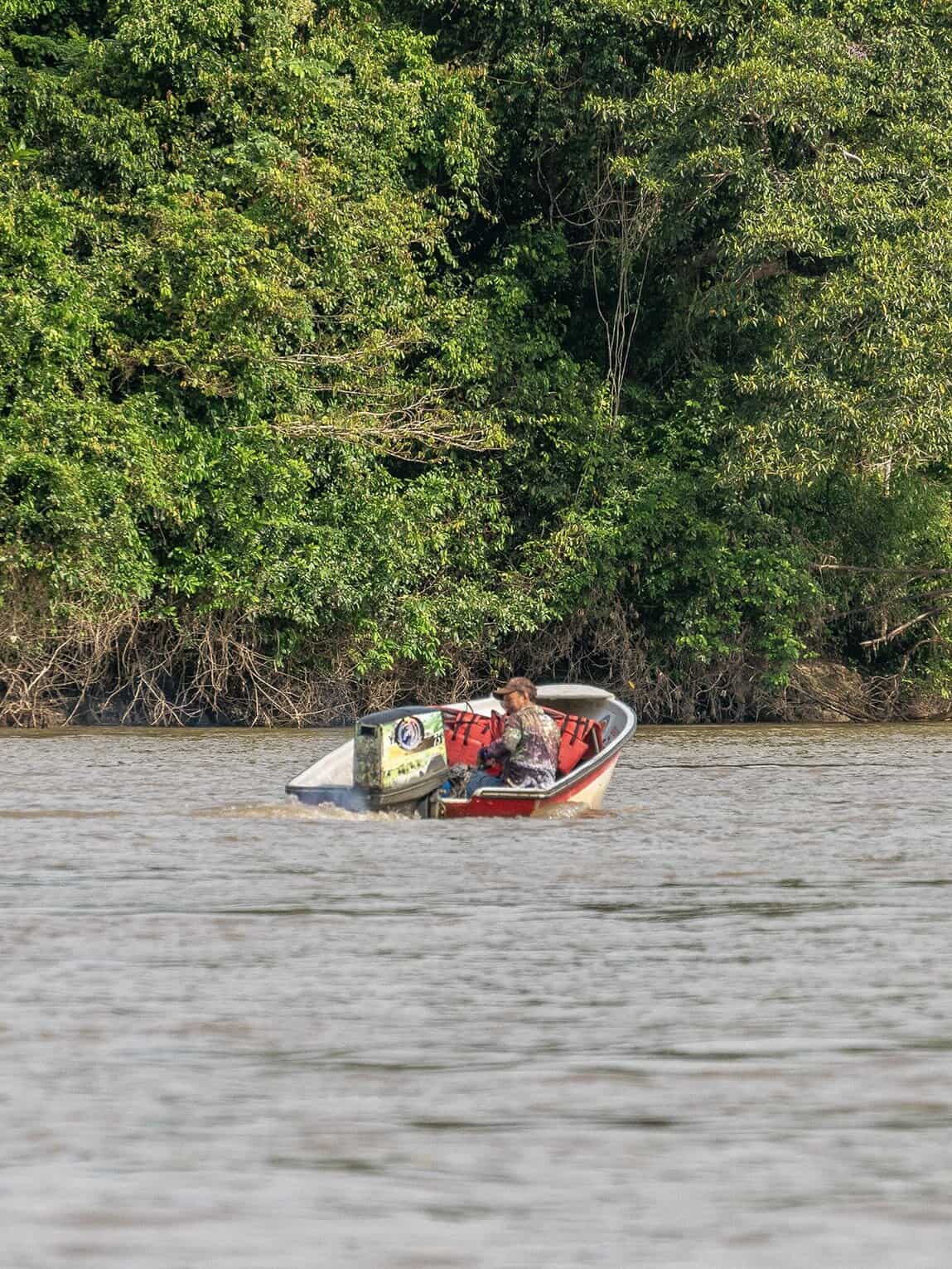
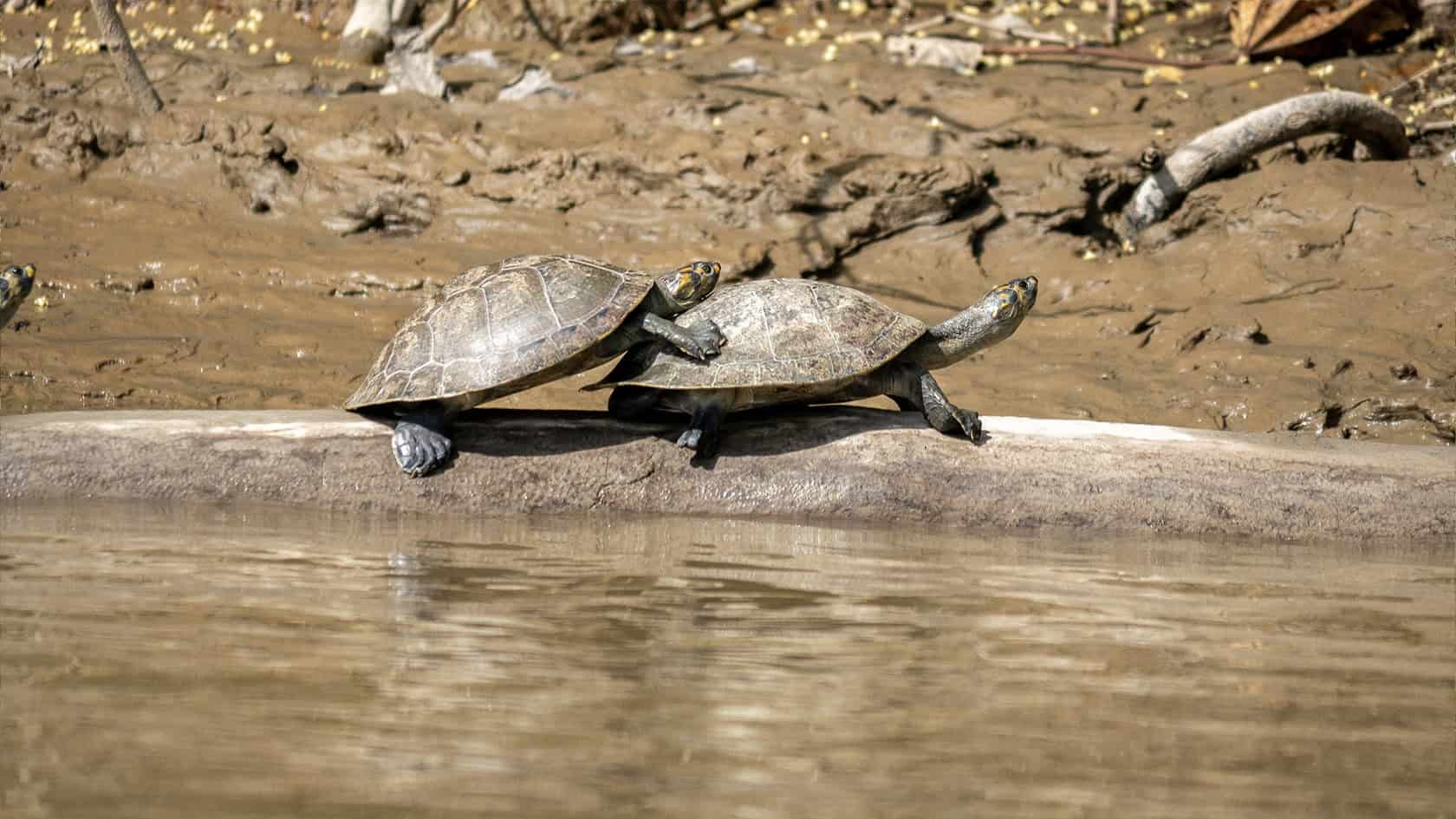
The excursion to Laguna del Silencio usually starts very early in the morning from La Macarena. After a 30-minute boat ride on the 8 km-long Río Guayabero, it’s not uncommon to spot birds, reptiles and turtles along the banks. You arrive near the hamlet of La Cachivera, where you begin a 4 km hike (also possible on horseback, at extra cost) to the lagoon. On site, exploration continues in a traditional canoe – known locally as a chalupa or potrillo – gliding gently over the calm waters of the Laguna del Silencio, surrounded by palm trees and a particularly peaceful natural environment. The experience then continues with a 2 km walk through the forest to a finca where lunch is served, with the option of a swim in the river before returning to La Macarena, often accompanied by a magnificent sunset over the river.
Guide required to enter the National Park
Distance: 12 km – Hiking time: 7h – Difficulty: easy
Cascada los Pianos
(Sierra de La Macarena National Park)
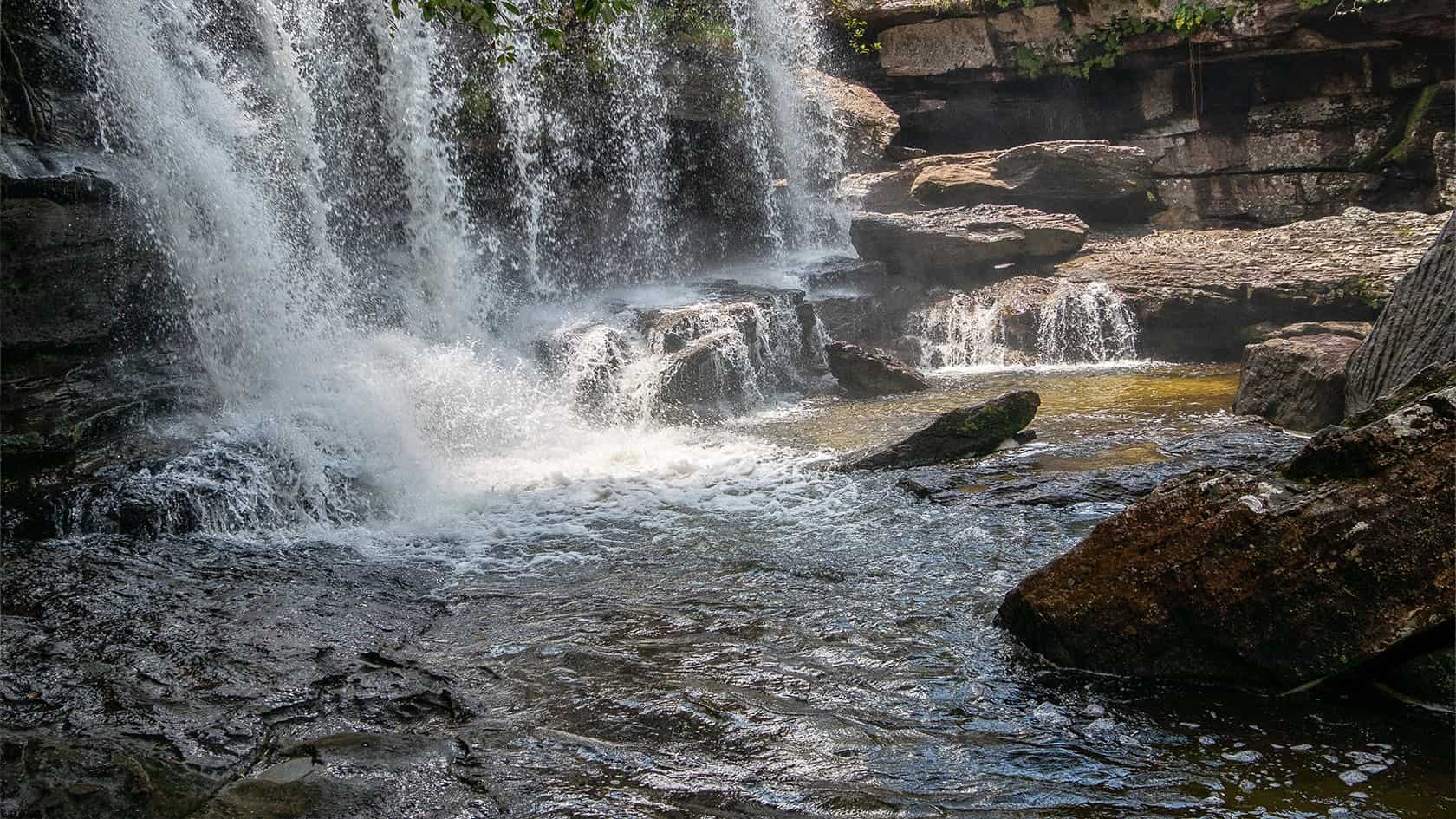
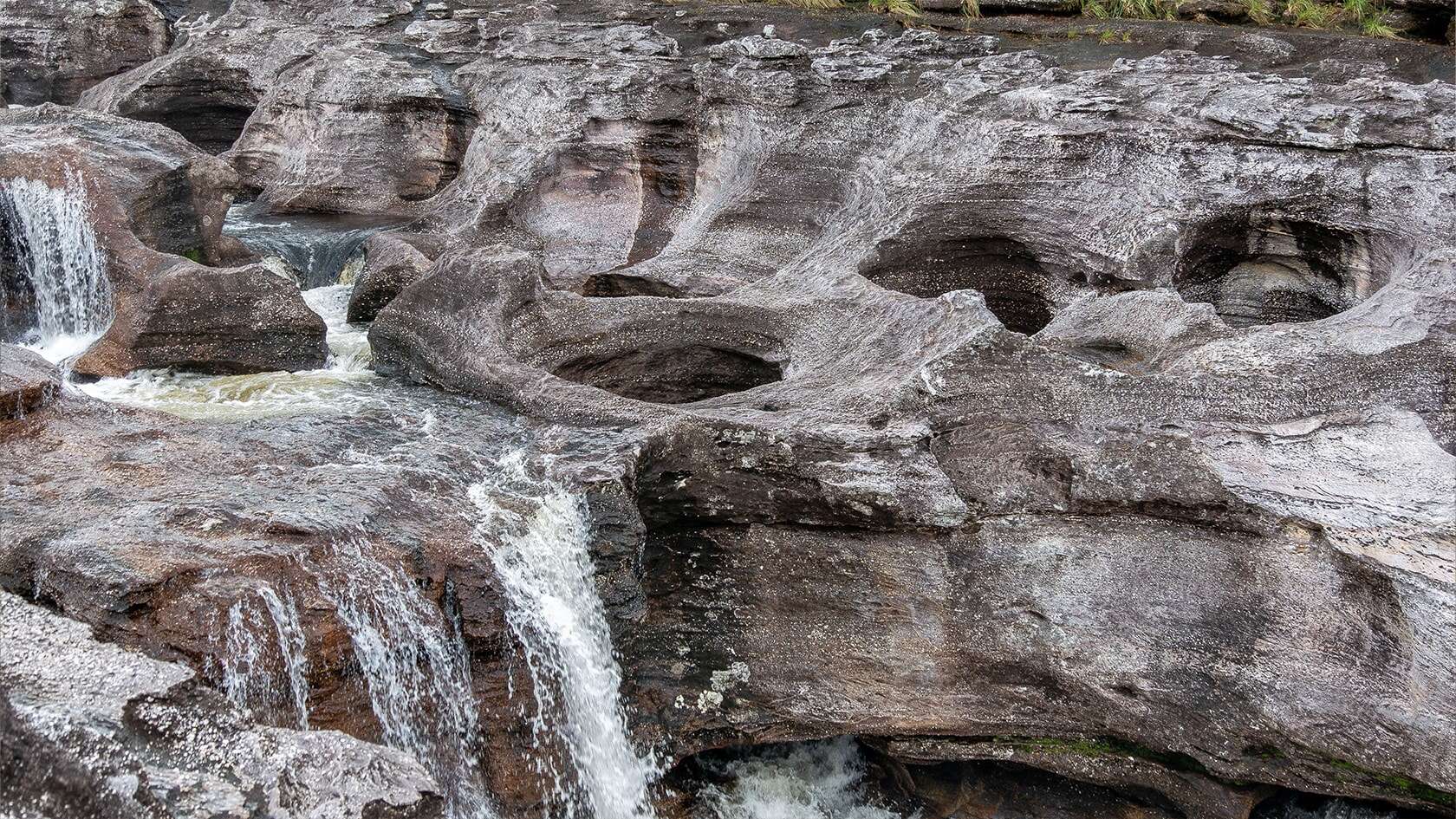
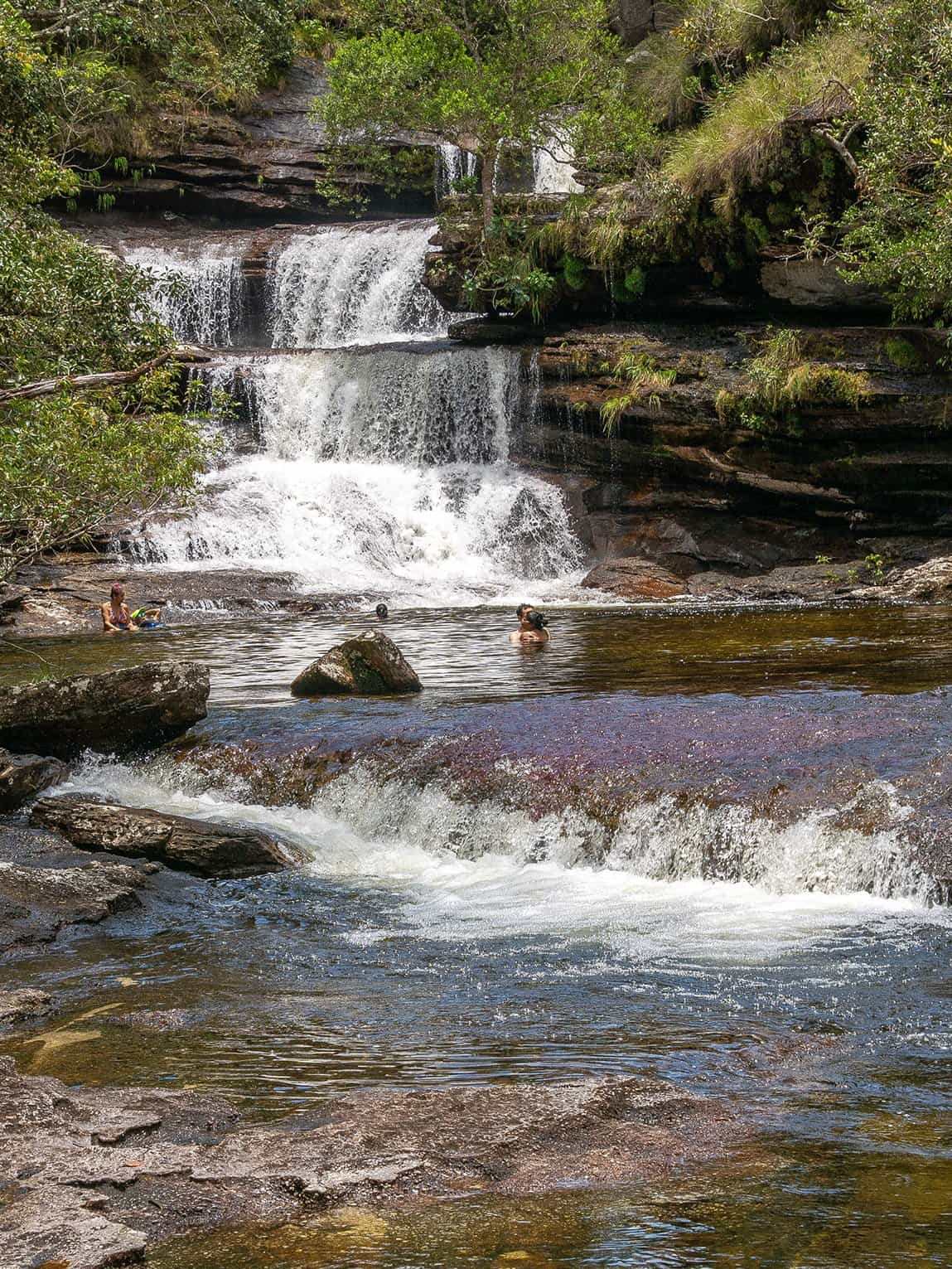
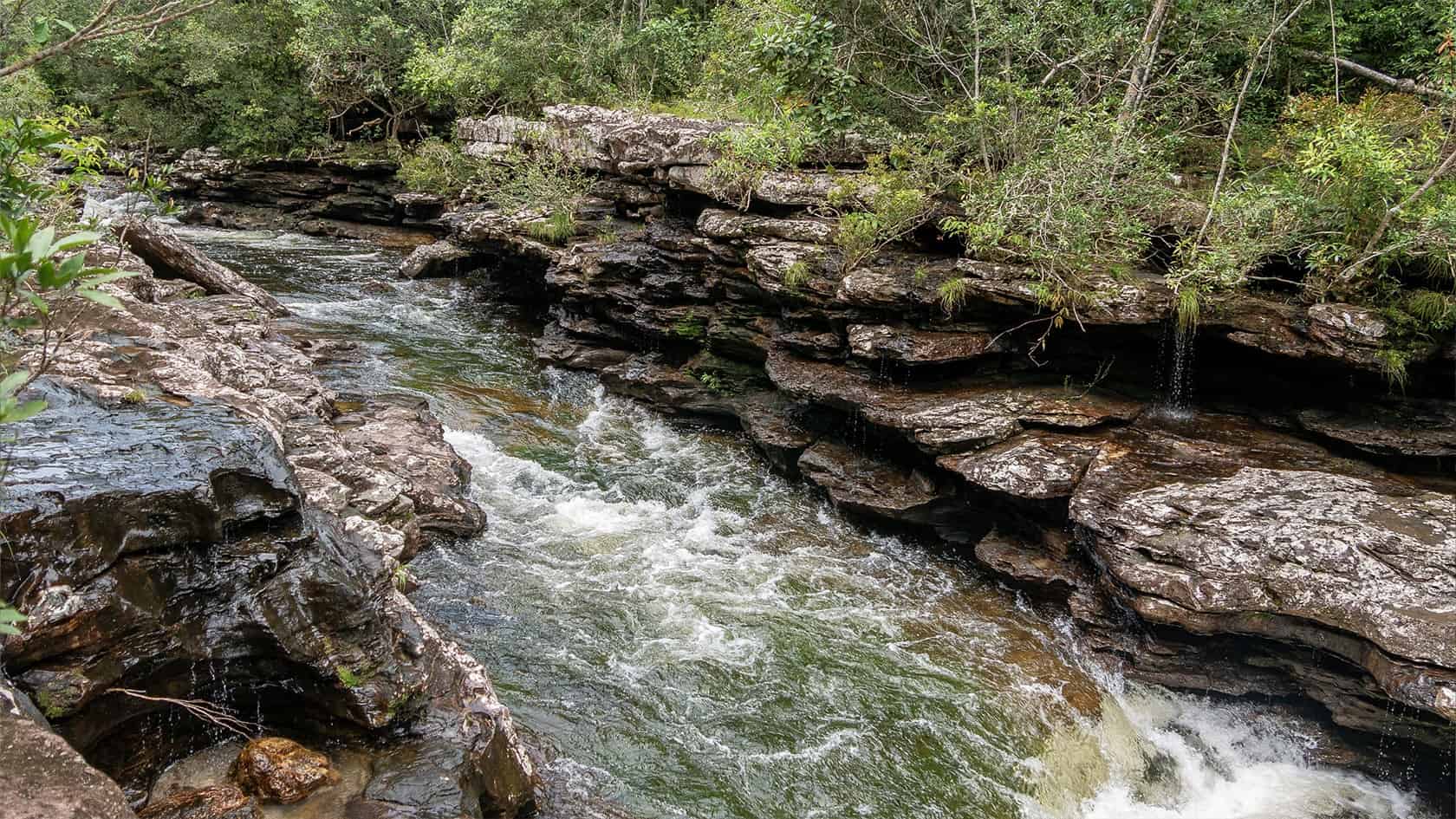
Located in the Serranía de la Macarena National Nature Park, Los Pianos is one of the natural sites you can discover on an excursion from La Macarena. The place owes its name to the astonishing rock formations that make up the riverbed: erosion has sculpted the stone into large, rectangular slabs, reminiscent of the keys on a giant piano. The water flows between these rocks, forming small rapids, waterfalls and several natural pools. The highlight of the visit is the main waterfall, at the foot of which is a natural pool where you can take a dip, a particularly pleasant moment after the walk. The setting is wild and spectacular, typical of the unique landscapes of the Serranía de la Macarena.
Guide required to enter the National Park
Included in the Los Pianos trail: Distance: 6.5 km – Hiking time: 7h – Difficulty: easy
Los Cuarzos
(Sierra de La Macarena National Park)
Cascada Los Cuarzos is one of the stops on the hike along the Los Pianos trail in Serranía de la Macarena National Nature Park. The waterfall gushes forcefully from the rocks of the mountain before emptying into a natural pool of clear water. Surrounded by tropical vegetation and ancient rock formations, the site exudes a powerful yet peaceful and almost mysterious atmosphere, as if hidden in the heart of the forest. Most visitors take advantage of this stop to take a dip at the foot of the waterfall, a refreshing break particularly appreciated after the walk. It’s also an ideal place to recharge your batteries before continuing your hike to other natural sites in the park and the emblematic landscapes of the Serranía de la Macarena.
Guide required to enter the National Park
Included in the Los Pianos trail: Distance: 6.5 km – Hiking time: 7h – Difficulty: easy
Cascada la Virgen
(Sierra de La Macarena National Park)
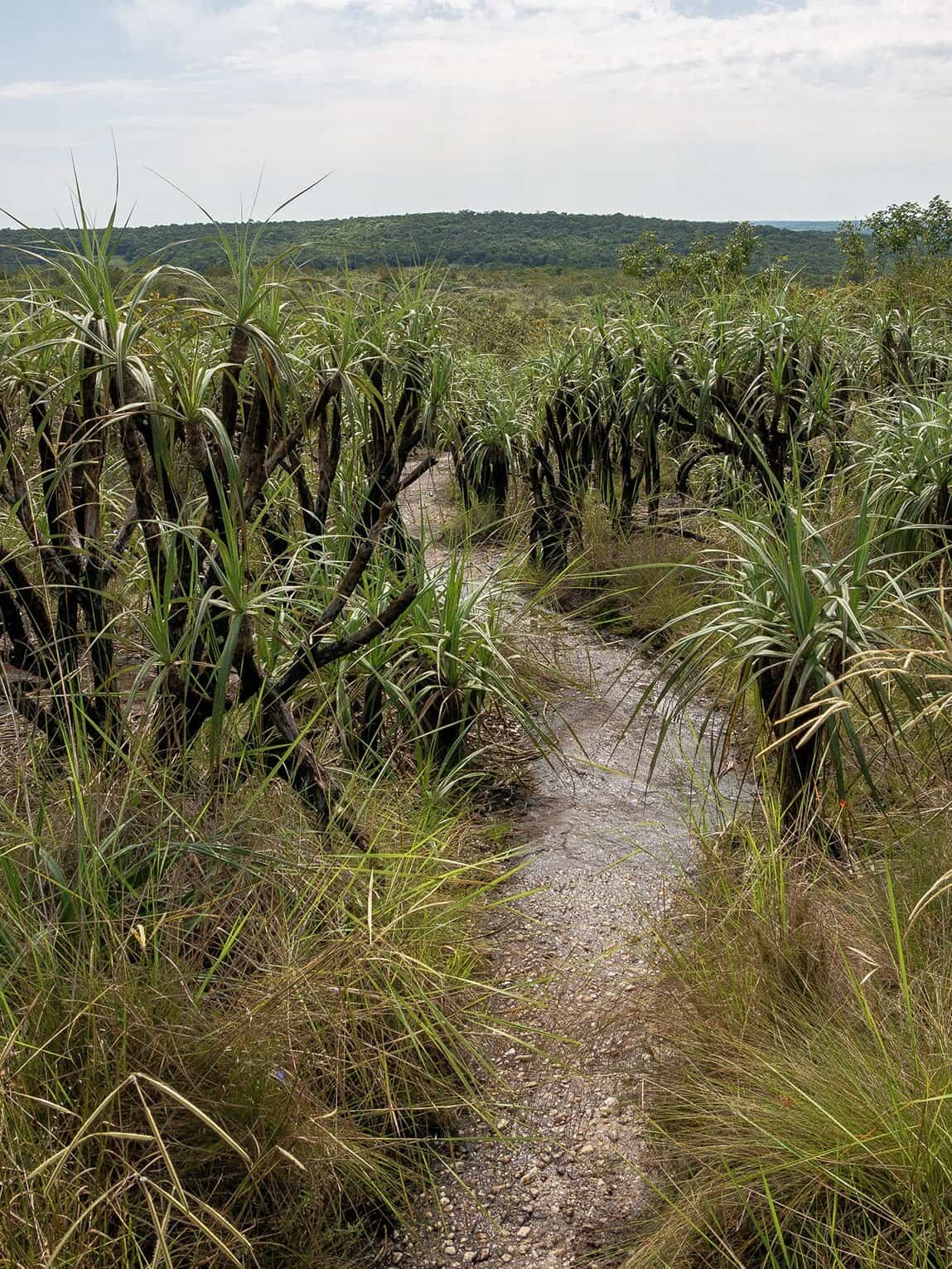
Cascada La Virgen is a waterfall accessible after an open-air hike in the National Park. After passing through landscapes of savannah and ancient rock, we discover this rather wide, but relatively gentle waterfall, which flows peacefully over the rock. The waterfall is located on a gentle slope, allowing you to observe the river meandering below and admire the view of the surrounding wilderness. The place is quiet and open, offering a very different atmosphere from the waterfalls nestling in the heart of the forest. It’s a pleasant stopover during your hike, ideal for enjoying the panorama and silence of the Serranía de la Macarena.
Guide required to enter the National Park
Included in the Los Pianos trail: Distance: 6.5 km – Hiking time: 7h – Difficulty: easy
Included in the El Salto del Águila trail: Distance: 9 km – Hiking time: 7h – Difficulty: moderate
Los Ochos
(Sierra de La Macarena National Park)
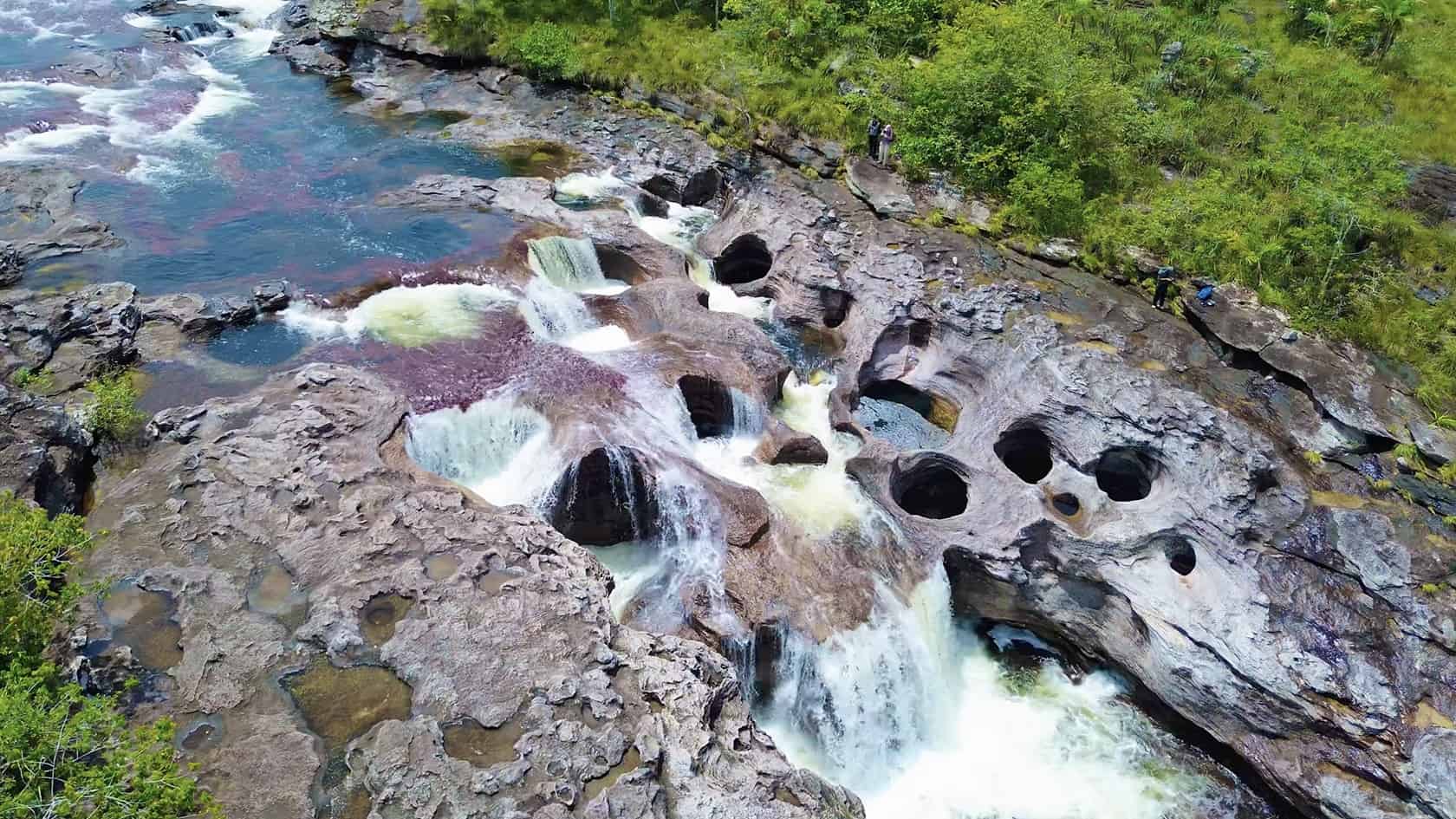
Los Ochos is one of the must-see sites in the Serranía de la Macarena National Nature Park. Easily accessible and quickly reachable, it’s a great option for travelers who don’t want to – or can’t – commit to the park’s long hikes. The site is distinguished by its rounded, figure-of-eight rock formations, sculpted by water over the centuries, and by the crystalline springs characteristic of the region. Although swimming in the main current is not permitted, it is possible to take advantage of a natural pool upstream to cool off. It offers a quick immersion in the wild beauty of the Serranía de la Macarena, ideal for visitors with little time or who prefer a shorter walk, while discovering one of the park’s most emblematic landscapes.
Guide required to enter the National Park
Included in the Los Pianos trail: Distance: 6.5 km – Hiking time: 7h – Difficulty: easy
Included in the El Salto del Águila trail: Distance: 9 km – Hiking time: 7h – Difficulty: moderate
Included in the Pailones trail: Distance: 8 km – Hiking time: 7h – Difficulty: moderate
Caño Cristales
(Sierra de La Macarena National Park)
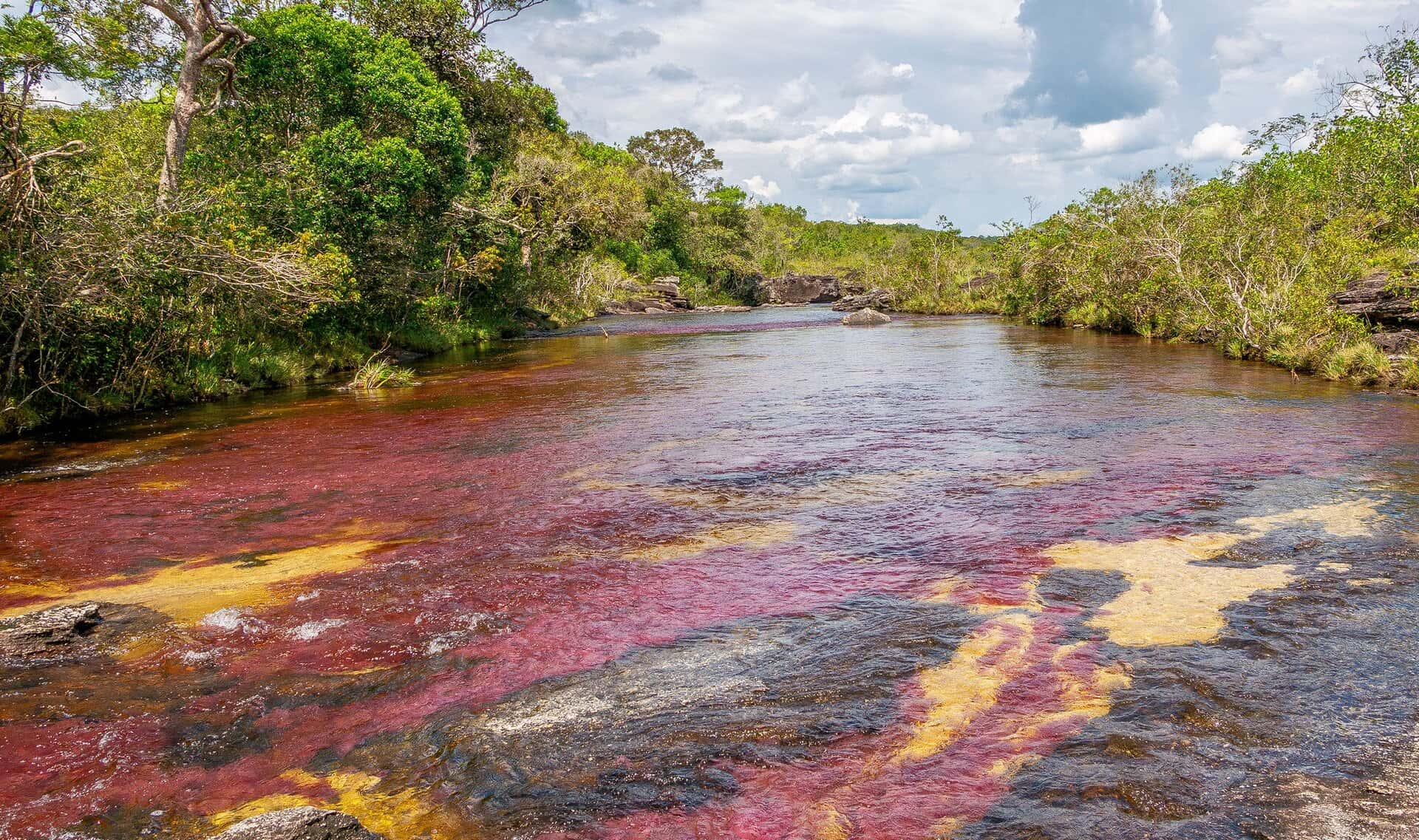
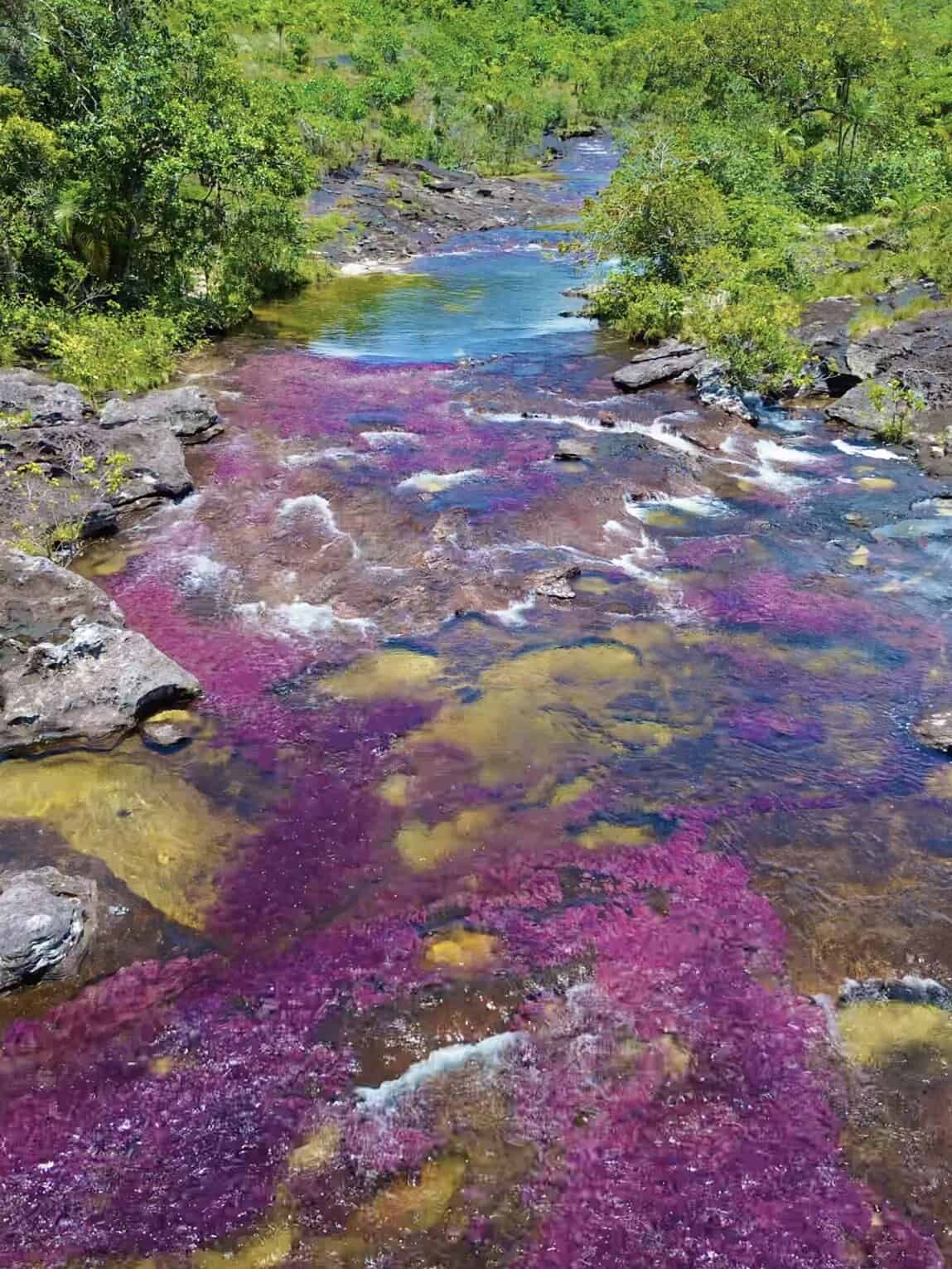
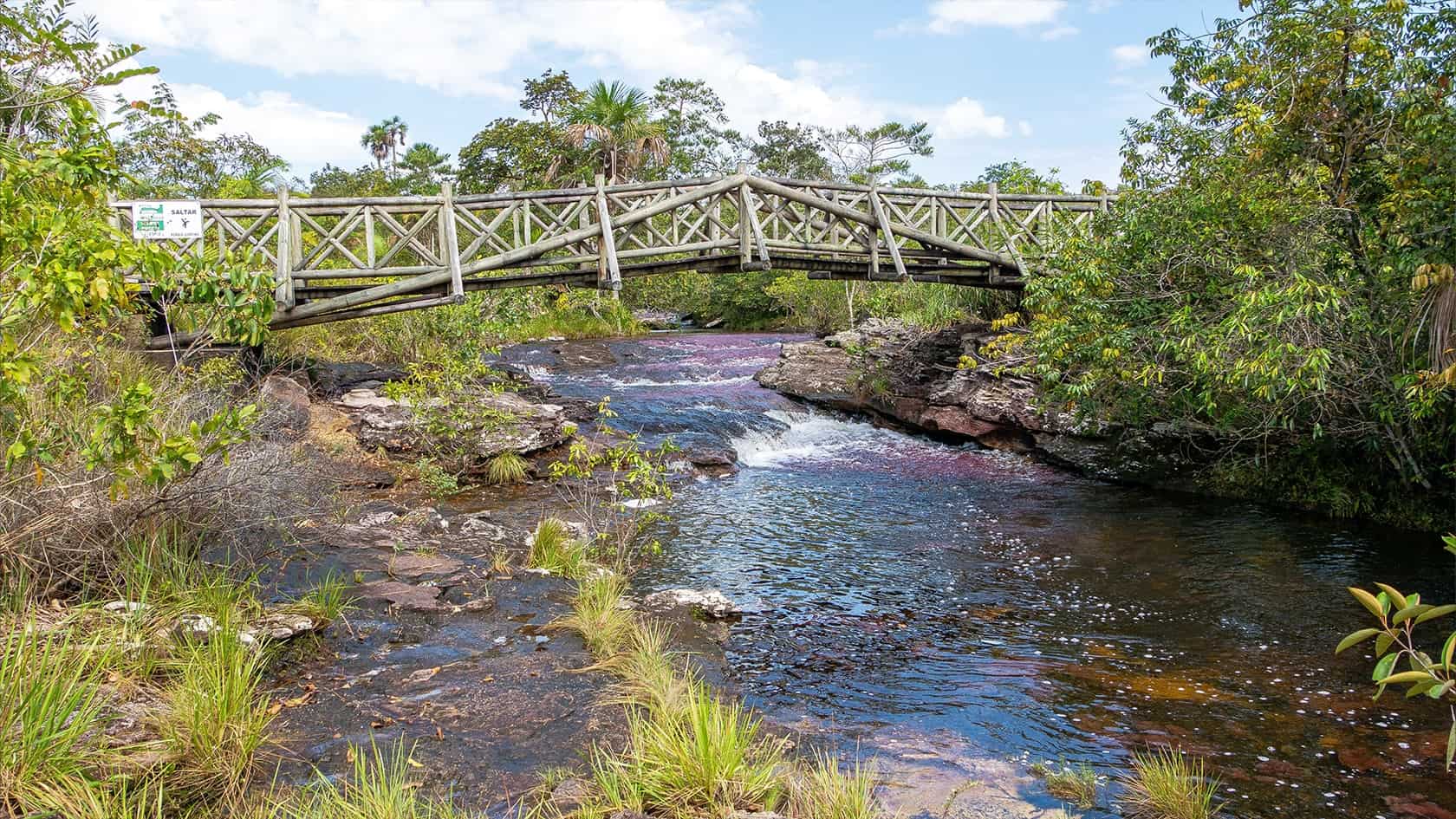
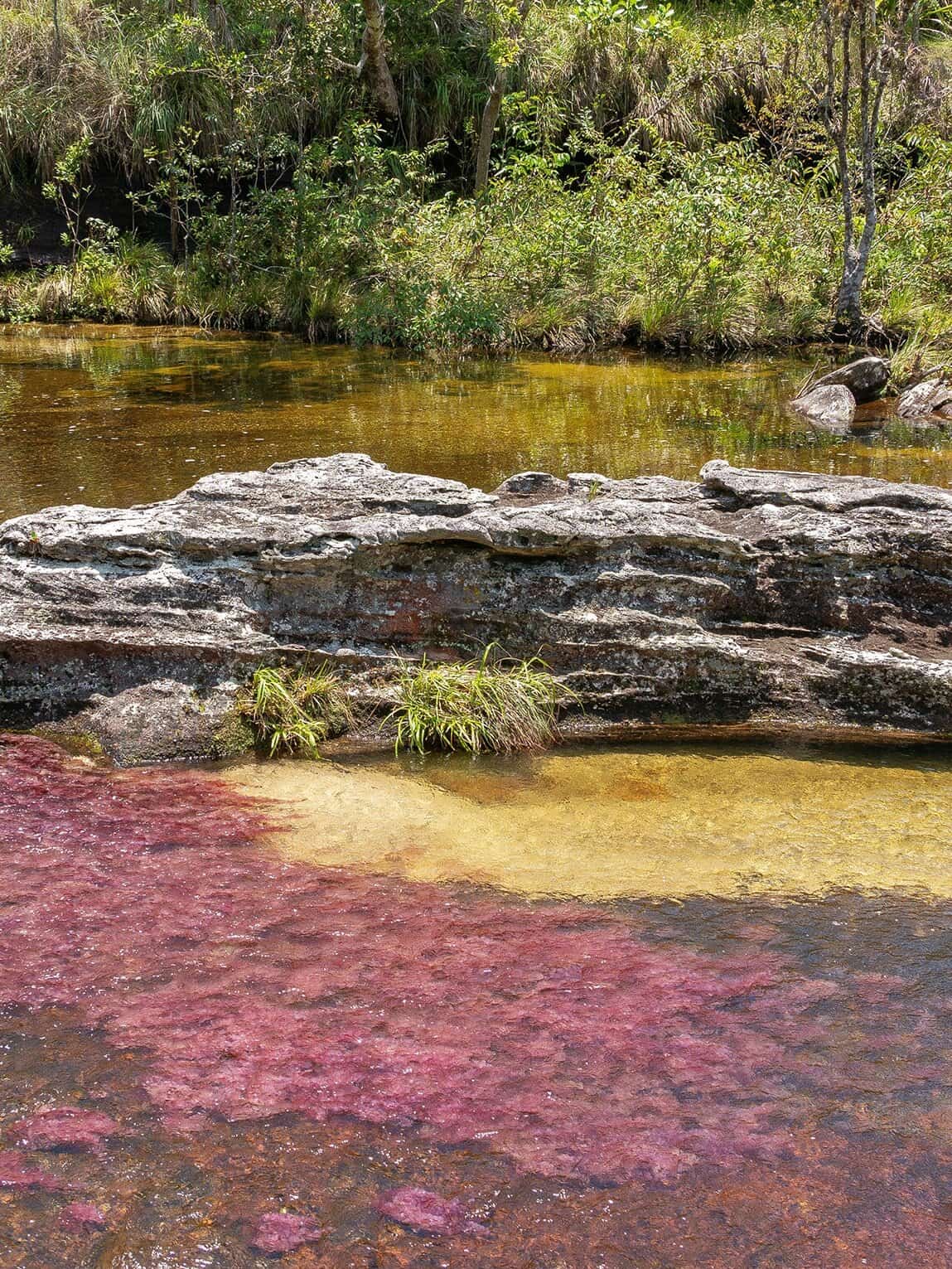
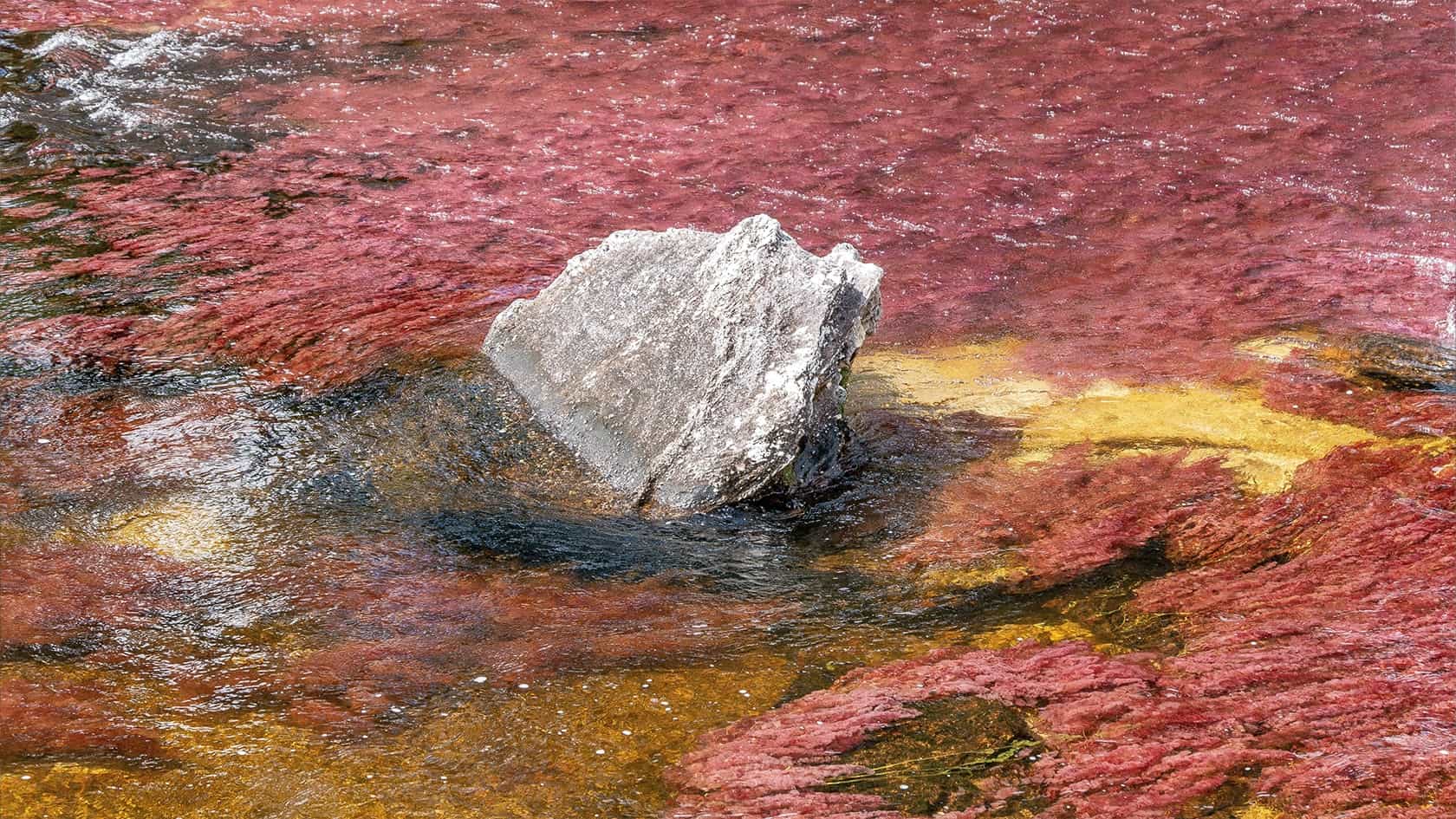
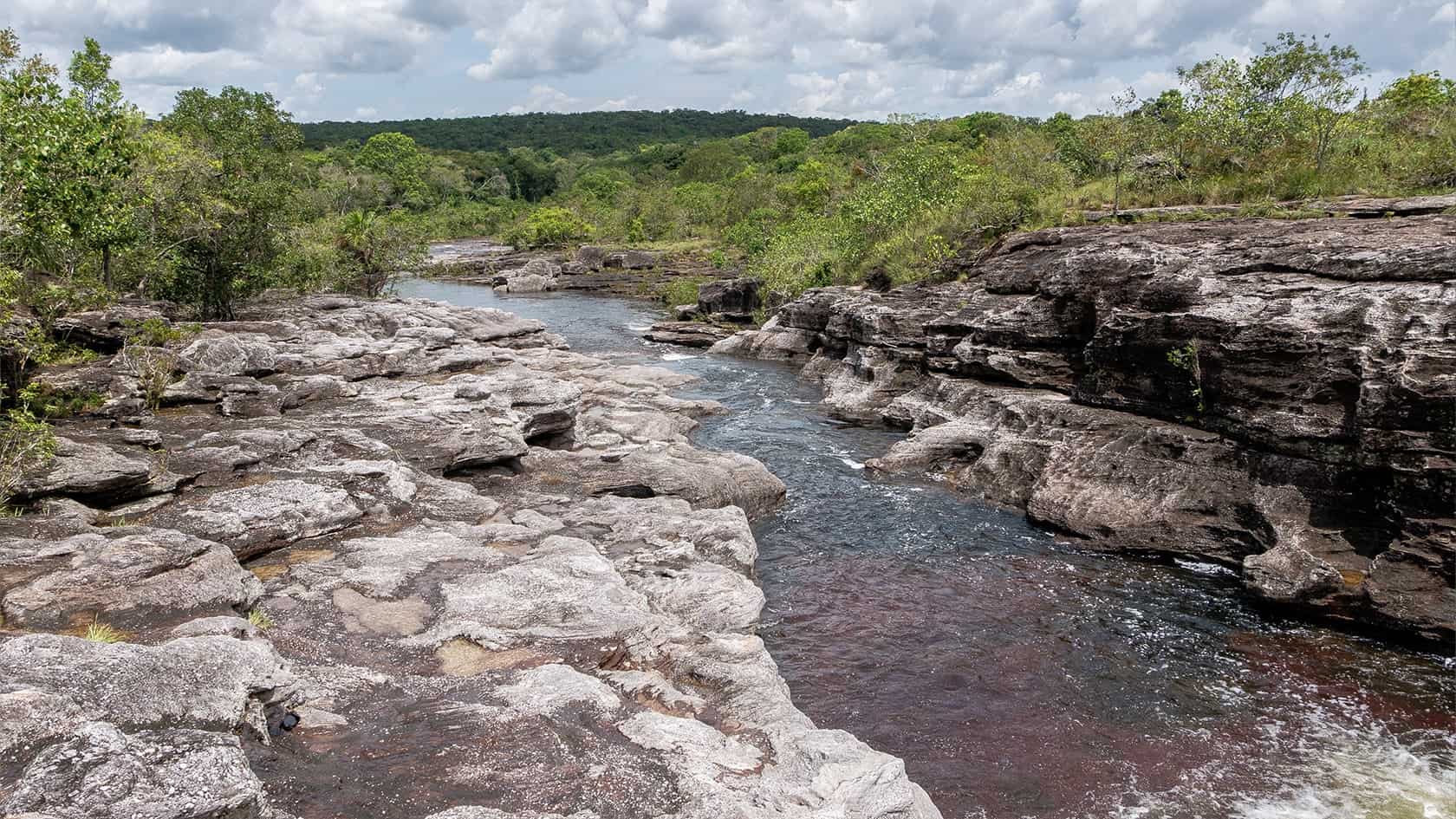
Caño Cristales, in the heart of the Serranía de la Macarena National Nature Park, is without doubt one of Colombia’s most spectacular natural sites. The river crosses the park for several kilometers, and no matter which hiking trail you choose, you’ll always come across it. Nicknamed the river of five colors, Caño Cristales owes its magic to the aquatic plant macarenia clavigera, which forms areas called “tapetes”, veritable carpets of colorful algae. Exposed to the sun, they take on shades of red, pink, yellow, green and black, offering a spectacle unique in the world. With a local guide, you can explore its natural pools, rapids and rock formations, and enjoy total immersion in this unspoilt, photogenic landscape where every step reveals new colors and incredible panoramas.
Guide required to enter the National Park
Included in the Los Pianos trail: Distance: 6.5 km – Hiking time: 7h – Difficulty: easy
Included in the El Salto del Águila trail: Distance: 9 km – Hiking time: 7h – Difficulty: moderate
Included in the Pailones trail: Distance: 8 km – Hiking time: 7h – Difficulty: moderate
Caño Cristalitos
(Sierra de La Macarena National Park)
The destination is Caño Cristalitos, a miniature version of the famous five-colored river, Caño Cristales. Although smaller, this site is just as spectacular: its crystal-clear waters, small rapids and natural pools create the perfect backdrop for relaxing and taking photos. Depending on the season and exposure to the sun, certain areas also reveal colorful hues due to algae mats, reminiscent of the famous Caño Cristales colors. As a reward for your efforts, you can enjoy a refreshing dip in a natural pool, making this stage of the hike both unforgettable and revitalizing, and offering a complete immersion in the wild, unspoilt beauty of the Serranía de la Macarena.
Guide required to enter the National Park
Included in the Caño Cristalitos trail: Distance: 5 km – Hiking time: 4h – Difficulty: moderate
Mirador Cristalito
(Sierra de La Macarena National Park)
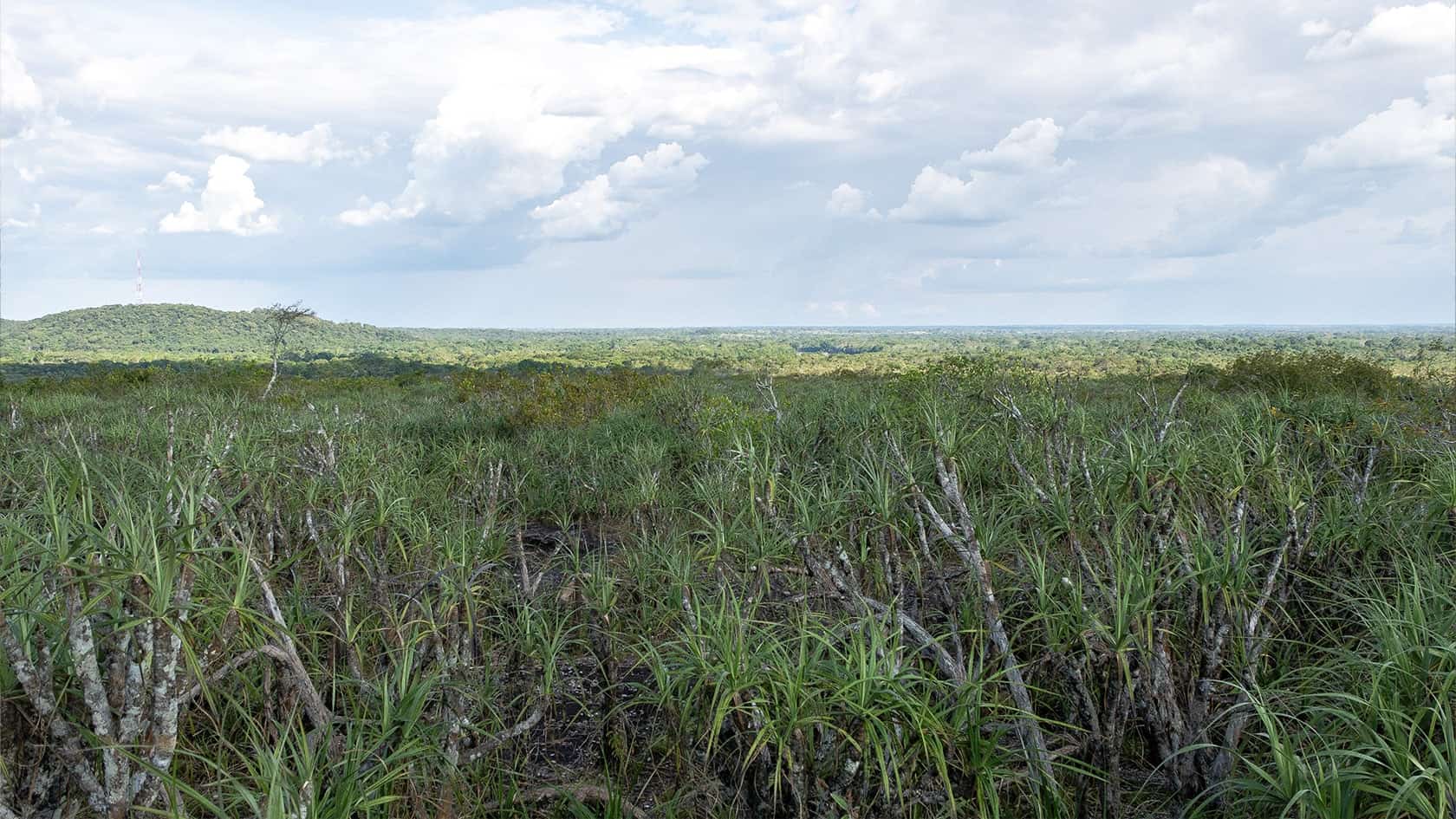
Climbing up to the Serranía de la Macarena viewpoint doesn’t involve climbing a real mountain, but the wooded, slightly steep path gives you enough altitude to enjoy an impressive panorama. Once at the summit, you’ll discover a spectacular view of the Río Guayabero and the vast savannah where Colombia’s eastern Llanos begin. This viewpoint offers a unique glimpse of the region’s unspoilt wilderness, with its colors, relief and typical vegetation. Be prepared, however, for the steep descent, which requires a little care, but is well worth the effort to admire this breathtaking natural setting and take full advantage of the beauty of the Serranía de la Macarena landscapes.
Guide required to enter the National Park
Included in the Caño Cristalitos trail: Distance: 5 km – Hiking time: 4h – Difficulty: moderate
Salto del Águila
(Sierra de La Macarena National Park)
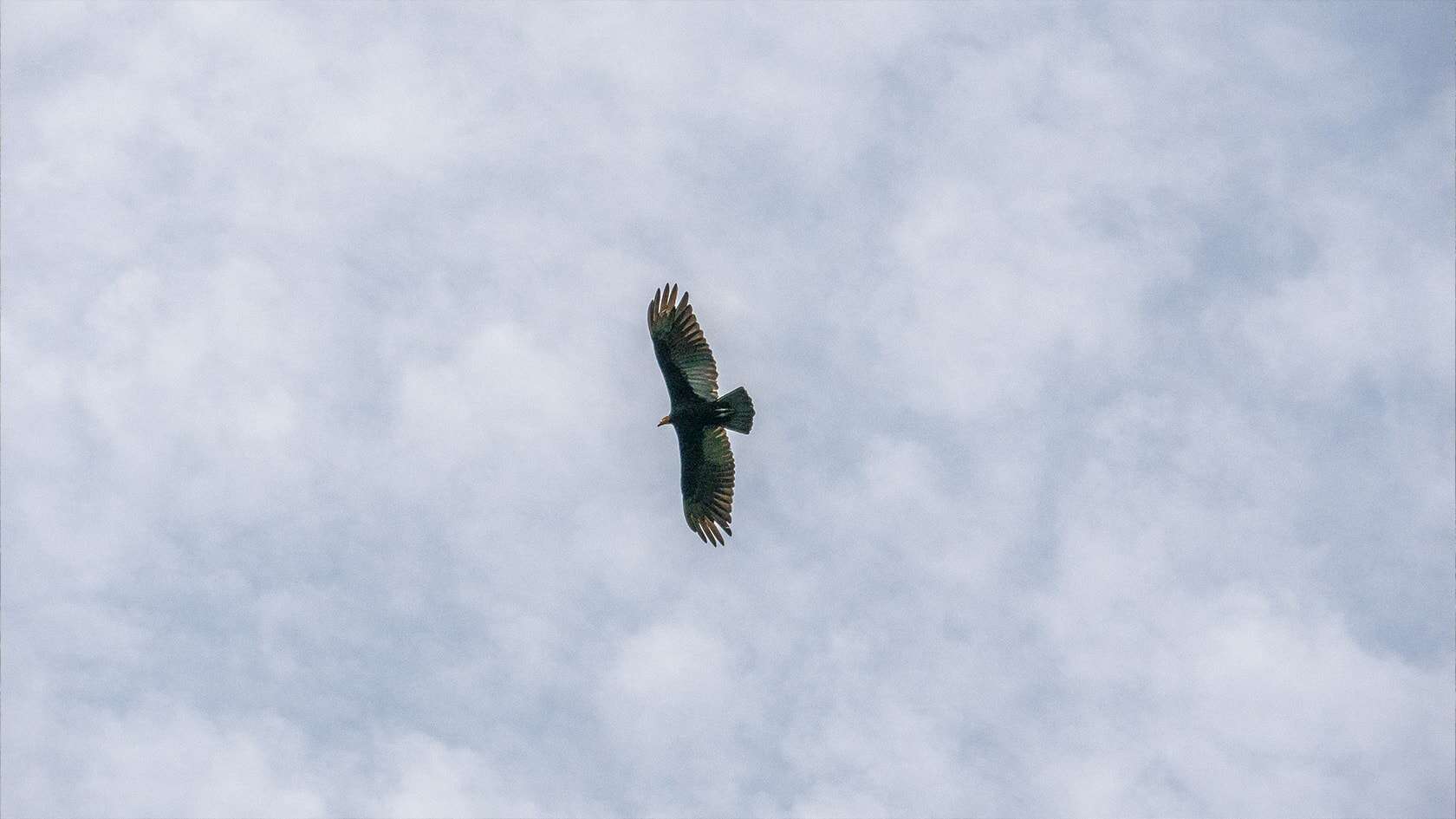
The Salto del Águila is undoubtedly one of the highlights of the park, an impressive waterfall where the river plunges forcefully into a deep, dark basin. The water rushes over the rocks, creating a striking visual and sound spectacle, while the steep walls, sculpted by millennia of erosion, bear witness to the power of seasonal flooding. Surrounded by dense, lush vegetation, the site is also a prime location for observing local wildlife, particularly the birds of prey that soar over the basin. It’s an ideal place to take photos, soak up the grandeur of nature and feel the intensity of wild landscapes, far from the hustle and bustle.
Guide required to enter the National Park
Included in the El Salto del Águila trail: Distance: 9 km – Hiking time: 7h – Difficulty: moderate
Forest area
(Sierra de La Macarena National Park)
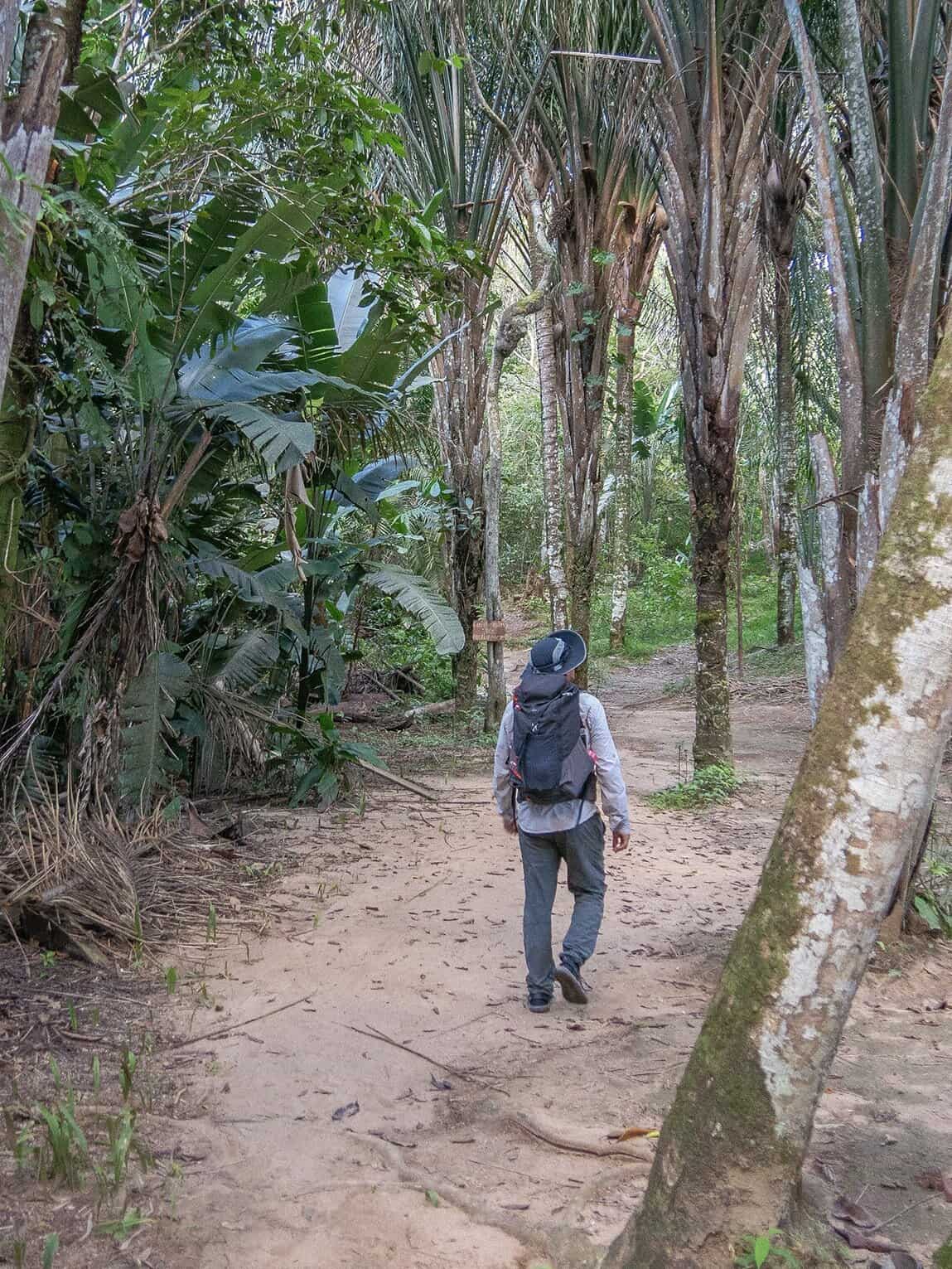
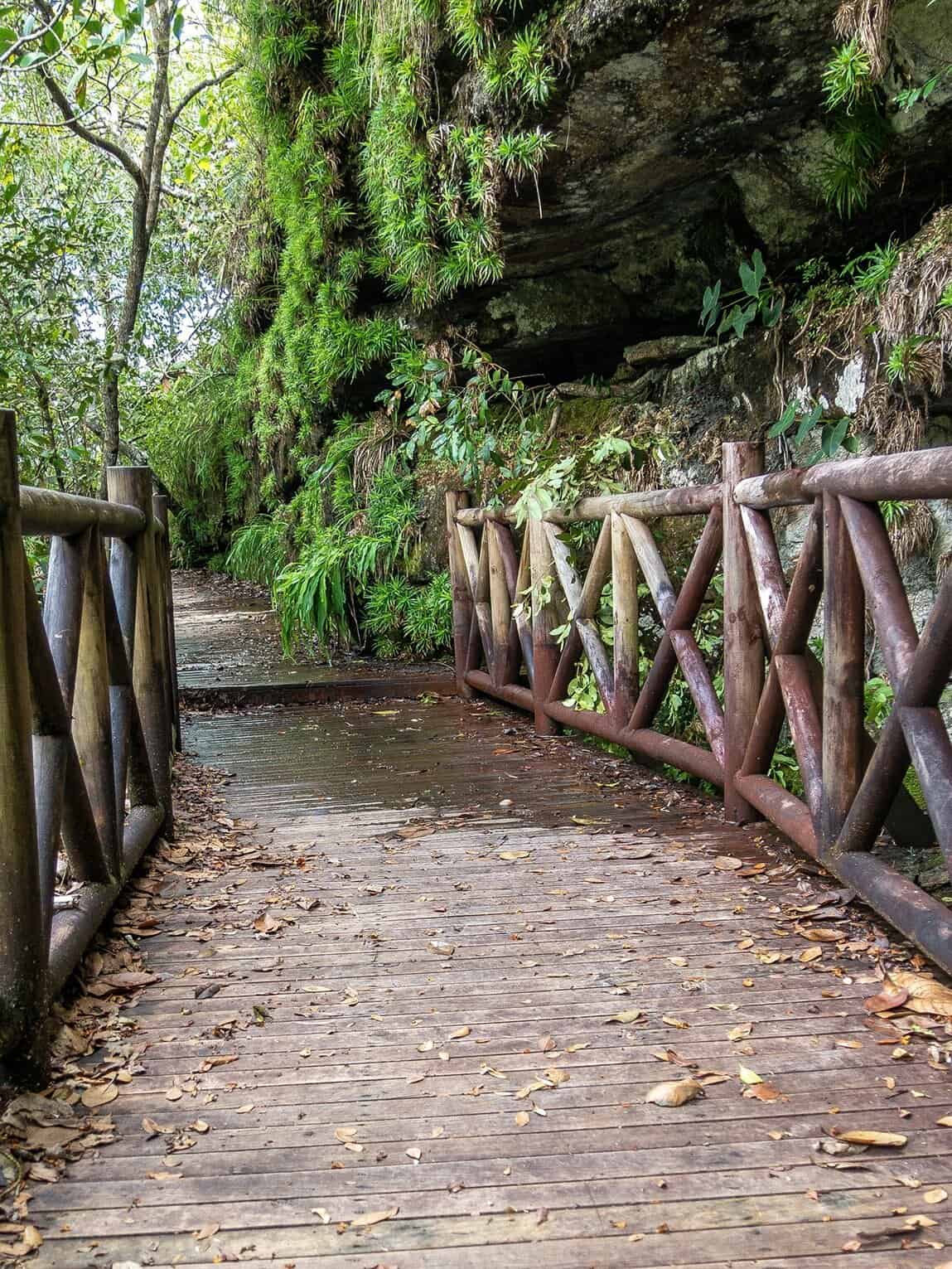
The Pailones sector is unique in the Serranía de la Macarena National Nature Park, as it is the only one to pass through dense forest along Caño Cristales. In this stretch, the river becomes more agitated, forming impressive rapids due to the extremely rocky configuration of its bed. The lush vegetation and towering trees create an almost tropical atmosphere, contrasting with the open, colorful areas typical of Caño Cristales. The route takes in a variety of landscapes, from emerald pools and colorful seaweed mats in calm areas, to powerful rapids that reveal the force of the water and the dynamics of the river. This unique immersion in the forest and along a turbulent river makes the Pailones sector a must for all nature lovers.
Guide required to enter the National Park
Included in the Pailones trail: Distance: 8 km – Hiking time: 7h – Difficulty: moderate
Caño Aguas Claras
(Sierra de La Macarena National Park)
Aguas Claras is one of the least frequented stretches of Caño Cristales, due to its location. Access is first by motorboat to the Raudal de Angostura, then by chalupa, a local craft, to venture out on the Caño Temblor, which, contrary to its name, is a calm and peaceful waterway. A 1.5 km walk along a wooded trail leads to a spectacular red carpet of incomparable beauty. This little-known stretch of Caño Cristales is particularly surprising when viewed from the air, as the natural formation resembles a woman’s lips, offering a panorama both poetic and spectacular in this wild and unspoilt portion of the park.
Guide required to enter the National Park
Distance: 3 km – Hiking time: 7h – Difficulty: easy
Caño Piedras
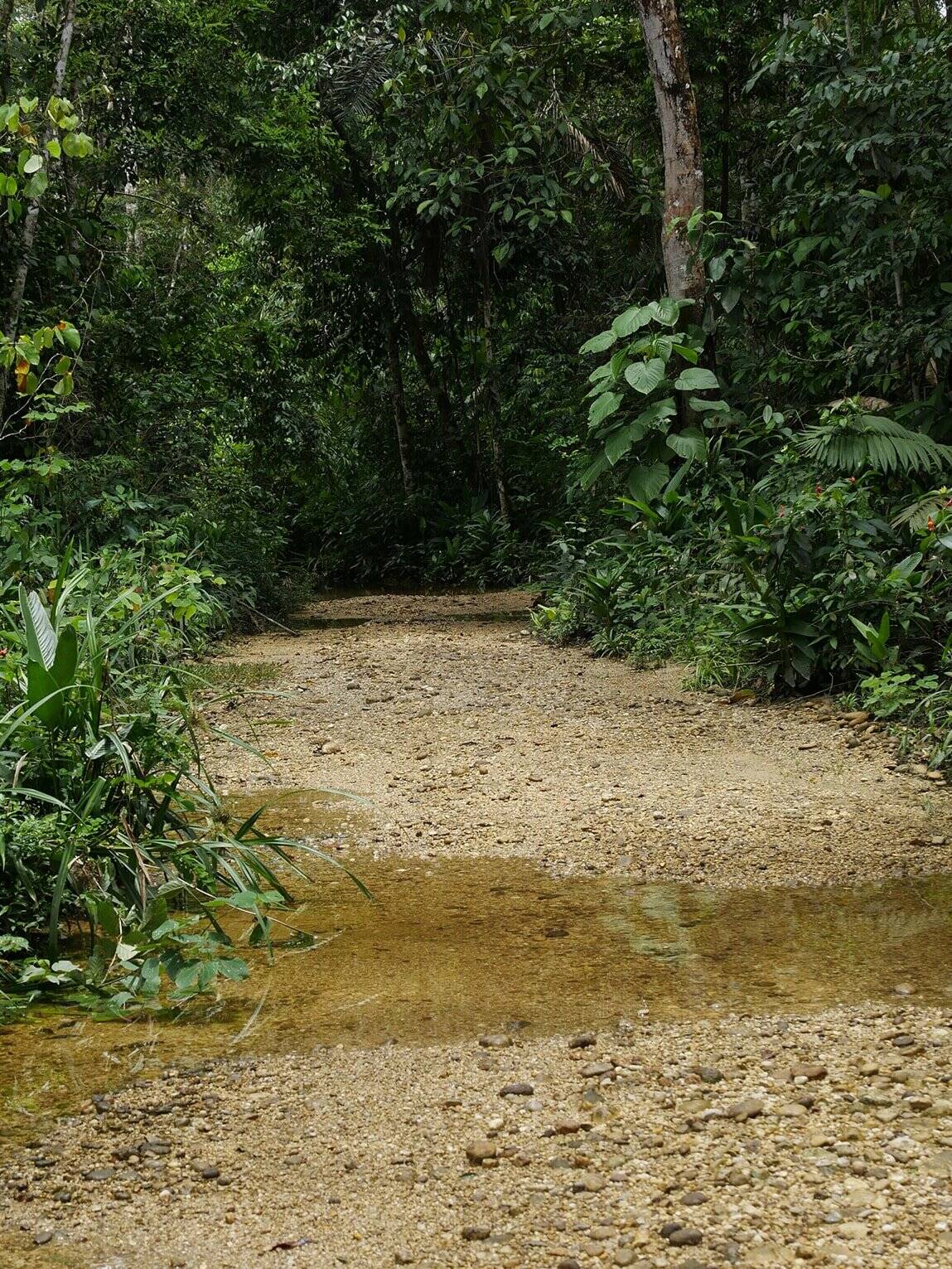
Caño Piedra is a small river with crystal-clear, emerald-green waters. Access is usually by 4×4 vehicle, on a journey through the surrounding savannah. The trail crosses small hills covered in short grass, offering open landscapes and an almost magical atmosphere. After the car journey, a short walk takes you to the river, whose crystal-clear waters immediately invite you to take a dip. It’s possible to go slightly upstream along the caño to discover different natural basins and take full advantage of this unspoilt setting. It’s also possible to walk to Caño Piedra from La Macarena, without a guide. This option does require a bit of stamina, however, as it takes around 18 km round trip. Those who choose this alternative enjoy a beautiful immersion in the savannah landscapes that surround the town.
Outside the National Park, accessible either by 4*4 or on foot for the bravest.
Total distance: 1 km (with tour) or 18 km on foot from La Macarena
Rafting / kayaking
Water activities such as kayaking and rafting can be enjoyed from La Macarena, although these are less common than hiking or excursions to Caño Cristales. Some local agencies offer trips on the Río Guayabero, the river that runs alongside the town and is one of the main access routes to the Serranía de la Macarena National Nature Park. Depending on the season and water level, it’s sometimes possible to go rafting on sections with a few rapids, or simply kayaking to enjoy the wild scenery. There are also more leisurely experiences, such as canoeing on some of the region’s lagoons and quiet areas. However, the majority of travelers come to La Macarena first and foremost to explore the surrounding nature, colorful rivers and park trails, which remain the destination’s main activities.
Mirador del Llanos: sunrise
It’s also possible to take part in a morning outing called “Amanecer” to the Mirador del Llano, a viewpoint located around 9 km from La Macarena. The tour generally starts very early, at around 5:00 am, so that you can get there before dawn, which occurs on average around 5:45-6:00 am in this region close to the equator. The journey is usually made by 4×4 vehicle through the savannah landscapes of the Llanos. Once at the mirador, you can admire the sun gradually rising over the endless plains, illuminating the vegetation and surrounding hills. It’s a particularly peaceful moment, often accompanied by birdsong and the awakening of nature, offering a beautiful immersion in the unique atmosphere of the region.
Prices and Agencies in La Macarena
To visit La Macarena, it’s important to know that all excursions into the Sierra de la Macarena National Park (where Caño Cristales is located) must be accompanied by an official guide. This section will give you an overview of average rates and reliable local agencies to help you organize your visits safely and enjoy the region to the full.
Note: for those wishing to discover the famous river of five colors, bear in mind that Caño Cristales, near La Macarena, is not an economical destination. A more affordable alternative can be found in the San José del Guaviare region, less frequented by tourists, where you can also admire superb colorful rivers.
Agencies
We leave you below the information of the agency through which we passed. Everything went perfectly, from the initial communication to the quote, payment and finally the on-site services. During her stay, Caro suffered a minor foot injury that required a visit to the clinic. The agency’s insurance company immediately took charge of the situation, and the manager even accompanied us on site, which we particularly appreciated.
Agence Aventura Tours SAS
Registro Nacional de Turismo 22085
Website: https: //www.cano-cristales.com
Whatsapp: +57 (300) 693 9988
Email : info@cano-cristales.com
Discovering La Macarena and the natural wonders of Caño Cristales requires a special kind of organization. The region is located in a protected natural area, in the heart of the Sierra de la Macarena National Park, so visits are strictly regulated to preserve this fragile ecosystem.
Mandatory supervised excursions
Unlike many other nature destinations, it’s not possible to visit Caño Cristales or the park’s trails on your own. Regulations stipulate that you must be accompanied by an official guide, and groups are spread out over different trails to limit the impact of tourism.
The number of visitors is also limited each day, which means that access must be registered in advance with the park authorities. Local agencies usually take care of all these formalities: entry permits, registering with environmental authorities and organizing guides.
The role of local agencies
Most travelers therefore choose to organize their stay through a local agency. These agencies often offer multi-day packages including accommodation, meals, boat transfers on the Guayabero River, 4×4 transport and guided hikes in the park.
Although some national and international agencies sell these tours, they are almost always led by local guides, who know the trails, wildlife and environmental rules of the park inside out.
Can you organize your own trip?
In theory, it’s possible to arrive at La Macarena without booking a tour in advance, and then find an agency or guide on the spot. However, many travellers point out that logistics can quickly become complicated: permits, taxes, transport and trail availability all have to be managed.
That’s why most visitors prefer to book a complete package, which simplifies organization enormously and allows them to take full advantage of the region’s hikes, waterfalls and natural pools.
A supervised but immersive experience
Once on site, days often follow a similar pattern: boat trip on the Guayabero, transfer by vehicle to the trailhead, then guided hike in the park to discover the different river zones and landscapes of the Serranía.
This system may seem highly controlled, but it also protects the unique ecosystem of Caño Cristales, while offering travelers an in-depth discovery of nature and local biodiversity.
Rates
Here’s a price estimate for our 2025 excursion with the Aventura Caño Cristales agency mentioned above.
| Price (for 2 people) | 5,614,410 COP |
| Duration | 6 days – 5 nights |
| Included | Accommodation Hotel La Fuente Full board (breakfast – lunch – dinner) Guided activities Local transport (boat and 4*4) |
| Not included | Airline tickets Motorcycle transport to Laguna del Silencio Taxes Boot hire (8,000 – 10,000 COP per day) |
How to get to La Macarena ?
Getting to La Macarena requires a minimum of planning, as the town remains relatively isolated. Whether you choose air travel for speed or overland transport for adventure, each option offers a unique experience and allows you to start immersing yourself in the region’s wild and spectacular beauty right from the start.
By plane
The fastest way to reach La Macarena is by plane. Flights from Bogotá or Medellín are only available during the Caño Cristales tourist season, between June and November, with flights generally every other day. From Villavicencio, the connection is more regular: avionetas depart every day, making it the most convenient departure point for most travelers. Flights offer fast travel and spectacular views of the Llanos and Serranía de la Macarena, but advance booking is recommended, as seats are limited in high season.
| Airlines | Clic Air – Satena |
| Departure cities | Bogotá – Medellín – Villavicencio |
| Destination city | La Macarena |
| Price (for 1 person) | Bogotá: 333,000 to 466,000 COP Medellín: 400,000 to 482,000 COP Villavicencio: 292,000 to 367,000 COP |
| Duration | Bogotá: 1h30 (direct) Medellín: 3h12 (30-minute connection to Bogotá) Villavicencio: 0h55 (direct) |
Ground transportation
For a cheaper but longer option, it’s possible to reach La Macarena by land. From Villavicencio or Neiva, tarpaulin-covered vans make the journey, crossing sometimes bumpy tracks and offering an experience typical of rural Colombian roads. From Neiva, the route passes through San Vicente del Caguán and takes around 11 to 12 hours. Less comfortable but more economical and immersive, this mode of transport allows you to discover the region in an authentic way , close to local life.
As we haven’t experienced this option, we don’t have any further details to share.
Where to sleep La Macarena ?
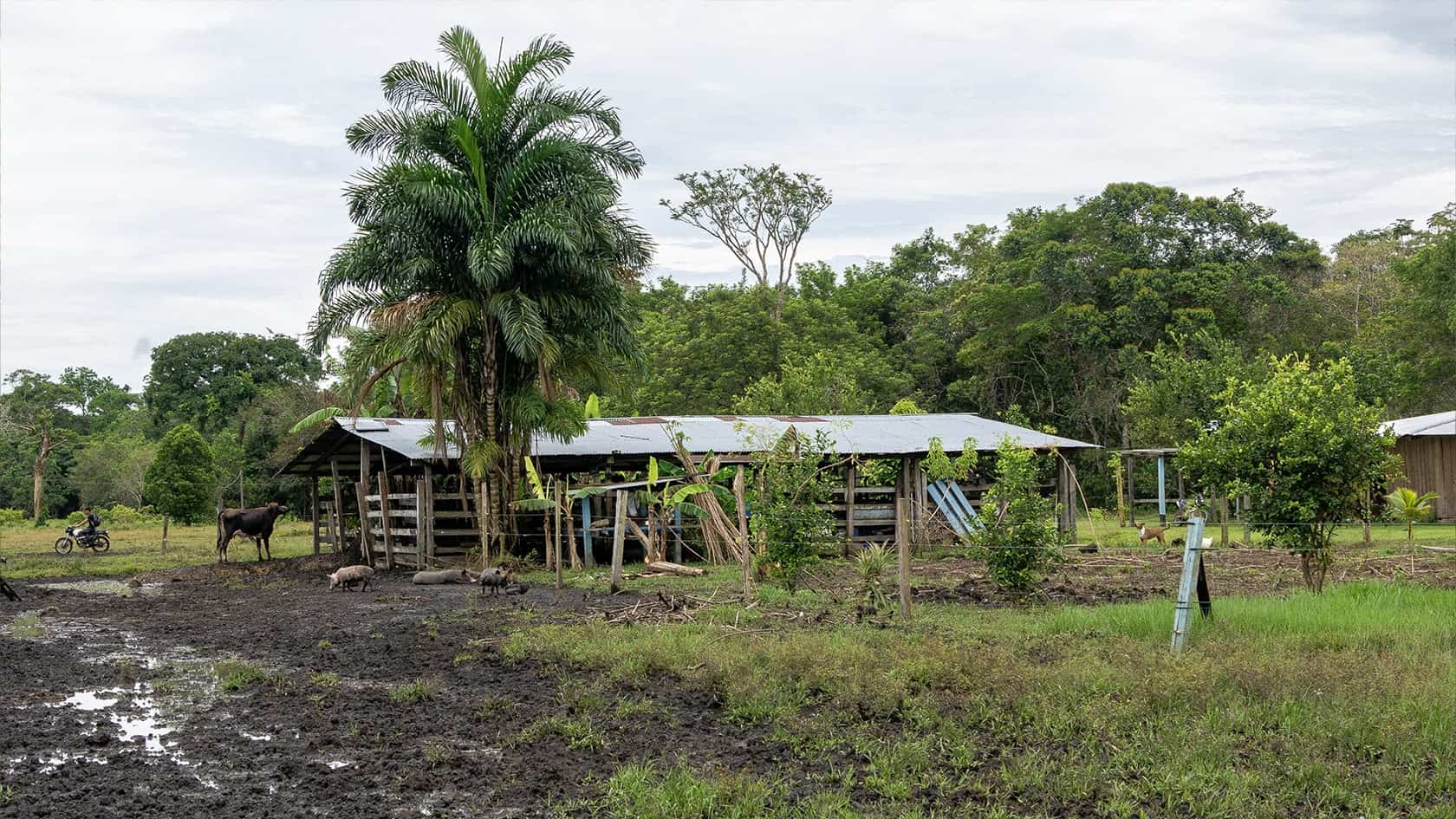
Please note: most of the accommodations in La Macarena are not listed on Booking.com or any other conventional booking platform. So you usually have to go directly to a local agency, which offers organized multi-day stays, or contact the hotels directly via Instagram or WhatsApp, very common booking methods in the region.
At La Macarena, the accommodation on offer remains simple and authentic, in keeping with the image of this small, isolated village in the heart of nature. The vast majority of hotels are modest establishments, with no particular pretensions or luxuries, but more than sufficient for a comfortable stay after a day’s hiking. In the village center, many hotels offer air-conditioned rooms, a real plus given the tropical heat of the region.
For those looking for a more immersive experience, there are also a number of cabins and lodges located outside the village, often in the wilderness or near rivers. These accommodations generally offer a wilder, quieter setting, ideal for reconnecting with the exceptional environment of the Serranía de la Macarena.
Note: there is no hot water in the hotels due to the region’s hot climate.
$ – Economical budgeting
Cabane
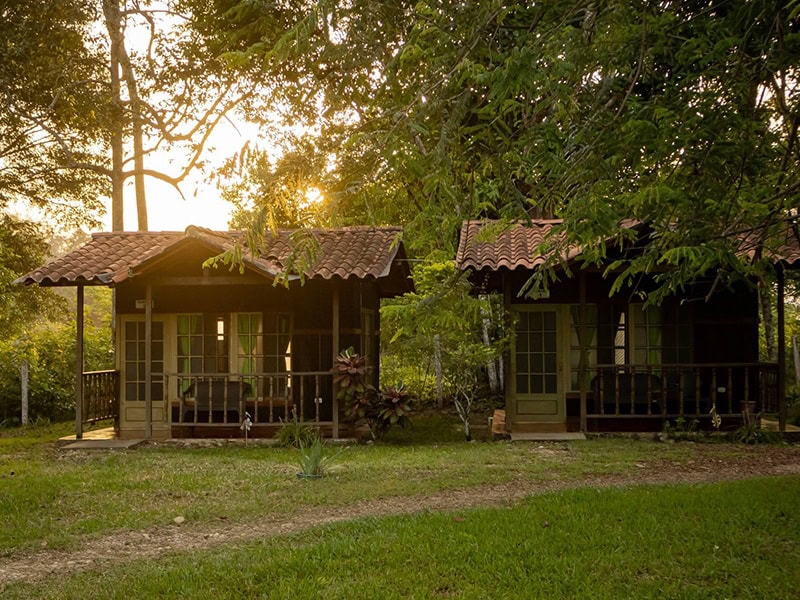
Hotel Campestre el Refugio
Hotel Campestre el Refugio gets mixed reviews: some travelers appreciate the proximity to nature and the friendly staff, emphasizing a simple, authentic atmosphere. Others note that installations can be dated. All in all, it’s a functional and inexpensive option, but not without its imperfections.
$ – Economical budgeting
Hostal
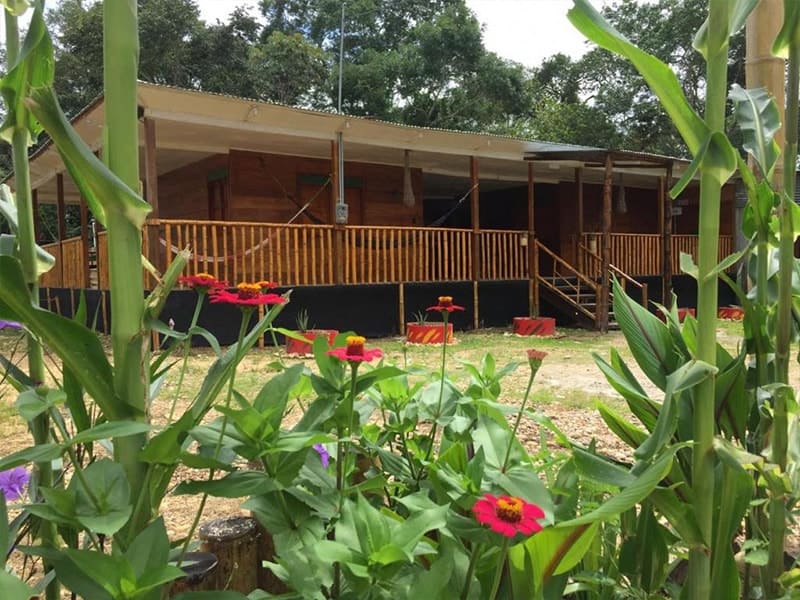
Hostal Cano Nevera
The Hostal Caño Nevera is a very pleasant place for a simple, authentic stay. Rooms are basic but clean and comfortable, often with fans and mosquito nets. The atmosphere is family-friendly and the hosts are renowned for being very attentive, helping to organize excursions. The equipment remains modest, but offers very good value for money.
$$ – Average budget
Hotel
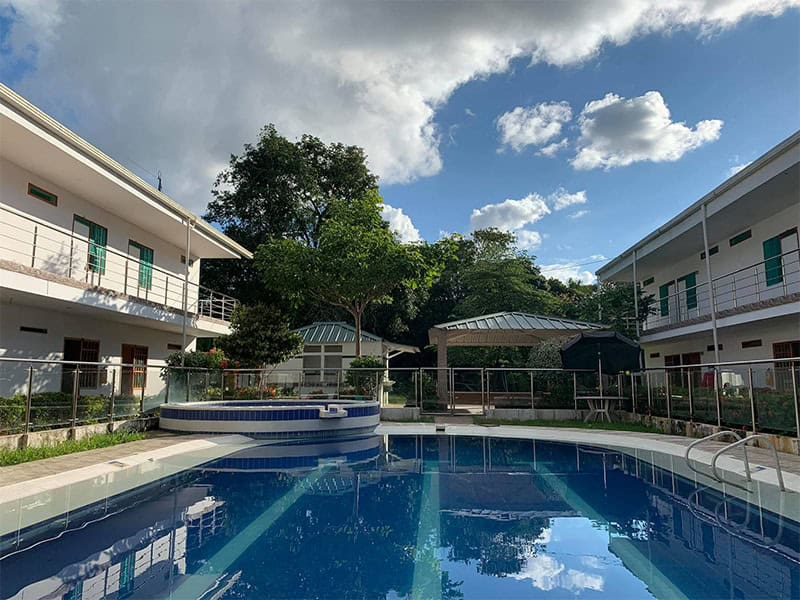
Casa Hotel Real
Travelers’ impressions are of a simple, functional hotel. Rooms are clean but rather small, and sometimes poorly ventilated, so it’s best to choose those with air-conditioning. A warm welcome. Wi-Fi, a swimming pool and breakfast are just a few of the practical facilities on offer, although the overall package remains fairly basic.
$$ – Average budget
Hotel
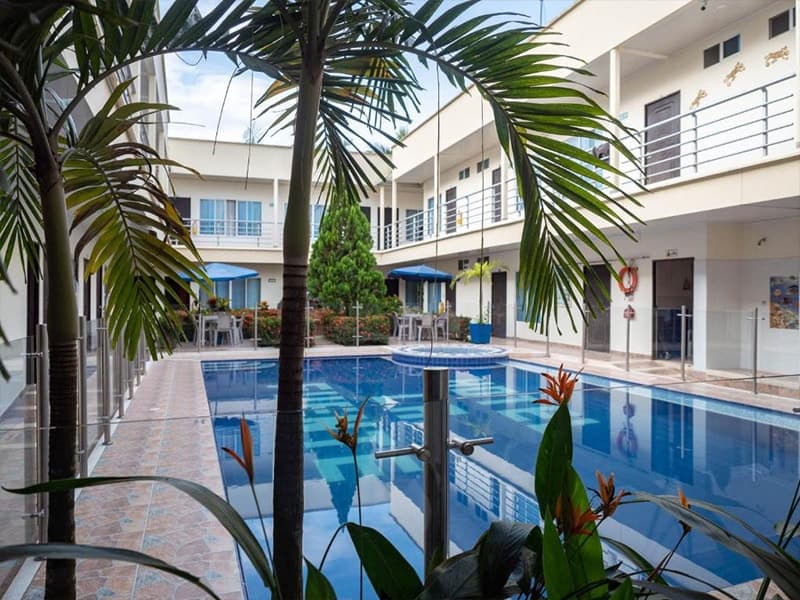
Hotel La Fuente
We stayed in this hotel. The rooms are simple but comfortable, with air conditioning, which is appreciated in the heat. There’s also a pleasant swimming pool after a day’s excursion, and the restaurant serves a variety of local cuisine. Easily accessible on foot from the airport, it’s a good option without looking for luxury.
$$$ – High budget
Hotel
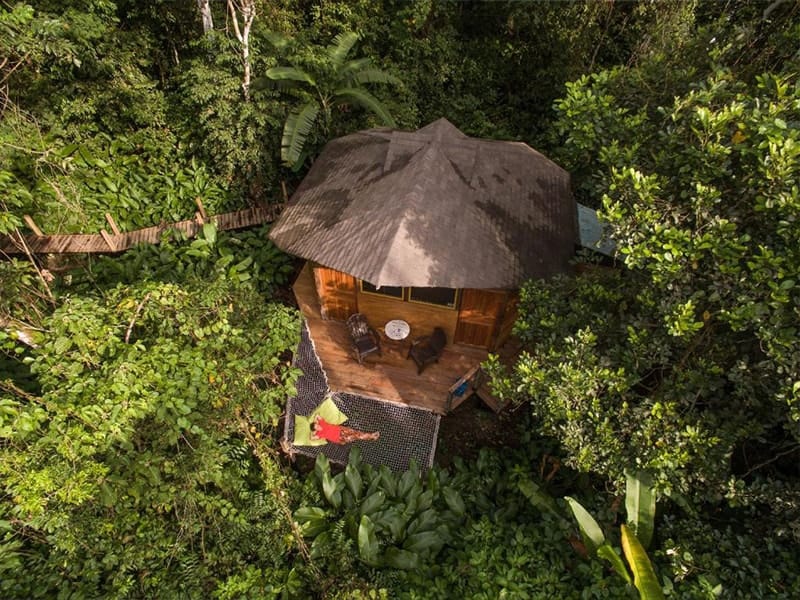
La Manigua Lodge
The experience at La Manigua Lodge is exceptional. The cabins are comfortable and well integrated into nature, with a real rustic charm. The service is often described as very attentive, and the organization of activities well organized. The cuisine is much appreciated, even if some people point out minor shortcomings (repetitive breakfasts or sometimes cold water).
Where to eat in La Macarena ?
Unfortunately, we don’t have many specific restaurants to recommend in La Macarena, as during our 5-day stay we were on a full-board basis with our accommodation. That said, it did give us a chance to discover the local cuisine, which is simple but tasty.
We stayed at Hotel La Fuente, located close to the airport. Breakfast and dinner were served directly in the hotel restaurant. Each evening, we usually had a choice of two or three dishes inspired by local cuisine. The meals were hearty and well prepared, and we ate very well. It seems to us that the restaurant is also open to people who are not staying at the hotel.
If, like us, you opt for a full-board stay and follow a special diet – vegetarian, for example, like Caro – simply inform the agency in advance. Meals can then be adapted and prepared accordingly during your stay.
For lunches, it was a little different. As our days were devoted to hiking, lunch took the form of a fiambre, a simple and practical lunch to take into the wilderness. Traditionally, this is a meal wrapped in a leaf of bijao, a tropical plant close to the banana tree, which serves as a natural wrapper. Inside, you’ll usually find rice, meat or chicken, sometimes an egg, plantain or vegetables. This type of meal is very common in rural Colombia, and lends itself perfectly to a lunch break in the heart of the Sierra de la Macarena National Park.
As we wandered around town, we also spotted a lively restaurant near the main park, on the Calle 4A side, which seemed to cater to quite a few locals and travelers. The place offers typical menus at reasonable prices, which can be a good option if you want to eat in town.
Generally speaking, don’t come to La Macarena expecting to find gourmet restaurants. Most establishments are small canteens or family-run restaurants, serving traditional local cuisine. There’s often a lot of meat, accompanied by rice, plantain or manioc – lovers of simple, generous cuisine should be delighted.
Notes & tips
Pants + long sleeves for hiking
For your hikes around La Macarena, it’s best to wear pants and a t-shirt or long-sleeved shirt. This type of clothing protects you from insects and, above all, from the sun, as many of our trails are exposed to the elements.
Take mosquito repellent with you
Even if the area isn’t the most mosquito-infested we’ve visited, there are still a few. As a precaution, it’s best to apply a mosquito repellent, especially on excursions into the wild.
Bring sunscreen
When the sun comes out, the heat can become intense, especially as we often walk without shade. Sunscreen factor 50 minimum is strongly recommended to avoid sunburn.
Bring bathing suit + towel
If you come to La Macarena, it’s probably to discover the region’s famous colorful rivers. During the hikes, there are several places where you can swim and cool off. Don’t forget your bathing suit and a towel.
Bring a hat / cap
To cope with the heat, covering your head is also a good idea. On some excursions, you may spend several hours in the sun, and a hat or cap will save you from sunstroke.
Bring a water bottle
In the Sierra de la Macarena National Park, entry with plastic, including water bottles, is prohibited in order to protect the environment. So it’s important to take along a reusable water bottle, which you can refill at your hotel before you leave.
Bring a poncho
Chances are you’ll visit during the rainy season, which runs from April to November. In this case, a poncho or waterproof jacket can really come in handy. During our stay, for example, it rained three days out of five.
Bring water shoes
Finally, when it rains, the showers can be very intense, sometimes turning the paths into little streams. If you don’t want to soak your hiking boots, it’s a good idea to pack a pair of water shoes.