In brief


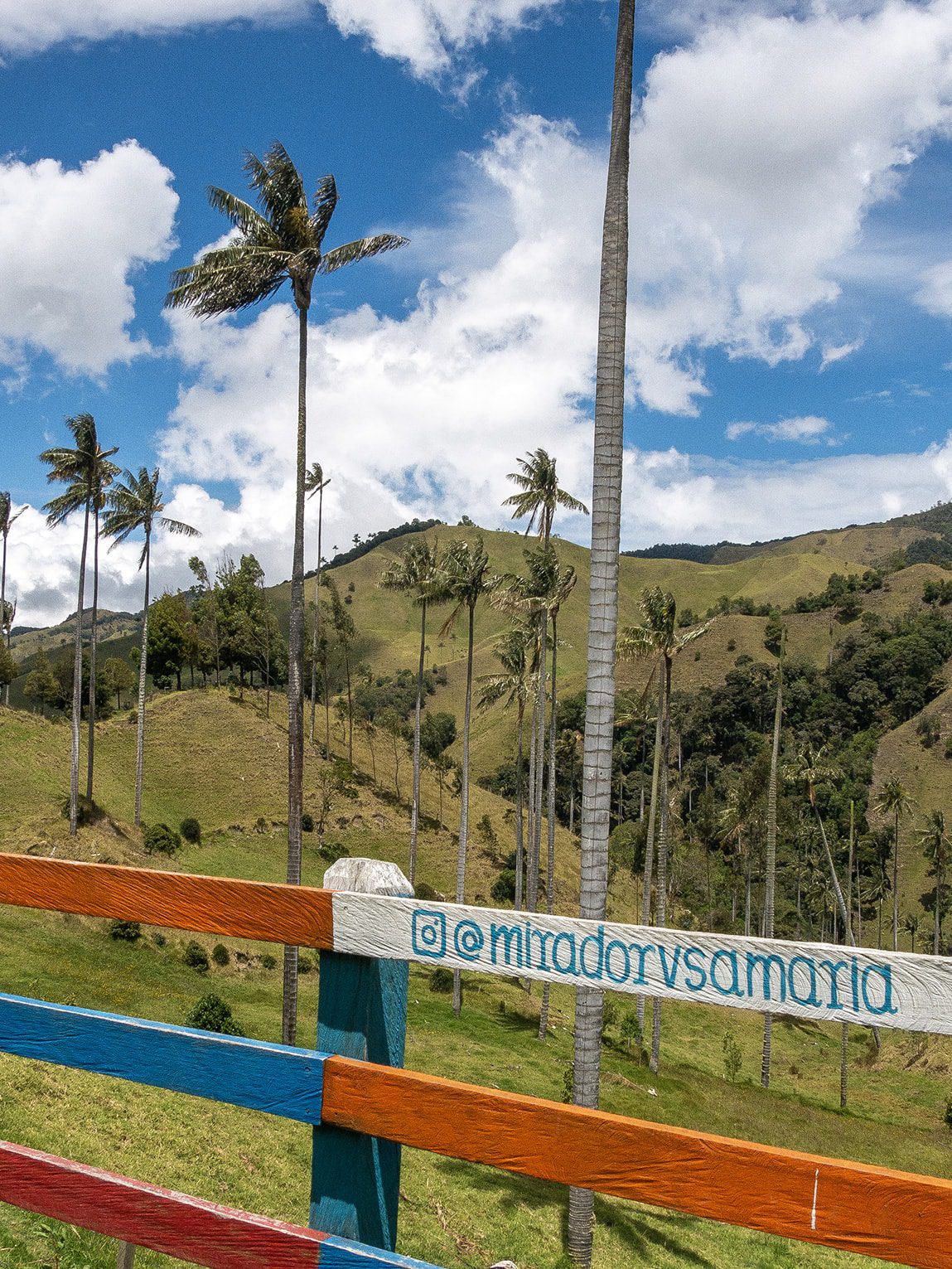
Nestled in the verdant heights of the Caldas department, the Samaria valley is one of the best preserved natural wonders of Colombia’s coffee region. Less well known than the famous Cocora Valley, it offers an equally spectacular experience, with its giant wax palms, winding trails and breathtaking panoramas. Far from the tourist crowds, the valley appeals to travelers in search of authentic nature, hiking and immersion in rural Colombian life.
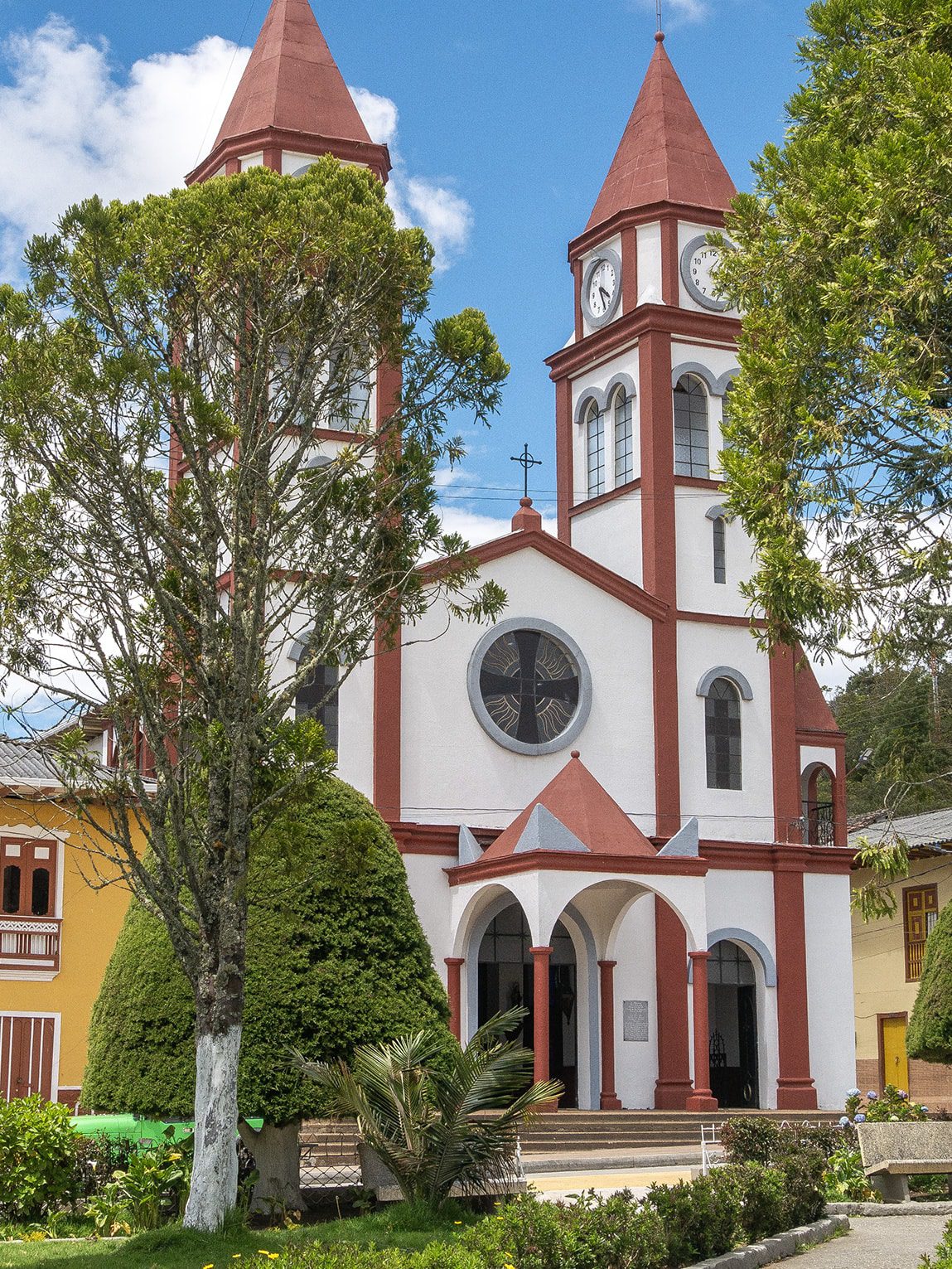
To get there, the colonial village of Salamina is an ideal base. Colorful, charming and well-connected to the rest of the region, it offers easy access to the valley and a wide range of accommodation and restaurants. The Samaria Valley can be explored in a variety of ways: on a guided tour, to benefit from local knowledge and anecdotes about the centuries-old palm trees, or more independently, by bus or Willys jeep, for adventurers who like to organize their own itinerary.
In this article, we offer you a complete guide to preparing your visit to the Samaria Valley, with all the practical information you need, tips for enjoying the trails and landscapes, and tricks for an authentic experience in the heart of green Colombia.
Samaria Valley
- County: Caldas (Andes)
- Altitude: 2,823 m
- Climate: Cool mountain climate
- Tourism: not very touristy
- Direct access: Salamina
Our verdict: Cocora without the mass tourism★★★
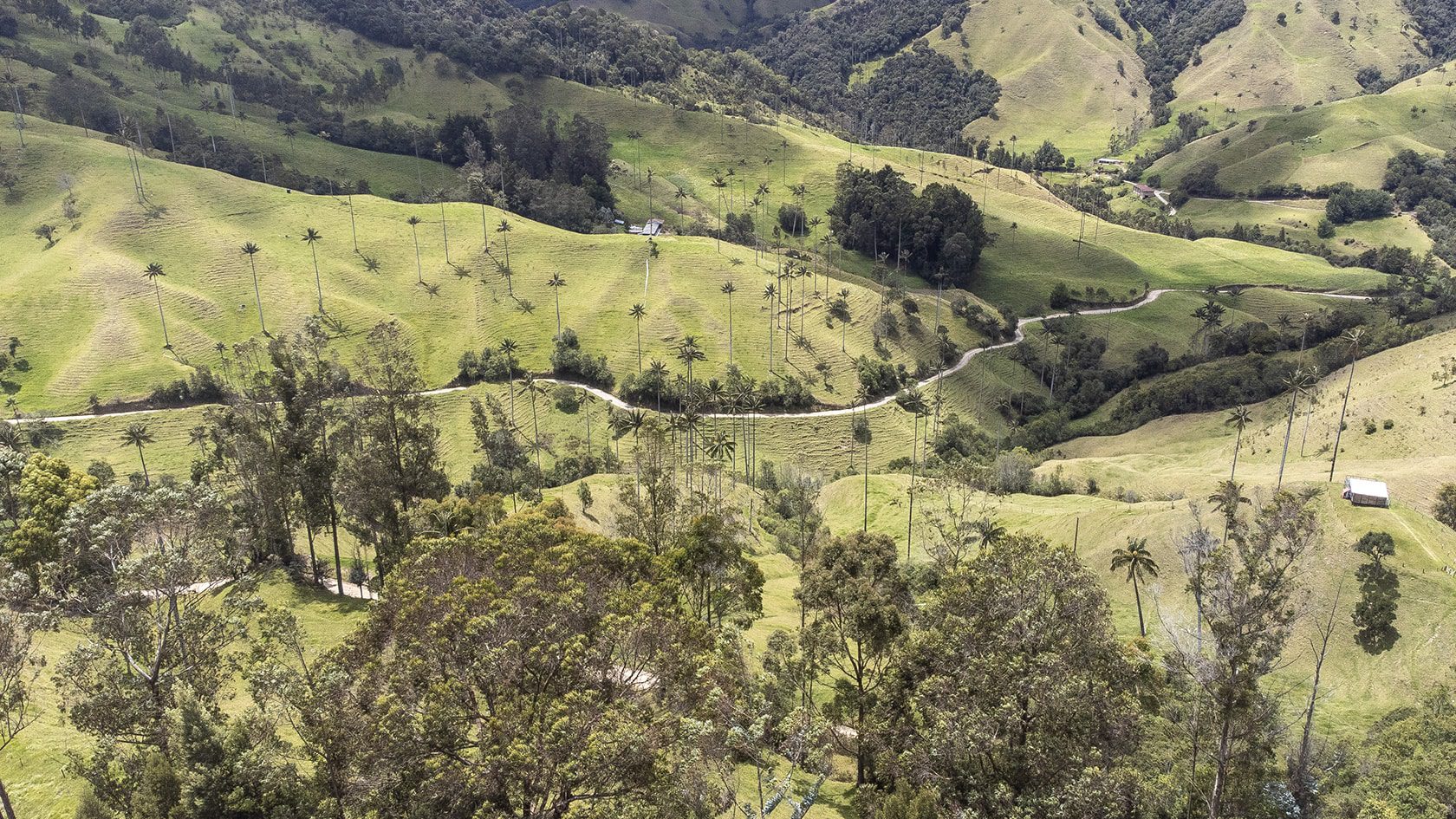
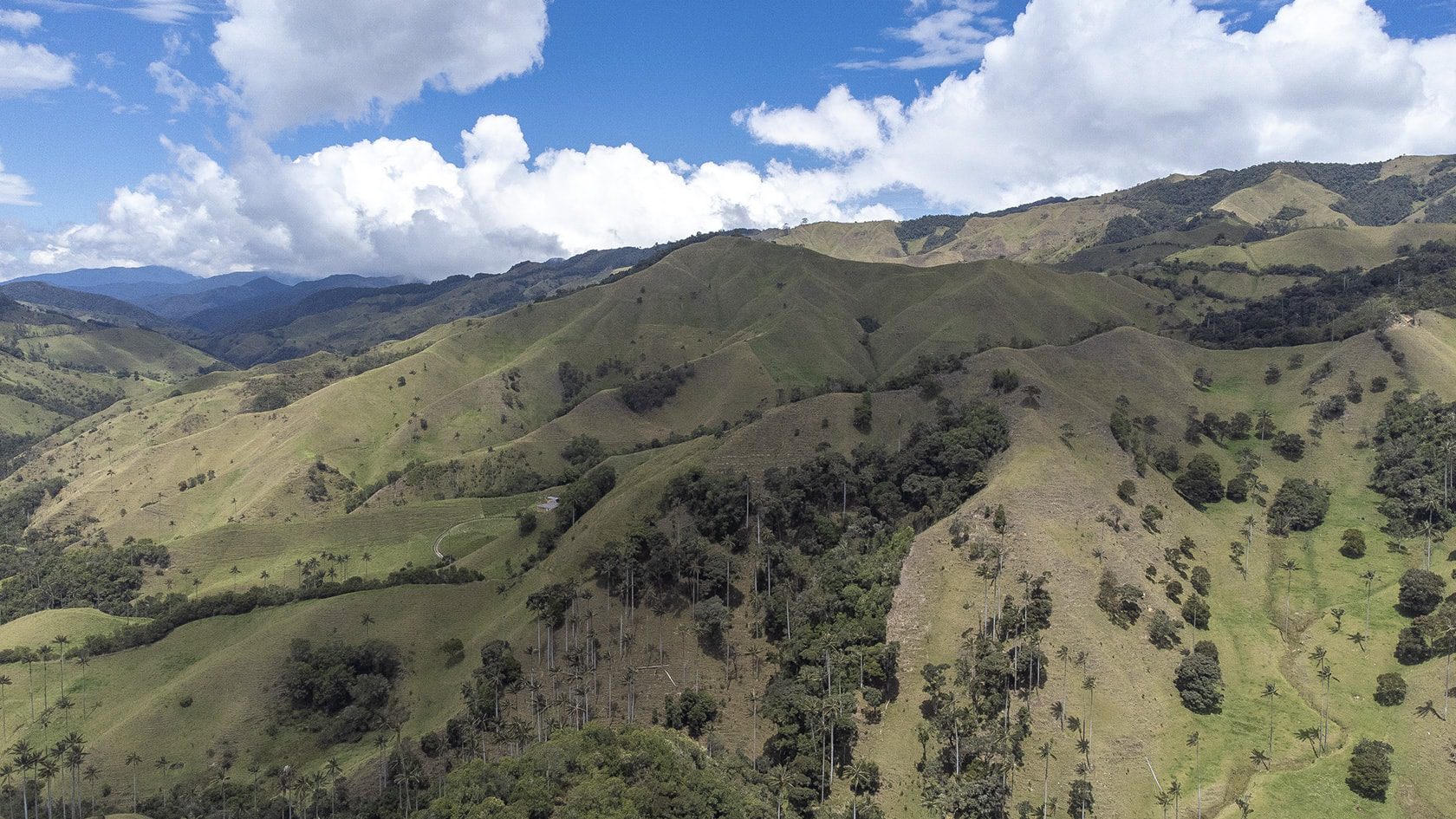
The Samaria Valley is well worth a visit. Unlike Cocora, which is easily accessible, fast and economical from Salento, reaching the Samaria requires a little more effort and organization. It is only accessible from Salamina, or from Manizales via a day trip. But it’s well worth the detour. The site has managed to preserve its natural character, despite the presence of a few scattered fincas and pastures, with no artifice or decor intended for the perfect photo. Here, nothing is overrated: the beauty of the valley is revealed in its simplicity and authenticity. A must is the Samaria Valley viewpoint, a small family-run hotel-restaurant that also owns the surrounding grounds. From this vantage point, you can admire the majestic Andes mountains of Caldas, as well as a multitude of wax palms, more numerous than at Cocora. The hike that follows is short and accessible: it winds through small forests, down to a river nestling at the bottom of the valley, before ascending to higher ground. Less long and easier than Cocora, it offers a quiet, contemplative stroll, where each step brings you a little closer to the tranquility of this unspoilt valley.
When to visit the Samaria Valley As is often the case in Colombia, the valley can be visited all year round. We were there in early October, in the middle of the rainy season, but enjoyed pleasant sunshine despite a slight chill. What’s more, it was a Sunday and the site wasn’t very busy!
Tourism in the Samaria Valley: the Samaria Valley in the Caldas department is still a confidential destination, frequented mainly by travellers in search of nature and tranquillity, far from the mass tourism that now characterizes the Cocora Valley. Its relatively isolated access from Salamina or San Félix, via mountain trails, limits the influx of visitors and contributes to moderate attendance, with a more marked presence on Colombian weekends and public vacations, or during the December-January vacation period. For the time being, this controlled use of the area preserves the wild character of the landscape and encourages the development of rural and community-based tourism, centred on small fincas, local guides and wax palm conservation projects run by the valley’s farmers.
Climate in the Samaria Valley: the Samaria Valley enjoys an Andean mountain climate, typical of the heights of the Caldas department. Temperatures remain cool all year round, between 12 and 18°C, with foggy mornings and brighter afternoons. The region has two main seasons: the rainy season, from April to May and September to November, when showers are frequent and maintain the lush vegetation; and the dry season, from December to March and June to August, when the weather is more stable and sunny, ideal for hiking. Even in the dry season, it’s advisable to bring waterproof clothing and warm layers, as the mountain climate can change rapidly. This mild, humid climate makes for pleasant walks and varied panoramas, from mysterious mists at sunrise to bright sunshine in the afternoon.
Legend: Blue: transport terminal – Yellow: activities & visits
About the Samaria Valley and the village of San Felix
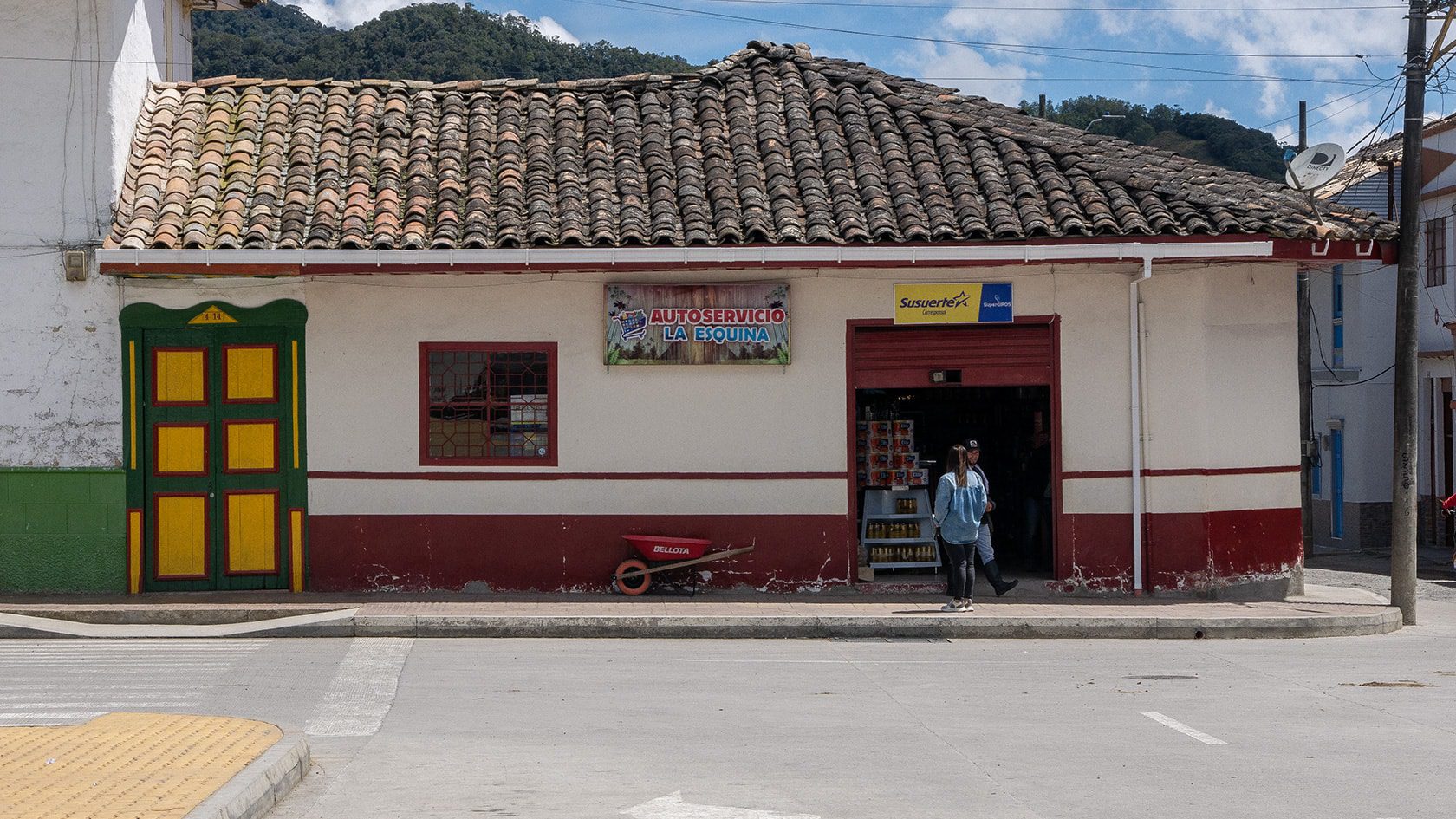
The Samaria Valley, in Colombia’s Caldas department, is a natural gem nestled in the heart of the Paisaje Cultural Cafetero. It’s not far from the charming little village of San Félix, a picturesque place where time seems to pass more slowly. With its quiet streets, colorful houses and authentic atmosphere, San Félix allows visitors to discover the daily life of the region’s inhabitants, far from mass tourism. The village is also known for its renowned milk production: between 25,000 and 30,000 liters of milk are produced here every day, mainly from Normandy cattle, rich in proteins and fats. Traditional cuajada cheese is one of the local specialties and can be found in the markets of Caldas, Antioquia and Cundinamarca, offering visitors a tasty insight into the village’s gastronomic heritage.
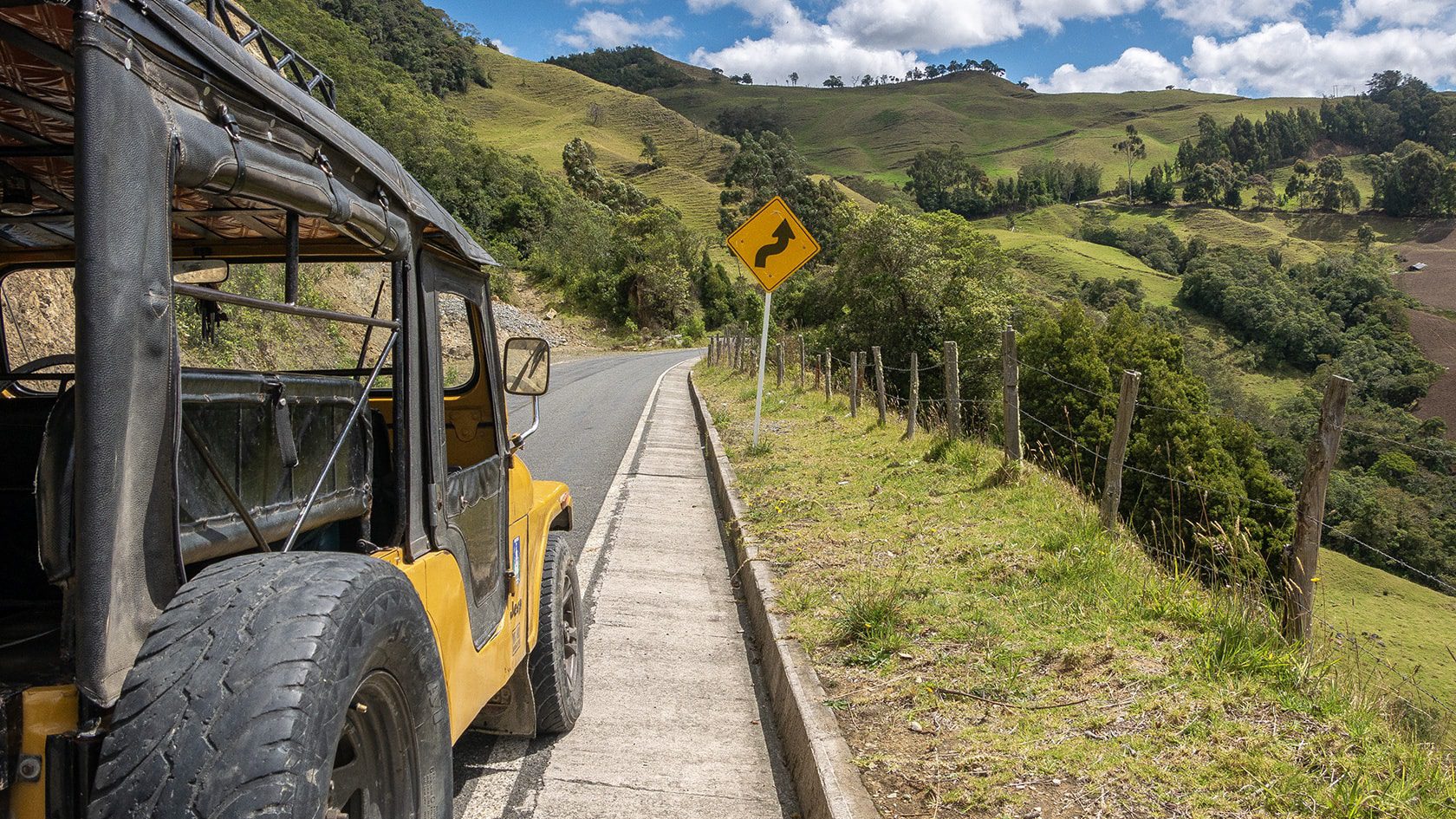
The road from Salamina offers superb views of the Andes, adding a spectacular dimension to the journey even before arriving in the valley.
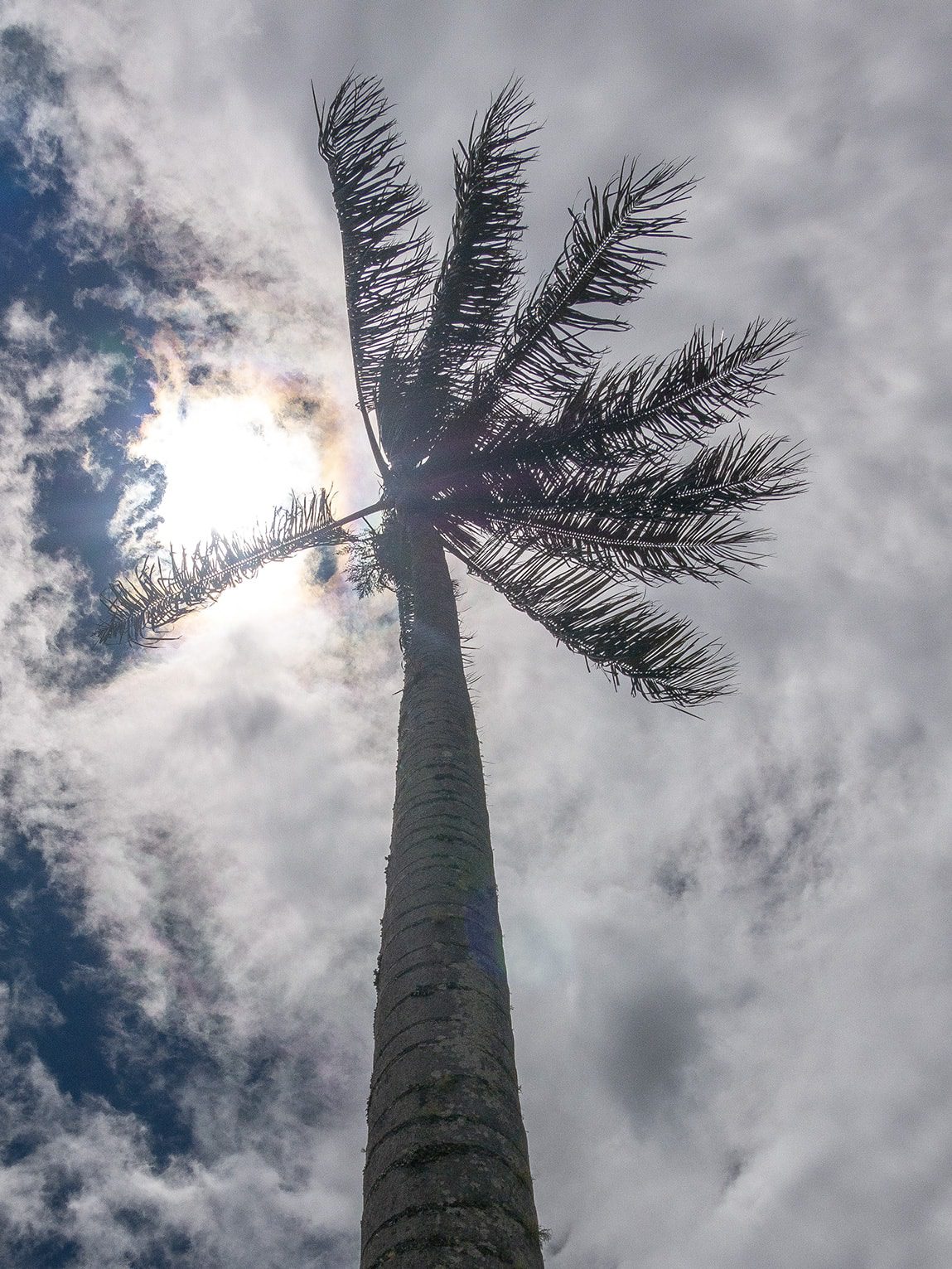
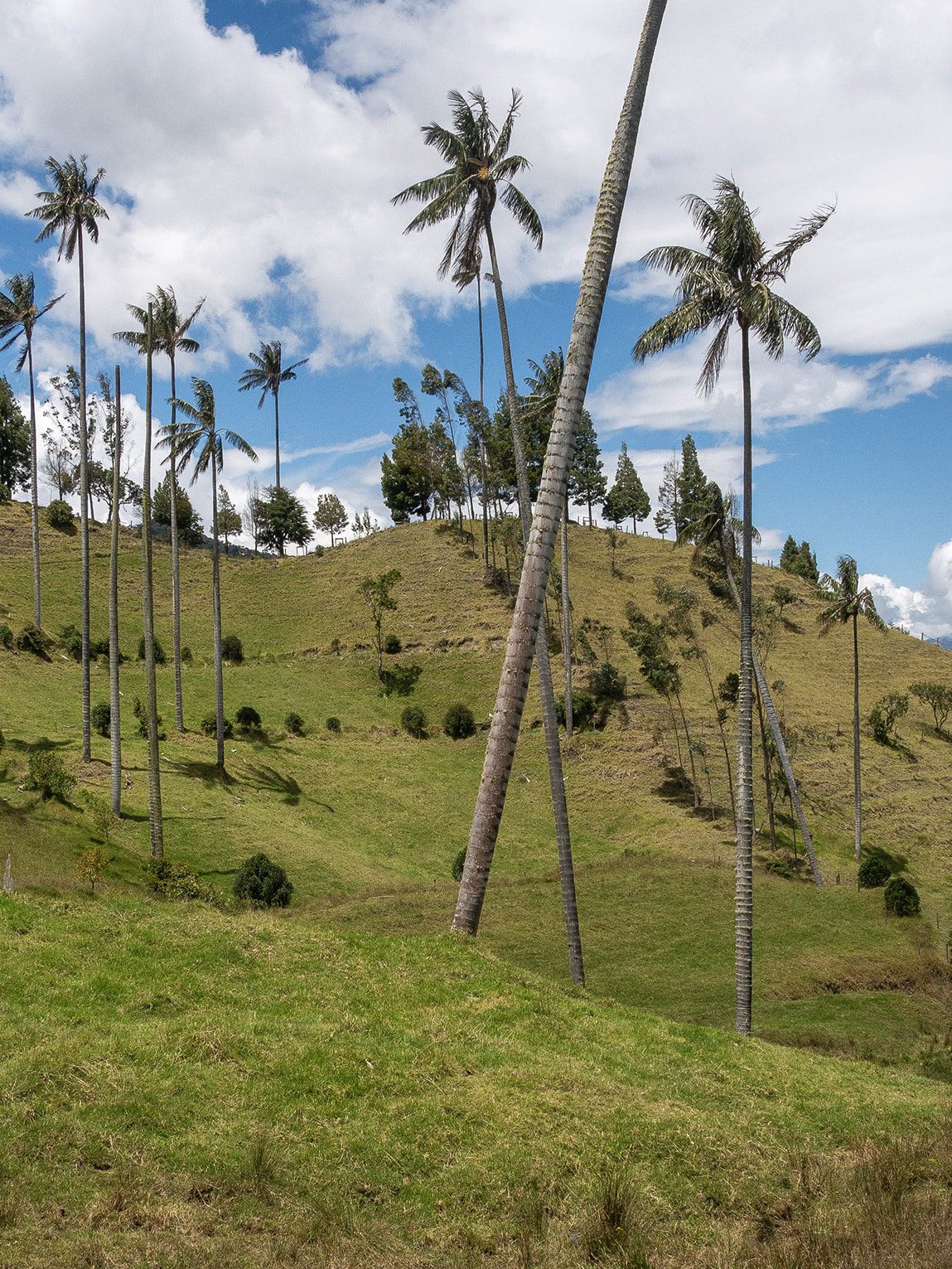
What makes the Samaria Valley so unique is its rich and diverse environment. It is home to one of the largest reserves of wax palms (Ceroxylon alpinum), Colombia’s national emblem, which punctuate the landscape with their slender, majestic silhouettes. The intense green contrasts between forests, meadows and mountains create a peaceful yet striking setting. The rivers that meander through the valley add a refreshing dimension and offer perfect spots for nature lovers.
The classic point from which to fully discover the valley is the Valle de la Samaria viewpoint. Perched high up, it offers spectacular panoramic views over the entire valley and its verdant landscapes. The site is run by a local family who bought the surrounding land at a dark time in the country’s history, when guerrillas were still active in the region. Today, the situation has fortunately changed, and this family can make a living from tourism by offering accommodation and catering services, as well as access to the hiking trail. Their warm welcome and commitment make the visit an authentic, human experience, as well as a breathtaking natural spectacle.
In terms of tourism, the Samaria Valley attracts hikers, photographers and lovers of Colombian biodiversity. The trails allow you to venture out into nature without the crowds, offering an immersive experience. Visitors can also discover the rural way of life, milk production and typical villages such as San Félix, enriching the trip both culturally and visually. The valley can be visited all year round, with each season offering its own charm: the rainy season colors the landscape in deep greens and brings spectacular waterfalls, while the dry season offers easier hiking and a pleasant climate.




Our experience
At 8:30 sharp, Alejandro is waiting for us at the hotel. Punctual, smiling – no surprise, after the superb guided tour of Salamina he had given us the day before. Barely enough time to say hello before we’re off to meet our driver of the day and his gleaming yellow Willys, straight out of the 70s. The sky is fairly mild, with a few clouds floating lazily about, but nothing threatening. The air, on the other hand, is already cool… and it’s only going to get cooler.
Caro and I take our places in the back of the Jeep. We slowly leave Salamina, its colorful streets, and the village disappears behind us. The narrow, winding mountain roads soon take over. Time and again, the Andean panoramas take our breath away. Just a few kilometers after the start, our first stop: an isolated house with typical architecture, perched on the edge of a canyon. The view is breathtaking. Quick photos, admiring silence, then we’re back on the road.
As we make our way around the bends, we come across some courageous cyclists, braving slopes and altitude. Landscape follows landscape: deep canyons, rolling mountains, entire slopes covered with coffee, banana and tropical fruit plantations. Superb. The higher we climb, the colder it gets, accentuated by the wind and the vehicle’s bumps. We soon leave the main road for a broken, narrower track, as if swallowed by the mountain.
New stop. In front of us, an immense, almost unreal valley, with a tiny finca in the background, dwarfed by the grandeur of the landscape. Alejandro then tells us about the region’s agricultural and livestock activities, in particular potato cultivation. Then we head back to San Félix.
Nestled between the mountains, San Félix seems timeless, almost cut off from the world. Life is peaceful and slow. Renowned for its milk and cheeses, the village welcomes us for a coffee break in the main square – a welcome way to warm up. Alejandro tells us the story of a region that was still totally isolated in the early 2000s, marked by the presence of guerrillas and the total absence of tourism. Today, thanks to the peace agreements, the situation has profoundly changed, allowing these territories to open up and live again.
San Felix is the nearest village to the Samaria Valley, just a few kilometers away as the crow flies. A must. We climb back into the car and take a path lined with pastures, where horses and cows watch us placidly.
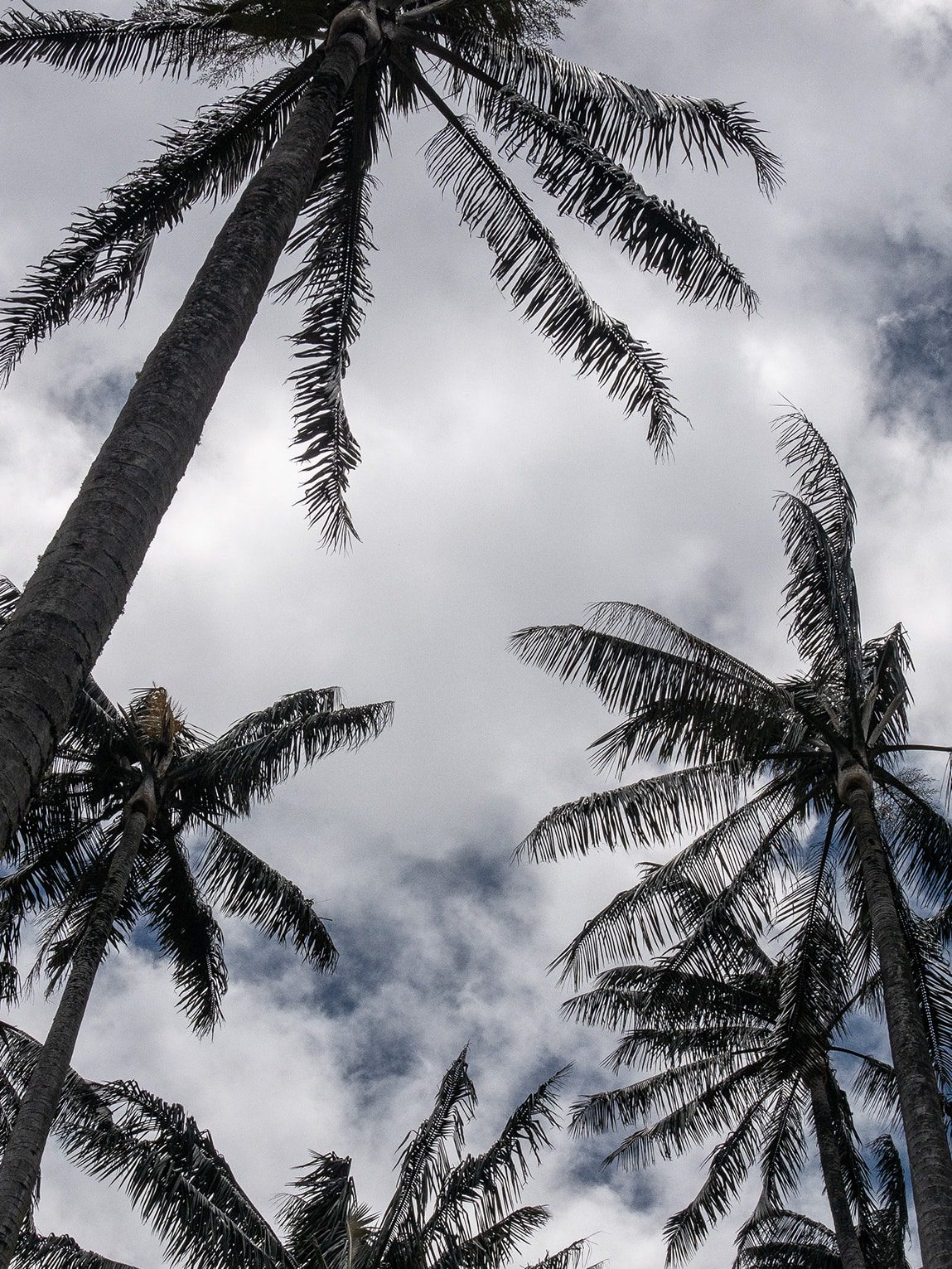
Then suddenly, the watchtower appears. A building on a hill, a few parked cars: there’s no doubt we’re there. The Willys pulls into an improvised parking area. The owner, all smiles, welcomes us warmly and asks us about our lunch preferences – fish, meat or vegetarian option – which will await us after the hike. The view of the Samaria valley from the mirador is spectacular. And there they are at last: the wax palms. Immense, slender, almost unreal, like gigantic toothpicks planted in the valley. The sun was out and the crowds thin – just 15 or so on a Sunday. The wind is fresh, but we were prepared: vests and ponchos in the bag, unused to our delight.
A darker note, however, marks this moment: two calves, barely two days old, tied to fences, already separated from their mother. Caro is deeply affected by this reality of breeding.
Alejandro then invites us to start the hike – or rather, a nice walk. Approximately 1h30, punctuated by many stops: a plant, an anecdote, a tradition. The trail descends from the viewpoint to the valley floor, passes through small forests, skirts a stream and then loops back up. Nothing too difficult for experienced walkers, despite the altitude of around 2,800 meters.
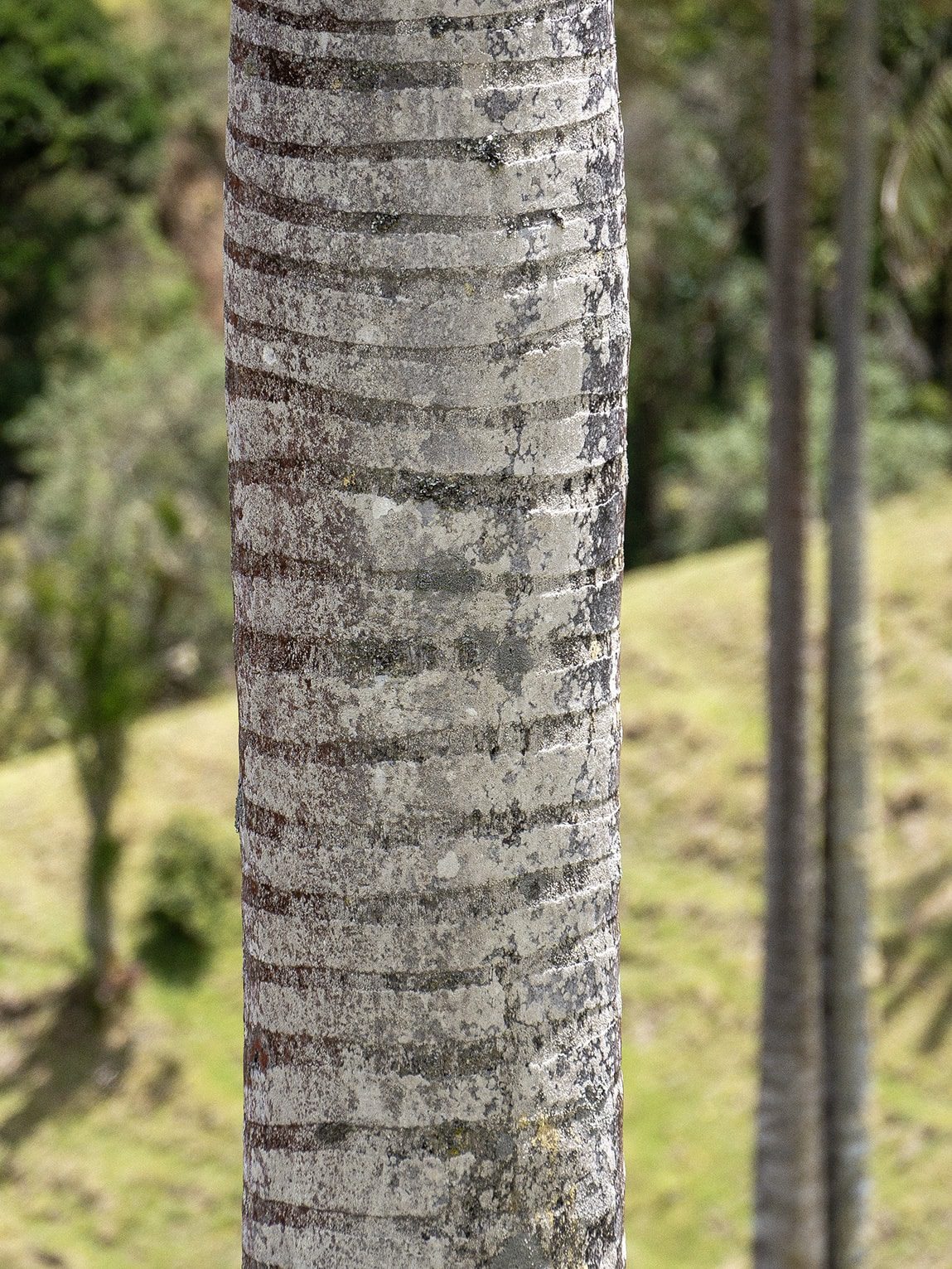
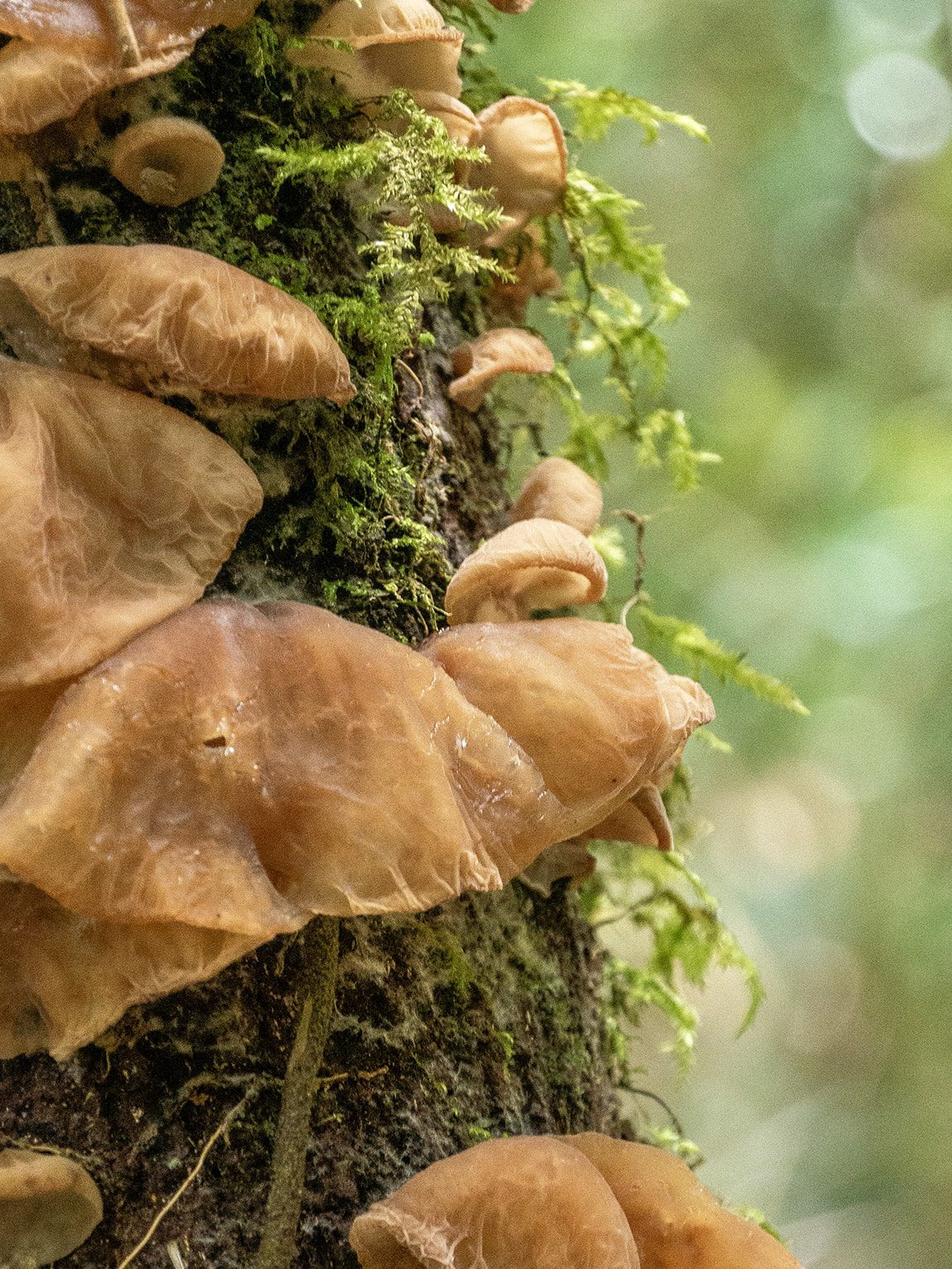
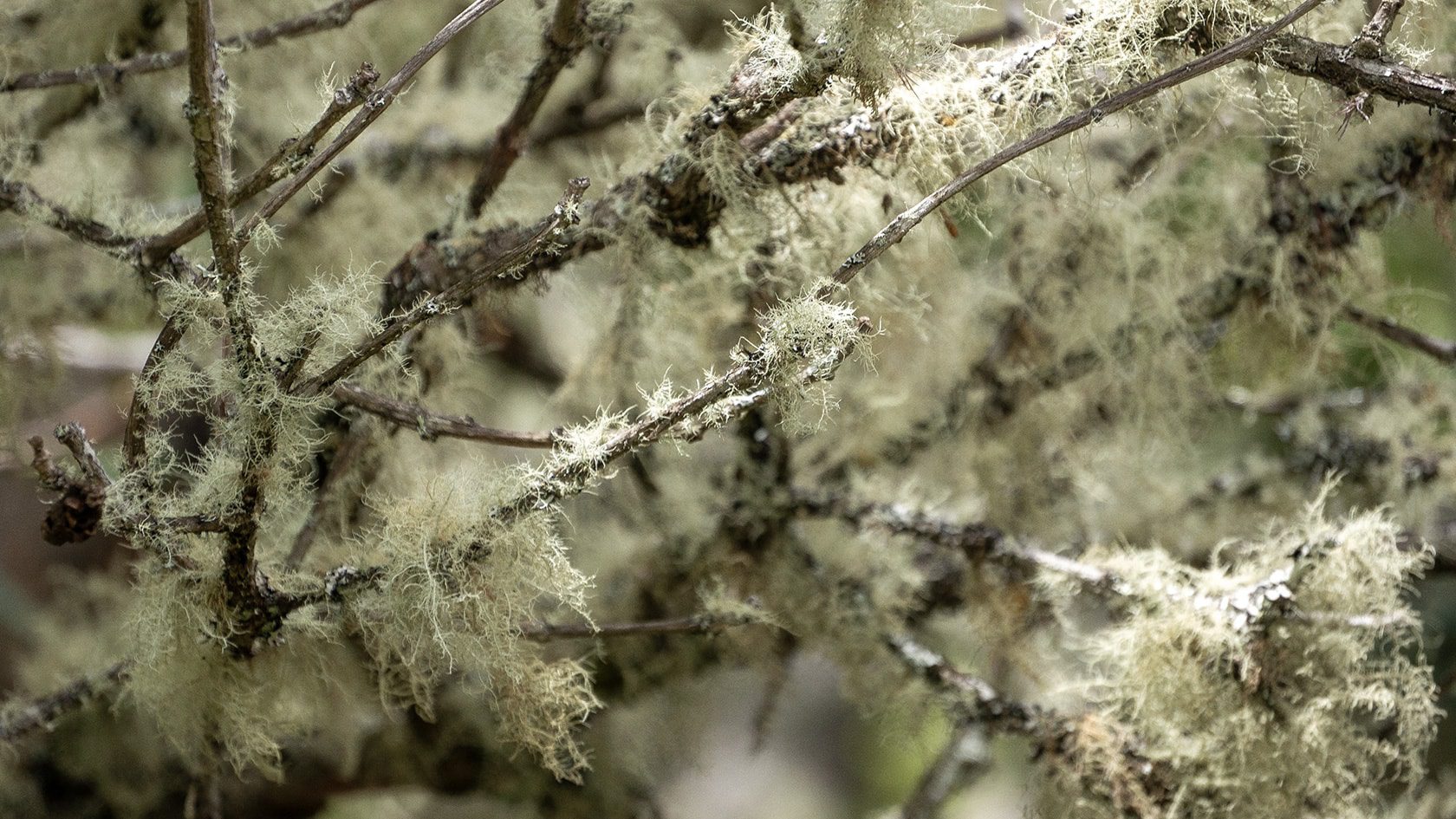
This walk allows us to admire the palm trees from every angle: from above, from below, from far and near. We discover a cool, humid ecosystem, rich in mosses, fungi and lichens, and learn that there are several species of wax palm in Colombia. The Ceroxylon alpinum, the national tree, dominates here, unlike in the Cocora Valley – although, let’s be honest, the distinction is not obvious to the uninitiated.
What’s most impressive is to know that a large part of this natural area belongs to the owner of the watchtower, who acquired the land during the country’s dark years, with no certainty about the future.
Back at the watchtower, it was time for lunch. A traditional meal with soup and fruit juice rounds off the visit perfectly. Then it’s time to set off again. Sitting in the back of the Willys, we take one last look at the palm trees and the valley before heading back down to San Félix, then on to Salamina.
It’s 3pm when we arrive at the village square. Tired, happy, and once again deeply impressed by all that Colombia has to offer.

Agencies and Guides
For those on a tighter budget, it’s perfectly possible to discover the Samaria Valley without taking an all-inclusive tour from Salamina – see “How to get to the Samaria Valley” below.
On the other hand, if you prefer to keep things simple and learn more about the valley and the region, a guided tour is an excellent option.
From Salamina
The Qmanday agency, run by Alejandro and his two associates, all natives of the region, offers three types of tours:
– Excursion to the Samaria Valley
– Guided tour of the village
– Visit to a coffee finca.
We tested the first two and came away fully satisfied. Prices depend on the number of participants and the excursions chosen – in fact, we took advantage of a small discount by combining two tours. The easiest way is to contact them directly for a personalized quote. Tours can also be organized in English or French.
Contact
- Official website: https: //turismoqmanday.com
- Emails: agenciaqmanday@gmail.com – info@turismoqmanday.com
- Whatsapp: 320 821 8164
Our Samaria Valley tour experience, private tours in Spanish with Alejandro as guide:
- Duration: approx. 7 hours
- Price: 520,000 COP total (for 2 people)
- Includes: transport, drinks on arrival in San Felix and lunch at the Mirador de la Valle, visit to San Felix and hike in the Samaria Valley.
From Manizales: opt for a day trip
If you’re short of time, it’s quite possible to discover Salamina and the famous Samaria Valley in a single day, leaving Manizales in the morning and returning in the evening.




How do I get to the Samaria Valley?
Situated in the verdant heights of the Caldas department, the Samaria Valley is accessible from Salamina by various means, depending on your budget, your level of autonomy and the time you have available.
Regardless of the mode of transport chosen, the journey can be broken down as follows:
- Salamina → San Félix: approx. 25 km, or 1 h drive
- San Felix → Samaria Valley viewpoint: approx. 6 km, 20 minutes
If you opt for an organized tour, everything is taken care of by the guide. On the other hand, if you prefer the Willys bus or jeep, you’ll need to bear in mind that there are two separate journeys to manage, and to plan your time and budget accordingly.
Getting there on an organized tour
Price: approx. 500,000 COP for 2 people
The simplest solution is to use an organized tour, as described in the previous section. These excursions generally include round-trip transportation from Salamina, the accompaniment of a local guide and sometimes a hike or a visit to a finca. It’s a great option if you want to explore the valley without worrying about logistics, while benefiting from local knowledge about wax palms and the ecosystem.
Getting there by private transport (Willys jeep)
Price: approx. 200,000 COP
You can also reach the Samaria Valley by Willys jeep, the region’s emblematic means of transport. You can book one directly from your accommodation in Salamina. Depending on the arrangement, the jeep can drop you off in San Felix or directly at a finca or mirador in the valley. This option offers greater flexibility and lets you take full advantage of the scenery along the way.
Getting there by bus
Price: approx. 12,000 COP per person per trip
Times: departure at 06:00 from the Mercado Público (calle 10 area) in Salamina – return at 14:00 from the Plaza de San Félix
For travelers on a budget, the bus remains the most economical option – provided you don’t miss it, as there is only one departure per day. It leaves the Mercado Público de Salamina early in the morning, heading for San Félix. Once there, continue on foot or find local transport (jeep or motorcycle) to reach the Samaria valley. This option requires a little more forethought, but offers an authentic immersion in local rural life.




Where to stay in Salamina?
Although San Felix is the closest village to the Samaria Valley, we recommend you put your suitcases (or backpack!) down in Salamina. This superb colonial village is an excellent base from which to explore the surrounding area. Salamina offers more accommodation and catering options, as well as better transport links, including direct connections to Manizales and Medellín.
Here’s a selection of carefully chosen accommodation to suit all budgets in Salamina – even if price differences are generally less marked than in other destinations.
$ – Economical budgeting
Hotel
Bonsai Casa Hotel
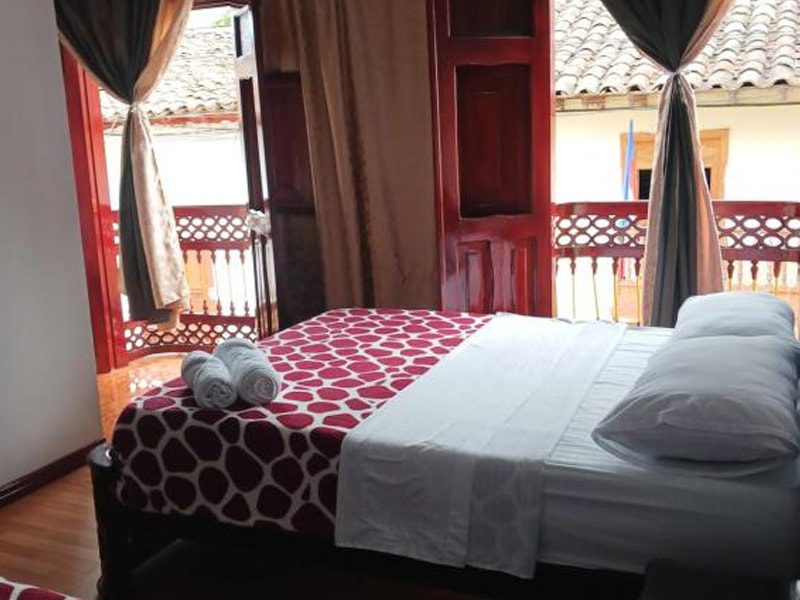
Bonsai Casa Hotel is a charming, well-located establishment, just a stone’s throw from Salamina’s main square. Travelers particularly appreciate the warm welcome, cleanliness and peaceful atmosphere of this colonial-style home. The rooms are comfortable but simple; some facilities are still basic. Great value for money for exploring the village.

$ – Economical budgeting
Hotel
Hotel Boutique La Leyenda 1860
Hotel Boutique La Leyenda 1860 is conveniently located in Salamina’s main square and appreciated for its restored historic building, excellent breakfast and friendly staff. Rooms are clean and comfortable, with occasional city views. However, the noise of the square or the bells at night can be a nuisance for light sleepers.

$$ – Average budget
Hotel
Hotel Casa Real
Hotel Casa Real is a comfortable place to stay, just a stone’s throw from the central park, appreciated for its excellent location, the cleanliness of its rooms and the warm welcome of its staff. Travelers mention a good breakfast included and a quiet atmosphere, ideal for exploring the village. Some of the rooms are simple, but overall they offer very good value for money.
$$ – Average budget
Hotel
La Estancia Boutique Hotel
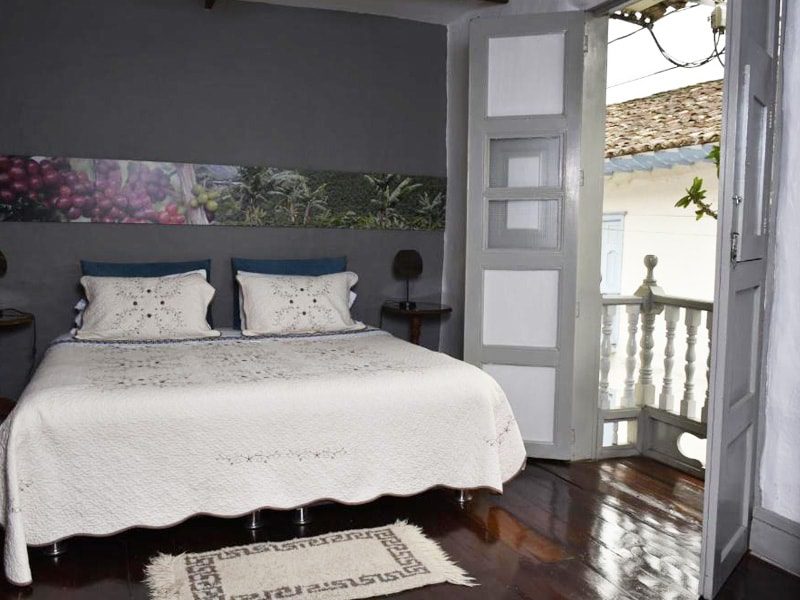
La Estancia Boutique Hotel in Salamina is often praised for its ideal location near the main square, its attentive service and its restored colonial charm. Rooms are clean, comfortable and tastefully decorated, and breakfast is regularly enjoyed. A few visitors note a possible noise from the street or compact bathrooms, but the overall welcome remains exceptional.

$$$ – High budget
Hotel
Casa Lola Hotel Boutique
The colonial-style Casa Lola Hotel Boutique is conveniently located just a stone’s throw from the main square. Travelers praise the cleanliness, comfortable rooms and attentive staff. Breakfast is often considered copious and tasty. A few details, such as the lighting in the rooms and the insulation, could be improved upon, but overall, this is a highly recommended address.

$$$ – High budget
Hotel
Las Marías Family Home
Las Marías Family Home is a very well-located accommodation, just a few steps from Salamina’s main square, appreciated for its impeccable cleanliness, meticulous comfort and warm welcome from the staff. Guests regularly comment on the excellent location and decent breakfast. A few stays have noted a little noise from the street, but overall it’s a reliable address.