
In a nutshell

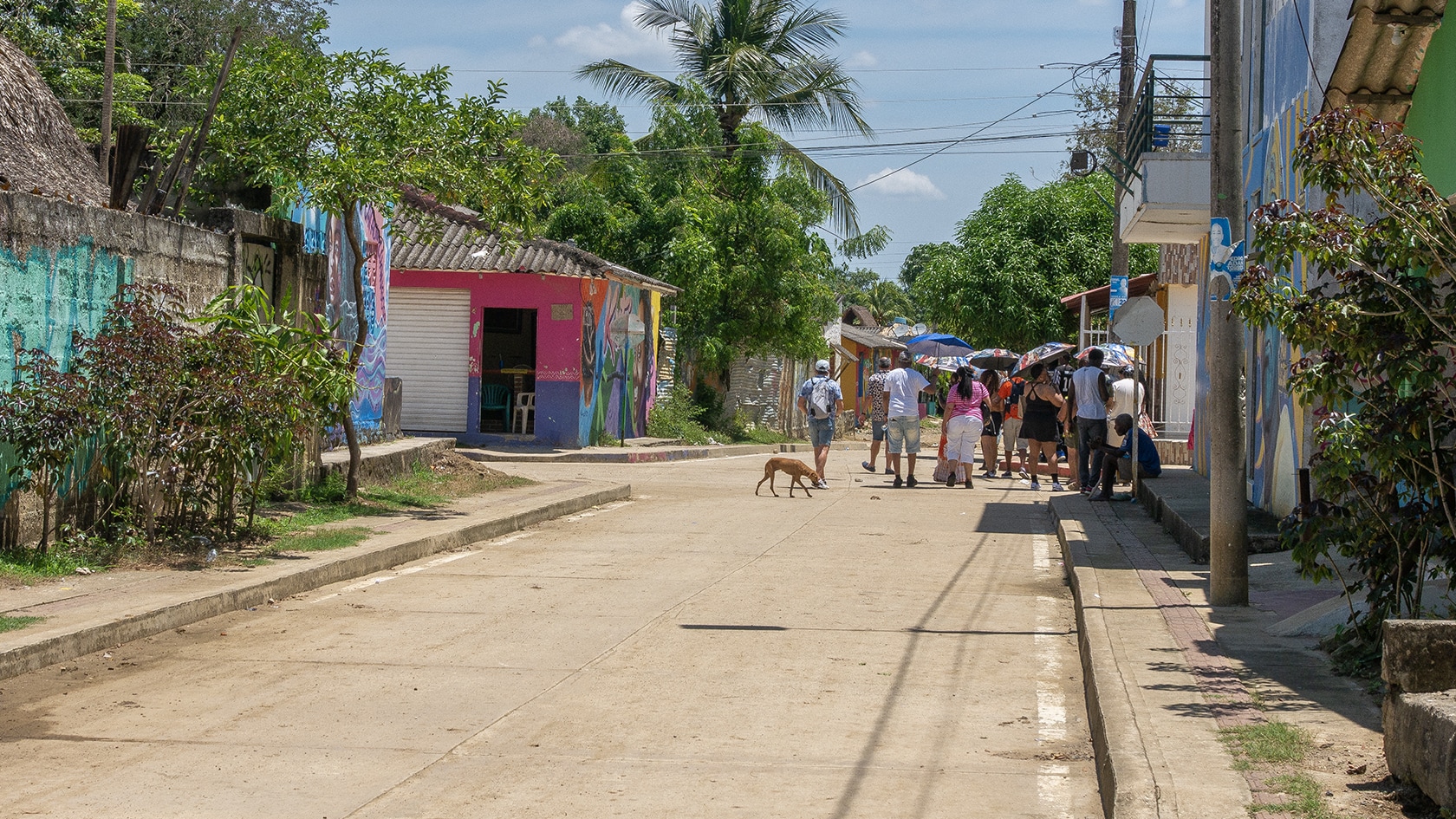
About an hour from Cartagena, San Basilio de Palenque is unlike any other destination along Colombia’s Caribbean coast. Here, the appeal lies not in a spectacular monument or a series of sites to check off a list, but in a culture forged through resistance that remains deeply alive today.
Founded by slaves who had fled the plantations and colonial towns, Palenque is the only one of these ancient fortified villages to have survived to the present day. Its language, Palenquero, is also unique: it blends a Spanish lexical base with structures derived from African Bantu languages. And behind the colorful facades, you’ll also discover the kuagros, traditional music, medicinal practices, and funeral traditions that are an integral part of the local identity.
In this article, we’ll focus on helping you understand Palenque beyond the clichés. We’ll cover what you really need to see there, how to plan your trip from Cartagena, how much time to set aside, how to choose a local guide, and how to visit this community respectfully—without turning a living culture into just another tourist attraction—as well as what to expect once you’re there.
San Basilio de Palenque
- Department: Bolívar (Caribbean)
- Location: foothills of the Montes de María
- Founded: around 1603
- Distance from Cartagena: approximately 50 km
- Elevation: about 100 m
- Climate: tropical savanna, hot year-round
- Population: approximately 3,700
- Languages: Spanish and Palenquero
- UNESCO Heritage: Intangible Cultural Heritage since 2008
- Recommended duration: half a day to a full day
Our take: A monument to history and the struggle against colonialism just outside Cartagena… ★
San Basilio de Palenque is located just a short distance from Cartagena, and yet the contrast is striking. Here, there are no imposing ramparts or spectacular architecture: what leaves a lasting impression is the history of the place and the strength of a culture that has endured through the centuries.
Palenque holds a special place in the history of resistance to Spanish colonialism. The village has become a symbol of struggle and freedom for Black communities descended from African slaves deported to the Americas. In these warm lands along the Caribbean coast, a unique identity has taken shape and remains very much alive today—in the language, music, traditions, and daily life. Visiting here, therefore, also offers a deeper understanding of a part of Colombia’s complex history.
We do have one regret, however: it’s difficult to explore Palenque on your own. Organized tours cover many interesting aspects, but their structure can feel too rigid. The sites and encounters follow one another in quick succession, leaving little room for improvisation or leisurely exploration. Even with few visitors, we sometimes felt as though we were on an almost assembly-line-style tour. The potential is immense; in our view, the main challenge is to make the experience more free-flowing and natural.
When is the best time to visit San Basilio de Palenque?
We would recommend visiting San Basilio de Palenque from December through March for the most comfortable experience: it rains much less frequently, and walking around the village is more pleasant. That said, Palenque can be visited year-round, and the weather isn’t necessarily a reason to change an itinerary you’ve already planned for the Caribbean coast. There is one interesting exception: the Festival de Tambores y Expresiones Culturales, held every year around mid-October. It’s a much livelier time, with concerts, dances, workshops, and events celebrating Palenque culture, but the experience is very different from a typical visit to the village.
Tourist Visits to San Basilio de Palenque
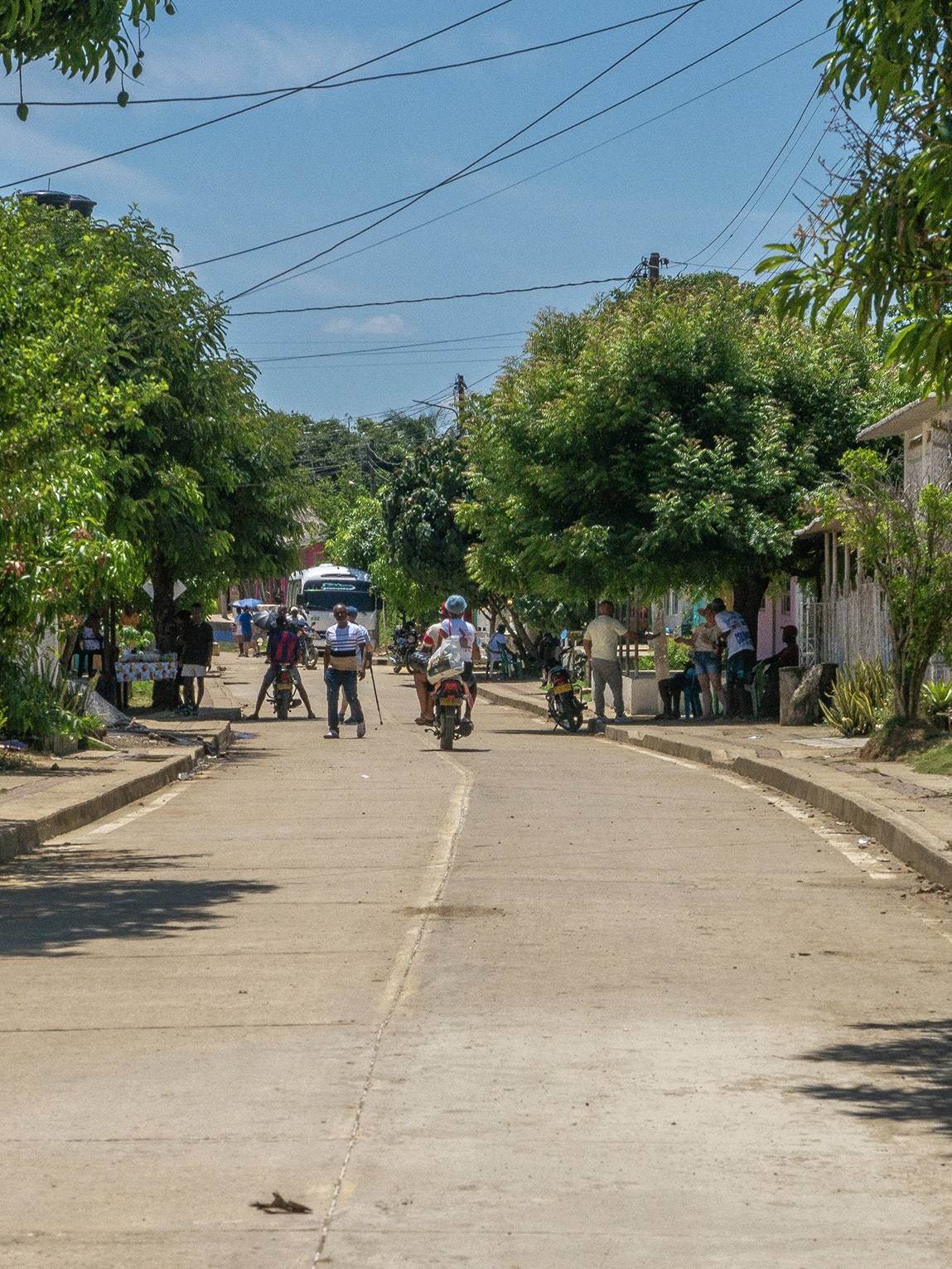
Don’t expect to find the crowds you’d see in Cartagena’s historic center. San Basilio de Palenque remains relatively quiet, but tourism there is highly organized: a large number of visitors arrive from Cartagena on guided tours and follow fairly similar itineraries. As a result, even when the village seems quiet, several small groups may find themselves one after another in front of the same murals, at the same musicians’ performances, or gathered around the same cultural demonstrations. Outside of the Tambores Festival, we wouldn’t call this overtourism, but rather moderate and highly concentrated visitor traffic. During the October festival, the situation changes significantly, and several thousand visitors may flock to the village.
Climate in San Basilio de Palenque
San Basilio de Palenque has a tropical savanna climate, with warm weather year-round. The climate averages for Mahates, the area to which the village belongs, show an average temperature of about 28 °C, with highs generally ranging from 32 to 35 °C. There is therefore little variation from month to month; it is primarily the rainfall that changes. January through March are particularly dry, while rainfall becomes much more frequent between May and November, peaking around October. In practical terms, be prepared for the heat above all else: the tour is mostly on foot, through low-lying, open streets where the sun can quickly become intense. A morning visit is significantly more comfortable than one in the middle of the afternoon.
Major Festivals and Events in San Basilio de Palenque
The main event in San Basilio de Palenque is the Festival de Tambores y Expresiones Culturales, held every year around the second weekend in October. For several days, the village comes alive with drumming, dancing, music, local cuisine, and various expressions of Palenque culture. This is clearly the most festive time of year, but also the busiest. There are other local celebrations, notably the patron saint’s festival in San Basilio around June 14, but these are much more community-oriented and less geared toward visitors. To experience Palenque in an exceptional atmosphere, October is therefore a particularly good time to visit; for a quieter visit, it’s best to choose a different time of year.
Legend: Blue: Transportation – Yellow: Activities & Attractions – Green: Accommodations
History of San Basilio de Palenque
A village built around the idea of freedom
To understand why San Basilio de Palenque exists, we must first go back to Cartagena in the 16th and 17th centuries. At that time, the city was one of the main ports for the slave trade in the Spanish Empire. Thousands of Africans were unloaded there before being sold and sent to work in the cities, haciendas, mines, or rural areas of New Granada.
But some refuse to accept these terms and flee. They are called the cimarrones. To escape the colonial authorities and the expeditions sent to hunt them down, they fled to the lands around the Montes de María, which were far enough from Cartagena and difficult to control. There, they established autonomous communities known as palenques.
These villages were not merely makeshift shelters. Some were protected by palisades, had their own leaders, grew enough food to sustain themselves, and organized their own defense. Above all, they offer something essential: anyone who had escaped slavery and managed to reach a palenque could live there freely. The word itself would gradually become synonymous with resistance to the slave system. (patrimonio.mincultura.gov.co)
It is against this backdrop that Benkos Biohó emerges as a key figure in local history. An African slave who arrived in Cartagena in the late 16th century, he escaped with his family and other captives around 1599. He quickly became one of the region’s leading cimarrón leaders and rallied several hundred fugitives.
Around 1603, Biohó led an important palenque located near the Matuna marsh, close to the Montes de María. This date is now traditionally considered in Palenque to be the village’s founding date: you’ll find it associated with Benkos Biohó on his statue, among other places. Historically, however, the reality is more complex. The Matuna palenque was not yet exactly San Basilio de Palenque as we know it today. (enciclopedia.banrepcultural.org)
The Cimarron communities were numerous, mobile, and under intense military pressure. Some disappeared after an attack, while others reformed elsewhere, merged, or took in new fugitives. San Basilio is therefore less the result of a traditional settlement than the culmination of a long process of resistance and the coming together of various free communities.
The Spanish authorities made several attempts to regain control of these territories. However, Benkos Biohó and his men held out long enough to force the colonial authorities to negotiate. In 1605, following the failure of an offensive against his palenque, an agreement was reached that allowed his community to retain a certain degree of autonomy. Biohó was even able to enter Cartagena unmolested for a time. This peace proved fragile: he was arrested in 1619 and executed in Cartagena in 1621. (enciclopedia.banrepcultural.org)
His death, however, did not bring an end to the movement. Other palenques continued to exist in the Montes de María throughout the 17th century. In the second half of the century, the Palenque of San Miguel Arcángel emerged, gradually becoming one of the region’s most important communities and drawing residents from several other palenques. It is this community that is most directly responsible for the origins of the present-day village. (enciclopedia.banrepcultural.org)
After decades of conflict, a decisive new turning point came in 1713. Through the mediation of the Bishop of Cartagena, Antonio María Cassiani, the residents reached an agreement with the colonial authorities granting them a general pardon and recognizing some of their freedoms. The following year, a church dedicated to San Basilio Magno was built in the community. It was from this period onward that the name San Basilio de Palenque began to take hold.
This is also where we need to qualify a phrase you’ll encounter almost without fail before or during your visit: “the first free people of the Americas.” It’s an integral part of San Basilio de Palenque’s identity and narrative, but it distills a much more complex history. There is no specific date on which Benkos Biohó is said to have founded the present-day village and then immediately gained its independence. Rather, one must imagine more than a century of flight, fighting, displacement, regrouping, and negotiations before this community was able to permanently secure its freedom.
And that’s ultimately what makes Palenque even more interesting.
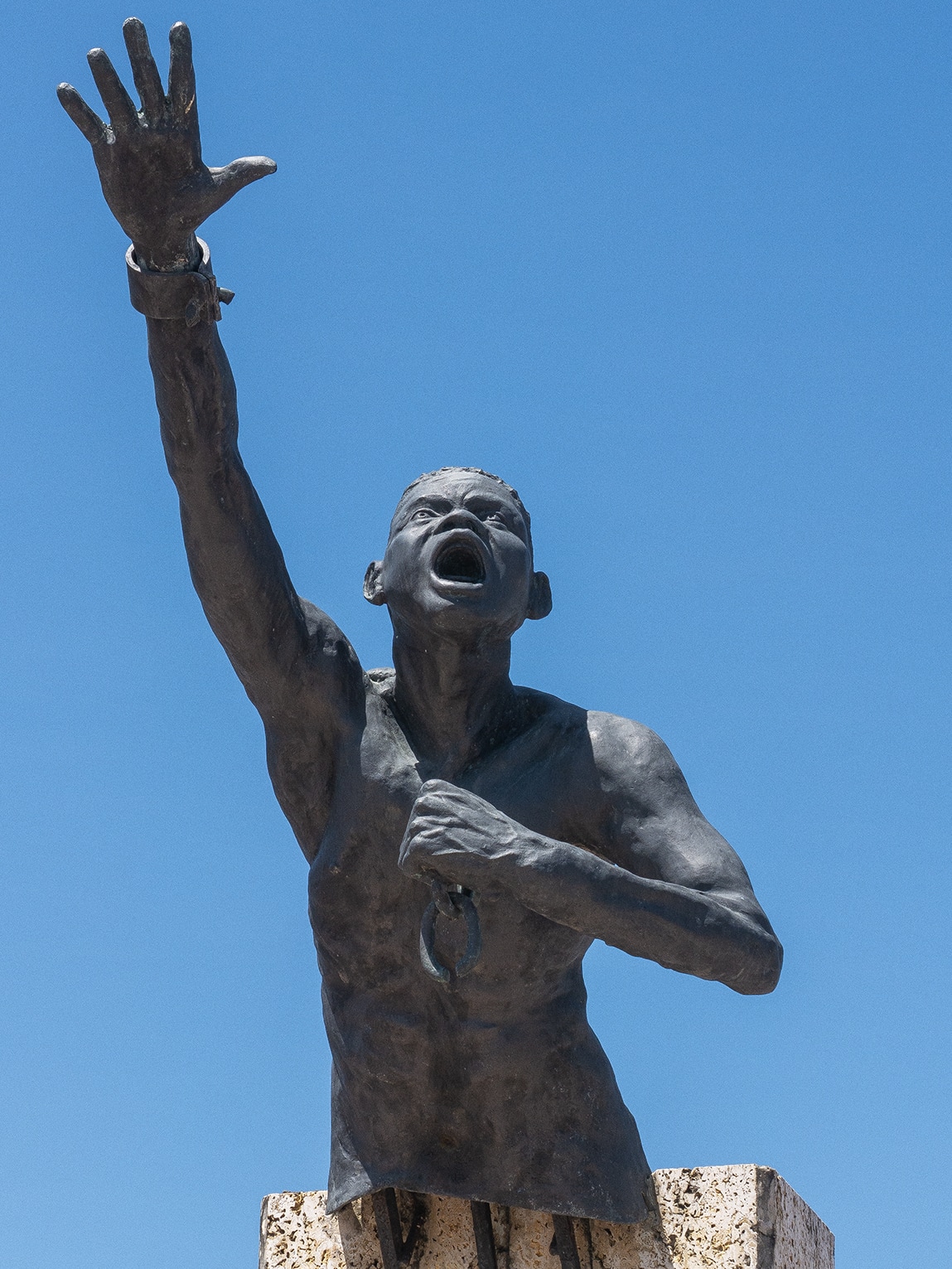
When you stand before the statue of Benkos Biohó today, his broken chains may seem almost too symbolic. Yet they sum up quite well the very reason for the village’s existence. San Basilio wasn’t built around a port, a mine, a religious mission, or a Spanish administrative center like so many other Colombian towns. It developed because enslaved men and women decided to break free from the colonial system and create a place where they could live as free people.
This origin largely explains why the concept of freedom still plays such a prominent role in the way residents recount their history. It also offers a different perspective on the village: behind its modest houses and quiet streets lies the last surviving remnant of the many palenques that once existed in colonial Colombia. UNESCO notes, in fact, that among these fortified communities founded by fugitive slaves, San Basilio is the only one to have survived to the present day while preserving such a distinct cultural identity.

A culture you hear as much as you see
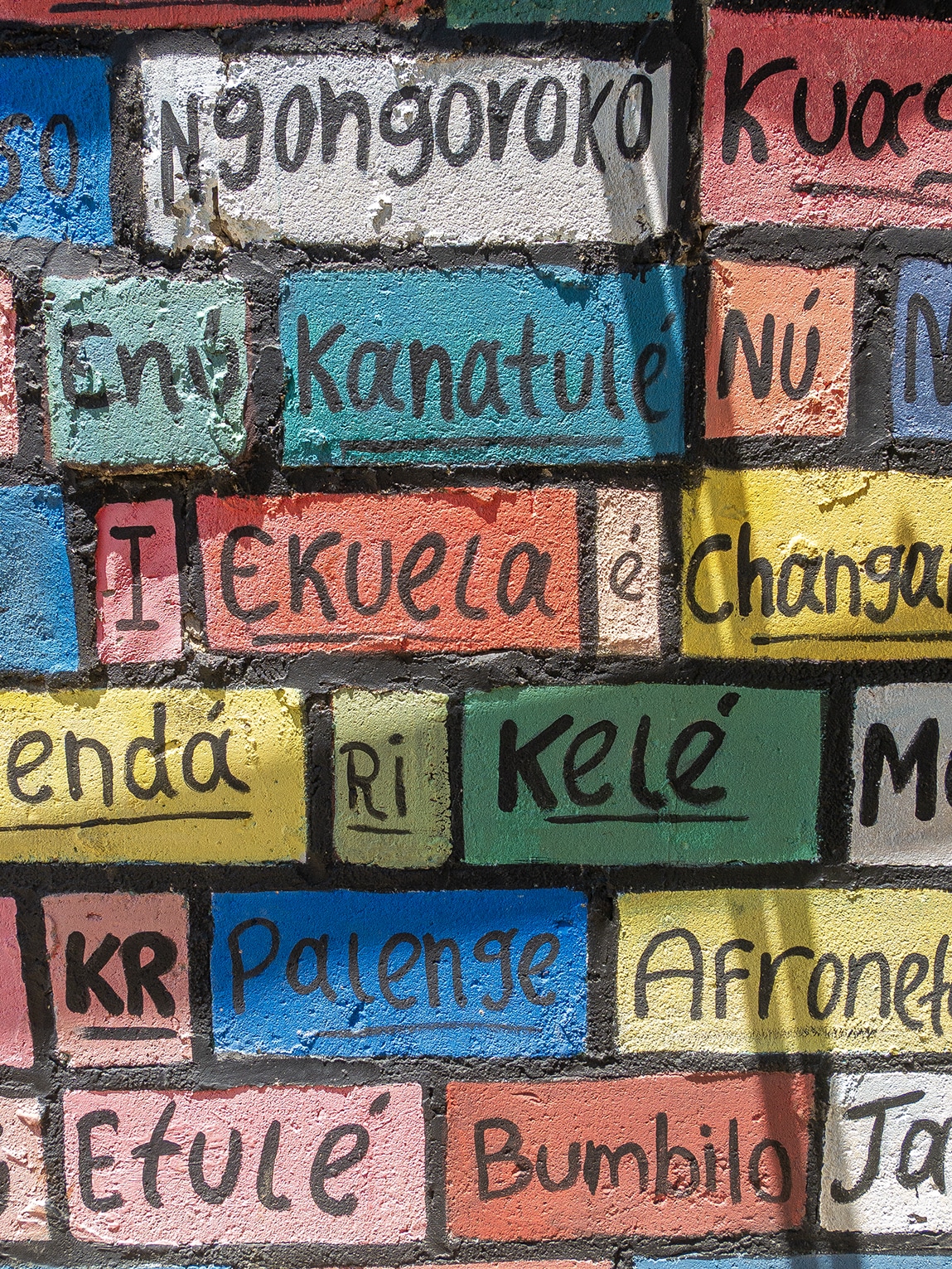
One of the most fascinating aspects is the Palenquero. If you hear two locals talking to each other and can’t really understand them despite your knowledge of Spanish, they may be speaking this Creole language unique to the community. Its vocabulary is largely derived from Spanish, while its structure retains influences from African Bantu languages, among others.
Language is only one part of a much broader cultural system. The kuagros, for example, are social groups traditionally formed during childhood or adolescence and based on lasting bonds of solidarity and mutual aid. Understanding how they function helps explain why Palenque identity is rooted as much in the community as in the cultural expressions visible to travelers.
Music, of course, plays a major role. Bullerengue, the palenquero, traditional songs, and percussion have long accompanied festivals, family events, and communal gatherings. The lumbalú, associated with funeral rites, demonstrates particularly well that the drums have not simply become a spectacle for visitors from Cartagena: they are part of much deeper social and spiritual practices.
It is precisely this context that we must keep in mind when a tour includes a few minutes of music or dance. Presented on their own, these performances can easily come across as mere folklore. Once placed within their historical context, however, they reveal something far more interesting about the transmission of memory in Palenque.
From Boxing Gloves to Painted Walls: Another Side of Palenque
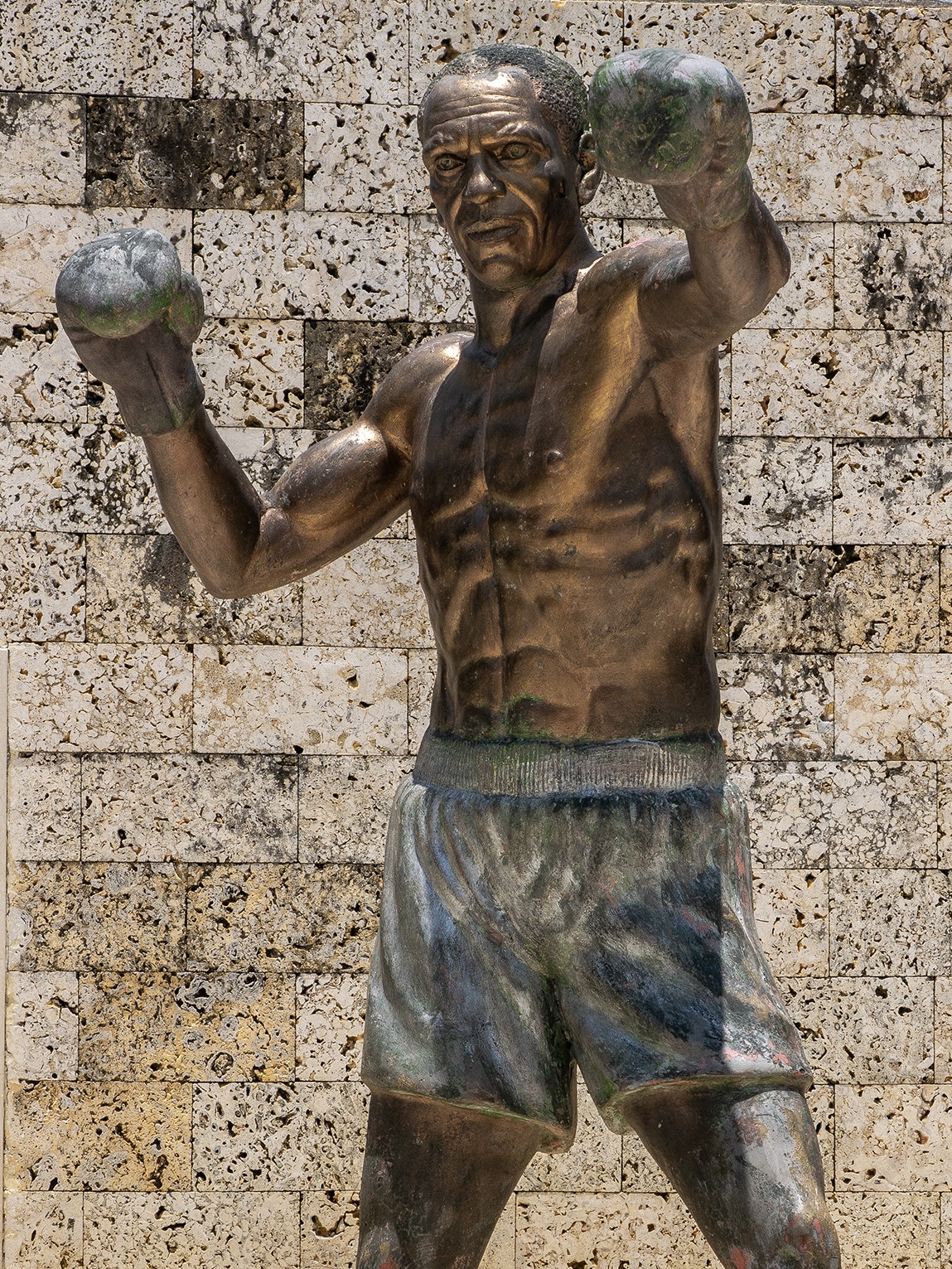
Boxing is perhaps the surprise we least expected when discovering the village’s history. Yet San Basilio de Palenque has produced three world champions: Antonio Cervantes “Kid Pambelé,” Ricardo Cardona, and Prudencio Cardona.
Kid Pambelé holds a special place in history. In 1972, he became the first Colombian world boxing champion, going on to defend his title numerous times. His success extended far beyond the world of sports: his fame also helped his village secure essential infrastructure such as electricity, a water supply system, and better road access.
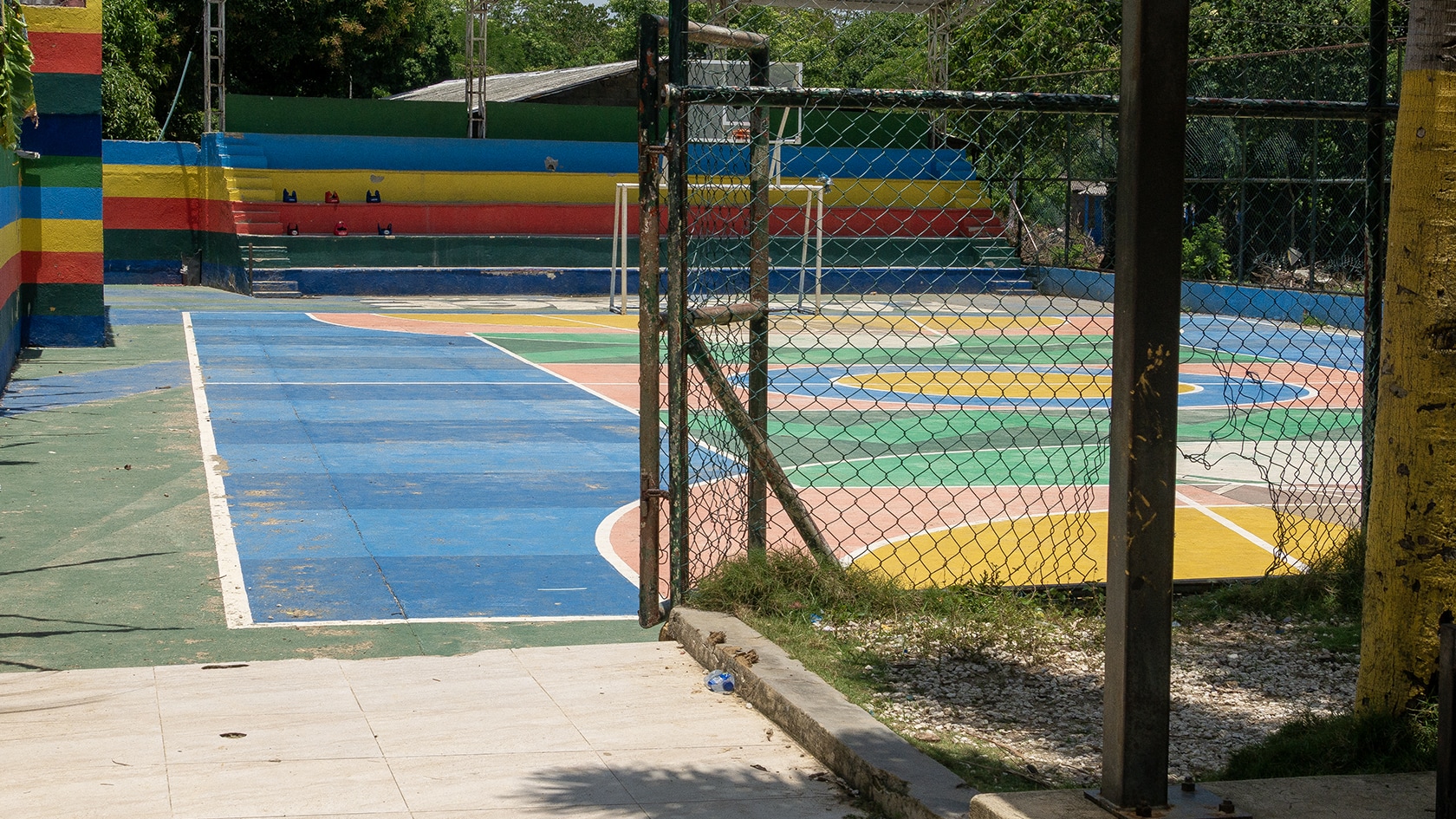
His legacy is still visible today in the Antonio Cervantes “Kid Pambelé” Boxing Coliseum, recognized as one of the village’s iconic landmarks. To understand Palenque, this story is almost as important as that of the drums: it tells of a community that also forged its own heroes in the 20th century and whose reputation in sports has extended far beyond the village’s borders.
Then there are the walls.
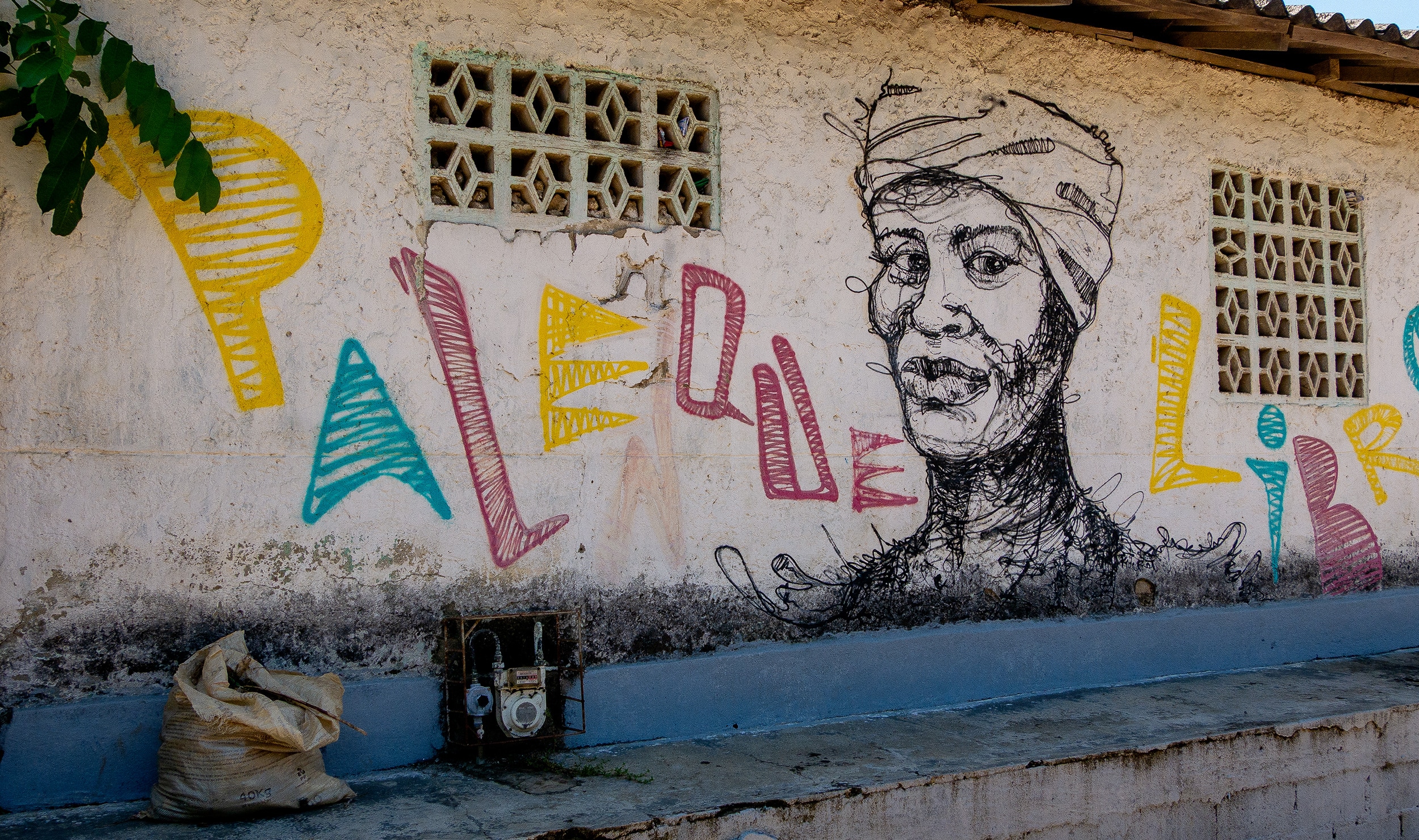
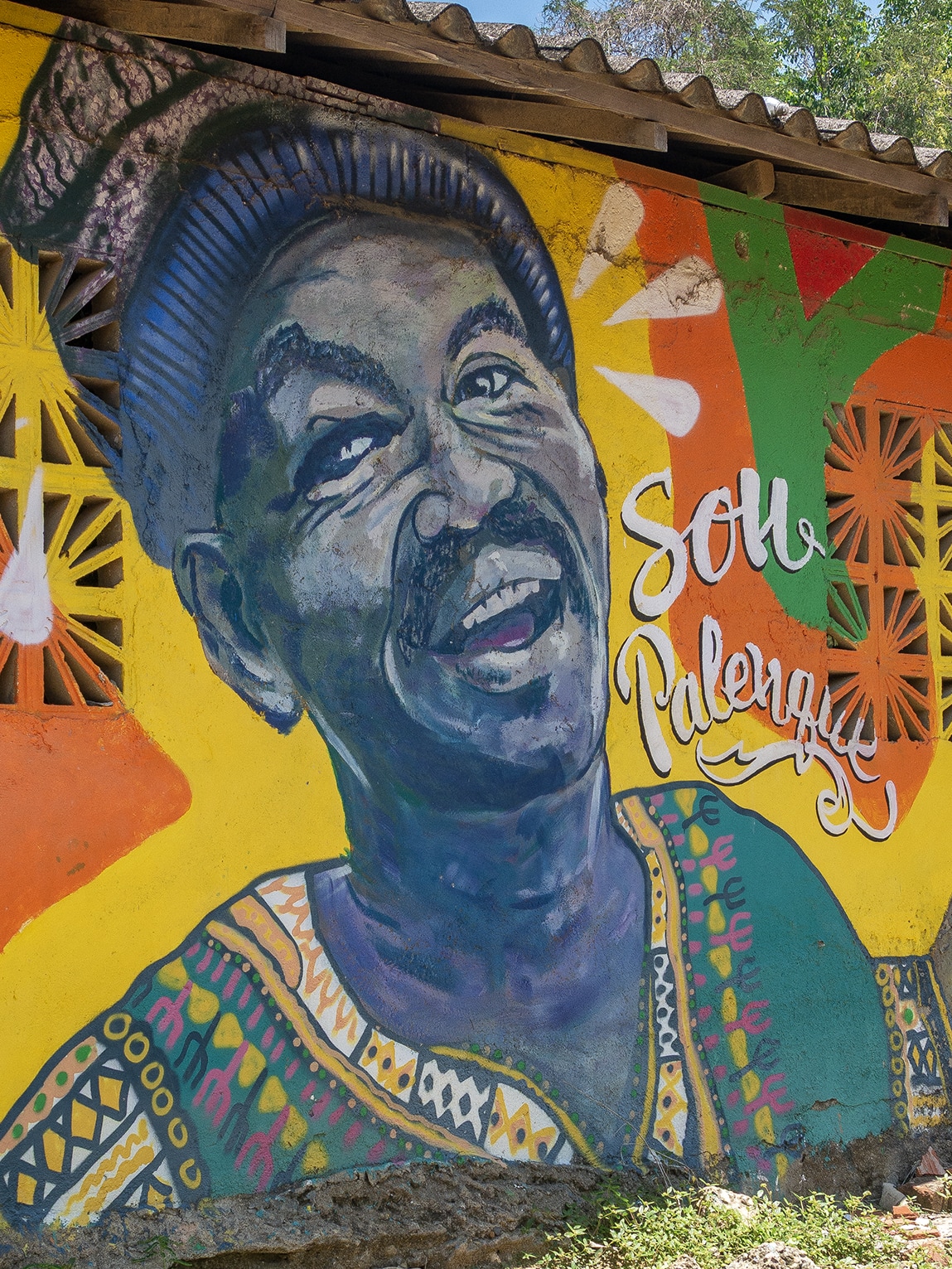
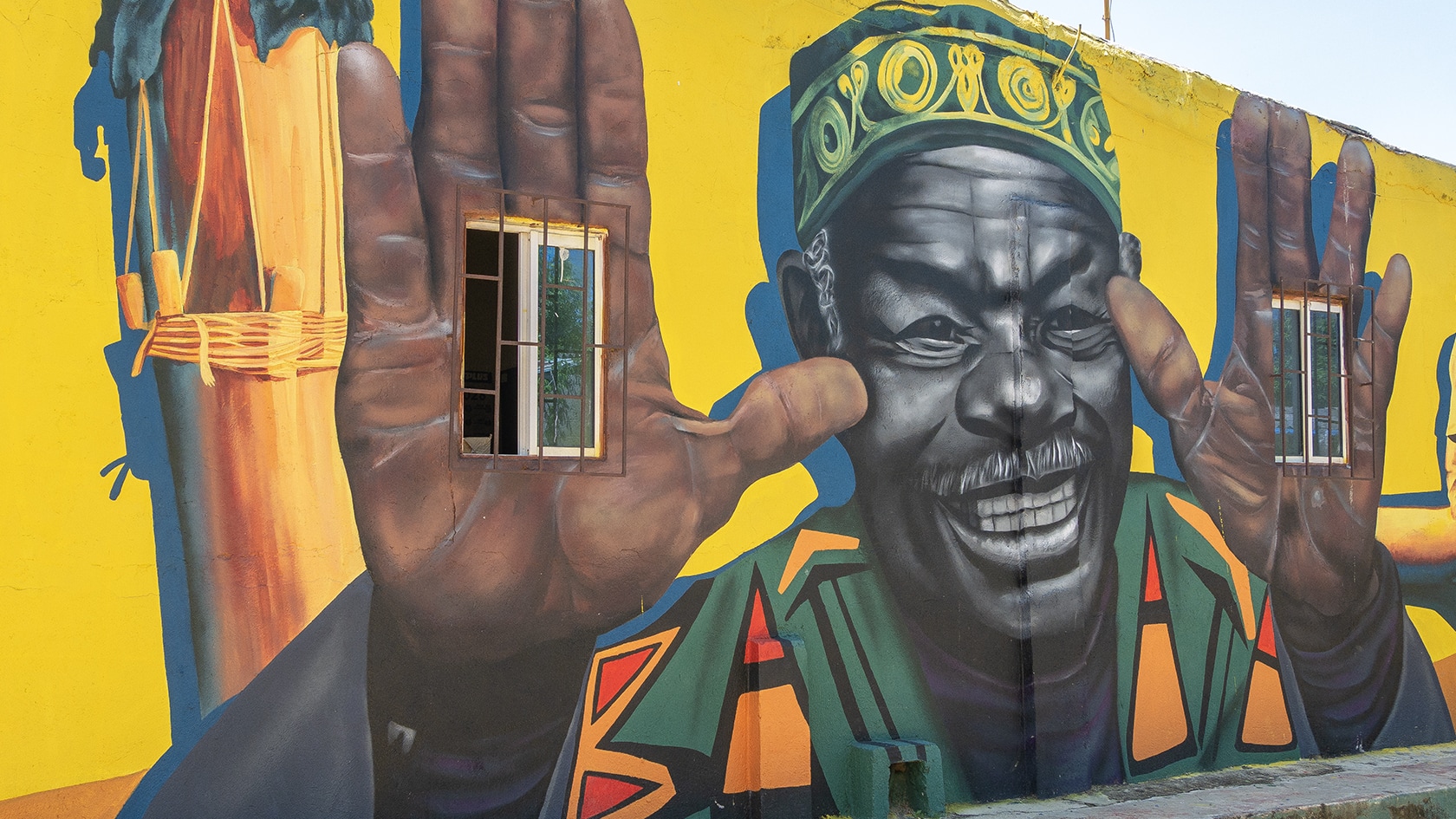
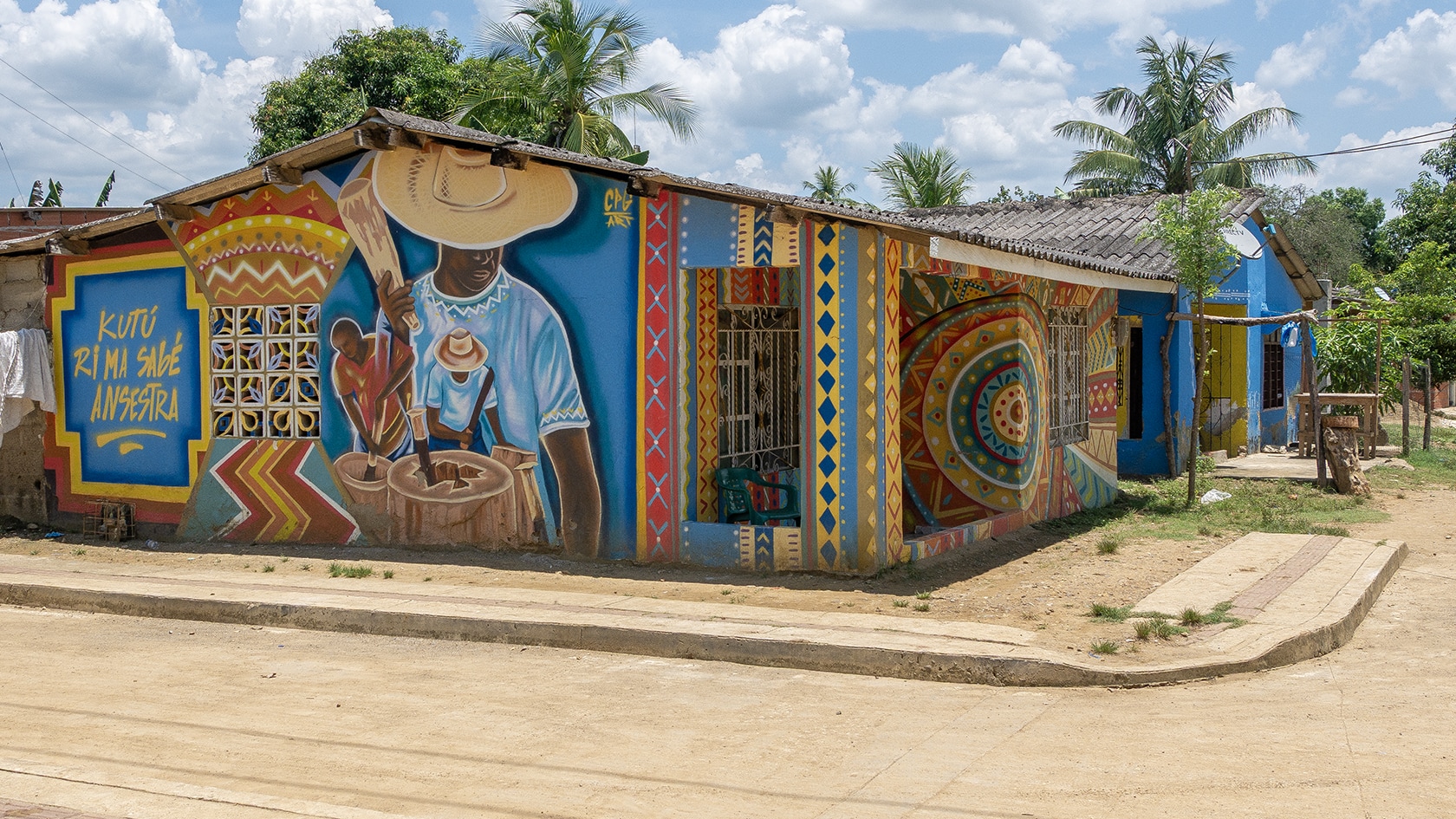
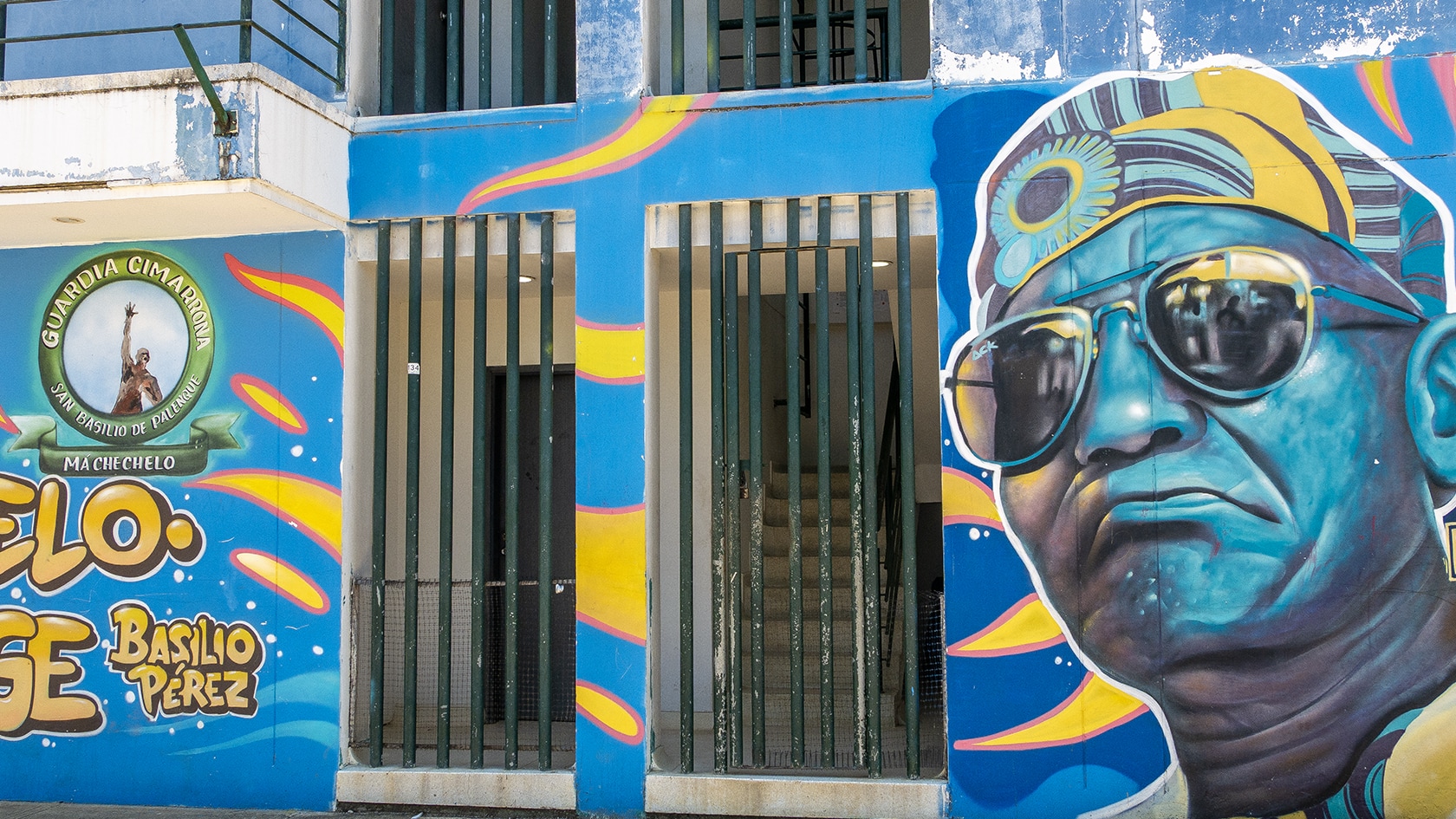
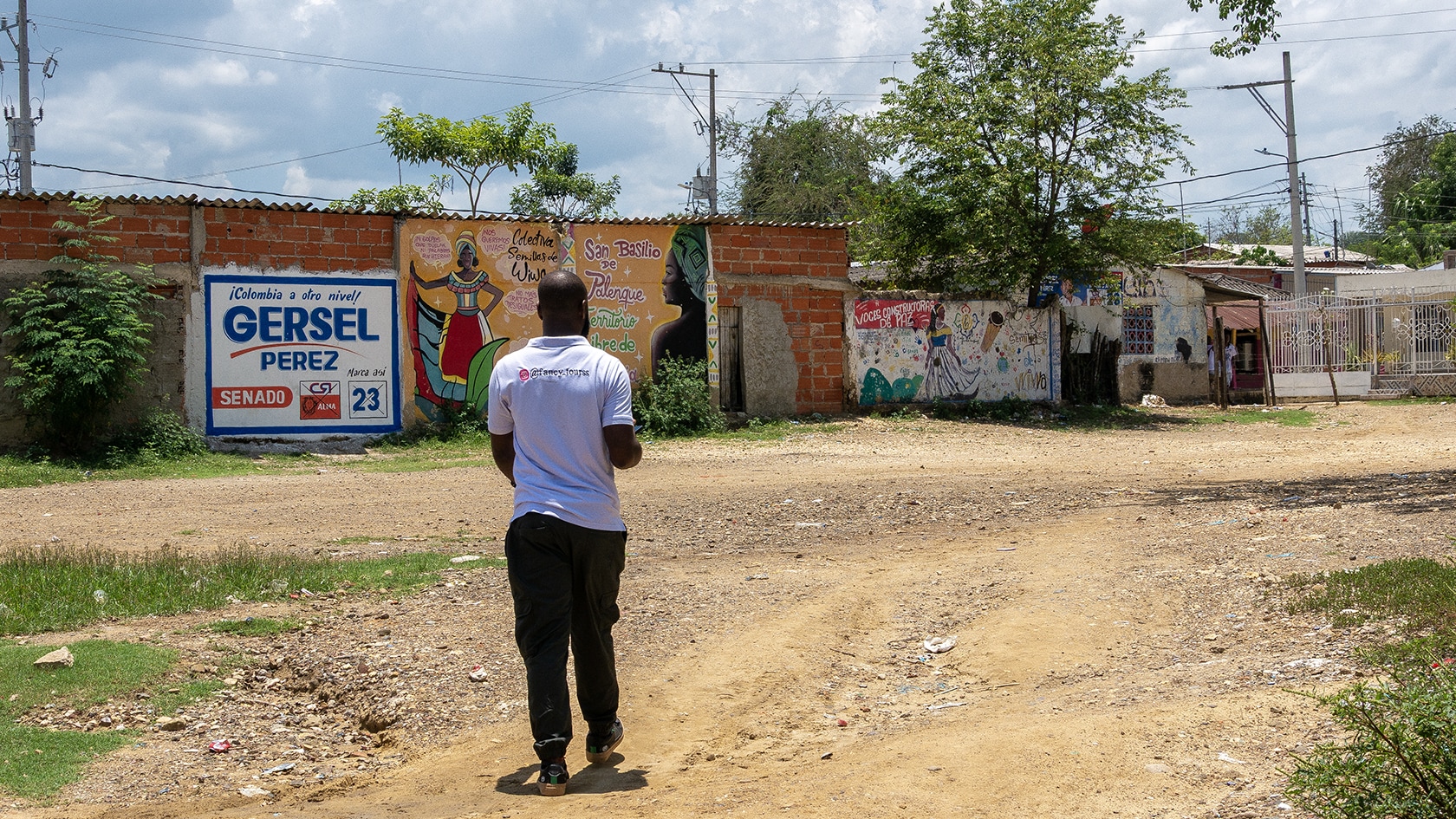
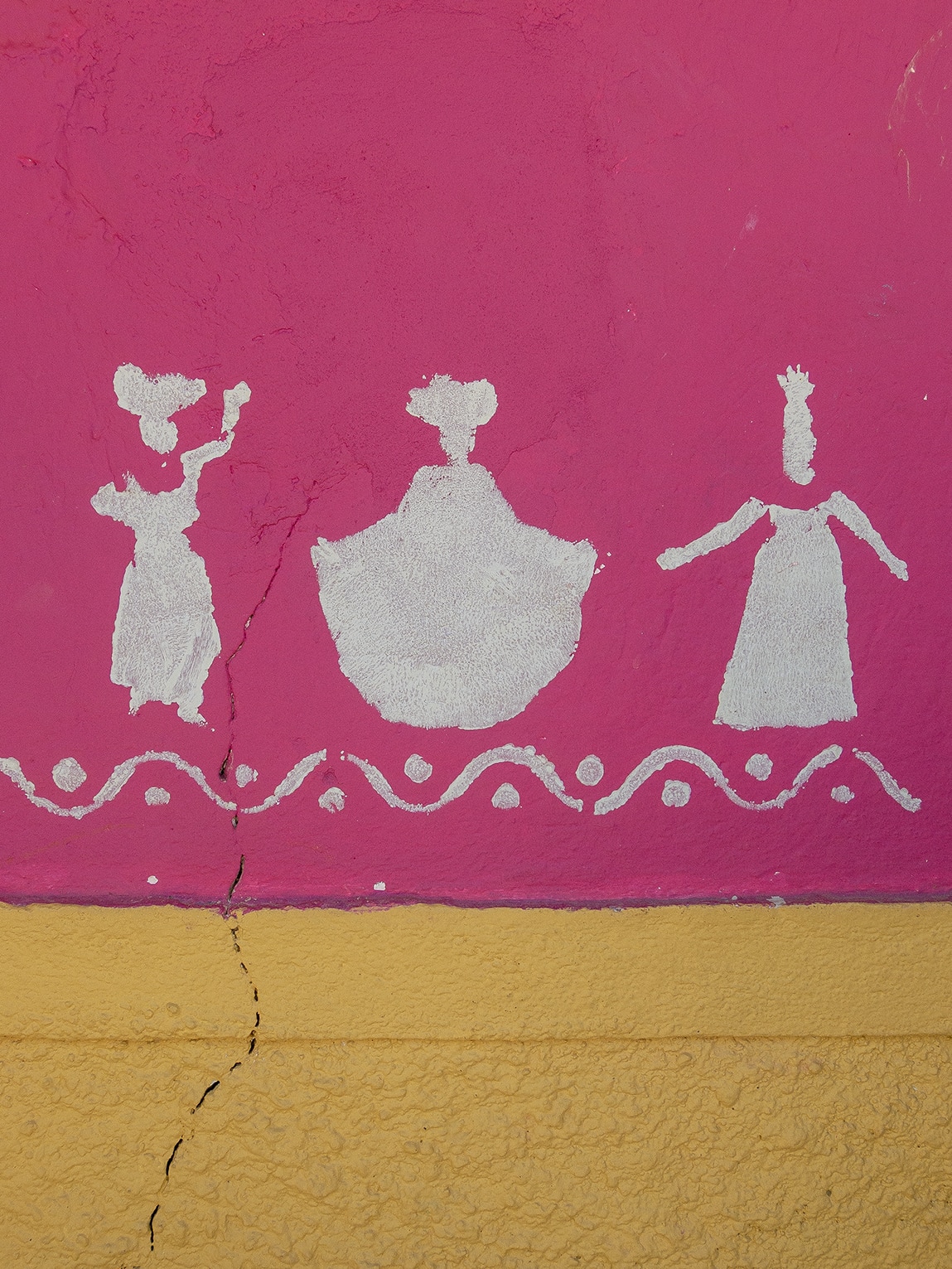
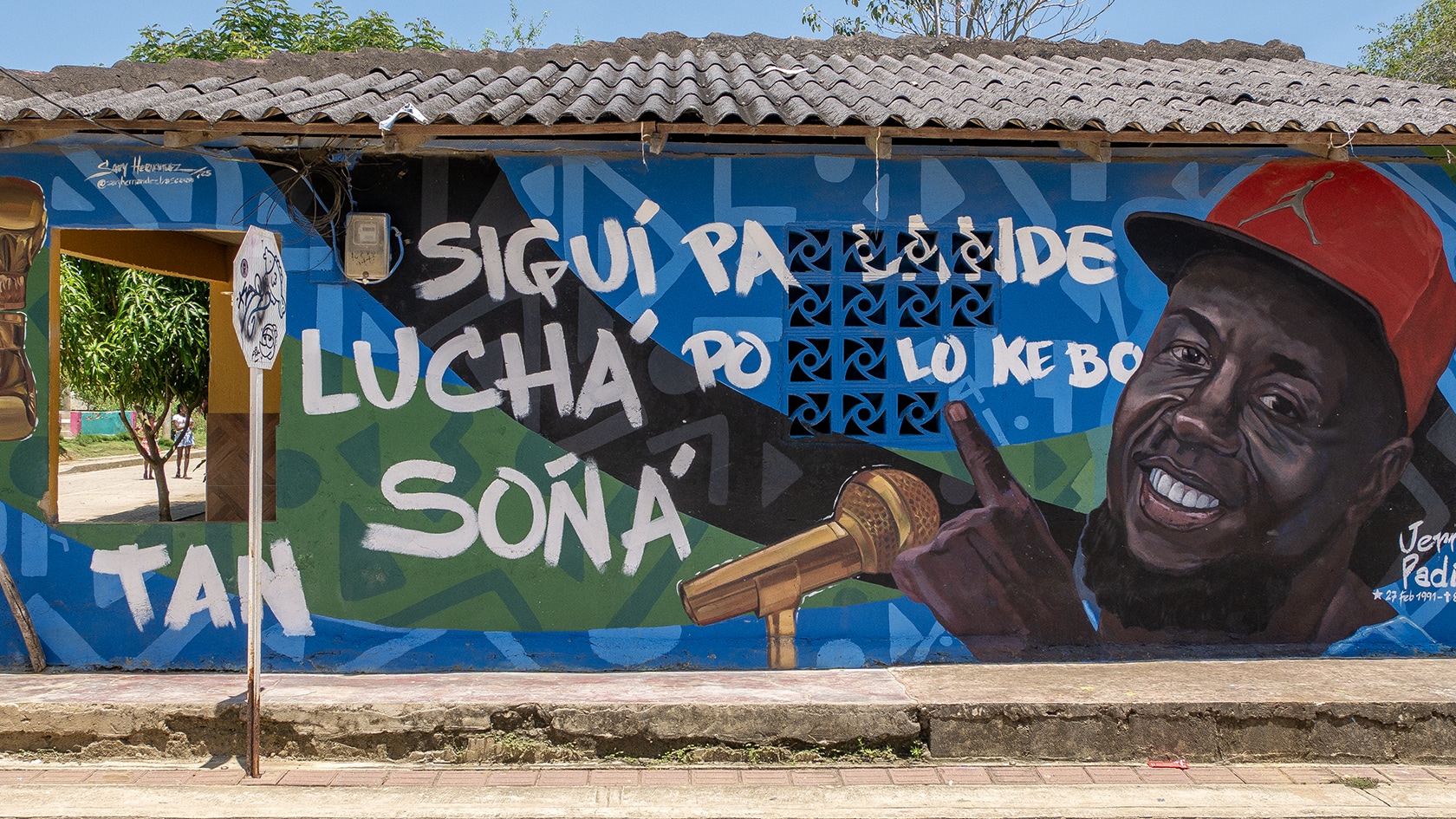
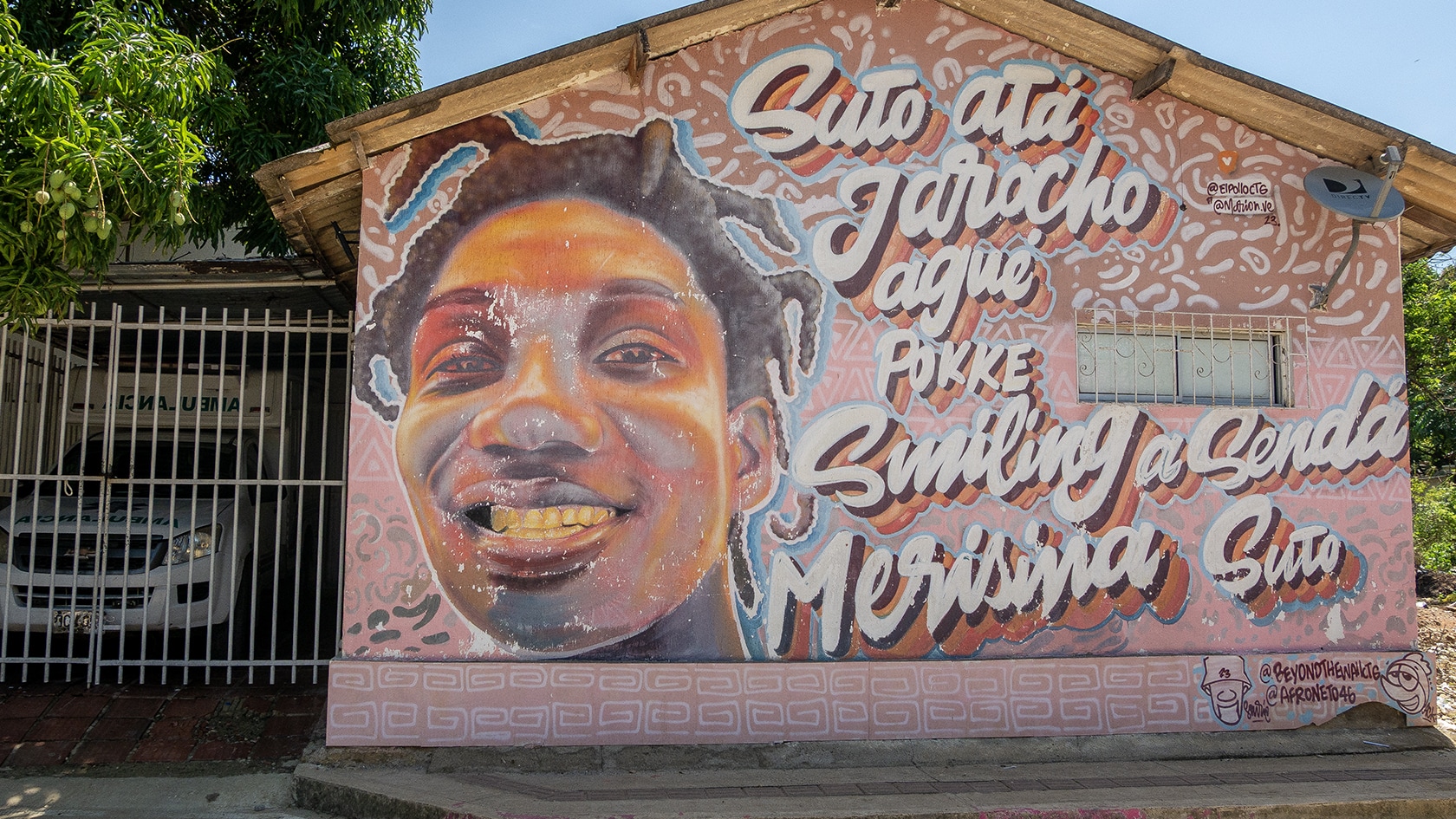
Street art has become one of the most interesting things to see while walking around San Basilio. It’s not just about painted facades meant to make the streets more photogenic. A study dedicated specifically to Palenquero urban art shows how graffiti and murals serve to express the community’s resistance, memory, and traditions.
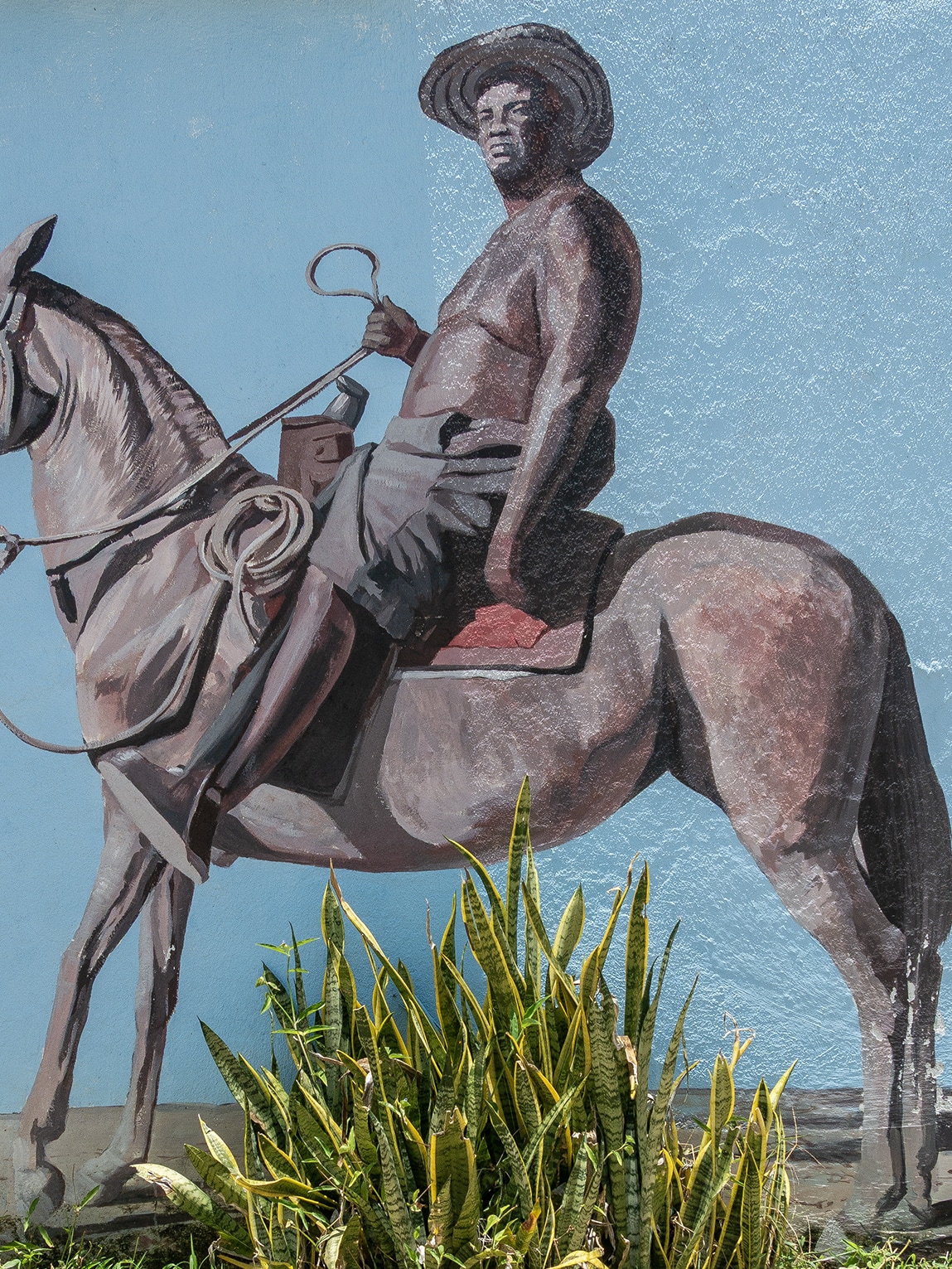
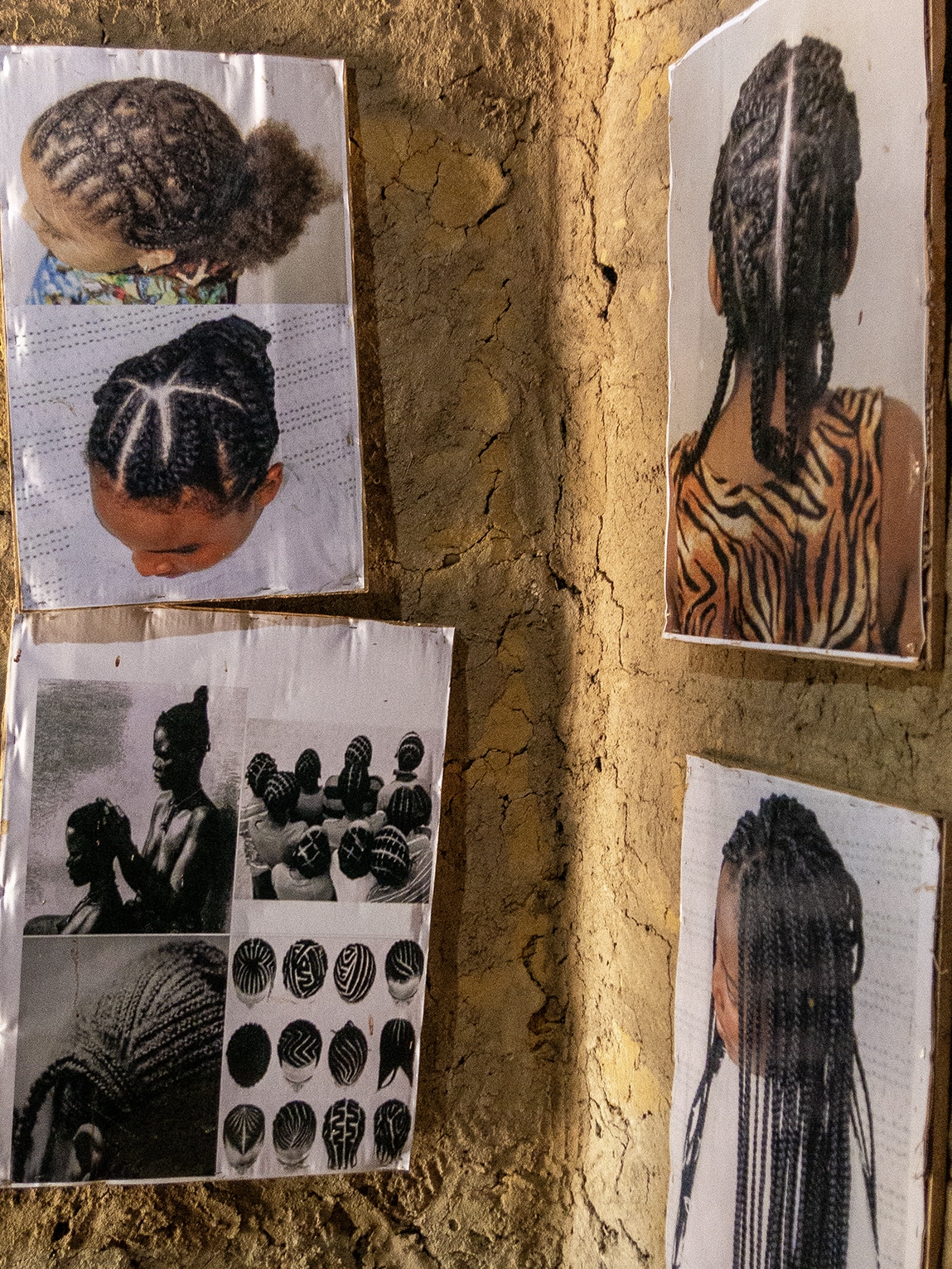
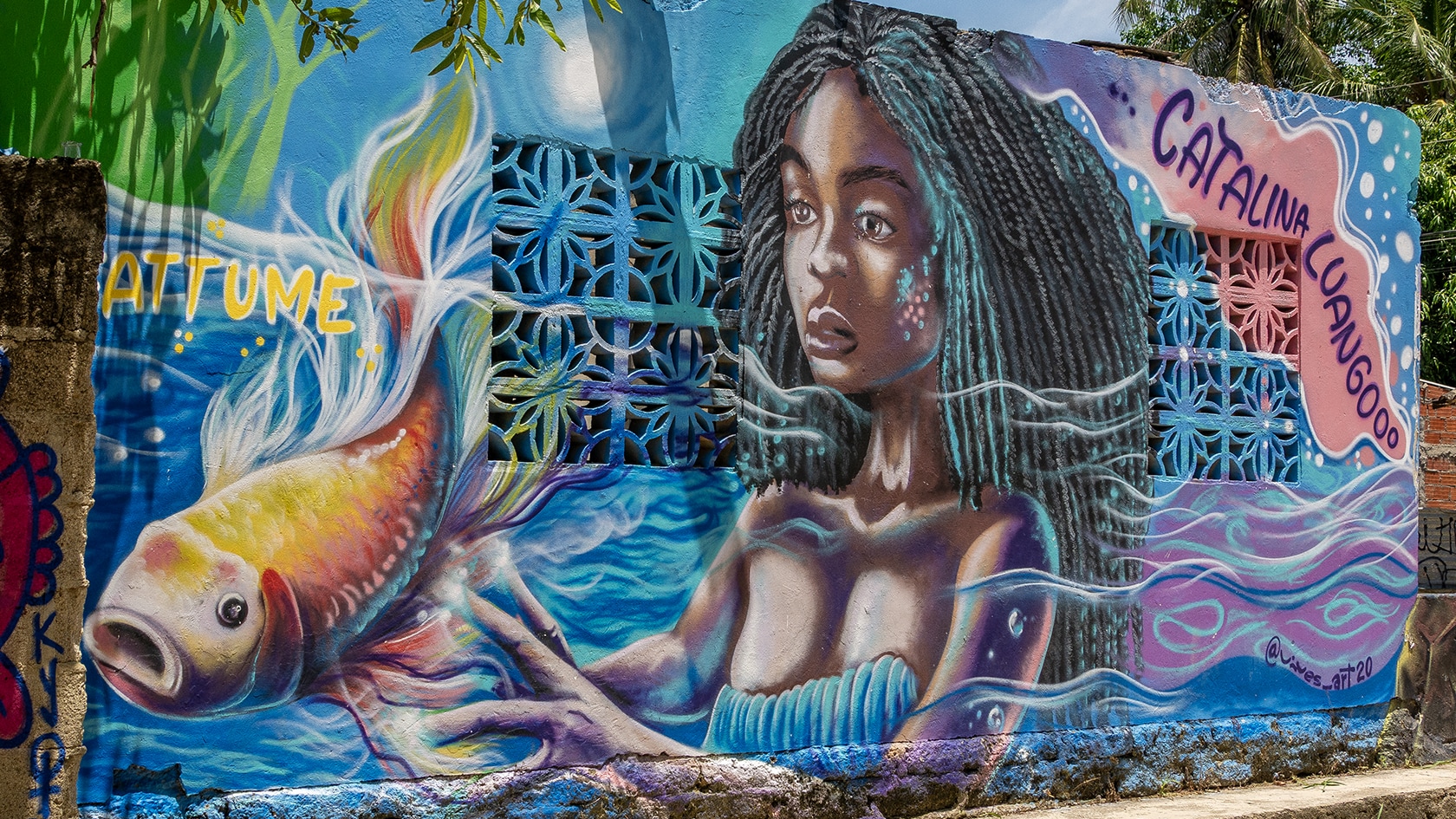
Near the cemetery, you’ll find, among other things, a depiction of the lumbalú. Around the Guardia Cimarrona area, another mural depicts Catalina Luango, a figure linked to local oral tradition. Elsewhere, you’ll see Benkos Biohó, the Palenqueras, traditional hairstyles, musicians, and even boxing.
These paintings are almost like an open-air museum, but without a set route. They’re also one of the best reasons to step off the organized tour route for a moment and simply look around: some of them tell a story that your guide can help you decipher.
A village that reveals more through its stories than through its monuments
That’s probably the key to appreciating San Basilio de Palenque. The village is fairly unassuming in appearance, but it has a wealth of stories to tell.
You’ll pass through Benkos Biohó Square, catch a glimpse of the murals, likely discover the Palenquera language, listen to music, and perhaps come across sites associated with boxing history. Taken individually, none of these elements is a spectacular attraction. Put together, however, they paint a surprisingly rich portrait of the community.
That’s also why we find having a Palenquero guide particularly helpful. Taken out of context, a mural is just a beautiful painting, a drum is just an instrument, and a boxing ring might seem trivial. But as soon as someone explains the story behind them, the village takes on a whole new dimension.
Nevertheless, we found the tourist experience to be a bit too scripted at times. The meetings, demonstrations, and stops can follow one another along a very structured itinerary, even though the place actually makes you want to walk slowly, look at the paintings, chat, and stray a bit from the planned itinerary.
Perhaps that’s what best sums up Palenque: rather than looking for a list of things to see, you should seek out the stories hidden behind whatever you come across. Whether it’s Benkos Biohó, a phrase in Palenquero, a drumbeat, Kid Pambelé’s face painted on a wall, or a mural depicting an ancient ritual, the village gradually reveals what truly sets it apart.

What to See and Do in San Basilio de Palenque?
San Basilio de Palenque isn’t like a typical city where you go from one monument to the next. Here, the places to see take on their true meaning through the stories they tell and the people who bring them to life. A statue commemorates Benkos Biohó’s struggle, a mural evokes Palenque’s collective memory, while a workshop on music or traditional medicine offers another window into the local culture.
We therefore recommend that you not approach your visit as a simple checklist of points of interest. The village is relatively compact, and many of the stops are easily reached on foot, but the real appeal lies in the explanations, the encounters, and the details you might miss on your own. In this section, we’ve compiled the main places and activities to explore to help you understand what’s truly worth your attention while you’re there—and what allows you to grasp the unique identity of San Basilio de Palenque.
Main Plaza and the Benkos Biohó Monument
The main square is the natural starting point. In the center, the statue of Benkos Biohó, with his arm raised and broken chains, commemorates the resistance of the cimarrones. All around, shops, locals, guides, and visitors set the tone of a village that is still full of life.
Church of San Basilio
Located across from the square, the Church of San Basilio remains an active place of worship rather than a tourist attraction. Its appeal lies in its role in community life and local history. Access to the interior depends on the schedule of services and whether the church is open during your visit.
Palenque Museum: Casa Simankongo
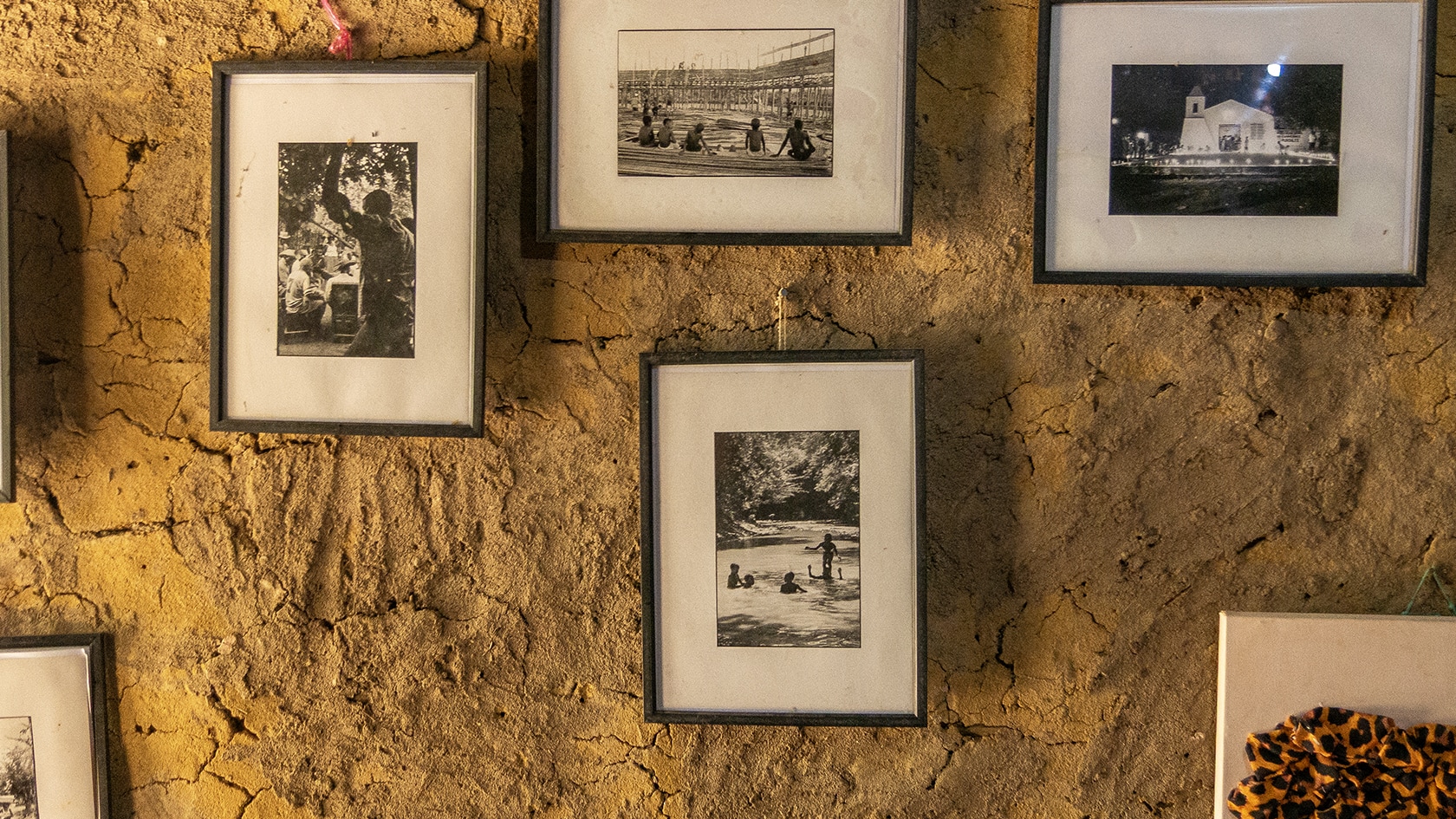
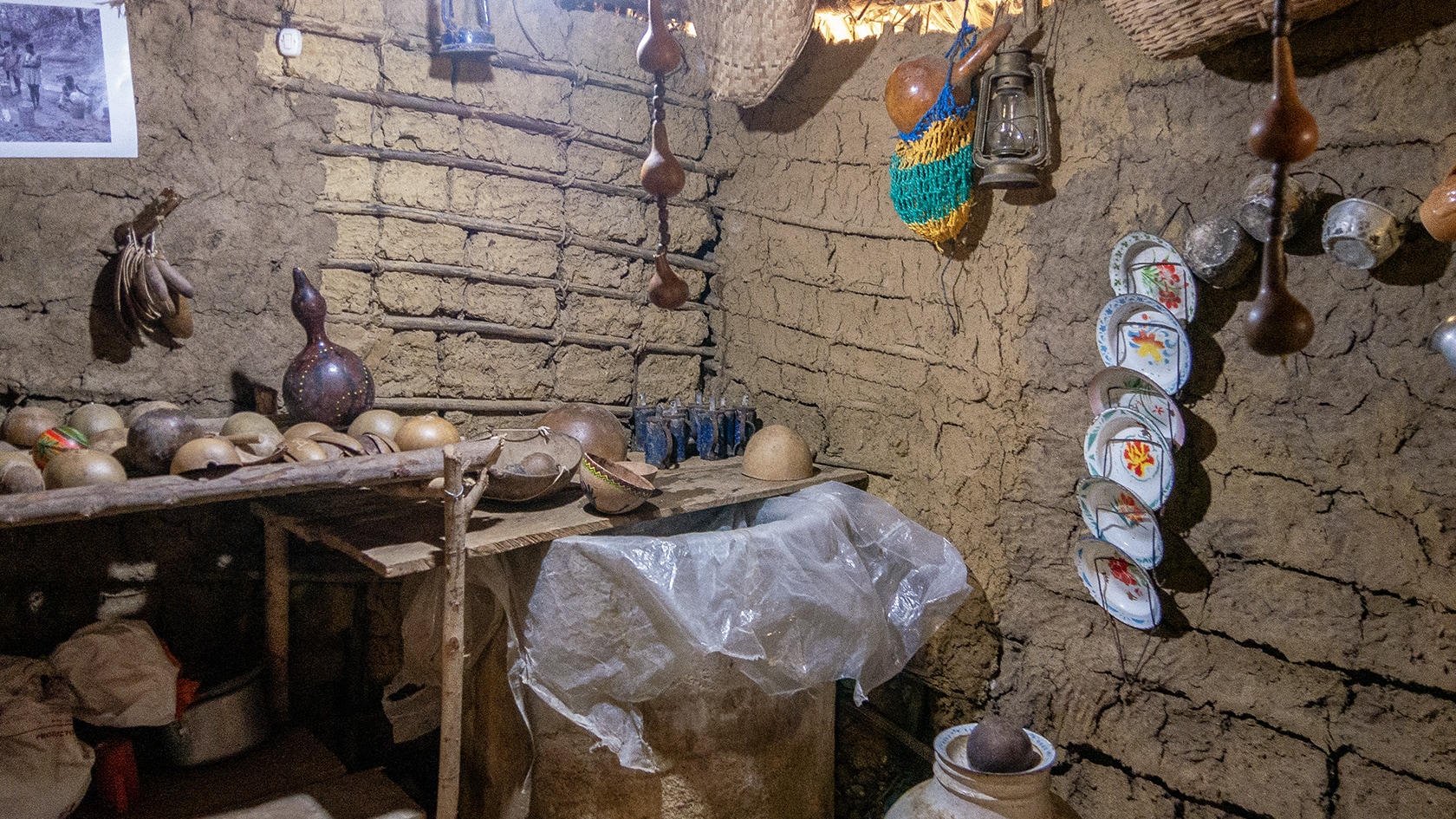
Casa Simankongo is a small community museum dedicated to preserving the heritage of Palenque. Visitors can explore artifacts, stories, and everyday items that provide context for the traditions seen in the village. It serves as a useful complement to a guided tour, rather than a traditional museum.
Explore the murals and street art
The murals are one of the best ways to explore Palenque. They depict Benkos Biohó, the language, traditional hairstyles, the lumbalú, Catalina Luango, and the Palenqueras. With a guide, this street art becomes almost an illustrated chronology of local history and traditions.
Casa del Saber Palenquero
The Casa del Saber Palenquero Rafael Cassiani Cassiani is a community space recognized by the IGAC that is dedicated to the transmission of local knowledge. Depending on the visit, it may host presentations, discussions, or demonstrations related to music, traditions, and Palenquera identity.
Meet Kombilesa Mí
A performance by Kombilesa Mí offers a glimpse into a very contemporary side of Palenque. This collective blends rap, the Palenque language, and traditional rhythms such as bullerengue and son palenquero. Some tours include a meet-and-greet or a musical performance, depending on the availability of the group’s members.
Discover the Palenquera language
An introduction to Palenquero is well worth a few minutes of your time. Several guides use the mural “Lengua ri Palenge ta bibi ki musica” to explain this Creole language, its Spanish vocabulary, its Bantu structures, and current efforts to preserve it.
Patio Sikito and Traditional Medicine
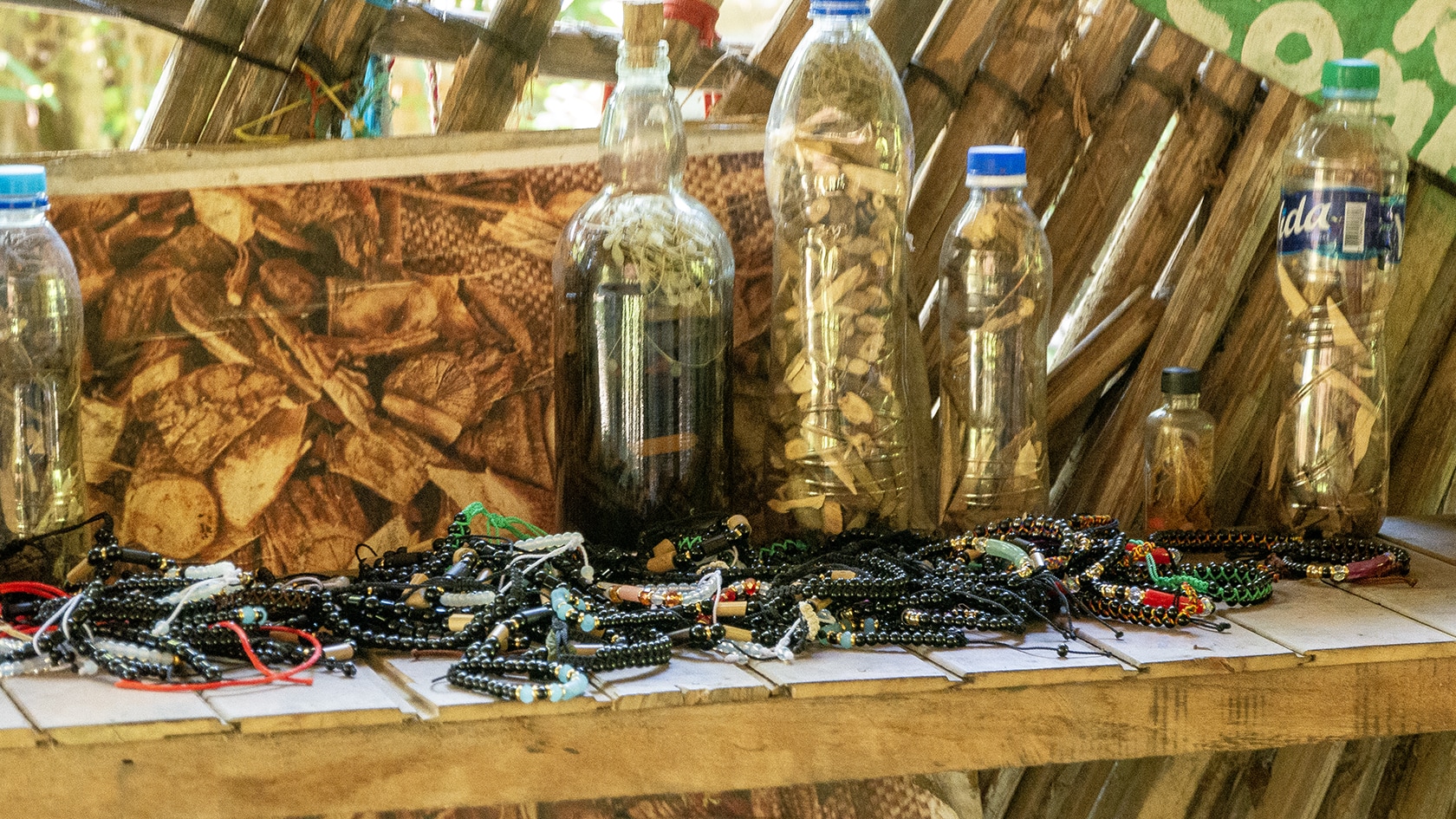
At Patio Sikito, certain tours introduce visitors to traditional Palenquera medicine through plants and knowledge passed down orally. The focus is not on seeking treatment, but on understanding how this medicinal knowledge is part of the village’s cultural heritage and family history.
Antonio Cervantes “Kid Pambelé” Boxing Arena
The Antonio Cervantes “Kid Pambelé” Boxing Coliseum is a reminder of another source of local pride: boxing. Palenque has produced several top-level champions for Colombia. Tours focus primarily on the story of Kid Pambelé, the first Colombian to become a world boxing champion in 1972.
Attend a music and dance demonstration
Drumming and dance performances are common on tours, but they’re much more meaningful when accompanied by explanations. You’ll discover various Palenque rhythms, their instruments, and their social significance. Some programs also offer a short introductory session led by local musicians.
Take part in a Palenquera cooking workshop
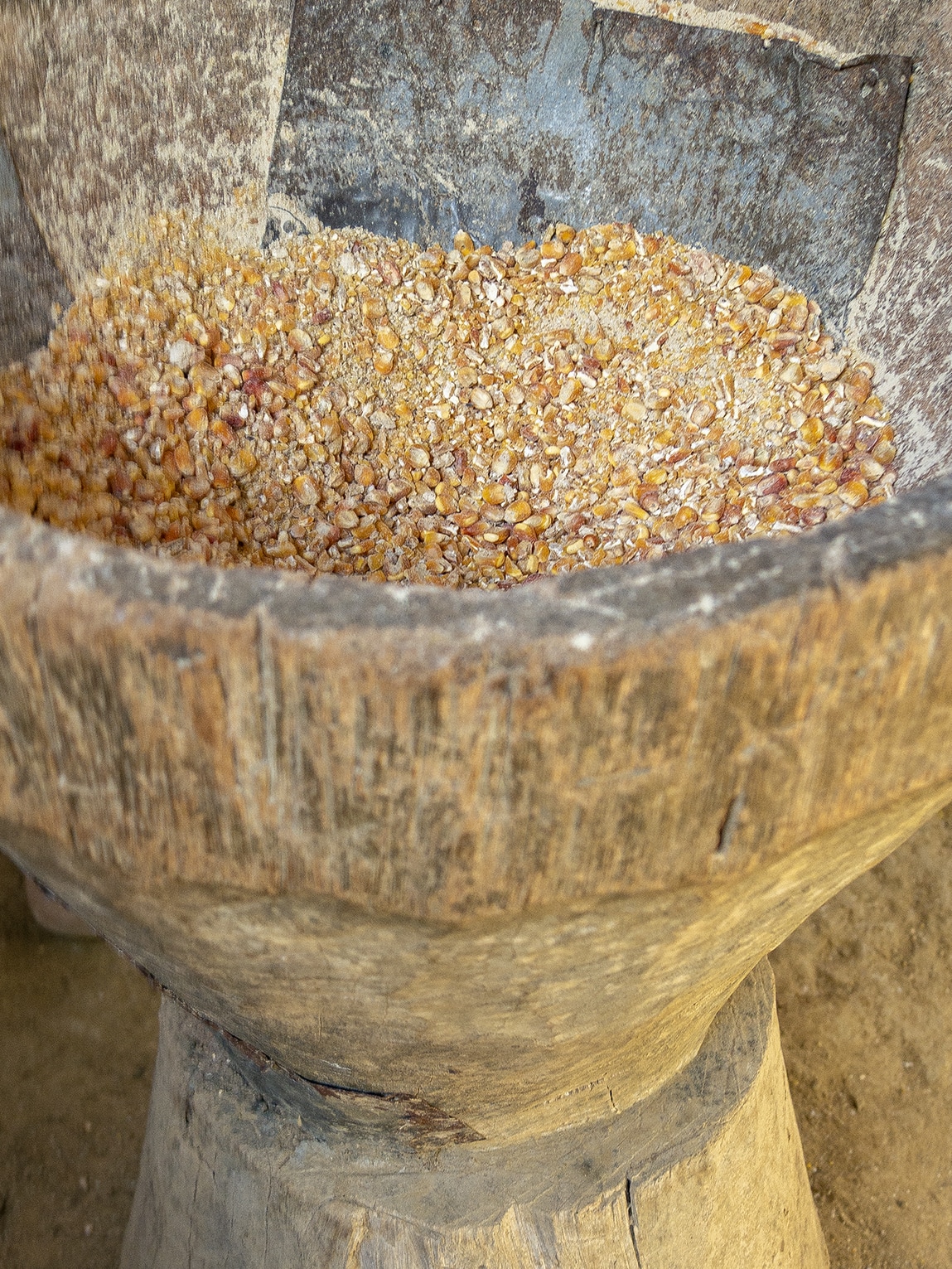
A cooking workshop offers a different way to experience Palenque beyond its monuments. Some families welcome visitors to prepare a local recipe and explain the ingredients, techniques, and how the tradition has been passed down through the family. These experiences generally need to be arranged in advance.
Taste Palenque’s Sweets
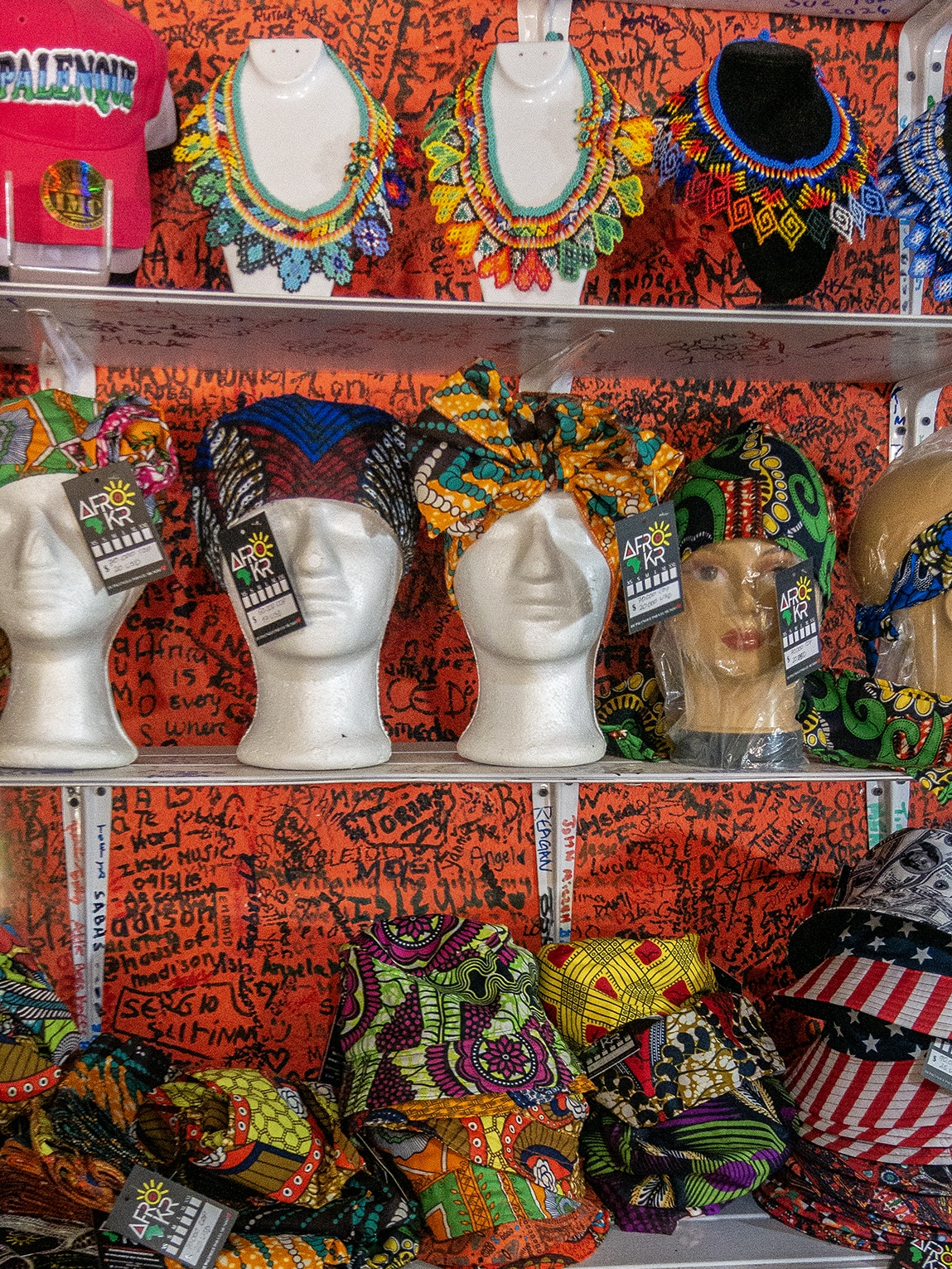
Tasting Palenque’s traditional sweets is a simple activity, yet one deeply rooted in the village’s economic history. Cocadas, alegrías, caballitos, and other treats are traditionally sold by the women of Palenque. Buying directly from them also helps support a family-run business that remains very much alive today.
Discover Palenque Braids and Hairstyles
Hairstyles and braids are among Palenque’s most visible cultural expressions. Workshops offer the chance to observe hairdressers at work and to understand the social and historical significance of these styles. Some tours also explain their connection to the legacy of resistance.
Kasariambe Cemetery and the Lumbalú Mural
The Kasariambe Cemetery is not a tourist attraction in the traditional sense, but it helps visitors understand the Palenquera people’s relationship with death. Nearby, a mural dedicated to the lumbalú offers insight into this funeral ritual without interfering with an actual ceremony, which remains a private affair.
Casa de Justicia Ancestral and Guardia Cimarrona
The Casa de Justicia Ancestral and the Guardia Cimarrona provide insight into Palenque’s current community organization. These are not permanently open museums, but some guides explain their roles in mediation, security, and governance. Access depends on current activities.

Travel Agencies and Guides?
In our opinion, a guided tour is still the best way to explore San Basilio de Palenque. The village is relatively isolated, and transportation links to Cartagena are still inconvenient for independent travelers, especially if you want to make the most of your time. But the main value of a guide lies elsewhere: in Palenque, many things aren’t immediately obvious. Without explanations about the history, language, traditions, murals, or places connected to music and boxing, much of the village’s richness might simply pass you by.
Recommended Service Providers
Fancy Tours
Based in Cartagena, Fancy Tours organizes a very convenient tour that includes transportation, a local guide, a museum visit, a dance performance, and a traditional lunch in Palenque.
https://fancytourscartagena.com/ – info@fancytourscartagena.com – +57 305 2569176
Paletur
PaleTur, a 100% Palenque-based agency, offers private or shared tours led by locals, featuring transportation, history, cultural encounters, and immersion in local traditions. The agency currently has a rating of 4.9/5 based on more than 180 TripAdvisor reviews.
https://paletur.com/en/ – info@paletur.com – +57 316 2421831
Alternative Travel Cartagena
Alternative Travel Cartagena specializes in private, customizable tours featuring a driver, a bilingual guide, and a Palenquero guide, along with a local lunch and several optional cultural workshops on-site.
alternativetravelcartagena.com – info@alternativetravelcartagena.com – +57 320 3757261
Our experience with Fancy Tours (itinerary for the day)
Schedule: Departure around 8:30 a.m. and return around 3:30 p.m.
Price: 780,000 COP for 2 people (including transportation, a guide, and lunch).
Our guide: Royman, proud of his roots and a really nice guy.
We chose Fancy Tours to explore San Basilio de Palenque from Cartagena. We opted for their shared tour, which is less expensive than a private tour, but it’s also possible to book the vehicle and tour exclusively for your group by paying a little extra. In our case, there were only six of us, which kept the atmosphere quite friendly without feeling like we were traveling with a large tour group.
Transportation is arranged directly from Cartagena. Rather than stopping at each individual lodging location, the vehicle makes several stops at meeting points located near the participants’ hotels. So allow a little time to pick everyone up before actually heading to Palenque. It took us about 1 hour and 30 minutes to reach the village.
When we arrived, our local guide was waiting for us right there. That’s when our exploration of Palenque really began—mostly on foot. A nice little touch in this heat: a bottle of water and an umbrella to protect us from the sun were provided. The umbrella might seem like a minor detail before we started, but under the Caribbean sun and with little shade on some streets, we quickly realized how useful it was.
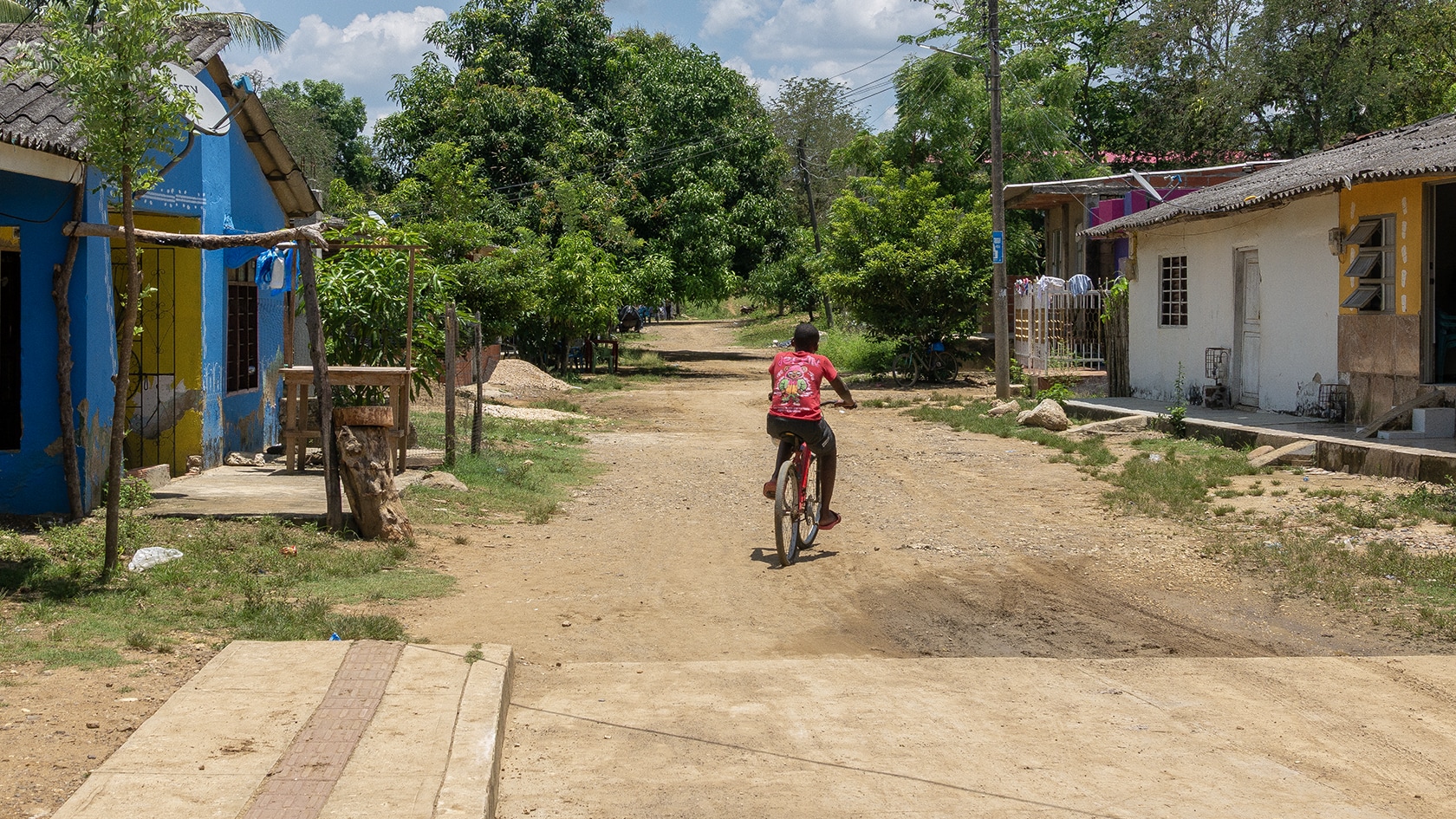
The tour begins by covering the history of Palenque, the resistance of the cimarrones, and the significance of Benkos Biohó. But the guide’s real value lies in helping visitors make sense of what they encounter. At first glance, the village seems fairly simple: low-rise houses, quiet streets, a few plazas, and numerous murals. Through the guide’s explanations, you gradually come to understand what lies behind a mural, a few words of Palenquero, a tradition, boxing, or even certain forms of community organization.
The tour also offers a chance to explore various facets of the local culture through music, dance, traditions, and encounters with local residents. That’s one of the great advantages of this package: in just a few hours, we were able to experience many aspects of Palenque without having to organize each stop ourselves.
However, it’s important to keep in mind another aspect of the visit: tourism is also a major source of income for many residents. At several stops along the way, we were invited to buy a product, leave a tip, or make a donation after a demonstration or an encounter. Nothing is actually required, but these requests come up regularly throughout the tour. We fully understand the economic rationale behind this, especially in a village where many tourism-related activities rely directly on the local community. It’s simply best to know this before you come and bring some cash if you’d like to buy something or make a contribution.
That, in our view, is also where the tour’s main limitation lies. Everything is extremely well organized. The locations and encounters flow together efficiently—sometimes almost too efficiently. We move from an explanation to a demonstration, then to another encounter, before heading elsewhere. Even with just six people and relatively few tourists in the village, we sometimes felt as though the itinerary was very tightly scheduled. We would have liked to have had more time to wander around, extend certain conversations, or simply stop when something caught our attention.
The tour also includes a traditional lunch, with several options to choose from based on your preferences: meat, fish, or a vegetarian option, accompanied by local specialties. This is a nice touch, as the meal is truly part of the day rather than just a quick stop before heading out again.
In the end, we found Fancy Tours to be particularly convenient for our first visit to San Basilio de Palenque. Transportation from Cartagena is fully arranged, the shared group can remain very small—as was the case for us—and, most importantly, having a local Palenque guide helps you understand a place whose richness isn’t necessarily immediately apparent.
We do, however, have one small frustration: Palenque makes you want to take your time, whereas the organized tour naturally pushes you to keep moving. For a first visit, we think this is a very good compromise. But if you’d rather go at your own pace, ask lots of questions, and be able to adjust the itinerary along the way, the private tour—though more expensive—is definitely worth the extra cost.

How do you get to San Basilio de Palenque?
Getting to Cartagena from major cities is fairly easy, as it is one of the main destinations on the Caribbean coast and is well-connected to that region. However, direct bus service is less frequent from smaller towns and remote villages such as Salento, Jardín, Villa de Leyva, Barichara, etc.
The nearest airport is Rafael Núñez International Airport, located north of the city. It is about a 20-minute taxi ride from the historic center and is served by several airlines, including Avianca, Latam, Wingo, Clicair, and Copa Airlines, offering direct flights or flights with a layover in Bogotá for domestic flights.
Getting to San Basilio de Palenque from Cartagena de Indias by bus
From the Cartagena Bus Terminal, take a bus heading toward San Juan Nepomuceno or Mahates and tell the driver you want to get off at “la entrada de Palenque.” The buses take the main road that runs near the village, so there’s no need to go all the way to the terminal.
Once you’ve gotten off at the intersection, San Basilio de Palenque is still about 3 kilometers from the main road. Mototaxis usually cover this last part of the trip to the village center.
Transportation budget: approximately 30,000 to 40,000 COP per person for a round trip, depending on the bus used and whether you need to take a motorcycle taxi to reach the center of Palenque.
And from Cartagena’s historic center, plan on 2 to 3 hours door-to-door when you factor in the trip to the terminal, the wait for the bus, the intercity ride, and then the motorcycle taxi. That’s precisely why, for a day trip, we find the tour with transportation included to be much more convenient.

Where should you stay when visiting San Basilio de Palenque?
To explore San Basilio de Palenque, we strongly recommend staying in Cartagena de Indias. Accommodation options in the village remain very limited and generally quite basic, with few choices that would suit you if you’re looking for even a modicum of comfort, charm, or luxury. In contrast, Cartagena offers a vast selection of hotels, boutique hotels, and high-quality accommodations, while remaining close enough to easily organize a day trip. It’s also a much more convenient base for exploring the region: beaches, the Rosario Islands, La Boquilla, Tierra Bomba, and other excursions along the Caribbean coast are all easily accessible from the city. Unless you’re specifically seeking a very rustic and immersive experience, staying in San Basilio offers few practical advantages.
Historic Center (El Centro): For a complete immersion in the colonial atmosphere, stay at one of the hotels in the Historic Center, where most of the tourist attractions are concentrated. The cobblestone streets and colorful buildings in this area will transport you back in time while offering easy access to the main tourist sites. There is a wide range of lodging options. Hotels are often located in buildings with a colonial-era atmosphere.
Getsemaní: This neighborhood is perfect for travelers looking for a more bohemian vibe. It’s full of hostels, charming little hotels, and plenty of lively restaurants and bars. Located right next to the historic center, it’s in a great spot, and prices are a little lower.
Bocagrande: If you prefer a more modern setting and ocean views, Bocagrande offers large hotels and luxury residences with all the amenities you need for a comfortable stay. It’s sort of the “Colombian Miami” with modern hotels. Be aware that prices are quite high, and it takes about a 30-minute walk from downtown Bocagrande to reach the historic center.
El Centro Neighborhood (historic center)

$ – Budget-friendly
Hostel
Hostal Casa Torres
(El Centro)
The hostel is ideally located in the center but on a fairly quiet (by Colombian standards) and safe street. It’s clean, and the staff is friendly. The breakfast is excellent.

$ – Budget-friendly
Hostel
The Clock Hostel & Suites
(El Centro)
Ideally located in the heart of the old town, just a stone’s throw from Getsemaní for partygoers. The dorms are excellent, with private cubicles that are a real plus.

$$ – Average budget
Hostel
El Barrio Hostal
(El Centro)
Good value for money at this place, which is a mix of hotel and hostel. Cooking facilities are available, and there’s a nice little terrace. Small, simple, well-decorated rooms.

$$ – Average budget
Hotel
Casa BuGo
(El Centro)
The charm of this historic house is undeniable. The pool is very pleasant on hot days. The staff is helpful. Located right in the heart of Cartagena, the hostel is both convenient and very quiet. The rooms are spacious, the beds are comfortable, and the air conditioning works well. The breakfast is excellent.

$$$ – High budget
Hotel
Hotel Casa San Agustin
(El Centro)
A charming historic property with several courtyards. Breakfast offers a good à la carte selection, accompanied by a complimentary mimosa—perfect for starting the day off right. The front desk staff, especially Paola and Esteban, are wonderful. The spa is excellent, and although small, the pool is a pleasant refuge from the sweltering heat.

$$$ – High budget
Hotel
Casa Pestagua Relais Châteaux
(El Centro)
This upscale hotel is one of the best in Cartagena. The service is impeccable, the breakfast is varied and generous, and some staff members speak French. Since its renovation, it has fully earned its stars for its location, service, the quality of its amenities, and the decor of each room.
Getsemani Neighborhood

$ – Budget-friendly
Hostel
Casa Del Pozo Boutique Hostel
(Getsemani)
Ideally located, super clean with regular housekeeping. Good breakfast selection. Very helpful staff. Unbeatable value for money. Very quiet despite its location right in the heart of Getsemaní. Refreshing pool and comfortable bed.

$ – Budget-friendly
Hostel
Casa Zahri Boutique Hostel
(Getsemani)
The staff and service are impeccable, the common areas are very pleasant, and the hostel is ideally located near all the amenities of this vibrant neighborhood, without being too disturbed by noise. Beds in dorms come with curtains for added privacy.

$$ – Average budget
Hotel
Casa Moraira
(Getsemani)
The perfect location, about a 10-minute walk from the historic center. The place is clean and peaceful. The staff, especially Paula, is exceptionally helpful from start to finish. The fan and air conditioning in the room are a nice touch, and the breakfast is fresh and delicious!

$$ – Average budget
Hotel
Hotel La Magdalena
(Getsemani)
The central location in the Getsemaní neighborhood and the warm welcome. The hotel is clean, and the rooms are nicely decorated, though sometimes a bit dark. Soundproofing could be better. The beds are very comfortable.

$$$ – High budget
Hotel
Hotel Casa Canabal
(Getsemani)
The staff is welcoming and the hotel is beautiful; the breakfast is good, and the location is perfect for visiting the Old City and the castle, as well as getting to the port to take a boat to the islands. The rooftop, with its small pool, is perfect for cooling off.

$$$ – High budget
Hotel
Lunalá Boutique Hotel
(Getsemani)
Located near the historic center, this cozy hotel features air conditioning, an excellent breakfast, comfortable bedding, a coffee maker, and an in-room refrigerator. The staff is very friendly. A peaceful retreat after a day in the humid heat.
Bocagrande Neighborhood

$ – Budget-friendly
Hotel
Hotel Beijing
(Bocagrande)
The location is ideal, as the hotel is close to everything: the beach, restaurants, supermarkets, cafes, and more. The air conditioning is excellent, the Wi-Fi is reliable, and the hotel is generally clean. Very good value for the money in the Bocagrande area.

$ – Budget-friendly
Hotel
Hotel CastilloMar
(Bocagrande)
A decent hotel for the price and in a good location. It’s clean, comfortable, has adjustable air conditioning, and is just a stone’s throw from the beach. The rooms are simple and uncluttered, but you can’t have it all! Friendly staff and coffee available.

$$ – Average budget
Hotel
Oz Hotel Luxury
(Bocagrande)
The staff is extremely friendly, helpful, and courteous—especially with a welcome cocktail! The location in the neighborhood is great, and the rooms are comfortable. Good all-you-can-eat breakfast buffet.

$$ – Average budget
Hotel
GIO Hotel Tama Cartagena
(Bocagrande)
Ideally located near shops, restaurants, and beaches, this place is quiet. The breakfast buffet, while simple, is hearty. The staff is welcoming and helpful. There’s no pool, but there is a rooftop hot tub with a beautiful view of the surrounding buildings.

$$$ – High budget
Hotel
Hyatt Regency Cartagena
(Bocagrande)
The infinity pool offers a fantastic view of the sea, with easy access to lounge chairs and beach towels. Breakfast is decent. The room is superb, with a huge window overlooking the sea. The staff is very helpful and offers good advice.

$$$ – High budget
Hotel
Hotel Barlovento
(Bocagrande)
The room is well-appointed, the bathroom is functional, and the hotel is spotlessly clean. The staff is lovely and very attentive to guests’ comfort. The pool is very pleasant and a good size. Breakfast is hearty and excellent.


