
In a nutshell
Please note: There are no ATMs in Rincón del Mar.
The closest one is in San Onofre. We therefore recommend that you withdraw enough cash before you arrive, especially for restaurants, small purchases, and excursions.
Rincón del Mar isn’t the kind of place where people come to rush from one sight to the next. Here, the day often begins looking out at the sea, continues to the rhythm of the fishing boats, and ends with your feet in the sand as the sun sets over the Caribbean. But behind this apparent simplicity, the village hides several experiences that are truly worth the detour.
Located on the coast of the department of Sucre, Rincón del Mar is notably one of the best starting points on the mainland for visiting the San Bernardo Archipelago, with its clear waters, islands, and snorkeling spots. Just a few minutes from the village, the mangroves offer a completely different setting, particularly captivating at sunset and during nighttime excursions to see bioluminescent plankton. Yet the atmosphere here remains very different from that of Colombia’s better-known major beach destinations.
In this article, we’ll show you why Rincón del Mar is worth more than just a quick stop. We’ll share the best activities to do, the top excursions to take, and the beaches where you can enjoy some peace and quiet—as well as all the practical information you need to get there, choose the right length of stay, and easily plan your time there.
Rincón del Mar
- Department: Sucre (Caribbean)
- Municipality: San Onofre
- Population: approximately 6,000
- Location: coastal village on the Gulf of Morrosquillo
- Elevation: sea level
- Climate: tropical coastal, warm year-round
- Atmosphere: small fishing village, beaches, laid-back pace, and tourism that’s still on a human scale
- Must-sees: beaches, mangroves, snorkeling, bioluminescent plankton, and excursions to the San Bernardo Archipelago.
- Getting Around: Mainly on foot and by boat for excursions
- Recommended length of stay: 3 nights, or 4 to enjoy the village without rushing from one activity to the next
Our take: the simple charm of a village right on the water ★★
We really enjoyed Rincón del Mar for its relaxed atmosphere and slow pace, with that pleasant feeling of living almost constantly by the water. In our opinion, the choice of accommodations plays a big role in the experience: staying at a hotel or guesthouse right on the beach lets you fully enjoy the location, wake up to a view of the sea, go for a swim just a few meters away, and extend your evenings without having to go anywhere.
However, it’s important to know what to expect. Rincón del Mar remains a modest village, with infrastructure that can be limited at times and several public services that are inadequate or unreliable. It’s not a destination designed to be “Instagram-worthy,” with perfectly maintained streets, photogenic facades, or a carefully curated tourist experience. And that’s also what gives it an identity that’s very different from more cookie-cutter beach resorts.
On the other hand, the activities around the village are really interesting and quite varied. Between trips to the San Bernardo Islands, exploring the mangroves, snorkeling, and observing bioluminescent plankton, we found there was more than enough to keep us busy for a few days without ever feeling like we were repeating the same experience. We especially liked Rincón del Mar for its blend of simplicity, seaside charm, and nature-based activities.
When is the best time to visit Rincón del Mar?
Rincón del Mar can be visited year-round, but we would recommend February and March, excluding Holy Week.
Tourist Visits to Rincón del Mar
Rincón del Mar remains much less crowded than beach destinations like Tolú or Coveñas, but the atmosphere can change quickly depending on the time of year and, especially, the day of the week. The main peak periods are Holy Week, the June–July school break, the October school break, and the end-of-year holidays between December and January. Colombian long weekends also draw more visitors. Even outside of vacation periods, we recommend visiting on weekdays whenever possible. On weekends, more Colombians from the region come to spend a few days by the sea, and the village becomes noticeably livelier. This can also be noticeable in the evenings and at night, with music sometimes playing very loudly and parties lasting late into the night. So this isn’t necessarily the best situation if you’re looking for peace and quiet. On weekdays and outside of vacation periods, Rincón regains its relaxed atmosphere much more effectively.
Climate in Rincón del Mar
Rincón del Mar has a hot and humid tropical climate, with temperatures that vary little throughout the year. Daytime temperatures generally range from 30 to 34 °C, with the heat sometimes becoming oppressive in the mid-afternoon, especially when the wind dies down. The difference between the seasons is therefore mainly determined by rainfall. The period from roughly December to March is the driest, while rains become more frequent starting in April–May and continue through the fall. This doesn’t necessarily mean several gray days in a row: on the Caribbean coast, rain often comes in the form of intense but relatively short tropical showers, interspersed with sunny spells. Humidity remains high year-round, particularly near mangroves and after rain. Regardless of the season, we therefore recommend lightweight clothing, good sunscreen, plenty of water, and mosquito repellent for the evenings.
Major Festivals and Events in Rincón del Mar
The main event in Rincón del Mar is the Festival del Sol y del Mar, held during Holy Week. Established in the 1990s, it transforms the village’s usually quiet atmosphere for a few days with concerts, dancing, entertainment, local cuisine, and contests. Caribbean music naturally plays a major role, particularly bullerengue, champeta, salsa, and vallenato. If you’re looking for peace and quiet, this is clearly not the best time to visit: crowds swell significantly, and the evenings become much livelier. On the other hand, if you want to experience Rincón from a more festive and down-to-earth perspective, the event offers a chance to see another side of local life. The village may also occasionally host screenings or events related to the Festival Internacional de Cine del Golfo de Morrosquillo, which takes place in several towns and communities across the region, though the venues and dates vary from year to year.
History of Rincón del Mar
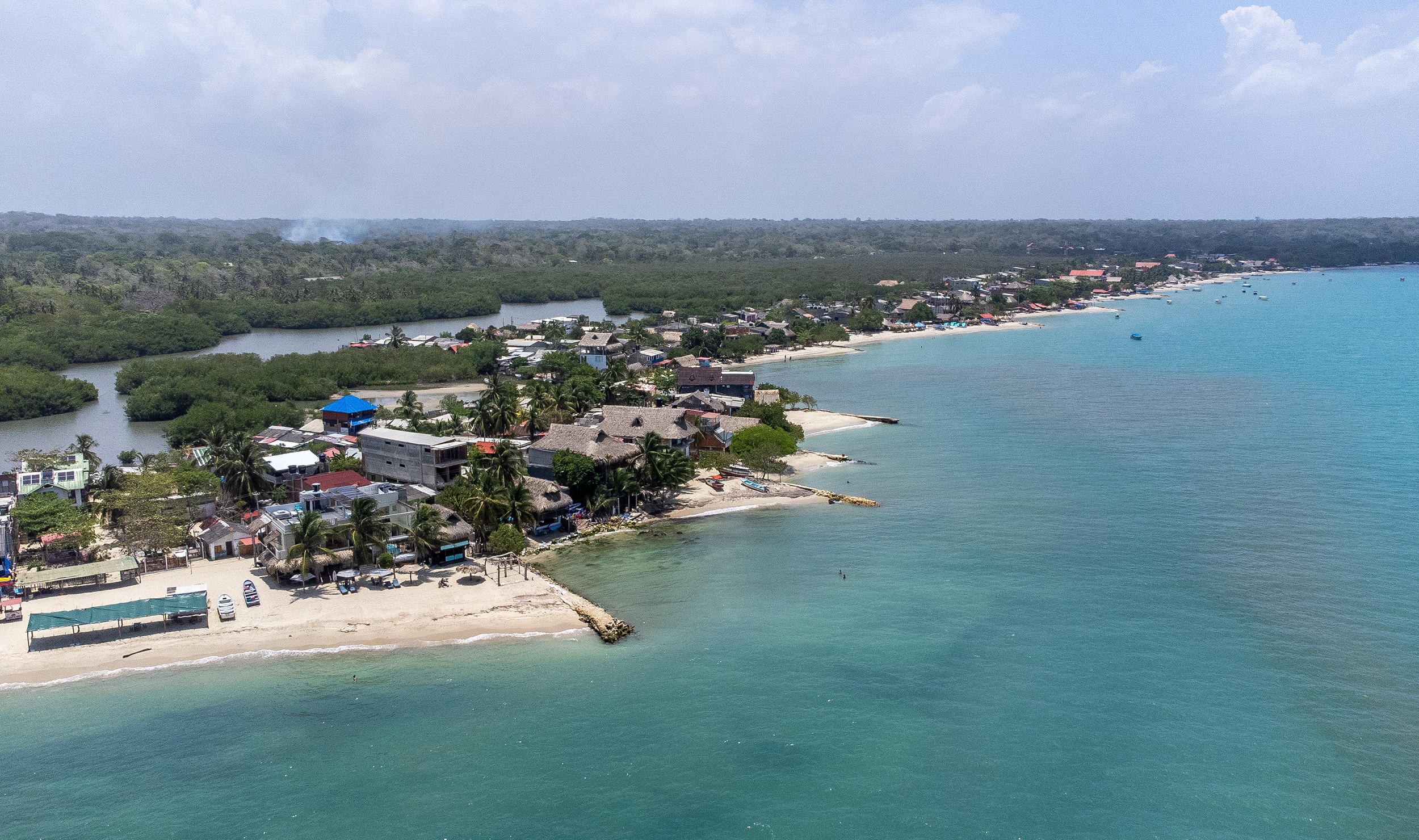
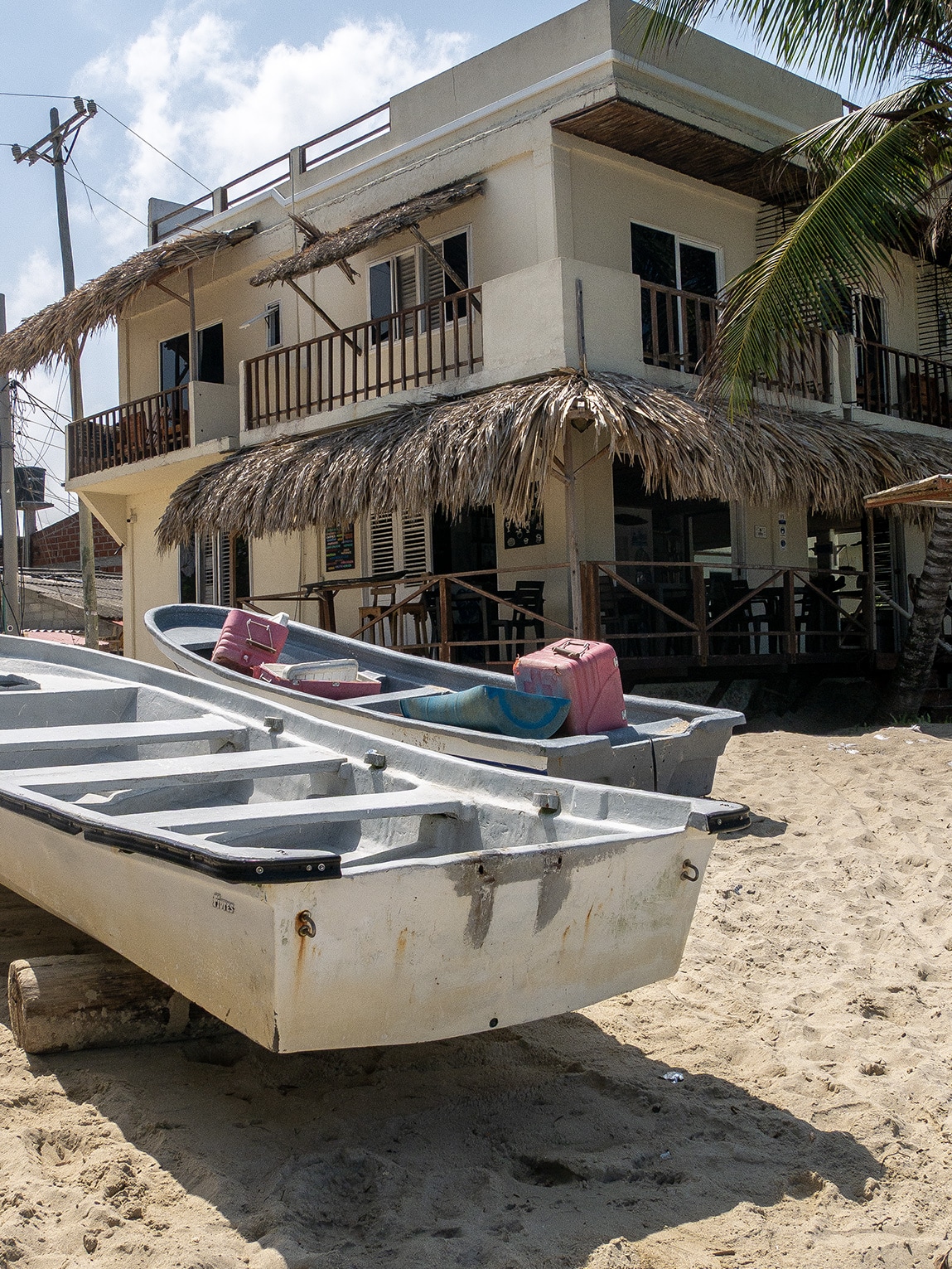
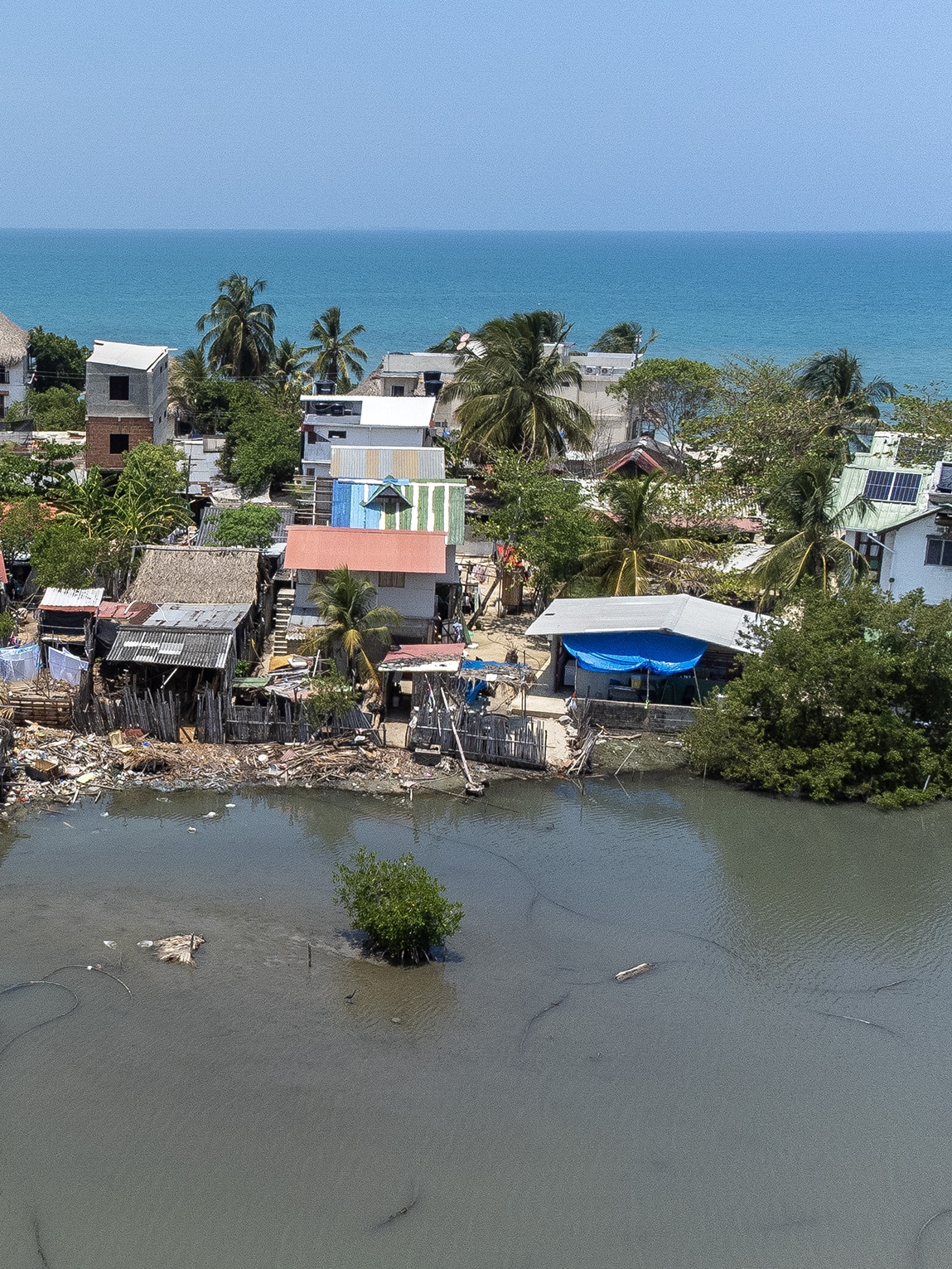
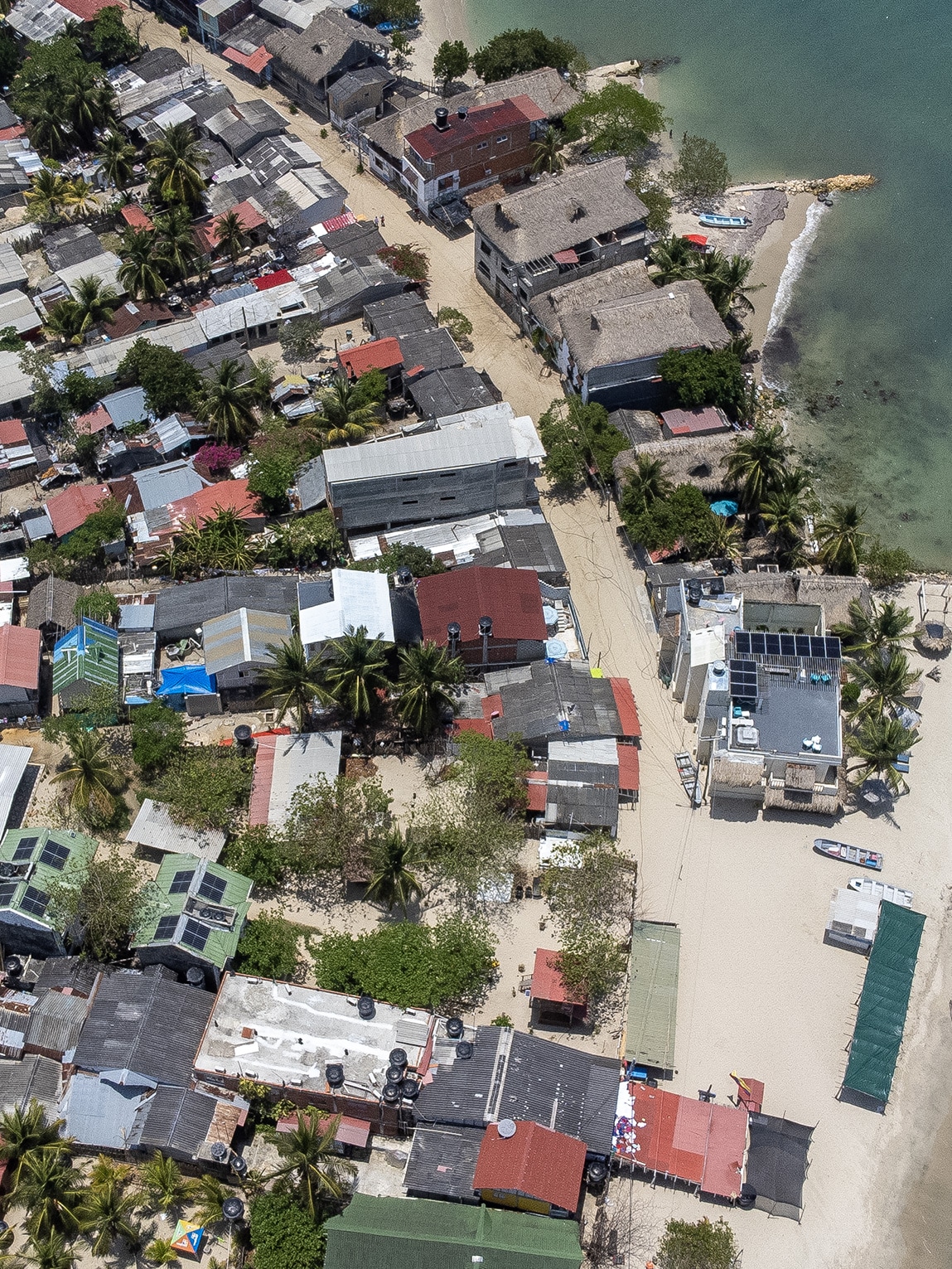
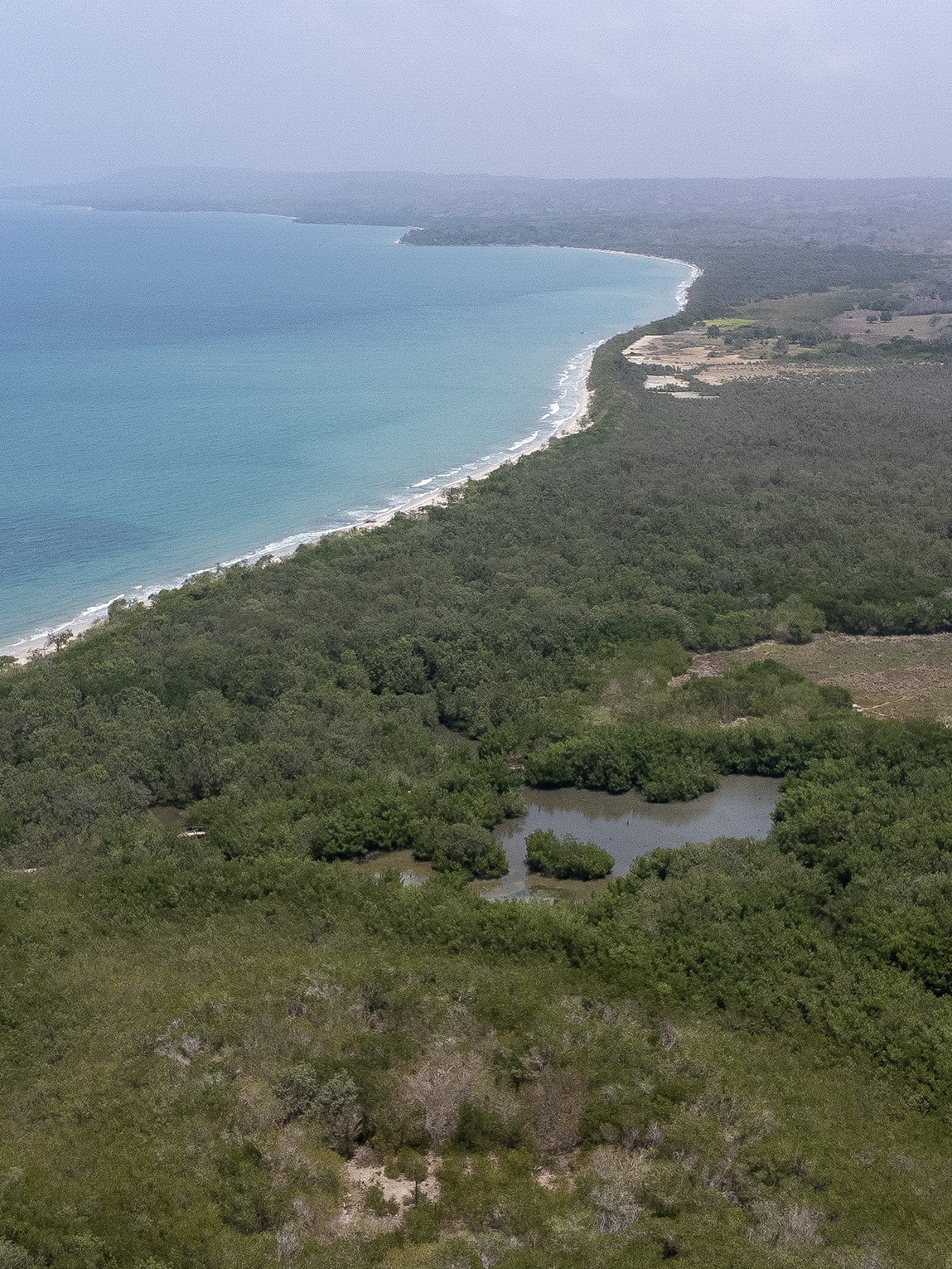
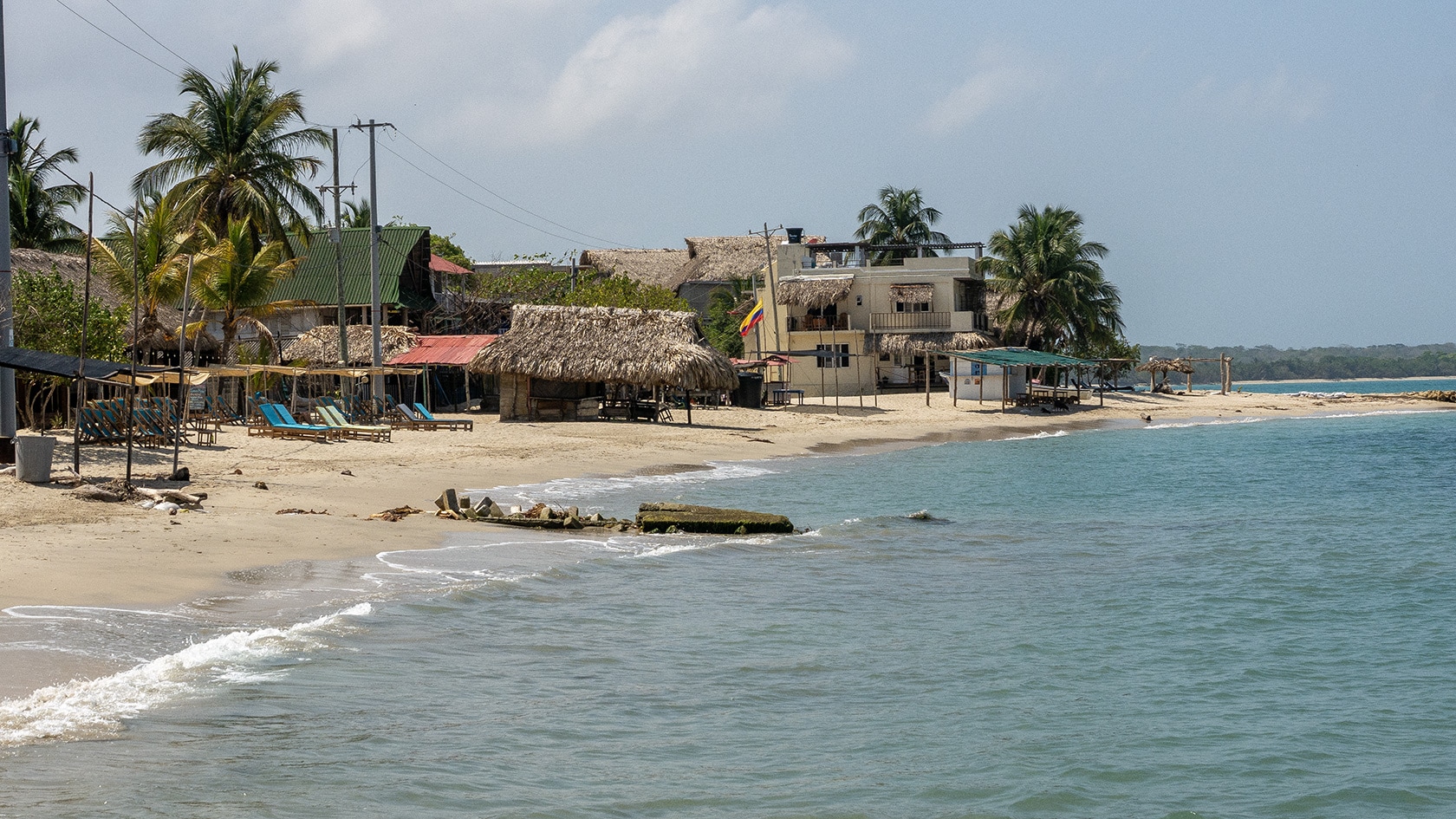
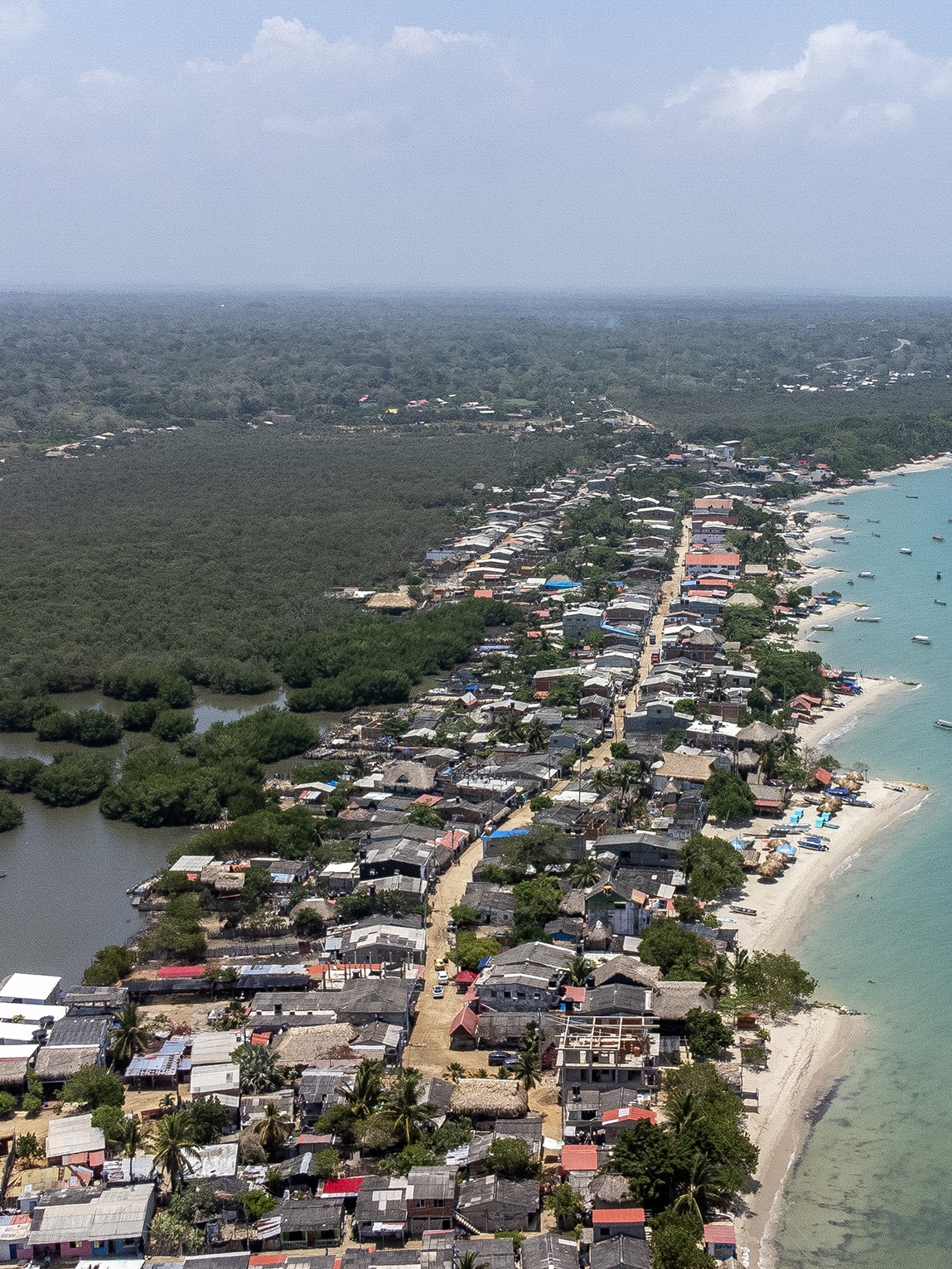
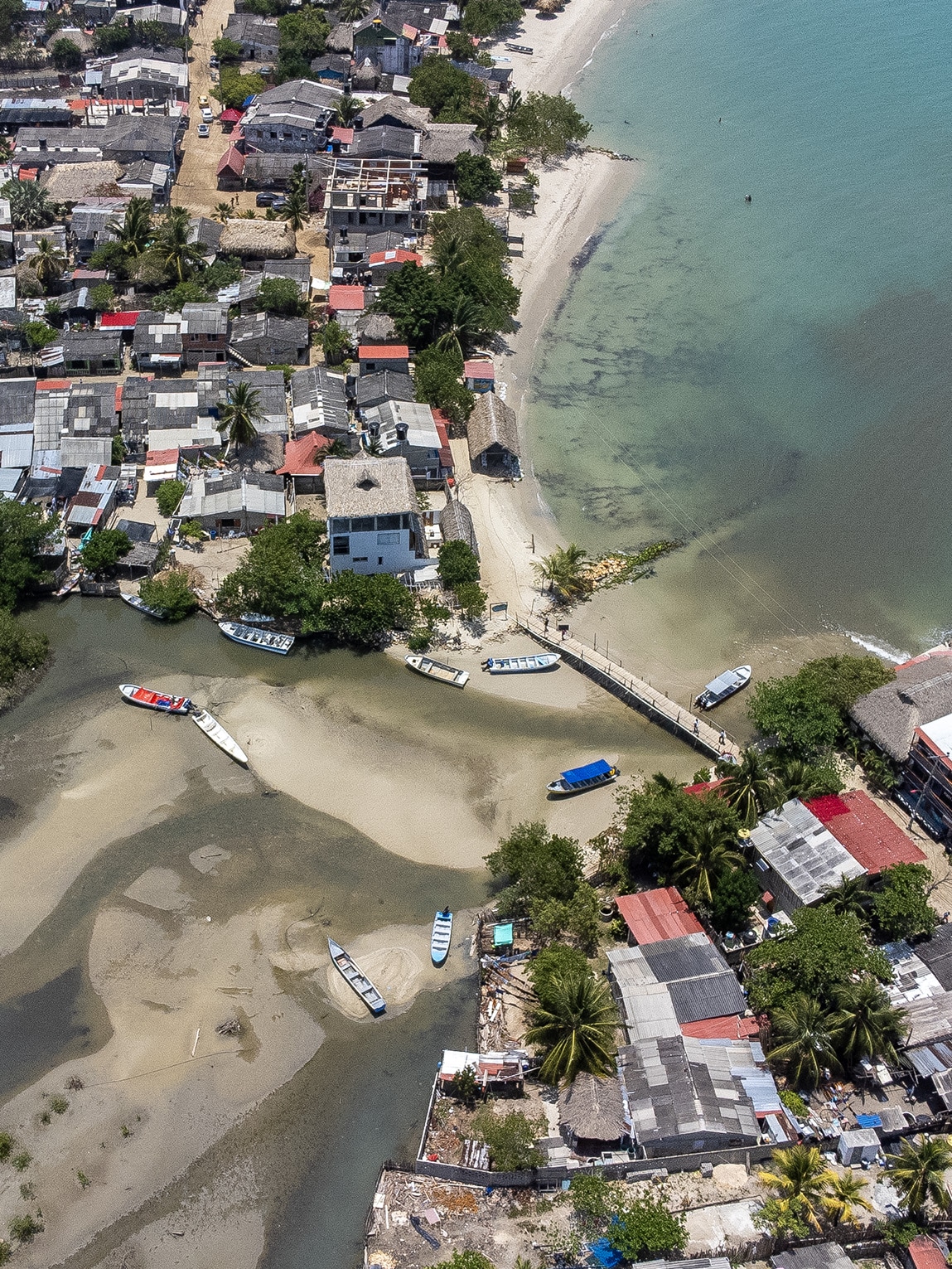
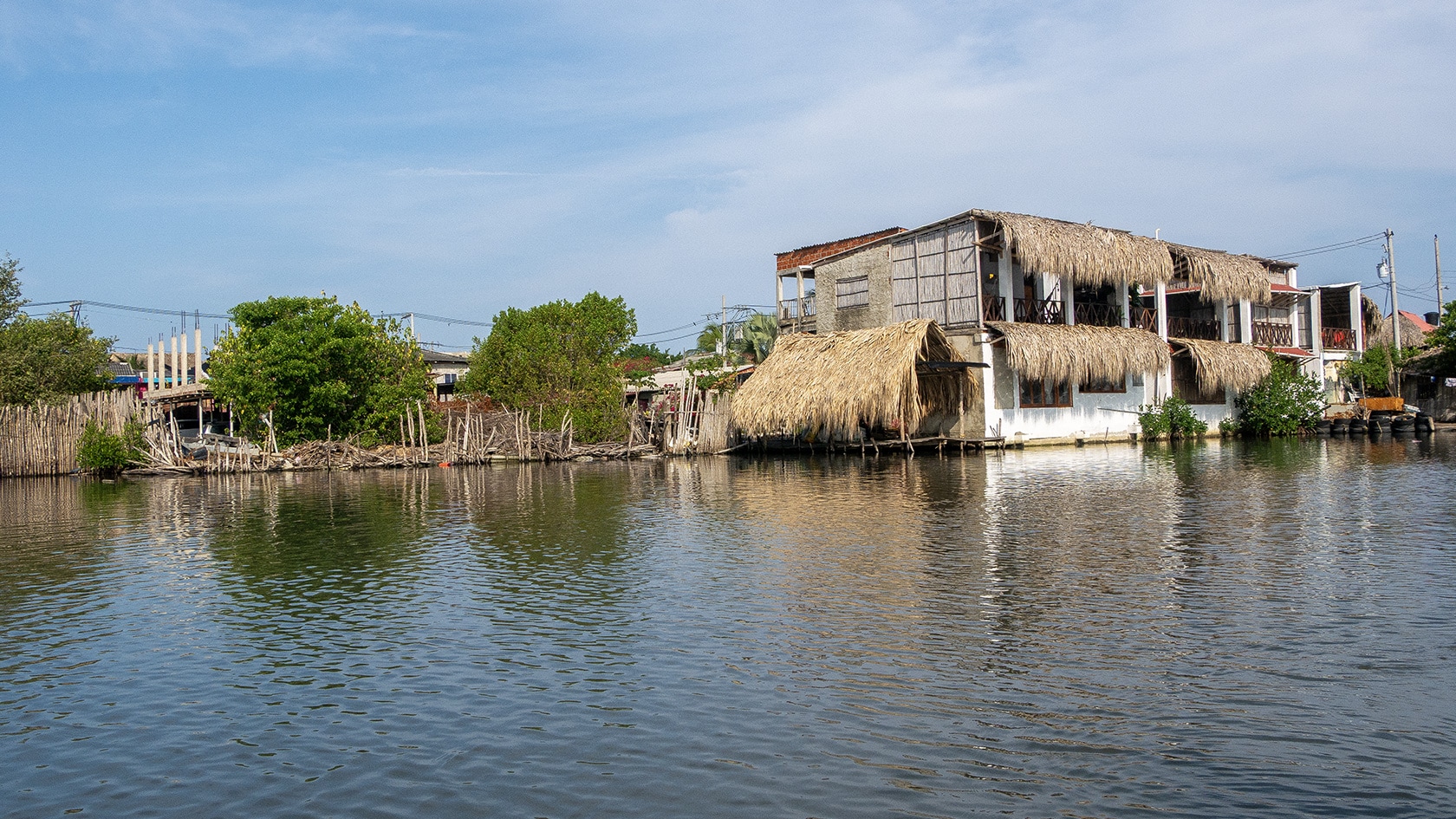
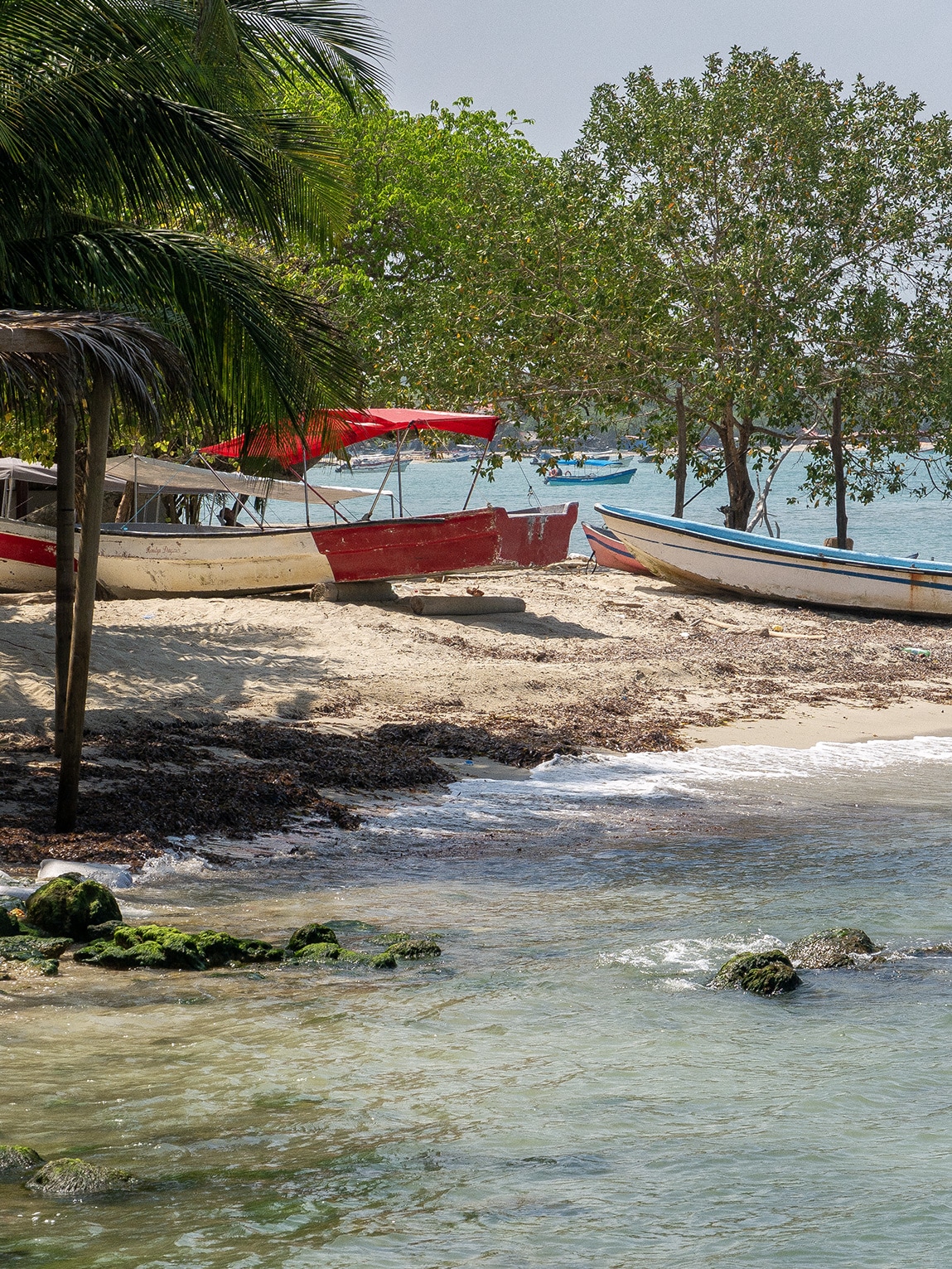
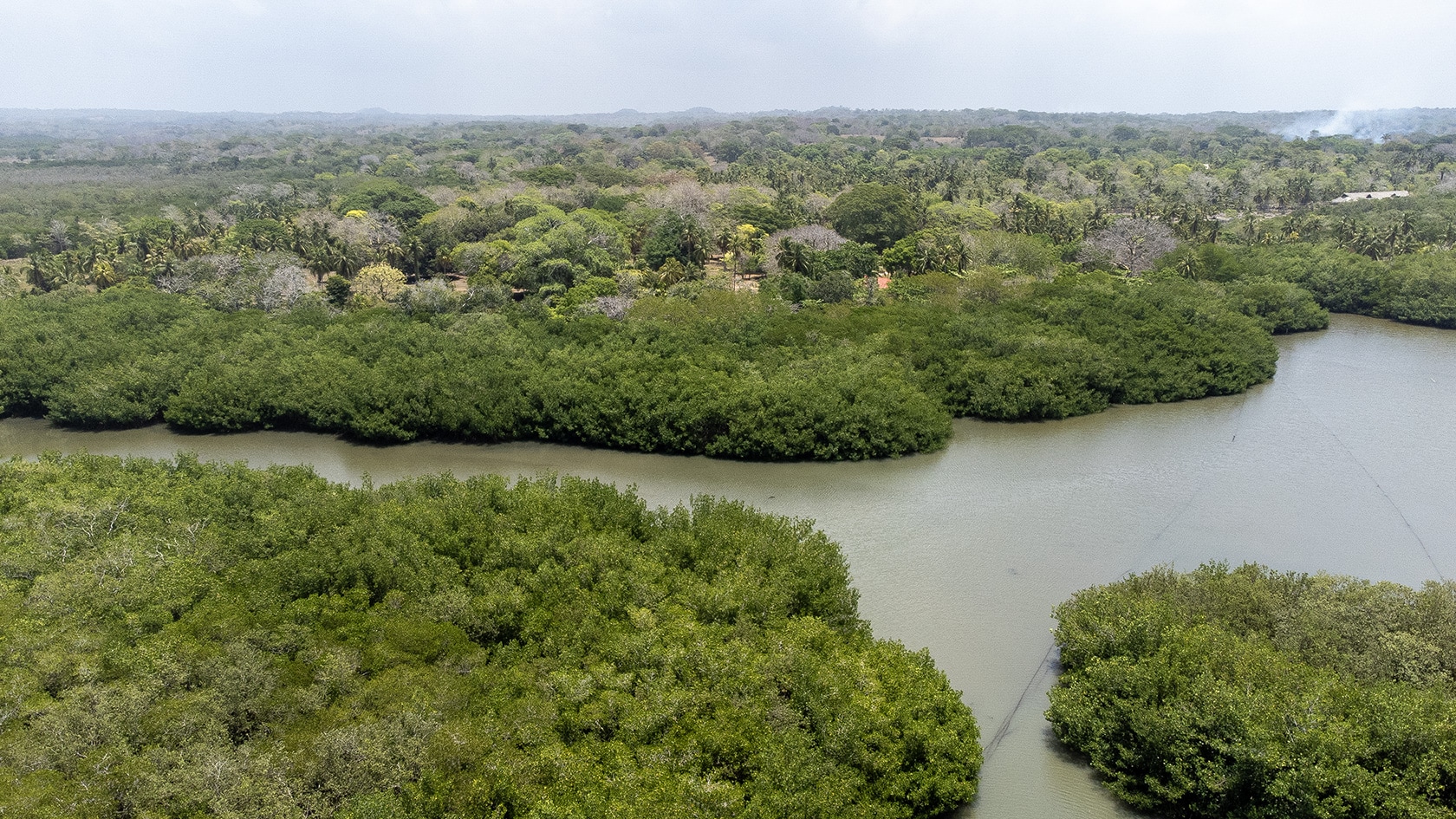
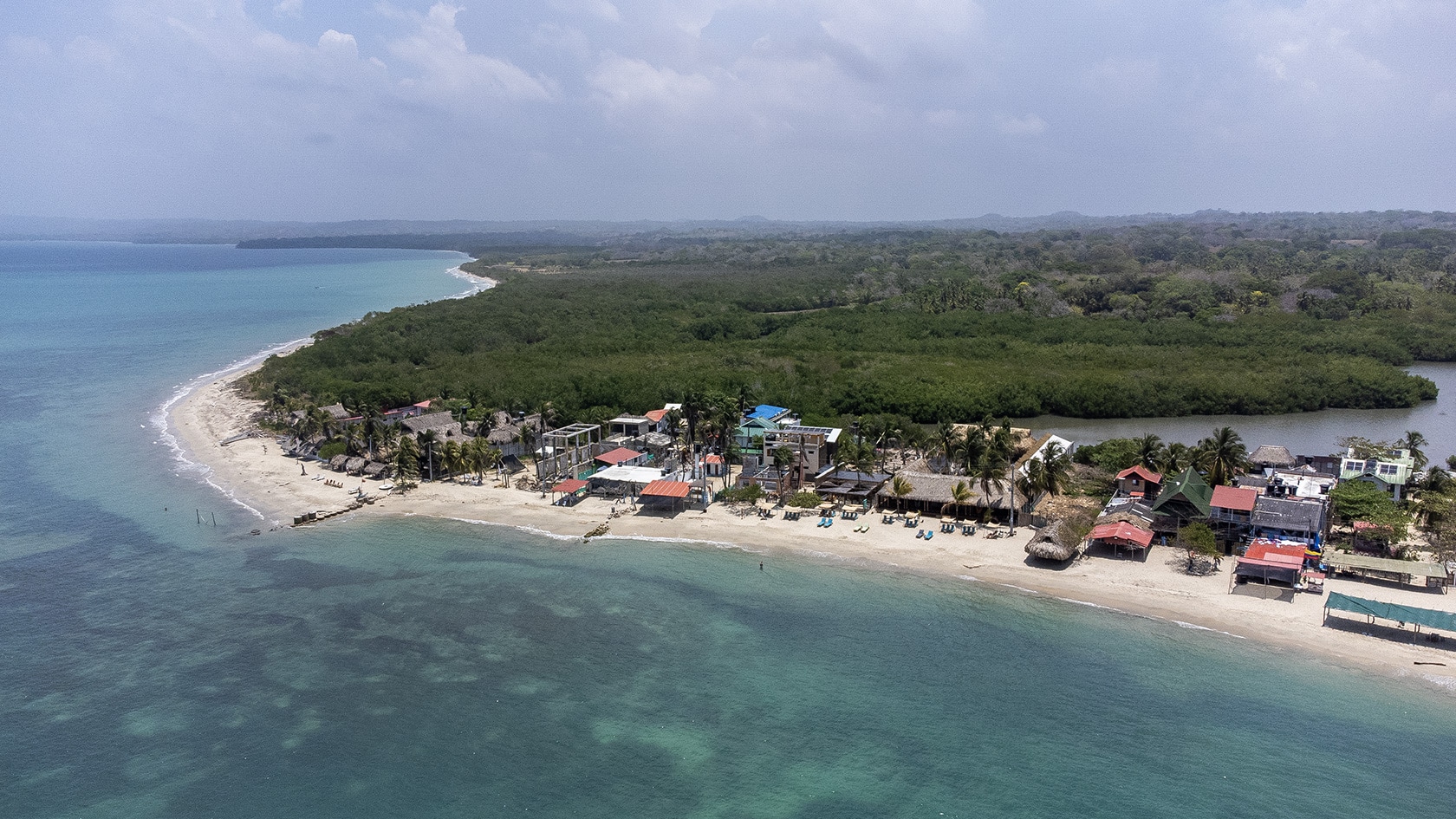
You get the feel of Rincón del Mar pretty quickly when you arrive: here, the beach isn’t separate from the village—it’s part of it. Boats rest on the sand in front of the houses, accommodations look directly out to sea, and just a few streets separate the coastline from the first mangrove areas. This isn’t a beach resort built around tourism, but a coastal village to which travelers have gradually added themselves. It’s this blend that makes it so interesting: beyond the hammocks and excursions to the San Bernardo Islands, Rincón remains an Afro-Colombian community with its fishermen, its shops, its daily struggles, and a very strong connection to its marine environment.
A village built between the beach and the mangrove forest
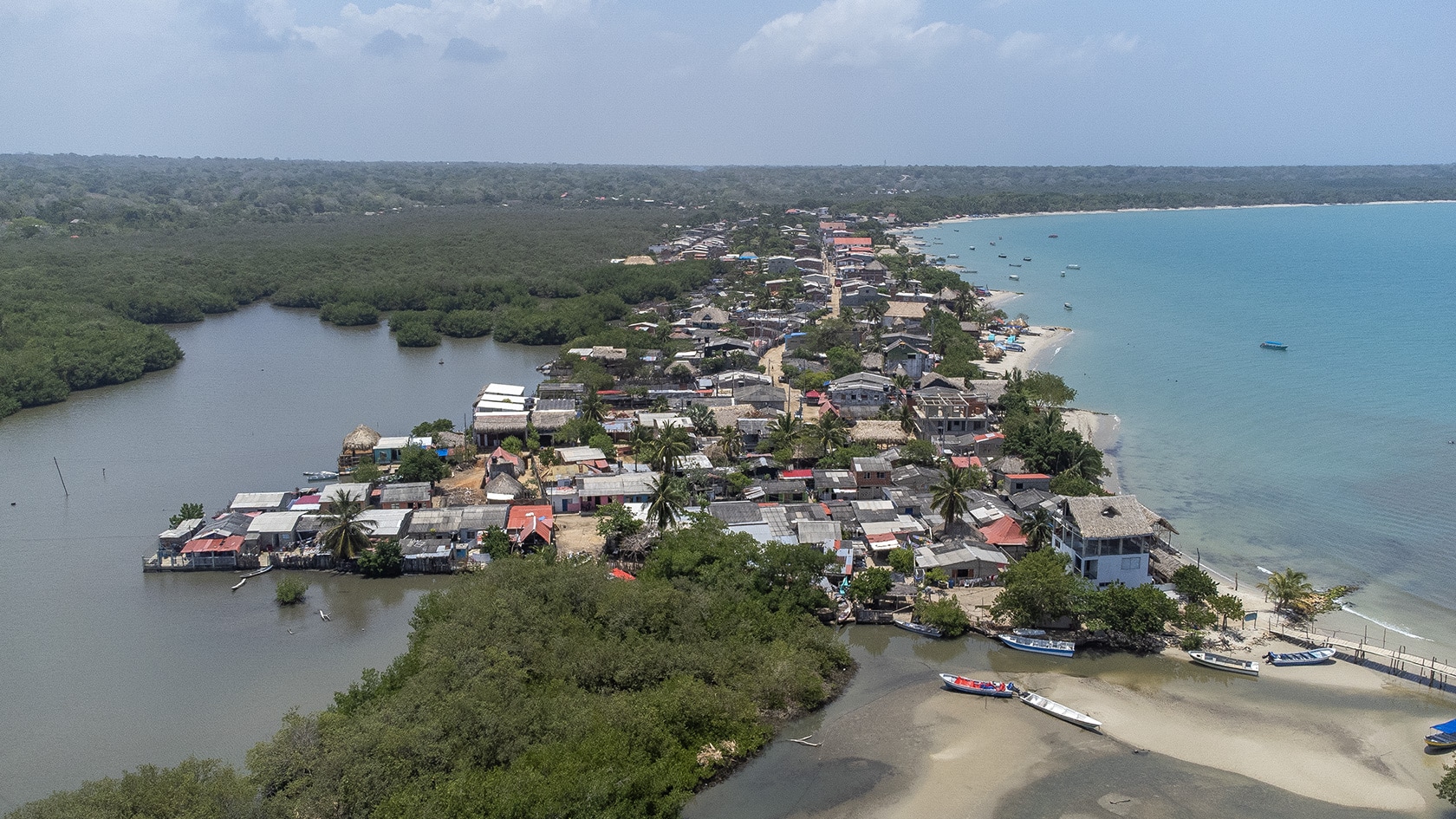
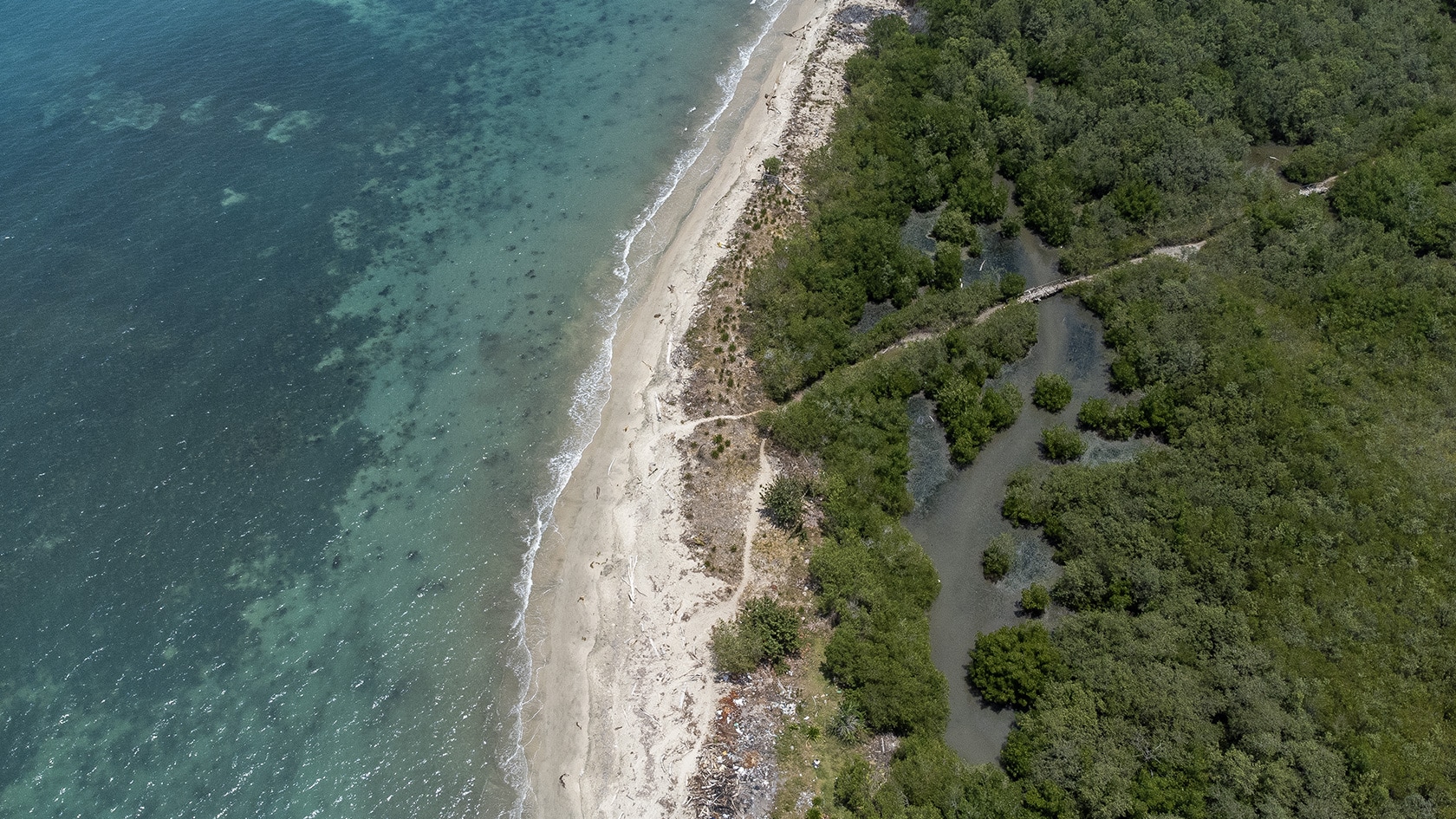
What struck us most about Rincón was the constant proximity to the water. The village stretches along a coastal strip on the Gulf of Morrosquillo: on one side, the Caribbean Sea and small boats; on the other, wetlands and mangroves. There’s no real divide between village life and the beach. We have lunch with our feet practically in the sand, watch the boats set out in the morning, and, at the end of the day, much of village life naturally gravitates toward the shore.
This geography also explains why we recommend choosing accommodations right on the beach. Rincón doesn’t have a historic center or a long boardwalk where you can spend your days: the experience revolves largely around this connection to the beach. Waking up to a view of the water, being able to go for a swim right away, and watching the sunset from your accommodations truly transforms your stay. Just a few minutes away, the mangroves and reefs create a landscape that’s much wilder than the village’s simple beach might suggest. Colombia Travel also highlights the presence of mangroves, tropical dry forest, and reefs around San Onofre and Rincón del Mar.
An Afro-Colombian community before it is a tourist destination
Above all, one should avoid viewing Rincón as merely a postcard-perfect setting. The majority of the population is Black and of African descent, and this identity remains very much a part of community life, traditions, and cuisine. The area is home to associations of fishermen and tour guides, as well as local Afro-Colombian organizations. The coastal cuisine relies heavily on seafood, coconut, cassava, yams, and fruits grown in the region. In 2024, for example, a traditional food festival organized by the Consejo Comunitario Afrodescendiente Rebelión brought together 17 cooks from the village to showcase local recipes and ingredients.
This reality also gives a new meaning to the community-based tourism we encounter there. Certain activities centered on cooking, percussion, turbans, the mangrove forests, or nature are now organized with the locals rather than simply brought in for visitors. We find this aspect much more interesting than striving for a “perfect” or Instagram-worthy version of the village.
Rincón also has a difficult recent history. Its Afro-descendant community was recognized as eligible for collective reparations following the violence linked to the armed conflict in the San Onofre region. Its Comprehensive Plan for Collective Reparations was approved in late 2023 and includes cultural, economic, and memory-related projects, among others. This is a dimension that isn’t necessarily apparent when strolling along the beach, but it helps explain why the concepts of community, territory, and cultural transmission hold such importance here.
A humble village with still-fragile infrastructure
Rincón is not one of those destinations where tourism development preceded the arrival of visitors. In fact, it’s quite the opposite. Behind the new hotels and restaurants, public infrastructure continues to lag behind the growth of tourism. In 2025, Aguas de Sucre was still working on the design of the village’s sewer system, which was presented as an infrastructure project long awaited by residents. The company itself acknowledges that Rincón faces structural challenges stemming from a lack of adequate basic services.
Waste management is another telling example. Community organizations have been working for several years on waste collection, recycling, and public awareness, while a cleanup operation led by DIMAR removed 1.2 metric tons of plastic and non-biodegradable waste from the beaches of Rincón in a single day in 2024.
It’s all part of the place. You might find a charming guesthouse overlooking the Caribbean, and then just a few meters away, a very simple street, limited amenities, or signs of inadequate public management. In our opinion, it’s best to know this before you come: Rincón charms visitors more with its atmosphere than with its aesthetics.
The sea as a playground… but also as a way of life
Finally, reducing Rincón to just its beach would mean missing out on what really makes a visit there worthwhile. The sea and surrounding ecosystems are central to many of the activities: small-scale fishing, boat trips, snorkeling on the reefs, mangroves, birdwatching, bioluminescent plankton, or a trip to the San Bernardo archipelago. These excursions give the village a surprising variety of activities for such a small place.
The mangrove forest, in particular, is not just a tourist attraction. Research conducted with the Rincón community highlights not only its environmental importance but also its socioeconomic significance, as well as the role of local residents and organizations in its conservation.
It’s probably this contrast that stands out most about Rincón del Mar: a very simple village where it sometimes seems as if nothing is happening, yet one surrounded by an astonishing array of natural experiences. You can spend a morning with no other plan than a swim, then find yourself a few hours later in the middle of the mangroves or on a lancha heading for the islands. And it’s precisely this rhythm, more than any monument or attraction, that gives Rincón its identity.
What to See and Do in Rincón del Mar?
In Rincón del Mar
In Rincón del Mar, there aren’t really any must-see monuments or sites to check off your list. The village’s appeal lies elsewhere: in the beach, the surrounding ecosystems, and the experiences offered by the locals. Within just a few kilometers, we can go from the sea to the mangroves and then to the dry tropical forest. We’re deliberately leaving the San Bernardo Islands out of this list—they deserve a trip all their own.
Enjoy the Main Beach
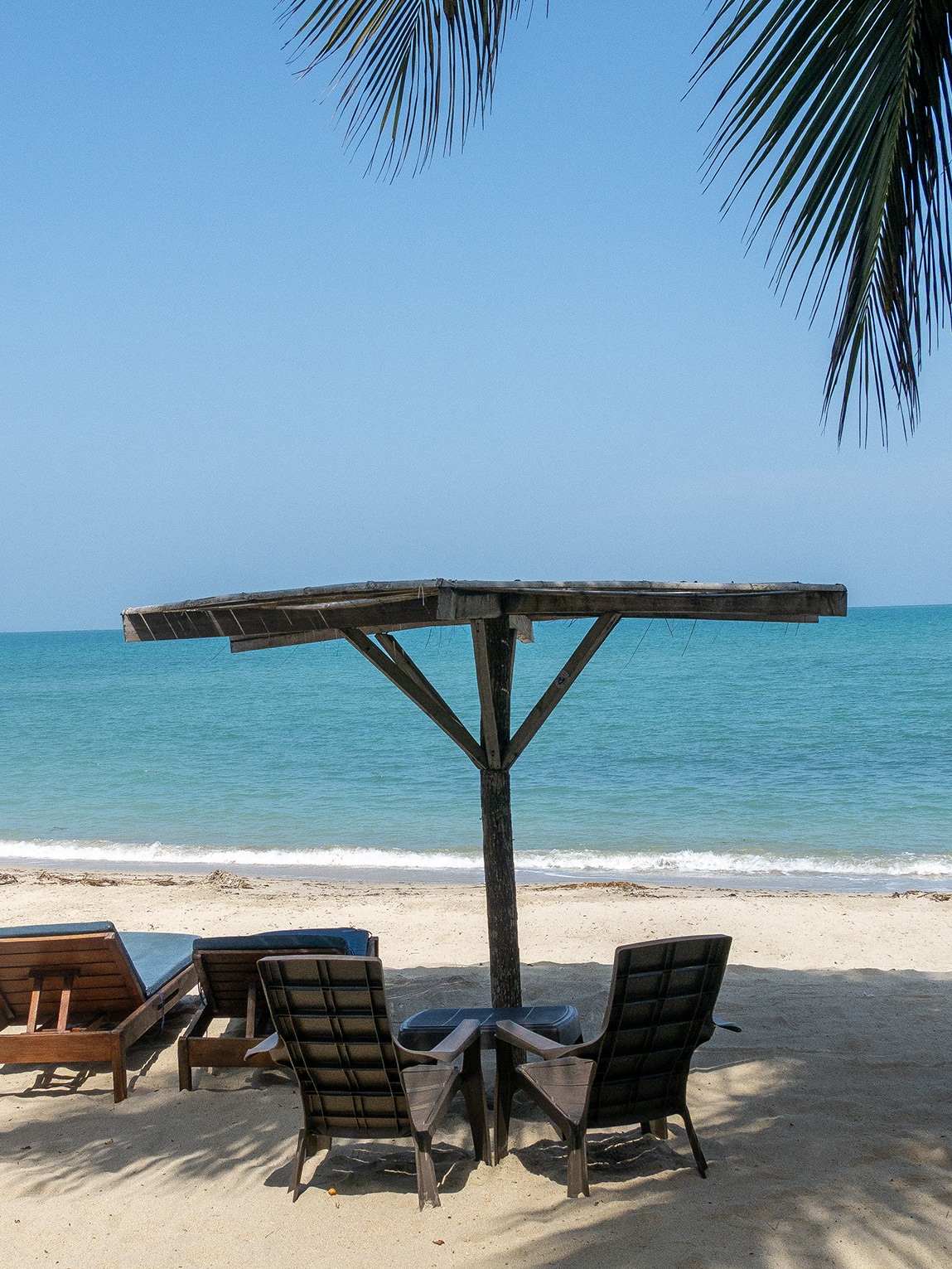
The main beach is the heart of Rincón del Mar. Fishing boats rub shoulders with swimmers here, while restaurants, lodging, and homes open up almost directly onto the sand. We come here mainly to slow down: to swim, read in the shade, watch the boats set out to sea, and enjoy an atmosphere where the beach and everyday life blend together naturally.
Walk to the La Punta area
At the northern end of the village, the La Punta area offers a quieter atmosphere than the central part. Cross the small bridge and continue along the beach, lined with lodging options and a few restaurants. It’s a great place to get away from the hustle and bustle, take a walk along the water’s edge, and find some peace and quiet.
Watch the sunset
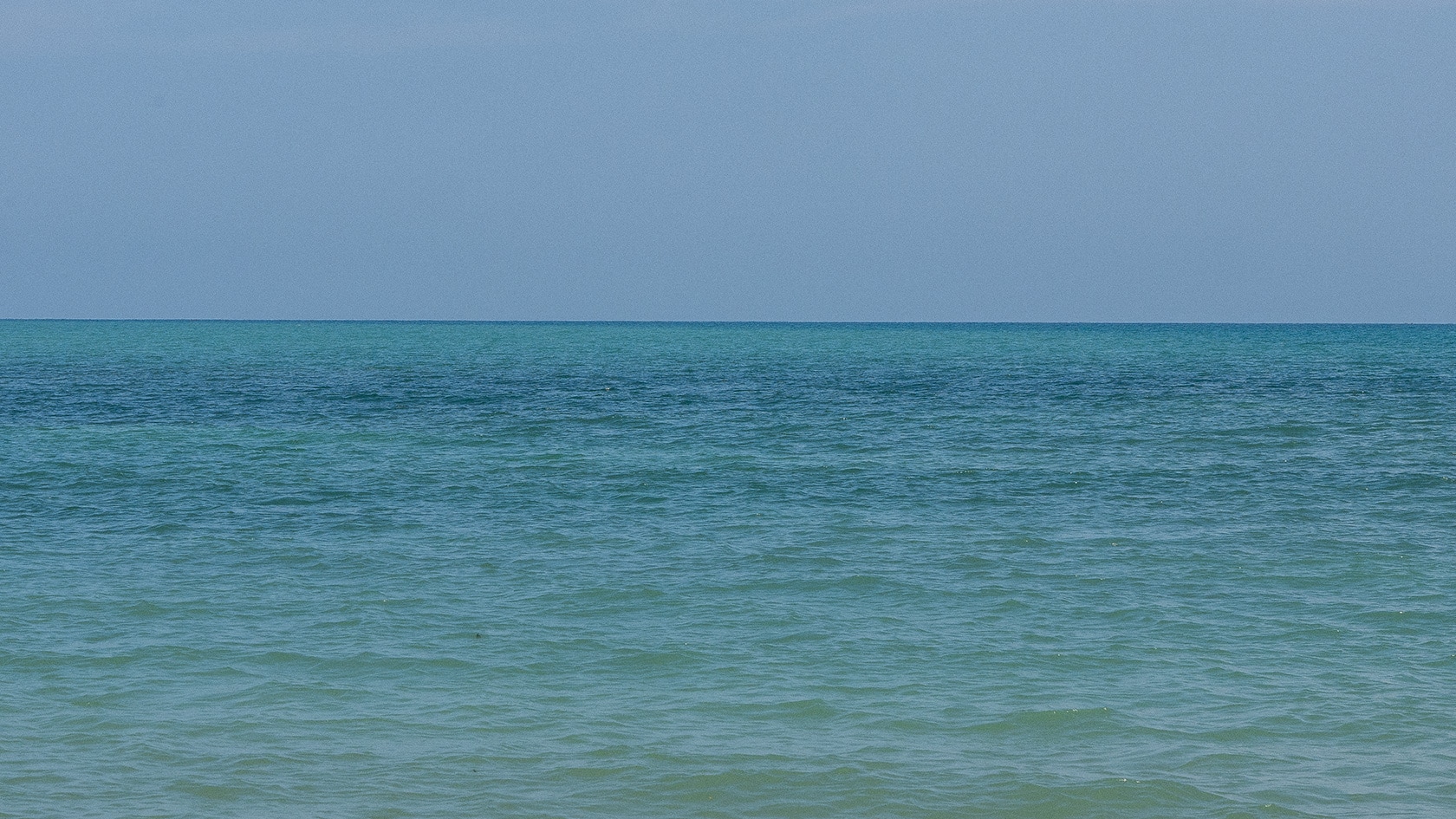
Sunset is one of the simplest and most enjoyable experiences in Rincón. Since the coast faces west, the sun sets directly into the Caribbean Sea. We recommend heading to the beach in the late afternoon, finding a quiet spot or a terrace, and simply watching the light change.
Get a taste of Caribbean rhythms
There are several initiatives that let you experience Caribbean rhythms in ways other than just listening to them from the beach. According to the instructors, you can try your hand at percussion, cumbia, bullerengue, or champeta. These workshops are especially valuable for understanding the role of music in local culture and interacting directly with residents.
Take part in an Afro turban workshop
The Afro turban workshop explores the turban as much more than just a fashion accessory. A local woman explains different ways to tie it, as well as its history and its role in Afro-Colombian identity. It’s a participatory experience that offers a deeper understanding of issues related to cultural transmission and representation within the local community.
Take a local cooking class
Taking a cooking class lets you discover Rincón through its flavors rather than its landscapes. Some community-based experiences focus specifically on teaching how to make arepa de huevo, a dish that’s very common along the Caribbean coast. We cook alongside locals while learning about the ingredients, techniques, and eating habits that are part of daily life in the village.
Paddleboarding or kayaking
You can go stand-up paddleboarding and kayaking right from the beach at certain accommodations or with local providers in the village. When the sea is calm, it’s a pleasant way to explore Rincón from the water without having to organize a full-fledged excursion. However, rentals and outings depend on sea conditions and the availability of equipment on the day of your visit.
Around Rincón del Mar
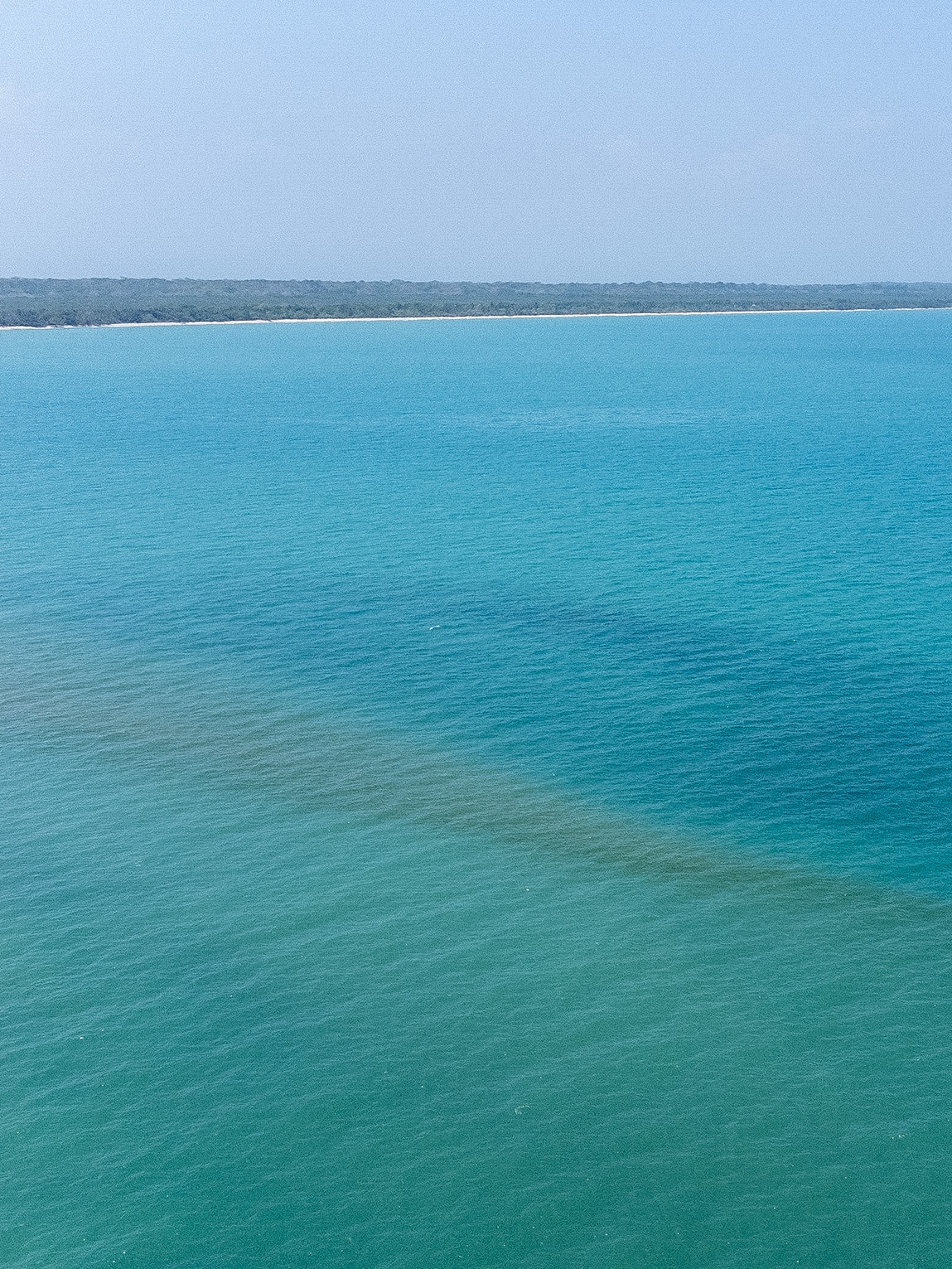
Rincón del Mar is also an excellent base for exploring the Gulf of Morrosquillo and the San Bernardo Archipelago without having to change accommodations. Some excursions take only a few hours, while others take up almost the entire day. Between Caribbean islands, mangroves, dry tropical forest, and nature reserves, the scenery changes rapidly as soon as we leave the village.
Playa Balsillas
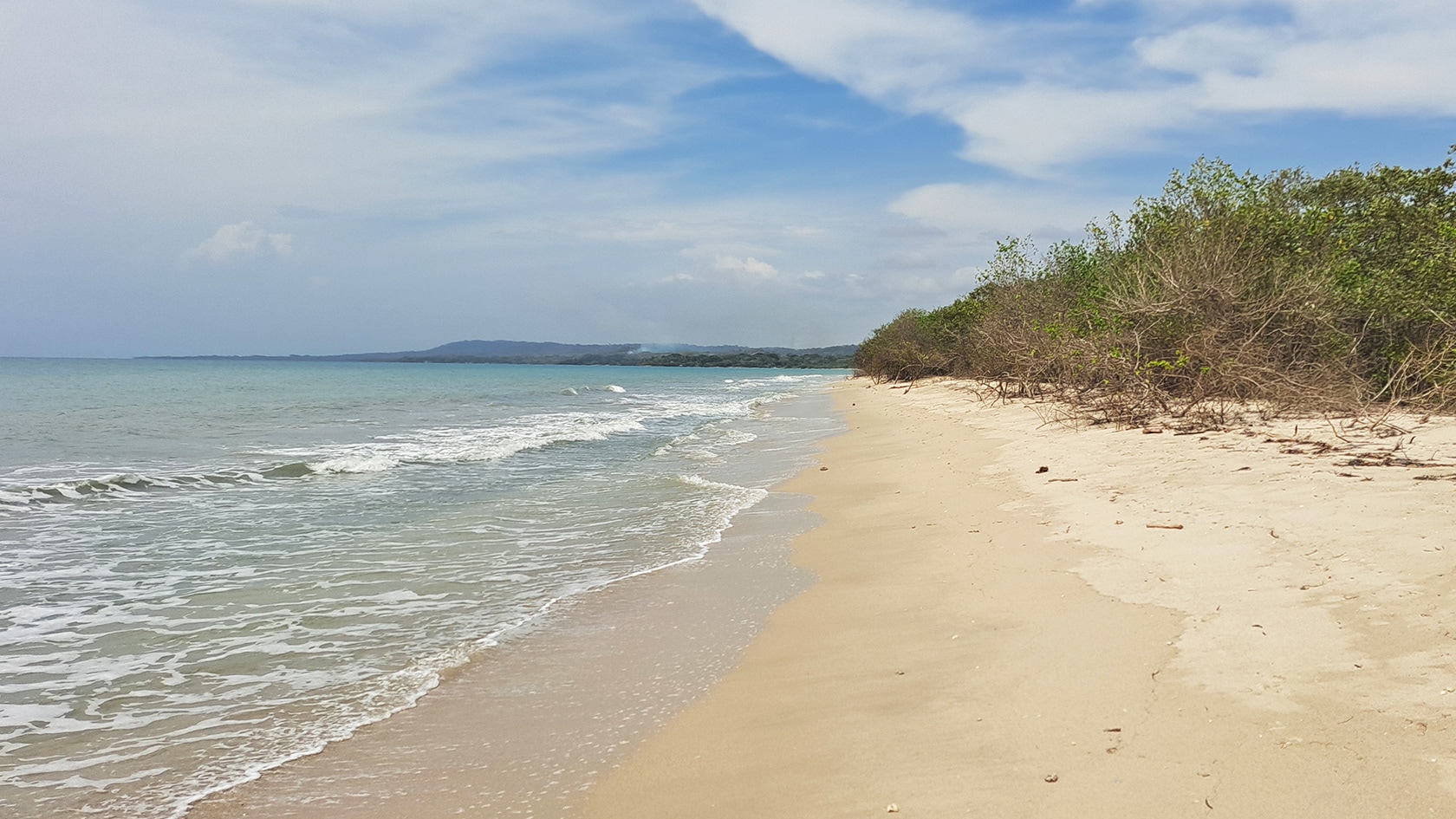
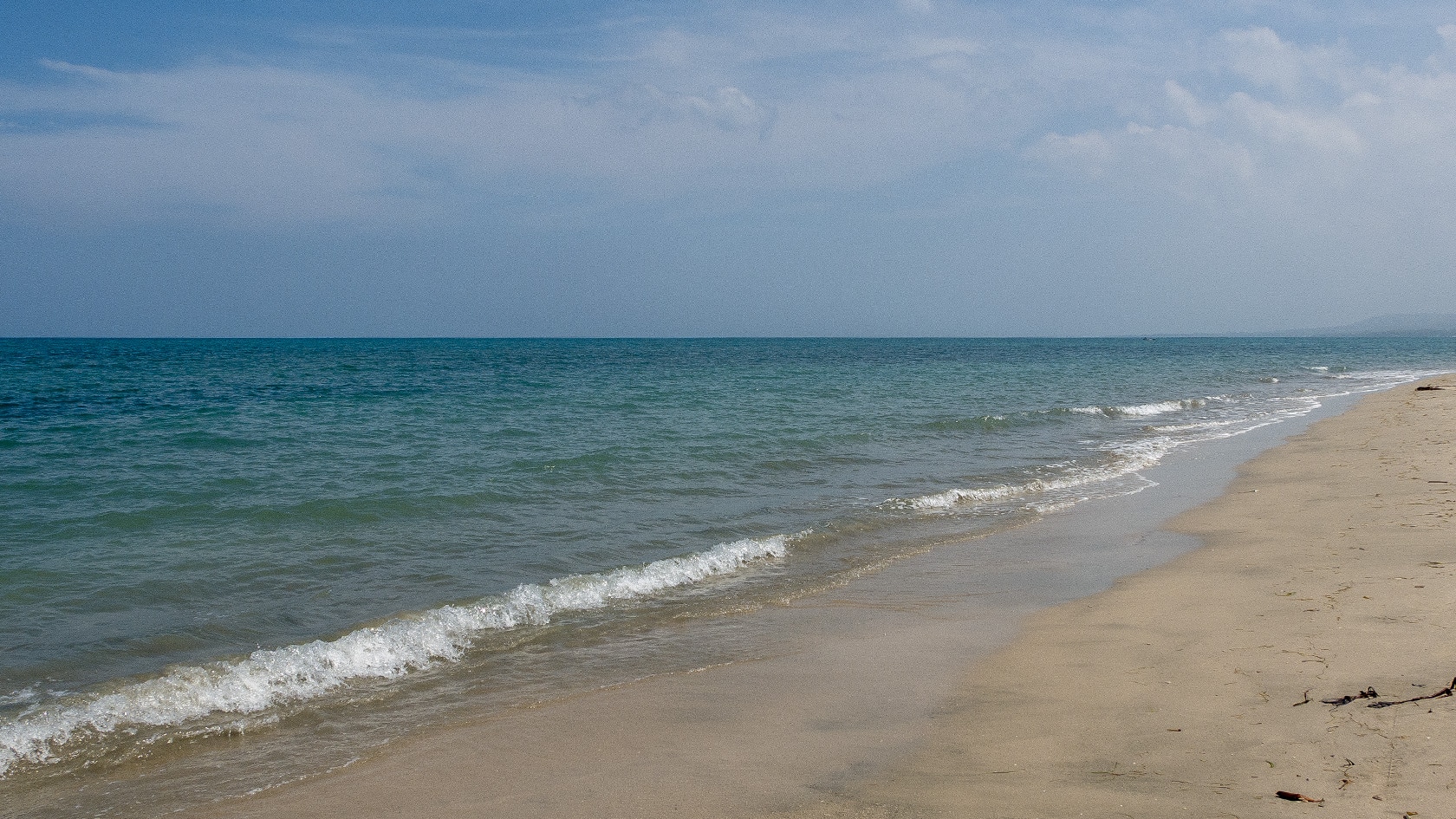
Just a short distance from Rincón, Playa Balsillas stretches for about 1.8 km of fine golden sand, lined with grapevines, palm trees, and mangroves. The sea here is generally calm, and the area is much less developed than the village. There are few amenities on site: come mainly to walk, swim, and spend a few peaceful hours.
Access: open to the public and free of charge.
Playa Tranquila
Playa Tranquila lives up to its name: this stretch of coastline, located away from the busiest part of Rincón, offers more peace and quiet, few buildings, and a more natural, untamed atmosphere. We come here mainly to swim, walk on the sand, and enjoy the ocean without restaurants, music, or a constant stream of people around us.
Access: open to the public and free.
Punta Seca
Punta Seca is located along the coastline of Rincón del Mar, in an area that is significantly less developed than the village center. People come here mainly to enjoy a quieter beach, lined with vegetation and coconut palms, with few tourist facilities. It’s a great option for walking, swimming, and getting away from the hustle and bustle of Rincón for a few hours.
Admission: Open to the public and free.
Santa Cruz del Islote (San Bernardo Archipelago)
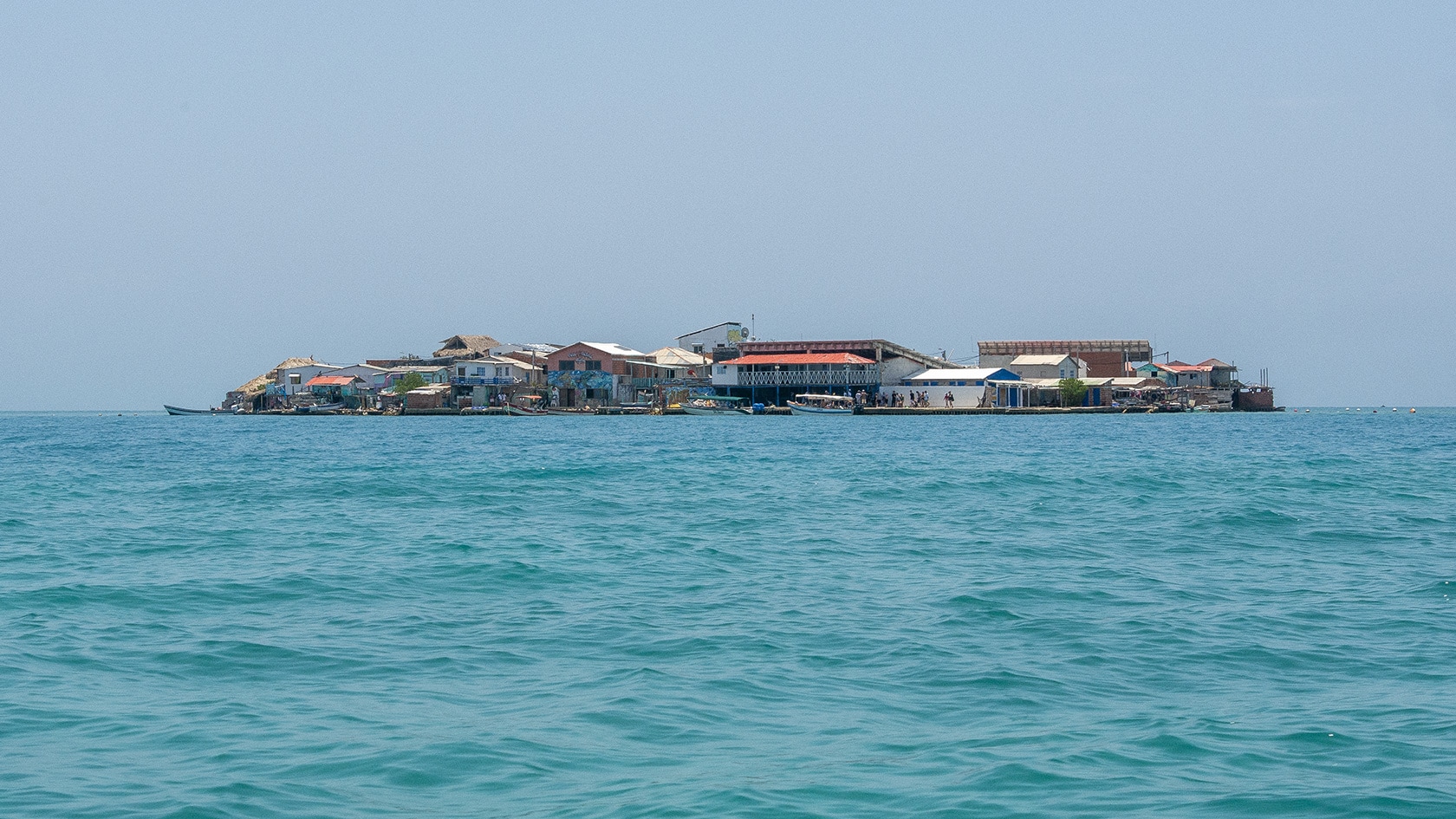
Santa Cruz del Islote immediately catches your attention: this tiny island is almost entirely covered with houses, connected by narrow passageways, and home to a permanent island community. Tour groups usually make a brief stop here to explore how the community is organized and its relationship with the sea. We recommend approaching the visit as an encounter with a lived-in village, rather than as a tourist attraction.
Duration: 6.5 hours (8:30 a.m. to 3:00 p.m.) – Price: 70,000 per person // Tour of the 3 Islands.
Isla Múcura (San Bernardo Archipelago)
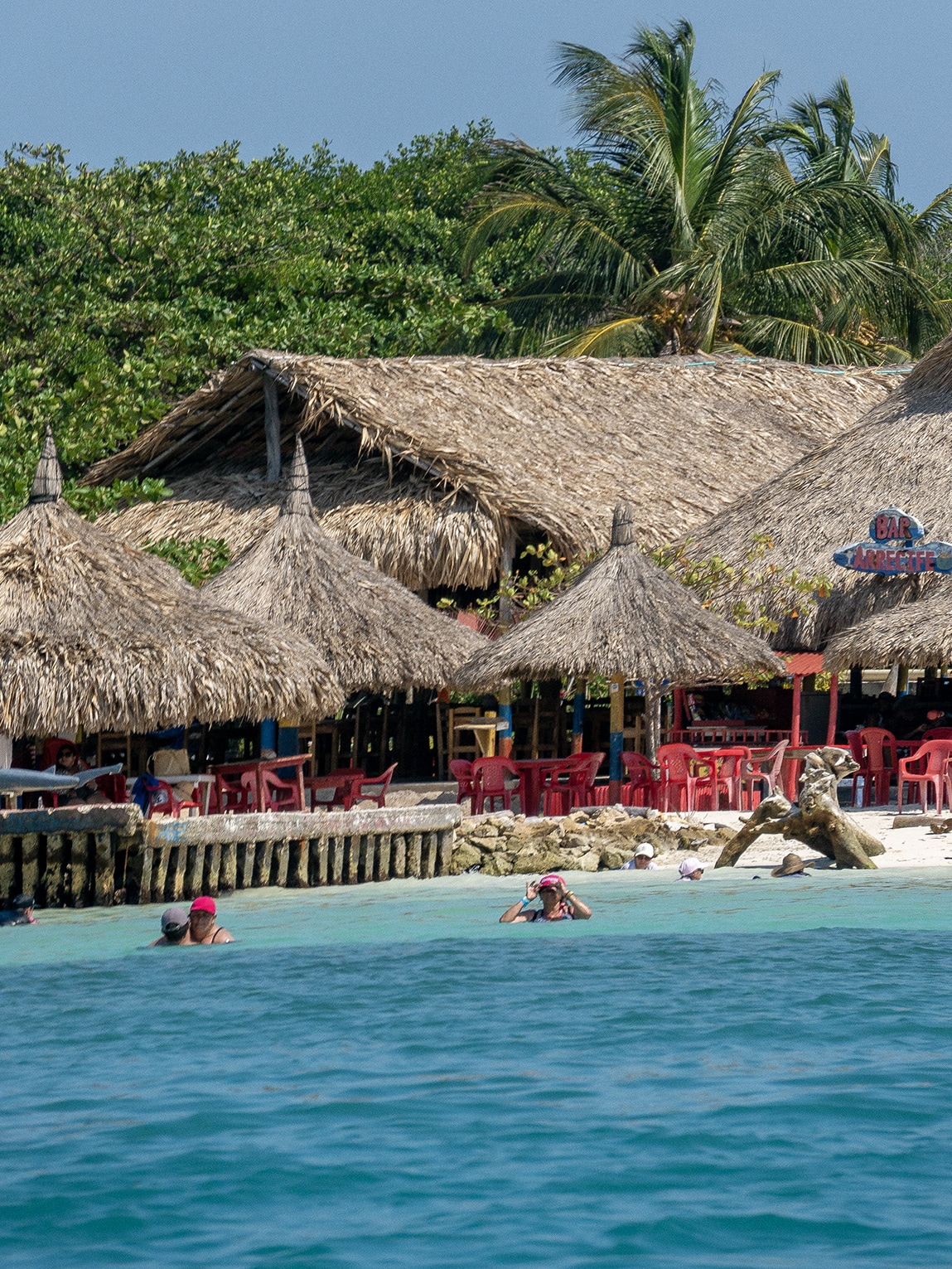
Isla Múcura offers a more beachy side of the archipelago, with clear waters, small beaches, and several accommodations nestled among palm trees. Excursions from Rincón generally include a swimming stop there. Since part of the coastline is occupied by private establishments, the time spent there and the accessible beach depend largely on the chosen tour.
Duration: 6.5 hours (from 8:30 am to 3 pm) – Price: 70,000 per person // Tour of the 3 Islands.
Tintipán Island (San Bernardo Archipelago)
Tintipán is the largest island in the San Bernardo archipelago and, in our opinion, one of the most interesting places to truly enjoy the sea. Mangroves, inland lagoons, and beaches line an island that is still largely covered in vegetation. Group tours often stop at a specific beach, so be sure to ask how much free time is included before booking.
Duration: 6 hours 30 minutes (8:30 a.m. to 3:00 p.m.) – Price: 70,000 per person // Tour of the 3 Islands.
Explore the Mangrove Swamp (canoe + hike)
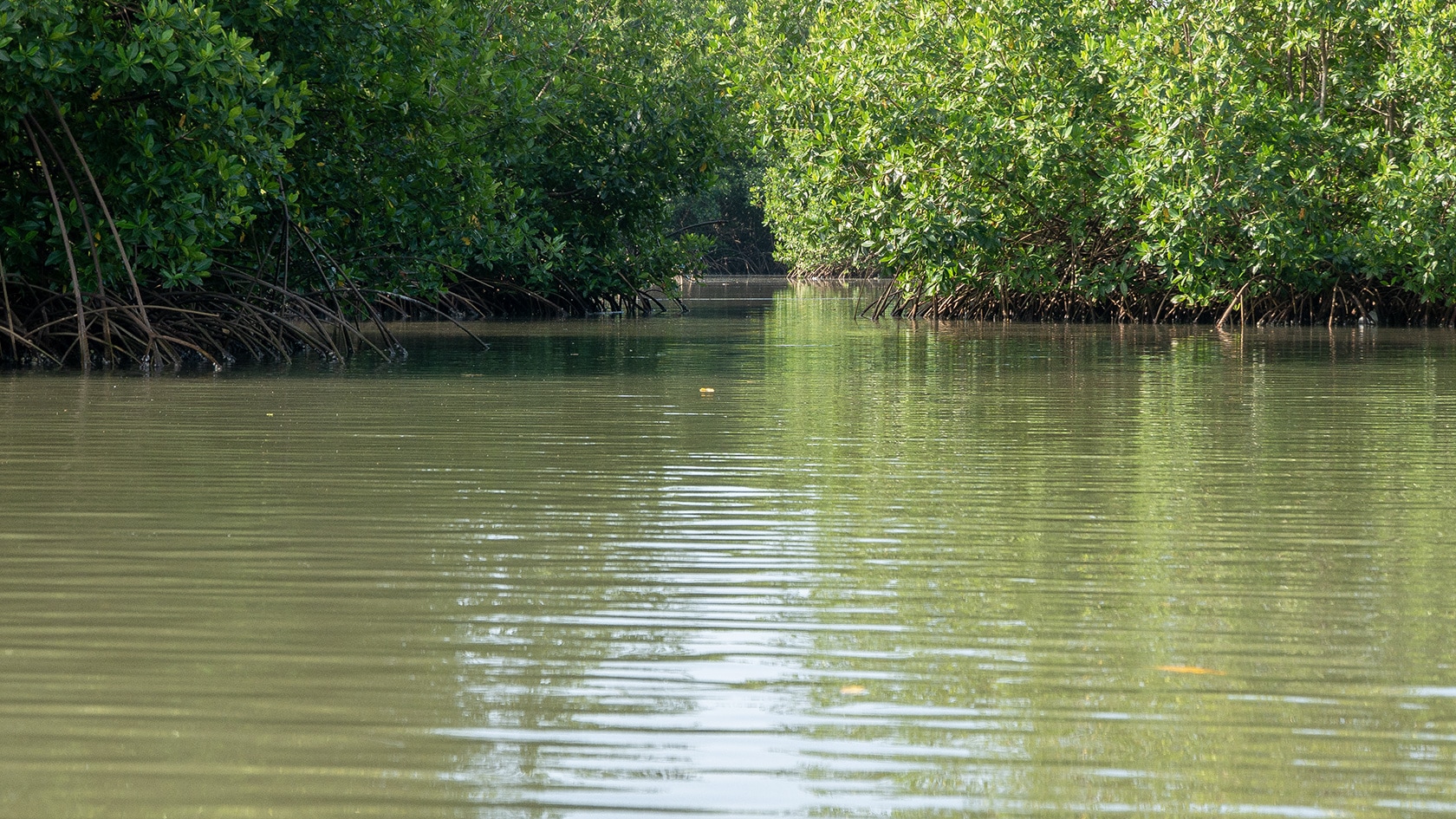
The Manglares Wetland can be explored by canoe, paddling through the channels behind Rincón. The local organization Mundo Verde is restoring and protecting this ecosystem after years of degradation. The tour lasts about 90 minutes and offers a unique perspective on the mangrove forest, while helping you understand its role for the coast and the community’s conservation efforts.
Duration: 2 hours – Price: 40,000 to 50,000 per person
Observe bioluminescent plankton and Isla Pájaros
Bioluminescent plankton can be seen after sunset, usually during a combined excursion to Isla Pájaros. The boat first heads to an area frequented by seabirds, then to a mangrove zone where the movement of the water causes small glimmers to appear. The intensity depends on natural conditions and the brightness of the night.
Duration: 2.5 hours (5:30 p.m. to 8:00 p.m.) – Price: 50,000 to 60,000 per person
Snorkeling in the archipelago
The San Bernardo reefs offer the chance to spend a few hours snorkeling rather than just hopping from one island to another. Operators generally choose the site based on sea conditions and visibility. The park protects a vast reef platform, as well as seagrass beds. Opt for a dedicated excursion if underwater exploration is your main goal.
Price: 60,000 per person
Sanguaré Nature Reserve
Located about 11 km from Rincón, Sanguaré is a private nature reserve established on the site of a former cattle ranch. Today, it protects dry tropical forest, wetlands, savannas, mangroves, and seagrass beds. A day trip there allows you to combine hiking, birdwatching, kayaking, or water sports. It’s an interesting excursion if you want to take a break from the beach atmosphere of the village.
Duration: 2 hours and 30 minutes (from 5:30 p.m. to 8:00 p.m.) – Price: 50,000 to 60,000 per person

Agencies and Guides
In Rincón del Mar, several activities are best organized with local guides or agencies: trips to the San Bernardo Islands, mangrove tours, snorkeling, bioluminescent plankton viewing, or exploring certain less-accessible areas. We prefer providers who know the region inside and out, operate on a small scale, and offer well-organized experiences without making unnecessary stops. Here are the ones we recommend to help you plan your local excursions more easily.
Recommended Service Providers
Boat Tours in Rincón – San Bernardo — Rincón San Bernardo Boat Tours
A local agency specializing in boat trips to San Bernardo, snorkeling, and bioluminescent plankton, with clearly posted rates and departures directly from Rincón.
https://rinconenlancha.com/ – rinconenlancha@gmail.com – (+57) 320 7486464
Mundo Verde
A local organization dedicated to community-based ecotourism, perfect for exploring the mangroves, the dry tropical forest, and Playa Tranquila while directly supporting local environmental initiatives.
Instagram – (+57) 324 4609835
In Rincón del Mar, several activities are definitely best organized with local guides or tour operators: trips to the San Bernardo Islands, mangrove tours, snorkeling, or observing bioluminescent plankton. Word of mouth works very well in the village, by the way. As for us, our lodging took care of booking all our activities on the very first day we arrived. This is very common here: each hotel usually knows the right person to contact depending on the excursion you’re looking for. Nevertheless, we’ve listed a few service providers below that we find interesting in case you’d prefer to organize certain outings in advance.
How do I get to Rincón del Mar?
Rincón del Mar has neither a bus station nor an airport. When using public transportation, the transfer point is almost always San Onofre, located about 20 minutes from the village. Long-distance buses stop in San Onofre, and from there you’ll need to complete the journey by taxi or motorcycle taxi.
From Cartagena
In our opinion, this is the easiest option for most travelers. From the Cartagena Transport Terminal, take a bus bound for San Onofre. The trip takes about 2 hours and 30 minutes and costs around 40, 000 COP per person. Several companies operate on this route, including Unitransco, Rápido Ochoa, and Expreso Brasilia, depending on the schedule.
In San Onofre, taxis and motorcycle taxis usually wait for buses to arrive at a gas station. It takes about 20 minutes to get to Rincón del Mar, and costs around 20,000 COP by motorcycle taxi or 40,000 COP by taxi (negotiated). If you have large suitcases, we’d definitely choose the taxi.
From Mompox
The route may seem complicated, but we’ve tried it out and the connections work surprisingly well. Locals are used to these trips, and there’s usually little waiting time between each leg.
Mompox → Magangué: shared taxi, 30,000 COP per person, about 1 hour.
Magangué → Sincelejo: shared taxi, 35,000 COP per person, about 2 hours.
Sincelejo → San Onofre: shared van, 18,000 COP per person, about 2 hours.
San Onofre → Rincón del Mar: motorcycle taxi, about 15,000 COP per person and 25 min. If you’d rather take a car, we negotiated a price of 40,000 COP for two people with Ramón, who can be reached on WhatsApp at 312 651 0105.
Note: A taxi colectivo is simply a car shared with other passengers. The prices listed are what we paid and are subject to change.
Where to stay in Rincón del Mar?
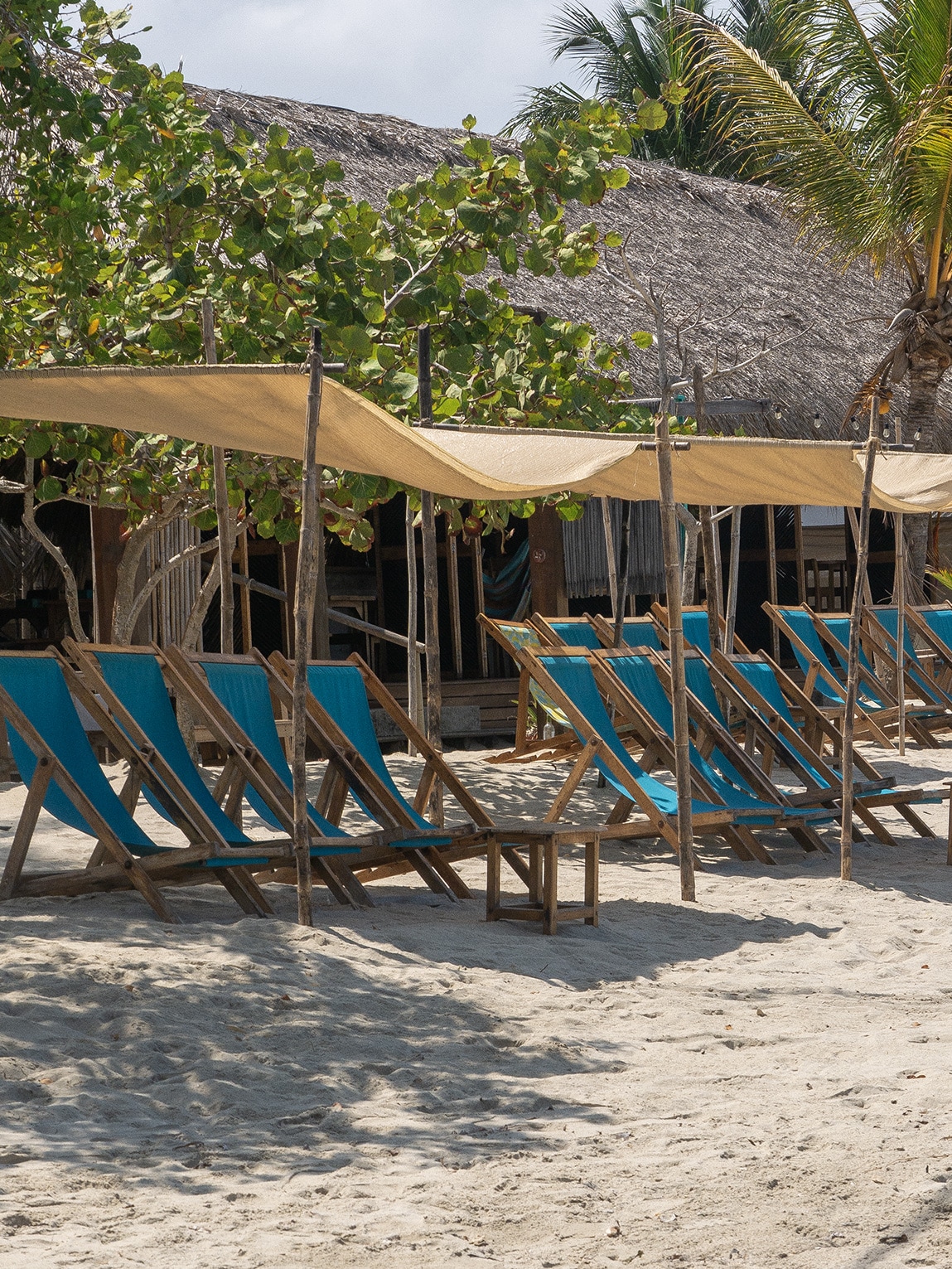
In Rincón del Mar, your choice of lodging really shapes your experience. In our opinion, the most important thing is to choose a place right on the beach or just a few meters from the water: that’s where the village really comes alive, from breakfast overlooking the sea to evenings with your feet in the sand. There’s a fairly wide range of options, from simple hostels and friendly guesthouses to a few more comfortable places to stay. So we’ve selected some great options for different budgets, so you can choose based on your travel style without missing out on what makes Rincón so special.
For a quiet place to stay, we recommend La Punta and the area around Punta Seca (north of Rincón del Mar). You’ll be close to the village, but with more nature, a long, quieter beach, and much less hustle and bustle than in the center.
$ – Budget-friendly
Hostel
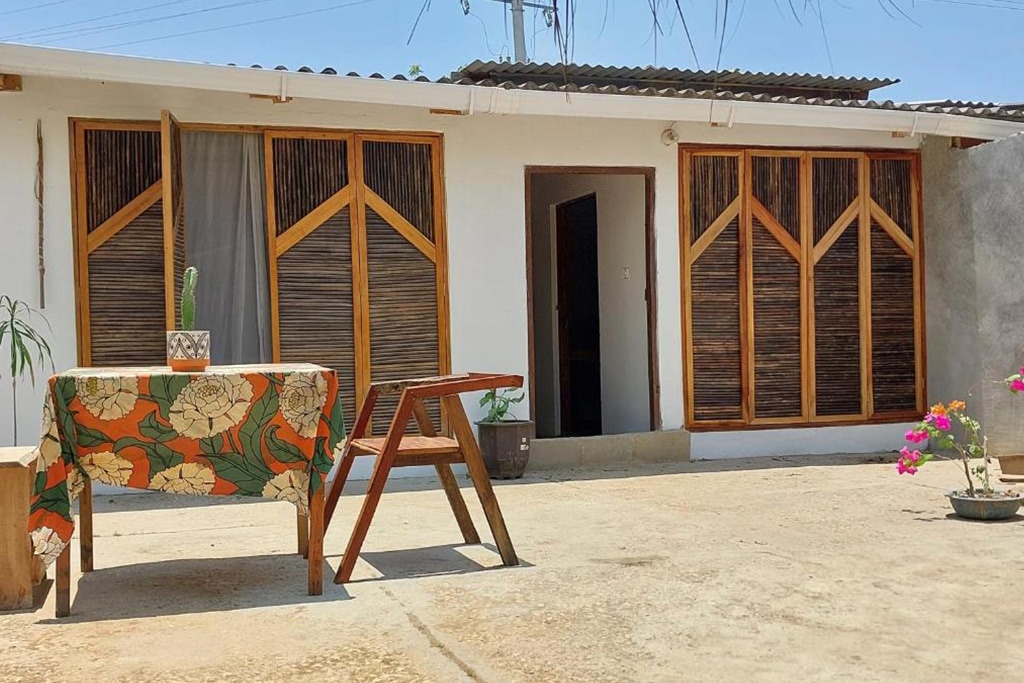
Nugeku Hostel
Nugeku Hostel is a great choice for budget travelers: a friendly atmosphere, a garden, a shared kitchen, and simple rooms, just a five-minute walk from the beach in a quiet neighborhood.
$ – Budget-friendly
Hostel
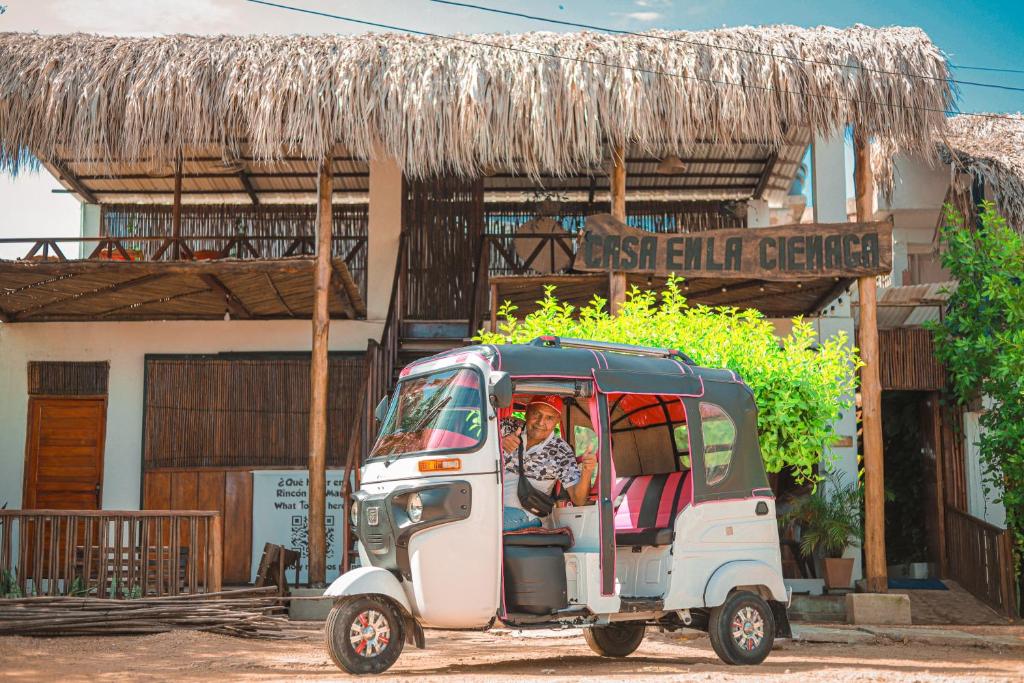
Hostal Casa en la Ciénaga
Hostal Casa en la Ciénaga is particularly appealing for its peaceful setting overlooking the lagoon, complete with a terrace, garden, and shared kitchen, all while remaining close to Punta Seca.
$$ – Average budget
Hotel
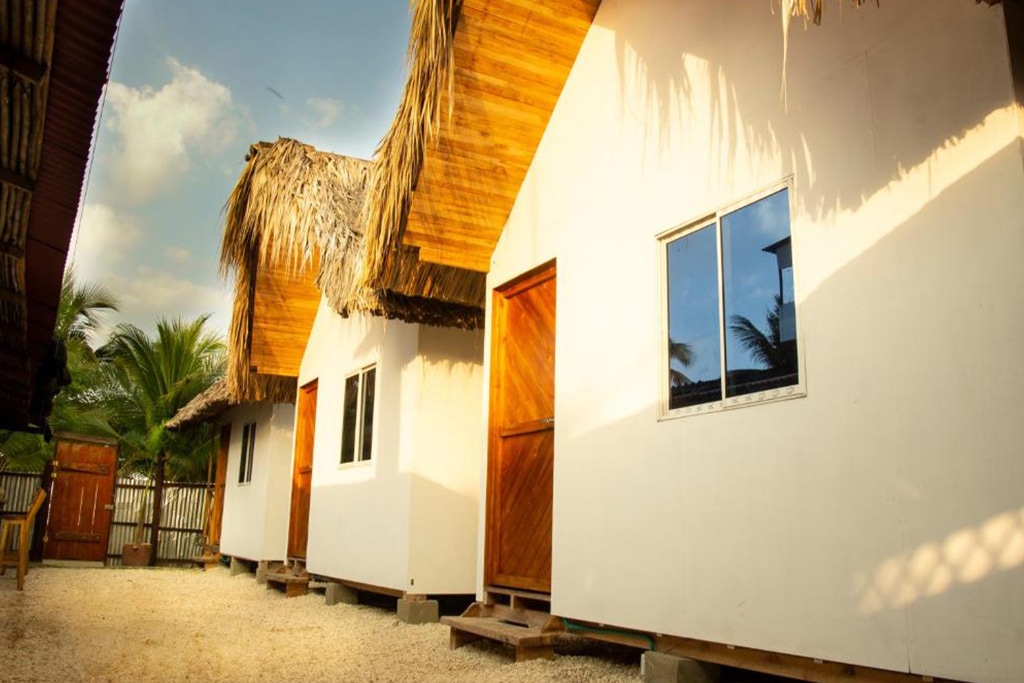
Mithival Beach
Mithival Beach offers a good balance between comfort and a seaside setting: direct access to the beach, a garden, a bar, air-conditioned rooms, and some with balconies overlooking the water.
$$ – Average budget
Hotel
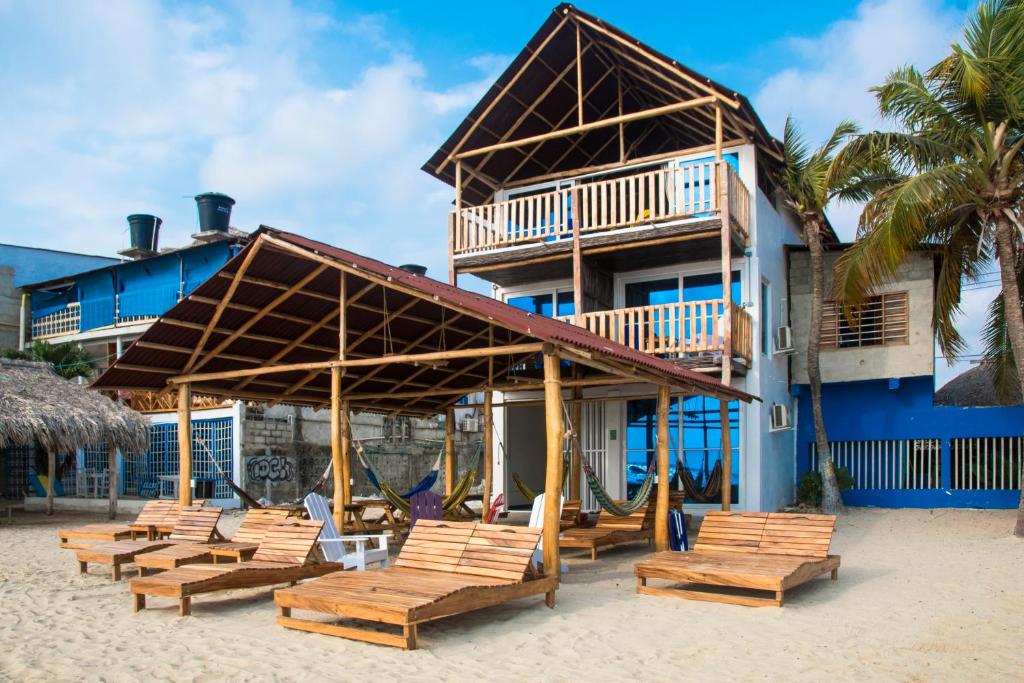
Mamallena
Mamallena boasts a beachfront location, with air-conditioned rooms—some featuring balconies and ocean views—a shared kitchen, and a laid-back atmosphere.
$$$ – High budget
Hotel
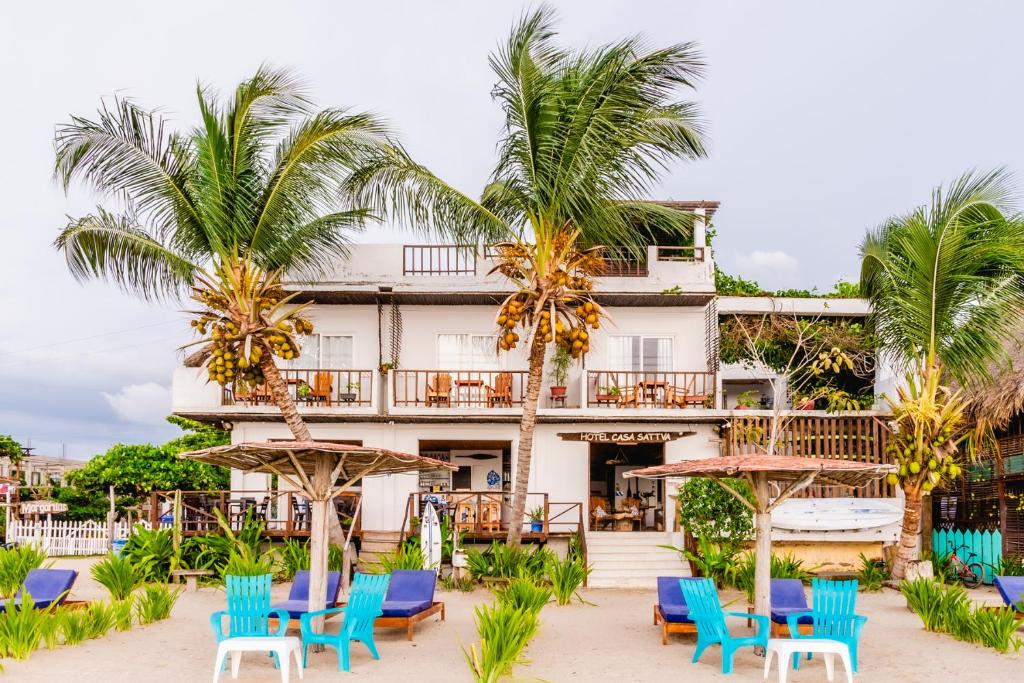
Hotel Casa Sattva
Casa Sattva focuses more on comfort, with direct access to the beach, an indoor pool, air-conditioned rooms, balconies, and ocean views, all in a more intimate, adults-only setting.
$$$ – High budget
Hotel
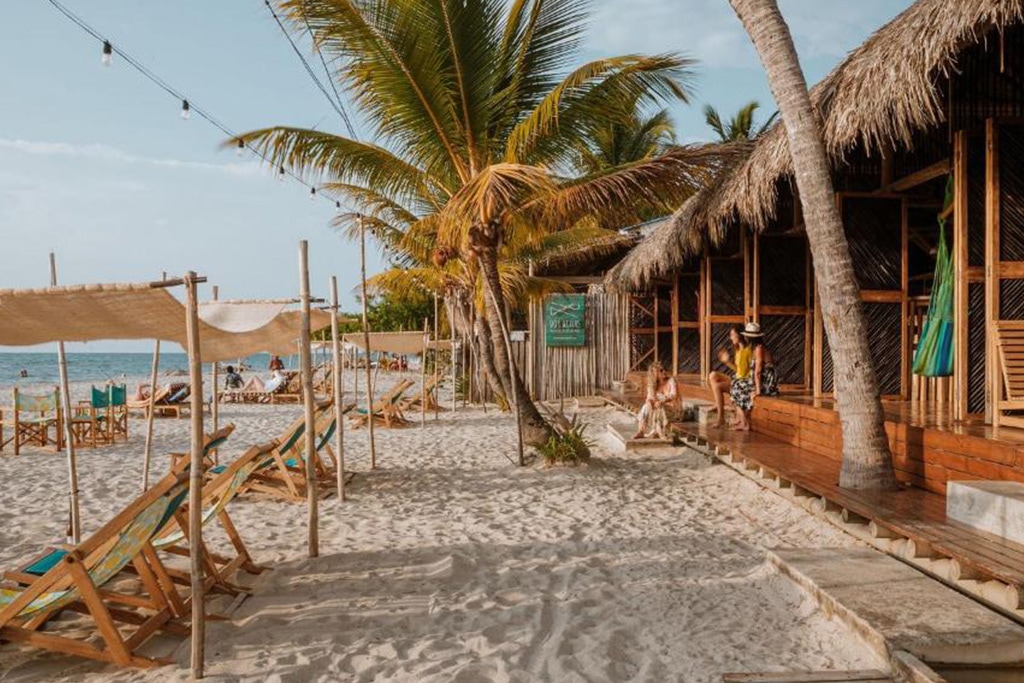
Dos Aguas Lodge
Dos Aguas Lodge is one of the finest accommodations in Rincón: located right on the beach, immaculately maintained, peaceful, lush with greenery, featuring a restaurant, and committed to sustainability—a commitment that is particularly strong in the local community.
Where to eat in Rincón del Mar?
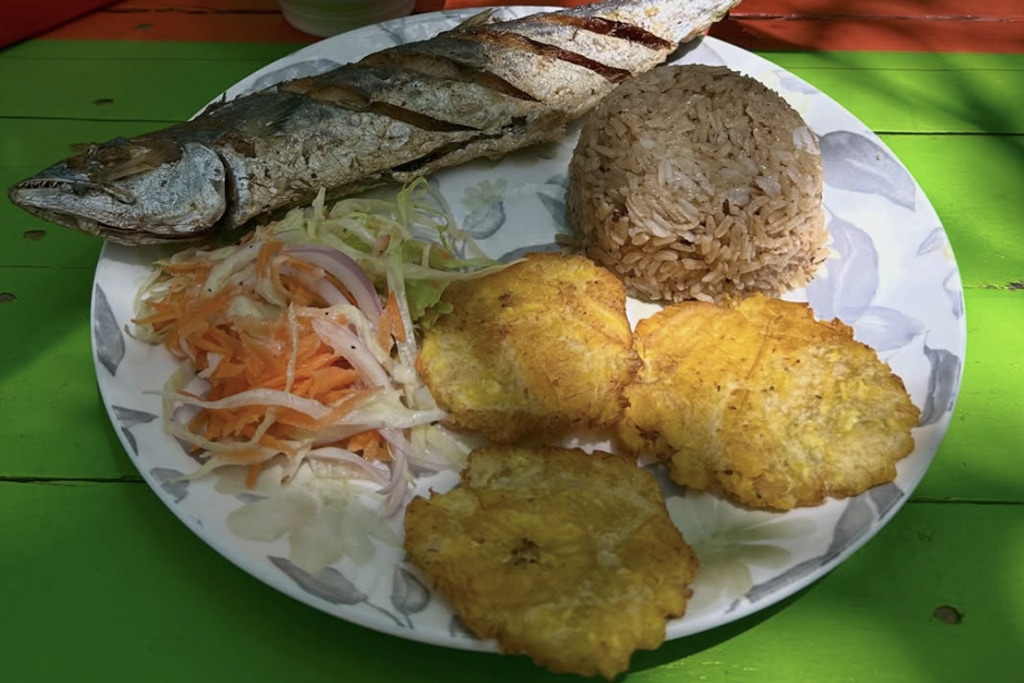
In Rincón del Mar, the restaurant scene is fairly simple, but it offers good food without necessarily breaking the bank. You’ll find mostly fresh fish, seafood, coconut rice, Caribbean dishes, and a few more upscale spots right on the beach. So we’ve selected several restaurants to suit different budgets, ranging from unpretentious local spots to more upscale establishments where you can also enjoy the oceanfront setting.


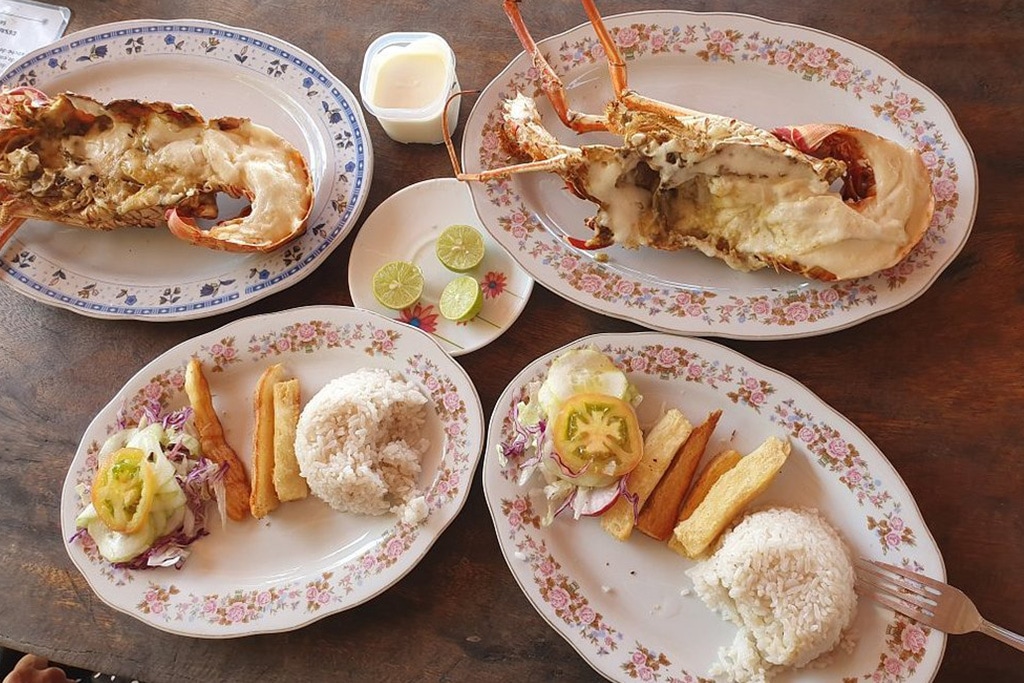
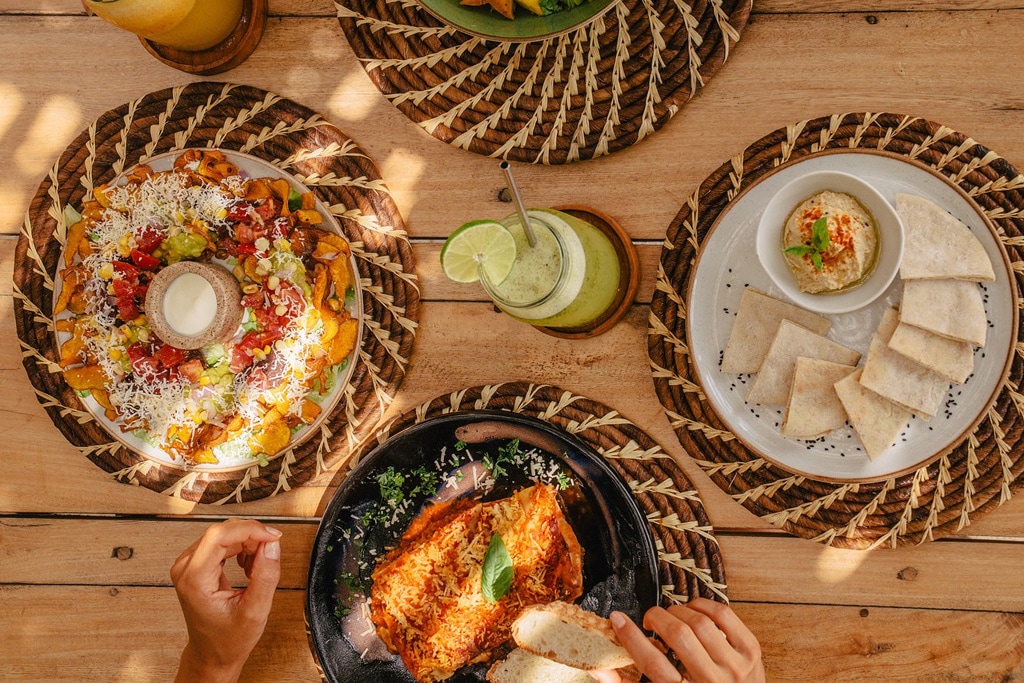
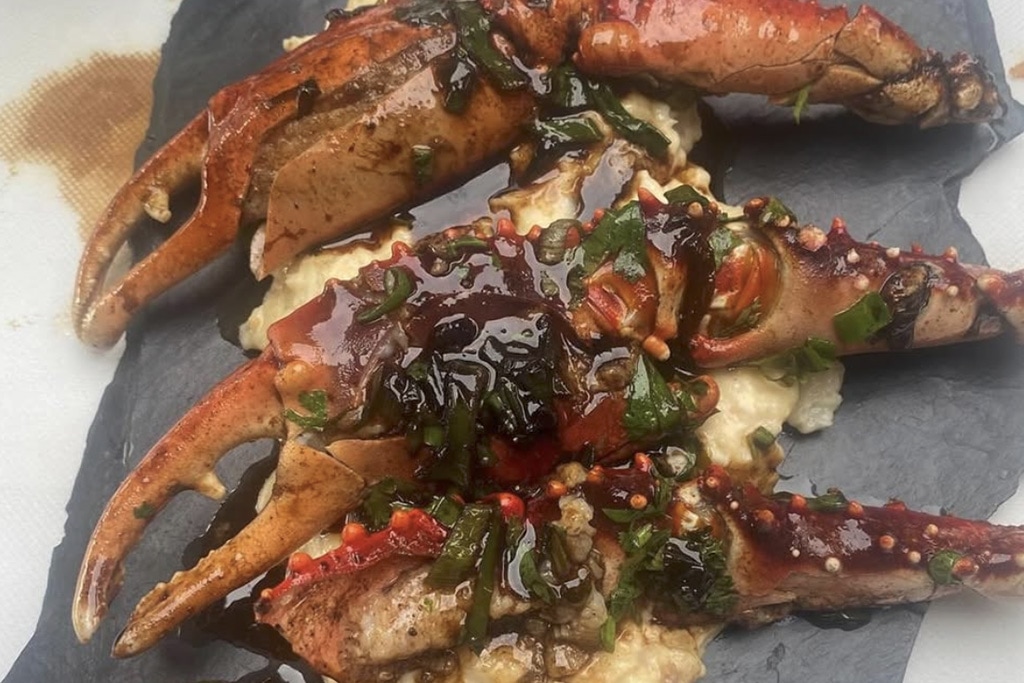

Tips / Notes
Plan to have an extra day in case of sea conditions. Trips to San Bernardo may be adjusted or postponed depending on sea conditions.
If possible, choose accommodations right on the beach. In our opinion, it really makes a difference and lets you fully enjoy the atmosphere of Rincón.
Avoid weekends if you’re looking for peace and quiet. The village gets livelier, with more local visitors and sometimes loud music late into the night.
Make sure to bring enough cash. There are no ATMs in Rincón del Mar (the nearest one is in San Onofre).
Always bring water with you. The heat and humidity can be intense, especially during excursions or long days at the beach.
Sunscreen, a hat, and insect repellent are essential. Insect repellent is especially useful at sunset and near the mangroves.
Keep your belongings safe during boat trips. A waterproof pouch or small bag is handy for your phone, documents, and camera.
Be flexible. Infrastructure remains basic, and some services may be unreliable; it’s best to come here without trying to plan everything down to the minute.


